Author: GizNews

  • House of Marley Japan Launches Get Together Go Wireless Speaker

    House of Marley Japan Launches Get Together Go Wireless Speaker

    Key Takeaways

    1. The Get Together Go speaker is made from recycled and renewable materials and features the Marley Signature Sound.
    2. It has a rugged design with an IP67 rating, making it dustproof and waterproof.
    3. The speaker delivers impressive sound quality with a 30-watt output, two drivers, and adjustable EQ presets.
    4. It offers a battery life of 20 hours and can be recharged in 4 hours via USB-C.
    5. The speaker is priced at 29,990 yen (~$190) and is available in Cream or Signature Black.


    House of Marley has introduced the Get Together Go portable wireless speaker in Japan. This speaker is made from recycled and renewable materials while providing the distinct Marley Signature Sound. Additionally, it features a bottle opener.

    Rugged Design

    The Get Together Go is designed to be tough, with an IP67 rating that ensures it is both dustproof and waterproof. The front face of the speaker is crafted from renewable bamboo, while its body is made from recycled REGRIND silicone.

    Impressive Sound Quality

    This 30-watt speaker is equipped with two drivers and two tweeters, offering a frequency range from 100 Hz to 20 kHz. It connects to audio sources using standard SBC or AAC codecs over Bluetooth 6.0, or via a wired 3.5 mm connection. Users can adjust the EQ with three different presets.

    Dimensions and Battery Life

    The speaker’s dimensions are 30 × 7.8 × 10.7 cm (11.8 x 3.1 x 4.2 in.) and it weighs 1.35 kg (2.98 lbs.). It boasts a battery life of 20 hours and can be fully recharged in 4.0 hours through its USB-C port, as stated by the brand.

    The Get Together Go portable speaker is available for purchase at the Kanjitsu Denki shop for 29,990 yen (~$190) in Cream or Signature Black. It will soon be available at the House of Marley store on Amazon.

    Source:
    Link
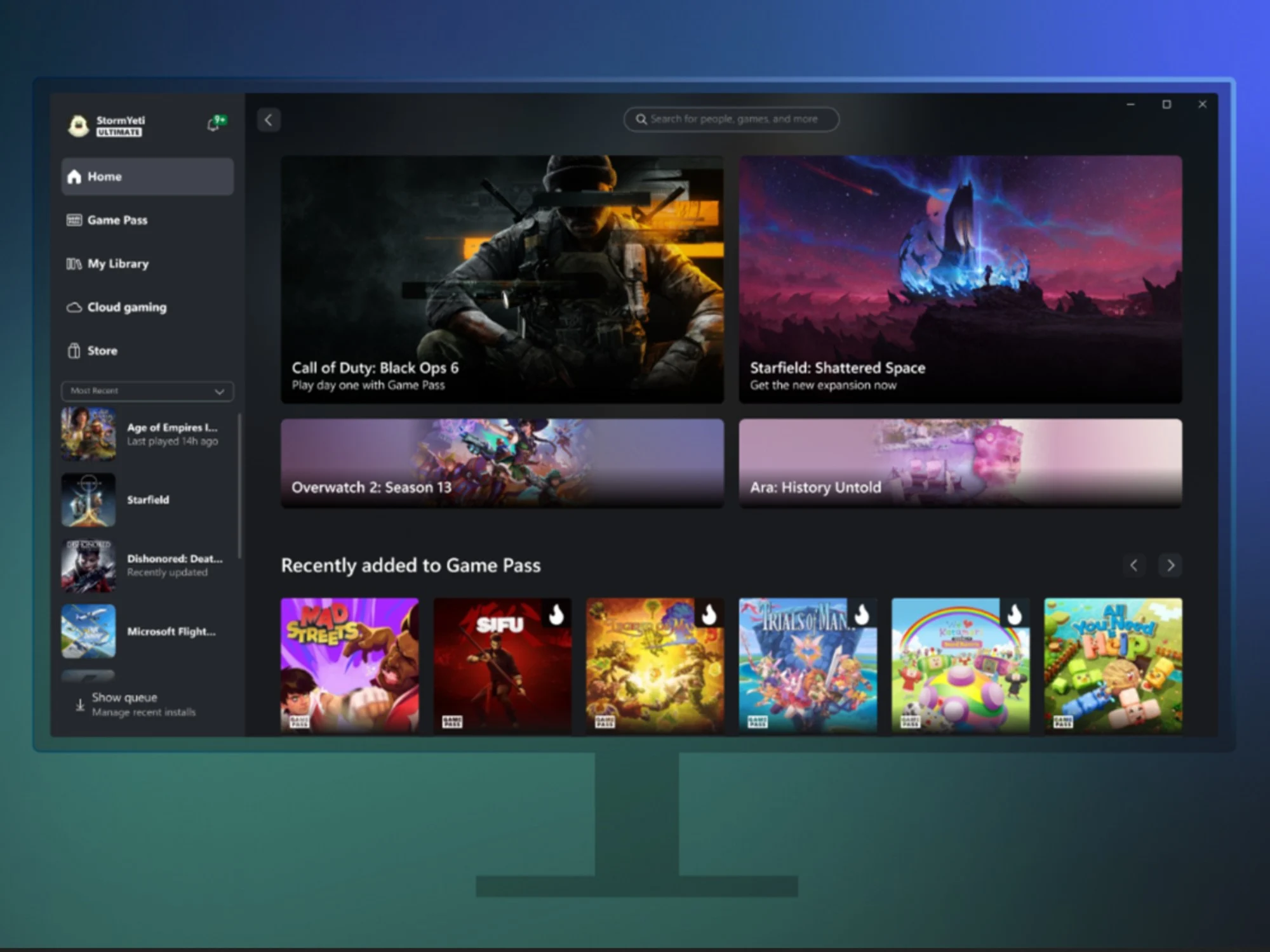


  • Xbox App to Launch All Games, Boosting Project Helix Console

    Xbox App to Launch All Games, Boosting Project Helix Console

    Key Takeaways

    1. Enhanced Game Access: The latest Xbox app update allows users to launch games and applications from various platforms, improving accessibility for gamers.

    2. User-Friendly Process: Testers report that adding games is simple, involving a “+” symbol in “My Library” and requiring the target file to be an .exe type.

    3. Positive Reception for Handhelds: Owners of Windows gaming handhelds have responded positively to the Xbox Mode, which provides a console-like experience on PCs and mobile devices.

    4. Future of Project Helix: Project Helix is expected to launch by 2027, with potential UI changes that may take inspiration from Xbox Series X|S or the Windows app.

    5. Uncertain Steam Shortcut Support: Current support for Steam shortcuts in the Xbox app may change with Project Helix, and there are hints of a curated Helix store featuring selected partners.


    Microsoft is always searching for ways to improve gaming across different devices. The newest update for the Xbox app allows users to launch any game or application from the same platform. As reported by Pure Xbox, insiders are currently testing this new feature on PCs and handheld devices. With Project Helix expected to operate on Windows, the user interface modifications may enhance navigation on the upcoming Xbox console.

    More Access for Gamers

    Previously, gamers could use Steam and other third-party stores within the Xbox app. Now, they will have the ability to open additional games or even productivity applications without hassle.

    Simple Steps for Users

    Testers have noted that the process is quite straightforward. In the “My Library” section, users will see a “+” symbol appear. The only restriction seems to be that the target file must be an .exe type. Users can assign a unique name for the shortcut, alter its icon, and even set launch parameters.

    Positive Feedback from Handheld Owners

    The changes have been positively received by owners of Windows gaming handhelds like the ROG Xbox Ally. The Xbox Mode, which was previously called the Full Screen Experience, offers a console-like browsing experience on PCs and mobile devices. Sadly, some games or applications may still require users to switch to desktop mode, making the experience less smooth.

    With the Project Helix release expected as soon as 2027, there are still unanswered questions about its user interface. It might take cues from the Xbox Series X|S or could be a version of the Windows app. If it leans towards the latter, some gamers might anticipate controls that are comfortable for couch use on the new Xbox console.

    Uncertain Future for Steam Shortcuts

    Despite Microsoft currently supporting Steam shortcuts in the Xbox app, this may change with Helix. An insider from Moore’s Law Is Dead mentioned that developers at GDC 2026 provided some hints. One interesting detail is that its Game Development Kit (GDK) will allow for Xbox-exclusive titles. Additionally, even with the speculation, there are no indications that Microsoft will combine all PC storefronts.

    Gamers might see a specially curated Helix store that will feature only selected partners. A representative from Epic Games Store has previously suggested their involvement. Nevertheless, even without Valve, Microsoft must ensure that the improvements made with Xbox Mode carry over to future gaming platforms.

    Source:
    Link


  • Scientists Explore the Dynamic Cocoon of a Nearby Pulsar

    Scientists Explore the Dynamic Cocoon of a Nearby Pulsar

    Key Takeaways

    1. A pulsar wind nebula forms from the death of a massive star, resulting in a pulsar that releases high-energy charged particles.
    2. Vela X receives energy from the Vela pulsar in the supernova remnant G263.9–3.3, featuring the Cocoon, a stream of energetic particles.
    3. The Cocoon emits radiation in radio and X-ray wavelengths, but these emissions occur in separate locations, puzzling astronomers.
    4. Researchers suggest the Cocoon’s formation may be due to a reverse shock from the supernova remnant, distorting the nebula.
    5. Future observations are needed to assess the local magnetic field strength, aiding understanding of the Cocoon’s creation.


    A pulsar wind nebula arises from the death of a massive star. When the star’s core collapses, it transforms into a pulsar, which releases a strong wind composed of high-energy charged particles. This wind interacts with nearby debris, resulting in a luminous cloud known as a pulsar wind nebula.

    Insights on Vela X

    Vela X gets its energy from the Vela pulsar located in the supernova remnant G263.9–3.3. One notable feature in Vela X is the Cocoon, a long and narrow stream of energetic particles that stretches away from the pulsar towards the south-southwest. Scientists have observed that the Cocoon emits radiation in both radio and X-ray wavelengths, but they appear in separate locations. This finding puzzled astronomers since radiation typically overlaps in similar celestial objects.

    Understanding the Cocoon’s Formation

    Researchers propose that the Cocoon may have been created by a reverse shock from the supernova remnant moving back toward the nebula. This event likely distorted the nebula, leading to the formation of the cocoon shape.

    To delve deeper into this occurrence, scientists utilized the ATCA to capture detailed images that revealed large, curved filaments within the Cocoon. Additionally, smaller, irregular wisps were present inside the larger filaments, indicating chaotic and unstable plasma movements. New data indicates that these filaments exhibit high polarization, which suggests the presence of organized magnetic field lines.

    Future Research Directions

    Continued observations are essential for scientists to gauge the local magnetic field strength, which will enhance their comprehension of the Cocoon’s creation.

    Source:
    Link


  • Casio Launches New Metallic Dial Analog-Digital Watches in the US

    Casio Launches New Metallic Dial Analog-Digital Watches in the US

    Key Takeaways

    1. Three new Casio G-Shock GMAS140PG watch models are now available in the U.S.: GMAS140PG-1A, GMAS140PG-4A, and GMAS140PG-7A.
    2. Each watch is priced at $120 and can be purchased online, at the SoHo store in New York, or on Amazon through third-party sellers.
    3. All models feature a stylish metallic rose gold dial and come in different colors: black, pink, and white.
    4. The GMAS140 watches have a hybrid design with analog hands and digital displays, including a stopwatch, countdown timer, and world time for 48 cities.
    5. These watches are water-resistant up to 200 meters and are designed to be magnetic resistant.


    Three new models of the Casio G-Shock GMAS140PG watches are now offered in the United States. The GMAS140PG-1A, GMAS140PG-4A, and GMAS140PG-7A, which were first introduced in Japan back in February 2026, are now ready for purchase.

    Purchase Options

    You can find the Casio G-Shock GMAS140PG watches available at the official online store for $120 each. The brand has also shared on social media that these watches can be found in their physical store located in SoHo, New York. Additionally, they are available on Amazon through various third-party sellers.

    Watch Specifications

    All three models of the Casio G-Shock GMAS140 come with a stylish metallic rose gold dial. The GMAS140PG-1A features a black resin case and strap, while the GMAS140PG-4A has a pink case and strap. The GMAS140PG-7A is designed in white. Each watch measures approximately 49.0 x 45.9 x 15.8 mm (~1.93 x 1.81 x 0.62 inches) and weighs around 56 g (~1.98 oz).

    Features of the GMAS140

    The G-Shock GMAS140 by Casio is a hybrid timepiece, combining two analog hands with a speed dial and several digital displays that show the date. It comes equipped with a 1/1000th second stopwatch, countdown timer, five daily alarms, and hourly time signals. Users can take advantage of world time features supporting up to 48 cities. Additionally, these watches are designed to be magnetic resistant and can withstand water up to 200 meters.

    Casio, Casio via Instagram

    Source:
    Link


  • Nine New Amazfit Wearables Coming in 2026: What to Expect

    Nine New Amazfit Wearables Coming in 2026: What to Expect

    Key Takeaways

    1. Zepp Health plans to launch around nine new Amazfit products in 2026, similar to 2025.
    2. New additions to the T-Rex smartwatch series are expected, alongside the recently launched T-Rex Ultra 2 and T-Rex 3 Pro.
    3. A new version of the Helio Strap will be released in late 2026, addressing supply chain issues faced by the initial version.
    4. Three new Amazfit smartwatches were introduced in 2025: T-Rex Ultra 2, Active 3 Premium, and Active Max.
    5. Specific details about which Amazfit wearables will be launched by the end of 2026 remain uncertain.


    Zepp Health has announced that they will be launching a variety of new Amazfit devices in 2026. During a recent call with investors discussing the company’s Q4 2025 financial results, Chief Financial Officer (CFO) Leon Deng shared some information about upcoming products. It’s worth noting that the brand has already introduced three new smartwatches this year: the T-Rex Ultra 2, the Active 3 Premium, and the Active Max, which is currently priced at $169.99 on Amazon.

    Future Product Releases

    During the investor call, Deng projected that there will be approximately nine Amazfit product launches in 2026, similar to the amount seen in 2025. This suggests that enthusiasts can look forward to around six additional releases by year-end. Among these could be the leaked Amazfit Cheetah 2 Pro and the anticipated Amazfit Falcon 2.

    Expanding the T-Rex Lineup

    In 2026, more devices will be added to the Amazfit T-Rex smartwatch series. These adventure-focused wearables will expand on the recently launched T-Rex Ultra 2 and the T-Rex 3 Pro from 2025. However, Deng did not specify their exact positioning within the product lineup. Additionally, a new iteration of the popular Helio Strap is also expected to hit the market in the latter half of 2026. The initial version was released in 2025 but faced supply chain challenges, resulting in it being sold out in various areas toward the year’s end. Zepp Health mentioned that they are working on these issues while also developing the next-gen model.

    Uncertainty Remains

    It is still unclear which specific Amazfit smartwatches and other wearables will be launched before 2026 comes to a close.

    Source:
    Link


  • Lenovo Unveils 14-Inch ThinkPad with LPCAMM2 Memory and Intel Panther Lake

    Lenovo Unveils 14-Inch ThinkPad with LPCAMM2 Memory and Intel Panther Lake

    Key Takeaways

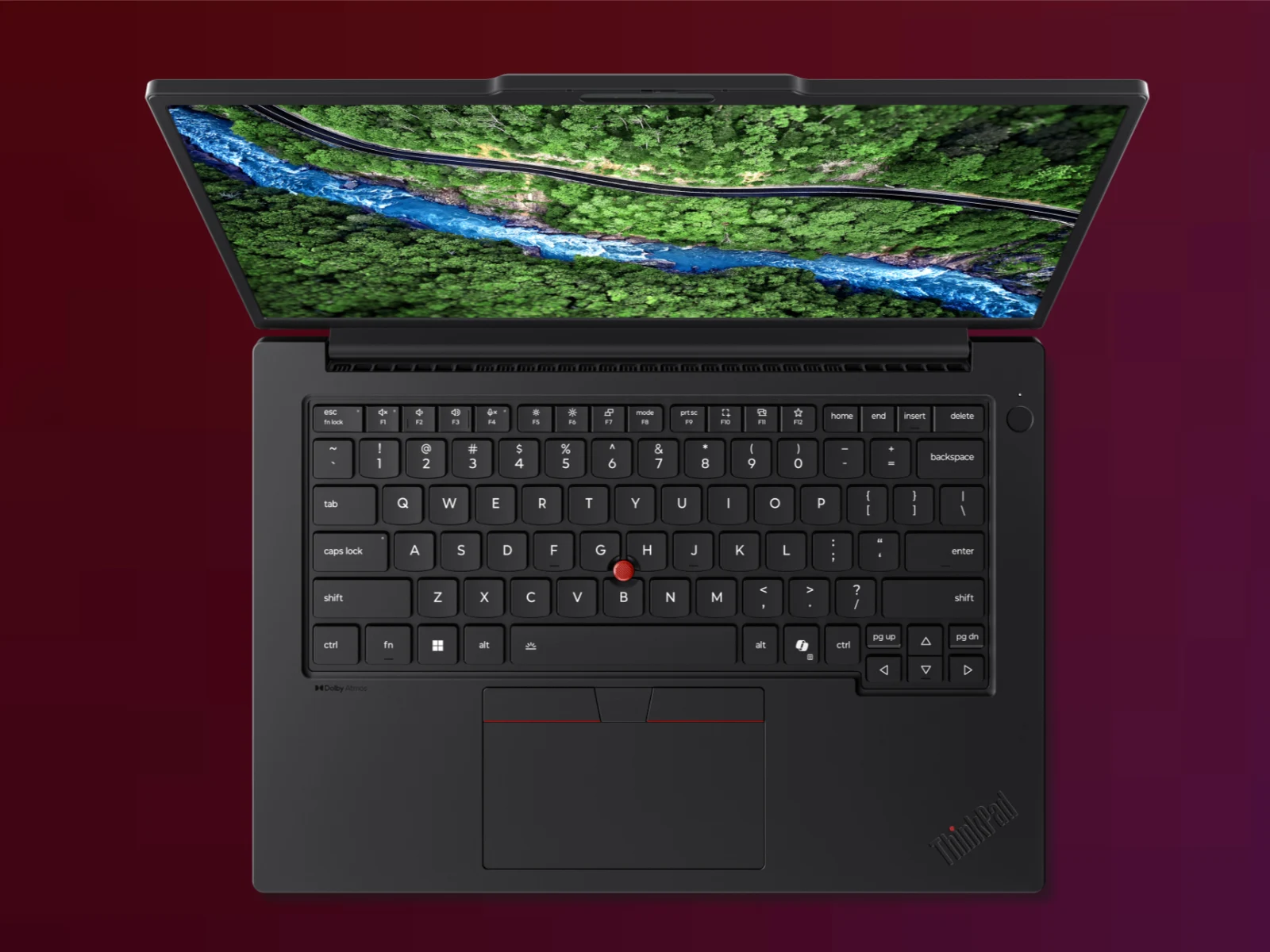
    1. The ThinkPad P14s i G7 features a 16-core Core Ultra 300 H series processor with an Arc B390 iGPU, likely the Core Ultra X9 388H.
    2. It includes an Nvidia RTX Pro 1000 Blackwell Generation GPU with 8 GB of GDDR7 VRAM and supports up to 96 GB of LPDDR5x RAM.
    3. The device offers battery options of 60 Wh or 75 Wh and display choices of 14.5 inches with a 16:10 aspect ratio.
    4. Connectivity options include HDMI, two Thunderbolt 4 ports, USB Type-A ports, and an Ethernet port, with a weight of 1.63 kg.
    5. Lenovo plans to launch the ThinkPad P14s i G7 in select markets in May 2026, but pricing details are not yet available.


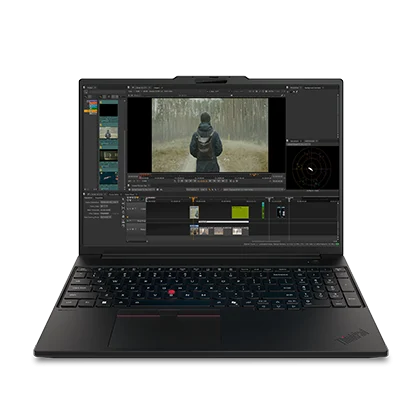
    The ThinkPad P14s i G7 is here to take the place of last year’s Intel Arrow Lake-based model, which is currently priced at $1,899 on Amazon. Lenovo mentions that the P14s i G7 will be offered with an impressive 16-core Core Ultra 300 H series processor featuring an Arc B390 iGPU. While this hasn’t been verified yet, it appears that it might actually be the Core Ultra X9 388H instead of the Core Ultra 9 386H or the Core Ultra X7 options.

    Hardware Enhancements

    In addition to the powerful 16-core processor, the P14s i G7 will come equipped with an Nvidia RTX Pro 1000 Blackwell Generation laptop GPU that has 8 GB of GDDR7 VRAM. This model will also support LPCAMM2 memory, allowing Lenovo to provide configurations with up to 96 GB of LPDDR5x RAM running at 8,533 MT/s. It will feature a battery option of either 60 Wh or 75 Wh, along with 14.5-inch and 16:10 display choices.

    Connectivity and Design

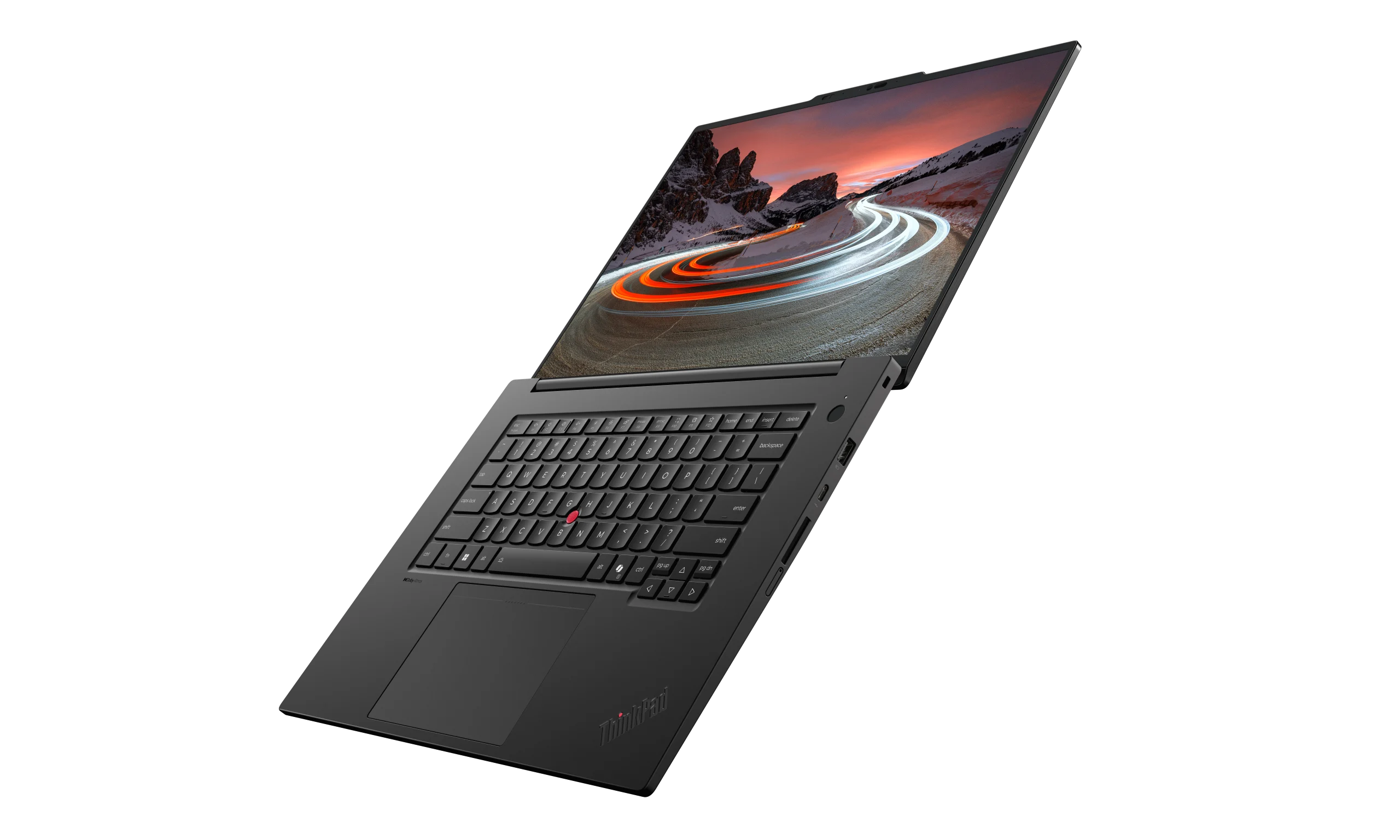
    The device includes a full-sized HDMI port, two Thunderbolt 4 ports, a USB Type-A port, and a 3.5 mm audio jack located on the left side. On the right side, you’ll find an Ethernet port and an additional USB Type-A port. The overall weight of the ThinkPad P14s i G7 starts at 1.63 kg, with dimensions of 325.2 x 226.3 x 11.7 mm.

    Lenovo plans to launch the ThinkPad P14s i G7 in select markets beginning in May 2026, though specific details are currently lacking. Furthermore, the company has yet to reveal any pricing information, leaving customers in the dark for now.

  • Lenovo Unveils 14-Inch ThinkPad with AMD Gorgon Point & 96GB RAM

    Lenovo Unveils 14-Inch ThinkPad with AMD Gorgon Point & 96GB RAM

    Key Takeaways

    1. Lenovo has refreshed its ThinkPad lineup with new P series models, including the P14s i Gen 7, ThinkPad P1 Gen 9, and ThinkPad P16s Gen 5.

    2. The ThinkPad P14s G7 AMD features the Ryzen AI 9 HX Pro 470 APU and lacks a discrete GPU option compared to the P14s i G7.

    3. Display options for the P14s G7 AMD include 1200p IPS or 2.8K OLED screens, with the 2.8K version supporting a 120 Hz refresh rate and 100% DCI-P3 color coverage.

    4. The laptop supports up to 96 GB of DDR5-5600 RAM and up to 2 TB of PCIe Gen 5 storage.

    5. It will be available with 60 Wh or 75 Wh batteries, weighing as little as 1.29 kg, and is expected to launch in April 2026, with pricing yet to be announced.


    Lenovo has refreshed its ThinkPad lineup with the introduction of new P series models, notably the P14s i Gen 7. To give some background, the company has also unveiled the ThinkPad P1 Gen 9 and ThinkPad P16s Gen 5. In addition, a smaller alternative to both the P16s G5 and P1 G9 has been launched, called the P14s Gen 7 AMD.

    Specifications of the New Model

    Lenovo states that the ThinkPad P14s G7 AMD will come equipped with up to the Ryzen AI 9 HX Pro 470 APU alongside its Radeon 890M iGPU. For comparison, this APU is only slightly better than the Ryzen AI 9 HX Pro 370 found in the previous ThinkPad P14s G6 (currently priced at $1,780 on Amazon). It’s also worth noting that the P14s G7 AMD does not include a discrete GPU option, unlike its counterpart, the P14s i G7.

    Display Options and Memory

    Furthermore, Lenovo will provide its latest 14-inch AMD laptop with options for either 1200p IPS or 2.8K OLED screens. It’s important to mention that only the 2.8K version offers a refresh rate of 120 Hz and covers 100% of the DCI-P3 color space. The ThinkPad P14s G7 AMD will also feature up to 96 GB of DDR5-5600 RAM distributed across dual SO-DIMM slots, along with 2 TB of PCIe Gen 5 storage.

    Battery and Availability

    In addition, the laptop will be available with either 60 Wh or 75 Wh batteries, housed in a chassis weighing as little as 1.29 kg and measuring 313.6 x 221.7 x 15.93 mm. The P14s G7 AMD is expected to be available starting from April 2026. Unfortunately, Lenovo has yet to announce the pricing for this model. They have also not provided complete details regarding availability or configuration options.

  • Lenovo ThinkPad P16s Gen 5: AMD Ryzen 9 HX 400 & Nvidia GPUs

    Lenovo ThinkPad P16s Gen 5: AMD Ryzen 9 HX 400 & Nvidia GPUs

    Key Takeaways

    1. Lenovo introduced the ThinkPad P1 Gen 9, its most expensive workstation laptop, and the budget-friendly ThinkPad P16s Gen 5, which features a 16-inch display.
    2. The ThinkPad P16s Gen 5 will offer both Intel and AMD processor options, including the Intel Core Ultra Series 3 H CPUs and the top-tier AMD Ryzen HX 9.
    3. The redesigned chassis of the P16s Gen 5 allows for dedicated GPUs, with options like the Nvidia RTX Pro 2000 Blackwell featuring 8 GB VRAM.
    4. The P16s Gen 5 boasts impressive specifications, including a 16-inch display, Wi-Fi 7 and 5G support, and a lightweight design at 1.75 kg.
    5. The Intel version of the P16s Gen 5 will launch in May, while the AMD version will be available in June, with pricing details yet to be announced.


    At the Nvidia GTC 2026, Lenovo is unveiling several new ThinkPad workstation laptops. Among these is the Lenovo ThinkPad P1 Gen 9, the priciest ThinkPad in the lineup, alongside the more budget-friendly Lenovo ThinkPad P16s Gen 5, which features a 16-inch display. Notably, the ThinkPad P16s Gen 5 will come equipped with both Intel and AMD processors, unlike its P1 counterpart.

    Significant AMD Chip Inclusion

    The inclusion of AMD chips is an important development. Lenovo will offer options including the Intel Core Ultra Series 3 H CPUs and the AMD Ryzen AI 400, with the Ryzen HX 9 as the top-tier choice.

    While the previous P16s Gen 4 (available on Amazon) also had AMD CPU options, Lenovo has redesigned the chassis for the Intel and AMD variants. The P16s Gen 5 features a unified mechanical design, allowing the AMD models to offer dedicated GPUs as well. Customers can expect to see options like the Nvidia RTX Pro 2000 Blackwell with 8 GB VRAM. The latest design also introduces LPCAMM2 memory, allowing for up to 96 GB of RAM, marking the first time this format is being used in a laptop featuring AMD processors.

    Impressive Features in a Mainstream Workstation

    In terms of additional specifications, the Lenovo ThinkPad P16s G5 boasts an impressive range of features for a typical workstation. It offers a 16-inch display with a 16:10 aspect ratio, available in either a WUXGA (1,920 x 1,200) IPS version or a 2.8K (2,880 x 1,800) OLED option. Connectivity options include Wi-Fi 7 and 5G support, along with an SD card reader, and the battery capacity can reach up to 90 Wh. The cover of the display is made from aluminum while the palm rest is crafted from magnesium, resulting in a total weight of 1.75 kg, which is fairly light for a workstation of this size.

    The affordability of the P16s Gen 5 is reflected in some of its specifications, including a smaller 60 Wh battery and an entry-level screen with a 45% NTSC color range. Additionally, this laptop lacks Thunderbolt 5 support, which is available on the pricier P1 Gen 9, and it comes with just one M.2 SSD slot.

    Availability and Pricing Information

    The Lenovo ThinkPad P16s Gen 5 with Intel processors is set to launch in May. On the other hand, customers interested in the AMD version will need to wait until June for its release. However, Lenovo has yet to disclose the pricing details for this laptop.

  • Lenovo ThinkPad P1 Gen 9 Launch: Quick Update After 6 Months

    Lenovo ThinkPad P1 Gen 9 Launch: Quick Update After 6 Months

    Key Takeaways

    1. Lenovo ThinkPad P1 Gen 8 was unveiled at IFA 2025 after a 17-month life cycle of Gen 7.
    2. The ThinkPad P1 Gen 9 is being released just six months after Gen 8, coinciding with Nvidia’s GTC conference.
    3. The new model continues to use Nvidia RTX Pro GPUs, with the highest option being the Nvidia RTX Pro 2000 Blackwell.
    4. Significant internal upgrades include a shift to Panther Lake H CPUs and support for up to 96 GB of LPDDR5X RAM.
    5. The ThinkPad P1 Gen 9 will launch in June 2026 and includes new features like 5G support, but pricing details are not yet available.


    Customers had to be patient while waiting for the Lenovo ThinkPad P1 Gen 8. Its earlier model, the Lenovo ThinkPad P1 Gen 7 (which can be found on Amazon), was revealed in April 2024. This model had a life cycle that lasted over a year, specifically 17 months, until the ThinkPad P1 Gen 8 was unveiled at IFA 2025.

    A Quick Turnaround

    Interestingly, after such a lengthy life cycle, the new model seems to have a very brief one. Just six months later, Lenovo is rolling out the ThinkPad P1 Gen 9 today, coinciding with the start of Nvidia’s GTC conference.

    This new product is, of course, equipped with Nvidia GPUs. Since there were no new GPUs released by Nvidia this year, there are no updates in this aspect – Lenovo continues to utilize the Nvidia RTX Pro GPUs, with the Nvidia RTX Pro 2000 Blackwell as the highest option available.

    Exciting Internal Updates

    The CPU has seen a change, as Lenovo shifts from Arrow Lake H to Panther Lake H. This includes the Intel Core Ultra X9 CPUs with up to 12 Xe ARC graphics, making integrated GPU options much more practical for demanding graphics applications. The powerful integrated GPU is supported by up to 96 GB of LPDDR5X RAM, with Lenovo opting for LPCAMM2 memory. The maximum memory capacity has also increased from 64 GB.

    Other than these internal modifications, the ThinkPad P1 Gen 9 remains quite similar to its predecessor. This is Lenovo’s high-end thin and light workstation, featuring a sleek black aluminum chassis, a large haptic touchpad, and an optional 16-inch Tandem OLED 3.2K (3,200 x 2,000) display, along with Thunderbolt 5 ports. A new addition this year is 5G support, which the previous model lacked entirely.

    The Lenovo ThinkPad P1 Gen 9 is set to launch in June 2026. However, Lenovo has yet to disclose any pricing details.

  • Lenovo ThinkStation P5 Gen 2: 1TB DDR5 RAM & 192GB VRAM PC

    Lenovo ThinkStation P5 Gen 2: 1TB DDR5 RAM & 192GB VRAM PC

    Key Takeaways

    1. The Lenovo ThinkStation P5 Gen 2 features powerful Intel Xeon 600 series processors with up to 48 cores.
    2. It can support up to 1TB of DDR5 RAM, running at speeds of up to 6400MT/s.
    3. The workstation can accommodate up to 16TB of M.2 NVMe SSD storage and an additional 36TB with 3.5-inch hard drives.
    4. Connectivity options include four USB-C ports, six USB-A ports, and support for WiFi 7 and Bluetooth 5.4.
    5. The ThinkStation P5 Gen 2 will be compatible with Windows 11 Pro, Ubuntu Linux, or Red Hat Enterprise Linux, launching in selected markets in April 2026.


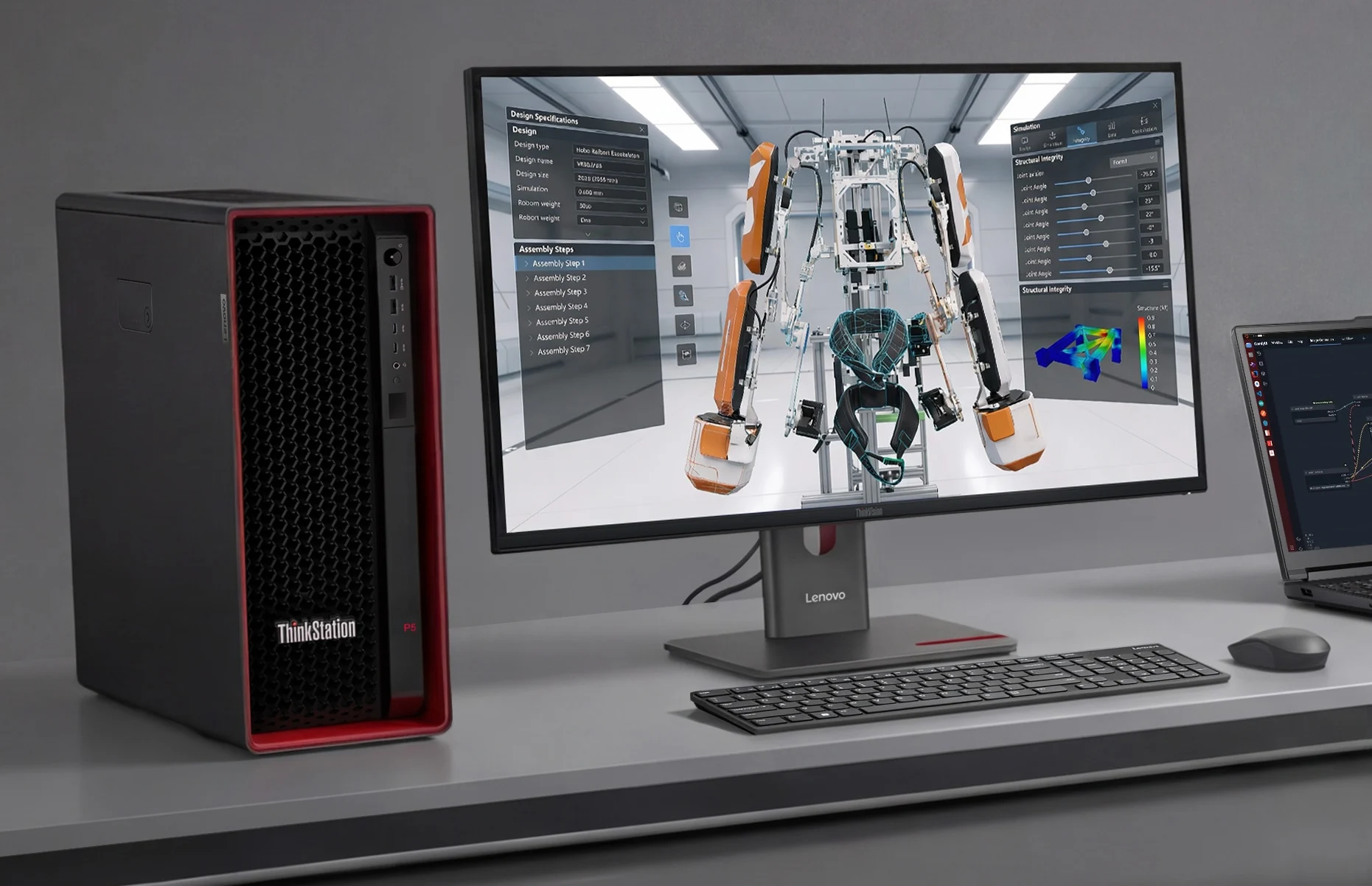
    Although prices for RAM and storage have reached record levels, many professional users require substantial memory for various AI-centric tasks nowadays. As a result, Lenovo has unveiled the new ThinkStation P5 Gen 2, a premium workstation boasting remarkably robust hardware.

    Impressive Hardware Specs

    The latest desktop from Lenovo features processors from the Intel Xeon 600 series, which have up to 48 cores and can clock up to 4.9GHz. These powerful CPUs can be combined with as many as two Nvidia RTX Pro 6000 Blackwell Max-Q graphics cards, offering a massive 96GB ECC GDDR7 VRAM. With eight RAM slots that can support up to 128GB DDR5 each, the Lenovo ThinkStation P5 is capable of housing a total memory of up to 1TB, running at speeds of up to 6400MT/s.

    Storage Capabilities

    For users needing extensive local storage, there’s the option to install up to four M.2 NVMe SSDs, providing a total of 16TB of flash storage. Furthermore, the ThinkStation P5 Gen 2 allows for the installation of three 3.5-inch hard drives, which can add an additional 36TB of storage. To power all these components efficiently, Lenovo offers a choice between a 750W or 1000W power supply unit, depending on the specific configuration.

    Connectivity and Software

    On the connectivity front, the Lenovo workstation includes four USB-C 3.2 ports, but only one of them can reach full bandwidth of up to 20Gbps, while the remaining three are capped at 10Gbps. Additionally, there are six USB-A ports, two 3.5mm audio jacks, and Gigabit Ethernet. Alternatively, the ThinkStation P5 can connect via WiFi 7 and Bluetooth 5.4. To top it off, this desktop PC is compatible with Windows 11 Pro, Ubuntu Linux, or Red Hat Enterprise Linux. While Lenovo has not yet disclosed complete pricing details for the US market, the company has confirmed that the ThinkStation P5 Gen 2 will be available in selected markets starting April 2026.