Author: GizNews

  • Xiaomi Launches Smart Air Conditioner with Rapid Cooling Feature

    Xiaomi Launches Smart Air Conditioner with Rapid Cooling Feature

    Key Takeaways

    1. Xiaomi has launched the Mi Home Central Air Conditioner with a Powerful Duct Unit in China, available for pre-order and praised for its energy efficiency (Level 1 rating).

    2. The air conditioner features an annual performance factor (APF) of 4.90 and offers a high airflow rate of 1,560 m³/h, with quick heating and cooling times of 60 seconds and 20 seconds, respectively.

    3. It includes smart features that allow remote operation via the Xiaomi app and Xiao AI voice assistant, along with optional accessories for enhanced functionality.

    4. The device can intelligently direct airflow using sensors to detect individuals in the room and has a sleek white design, measuring 1,250 mm in length and 198 mm in height.

    5. The starting price in China for the 3HP model is CNY 8,199 (approximately $1,179), with no confirmation yet on availability in other regions like Europe.


    Xiaomi has introduced the Mi Home Central Air Conditioner featuring a Powerful Duct Unit in China. It is now up for pre-orders and is touted as “super energy efficient,” achieving a Level 1 energy efficiency rating in the country.

    Performance and Specifications

    The Xiaomi Mi Home Central Air Conditioner boasts an annual performance factor (APF) of 4.90. The 3HP variant of this unit is claimed to provide an airflow rate of 1,560 m³/h (approximately 55,100 ft³/h). The product listing also highlights “ultra-fast” heating and cooling capabilities; it can begin warming a room in about 60 seconds or cool it down in roughly 20 seconds.

    Smart Features

    This smart air conditioner from Xiaomi can connect to various other devices from the brand for enhanced control. Users can operate the appliance remotely via the Xiaomi app or by using the Xiao AI voice assistant. Additionally, optional accessories like a fresh air module, an MIFD filter, and a formaldehyde filter are available. It can also work with the Xiaomi Mi Home Intelligent Wind Control Panel, which enables the device to smartly direct airflow toward or away from individuals detected in the room, thanks to integrated sensors. The internal unit sports a white finish, with dimensions of 1,250 mm (about 49.2 inches) in length and 198 mm (around 7.8 inches) in height.

    Pricing Information

    In China, the price for the Xiaomi Mi Home Central Air Conditioner with the Powerful Duct Unit begins at CNY 8,199 (approximately $1,179) for the 3HP model. The company has not yet confirmed if this model will be available in other regions such as Europe. Meanwhile, you can already purchase the Xiaomi Mijia Air Conditioner Pro Eco 2.6 kW for €599 in countries like Spain through the brand’s online store.

    Source:
    Link


  • Dell Unveils Pro Max Desktop with Nvidia GB300 and 496GB RAM

    Dell Unveils Pro Max Desktop with Nvidia GB300 and 496GB RAM

    Key Takeaways

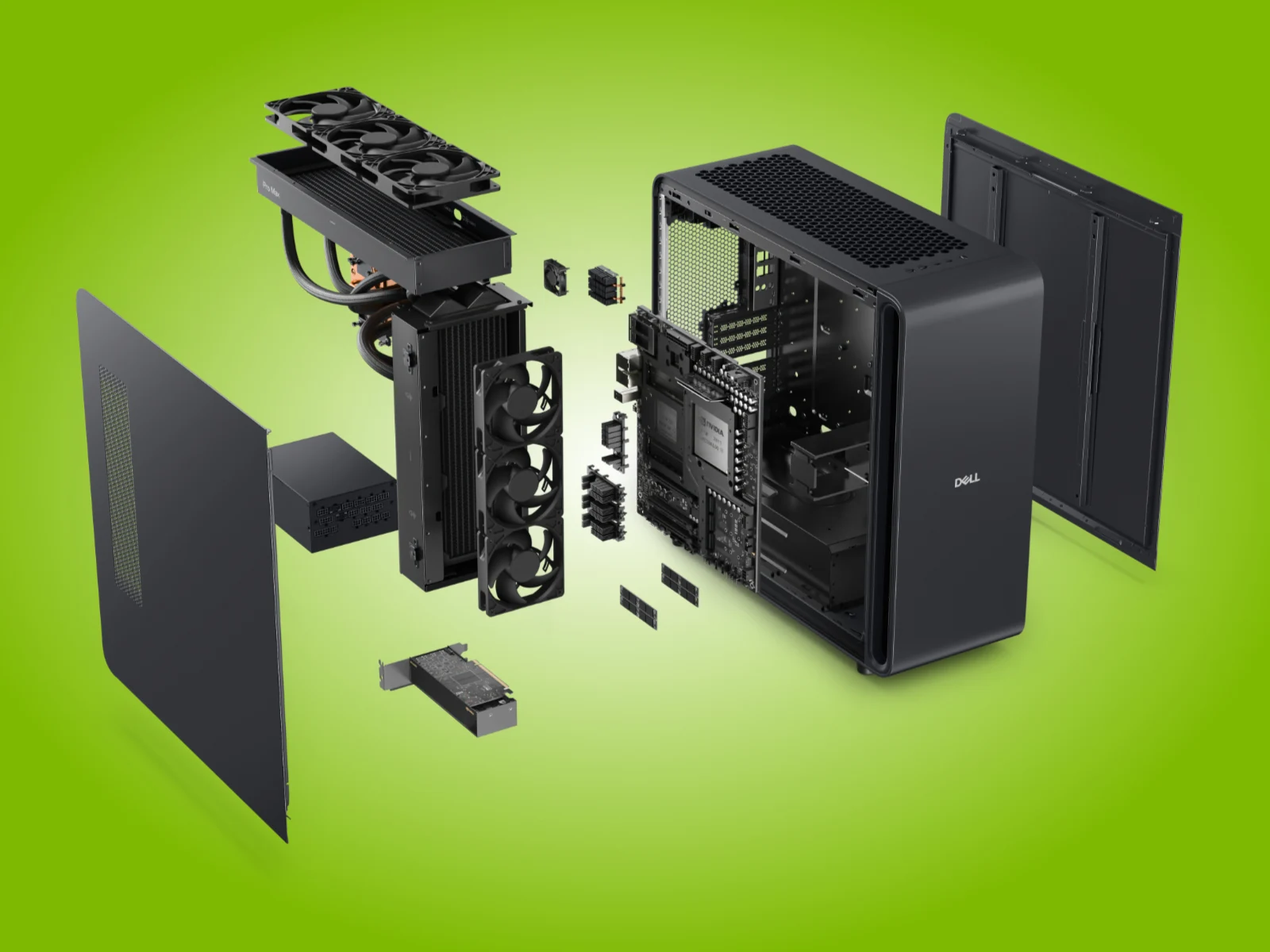
    1. Dell has introduced a new all-Nvidia Pro Max desktop model featuring the robust GB300 processor.
    2. The GB300 processor offers 72 CPU cores and is significantly more powerful than the older GB10 model.
    3. The Pro Max desktop includes impressive specs: 496 GB of LPDDR5X-6400 RAM and 16 TB of storage.
    4. The system supports Nvidia’s AI Developer tools and operates on Ubuntu.
    5. Dell is currently shipping the Pro Max with the GB300 to select customers, with plans for broader availability soon.


    Dell has broadened its Pro Max desktop lineup with a fresh all-Nvidia model. The Pro Max Tower T2 was introduced last year, offering a selection of Intel Arrow Lake processors. In contrast, the latest Pro Max features the Nvidia GB300 processor, which operates on Ubuntu and includes Nvidia’s AI Developer tools.

    Powerful New Processor

    The GB300, announced last year, is a far more robust option compared to the older GB10, now found in compact PCs like the Asus Ascent GX10 (currently priced at $3,498 on Amazon). While the GB10 has 20 CPU cores, the GB3000 boasts an impressive 72-core processor along with integrated DGX B300 graphics. Additionally, Dell pairs the GB300 with the RTX Pro 2000 Blackwell Generation laptop GPU, which offers 16 GB of GDDR7 VRAM and 3,328 CUDA cores.

    Impressive Specs

    The new Pro Max comes with 496 GB of LPDDR5X-6400 RAM and a whopping 16 TB of storage, all housed in a chassis that measures 610 x 569 x 231 mm and weighs 38.67 kg. It also includes a 1600 W Titanium PSU. This month, Dell has started shipping the Pro Max with the GB300 to “select customers.” The company aims to widen its shipment reach “more broadly” in the coming months but has chosen not to disclose full pricing and availability details just yet.

    Source:
    Link


  • Dell Unveils 16-Inch Workstation with AMD Strix and Gorgon Processors

    Dell Unveils 16-Inch Workstation with AMD Strix and Gorgon Processors

    Key Takeaways

    1. Dell has introduced AMD options for its Pro Max 16 and Pro Max 16 Plus mobile workstations.
    2. The Pro Max 16 MC16255 model features customizable Strix Point and Gorgon Point APUs, along with RTX Pro 500 and RTX Pro 1000 Blackwell GPUs.
    3. The laptop offers multiple WVA panel choices, including touchscreen options and resolutions up to 1600p at 120 Hz.
    4. Enhanced connectivity includes Gigabit Ethernet, HDMI 2.1, Thunderbolt 5, and USB 3.2 Gen 1 Type-A ports.
    5. The Pro Max 16 MC16255 is set to launch in the US on March 24, with details on pricing and availability in other regions still pending.


    Dell has refreshed its mobile workstation lineup by introducing an AMD option to the Pro Max 16 and Pro Max 16 Plus that we looked at last year (curr. $4,699 on Amazon). To give some background, the Pro Max 16 featured Intel Arrow Lake-H along with Nvidia RTX Pro Blackwell Generation laptop GPUs. In contrast, Dell has now released the Pro Max 16 Plus with stronger Arrow Lake HX alternatives and the RTX Pro 5000 Blackwell Generation GPU.

    New AMD Options

    This time around, Dell has exchanged Intel for AMD. The latest Pro Max 16 MC16255 will be customizable with the following Strix Point and Gorgon Point APUs:

    Furthermore, Dell is set to provide the MC16255 model with RTX Pro 500 Blackwell and RTX Pro 1000 Blackwell GPUs, which utilize 6 GB GDDR7 and 8 GB GDDR7 VRAM, respectively. There will also be four WVA panel choices, including one touchscreen option and configurations for 1200p or 1600p at 120 Hz refresh rates. Additionally, Dell plans to offer the MC16255 with up to 64 GB of LPDDR5X-8000 RAM and 2 TB of PCIe Gen 4 storage.

    Connectivity and Features

    On top of that, the new laptop incorporates Gigabit Ethernet, HDMI 2.1, Thunderbolt 5, and USB 3.2 Gen 1 Type-A ports. The MC16255 will also be available with either 64 Wh or 96 Wh batteries, and it includes 100 W or 130 W Type-C chargers. As a reference, Dell has managed to fit all this hardware into a case measuring 358 x 256 x 13.78~18.36 mm, which weighs at minimum 2.1 kg. Dell has announced that the Pro Max 16 MC16255 should hit the US market starting March 24. However, the company has yet to disclose pricing or availability in other regions.

    Dell’

    Source:
    Link


  • Dell Launches Pro Precision 5 Series 14 & 16 with Intel Panther Lake

    Dell Launches Pro Precision 5 Series 14 & 16 with Intel Panther Lake

    Key Takeaways

    1. Dell has launched two new business laptops in the Precision series: Precision 5 Series 14 and Precision 5 Series 16, featuring Intel Panther Lake processors and Nvidia RTX Pro graphics cards.

    2. The Precision 5 Series 14 offers limited GPU options, with choices of Intel Core Ultra CPUs and an RTX Pro 500 GPU or Intel Arc integrated GPU.

    3. The Precision 5 Series 16 provides three GPU options, including RTX Pro Blackwell 500, 1000, and 2000, while sharing the same CPU options as the 14-inch model.

    4. Display differences include a 14-inch or 16-inch IPS LCD with FHD+ and QHD+ configurations, with varying refresh rates of 60 Hz, 90 Hz, and 120 Hz.

    5. Both models feature similar connectivity options, including Thunderbolt 4.0 and USB-A ports, and different battery capacities, with the 14-inch model having a 72 Wh battery and the 16-inch offering options of 64 Wh or 96 Wh.


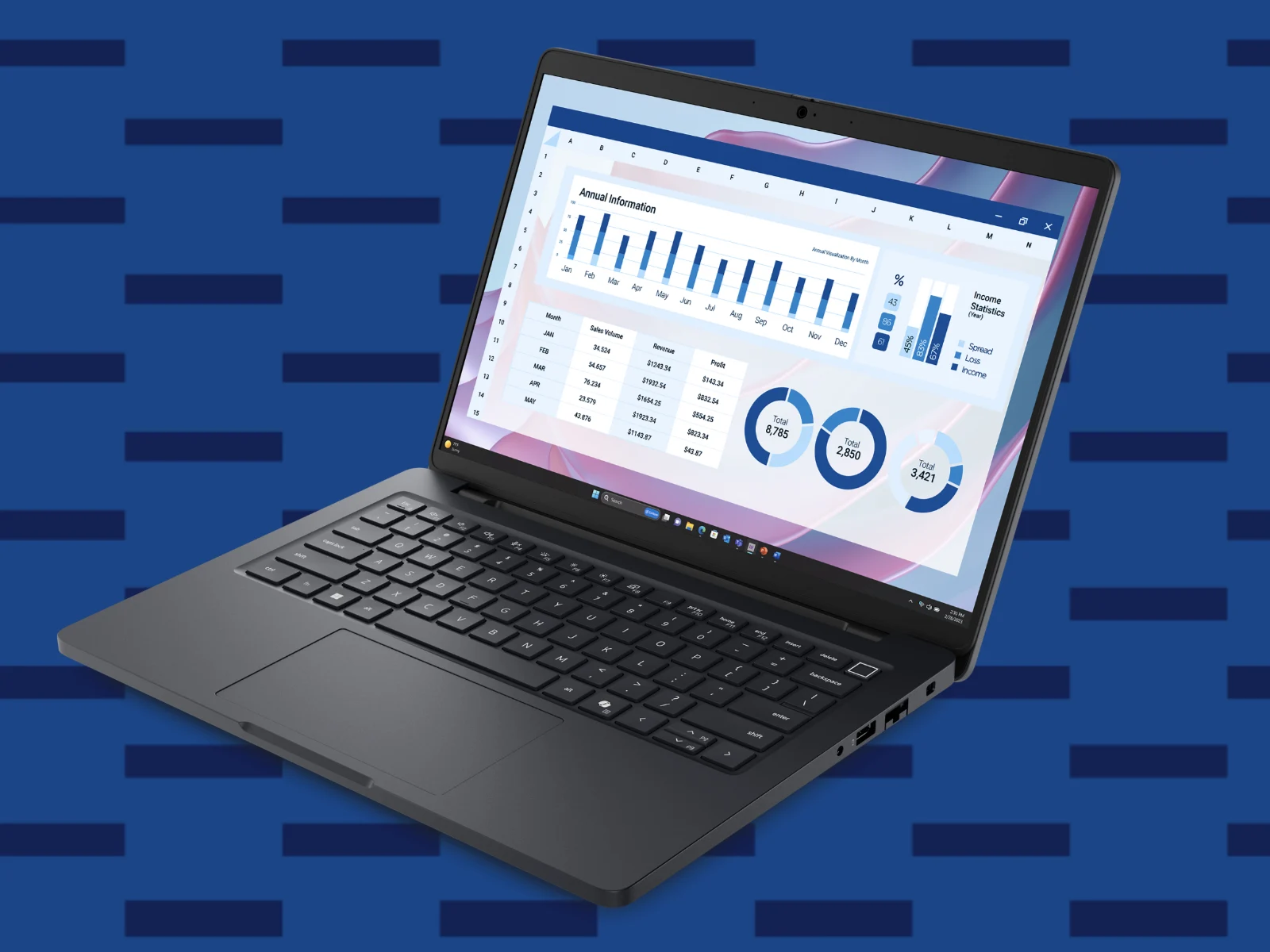
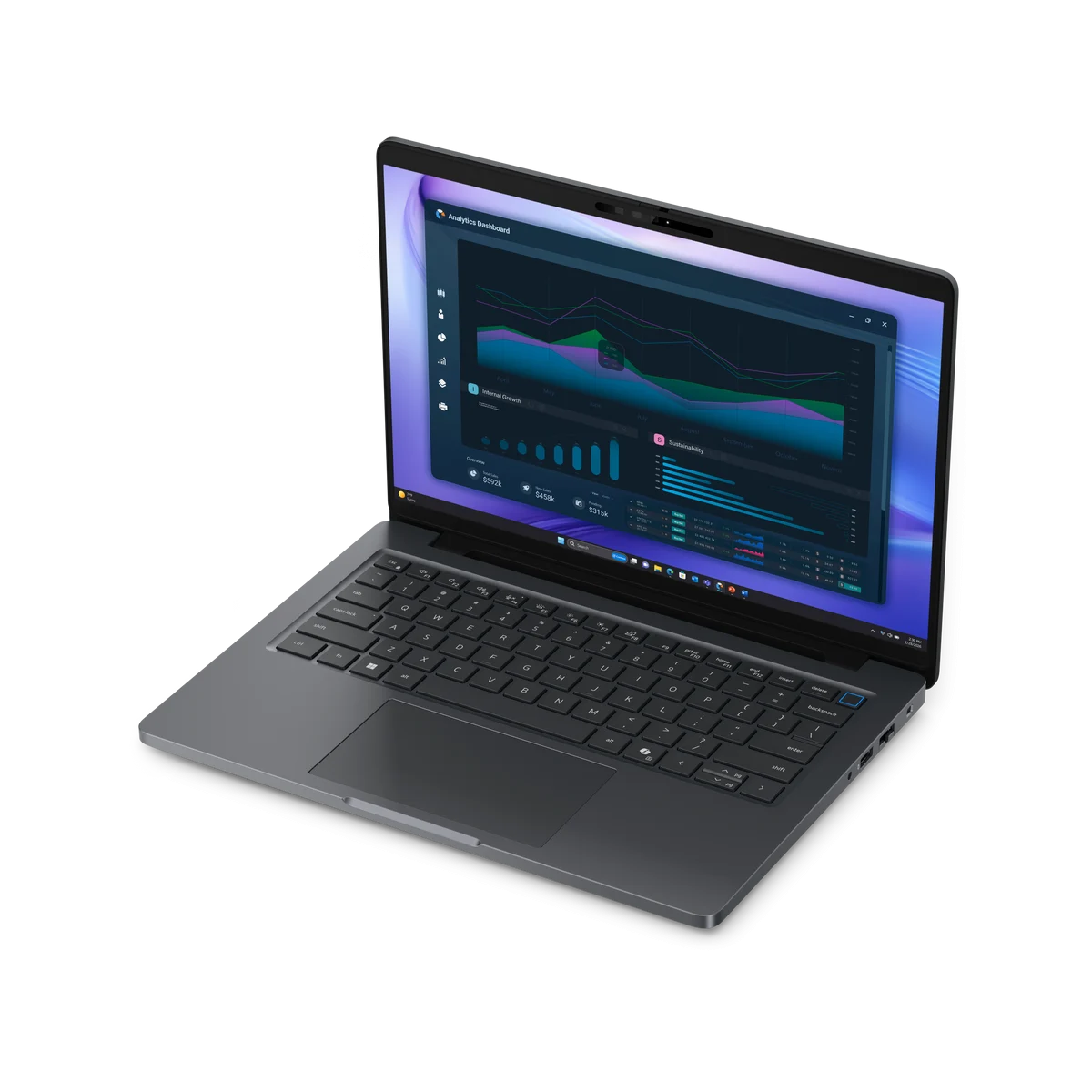
    Dell has made a big announcement by introducing two new laptops aimed at business users. These laptops are part of the Precision series and are equipped with Intel Panther Lake processors and Nvidia RTX Pro graphics cards. The models, Dell Precision 5 Series 14 and Dell Precision 5 Series 16, are a bit less advanced than the Precision 7 series, offering a limited selection of GPUs and missing the dual OLED display feature.

    Specs of the Dell Precision 5 Series 14

    For the Dell Precision 5 Series 14, customers can choose from Intel Core Ultra 9 386H, Core Ultra 7 366H, and Core Ultra 5 336H Panther Lake CPUs. If you want a discrete GPU, your options are limited to the RTX Pro 500 Blackwell with 6 GB of VRAM, or you can opt for the Intel Arc integrated GPU.

    Options in the Dell Precision 5 Series 16

    The Dell Precision 5 Series 16, in contrast, provides three GPU options: RTX Pro Blackwell 500, RTX Pro Blackwell 1000 (8 GB), and RTX Pro Blackwell 2000 (8 GB). The CPU choices are the same for both models.

    Both the Dell Precision 5 Series 14 and 16 support up to 64 GB of LPCAMM LPDDR5x-8533 RAM. Users can also upgrade to a maximum of 2 TB M.2 2280 NVMe SSD storage.

    Display Differences

    The primary distinction between the two models lies in their screen sizes. Users can expect either a 14-inch or a 16-inch IPS LCD display available in three options: FHD+ (1,920 x 1,200) with a 60 Hz refresh rate and 400 nits of peak brightness. Both touch and non-touch versions are available.

    There are slight variations in the QHD+ (2,560 x 1,660) configurations. The Pro Precision 5 Series 14 has a refresh rate capped at 90 Hz, while the Pro Precision 5 Series 16 allows for a smoother 120 Hz. Both screens can reach a maximum brightness of 400 nits and cover the full sRGB color spectrum.

    Connectivity and Battery Life

    The I/O options are the same for both devices, featuring two Thunderbolt 4.0 ports, two 5 Gbps USB-A ports, one HDMI 2.1 port, a 3.5 mm audio jack, and an RJ45 Ethernet port. For wireless connectivity, they support Wi-Fi 7 and Bluetooth 6.

    Finally, the Pro Precision Series 14 comes equipped with a 72 Wh battery. Meanwhile, the Pro Precision Series 16 offers a choice between a 64 Wh and a 96 Wh battery. Dell has announced that both models will be available for purchase starting May 2026.

  • Nvidia DLSS 5: Transforming Games with AI Technology

    Nvidia DLSS 5: Transforming Games with AI Technology

    Key Takeaways

    1. Nvidia’s DLSS 5 is set to release in fall 2026 and will require significant computing power, primarily aimed at high-end graphics cards.
    2. The technology enhances game visuals with AI-driven lighting but does not alter game geometry or textures.
    3. There are technical issues in the current beta, including incorrect reflections and potential loss of original artistic vision.
    4. DLSS 5 may change character appearances significantly, creating details that may not align with developers’ intentions.
    5. The technology can disrupt the mood of games, leading to brighter visuals and altered color tones that stray from the original essence.


    Nvidia has revealed its new version of Deep Learning Super Sampling, known as DLSS 5. Set to be released in the fall of 2026, this technology is anticipated to demand significant computing power. The demonstration showcased in the video below ran on two Nvidia GeForce RTX 5090 graphics cards, which are priced at $3,899 on Amazon.

    Power Requirements

    When it first becomes available, DLSS 5 will work on single graphics card systems too. However, the demo implies that this tech will be aimed primarily at high-end graphics cards. The purpose of DLSS 5 isn’t to alter game geometry or textures; instead, it aims to make games appear more lifelike with AI-driven lighting. Yet, as the comparison image below illustrates, the results can be so drastic that game characters may become nearly unrecognizable.

    Technical Issues

    Digital Foundry notes that there are still some technical challenges with DLSS 5, at least in its current beta state. For instance, reflections don’t always show up correctly. While the technology is remarkable, offering sharper and more detailed textures, even tiny features like teeth are properly lit and cast shadows. Unfortunately, the original artistic vision is often lost in various scenes.

    Artistic Impact

    This issue extends beyond just facial details. Characters may have more intricacies like extra wrinkles and fuller jawlines, but these changes might not align with the developers’ original intentions. The AI-generated lighting can disrupt the mood in other scenes as well. For example, The Elder Scrolls IV: Oblivion Remastered becomes significantly brighter with DLSS 5, and the color tones shift to cooler shades.

    Although the visuals appear more intricate and lifelike, they stray away from the essence of Oblivion. It feels akin to taking a game sketch and having a chatbot depict it in a realistic manner—artistic choices are disregarded, aligning the graphics of various games with the increasingly prevalent AI-generated style.

    Source:
    Link


  • Nvidia DLSS 5 Launching This Year with Neural Rendering Features

    Nvidia DLSS 5 Launching This Year with Neural Rendering Features

    Key Takeaways

    1. Nvidia has introduced DLSS 5.0 during GTC 2026, breaking the trend of launching upgrades with new graphics cards.
    2. DLSS 5.0 uses a real-time neural rendering model powered by AI to improve game visuals, focusing on color and motion vectors.
    3. The visual results of DLSS 5.0 vary across different games, with some experiencing significant enhancements while others, like Unreal Engine 5 titles, are completely overhauled.
    4. The technology showcased at GTC 2026 was demonstrated using a pair of RTX 5090 GPUs to avoid VRAM limitations during high-performance gaming.
    5. DLSS 5 is expected to launch for RTX 50 series devices in the fall, but there is no confirmation about support for older graphic cards.


    Historically, significant upgrades to DLSS versions have lined up with the launch of new graphics cards. However, with the future of the RTX 60 series uncertain due to current market conditions, Nvidia has chosen to change this trend. During GTC 2026, the company unveiled DLSS 5.0, showcasing it alongside popular games like Resident Evil Requiem, Hogwarts Legacy, Starfield, and Assassin’s Creed Shadows.

    New Tech in DLSS 5

    Unlike earlier versions of DLSS that utilized transformer/CNN models, DLSS 5 employs what Nvidia refers to as a real-time neural rendering model. This innovative approach leverages AI to enhance the game’s color and motion vectors, making them appear more lifelike.

    Mixed Results and Future Prospects

    As shown in the images above, the outcomes vary greatly. Some games become visually stunning, while titles built on Unreal Engine 5, like The Elder Scrolls 4 Oblivion: Remastered, experience a complete overhaul. Nonetheless, it’s premature to reach any firm conclusions since DLSS 5 is probably still in development, and Nvidia could be fine-tuning it ahead of a broader release.

    According to Digital Foundry, Nvidia utilized a pair of RTX 5090 GPUs working together for the DLSS 5 demonstration. This setup was likely essential to ensure the games ran at their highest potential without running into VRAM limitations. DLSS 5 is set to launch for RTX 50 series devices this fall, but there has been no announcement regarding its support for older graphics cards.

    Source:
    Link


  • OnePlus 15T Gets Upgraded 50W Magnetic Turbo 2 Wireless Charger

    OnePlus 15T Gets Upgraded 50W Magnetic Turbo 2 Wireless Charger

    Key Takeaways

    1. OnePlus introduced the Magnetic Turbo 2, an upgraded magnetic accessory for the OnePlus 15T.
    2. The Magnetic Turbo 2 retains 50W wireless charging with improved design for better airflow and heat management.
    3. It includes a desktop stand that allows users to view notifications while charging.
    4. The charger will offer multiple cooling and charging settings and is set to release this month.
    5. Oppo will also launch a similar Magnetic Turbo 2 charger alongside the Oppo Find N6 foldable phone.


    OnePlus has been quite vocal about the accessories for its forthcoming OnePlus 15T. Recently, the brand showcased a new and enhanced magnetic cooler tailored for its compact flagship. Now, OnePlus has revealed yet another magnetic accessory that will debut with the phone, known as the Magnetic Turbo 2.

    Enhanced Charging Experience

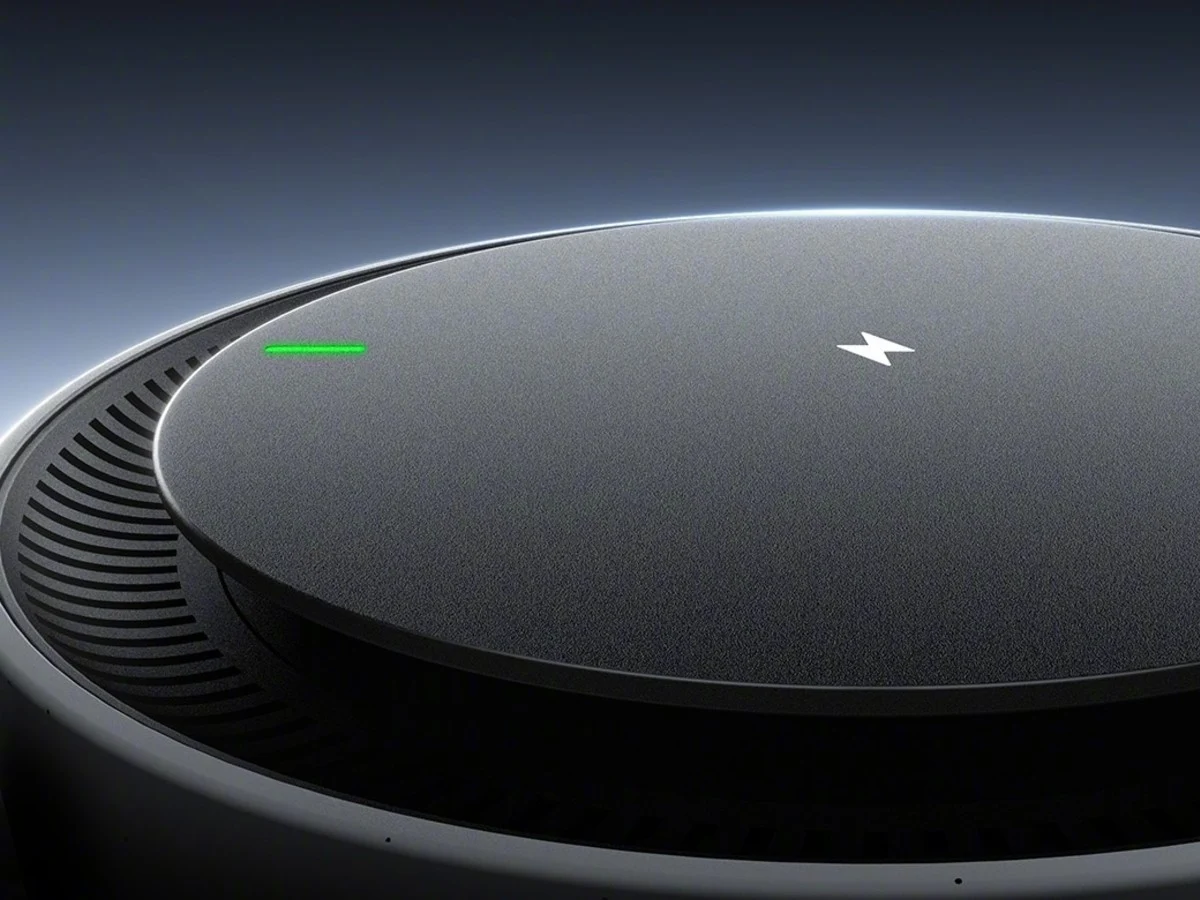
    The OnePlus Magnetic Turbo 2 is an upgraded iteration of the AIRVOOC 50W Magnetic Wireless Charger that was released alongside the OnePlus 13. It retains the 50W wireless charging capability but boasts a refreshed design that promotes better airflow and features an enhanced fan for improved heat management. Furthermore, it will come with a desktop stand that elevates the phone, allowing users to conveniently view incoming notifications.

    Features and Release Date

    OnePlus claims that the wireless charger will offer multiple cooling and charging settings and is expected to hit the market this month. Currently, select OnePlus and Oppo devices, such as the OnePlus 13 and Oppo Find X9 Pro, support the AIRVOOC 50W wireless charging. Interestingly, Oppo has also introduced a similar Magnetic Turbo 2 50W Wireless Charger, which will launch alongside the Oppo Find N6 foldable phone. The designs of both models seem to be quite alike, both adhering to the AIRVOOC 50W wireless charging standard.

    Source:
    Link


  • SparkyLinux 2026.03: New Kernel and Package Updates Released

    SparkyLinux 2026.03: New Kernel and Package Updates Released

    Key Takeaways

    1. SparkyLinux has transitioned to Forky as its base with the release of version 2026.03 “Tiamat.”
    2. The update includes the Linux kernel 6.19.6, with other kernel options available in the repositories.
    3. Existing users can update their rolling version easily, while new users can choose from various flavors.
    4. Available flavors include LXQt, KDE Plasma, MATE, Xfce, MinimalGUI, and MinimalCLI, with MinimalCLI being the lightest at 929 MB.
    5. SparkyLinux aims to provide diverse options for users, catering to both lightweight and feature-rich environments.


    One popular Debian-based distribution is SparkyLinux, which has now transitioned to using Forky as its base. The latest update, version 2026.03 “Tiamat,” was released with the newest packages from the repositories as of March 14, 2026. However, there are several more updates in addition to the package upgrades.

    Kernel Options and Features

    The SparkyLinux 2026.03 “Tiamat” release includes the Linux kernel 6.19.6. For those seeking alternatives, there are other kernel versions available in the Sparky repositories, including 7.0-rc3, 6.19.8, 6.18.18-LTS, and 6.12.77-LTS. Some of the key features of this update are as follows:

    Users who already have the rolling version can simply perform an update. New users have the option to select from various flavors such as LXQt, KDE Plasma, MATE, Xfce, MinimalGUI (Openbox), and MinimalCLI (text mode). All the downloads can be accessed on the official page. The MinimalCLI version is the lightest, at just 929 MB, while the KDE version is the largest, weighing in at 2.56 GB.

    Summary of Options

    SparkyLinux is continually evolving and aims to provide users with a range of choices to suit different needs. The diverse flavors allow for both lightweight setups and more feature-rich environments. Whether you are an existing user looking to upgrade or a newcomer, SparkyLinux offers easy access to its latest version and features.

    Source:
    Link


  • Galaxy Z Fold 8 Battery Upgrade Rumored, Galaxy Wide Fold Coming Soon

    Galaxy Z Fold 8 Battery Upgrade Rumored, Galaxy Wide Fold Coming Soon

    Key Takeaways

    1. Samsung is cautious about battery capacity but may use silicon carbon in future models.
    2. The Galaxy Z Fold 8 is expected to launch in July with a 5,000 mAh battery.
    3. The Galaxy Z Fold 8’s battery capacity is a 13% increase from the previous model, the Z Fold 7.
    4. Samsung’s Fold series still lags behind competitors in battery capacity.
    5. The Galaxy Z Fold 8 may feature improved charging capabilities beyond the current 25W wired charging.


    When discussing battery capacity in smartphones, Samsung has been quite cautious for a long time. However, they are likely to start utilizing silicon carbon in a future model. Despite this, the Galaxy Z Fold series will continue to use the conventional Li-Po batteries. Although this is somewhat disappointing, it’s been reported that the company has succeeded in boosting the battery capacity by almost 13 percent.

    Expected Launch and Battery Details

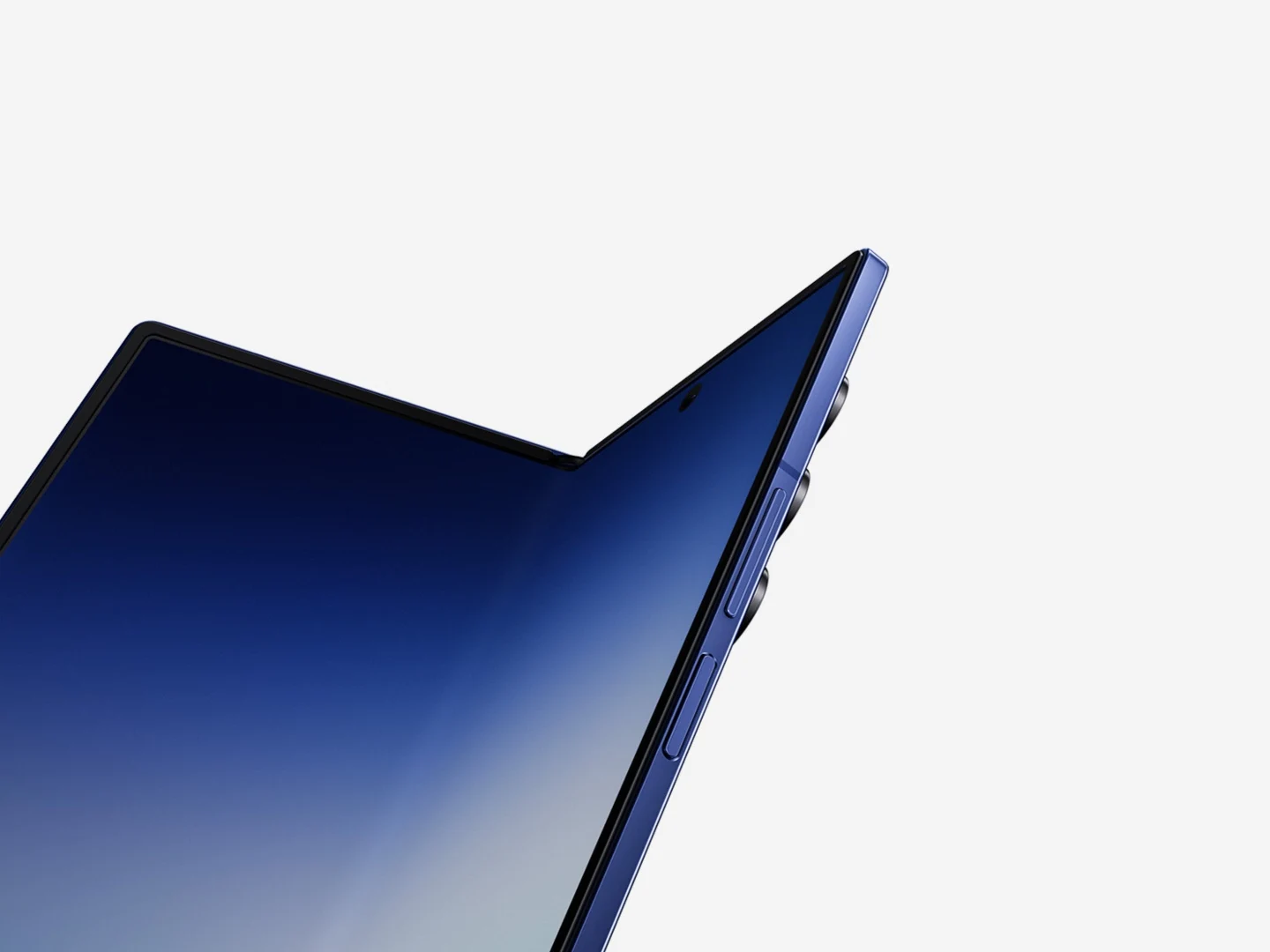
    The Galaxy Z Fold 8 is anticipated to be unveiled in July, coinciding with the Galaxy Z Flip 8. It’s important to note that the Flip model may not see a battery upgrade this year, whereas the foldable model is expected to feature a 5,000 mAh battery. This information comes from GalaxyClub, which indicates that one of its batteries is rated at 2,369 mAh and the other at 2,485 mAh. The combined total battery capacity is approximately 4,854 mAh, which Samsung will market as 5,000 mAh.

    Comparison with Previous Models

    The Galaxy Z Fold 7 (available on Amazon) is equipped with a 4,400 mAh battery, identical to its previous version. Even with the new 5,000 mAh battery, Samsung will still lag behind other foldable competitors like Oppo, Motorola, and Huawei, as well as its own Galaxy Z TriFold.

    Moreover, the report mentions that another battery rated at 2,393 mAh has been tested, which could potentially be for a more affordable model called the Galaxy Wide Fold. This device is also expected to launch alongside the new foldable phones. If the battery rating is correct, this model could have a total capacity of about 4,900 mAh, making it slightly smaller than the Galaxy Z Fold 8 but still bigger than the Galaxy Z Fold 7.

    Charging Capabilities

    Regarding charging speeds, Samsung has only provided 25W wired charging for its Fold series thus far. However, considering that the Galaxy Z TriFold supports 45W wired fast charging, there’s a possibility that the Galaxy Z Fold 8 will also come with improved charging capabilities.

    GalaxyClub (machine translated)

    Source:
    Link


  • GLF OS 25.11: Features 6.18 LTS Kernel and Nvidia Driver 590.48

    GLF OS 25.11: Features 6.18 LTS Kernel and Nvidia Driver 590.48

    Key Takeaways

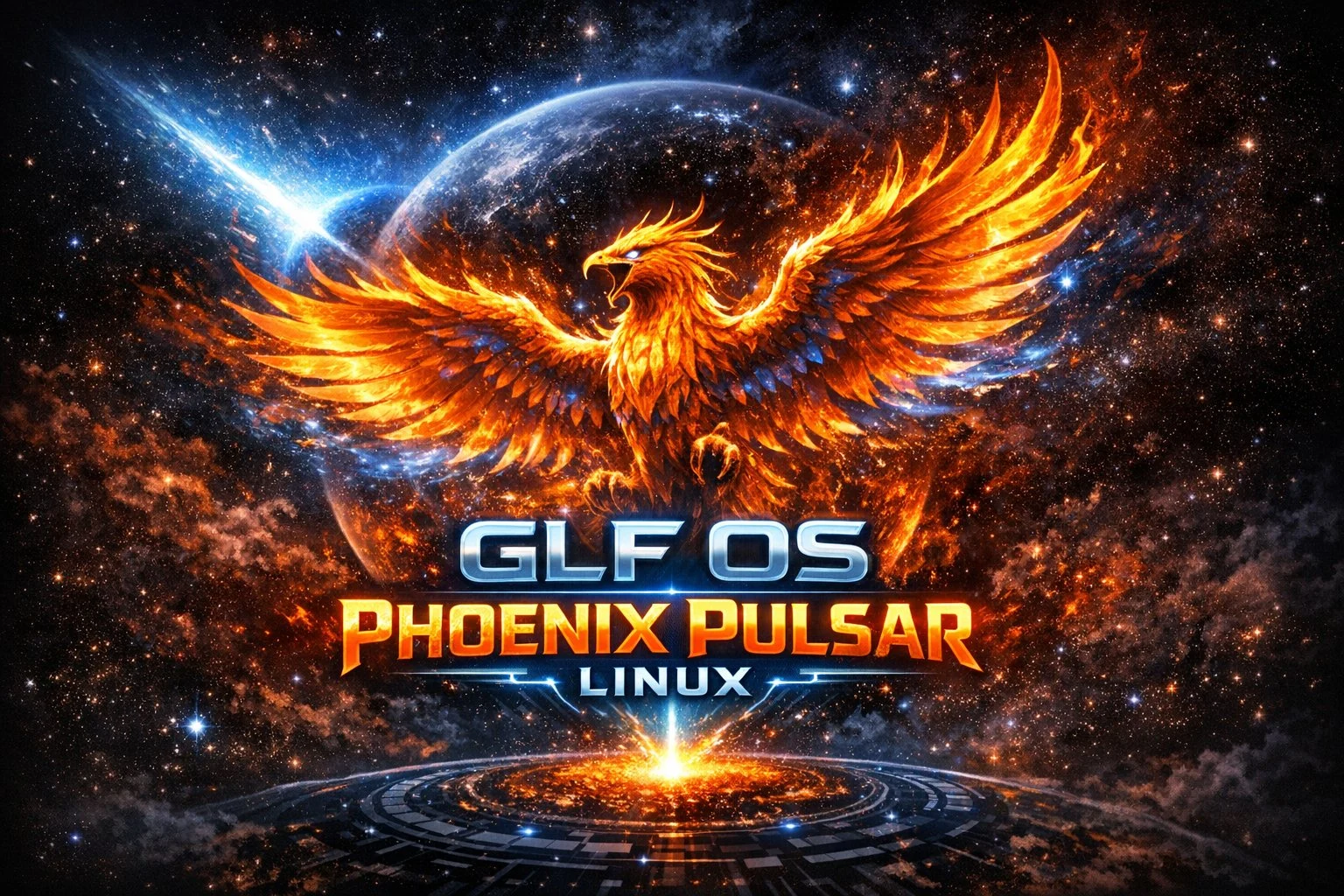
    1. GLF OS has released version 25.11, named “Phoenix Pulsar,” for smoother Windows and Linux integration.
    2. It features the gaming-focused 6.18 LTS kernel, improving hardware compatibility and security.
    3. Users with Nvidia GPUs can utilize the 590.48 driver, optimizing performance for RTX 50/40/30 GPUs with better ray tracing and DLSS 3.5 support.
    4. The update includes various fixes and tweaks to enhance overall user experience, with a large ISO file size of 6,966 MB.
    5. The improvements cater to both gamers and regular users, offering more stable performance and better graphics capabilities.


    GLF OS, a operating system from France, has been recently updated to its 25.11 version. This new release is branded as “Phoenix Pulsar” and it aims to be “a smooth, easy connection between Windows and Linux, helping users switch over without any loss.” It’s equipped with the gaming-focused 6.18 LTS kernel, which not only enhances hardware compatibility but also boosts the overall security for its users. Furthermore, users with Nvidia GPUs can take advantage of the 590.48 driver, which has significant optimizations for RTX 50/40/30 GPUs. This includes better ray tracing, support for DLSS 3.5, and improved management of latency.

    Key Features of Phoenix Pulsar

    Moreover, GLF OS Phoenix Pulsar brings along several other important highlights. There are numerous fixes, tweaks, and additional changes that enhance the user experience. The ISO file for this version is quite large, coming in at 6,966 MB. If you’re interested in trying it out, you can easily download it through BitTorrent, using a direct Torrent link for convenience.

    Additional Improvements

    Overall, the updates aim to offer a better experience for gamers and regular users alike. The seamless integration between the two operating systems is a key selling point. Users can expect a more stable performance and improved graphics capabilities. Whether you’re a developer or a gamer, the enhancements in this release are designed to meet your needs efficiently.

    Source:
    Link