
Key Takeaways
1. A pulsar wind nebula forms from the death of a massive star, resulting in a pulsar that releases high-energy charged particles.
2. Vela X receives energy from the Vela pulsar in the supernova remnant G263.9–3.3, featuring the Cocoon, a stream of energetic particles.
3. The Cocoon emits radiation in radio and X-ray wavelengths, but these emissions occur in separate locations, puzzling astronomers.
4. Researchers suggest the Cocoon’s formation may be due to a reverse shock from the supernova remnant, distorting the nebula.
5. Future observations are needed to assess the local magnetic field strength, aiding understanding of the Cocoon’s creation.
A pulsar wind nebula arises from the death of a massive star. When the star’s core collapses, it transforms into a pulsar, which releases a strong wind composed of high-energy charged particles. This wind interacts with nearby debris, resulting in a luminous cloud known as a pulsar wind nebula.
Insights on Vela X
Vela X gets its energy from the Vela pulsar located in the supernova remnant G263.9–3.3. One notable feature in Vela X is the Cocoon, a long and narrow stream of energetic particles that stretches away from the pulsar towards the south-southwest. Scientists have observed that the Cocoon emits radiation in both radio and X-ray wavelengths, but they appear in separate locations. This finding puzzled astronomers since radiation typically overlaps in similar celestial objects.
Understanding the Cocoon’s Formation
Researchers propose that the Cocoon may have been created by a reverse shock from the supernova remnant moving back toward the nebula. This event likely distorted the nebula, leading to the formation of the cocoon shape.
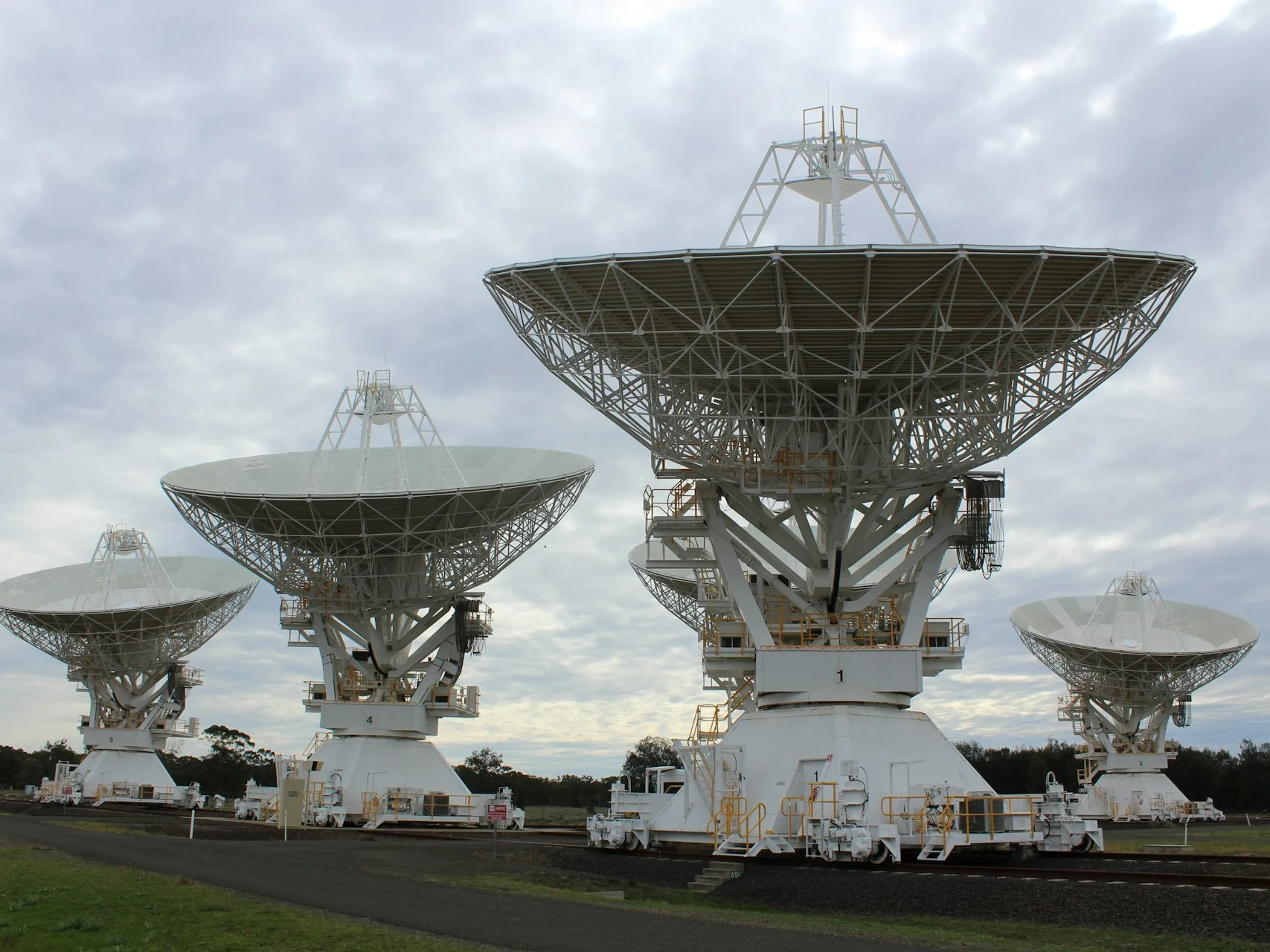
To delve deeper into this occurrence, scientists utilized the ATCA to capture detailed images that revealed large, curved filaments within the Cocoon. Additionally, smaller, irregular wisps were present inside the larger filaments, indicating chaotic and unstable plasma movements. New data indicates that these filaments exhibit high polarization, which suggests the presence of organized magnetic field lines.
Future Research Directions
Continued observations are essential for scientists to gauge the local magnetic field strength, which will enhance their comprehension of the Cocoon’s creation.
Source:
Link