Author: GizNews

  • China Launches Affordable Vivo Y100i 5G with 12GB RAM and 512GB ROM

    China Launches Affordable Vivo Y100i 5G with 12GB RAM and 512GB ROM

    Vivo Y100i 5G: A Mid-Range Smartphone with Impressive Specifications

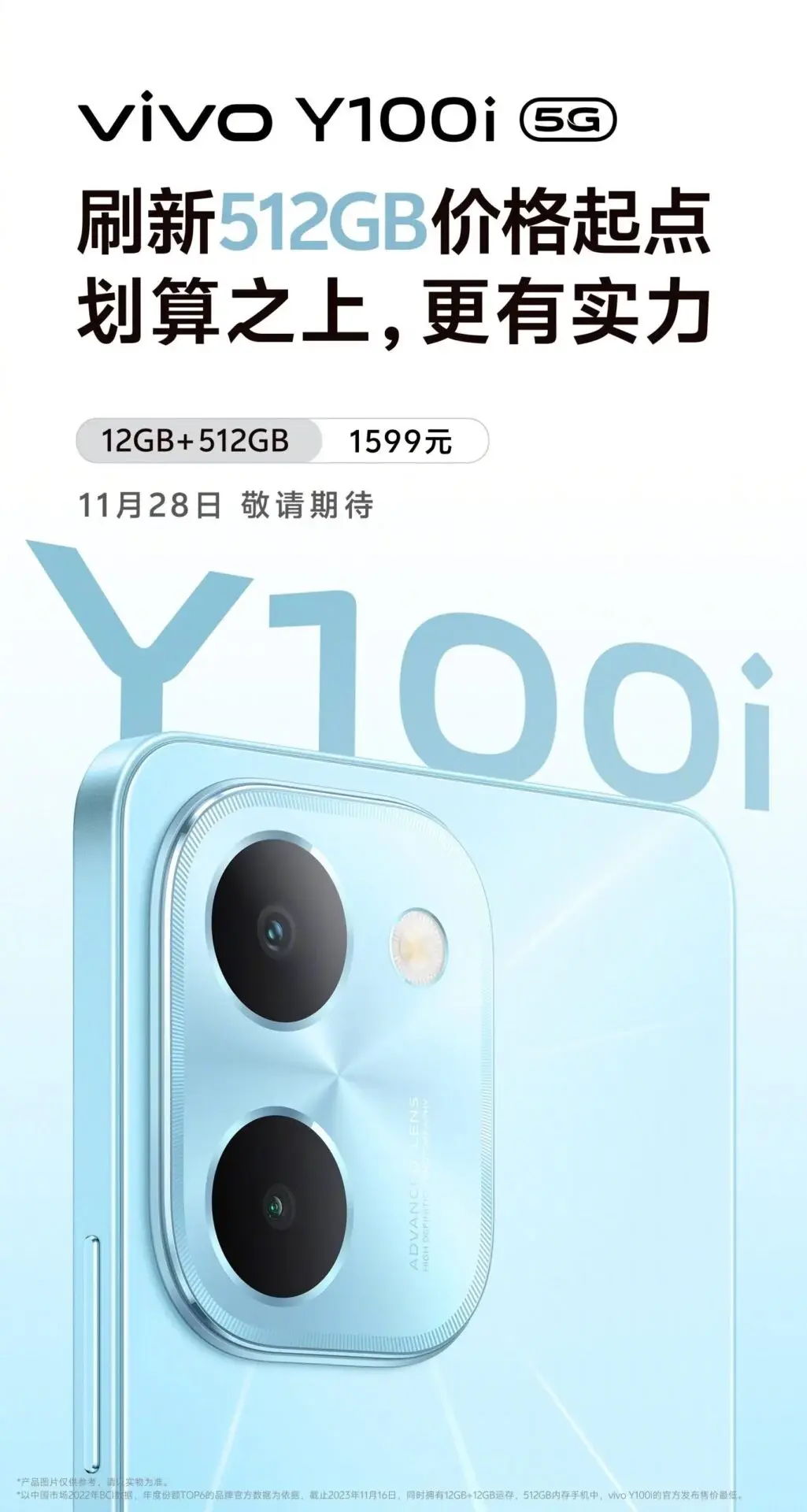
    Vivo has silently launched the Vivo Y100i 5G in China, targeting the youth with its latest addition to the Y Series. One of the highlights of this new smartphone is its large RAM and ROM capacity, which is quite surprising for a mid-range device.

    Impressive Storage and RAM Configuration

    The Vivo Y100i 5G comes with a whopping 12GB of RAM and 512GB of storage. This allows users to store and access large files and documents without any hassle. Whether it’s multimedia content or work-related files, users can have them all at their fingertips.

    Camera Set-Up and Design

    The poster also reveals some details about the camera set-up, design, and color options of the Vivo Y100i 5G. The smartphone features a matrix camera module with dual rear cameras equipped with advanced lenses. Unfortunately, further details about the camera specifications have not been disclosed by the brand at this time.

    Awaiting Full Specifications

    While some information about the Vivo Y100i 5G has been made available, such as the storage, RAM, and camera set-up, the full specifications of the device are yet to be revealed. We will have to wait until the 28th of November to get a complete picture of what this smartphone has to offer.

    Vivo Y100i 5G (Specifications)

    According to several reports, the Vivo Y100i 5G is believed to be a rebranded version of the Vivo Y78 T1. It is expected to be powered by the MediaTek Dimensity 6020 chipset. The smartphone will likely feature a 6.64-inch LCD display with FHD+ (2388 x 1080 pixels) resolutions and a touch sampling rate of 240Hz.

    In terms of the camera, the Vivo Y100i 5G is rumored to come with a 50MP + 2MP AI dual rear camera setup. On the front, it is expected to have an 8MP selfie camera. The device is also anticipated to pack a 5000mAh battery with 44W fast charging support. Additionally, it will feature a 3.5mm headphone jack. The Y100i 5G phone has a thickness of 7.98mm and weighs around 190 grams.

    Vivo Y100i 5G Color Variant & Availability

    The Vivo Y100i 5G will be available in two color variants: Blue and Pink. The smartphone is priced at 1599 yuan ($220) and it is scheduled to go on sale on the 28th of November 2023.
  • Black Friday Deal: Xbox Series X priced at €400 with bonus offers

    Black Friday Deal: Xbox Series X priced at €400 with bonus offers

    Microsoft Announces Even Bigger Discount on Xbox Series X for Black Friday

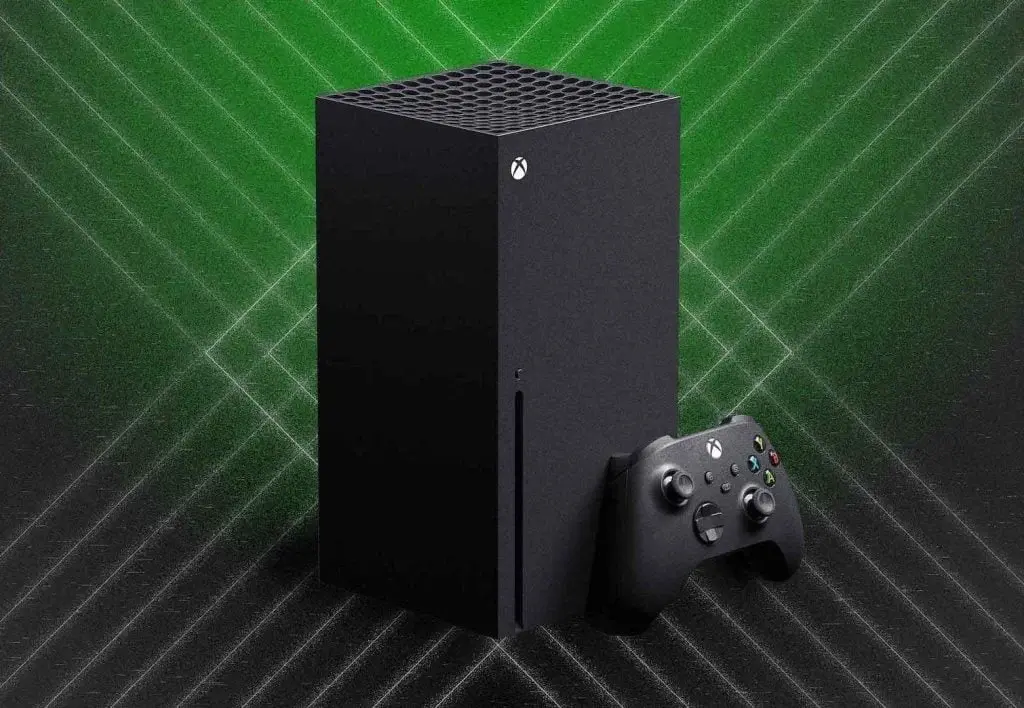
    Black Friday is fast approaching, and tech enthusiasts are eagerly awaiting the incredible deals that major electronics brands have in store. Microsoft, in particular, has captured the attention of gamers with its jaw-dropping price cuts on the highly anticipated Xbox Series X. Earlier, a leaked report revealed that the console would be available for just €449, a significant €100 discount. However, the latest update suggests that Microsoft plans to make the deal even more irresistible.

    A Bigger Discount and an Added Bonus

    According to an updated report, Microsoft has decided to further lower the price of the Xbox Series X for Black Friday. The console will now be available for the remarkable price of €399.99, giving customers an additional €50 off and a total discount of €150 from the original price. But that's not all – Microsoft is sweetening the deal even further.

    A €10 Loyalty Card Included

    In addition to the incredible price drop, Microsoft will also include a €10 loyalty card with every purchase of the Xbox Series X during the Black Friday sale. This means that customers will not only enjoy the discounted price of €399.99 but will also have the opportunity to save an extra €10 on their next purchase from Microsoft. With this added bonus, the actual cost of owning the Xbox Series X comes down to an unbeatable €389.99.

    Unleash the Power of Xbox Series X

    The Xbox Series X has been garnering immense excitement among gamers for its cutting-edge features and powerful performance. With its lightning-fast load times, stunning graphics, and immersive gameplay, the console delivers an unparalleled gaming experience. Whether you're a casual gamer or a hardcore enthusiast, the Xbox Series X offers a vast library of games and access to popular streaming services, making it the ultimate entertainment device.

    Get Ready for Black Friday

    As Black Friday approaches, anticipation is building for the incredible discounts and offers that await eager shoppers. Microsoft's decision to slash the price of the Xbox Series X to €399.99, along with the inclusion of a €10 loyalty card, is undoubtedly a game-changer. Whether you've been eagerly awaiting the release of the Xbox Series X or are simply looking for a fantastic deal on a high-performance gaming console, this Black Friday offer from Microsoft is not to be missed.

    So mark your calendars and get ready to unleash the power of the Xbox Series X at an unbeatable price. With the Black Friday sale just around the corner, now is the perfect time to grab this incredible deal and elevate your gaming experience to new heights.

  • Anticipated Launch of Snapdragon 7 Gen 3 and Dimensity 8300 within the Next 14 Days

    Anticipated Launch of Snapdragon 7 Gen 3 and Dimensity 8300 within the Next 14 Days

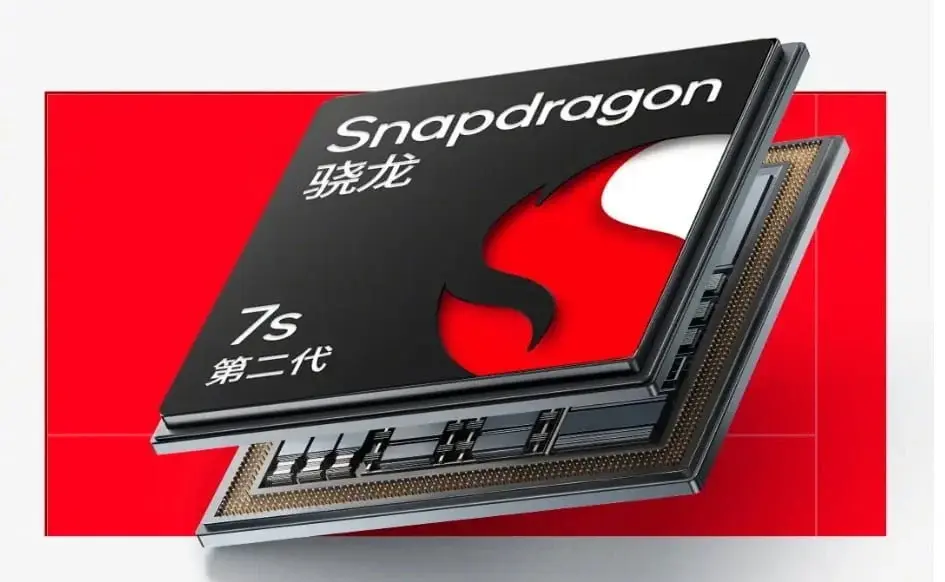
    Qualcomm and MediaTek are set to release their latest flagship processors, the Snapdragon 8 Gen 3 and Dimensity 9300. However, recent leaks suggest that both companies are also preparing to announce sub-flagship chipsets, namely the Snapdragon 7 Gen 3 and Dimensity 8300.

    Snapdragon 7 Gen 3 and Dimensity 8300 Launch Timeframe

    According to tipster WHY LAB, both chipsets will be launched within the next two weeks. The Snapdragon 7 Gen 3 chip is expected to debut first, followed by the Dimensity 8300 chip.

    Snapdragon 7 Gen 3 Chipset

    It is speculated that the Honor 100, which is scheduled to be unveiled in China on November 23, will be the first phone to feature the Snapdragon 7 Gen 3 chip. Other smartphones, such as the Vivo S18, Vivo V30, and OnePlus Ace 3 (global name: OnePlus Nord 4), are also expected to be powered by this chipset.

    The Snapdragon 7 Gen 3 is equipped with a high-performance core running at 2.63GHz, three performance cores operating at 2.40GHz, and four efficiency cores clocked at 1.80GHz. Additionally, it features an Adreno 720 GPU.

    Dimensity 8300 Chipset

    On the other hand, the Dimensity 8300 chipset is likely to be featured in the upcoming Redmi K70e. The K70 series, which includes the K70 and K70 Pro, is expected to be launched in China by the end of this month.

    The Dimensity 8300 is speculated to include one Cortex-X3 super-large core clocked at 2.8GHz, accompanied by three Cortex-A715 performance cores running at 2.4GHz, and four Cortex-A510 efficiency cores operating at 1.6GHz. In terms of graphics, it integrates a G520 MC6 GPU with a frequency of 850MHz.

    Manufacturing and Performance

    Both the Snapdragon 7 Gen 3 and Dimensity 8300 chipsets are said to be manufactured on TSMC's 4nm process. This means that these chips will offer top-notch performance and better power efficiency on sub-flagship phones.

    In conclusion, Qualcomm and MediaTek are gearing up to launch their sub-flagship chipsets, the Snapdragon 7 Gen 3 and Dimensity 8300. These chipsets are expected to bring improved performance and power efficiency to upcoming smartphones from various brands.

  • CEO of Baidu Cautions Against Overemphasizing Launching New LLMs Exclusively in China

    CEO of Baidu Cautions Against Overemphasizing Launching New LLMs Exclusively in China

    Baidu CEO Robin Li Yanhong has raised concerns about the current focus on creating large language models (LLMs) in China's tech industry. Li argues that this trend not only drains resources but also misses the opportunity to advance practical AI applications.

    The Value of AI Lies in Its Application

    Speaking at the X-Lake Forum in Shenzhen, Li highlighted the surge in AI model development in China, with 238 models launched as of October 2023. However, he noted a lack of AI-native applications that fully utilize the unique capabilities of AI, similar to how mobile-native apps revolutionized smartphone usage.

    Li believes that the true value of AI lies in its application, rather than just the development of foundational models. He suggests a shift in focus towards creating a wide range of AI-native applications, comparable to the era that saw the rise of popular apps like WeChat, Douyin, and Uber, which were specifically designed for mobile usage.

    Balancing Foundational Research and Application Development

    Li's remarks also address a broader issue within the industry – the balance between foundational research and application development. While foundational models are crucial for advancing AI technology, their full potential is only realized when applied in practical, everyday scenarios.

    Li further criticizes the trend of hoarding advanced semiconductors and building intelligent computing centers, which he deems an inefficient approach to AI development. He emphasizes the importance of having the right scale and training datasets to yield models with emergent abilities – the ability to perform complex tasks with minimal input.

    Baidu's Role in AI Application Development

    Baidu, the company led by Li himself, is actively engaged in developing AI applications. One example is Comate, a code-writing assistant. However, Li believes that the best AI-native applications, both in China and globally, are yet to come.

    In conclusion, Li Yanhong, the CEO of Baidu, highlights the need to shift the focus from solely creating large language models to developing a wide range of AI-native applications. He emphasizes that the value of AI lies in its application and urges the industry to strike a balance between foundational research and practical development. Baidu itself is involved in AI application development, but according to Li, there is still much more potential to be unlocked in this field.

  • Renault Introduces the Twingo as their Newest Concept EV, Potentially Launching at a Price Below $22,000

    Renault Introduces the Twingo as their Newest Concept EV, Potentially Launching at a Price Below $22,000

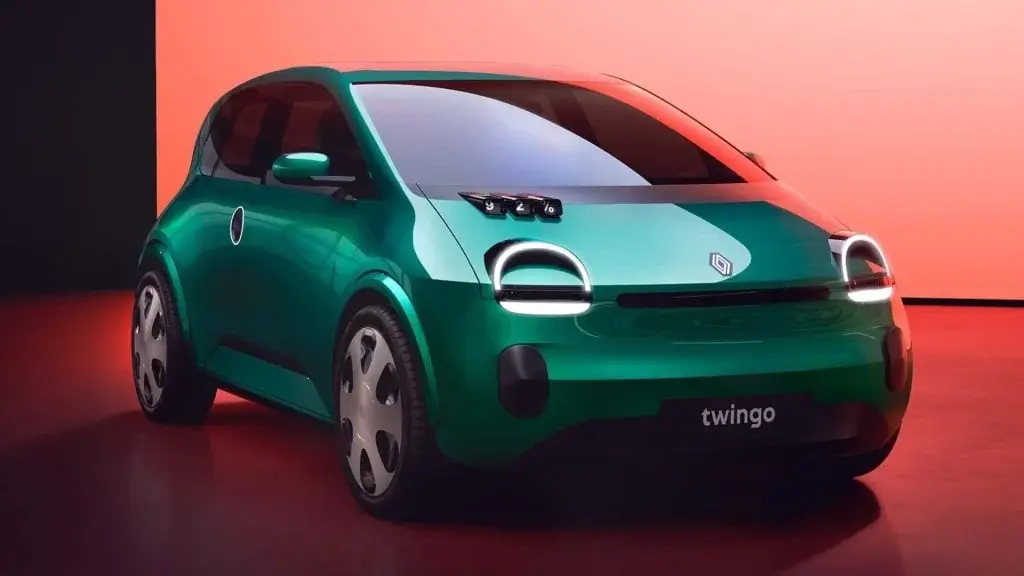
    Renault Group is shaking up the electric vehicle (EV) market with the introduction of its next-generation Twingo, a compact city car. Set to be launched in 2026, the Renault Twingo is aimed at providing a more affordable EV option, with a price tag below 20,000 euros. Not only is it budget-friendly, but it also boasts impressive energy efficiency, consuming just 10 kilowatt-hours per 100 kilometers.

    A Leap in Efficiency

    The Twingo sets itself apart by being 50% more efficient than other small EVs currently available. While specific specifications have not yet been disclosed, it is expected that the Twingo will utilize the newly named AmpR Small platform, which will also be used for upcoming Renault 5 and Renault 4 electric models.

    A Direct Competitor

    Renault's strategy with the Twingo is interesting, as it positions itself as a direct competitor to Chinese EV manufacturers who are known for their fast-paced development cycles. CEO Luca de Meo has highlighted the Twingo's role as a European version of Japan's compact kei cars, emphasizing its suitability for urban environments where larger vehicles are not practical.

    A Blend of Retro and Modern Design

    The 2026 Twingo takes design inspiration from the original 1992 model, combining retro elements with a modern touch. It retains the classic single-box shape but adds contemporary features such as five doors and updated headlights and taillights. The hood vents, reminiscent of the original model, now serve as battery charge level indicators.

    Beyond the European Market

    While the Twingo's launch primarily targets the European market, where it will compete with vehicles like the Volkswagen ID.1 and Citroën e-C3, its impact goes beyond being just another EV release. It signifies a strategic shift for Renault as they embrace the challenges and opportunities of the evolving EV landscape, aiming to provide practical, efficient, and affordable mobility solutions. The Twingo showcases Renault's dedication to innovation and competitiveness in the global EV market.

  • Xiaomi’s In-House IoT Platform Vela Becomes Open Source

    Xiaomi’s In-House IoT Platform Vela Becomes Open Source

    Xiaomi Unveils Update to IoT Software Platform at 2023 Partner Conference

    Xiaomi has made a significant announcement at the 2023 Xiaomi IoT Ecological Partner Conference by unveiling its updated IoT software platform, Xiaomi Vela. This move is aimed at strengthening Xiaomi's position in the Internet of Things (IoT) space. Although the Xiaomi Vela software platform was initially announced in 2020, the company has now made it open source. The announcement was made by Lu Weibing, partner and president of Xiaomi Group, and Zeng Xuezhong, senior vice president and president of the mobile phone department of Xiaomi Group.

    Xiaomi Vela: An Innovative IoT Embedded Software Platform

    During his presentation on "How to Build a Thriving IoT Ecosystem," Zeng Xuezhong revealed that Xiaomi's self-developed system, Vela, is now open source for global software and hardware developers. Xiaomi Vela is built on the open-source real-time operating system NuttX and provides unified software services across various IoT hardware platforms. What sets Xiaomi Vela apart is its ability to offer rich components and user-friendly frameworks to address fragmented IoT application scenarios. Moreover, Xiaomi Vela boasts lower system resource requirements compared to Linux while delivering similar functionalities and performance. This makes it a cost-effective alternative, especially for low-end IoT devices.

    Customization and Compatibility with Xiaomi Vela

    Developers who choose Xiaomi Vela can enjoy the benefits of reduced hardware costs and improved overall product cost performance. Xiaomi Vela ensures compatibility through the POSIX interface, allowing existing open-source libraries and components on the Linux platform to be seamlessly ported to Xiaomi Vela. This flexibility and compatibility make Xiaomi Vela an attractive option for developers looking to leverage their existing resources while exploring new IoT opportunities.

    Shaping the Future of IoT Technologies

    Under the leadership of Fan Dian, Xiaomi Vela aims to promote collaboration among developers across different platforms within the IoT ecosystem. The platform has already extended its reach to smartwatches, fitness trackers, and smart speakers. In the future, Xiaomi Vela will welcome other smart home appliances, camera ISPs, and sensors. As part of the IoT ecosystem, Xiaomi Vela is set to play a crucial role in shaping the future of IoT technologies.

    With the open-sourcing of Xiaomi Vela, global software and hardware developers now have the opportunity to leverage and contribute to this innovative IoT embedded software platform. Xiaomi's commitment to openness and collaboration is expected to drive further advancements and accelerate the growth of the IoT industry as a whole.

  • CMIIT Certification Unveils Xiaomi SU7 Series Details, Launch Timeline Hinted

    CMIIT Certification Unveils Xiaomi SU7 Series Details, Launch Timeline Hinted

    Xiaomi’s Debut Electric Vehicle, the SU7, Gets Green Light from China’s Ministry of Industry and Information Technology

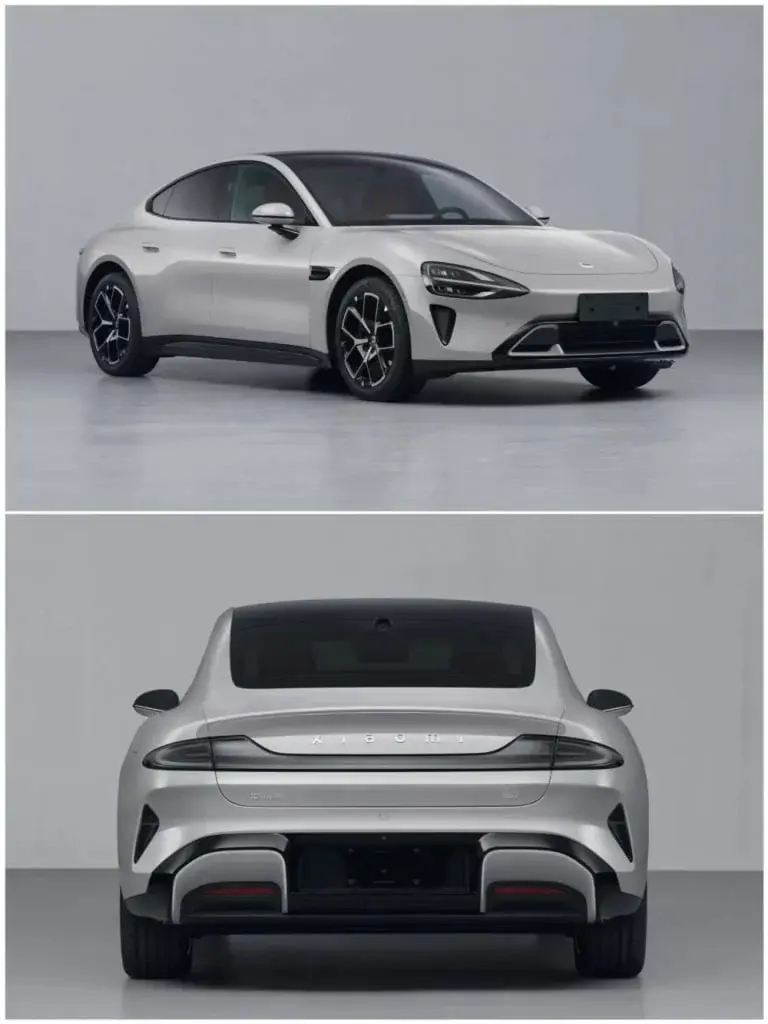
    The much-anticipated inception of Xiaomi’s inaugural electric car, the SU7 (Speed Ultra 7), is on the horizon. This development follows the official approval granted by China’s Ministry of Industry and Information Technology (CMIIT) for the EV’s release. Through the certification process, specifics and images of the SU7 series have surfaced, comprising three distinct editions: SU7, SU7 Pro, and SU7 Max. Let’s delve deeper into the details surrounding Xiaomi’s inaugural venture into the electric vehicle market.

    Xiaomi’s SU7: An In-Depth Exploration

    The images unveiled by CMIIT showcase the Xiaomi SU7 as a C-class sedan, identified by two model numbers: BJ7000MBEVR2 and BJ7000MBEVA1. The former variant, potentially labeled the SU7, is outfitted with a singular motor sourced from UAES (United Automotive Electronic Systems), delivering a peak power of 220kW (295hp). Embracing lithium iron phosphate (LPT) batteries from FinDreams, the battery-making division of BYD, the vehicle also offers an optional rooftop-mounted LiDAR system aimed at bolstering driver-assistance functionalities and enabling autonomous features.

    Unveiling the Xiaomi SU7 Pro and SU7 Max

    The additional model numbers linked with the Xiaomi SU7 family pertain to the SU7 Pro and SU7 Max models. These iterations operate on dual motors, with the SU7 Pro generating 220kW (295hp) while the SU7 Max boasts a formidable 275kW (386hp). These motors are sourced from Suzhou Innovance Automotive, a China-based company. Equipped with Li-ion ternary batteries supplied by CATL, both the SU7 Pro and SU7 Max showcase notable power and efficiency.

    Innovative Attributes and Technical Specifications

    Diving into the innovative attributes of the Xiaomi SU7 series, users can opt for models with or without LiDAR technology, with the LiDAR component strategically positioned behind the front windshield. Noteworthy features include a camera on the B-pillar, hinting at the potential incorporation of a face recognition unlocking mechanism within the SU7. Dimension-wise, the SU7 stretches 4,997mm in length, 1.963mm in width, and 1,455mm in height, with a 3,000nm wheelbase. These dimensions surpass prominent EVs such as the Tesla Model 3 and Nio ET5. The base SU7 weighs 1,980kg, whereas the Pro and Max versions tip the scales at 2,205kg.

    Personalization Options and Aesthetic Appeal

    Anticipating a seamless integration of HyperOS into its onboard system, the Xiaomi SU7 series promises interconnectedness with other Xiaomi devices. On the design front, the SU7 flaunts a unique appearance, spearheaded by the lead designer of the BMW iX, alongside inputs from professionals associated with Mercedes-Benz EQXX. Sporting a sporty allure, highlighted by striking yellow Brembo calipers, Michelin PSEV tires, and a three-part electric rear wing, the vehicle ensures top-notch wind resistance and exceptional handling performance.

    Launch Schedule and Pricing Insights

    The initiation of mass production for the Xiaomi SU7 series is scheduled to kick off in December 2023. Trial production has reportedly commenced at BAIC’s Beijing plant, with deliveries projected to begin in February 2024. While specific pricing particulars are pending confirmation, speculations hint at the SU7 series launching with a starting price of 149,000 Yuan (~$20,500). Rumors also suggest that the series will offer at least gray and blue color variants for consumers.

    In wrapping up, Xiaomi’s stride into the electric vehicle realm with the SU7 series is igniting considerable enthusiasm. With its elegant design, robust performance, and forward-thinking features, the SU7 holds promise for making a significant impact on the EV landscape. As the official launch eagerly awaits, Xiaomi continues to cement its stature as a prominent force in the realms of technology and automotive innovation.

  • FCC Certifies Samsung Galaxy A15 4G with 25W Fast Charging Capability

    FCC Certifies Samsung Galaxy A15 4G with 25W Fast Charging Capability

    Samsung Galaxy A15 4G Spotted on FCC Certification Website

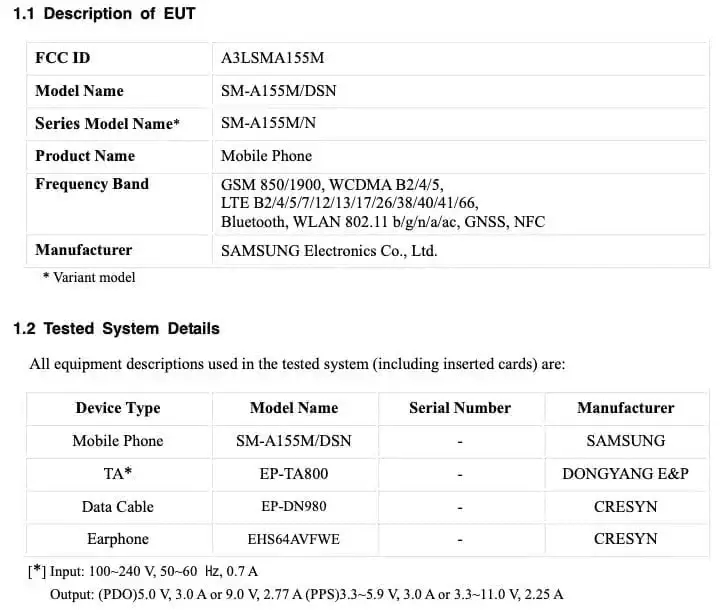
    The budget-friendly Samsung Galaxy A15 smartphone is set to launch in both 4G and 5G variants, just like its predecessor. Ahead of its official release, the 4G model of the Galaxy A15 has been spotted on the FCC certification website, providing some key details about the device.

    Confirmation of Key Features

    The FCC listing reveals that the Galaxy A15 4G will come with several notable features. First, it confirms that the device will support 25W fast charging, allowing for quicker battery recharging. Additionally, it will have Dual SIM support, a MicroSD card slot for expandable storage, and NFC capabilities for contactless payments. However, apart from these features, no further information about the device has been disclosed in the certification.

    Speculation Based on Predecessor

    To get an idea of what to expect from the Galaxy A15 4G, we can look at the specifications of its predecessor, the Galaxy A14 4G. The Galaxy A14 4G boasts a 6.6-inch IPS LCD display with Full HD+ resolution and a 60Hz refresh rate. It is powered by a Helio G85 chipset and features a 50MP triple-camera setup on the back, along with a 13MP front camera. The device is equipped with a 5,000mAh battery and supports 15W fast charging.

    European Debut of Galaxy A15 Models

    Last month, it was revealed that both the 4G and 5G models of the Samsung Galaxy A15 will be launched in Europe. Additionally, chipset details for the Galaxy A15 5G were recently disclosed in a separate report. For more information on the Galaxy A15 5G's specifications, you can refer to the provided link.

    Overall, while the FCC certification of the Galaxy A15 4G provides some insight into its features, further details about the device are still awaited. Samsung fans can anticipate a device with fast charging capabilities, Dual SIM support, expandable storage, and NFC functionality. As the launch date approaches, more information about the Galaxy A15 4G is expected to be revealed.

  • China Commences Production of Polestar 4

    China Commences Production of Polestar 4

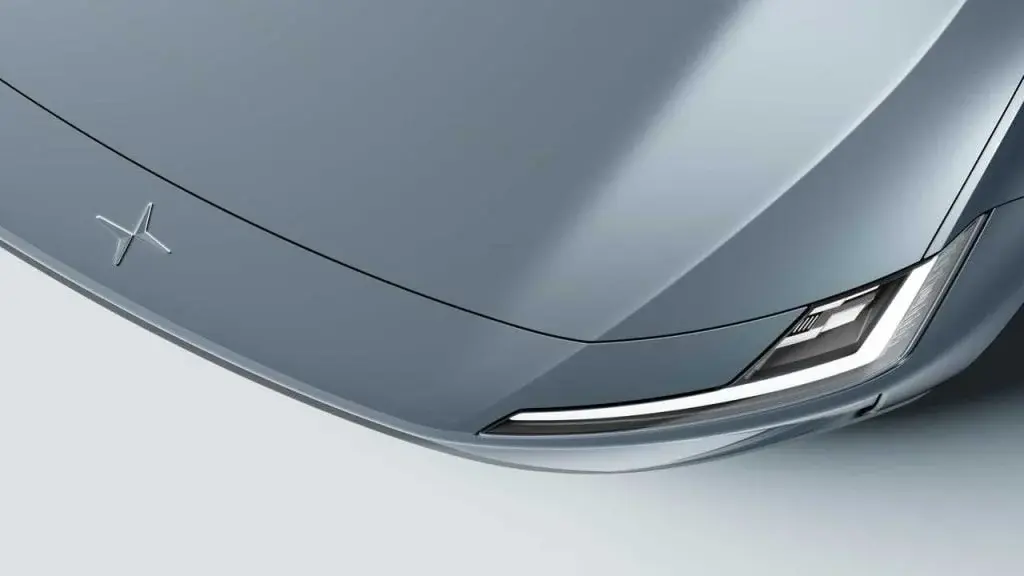
    The highly anticipated Polestar 4 has officially entered production in China at the Hangzhou Bay factory. This electric crossover represents more than just a new vehicle for Polestar; it is the company's ambitious attempt to achieve global mainstream success.

    The Best Work Yet

    The Polestar 4 stands out as a unique offering, positioned between the smaller Polestar 2 and the larger Polestar 3. Unveiled at the Shanghai Auto Show in April 2023, it boasts impressive features that set it apart from its siblings. One notable feature is its 102-kilowatt-hour battery, which promises a range of approximately 373 miles. This makes the Polestar 4 not only stylish, but also practical for longer journeys. The first production model, finished in a crisp 'Snow' color with striking 'Swedish Gold' details, exemplifies the company's commitment to delivering a truly exceptional product.

    Polestar is strategically navigating the complex world of global trade dynamics. Currently, the Polestar 4 would face high tariffs if imported into the American market. However, the company has a plan in place to bypass these tariffs. Starting from the second half of 2025, production will expand to the Renault Korea Motors plant, which will cater specifically to the North American market. This forward-thinking move demonstrates Polestar's dedication to making its vehicles accessible on a global scale.

    Ambitions for 2024 and Beyond

    The year 2024 holds great significance for Polestar, as it marks the launch of the Polestar 4 and the anticipation of the Polestar 5. This rapid expansion reflects the company's ambitious goals within the electric vehicle sector. Polestar's CEO, Thomas Ingenlath, emphasizes the car's unique design and performance, particularly highlighting its digital features like the virtual rear window. These innovative elements contribute to the overall vision of Polestar, which extends far beyond the production of individual models.

    Crafting a Sustainable Future

    Polestar's latest launch signifies much more than the introduction of a new vehicle; it represents the company's vision for the future. With a clear goal to break even by 2025 and target annual sales of up to 165,000 cars, Polestar is not simply manufacturing vehicles—it is actively shaping a path towards a sustainable, electrified future. By combining cutting-edge technology, stunning design, and a commitment to accessibility, Polestar is poised to make a lasting impact in the automotive industry.

  • Xiaomi Achieves Remarkable Sales of 3 Million Redmi 12 Devices in India Within 100 Days

    Xiaomi Achieves Remarkable Sales of 3 Million Redmi 12 Devices in India Within 100 Days

    Xiaomi’s Redmi 12 Series Achieves Remarkable Sales Milestone in India

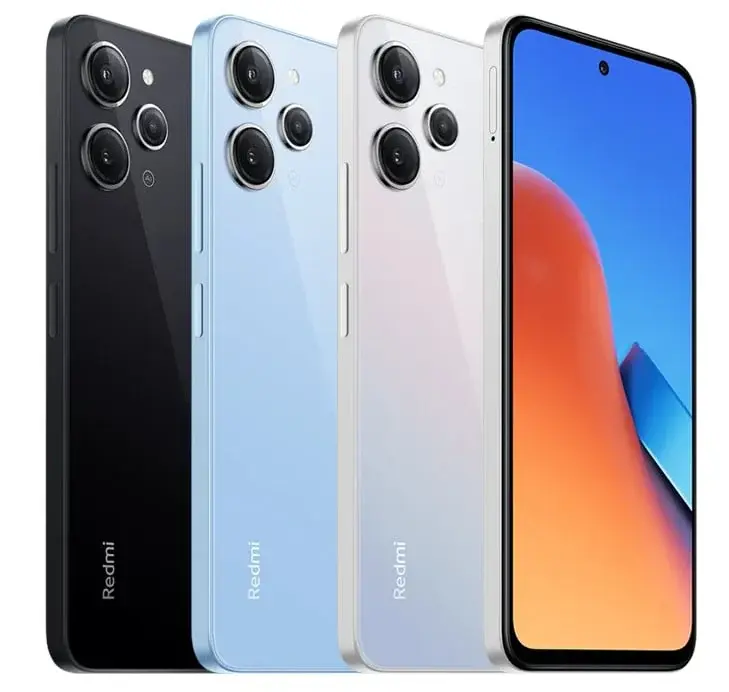
    Xiaomi has been experiencing a successful year in the Chinese market with its Xiaomi 14 series, and now the company is celebrating another achievement in India. The Redmi 12 series, which includes the Redmi 12 5G and Redmi 12 4G models, has sold an impressive 3 million units in less than 100 days since its launch.

    Growing Influence in the Indian Market

    Xiaomi India took to their official Twitter account to express their gratitude to their customers for their trust and loyalty. This milestone not only demonstrates Xiaomi’s growing influence in the Indian smartphone market but also highlights the increasing demand for affordable 5G connectivity.

    Impressive Specifications

    Let’s take a closer look at the specifications of these popular devices. The Redmi 12 5G model features a 6.79-inch FHD+ LCD display with a 2460×1080 pixel resolution and a 90Hz refresh rate. It operates on MIUI 14, which is based on Android 13.

    For photography enthusiasts, the Redmi 12 5G is equipped with a 50MP main rear camera, accompanied by a 2MP depth sensor and an 8MP front-facing camera. The device is powered by an octa-core Snapdragon 4 Gen 2 processor and offers configurations of up to 8GB of LPDDR4X RAM and 256GB of UFS 2.2 storage. Additionally, it boasts a robust 5000mAh battery and supports 18W wired charging for prolonged usage.

    The Redmi 12 4G Variant

    On the other hand, the Redmi 12 4G model is powered by the MediaTek Helio G88 processor and offers 6GB+128GB of internal storage. This variant features a triple rear camera setup, including a 50MP main camera, an 8MP ultra-wide-angle lens, and a 2MP macro lens. Other specifications, such as the display and battery, remain similar to the 5G variant.

    Affordable Pricing

    Xiaomi has strategically priced the Redmi 12 series, which has played a crucial role in its widespread success. The Redmi 12 starts at ₹9,299 for the 4GB variant, while the 4GB variant of the Redmi 12 5G starts at ₹11,999.

    With its impressive sales milestone and affordable pricing, Xiaomi’s Redmi 12 series continues to solidify the company’s position in the Indian smartphone market. The demand for 5G connectivity at affordable prices is clearly evident, and Xiaomi is meeting that demand with its exceptional devices.