Author: GizNews

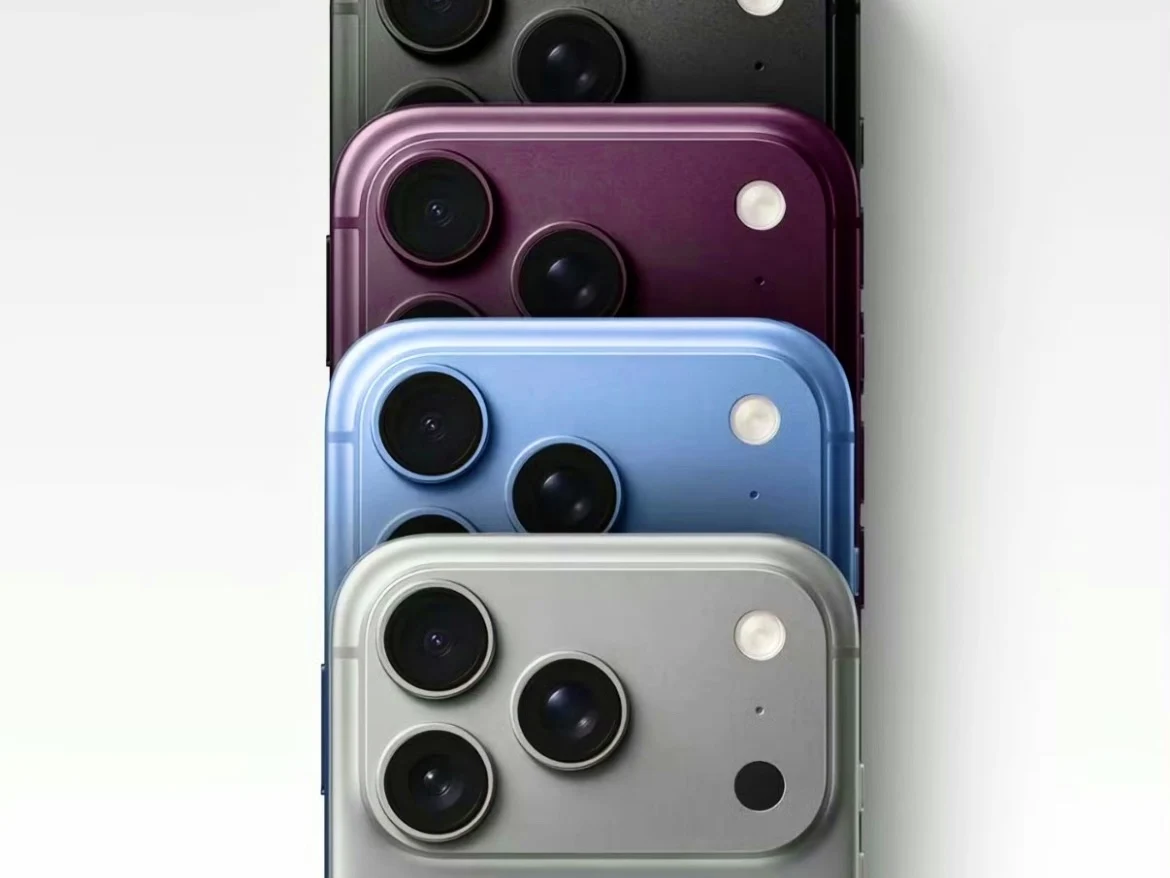
  • iPhone 18 Pro & Pro Max Cases Shown; May Not Fit iPhone 17 Pro

    iPhone 18 Pro & Pro Max Cases Shown; May Not Fit iPhone 17 Pro

    Key Takeaway

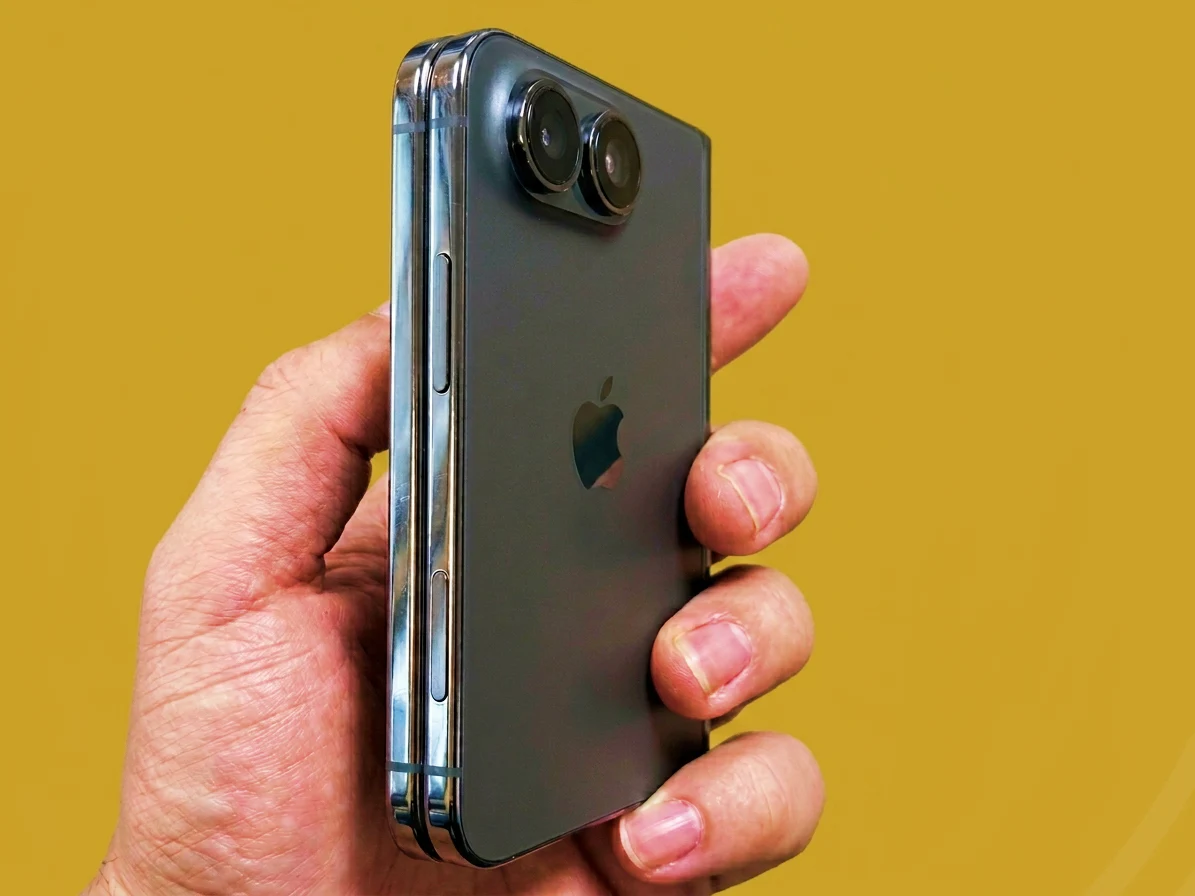
    – iPhone 18 Pro/Pro Max retain the current large camera island design, suggesting external dimensions stay similar to the iPhone 17 Pro despite internal camera upgrades.
    – Rumors point to a first-ever variable-aperture main camera with a larger sensor (around 1/1.12-inch) for the Pro lineup.
    – Leaked cases may not be fully compatible with the new phones due to a thicker camera bump, even if they look similar to iPhone 17 Pro cases.
    – Launch expected: September 2026 for the iPhone 18 Pro series, with a foldable iPhone Ultra as a separate “one more thing” reveal; iPhone 18/Air refresh reportedly in spring 2027.

    <!doctype html>

    With the official unveiling still months away, the first physical signs of the upcoming iPhone 18 Pro and iPhone 18 Pro Max have surfaced. The chatter in the rumor mill hints at a path Apple is carving that echoes the stylistic choices of the current generation, while promising some nuanced upgrades that fans might care about.

    Design cues linger, but whispers say there could be subtle shifts

    In these early glimpses, the signature camera island—an expansive plate that dominates the top portion of the back—remains a focal point, as if Apple wants that familiar silhouette to stay, even as internals stir. This plateau style, while prominent, may conceal changes like a 48MP main sensor with a variable aperture, yet the external footprint is not expected to drastically diverge from the current design language.

    Camera ambitions surface with variables and sensors

    Rumors point toward Apple debuting a variable aperture main camera on the iPhone 18 Pro series, potentially paired with a larger sensor around 1/1.12 inch. The notion excites enthusiasts who crave flexible shooting in varying light, though it’s still speculative until the hardware lineup is officially shown to the world. The leaked visuals leave room for interpretation, suggesting upgrades without a guaranteed exterior overhaul.

    The chatter also notes a thicker camera bump compared to the iPhone 17 Pro, which could be a consequence of the new 48MP variable aperture lens design. This implies that even if the leaked cases resemble the iPhone 17 Pro cases, they might not perfectly align, and accessory compatibility could be inconsistent, a quirk that would frustrate some buyers but make sense if the internal stack grows.

    Launch timing and product lineup rumors

    Industry chatter puts the iPhone 18 Pro series on a September 2026 window for its debut, a pattern that mirrors Apple’s usual autumn cadence for major unveilings. In parallel, there’s talk of a foldable iPhone Ultra joining the portfolio as a glossy “one more thing” moment, while the more traditional vanilla iPhone 18 and an iPhone Air refresh are tentatively pegged for a spring 2027 introduction, a path that keeps Apple’s product ladder intriguing for a few years.

    Sources
  • New Ayaneo Vertical Handheld Surfaces: Cheaper than the Pocket Vert

    New Ayaneo Vertical Handheld Surfaces: Cheaper than the Pocket Vert

    Key Takeaway

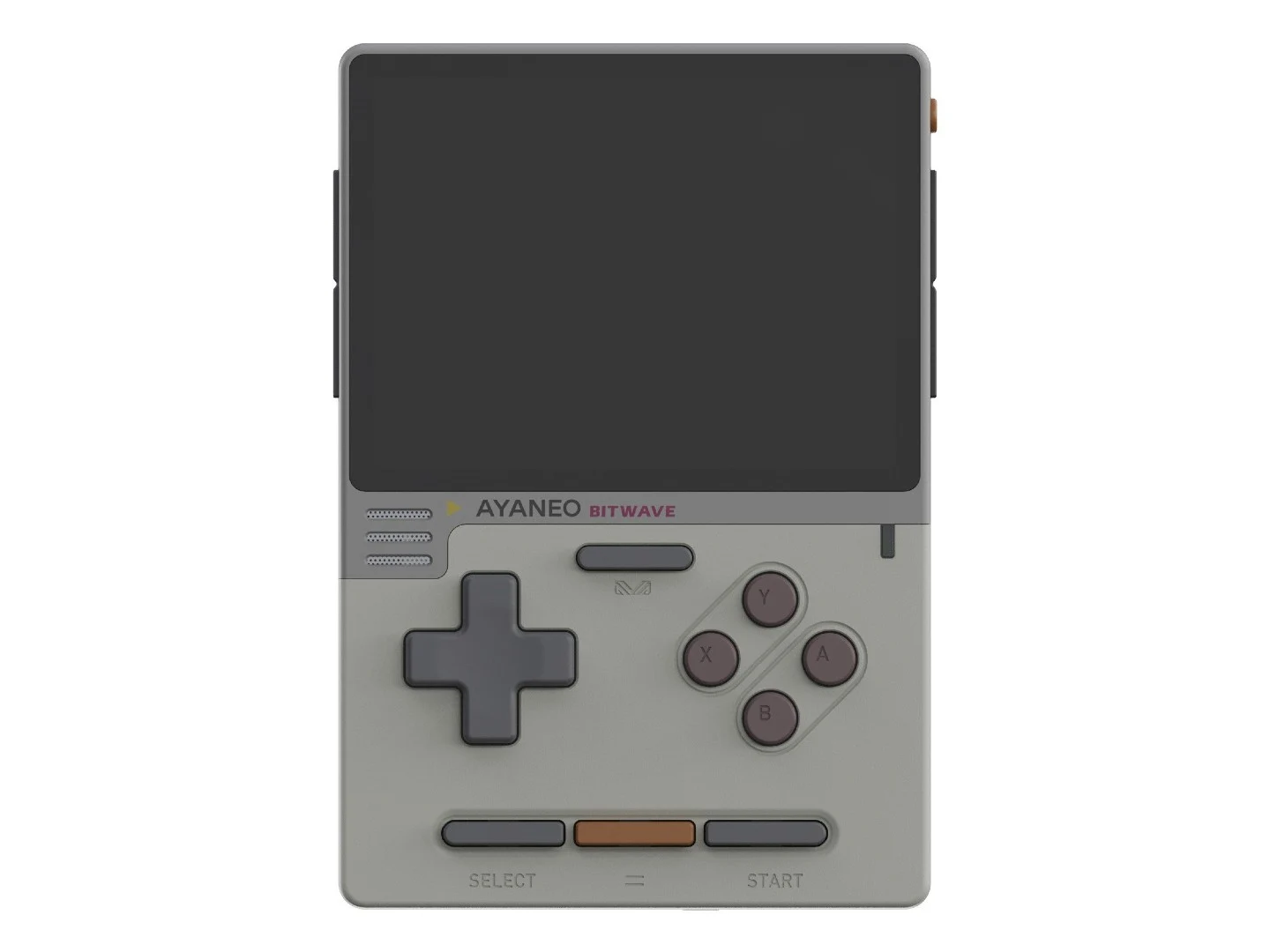
    – Ark: A new Ayaneo handheld, the Pocket Block (also called Bitwave in renders), is emerging with a compact vertical form factor and a plastic shell.
    – Design cues suggest a cheaper Pocket Vert alternative, featuring marked ABXY buttons, a large D-Pad, three bottom pill buttons, and a likely Android OS with an overview/options button.
    – Hardware layout includes right-side power and volume, left-side two customizable buttons plus microSD, bottom-mounted speakers, USB-C, and a headphone jack; heat dissipation grille behind the display.

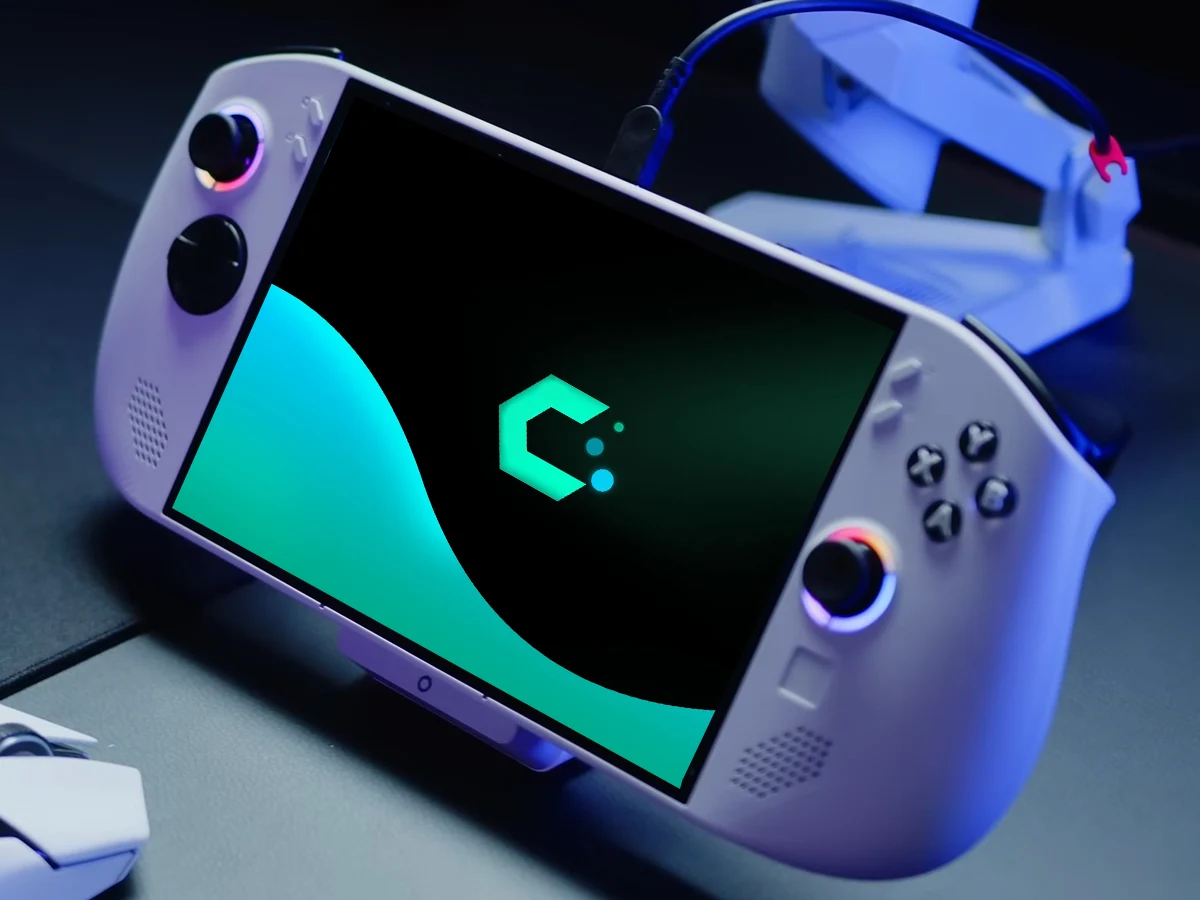
    Ayaneo hasn’t announced a new handheld in months, and that shouldn’t be surprising considering it is yet to begin shipping the Konkr Fit Windows handheld that was unveiled in January. However, that doesn’t mean it hasn’t been working on new products, as a report has revealed details of a new vertical handheld called the Ayaneo Pocket Block.

    Unconfirmed design details emerge for Ayaneo Pocket Block

    First reported by RetroDeadFred, evidence of the handheld was discovered on manuals.plus. The manual provides several images of the handheld, but for the real deal, RetroDeadFred was able to find renders of the handheld from another source, although the images show the handheld is called Bitwave and not Pocket Block. There’s a chance “Bitwave” is a codename, since Ayaneo handhelds that actually fit into the pocket have “Pocket” in their names.

    Cheaper feels, plastic shell and visible display glass

    With respect to the design, the Ayaneo Pocket Block seems like a cheaper alternative to the Pocket Vert. Its shell is made of plastic, and so are the buttons; and the only place that has glass is the display. Below the display is a triple-slit grille, which the manual says houses a microphone. Next to the microphone is the AYA button (AYAWindow interaction button) and on the far right is a power indicator LED.

    Controls hint at a familiar layout with a twist

    Unlike the Pocket Vert whose action buttons are not marked, the ABXY buttons are marked on the Pocket Block. There’s even a pill-shaped outline around the buttons that is reminiscent of the SNES controller. The D-Pad looks fairly large, and below it are three large pill-shaped buttons. Two of the buttons are Start and Select, while the third button is simply labelled as “=”. If we could take a guess, it would be that this is probably an overview button or options button considering the device runs Android.

    Front and side button placement described

    The Pocket Block has its power button and volume rocker on the right side while the left is home to two customizable buttons and the microSD card slot. The back of the handheld directly behind the display has a grille for heat dissipation. The shoulder buttons are placed where your fingers would naturally rest when holding the handheld. The images also show that the Ayaneo Pocket Block has its speakers at the bottom, and they flank the USB-C port and headphone jack.

    What we know about specs and timing

    There are no technical specifications of the Pocket Block yet, but it is only a matter of time before that surfaces.

    • No official specs released yet
    • Renders suggest a pocket-friendly vertical form
    • Android likely, given the overview button hypothesis

    RetroDeadFred on X

    Sources
  • Steam’s New Free-to-Play MMORPG: 80% Rating Risk Revealed

    Steam’s New Free-to-Play MMORPG: 80% Rating Risk Revealed

    Key Takeaway

    – Launch appears low-effort: anonymous developer, minimal marketing, and AI-generated promotional imagery fueling skepticism about authenticity.
    – Discrepancy between sentiment and metrics: near-70-80% positive reviews despite very low concurrent players and rapid decline in activity.
    – Alleged quality concerns: autoplay/auto-battle drawbacks, Unity-based asset-pack project feel, and allegations of misleading store presentation.

    Not every Steam launch arrives with promo. Embers of the Gods is one such game – it went live on May 15, 2026 with virtually no pre-release marketing, no community anticipation, and a developer name identical to the game itself — this combination rarely sparks any confidence. What followed has been a launch that looks good on paper and considerably messier underneath.

    Overview and premise

    The game presents itself as a next-generation MMORPG set on the Continent of Divine Fire. It is a fantasy world reshaped by an ancient meteor that brought divine wisdom to its people. Players choose from three classes — Warrior, Ranger, and Mage — and progress by collecting magical items and moving through increasingly powerful realms. It is free to play.

    Initial reception and metrics

    At first glance, the game’s reception looks quite reasonable. Steam currently lists Embers of the Gods at “Mostly Positive”, with 79% of 117 user reviews being in favor. Dig a layer deeper, however, and the numbers will tell you a different story. SteamDB records a peak concurrent player count of just 121 on launch day, with the figure dropping to 77 shortly after, which is a very low ceiling for a game accumulating nearly a hundred reviews within a few days of launch. This ratio has drawn a lot of skepticism from the community.

    Community response and concerns

    Steam community posts have been very blunt: one user called the game “mobile trash,” urging Valve to improve its vetting process. Another flagged that the store screenshots are fake and misleading, warning that AI-generated promotional imagery is an increasingly common practice among low-effort mobile-to-PC ports. The auto-battle system also has its fair share of drawbacks as well.

    Technical and development observations

    SteamDB confirms the game runs on Unity Engine, and the RPGWatch community, which spotted the project as far back as February 2026, described it as looking like a Unity project built from asset packages. Mobile-to-PC ports using AI-generated screenshots to misrepresent their product are a growing problem on Steam, and this launch fits that exact pattern: anonymous developer, no marketing, an implausibly high review score relative to actual player activity, and a ton of negative feedback buried beneath positive ratings that doesn’t make any sense.

    Conclusion and verdict

    As mentioned earlier, Embers of the Gods is free, so the cost of finding out is zero. Whether it deserves the benefit of the doubt is another question entirely.


  • DJI Osmo Pocket 4P Specs and Price Leak: 48MP Zoom, Variable Aperture, D-Log 2

    DJI Osmo Pocket 4P Specs and Price Leak: 48MP Zoom, Variable Aperture, D-Log 2

    Key Takeaway

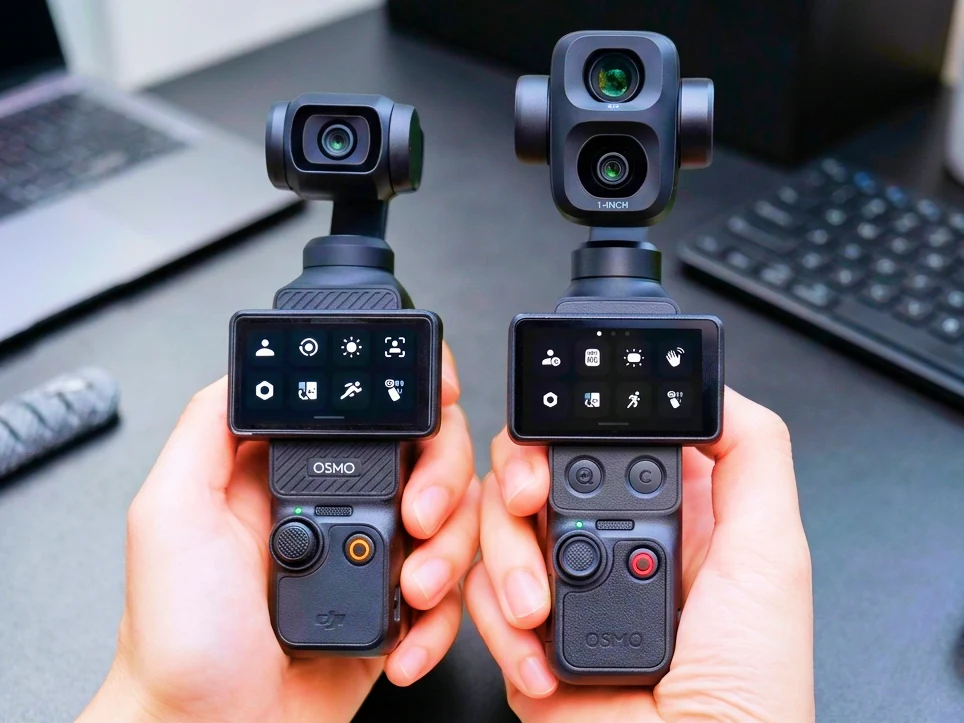
    – Pocket 4P may feature a dual-camera setup with a 1-inch 50MP main sensor (f/1.7–f/2.8) and a 1/1.5-inch 48MP tele sensor (70mm equivalent, f/2.8) offering 3x optical and lossless zoom.
    – Internal processing allegedly enables cinema-like capabilities: 6K/60fps, 4K 240fps slow-motion, and 17 stops of dynamic range via a new D-Log2 profile.
    – Price range rumored at €749–€799 in Europe, a notable jump from the €499 Pocket 4, positioning it as a higher-end pocket cinema option.

    A fresh leak has surfaced regarding DJI’s dual-cam gimbal camera, the Osmo Pocket 4P (Pro). Teased, at Cannes, as a “mini cinema camera,” the Pocket 4P will try to bridge the gap between consumer vlogging gear and professional cinematography tools.

    Specs and camera system details

    According to the leaked (but unconfirmed) specs, the Pocket 4P will have a primary camera with a 1-inch 50MP sensor (like the vanilla Pocket 4) paired with a 20mm equivalent lens. However, the leaked info suggests the pro-grade Pocket 4P is getting a variable aperture of f/1.7–f/2.8, providing better depth-of-field control and low-light performance.

    Tele camera and zoom capabilities

    The leak says the tele camera utilizes a 1/1.5-inch 48MP sensor with a 70mm equivalent focal length at f/2.8. This setup enables 3x optical zoom and lossless zoom, significantly expanding the device’s versatility for close-ups.

    Processing, video, and dynamic range

    The mini cinema camera status of the Pocket 4P might be earned through its internal processing. The leak suggests DJI’s dual-cam gimbal camera supports 6K recording at 60fps and ultra-slow-mo 4K at 240fps (the latter is also supported by the Pocket 4). Most impressively, the device is said to offer 17 stops of dynamic range (this bit has been confirmed by DJI) via a new D-Log2 color profile, rivaling high-end mirrorless cameras.

    Pricing and market positioning

    The pricing part of the leak suggests the DJI Osmo Pocket 4P (Pro) is expected to cost between €749 and €799 in Europe (it’s not clear whether this is for the Creator Combo bundle), marking a significant price hike over the €499 starting price of the Pocket 4 to account for the added hardware.

    Competition and expectations

    All in all, it seems like the Osmo Pocket 4 will remain the go-to for enthusiasts, offering a 1-inch sensor and 4K/120fps video at a more accessible price point. However, DJI is about to face fierce competition from the Insta360 Luna Ultra. Expected to launch soon, the Luna Ultra is expected to focus heavily on AI tracking and a modular design system, potentially challenging DJI’s dominance in the high-end pocket gimbal segment.

    Final notes

    As always, it’s worth noting that the leaked information is unconfirmed and should be taken with a dose of scepticism. The Osmo Pocket 4P is expected to become official in the next few weeks.


    Sources

  • Proton-CachyOS 11 boosts Linux gaming with OptiScaler integration

    Proton-CachyOS 11 boosts Linux gaming with OptiScaler integration

    Key Takeaway

    – OptiScaler integration simplifies enabling upscaling by using environment variables, reducing manual file injections into game prefixes.
    – The release updates Proton Experimental base and includes miscellaneous fixes and QoL improvements (HDR handling, mouse pointer behavior, H.264 playback).
    – Advanced users still have the option for manual OptiScaler installation for deeper customization, though the feature remains work-in-progress.

    OptiScaler enters Proton-CachyOS 11.0-20260506 with upscaling enhancements

    This release marks a notable shift for Linux gamers as the OptiScaler feature gets integrated into the Proton-CachyOS line, specifically version 11.0-20260506. The announcement highlights that the Proton compatibility layer has been updated to a newer base, labeled Proton Experimental, while the upscaling integration takes center stage as the main highlight of the update. The tone from the developers also notes that OptiScaler is still a work in progress, which means users may experience some quirks or moments where it does not perform exactly as hoped in every scenario.

    What OptiScaler actually does and why it matters

    In practical terms, OptiScaler redirects one upscaling backend to another, but it demands that the game itself supports some form of upscaling technology like FSR, XeSS, or DLSS. For the games that do offer such support, OptiScaler opens doors for experimentation and could potentially deliver better performance or smoother visuals than before. The integration aims to reduce manual tinkering and let players enable the feature via simple environmental variables rather than stuffing files into game prefixes, though advanced users still retain the option to install manually for deeper customization.

    How users enable and customize OptiScaler in this release

    With the update, enabling OptiScaler becomes more straightforward for typical users, thanks to an environmental-variable approach. This means you can flip the option on or adjust parameters without altering core game files. However, those who want or need extra control can still perform manual installation steps if they prefer to fine-tune how OptiScaler interacts with specific game prefixes and setups. The overall goal is to streamline the process while preserving flexibility for power users.

    Beyond OptiScaler: fixes and quality-of-life improvements

    Beyond the core upscaling feature, the Proton-CachyOS 11.0-20260506 release includes a broad set of fixes and usability improvements. Notable items include simplified HDR handling, improved mouse pointer behavior, and remediation of previously broken H.264 playback. These refinements aim to deliver a smoother gaming experience across supported titles and configurations, reflecting ongoing maintenance and user feedback as a central focus of the project.


    Sources

  • iPhone Ultra Foldable Delayed by Major Design Issues, Leaked Info Says

    iPhone Ultra Foldable Delayed by Major Design Issues, Leaked Info Says

    Key Takeaway

    – Display crease issues appear resolved, with tests showing a visually creaseless screen over time.
    – The hinge mechanism is the major bottleneck, failing high-frequency folding tests and not meeting quality standards.
    – Apple may delay the foldable iPhone’s launch (potentially indefinitely) if hardware flaws aren’t resolved; a 2027 delay is possible.

    Apple’s highly anticipated entry into the foldable market has hit a critical roadblock, says a new report from a known supply chain insider, claiming that trial production for the foldable iPhone Fold (internally known as the iPhone Ultra) has stalled due to durability concerns. The claim, while sensational, hints at deep engineering challenges that could delay a flagship device the company has long teased. The tone of the leak suggests that insiders are cautiously optimistic about some improvements, but wary about the persistent mechanical hurdles that could sink the project if not resolved swiftly.

    Display progress and persistent hurdles

    According to the leak, Apple has actually made significant progress in one of the industry’s toughest areas – the display crease. Internal testing results reportedly show a screen that maintains a “visually creaseless” look with long-term use, which would be a major win for a device that hinges on visual integrity and user experience. The improvement in the display area stands in stark contrast to the lingering concerns about other components, and it signals that the company may be nearing a balanced solution for the fold until more comprehensive trials finish.

    Hinge issues threaten the timeline

    However, the hinge mechanism remains the primary bottleneck. The mechanical hinge is currently failing to meet Apple’s stringent quality standards after high-frequency folding tests. This portion of the design is where the device faces intensified scrutiny, and the failure to meet expected durability thresholds could mean continued refinement or even redesigns. The durability tests emphasize repeated folding, which judges the hinge’s resistance to wear over time and its ability to sustain smooth operation for years, not months.

    Retail readiness versus speculative timelines

    While the screen holds up, the physical wear and tear on the internal moving parts are deemed unacceptable for a retail device, which is why Apple is ready to delay the launch of the iPhone Ultra/Fold indefinitely rather than release a product with mechanical flaws. The decision underscores a cautious strategy that prioritizes reliability over speed, suggesting the company would rather postpone than ship a compromised experience. This stance mirrors past practice where Apple emphasized long-term value and user trust over early market entry.

    Potential timing if hardware hurdles resolve

    If Apple solves the hardware challenges on time, the first foldable iPhone should be announced alongside the iPhone 18 Pro series in September, powered by the 2nm A20 Pro chip and Apple Intelligence. The pairing with these advanced technologies would position the foldable as a high-end proposition, leveraging Apple’s latest silicon and software innovations to maximize performance and efficiency in a complex device. The plan hints at a coordinated release that aligns with a major product cycle.

    What happens if issues persist

    However, if these mechanical issues persist, a slip into 2027 is likely as Apple refuses to compromise. A delay of that length would adjust expectations across the market and could alter competitive dynamics in the foldable segment, but it would also allow more time for design refinements and reliability improvements. The scenario stresses that Apple’s ultimate choice will weigh careful engineering against strategic timing, a calculus that has defined many of its product rollouts.

    Instant Digital


    Sources

  • Samsung may cancel its popular Galaxy folding phone, says leak

    Samsung may cancel its popular Galaxy folding phone, says leak

    Key Takeaway

    – The rumor claims Samsung may end the Galaxy Z Flip line, citing lack of Flip 9 leaks as a sign.
    – There’s contradictory chatter: some sources say there won’t be a Galaxy Z Flip 8 this year, despite evidence of its existence.
    – All statements are based on early supply-chain rumors and should be treated as speculative.

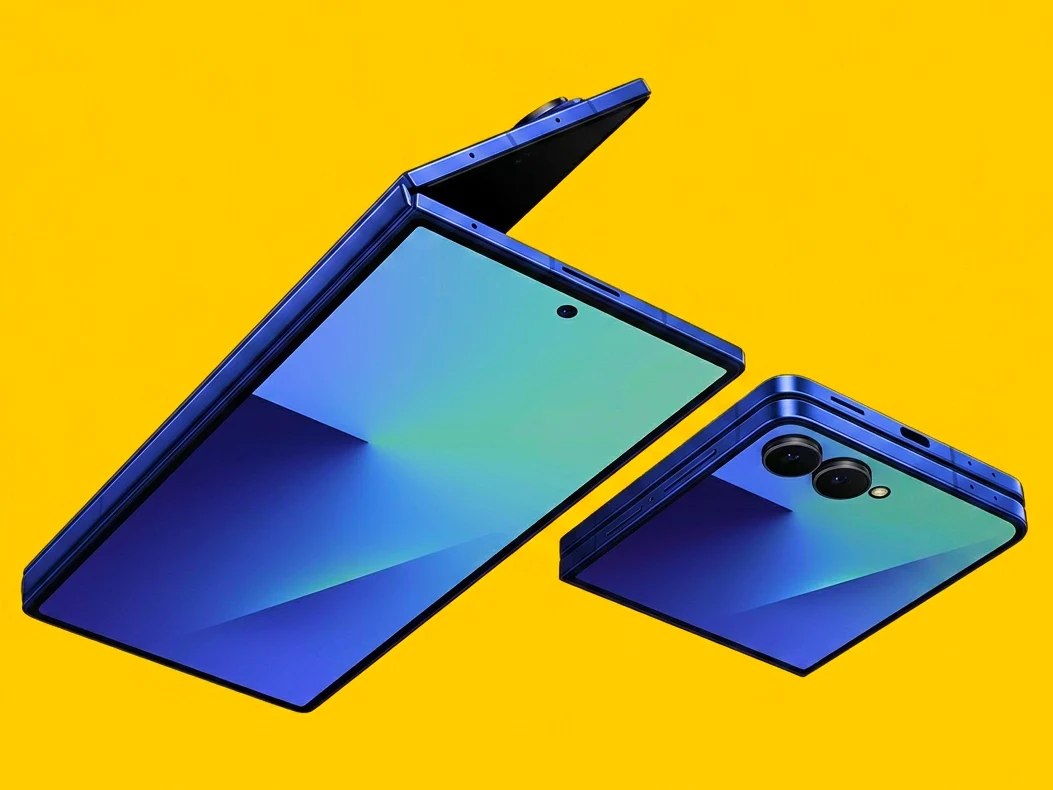
    Rumors from a famed tipster suggest the Galaxy Z Flip 8 might signal the end of Samsungs most budget friendly clamshell foldable. The chatter is fresh, yet the source hints at a major shift that could redefine the lineup, leaving fans to wonder what comes next for the iconic Flip family. The tone is urgent, and the implications broad, inviting readers to weigh the plausibility of a pause or a pivot in the folding phone saga.

    Varied writing styles across paragraphs

    In the second paragraph, the report shifts to a more cautious, almost analytical register, noting that product planning occurs well ahead of time and that the absence of early supply chain chatter about a Flip 9 might imply Samsung is reconsidering the series. The writing keeps a measured pace, presenting a hypothesis rather than a verdict, and emphasizes the temporal distance between planning and public visibility. This tone leans toward speculation tempered by industry norms.

    Contrasting perspectives and voices

    The third paragraph adopts a quoted, testimonial voice, citing Instant Digital with a direct assertion about the lack of leaks for a Flip 9, while acknowledging the improbability of nothing emerging if a project were underway. The sentence structure becomes a bit denser, weaving attribution with a cautious stance that commas some readers feel heavy, yet it preserves a conversational feel that invites skepticism and curiosity among readers.

    Skepticism about the reliability of early leaks

    A fourth paragraph introduces the tipster’s three core reasons as a list, but the list is embedded within prose rather than as bullet points, creating a brisk, compact rhythm. This paragraph repeats the notion that early supply chain data is volatile and subject to change, while the writer’s voice keeps a wary, almost conspiratorial undertone to emphasize how rumors can mislead, especially when timing and models are involved.

    Industry context and launch timing

    In a broader frame, another paragraph notes related chatter about no Galaxy Z Flip 8 this year, conflicting with available evidence like renders, cases, and design prototypes, plus a rumored launch window. The narrative voice remains cautious, acknowledging conflicting signals while pointing to the difficulty of reconciling insider whispers with tangible proof, and inviting readers to treat the rumors as unconfirmed hints rather than facts.

    Conclusion and caveats

    As the piece wraps, the emphasis returns to uncertainty, stating the rumors stem from early supply chain speculation that can shift, evolve, or vanish. The language underscores that the Galaxy Unpacked date is tentative and could change, while the possibility still lingers that future models or naming conventions might alter the expected lineup. Readers are reminded to consider the sources’ reliability and the ever-shifting nature of tech rumor cycles.


    Sources

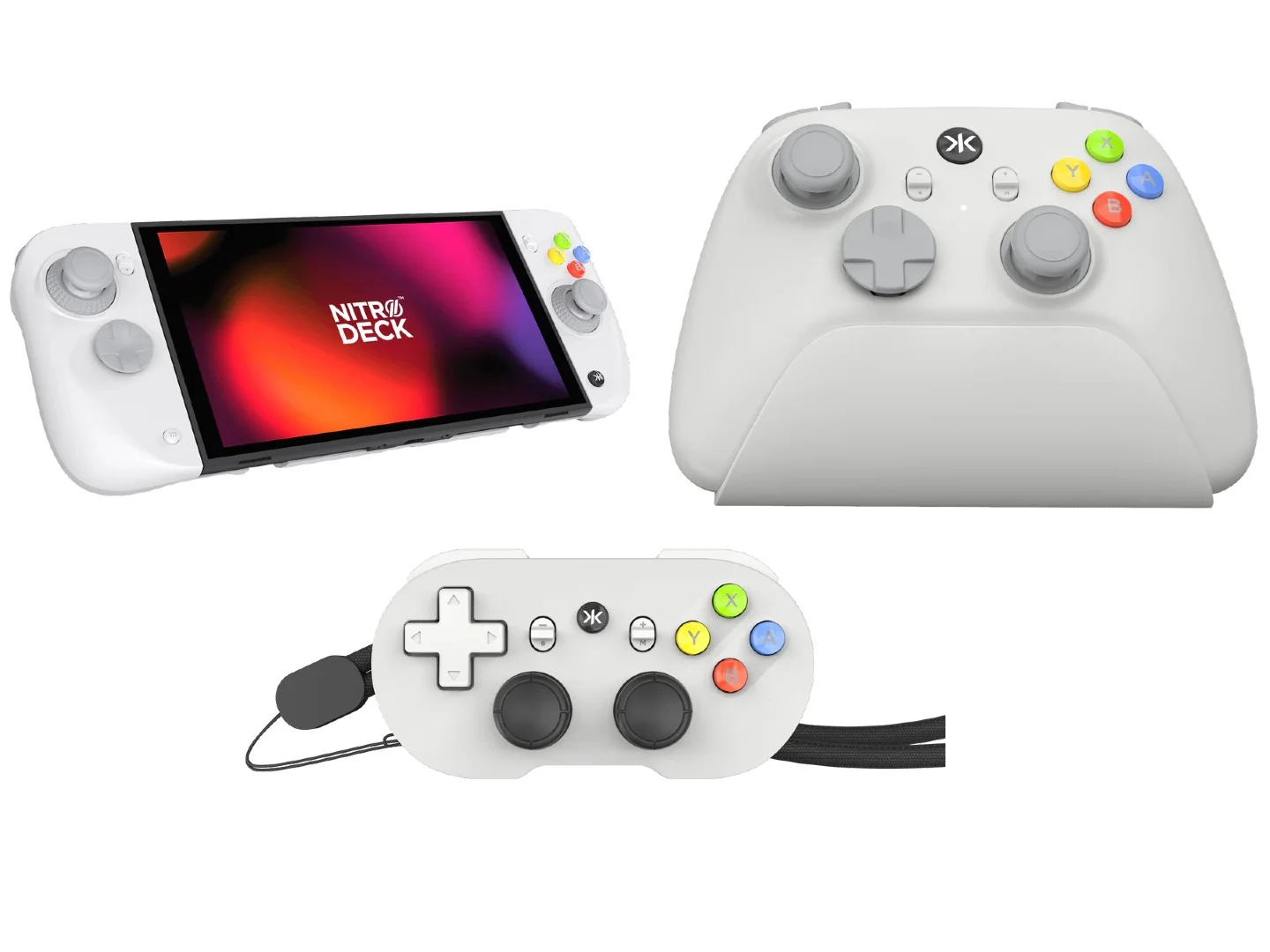
  • CRKD Delays Nitro Deck 2, ULT Pro & ATOM+ Controllers

    CRKD Delays Nitro Deck 2, ULT Pro & ATOM+ Controllers

    Key Takeaway

    – The Nitro Deck 2, along with the ULT Pro and Atom+ mini controllers, has been delayed to late July 2026; initial shipping windows have moved from Spring 2026 to July.
    – The delay stems from final evaluations and approvals, with one more evaluation before mass production; pilot production starts in May and full production in June 2026.
    – Pre-orders (e.g., Nitro Deck 2 on Amazon) remain active, but release dates show July 2026, creating a discrepancy with some listings (e.g., June 30) that may reflect updated timelines.

    CRKD announced the Nitro Deck 2 in December 2025 with an expected shipping date set for Spring 2026. Now, it has released a statement saying that the controller, which is compatible with the Switch and Switch 2, will now be released in July 2026.

    Shipping Delay and Official Update

    In an official blog post on its website, the company explained that the Nitro Deck 2’s estimated shipping date was moved to late July 2026 after further evaluations. The post notes that this console accessory remains compatible with Nintendo Switch models, but the revised schedule has sparked questions among eager fans about the new timeline and the potential impact on pre-orders. The language used in the update suggests a cautious approach to mass production, with emphasis on ensuring quality before broader distribution.

    Pre-order Details and Pricing

    Interestingly, the Nitro Deck 2 is listed for pre-order at $99.99 in White, Shadow Black, and Pal Grey, but the description indicates a June 30, 2026 release date. This discrepancy between the listing date and the actual shipping window creates a mix of expectations for buyers who are trying to plan their purchases around the revised schedule. The pricing appears consistent across variants, yet the exact availability of colors may be subject to supplier stock and regional restrictions that could affect delivery times.

    Production Timeline and Implications

    The postponement is attributed to delays caused by final evaluations and approvals, and according to the update, there is still one more evaluation before the controller commences mass production. The new plan indicates pilot production would begin in May with full-scale production starting in June, shifting the overall timeline by several weeks. This delay is also expected to influence customers who pre-ordered the LRG Fusion Limited Edition, which was a collaboration with the video game publisher Limited Run Games.

    Other Delays and Related Models

    Additionally, CRKD announced that the ULT Pro and Atom+ mini controller, which were unveiled in late March, will now ship in late July as well. The listing information for these items shows a release date of July 30 for the ULT Pro wireless controller and July 1 for the Atom+ mini, aligning with the broader postponement strategy the company is adopting to ensure readiness for mass production.

    Sources
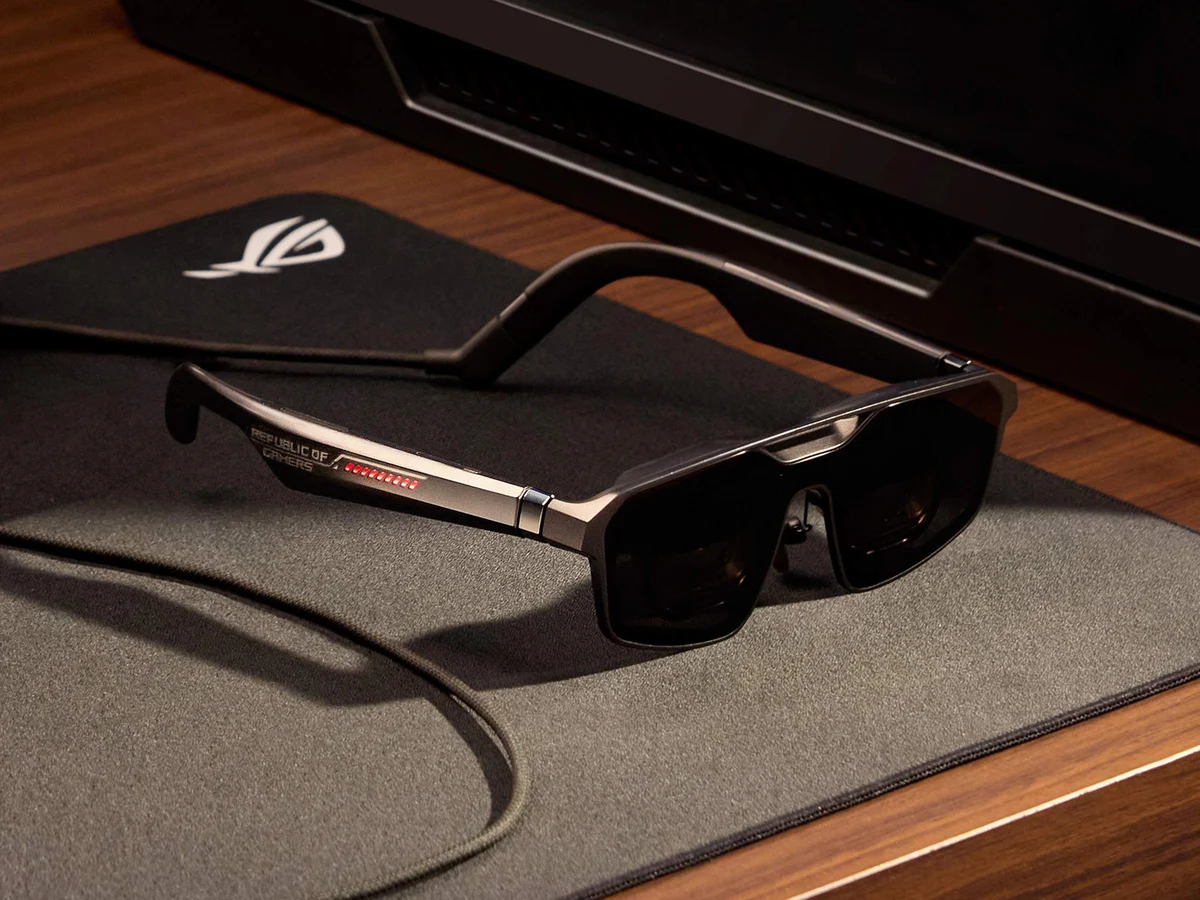
  • ROG Xreal R1 AR Glasses Pre-Order Price Tag Update

    ROG Xreal R1 AR Glasses Pre-Order Price Tag Update

    Key Takeaway

    – 240Hz micro OLED displays with 0.01ms response time and a 57° wide field of view, touted for ultra-fluid gaming visuals on AR glasses.
    – Priced at $849—significantly higher than Xreal’s One Pro ($599–$649) due to gaming-focused enhancements and co-branding with Asus ROG.
    – Electrochromic lenses with three tint levels and peak brightness of 700 nits (lower than some competitors, e.g., 1,200 nits on RayNeo Air 3S Pro).
    – Integrated ROG dock with a signal switch for easy display-source swapping, plus comfort-forward design, anchor mode with native 3 DoF, and Bose-built audio.

    Asus has just rolled out the ROG Xreal R1 in China after showcasing the gaming AR glasses at CES 2026, and they’re now open for purchase. The pre-order price sits higher than typical non-gaming AR glasses, signaling a premium for the gaming features and branding involved.

    Pricing snapshot

    The ROG Xreal R1 glasses are listed on the Xreal shop for 849, while Xreal’s top-end One Pro normally retails at 649 and can drop to 599 with occasional discounts. These co-branded AR glasses carry a handful of gaming-centric enhancements that set them apart from standard models in the market.

    Display and performance

    First off, they claim to be the first commercially available AR glasses with 240Hz refresh rate micro OLED displays. In contrast, non-gaming AR options typically max out at 120Hz. Xreal asserts a 0.01ms response time for the ROG glasses, which should translate into smoother motion and more fluid picture output for fast-paced gaming.

    Visual specs and field of view

    The micro OLED displays reportedly offer up to a 171-inch virtual screen size, though this isn’t groundbreaking since some AR glasses like the Rayneo Air 4 Pro reach around 201 inches. The R1 counters with a relatively wide field of view of 57°, which could contribute to a more immersive viewing experience during gameplay and AR tasks alike.

    Lenses and brightness

    The R1 includes electrochromic lens technology with three tint levels to help isolate the display from surrounding light. However, peak brightness sits at 700 nits, which is notably lower than last-gen devices like the RayNeo Air 3S Pro with 1,200 nits, suggesting usage conditions will influence perceived clarity in bright environments.

    Gaming-centric features

    Asus and Xreal have teamed up on several gaming-focused features for the R1. The bundled ROG dock includes a built-in signal switch for easy swaps of display source. Other highlights include a comfort-forward adjustable design, anchor mode with native 3 DoF, and an audio system described as being tuned with Bose technology. A promotional video is available to showcase these capabilities.

    Sources
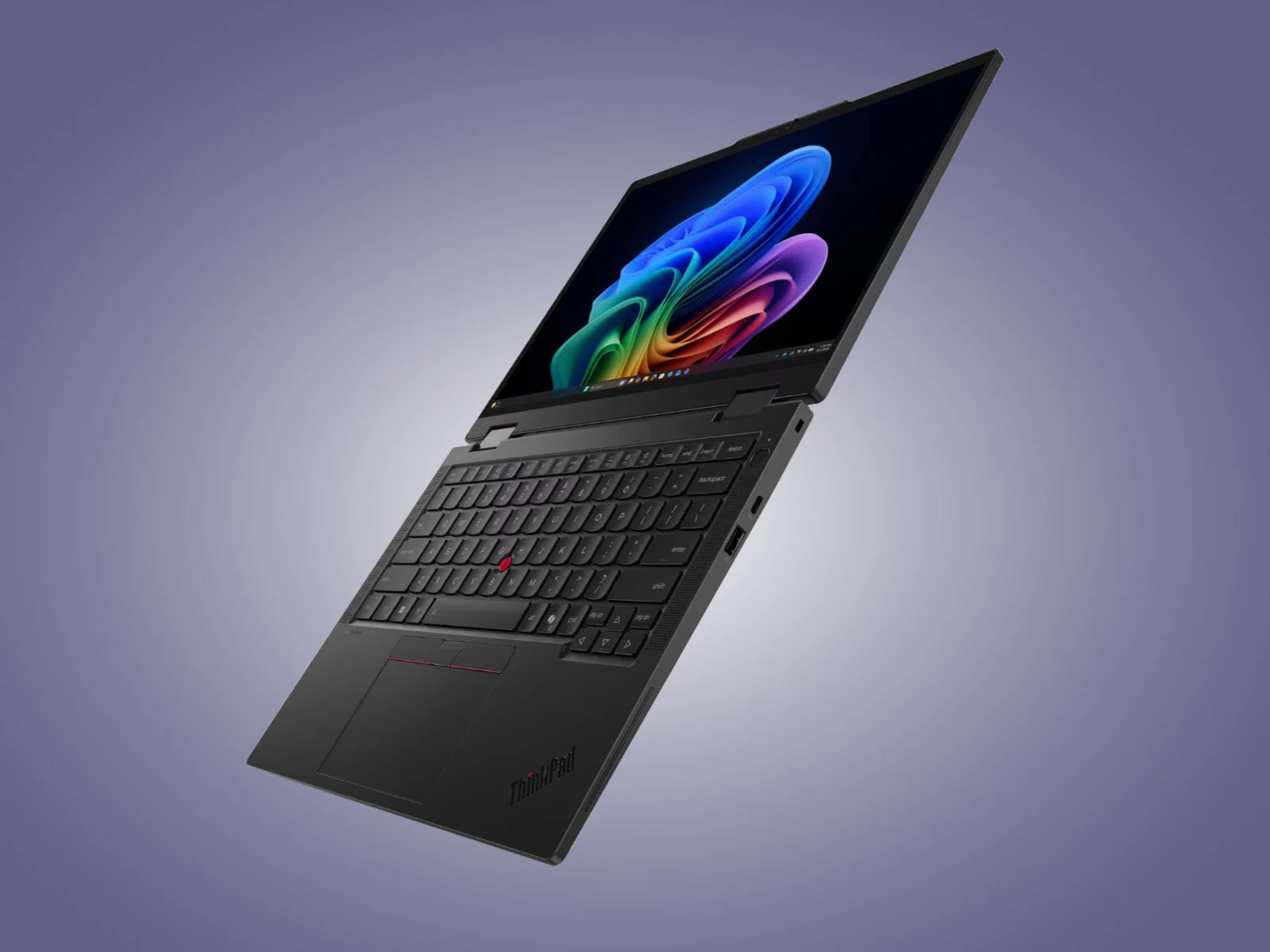
  • Lenovo 14″ ThinkPad with 64GB RAM and Built-in Pen Released

    Lenovo 14″ ThinkPad with 64GB RAM and Built-in Pen Released

    Key Takeaway

    – The ThinkPad T14s 2-in-1 Gen 2 uses Intel Panther Lake, not Arrow Lake, and starts from a high base price with a mid-range display.
    – European and UK pricing far exceed initial projections, landing around €2,079–€2,299 and £1,999, depending on configuration.
    – Australia offers the full range of configurations, with a base AU$3,349 and extreme options up to AU$6,489 for premium specs.

    Lenovo has rolled out its updated 2-in-1 ThinkPad lineup, introducing the ThinkPad T14s 2-in-1 Gen 2. Announced in March, this fresh machine sits alongside the standard ThinkPad T14s, which is now on its Gen 7 iteration. For reference, the ThinkPad T14s 2-in-1 Gen 2 runs on Intel Panther’s Lake platform, a shift from the Intel Arrow Lake processors that powered the Gen 1 model we checked last year (curr. $1,299 on Amazon).

    Pricing shift and market rollout

    Unfortunately, this 2-in-1 is priced higher than Lenovo originally claimed. To recap, the ThinkPad T14s 2-in-1 Gen 2 was slated to land this month starting at €1,750 in the Eurozone. While it has arrived in Europe and other markets, the price now sits between €2,079 and €2,299. The elevated pricing might reflect Lenovo’s chosen starting setup. At present, these base prices include 32 GB RAM, 1 TB SSD, a Core Ultra 5 325 processor, and an IPS display with 1200p resolution, 400 nits peak brightness, 45% NTSC, and a 60 Hz refresh rate. The UK mirrors this with £1,999.

    Regional configurations and options

    In Australia, Lenovo offers full configuration options for the ThinkPad T14s 2-in-1 Gen 2. As of now, it starts at AUD 3,349 (~€2,059/~$2,395) with 16 GB RAM, a 256 GB SSD, and the same Core Ultra 5 325 processor. Beyond that, five other Panther Lake processors are available, expanding the choices for power and efficiency across different needs.

    Performance tiers and upgrade paths

    The laptop can be configured with up to 64 GB RAM, but only with a Core Ultra 7 366H processor. For this high-end setup, Lenovo charges AUD 6,489 (~€3,990/~$4,639), which is nearly 94% more than the base configuration. Lenovo also lists 512 GB, 1 TB, and 2 TB PCIe 5.0 SSDs, plus four 1200p IPS panels. While the more premium options offer brightness up to 500 nits and 100% sRGB coverage, all panels remain at 60 Hz. For complete spec details, please check Lenovo’s site.