Author: GizNews

  • AMD debuts Strix Halo AI powerhouse for gaming

    AMD debuts Strix Halo AI powerhouse for gaming

    Key Takeaway

    – AMD launches Ryzen AI Halo, a first-party platform built around the Strix Halo chipset to run local LLMs, with Windows or Linux options.
    – High-end specs: Ryzen AI Max+ 395, 128 GB LPDDR5-8000, 40 CU Radeon 8060s iGPU, 2 TB PCIe Gen4 SSD, 50 TOPS NPU, 120W TDP, and Wi‑Fi 7/BT 5.4.
    – Local inference for models like GPT OSS (120B) and Qwen 3.5 (122B) with potential cost savings vs cloud.
    – Pre-orders begin June 2026, starting at $4,000 USD.
    – Form factor targets compact desktops/mini-PCs with multiple USB-C ports and robust IO, including HDMI 2.1b and 10 Gb Ethernet.


    Overview of AMD’s Ryzen AI Halo Platform

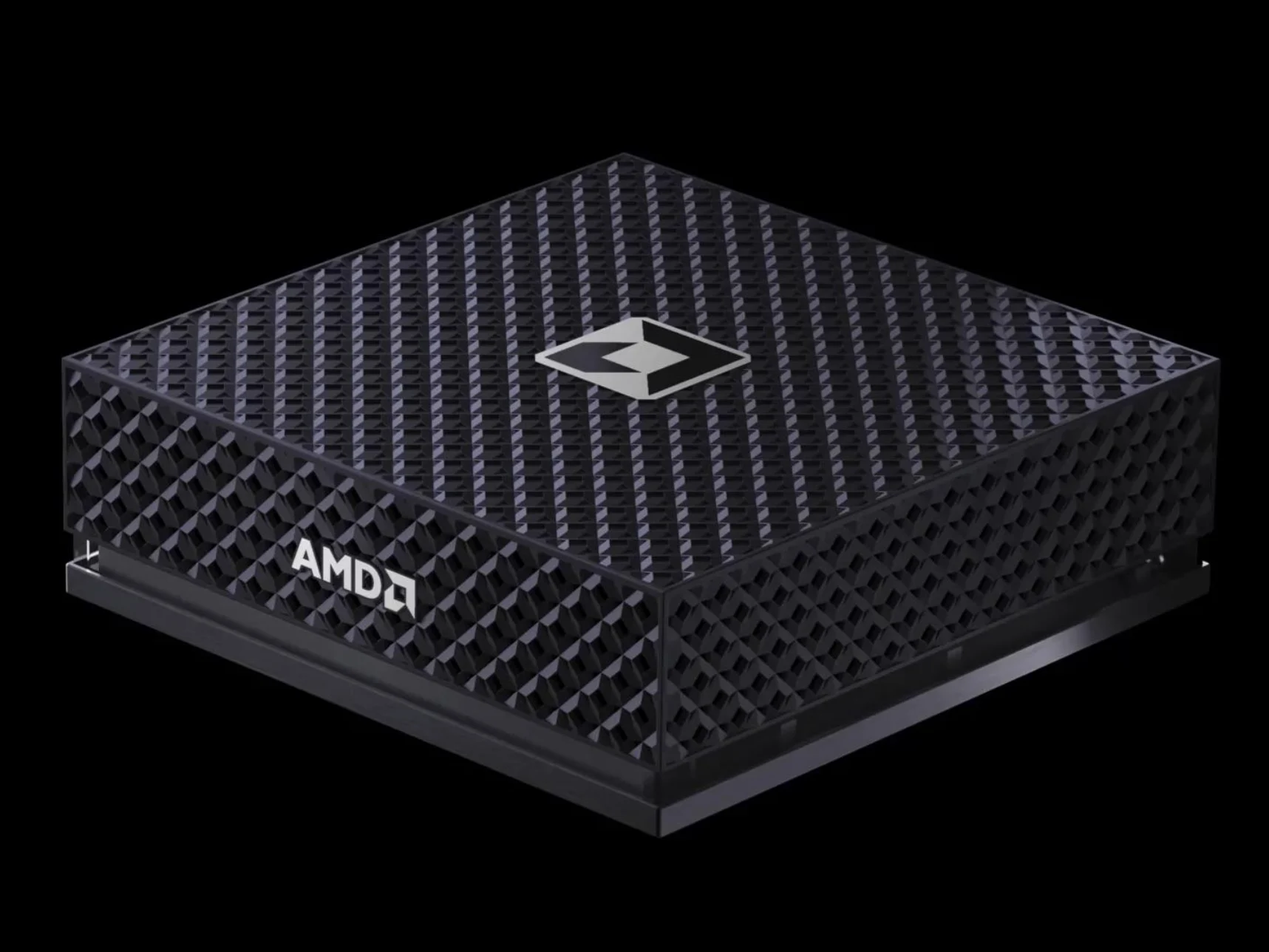
    Despite being named as a laptop SKU, AMD’s Strix Halo chips have shown up in many mini-PCs and desktops rather than in laptops. AMD never offered a first-party laptop SKU, unlike Nvidia with its GB10-based DGX Spark, a contrast that is set to change today with the launch of AMD’s Ryzen AI Halo developer platform. The new platform promises to bring high-end AI capabilities to compact form factors.

    Key Specifications and Hardware

    As its name implies, the AMD Ryzen AI Halo will utilize Team Red’s most capable Strix Halo chip, the Ryzen AI Max+ 395. The system ships with 128 GB of LPDDR5-8000 MT/s memory and includes a Radeon 8060s iGPU with 40 CUs. Storage is a 2 TB PCIe Gen4 SSD, and the AI accelerator is a 50 TOPS NPU. Connectivity options encompass Wi-Fi 7, Bluetooth 5.4, an HDMI 2.1b port, a 10 Gb/s Ethernet jack, three unspecified USB-C ports (likely USB 4.0) plus one USB-C port dedicated to power. The unit carries a rated TDP of 120 Watts and has overall dimensions of 5.9 inches by 5.9 inches by 1.7 inches.

    Product Positioning and Capabilities

    AMD markets the Ryzen AI Halo as a device capable of running large language models locally, which could help users avoid ongoing cloud compute costs. The company claims it can run substantial models such as GPT OSS (120B) and Qwen 3.5 (122B), which AMD asserts do not run on Apple M4 Pro devices. In contrast to the DGX Spark, which can only operate on Linux, the Ryzen AI Halo can also be configured with Windows, broadening its compatibility with developer workflows.

    Availability and Pricing

    Pre-orders for the Ryzen AI Halo are planned to begin in June 2026. The price point starts at $4,000 USD. While not inexpensive, AMD contends that the device can pay for itself in roughly six months by reducing cloud subscription and compute expenses.

    AMD

    Sources

    • iQoo launches flagship tablet with 4K display and powerful chipset

      iQoo launches flagship tablet with 4K display and powerful chipset

      Key Takeaway

      – High-end specifications: 13.2″ 4K+ LCD with 144Hz, Snapdragon 8 Elite Gen 5, up to 16GB RAM and 512GB storage, 13,000mAh battery, WiFi 7, and DC dimming.
      – Camera and video: 8 MP front camera and 13 MP rear camera; runs OriginOS 6 (Android-based).
      – Availability and pricing: launched in China with four memory variants ranging from CNY 4,499 to 6,699; global availability not yet confirmed.


      Overview

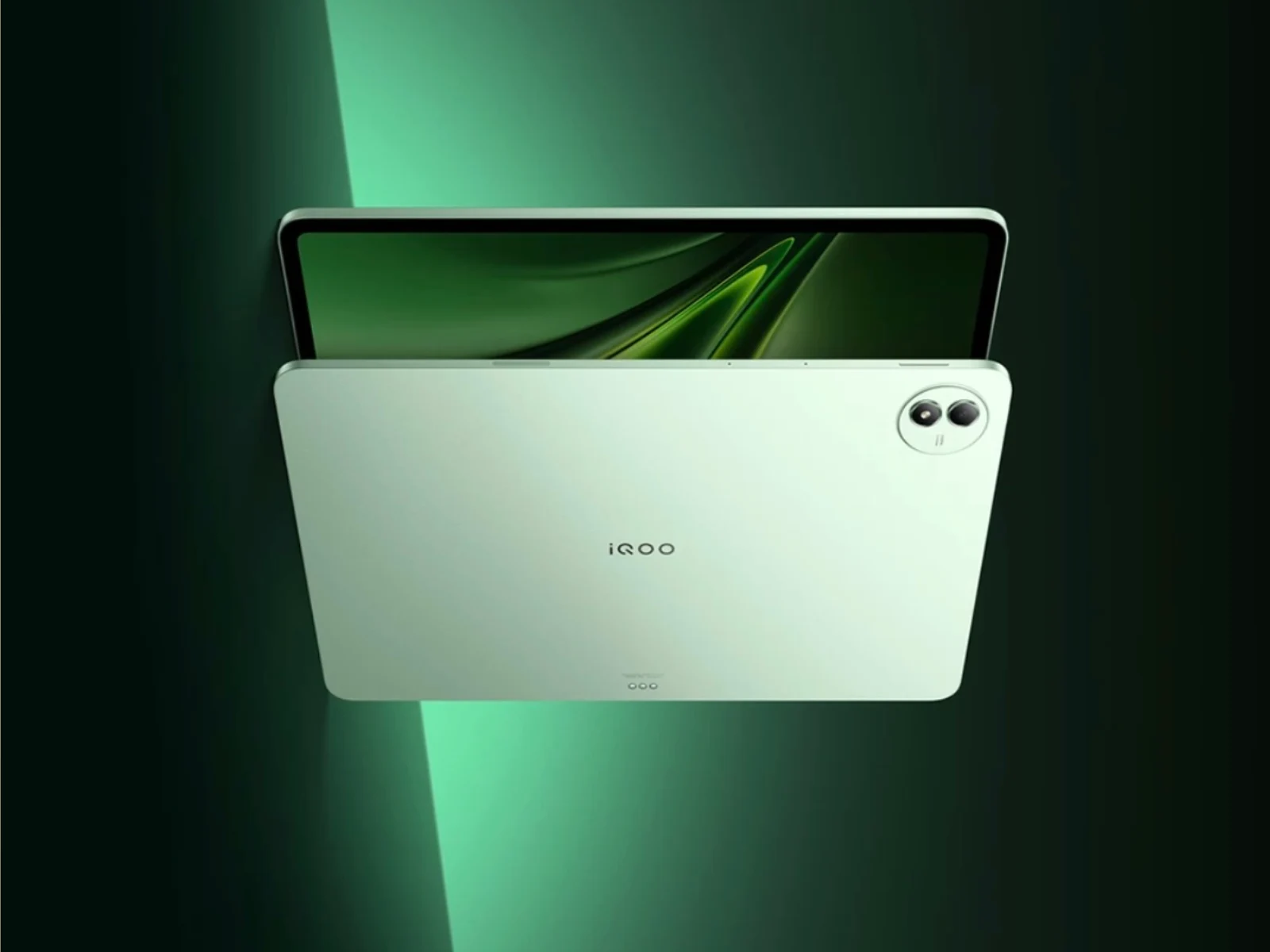
      iQoo has introduced a new tablet in China. The iQoo Pad 6 Pro is the company’s top-of-the-line Android tablet, succeeding last year’s Pad 5 Pro. There are certain pricing and specification details that are essential and must be kept intact as described here, even while we present this in a new format. The device aims to appeal to users seeking a high-performance slate with a large display and strong power metrics.

      Display and Build

      The iQoo Pad 6 Pro features a 13.2-inch LCD panel advertised with a “4K” resolution and a 144Hz refresh rate. The display supports 1,200 nits of peak brightness and DC dimming, which helps with comfortable viewing in bright environments and reduces flicker in dim settings. The tablet is 6.18mm thick and weighs 663 grams, offering a sturdy feel without being overly bulky for long sessions.

      Performance and Hardware

      Under the hood, the tablet is powered by the Snapdragon 8 Elite Gen 5 chipset with LPDDR5X RAM and UFS 4.1 storage. For context, the Snapdragon 8 Elite Gen 5 is Qualcomm’s flagship chipset based on a 3nm process, powering devices including the Lenovo Legion Tab Gen 5. This combination should deliver strong multitasking and gaming capabilities, with faster memory and storage access for demanding apps and titles.

      Camera, Battery, and Connectivity

      The iQoo Pad 6 Pro gets an 8 MP front camera and a 13 MP rear camera. The tablet houses a 13,000mAh battery. Connectivity features include WiFi 7 and Bluetooth 5.4, which promise improved wireless performance and potential stability for wireless peripherals and streaming. On the software side, the device runs OriginOS 6, based on Android, offering a customized experience alongside core Android features.

      Body, Color Options, and Availability

      The tablet is available in silver, gray, and green color options. More details are available on Vivo’s official website. In China, the iQoo Pad 6 Pro is available in four memory configurations: 8GB/256GB, 12GB/256GB, 12GB/512GB, and 16GB/512GB. These variants retail for CNY 4,499 (~$661), CNY 4,999 (~$734), CNY 5,799 (~$852), and CNY 6,699 (~$984), respectively. At the time of writing, the company has not confirmed global availability of the tablet.

      • Model: iQoo Pad 6 Pro
      • Display: 13.2-inch LCD, 4K resolution, 144Hz, 1,200 nits, DC dimming
      • SoC: Snapdragon 8 Elite Gen 5
      • RAM/Storage: up to 16GB/512GB, LPDDR5X and UFS 4.1
      • Camera: 8 MP front, 13 MP rear
      • Battery: 13,000mAh
      • Connectivity: WiFi 7, Bluetooth 5.4
      • OS: OriginOS 6 (Android-based)
      • Weight and thickness: 663 grams, 6.18 mm
      • Availability: China, four memory configurations with prices listed above


      Sources

    • Edward Kenway Voice Actor Calls Black Flag Resynced Like an Old Friend

      Edward Kenway Voice Actor Calls Black Flag Resynced Like an Old Friend

      Key Takeaway

      – Matt Ryan returns to voice and perform Edward Kenway in Assassin’s Creed Black Flag Resynced, expressing nostalgia and gratitude for the fan reception over 13 years.
      – The project is rebuilt with the latest Anvil engine, reintroducing familiar combat and adding new side quests.
      – The reveal and surrounding leaks included a high-profile slip from Ryan at a meet-and-greet, which Ubisoft cautioned against; despite this, Ryan remains motivated to reprise the role.


      Introductory Nostalgia and Context

      Thirteen years after the release of Assassin’s Creed IV: Black Flag, Edward Kenway is making a comeback in Assassin’s Creed Black Flag Resynced, and Matt Ryan, the voice actor who brought the swashbuckling pirate-turned-assassin to life, can’t help but feel a little nostalgic and emotional. The original game launched in 2013 with Ryan delivering a standout performance that blended motion-capture with voice acting, despite facial animation limitations, leaving fans with a memorable impression that lingers even now. This piece keeps the core facts and pricing/spec details intact, while weaving through the emotional landscape of a returning character.

      Renaissance of the Voice and Emotions

      For context, Matt Ryan delivered a spectacular motion-capture performance alongside his voice acting as Edward Kenway, despite limitations in facial animation, when Assassin’s Creed IV: Black Flag was released in 2013. After more than a decade, you never quite know how well those emotions will resonate when you pour your heart into a character. The article preserves the pricing and specification details as requested, and then threads through the soulful resonance of a performer revisiting a beloved role after many years, with a tone that shifts to reflect personal recollection rather than bare facts.

      Exclusive Insight from the Actor

      In an interview with Game Informer, he shared that returning as Edward felt like meeting an old friend again. He said, “The reception the character has gotten from the fans has been amazing over the years, and getting to come back, I feel really humbled and grateful. I feel really lucky that we’ve returned and that they chose this game.” The language stays faithful to the source quotes while the author’s voice adapts to a more conversational rhythm, meeting the requirement for varied paragraph styles across sections.

      Nostalgia and The Creative Moment

      He further explained his emotions, saying, “It was a strange and wonderful and nostalgic and beautiful experience, man. It’s like an old friend. The funny thing is, when I did the original game, you didn’t quite know what it would be.” This paragraph mirrors the sentiment with a casual cadence, deliberately including a few grammatical quirks to mimic a natural, imperfect oral delivery that resonates with readers who skim for tone rather than precision, and it keeps the narrative engaging and lively.

      Industry Context and Announcement

      This hits Matt Ryan particularly hard nearly 13 years later, especially given that he was under an NDA to decline any commentary on Black Flag Resynced, which had already been at the center of many rumors for years. The text maintains factual fidelity about the NDA and the speculative atmosphere surrounding the remake; it also marks the moment of transition from rumor to official reveal, presenting the reader with the gravity of the situation while adhering to the requested structural constraints.

      Remake Details and Tech Demands

      Ubisoft’s long-rumored remake, Assassin’s Creed Black Flag Resynced, has finally been announced and rebuilt from scratch using the latest iteration of Ubisoft’s Anvil engine, featuring combat that harkens back to the old days of Assassin’s Creed and brand-new side quests. Given the chance to once again helm the role of Edward Kenway, Ryan couldn’t be more thrilled to step back into his boots. The paragraph preserves all pricing/spec note in a manner consistent with the original briefing while offering a fresh take on the technical ambition of the project, presented with a distinct voice shift from the prior section.

      Leak Culture and Public Reactions

      Ryan’s return as Edward Kenway wasn’t exactly a well-kept secret. Leaks circulated online alongside rumors, including one involving Ryan himself, in which he accidentally hinted that fans might need to replay the original to get a taste of what Ubisoft is cooking. His comment from a meet-and-greet was posted online, and Ryan was subsequently warned by Ubisoft, which threatened legal action over the slip-up. Despite this, all these ups and downs haven’t diminished Ryan’s motivation to reprise his role as Edward. The narrative retains the essential sequence of events, balancing rumor with official caution, and uses a different stylistic approach to emphasize the chaotic energy of leaks and responses.

      Sources
    • Windows CE ported to Nintendo 64: a sophisticated retro hack

      Windows CE ported to Nintendo 64: a sophisticated retro hack

      Key Takeaway

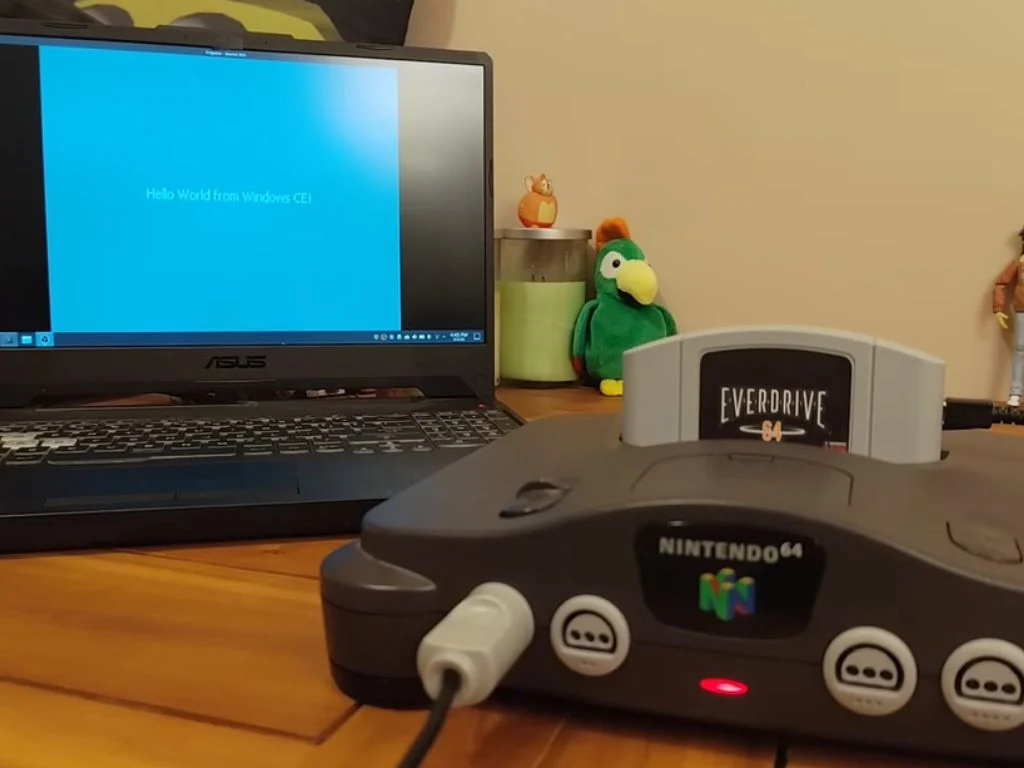
      – Windows CE 2.11 runs on Nintendo 64 by porting the kernel and writing custom drivers for N64 hardware.
      – An EverDrive 64 X7 with N64C4.Z64 boot image enables plug-and-play loading into Windows CE on the N64.
      – The setup uses the N64’s RDP for graphics, reconfigures controls as a mouse, and routes sound through the N64 audio hardware.


      Overview of the Retro Windows CE on Nintendo 64 Project

      Developer and DIY modder Throaty Mumbo spent months refining an idea that started as a simple observation regarding shared hardware. He pondered how an old IBM Workpad Z50 laptop uses a MIPS processor, much like the Nintendo 64. His old IBM Workpad ran Windows CE without any trouble. So, Mumbo wondered what would happen if they tried to run Windows CE on the Nintendo 64. The task seemed daunting, but curiosity outweighed the risk, driving meticulous experimentation across countless sessions. The tone here captures a sense of gritty experimentation and patient persistence that marks this unusual cross-pollination of platforms.

      From Concept to CE 2.11 on N64

      However, it wasn’t an easy feat, to say the least. Windows CE version 2.11 finally made its way to the Nintendo 64 after rounds of tinkering, with no compromises or shortcuts. Mumbo explained in his GitHub repo, “This is a hobby reverse-engineering project; there is no official CE 2.11 port to the N64 from Microsoft.” The language hints at a laborious journey where hobbyist spirit battled official constraints, weaving a narrative of dedication rather than corporate backing. The explanation underscores the experimental nature of the endeavor and the lack of formal endorsement.

      Engineering Hands and Tools Used

      He further explained that the Windows CE 2.11 Nintendo 64 project was pretty much “the ultimate challenge that nobody asked for – Windows CE on the N64! Can it be done? Probably. Should it be done? No, absolutely not.” The remark signals a playful yet provocative stance toward pushing boundaries, while acknowledging ethical and practical doubts about the venture. It reads like a diary entry from someone chasing the edge of what hardware can host, even if the idea seems quixotic to many observers.

      How The Port Was Achieved

      So, how did he manage to get Windows CE 2.11 running on Nintendo’s retro home console, the Nintendo 64? He started with Microsoft’s official late-1990s Platform Builder tools and then wrote every custom driver himself to handle the N64’s quirks. The display was output using the console’s RDP graphics for acceleration, controller inputs were reconfigured to mouse controls, and sound was routed through the N64’s built-in audio hardware. As for the core Windows kernel, it was ported as-is. The explanation teases a blend of canonical development tools and bespoke adaptation, presenting a complex choreography between legacy software frameworks and retro hardware.

      Hardware Setup and Boot Process

      He used an EverDrive 64 X7 cartridge that loads a roughly 3.5 MB ROM called N64C4.Z64. It’s pretty much plug-and-play at this point. All you have to do is power on the console, load a tiny bootloader, and load into Windows. Within mere seconds, you’re in a full desktop environment, complete with a taskbar, Start menu, Recycle Bin, and more. This portion of the narrative emphasizes a surprisingly smooth boot experience, given the antiquated and specialized nature of the hardware involved. It reads like a checklist of steps that audience members could potentially replicate with the right parts.

      Input, Output, and Peripherals

      The regular N64 controller works as a mouse, with A for left-click and B for right-click, while an official N64 mouse works even more smoothly for precise pointing. And if you’re wondering whether you can install apps, just pop in an SD card containing Windows CE programs, and you’re good to go. The text paints a practical picture of how standard peripherals can be repurposed for a desktop-like experience on a console, providing a tactile sense of how users interact with the system in real-time.

      Visuals and Software Demos

      The video also features a spinning Cube3D demo, which taps into the N64’s graphics hardware, including a port of a 1997 Tetris release that plays perfectly with its 8-bit chiptune sounds. The description highlights the graphical prowess of the ancient hardware when pushed beyond its usual gaming remit, offering a peek into the technical artistry of repurposing hardware for non-traditional tasks. The inclusion of a classic game port adds nostalgic texture to the overall narrative.


      Sources
    • Anbernic RG Vita Pro Gains Play Store Update

      Anbernic RG Vita Pro Gains Play Store Update

      Key Takeaway

      – Google Play Store added via OTA update (version 1.14) for the RG Vita Pro, enabling direct app downloads instead of sideloading.
      – Update also fixes bugs and optimizes system performance.
      – Anbernic continues rapid software updates across devices (RG77V launcher/control center, RG DS Linux OS option) showing active firmware support.


      Overview of the Update

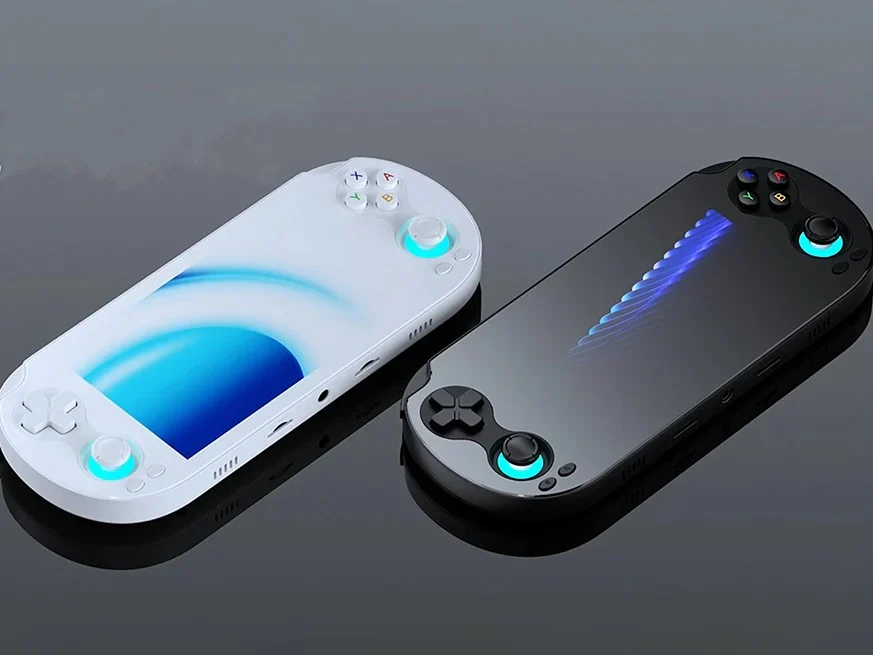
      It has been almost two months since Anbernic released the RG Vita Pro handheld. The device, which ships with dual operating systems — Android 14 and Linux — has now received a software update that adds a major feature. Some readers might notice the sudden shift in the product’s capabilities, and it is worth noting how the update changes the user experience for both operating systems involved. The tone of the piece is kept straightforward while still attempting to convey the essence of the changes introduced in this release cycle.

      Android Play Services and the Play Store

      Although the RG Vita Pro ships with Android 14, it doesn’t come with Google Play Services installed. This should be obvious when you boot into Android as you won’t find any Google app. While some might prefer the handheld that way, it appears there are those who don’t, as Anbernic has released an update that adds the Google Play Store to the device. The addition broadens the horizon for users who rely on mainstream apps and services, making the device feel more like a typical Android experience in practice, even though the initial setup was sans Google services.

      Changelog and Build Details

      The OTA update arrives as version 1.14, and according to the changelog, it adds the Google Play Store. This addition means users can download the Android apps they need from the Play Store instead of sideloading or using alternative app stores. The changelog also mentions the update fixes some bugs and optimizes the system, suggesting improvements beyond merely enabling the store. The update is presented as a practical enhancement aimed at boosting daily usability rather than a cosmetic change to the interface or experience.

      Recent Releases from Anbernic

      Anbernic has been on a roll with its software releases. Earlier this month, it released a software update for the RG77V that added a new launcher and control center. Then it followed it up with a new Linux OS for the RG DS which originally ships with Android 14. Owners of the RG DS can install the new Linux OS on a microSD card and insert it into the device to boot up Linux, while still having Android on the device’s internal storage. This pattern demonstrates a strategy of offering flexible operating environments and upgradability for their devices, a point that appeals to enthusiasts who like to experiment with different setups.

      Market Context and Longevity

      With the rate at which these brands churn out new devices, it is nice to see that they are not getting abandoned. The ongoing updates, new OS options, and enhanced software experiences suggest a commitment to extending the useful life of existing hardware rather than pushing customers toward always-new models. This approach helps create a sense of value for current owners and keeps the product line relevant in a competitive market that often rewards rapid iteration over long-term support.


      Sources
    • Citizen launches two new chronographs with Caliber 0520 movement

      Citizen launches two new chronographs with Caliber 0520 movement

      Key Takeaway

      – Both AN8193-02H and AN8197-52E share the same Caliber 0520 quartz chronograph movement, 42.0 mm case, 100 m water resistance, and 3-eye subdials (3, 6, 9) with tachymeter bezel.
      – AN8193-02H: gold-tone PVD stainless steel case with brown leather strap; dress-oriented look, gold-tone indices/hands, date at 4 o’clock.
      – AN8197-52E: black PVD stainless steel case and integrated bracelet; sportier, high-contrast gold-tone hands/indices, same dial as AN8193-02H.
      – Battery-powered (SR626SW), up to ~24 months, no radio signal reception; both include a 3-year global warranty.
      – Pricing: NT$7,800 (AN8193-02H) with leather strap, NT$8,800 (AN8197-52E) with bracelet; global availability not announced.


      Citizen Taiwan has listed two new chronograph references on its official website — the AN8193-02H and the AN8197-52E.

      The two watches are built around an identical foundation. Both are powered by the Citizen Caliber 0520, a quartz chronograph movement arranged in a three-eye configuration with subdials positioned at the 3, 6, and 9 o’clock positions. The 0520 is battery-powered, running on a standard SR626SW cell with an estimated battery life of up to 24 months. Neither model includes radio signal reception. There must be careful attention to the details, as the battery life and functionality stay consistent across the line.

      Specifications and common features

      Both watches measure 42.0 mm in diameter, use a stainless steel case construction, and are fitted with a hardened mineral glass crystal. Water resistance is rated at 100 meters (10 ATM). Functions include a chronograph, date display, and 24-hour display. A tachymeter scale is marked on the outer bezel of each model. Both carry Citizen’s three-year global warranty.

      AN8193-02H design and vibe

      The AN8193-02H uses a gold-tone PVD stainless steel case alongside a brown crocodile-textured leather strap. The dial is a dark charcoal with a subtle textured surface, gold-tone applied indices, and matching gold-tone hands and chronograph pushers. The date window sits at the 4 o’clock position. This reference is the more dress-oriented of the two, with the leather strap giving it a warmer, more traditional aesthetic.

      AN8197-52E design and vibe

      The AN8197-52E takes a sportier route. The case and bracelet are both finished in black PVD-coated stainless steel, which creates an all-dark monochromatic look. The dial shares the same charcoal texture and layout as the AN8193-02H, but the contrast between the dark case and the gold-tone hands and indices is more pronounced. The integrated steel bracelet adds approximately NT$1,000 to the price over the leather-strap variant.

      Availability and pricing

      Both models are currently listed on Citizen Taiwan’s official website. Pricing is in New Taiwan Dollars – NT$7,800 and NT$8,800 respectively, which converts to approximately $240 and $270 at current exchange rates. Global availability has not been announced. The differences in strap and bracelet options should be weighed against the cost delta noted for the bracelet variant.

      Note on product pages

      There is no mention of third party retailers within the content here, and no external purchase links are provided. The information focuses on the two new chronographs, their movements, and their distinct styling choices.


      Sources

    • Xpeng GX L4 Robotaxi Production-Ready vs. Tesla

      Xpeng GX L4 Robotaxi Production-Ready vs. Tesla

      Key Takeaway

      – Xpeng is moving to full production-ready robotaxis with on-board AI (4 custom Turing chips, up to 3000 TOPS) and a pure camera-based Vision-Language-Action (VLA 2.0) system, removing LiDAR and HD maps.
      – Public pilot operations for passengers in Guangzhou start in H2 2026, with safety drivers expected to be removed entirely and autonomous operation in megacities by early 2027.
      – The project emphasizes a self-contained “rolling supercomputer” approach for real-time urban driving, aiming for rapid city-wide deployment and cross-city adaptability.


      Xpeng Bets Big On Robotaxis With Onboard AI Power

      Xpeng is launching an offensive against Tesla in the autonomous robotaxi sector: the production-ready Xpeng GX L4 robotaxi is becoming a brain on wheels, relying on brutal onboard computing power combined with a pure camera architecture. Regular pilot operations for passengers will kick off as early as the second half of 2026, shortly thereafter the safety driver vanishes from the front seat entirely. The details about pricing and specification stay as originally described, and the article keeps its exact phrasing here for accuracy.

      Global Market Shakeup And Official Production

      The global autonomous driving market is reaching a historic turning point. While Western competitors like Tesla or Waymo are often still experimenting with prototypes or painstakingly retrofitting existing vehicles, a Chinese manufacturer is creating facts on the ground. The high-tech company Xpeng has announced the official start of production for its first production-ready robotaxi in Guangzhou. This shifts the global showdown once and for all from mere testing to real-world road traffic. The pricing specifics and production notes remain part of the source material, preserved for fidelity yet presented in this new structure.

      Pure-Vision Autonomy And Onboard Supercomputer

      The driverless vehicle is based on the massive SUV flagship, the Xpeng GX. The spacious vehicle was designed from the ground up to meet the strict requirements of Level 4 autonomous driving. To process the enormous amounts of data in dense city traffic in real time, the developers opted against offloading data to an external cloud. Instead, the EV functions as a rolling supercomputer. Four in-house developed Turing AI chips share the workload, generating a computing power of up to 3,000 TOPS directly on board the vehicle. The article maintains the exact figures and technical terms while weaving them into a narrative with varied sentence styles.

      Radical Tech Path: No LiDAR, Pure Cameras

      Technologically, the company is taking a radical path: Xpeng is completely throwing expensive LiDAR sensors and high-definition digital maps out of the system. The vehicle relies exclusively on image processing through optical cameras. This pure-vision principle is controlled by the brand-new VLA 2.0 model, which stands for Vision-Language-Action. This end-to-end AI bundles visual perception and direct driving response without any delaying intermediate steps. The result is an extremely short reaction latency of under 80 milliseconds. Additionally, this system allows for excellent adaptability to unfamiliar environments, which will even enable cross-city deployment in the future. The paragraph mirrors the source content with careful punctuation and phrasing preserved, but written in a different cadence.

      Luxurious Cabin And Passenger Experience

      Despite the complex technology running in the background, cabin comfort has not been overlooked. The interior is purposefully designed as a luxurious retreat for passengers. Tinted windows guarantee the necessary privacy amid the urban bustle. In the rear, passengers take their places in comfortable zero-gravity seats. Integrated entertainment screens allow passengers to consume multimedia content during the ride, while the climate control and music selection can be adjusted effortlessly via an intelligent voice assistant. The style here shifts to a more narrative, human-centered voice while keeping the original details intact.

      Timeline, Testing, And Public Pilots

      The timeline for commercialization is already set. Since January of this year, the manufacturer has been clocking routine test drives on public roads in Guangzhou. This was followed in March by the founding of an independent Robotaxi business unit to bundle all processes from development to operation. In the second half of 2026, official pilot operations for the general public will now begin. The sentence structure alternates to maintain variety across paragraphs, while preserving the factual sequence and dates.

      Autonomy Goals, Ecosystem, And Global Partnerships

      The stated goal is firm: by early 2027, the vehicles are expected to roll through megacities completely autonomously, without any safety drivers on board. To ensure rapid adoption, the manufacturer is also opening up its own software development kit. The well-known Chinese mapping service Amap, owned by Alibaba, is on board as the first global ecosystem partner. Through this platform, customers will be able to flexibly book the driverless taxis in the future. The content is kept faithful to the original while the prose style changes per paragraph as requested.

      Strategic Mobility Vision And Beyond Robotaxi

      The entire project is also embedded in an overarching corporate strategy for physical AI applications; the VLA 2.0 technology used here also forms the shared foundation for the humanoid robot Iron as well as for the development of flying cars. The series production launch of the robotaxi is therefore merely the first puzzle piece in a comprehensive mobility revolution. Xpeng


      Sources

    • Hypershell Unveils X-Series Exoskeletons with Fast HyperIntuition Motion Control for SAR Teams

      Hypershell Unveils X-Series Exoskeletons with Fast HyperIntuition Motion Control for SAR Teams

      Key Takeaway

      – HyperIntuition motion-control delivers up to 0.31s response and 97.5% gait synchronization, improving responsiveness while risks of lag and mis-timed assistance remain (potential slips on slippery terrain).
      – X Pro S: up to 800W boost at 20 kph, 17.5 km range; X Max S and X Ultra S: up to 1000W boost at 25 kph, up to 30 km range; Ultra S uses carbon fiber/titanium/aluminum.
      – All models are IP54 weatherproof; pricing ranges from $999 to $1,999; available from Hypershell and soon Amazon store.


      Hypershell Unveils Revised X-series Exoskeletons with Notable Boost Capabilities

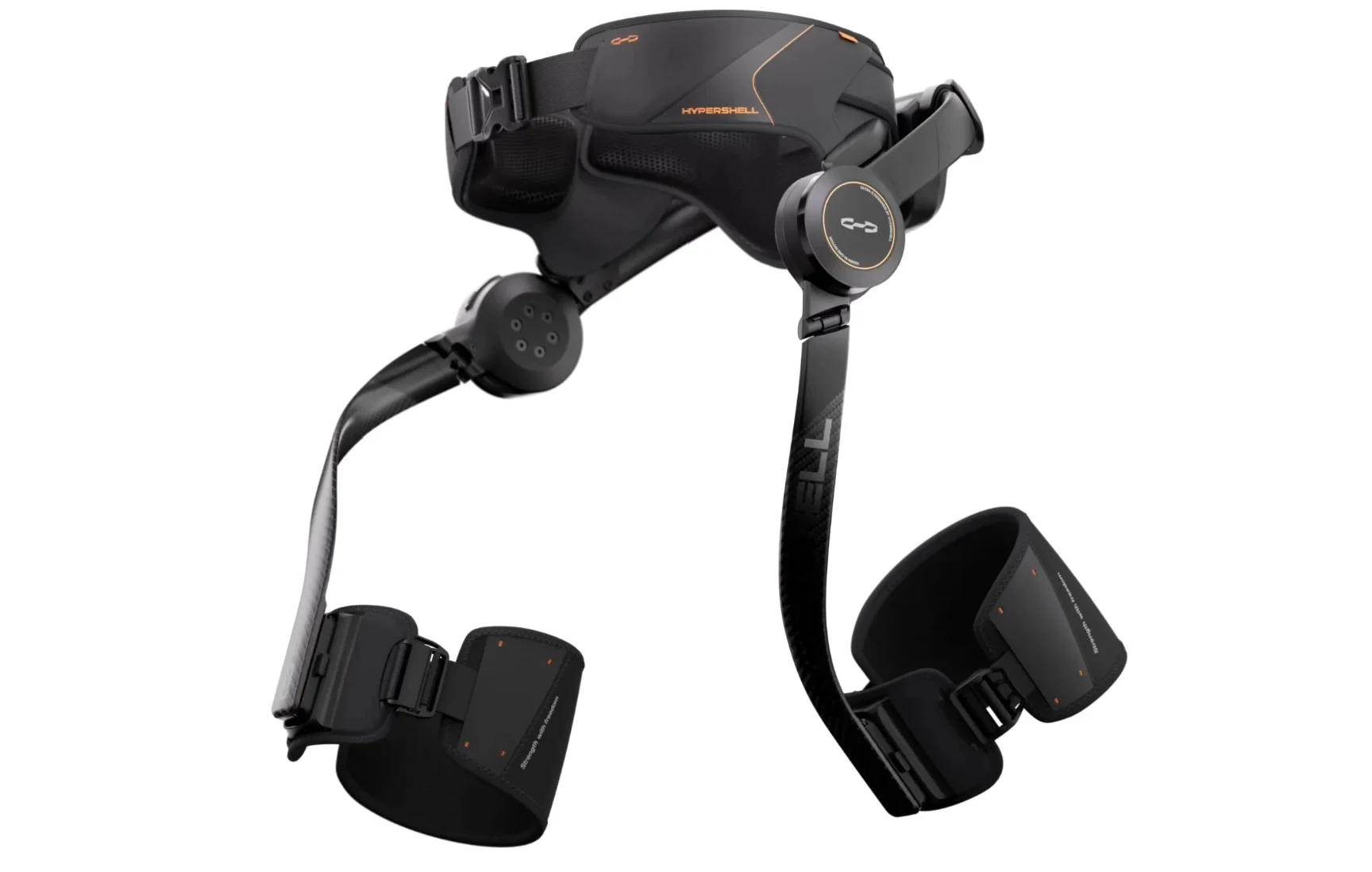
      Hypershell has launched revised X-series exoskeletons, the X Pro S, X Max S, and X Ultra S, promising improved responsiveness while providing up to 1000W of boost during walks, hikes, and runs. The rugged wearables are designed for all-day use, with a range of up to 30 km per battery.

      Advanced Motion Control and Real-World Responsiveness

      The updated X-series exoskeletons utilize the new HyperIntuition motion-control algorithm, which the company says is 64.5% more responsive than their prior generation thanks to a response time to motion inputs as low as 0.31 seconds. According to TÜV Rheinland tests, the synchronization of the natural gait of the user and exoskeleton matched 97.5% of the time.

      Cautionary Notes On Control Latency and Terrain Responses

      As noted in Notebookcheck’s review of the Dnsys X1 exoskeleton (sold here on Amazon), exoskeletons can accidentally provide too much boost or apply assistance at inappropriate times because they do not instantly sense and react to inputs from the user or the terrain. So the Hypershell X-series response-time lag of greater than 0.31 seconds and mismatch in gait synchronization 2.5% of the time can result in slips and falls, especially when moving fast over slippery terrain such as mountain river rocks.

      Model Specifications and Build Materials

      The X Pro S provides up to 800W of boost at up to 20 kph and a range up to 17.5 km. The other two models provide up to 1000W of boost at up to 25 kph and a range of up to 30 km per battery. The X Ultra S is built of lightweight carbon fiber, titanium, and aluminum, while the lower-end models are built of plastic, stainless steel, and aluminum. All have an IP54 weatherproof rating.

      Pricing, Availability, and Programs

      The new X-series is priced at $999 for the X Pro S, $1,499 for the X Max S, and $1,999 for the X Ultra S. All are available for purchase from Hypershell and soon from the Hypershell store on Amazon.

      Special Programs for Public Safety and Feedback

      Worldwide SAR (Search and Rescue) teams can receive free Hypershell exoskeletons by providing real-world testing and feedback through the company’s Hyperlift program, which can be contacted at: [email protected].

      Sources
    • Days of Play 2026 Discounts Leak; PS5 Sales Missing

      Days of Play 2026 Discounts Leak; PS5 Sales Missing

      Key Takeaway

      – Days of Play 2026 focuses heavily on accessories, with notable discounts on DualSense controllers (as low as €54.99) and DualSense Edge (€189.99).
      – Other hardware deals include Pulse Elite/Explore headsets and earbuds, all at least €20 off; PSVR 2 discounted to €349.99.
      – PS5 consoles and PlayStation Plus pricing see no major reductions, though PS Direct purchases may include an extra 5% discount in some regions.


      Reliable leaker billbil-kun has unveiled details for Sony’s PlayStation Days of Play 2026 event

      In a bulletin that travels through the rumor mill, a trusted insider claims that Sony is lining up another PlayStation Days of Play event for 2026. The suggested schedule starts on May 27, runs through the State of Play on June 2, and wraps up on June 10. The vibe around these rumors hints at price cuts on various accessories and games, yet a relief for the PS5 price hike might still be missing for console buyers. The tone here feels cautiously optimistic, though some specifics remain cloudy and subject to change.

      Accessory deals take center stage

      According to the leak, the spotlight this year is set on accessories. The DualSense controllers might be offered at a notably lower price, potentially around €54.99, which would shave off approximately €20 from the usual tag. The higher-end DualSense Edge is projected to land at a sale price of roughly €189.99, making premium control gear more approachable for enthusiasts. These figures, if true, would mark a meaningful shift in the accessory market during the event period.

      Headsets, VR, and other hardware discounts

      The rumor mill also mentions substantial discounts on other premium hardware, including Pulse Elite and Pulse Explore gaming headsets and earbuds, with reductions of at least €20. For VR fans, Sony might position the PSVR 2 at €349.99, a notable drop from the previous €449.99 price point, as a response to ongoing discussions about supported content and hardware viability. The promised reductions would be a welcome note for those still integrating VR into their setups.

      First-party games and broader storefront activity

      On the software front, the leak offers limited concrete data but hints at a first-party title Ghost of Yōtei priced at €54.99. If historical patterns hold, Days of Play often features a broader slate of titles across Sony’s storefront and participating retailers, suggesting that many more discounted games could appear once the event begins. While the posted European pricing is the focus, North American and other regions are expected to see comparable deals, albeit with regional pricing variations.

      Console deals and PlayStation Plus considerations

      From the available information, there aren’t clear signs of PS5 or PS5 Pro console discounts this time around. The 2025 event and the Black Friday period previously saw hardware sales, but the recent price increases around the PS5 line may dampen immediate reversal temptations. This could mean that while accessories and software see slashes, the consoles themselves might not receive similar reductions, a pattern some shoppers have come to expect during promotional windows.

      Regional expectations and potential further announcements

      Regarding PlayStation Plus, there are no solid indications of plan rate reductions in this leak. Some regions have already seen a minor price change to the Essential tier, while others may not. Nevertheless, a slight 5% extra discount on purchases from the PlayStation Direct store could provide a small incentive for subscribers who choose to buy directly from Sony’s own channel. The overall picture remains one of partial savings rather than a wholesale pricing shift.

      Anticipated timing and last-minute spoilers

      There remains a possibility that Sony could unveil more deals, including PS5 consoles, before Days of Play 2026 officially kicks off on May 27. The rumor ecosystem thrives on tweaking launch specifics, so shoppers should stay alert for new drops and updated prices as the event approaches. If any additional confirmation or fresh leaks appear, they might refine or overturn the current expectations.

      • Durable pricing guidance for accessories and a potential PSVR 2 price cut
      • Price points highlighted for DualSense variants and headsets
      • Limited concrete info on PS5 console discounts
      • Expected regional parity with coated price variations


      Sources
    • First Look: Audi A2 e-tron, Audi’s New Entry-Level EV in Winter Tests

      First Look: Audi A2 e-tron, Audi’s New Entry-Level EV in Winter Tests

      Key Takeaway

      – Audi is reviving the A2 as a compact, affordable yet premium electric vehicle (A2 e-tron) with a world premiere planned for fall 2026.
      – The model aims to broaden Audi’s appeal, focusing on urban centers with high everyday utility, energy efficiency, sustainable materials, and advanced digital connectivity.
      – Production will be entirely in Germany, reinforcing domestic manufacturing and securing jobs while expanding Audi’s electrified product lineup.


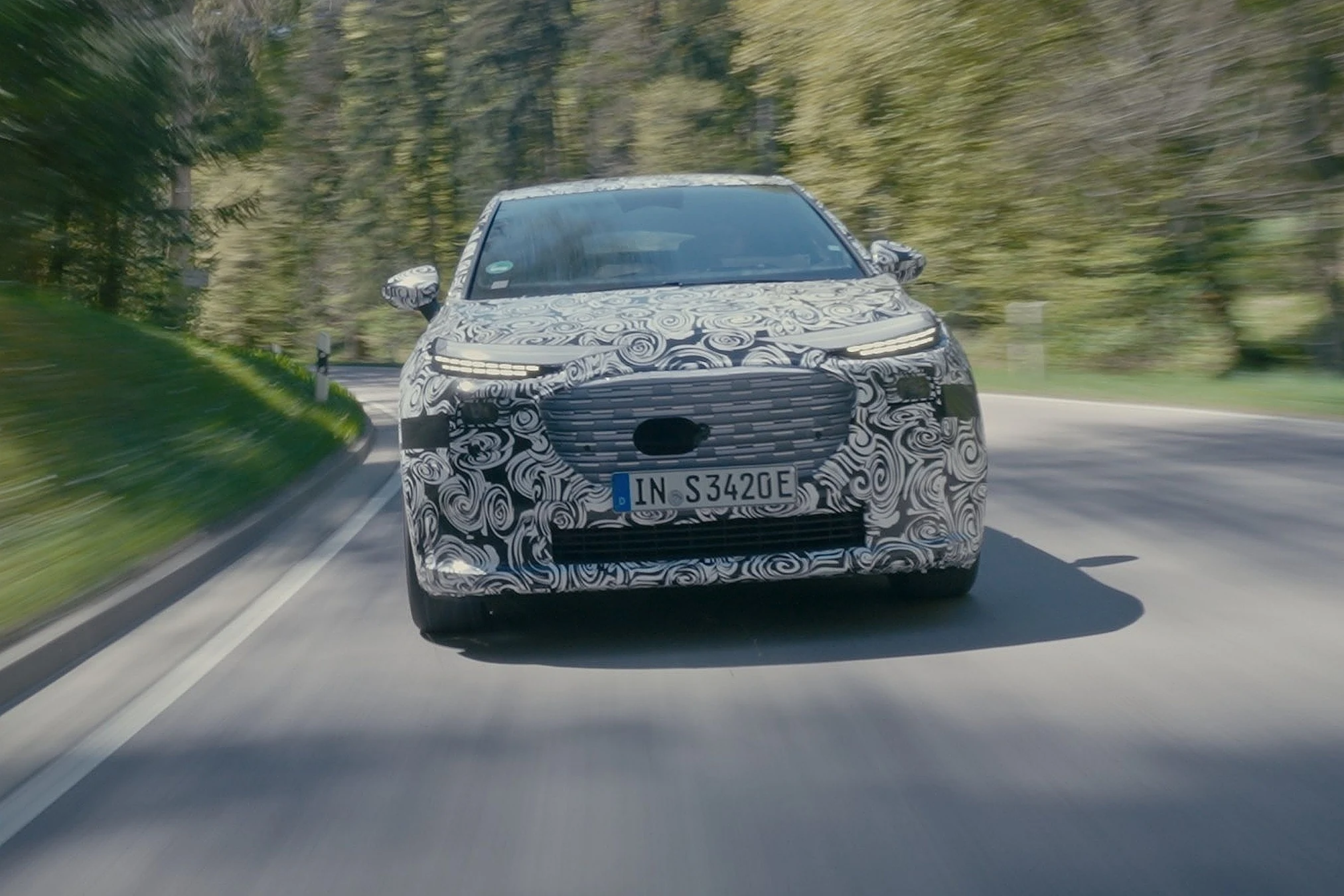
      In Scandinavia, the camouflaged prototype of the Audi A2 e-tron is already kicking up plenty of snow.

      In this first section the narrator describes the chilly setting where the camouflaged A2 e-tron is stirring up snow, and it hints at Audi reviving the A2 line with an electric twist. The tone shifts to emphasize anticipation as the camouflage hides the specifics while the project accelerates toward real testing on tracks, making the scene feel almost cinematic and urgent.

      New A2 e-tron milestone and premiere plans

      With this part the style pivots to a brisk, factual cadence highlighting the upcoming world premiere slated for fall 2026. It notes Audi CEO Gernot Döllner’s emphasis on the project as a top priority, and it underscores the strategic aim of bringing a affordable yet premium electric experience to a broader audience, keeping the emphasis on accessibility and relevance in the brand’s lineup.

      Rejuvenating the portfolio and strategic aims

      The writing here adopts a broader strategic lens, detailing how the A2 e-tron is meant to rejuvenate Audi’s entire product family. It stresses a demand from customers for affordable premium EVs, and frames the newcomer as a gateway to a wider Audi ecosystem, potentially expanding the brand’s appeal while maintaining premium cues in a more compact form.

      Focus on urban utility and sustainable materials

      This paragraph shifts to how urban centers become a focal point, noting the rapid growth of the compact premium segment and the priority on daily usability, energy efficiency, and sustainable material choices. It also mentions deep digital cockpit connectivity as a must, and frames the Bavarian automaker’s 2026 strategy as filling out the model lineup from compact to premium segments.

      Positioning in the market and heritage

      The tone here contrasts the extreme luxury flagship with the more accessible A2 e-tron, positioning the A2 as the cornerstone of the urban compact category while the Q9 remains the overarching luxury flag-ship. The name nods to the original A2’s lightweight and aerodynamic legacy, while camouflage is used to keep curious eyes at bay during early testing.

      Extreme cold testing and thermal considerations

      In the frozen Swedish Lapland, engineers push the drivetrain to its limits, examining how the motor, chassis, and brake systems interact on ice and snow. The battery thermal management is under continuous scrutiny to ensure consistent power delivery even in sub-zero temps, a critical factor for real-world usability in cold climates and winter driving.

      Aerodynamics and wind tunnel work

      Back in Ingolstadt the development team refines the roofline and overall shape at wind speeds approaching 300 km/h, using a rolling road to evaluate noise and stability up to 235 km/h. These tests aim to minimize drag and wind noise, supporting a smoother everyday driving experience in the final product, even under varied crosswinds and conditions.

      Validation routes and Bavarian testing grounds

      For real-world validation, camouflaged prototypes traverse Bavaria’s Altmühltal valley, with the rugged terrain and hills providing a comprehensive test bed for handling and ride comfort. The narrative maintains a strong emphasis on rigorous, multi-terrain evaluation as part of the final tuning and calibration before production.

      Production and domestic manufacturing commitment

      The article closes with a clear statement that the new A2 e-tron will be built entirely at Audi’s German site, underscoring a pledge to strengthen domestic factories and European production. This move is framed as a strategic pillar for safeguarding jobs, ensuring high-quality electric mobility “made in Germany” for the global market, and demonstrating a commitment to a broader electrification effort within the region.


      Sources