Author: GizNews

  • Citizen Attesa CC4107-80H: Full-Black Titanium Satellite GPS Watch

    Citizen Attesa CC4107-80H: Full-Black Titanium Satellite GPS Watch

    Key Takeaway

    – Limited-edition all-black GPS watch with recrystallized titanium construction
    – Unique crystal patterns on each watch due to high-temperature treatment and DLC coating
    – Powered by F950 caliber with world’s fastest GPS signal reception (3 seconds)
    – 44mm case, 10 bar water resistance, dual-spherical sapphire crystal
    – Limited to 1,800 units worldwide; Taiwan pricing at NT$84,800 (~$2,600)


    Citizen Taiwan Drops New Attesa Watch

    Citizen Taiwan has formally announced the Attesa CC4107-80H. This brand new limited-edition GPS watch uses the companys recrystallized titanium construction but now in a all-black colorway. The run is capped at 1,800 units and intended for worldwide availability, though it currently appears only on the Taiwan regional site at NT$84,800 (roughly $2,600).

    Design and Construction Details

    The watch is built around a 44 mm Super Titanium case with a Duratect DLC coating and measures 13.7 mm thick. The primary design detail is the same recrystallized titanium used on the bracelet center links and bezel that debuted in Citizens Attesa Platinum Shine Collection last October. Recrystallized titanium is created by applying high-temperature heat treatment followed by a cooling process — this process produces unique crystal patterns on the surface, and each one is unique to every watch, much like patterns found in natural minerals. Here, the process is applied to a full DLC-black context rather then the silver Platinum Shine treatment, which gives the CC4107-80H a darker, more agressive character.

    Movement and Feature Set

    Powering the watch is Citizens F950 caliber. Its the most advanced movement for Eco-Drive Satellite Wave GPS watches, capable of receiving time signals in as little as three seconds, which is the worlds fastest GPS satellite signal reception. The feature set covers world time across 39 time zones, a chronograph, perpetual calender, alarm, and power reserve indicator. The crystal is a dual-spherical sapphire with anti-reflective coating on both sides, and water resistance is rated at 10 bar.

    Platinum Shine Collection Context

    The complete Attesa Platinum Shine Collection debuted in October 2025 with three models in limited runs of 1,400 to 2,500 pieces worldwide. The CC4107-80H slots neatly into that lineup, albeit with a tighter production run then those predecessors.

    Pricing and Global Release

    Global availability is confirmed, but pricing outside Taiwan hasnt been announced yet. Meanwhile, you can check out the Citizen CB5908-57E on Amazon.

    Sources

  • Official 3D Killer Bean Game Launches on Steam

    Official 3D Killer Bean Game Launches on Steam

    Key Takeaway

    – Killer Bean launches in Steam Early Access as a single-player roguelike shooter with first- and third-person modes.
    – Combat features physics-driven chaos with ragdoll effects, vehicles, mechs, and four enemy factions.
    – Early reviews are mixed (68% positive), praising potential but noting clunky controls and rough Early Access edges.
    – Developer Jeff Lew plans ~2 years of Early Access with major content updates every two months.
    – Community feedback will shape future additions like co-op, Jet Bean as a playable character, and more missions.


    Killer Bean Video Game Finally Hits Early Access on Steam

    After years of work, the long-awaited Killer Bean video game has offically launched in Early Access on Steam. This brings the cult-favorite assassin, a rogue coffee-bean, to life in a digital world. The game was developed single-handedly by Jeff Lew, who is the original creator of the Killer Bean shorts and the 2008 movie Killer Bean Forever. It arrived on June 8th after many years of development.

    Gameplay Modes and Mechanics

    In this new game, players take controle of Killer Bean, a assassin who was betrayed by the Shadow Agency. Its a story-driven roguelike shooter that supports both first- and third-person perspectives acros different game modes. The core gameplay includes a full single-player campaign with randomized missions, plus additional modes like The Party and Battle Arena. The combat is focused on chaotic, physics-driven action with ragdoll effects, enemy vehicles, aircrafts, and mechs for players to fight against.

    Pricing, Factions, and Early Access Plans

    The world is populated by four factions: Bad Beans, Mercenaries, Pirate Commandos, and Shadow Troops, alongside bosses and mini-bosses. Currently on sale for just $11.99, the game has recieved mixed early reviews (68% positive from over 1,200 users). Players praise it as having great potential but note clunky controls and rough edges typical of a day-one Early Access title. Lew plans to keep the title in Early Access for approximatley two years, releasing major content updates every two months. Community feedback will shape future additions, including co-op modes, Jet Bean as a playable character, and more missions. This project stands as a notable solo-dev achivement that expands a beloved animated franchise.

    Sources
  • Cheaper New Xbox Console in 2026 As CEO Hints Strategy

    Cheaper New Xbox Console in 2026 As CEO Hints Strategy

    Key Takeaway

    – Microsoft CEO confirms Xbox is exploring “radically different business models” to combat 50% SSD/RAM cost increases
    – Project Helix (next-gen Xbox) still targeting 2027/2028, but a surprise hardware or cloud-focused console could arrive earlier in 2026
    – Cloud-gaming-focused Xbox revision is a strong candidate, using less storage/memory/processing to keep costs down
    – Revival of an All Access-style subscription (hardware + Game Pass for a monthly fee) may return to ease upfront cost burden
    – Flexible storage options and smaller, storage-efficient game design are among cost-containment measures being considered


    Addressing the Cost Problem in Gaming Hardware

    In a recent interview with Fortune, CEO Asha Sharma spoke openly about the challanges the industry is facing. She was asked how Microsoft plans to boost sales during the ongoing component shortage, and she admitted that the industry is in a real crisis. Since she took over, the cost of SSDs and RAM has apparently risen by about 50%. Sharma talked about needing to find creative ways to “think about the cost construction of the console,” including some “radically different business models” that might start appearing later this year.

    Project Helix and a Surprising Tease for 2026

    While she commented on the upcoming Project Helix, she also teased a product that could debut as early as 2026. Observers have focused on the “later this year” wording, because a full Project Helix release date isn’t expected until 2027 or 2028. There haven’t been any rumors about a new Xbox console arriving sooner than that. Tom Warren of The Verge speculates that she might be refering to xCloud, but that part of the conversation seemed very hardware-oriented.

    Could a Cloud-Focused Machine Be the Answer?

    Another theory is that Microsoft will unveil a cloud-focused gaming machine. The disc-less Series S was more accessable before the multiple price increases, but even with a lower-capacity SSD, discounting it has become tough. A revision that focuses solely on Xbox Cloud Gaming would theoretically need less storage, less memory, and less processing power. This could help keep the price low while still offering a decent experience for subscribers.

    Returning to the All Access Subscription Model

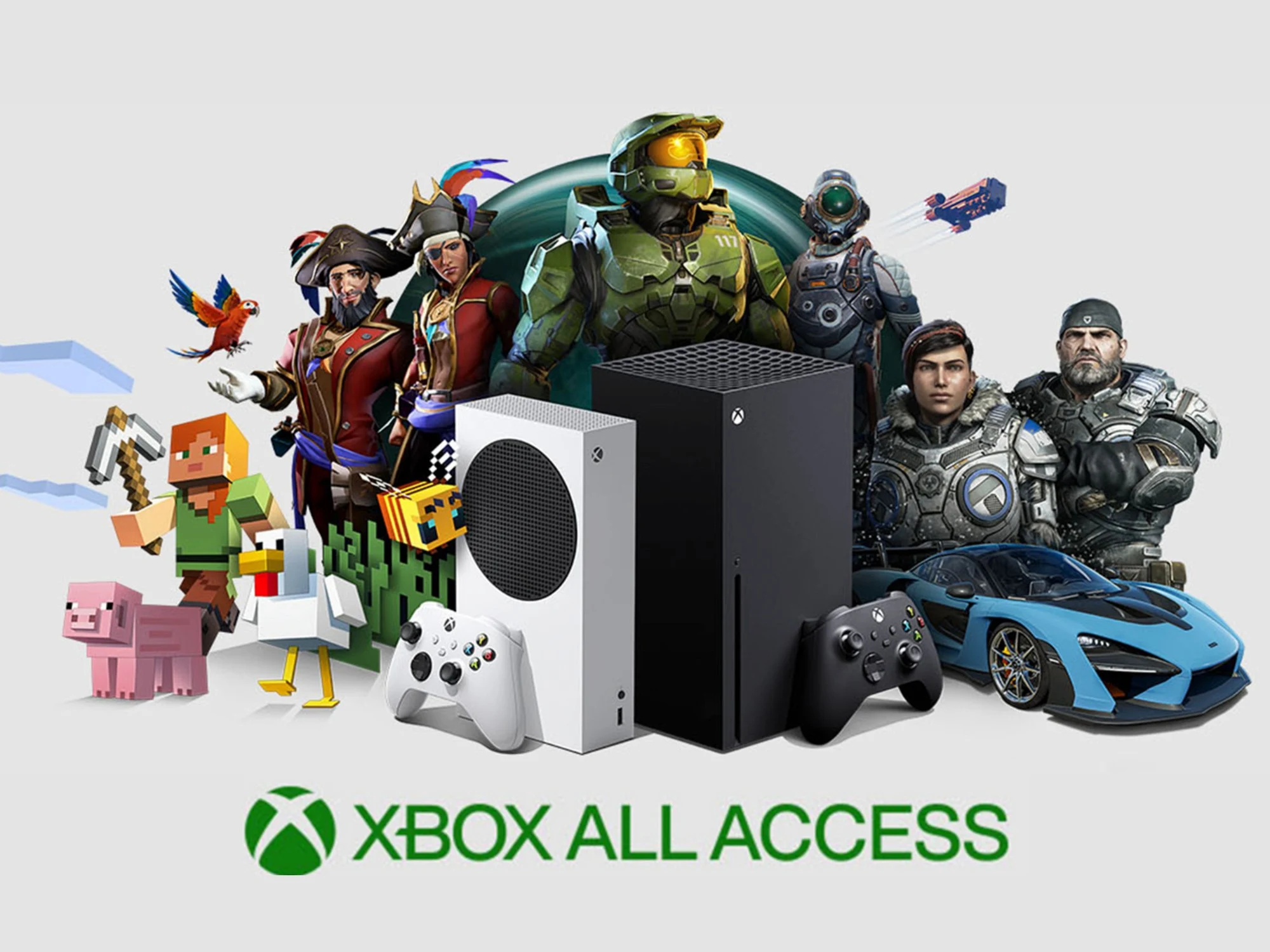
    The alternative business model may also revolve around subscriptions. In the UK, the defunct All Access program used to provide buyers with a system at no upfront cost. Instead, a monthly fee covered both Game Pass and the hardware for 24 months, after which the customer would own a Series X or S. Now, in this difficult economic climate, such a model might be much more appealing to budget-conscious gamers who cant afford a lump sum payment.

    Applying These Strategies to Project Helix

    Even if gamers dont see a new Xbox console in 2026, Sharma could apply the same strategy to Helix. In a recent Bloomberg interview, she promised to innovate in order to keep the hybrids price reasonable. She has now provided some more details on what those measures might entail. Among the options she mentioned are “flexible storage offerings” or “new types of games” that take up less hard drive space, which would allow Microsoft to use cheaper components.

    Sources
  • Premium Samsung Tablet Leaks: Display & Battery Specs

    Premium Samsung Tablet Leaks: Display & Battery Specs

    Key Takeaway

    – Galaxy Tab S12+ and S12 Ultra expected in 2026, skipping the standard S12 model
    – Tab S12 Ultra may keep the 14.6-inch display and 11,600mAh battery from the S11 Ultra
    – Charging speed likely unchanged at 45W
    – Could feature a MediaTek Dimensity 9500 chipset


    Samsung’s Latest Tablet Lineup Details Emerge

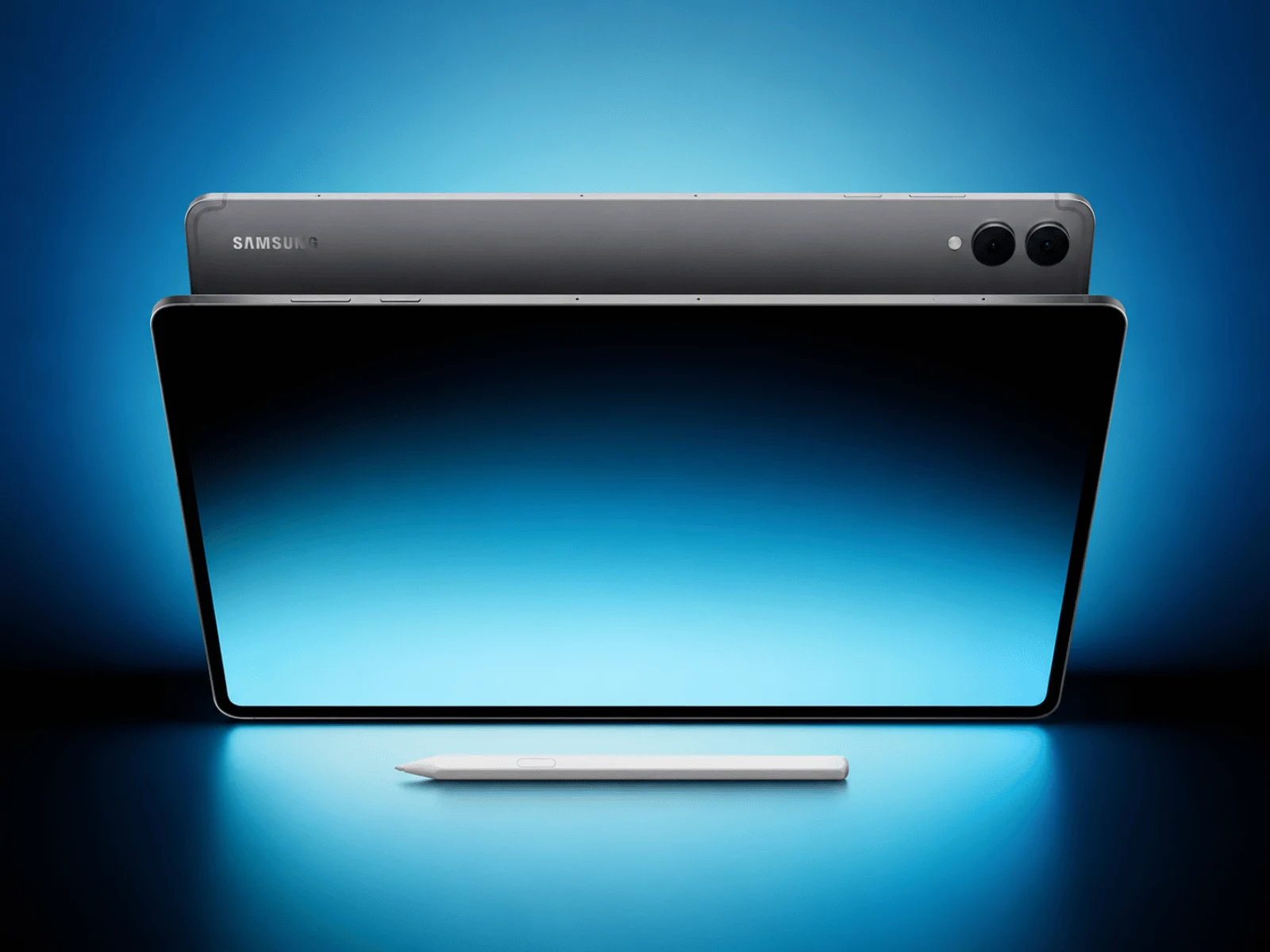
    The Galaxy Tab S series is Samsung’s flagship lineup of tablets. The Galaxy Tab S11 series launched in September 2025 with two models: the Galaxy Tab S11 and the Galaxy Tab S11 Ultra. A previous leak revealed that Samsung may not release the standard Galaxy Tab S12 this year. Instead, the company may reportedly launch the Galaxy Tab S12+ and the Galaxy Tab S12 Ultra with model numbers SM-X846 and SM-X946, respectively.

    Battery and Charging Specifications

    Now, a leak from GalaxyClub.nl has revealed additional details about the Tab S12 Ultra. The publication notes that the next-generation Tab S12 Ultra may retain a similar battery capacity to its predecessor. The source hints that the charging speed could also remain unchanged at 45W. For context, the Tab S11 Ultra features an 11,600mAh battery. This suggests Samsung is focusing on other areas for improvement rather than power delivery.

    Display and Processor Information

    The leak also suggest that the Galaxy Tab S12 Ultra may retain the 14.6-inch display size of the Tab S11 Ultra. The Galaxy Tab S12 Ultra may use a flagship MediaTek Dimensity chipset, potentially the Dimensity 9500. This would mark a continous shift away from Qualcomm processors for Samsung’s premier tablet line.

    Release Timeline and Caveats

    Samsung is expected to release the Galaxy Tab S12 series in September 2026. Since all the above information is based on a leak, it should be treated with caution. GalaxyClub.nl provided the original report, which offers these insights into what might be coming next for Samsung’s tablet lineup. Many enthusiast’s are watching closely for further developments.

    Sources
  • KH Collection May Use AI Art for PS5, Switch 2 Covers

    KH Collection May Use AI Art for PS5, Switch 2 Covers

    Key Takeaway

    – Kingdom Hearts 4 trailer shown, plus older games rereleased in a new bundle
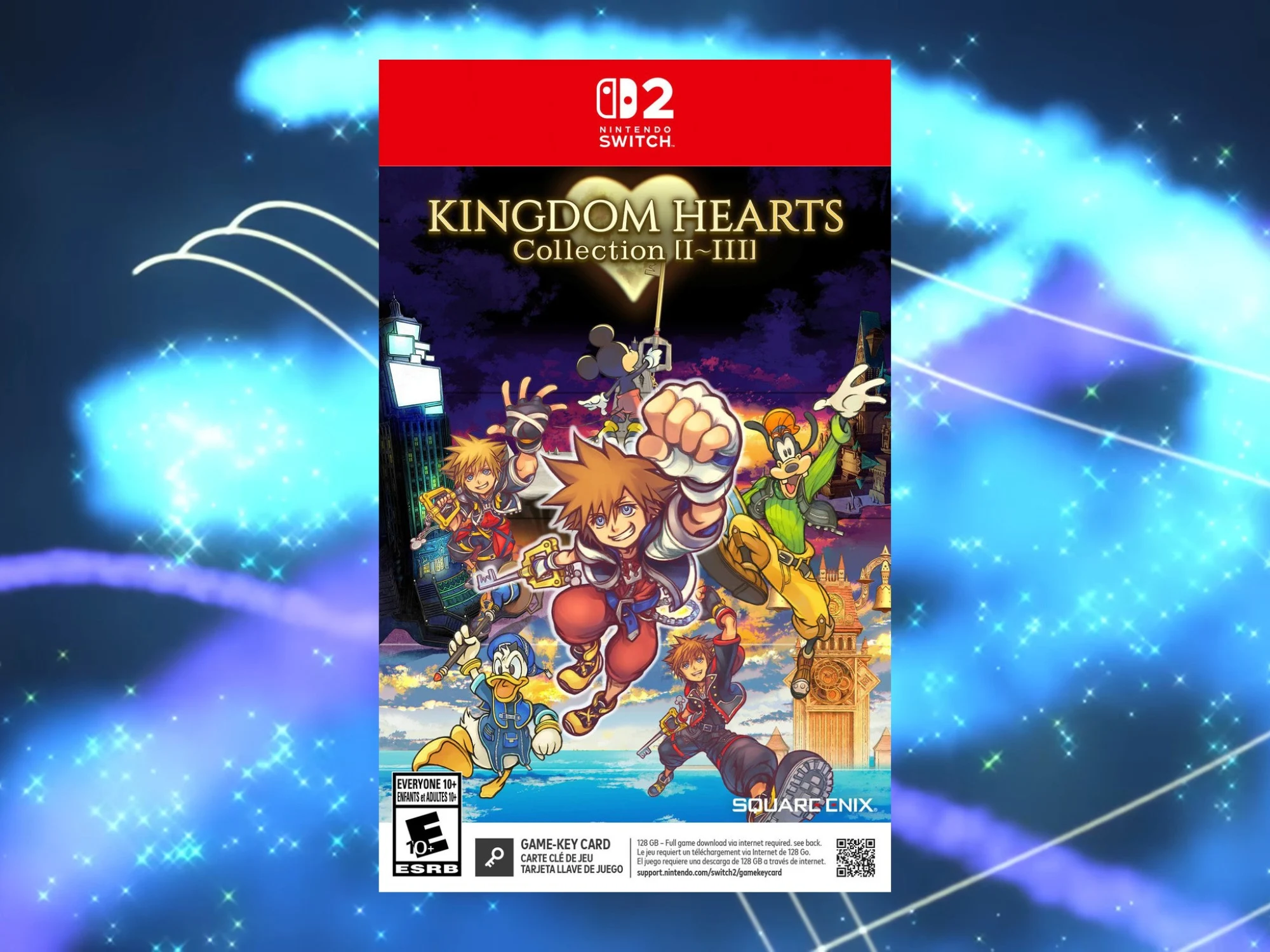
    – Bundle cover art accused of using generative AI (e.g., Donald Duck having wrong finger counts)
    – Background details like clock towers and skyscrapers show AI-like inconsistencies
    – Fans believe Tetsuya Nomura didn’t create the AI art; publisher may have recycled assets
    – Critics say Square Enix used AI to save costs, distorting original artwork


    First Impressions of the Kingdom Hearts Collection

    The June Nintendo Direct definitely delivered for fans of the popular Square Enix and Disney RPG. Not only was a new Kingdom Hearts 4 trailer shown but older games is being reintroduced in a new bundle. However the Kingdom Hearts Collection [I~III] is facing scrutiny for allegedly using generative AI artwork.

    Pre-Order Concerns About The Covers

    With an October 8th release date the collection is available for the Switch 2, PS5, and Xbox consoles. Buyers considering pre-ordering the title recognised suspicious-looking retail covers. One of the most obvious examples is with the Switch 2 box where Donald Duck has a different number of fingers on each hand. The background graphics ring even more alarm bells.

    Details on the Suspicious Artwork

    Aspects of the clock tower and skyscraper may be products of genAI tools. Even on the Kingdom Hearts Collection PS5 cover followers detected inconsistencies. The various renditions of Sora depict the series main hero with oddly shaped hands and thumbs. Legendary Square Enix designer Tetsuya Nomura has created the bulk of the artwork for the Kingdom Hearts franchise.

    Fan Theories and Explanations

    Most fans doubt that Nomura himself would resort to machine learning leading them to consider other theories. DekuDraws who is an avid follower of Nomura offered an explanation on social media. He believes the work is authentic noting that on the Switch 2 box one of Donald Ducks mitts is hidden. It’s possible that the publisher used AI tools to separate the illustrations for the alternative covers.

    Possible Shortcuts and Criticisms

    Square Enix may have taken shortcuts to piece together existing illustrations into something new. That would explain the inconsistencies with how the characters positioning. They also don’t seem to blend into the background scenery which likely wasn’t originally drawn with them. At best the publisher is using sloppily designed images to promote the Kingdom Hearts Collection.

    Final Thoughts on The Controversy

    Critics point out that to save costs relying on generative AI to recycle assets can distort an artists work. Tracker_TD@Bluesky and DekuDraws X account has added their voices to the discussion but Square Enix has yet to issue a statement. The debate continues among fans and artists about the ethics of such techniques. This could set a precedent for future video game packaging and promotion. Many hope for clarity before the October release date.


  • MSI Raider 16 Max HX: $3000+ Lacks G-Sync & Adv Optimus

    Key Takeaway

    – Top-tier CPU and GPU performance with full 175W GPU unlocked via Apex or Cooler Boost mode.
    – Lacks Advanced Optimus and G-Sync support, requiring manual MUX switch and reboots to switch graphics.
    – Missing features standard on competitors like the Razer Blade 16, limiting gaming and display convenience.
    – Likely due to a slightly different Samsung panel model limiting support for these display technologies.


    Performance That Packs a Punch

    In MSI’s expansive lineup of gaming laptops, the Raider and Titan series sit at the very top of the food chain to represent the best that the company has to offer. These models are typically filled to the brim with auxiliary features to accompany the top-end processors and equally top-end prices. The latest Raider 16 Max HX gets one aspect of this right but otherwise lacks some common display options for gamers.

    Benchmark Dominance and Power Modes

    In terms of performance, theres no question that the Raider 16 Max HX lives up to its name. Benchmarks show it outperforming almost every 16-inch gaming laptop in our database thanks to the Core Ultra 9 290HX Plus CPU. You’ll just need to remember to enable Apex mode or Cooler Boost mode to unlock the full 175 W performance ceiling available from the GPU as previously mentioned.

    Display and Graphics Limitations

    One of the more disappointing aspects of the new Raider is its lack of support for both Advanced Optimus and G-Sync in contrast to competing models like the Razer Blade 16. Instead, Raider 16 Max HX owners must rely on the standard MUX switch for changing between integrated and discrete graphics which requires rebooting each and every time. This is a trend we’ve been noticing on many newer MSI models including the Titan 18 HX and Raider 18 HX.

    Panel Differences and Supply Constraints

    The lack of Advanced Optimus support may simply be due to panel and supply limitations. The Samsung panel on the Raider 16 Max HX is very similar to but not quite the same as the the Samsung panel on the aforementioned Razer (ATNA60HU01-0 vs. ATNA60HU06-0) and that small difference in model name may be part of the equation.

    Final Thoughts on the Flagship Model

    See our full review on the new Raider 16 Max HX to learn more about the flagship 16-inch gaming laptop.

    Sources
    • Samsung Galaxy Z Flip 8 Gets Satellite, Loses UWB

      Samsung Galaxy Z Flip 8 Gets Satellite, Loses UWB

      Key Takeaway

      – Launch expected end of July alongside Galaxy Z Fold8 and Watch Ultra 2
      – US model (SM-F776U) uses Snapdragon 8 Elite Gen 5 for Galaxy; Europe may get Exynos 2600
      – FCC certification confirms Wi-Fi 7, Bluetooth, NFC, wireless charging, and satellite connectivity (NB-NTN B255)
      – No ultra-wideband (UWB) support on the US model, unlike some previous Galaxy Z Flip variants


      Anticipated Launch and Certification

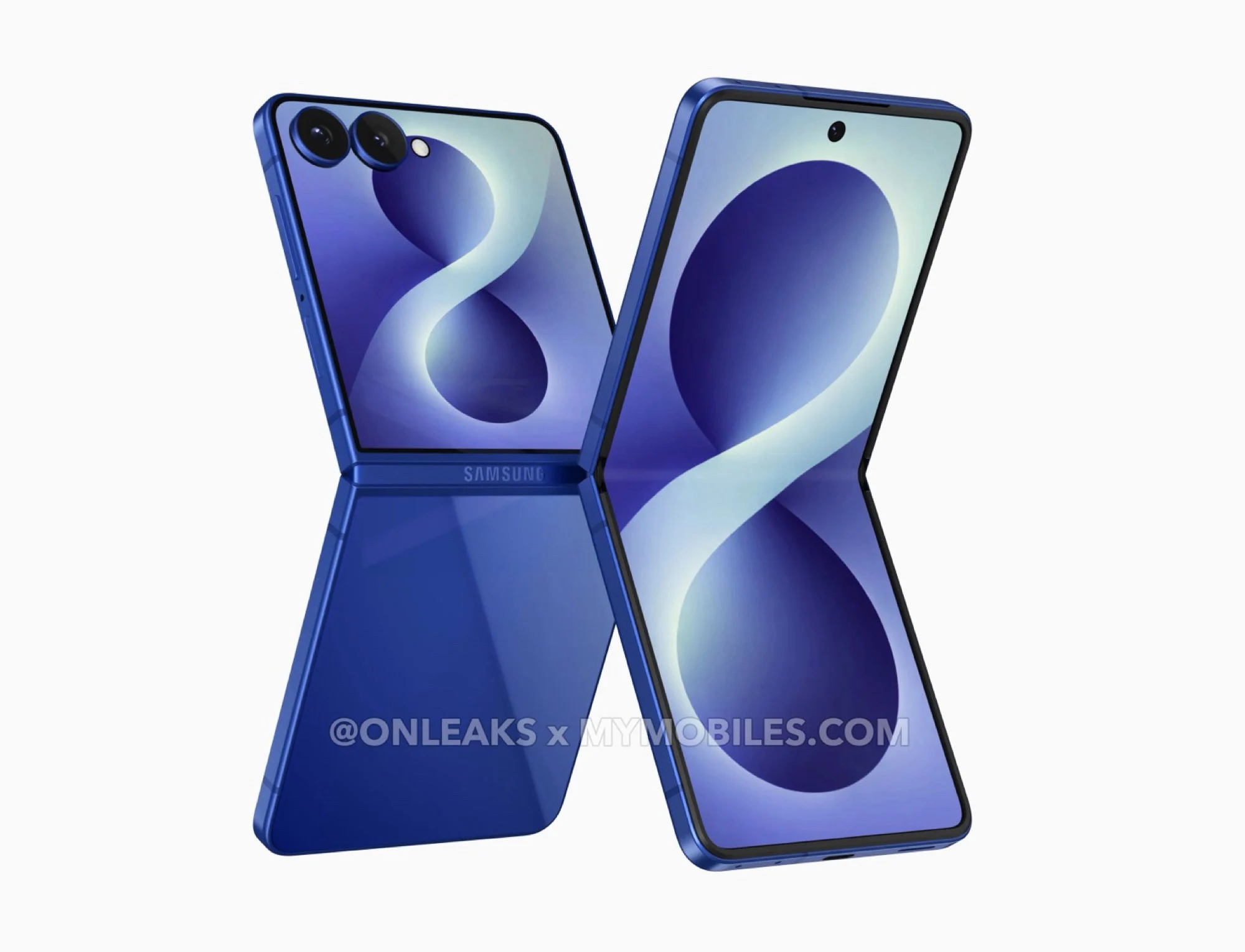
      The Samsung Galaxy Z Flip8 is rumored too be officialy unveiled at the end of July, alongside the Galaxy Z Fold8, the Galaxy Z Fold8 Wide and the Galaxy Watch Ultra 2. The smallest of these three foldable smartphones has now been certified by the FCC, which is a necessary step before it can be sold in the US market.

      US Model Specifications

      The US model carries the model number SM-F776U, and its expected to be equiped with the Qualcomm Snapdragon 8 Elite Gen 5 for Galaxy. Some rumors suggest the European Galaxy Z Flip8 will instead use a Samsung Exynos 2600, which could mean the smartphone would be slightly less powerfull. The FCC certification confirms the US model supports Wi-Fi 7 (802.11be) including the 6 GHz channel, Bluetooth and NFC.

      Charging and Connectivity Features

      Wireless charging and wireless power share are also possible on this device. The integrated 5G modem supports NB-NTN B255, a network band used for communicating with a satellite network. This feature was previously available on the Galaxy Z Flip7, but it was limited to a few regions including the US.

      Missing Ultra-Wideband

      A noticeable absence is the ultra-wideband (UWB) chip. On the Galaxy Z Flip7, only the model sold in South Korea came equiped with UWB, while the Galaxy Z Fold7 was shipped globaly with a UWB chip. Among other uses, UWB allows finding a Galaxy Smart Tag2 more easily by displaying the direction and distance of the tracker.

    • Asus ROG Swift PG34WCDN US: 34-inch 360Hz OLED Monitor

      Asus ROG Swift PG34WCDN US: 34-inch 360Hz OLED Monitor

      Key Takeaway

      – Asus ROG Swift OLED PG34WCDN now available in the US for $1,299.
      – Features Samsung’s new 5th Gen RGB Stripe QD-OLED panel for better text clarity.
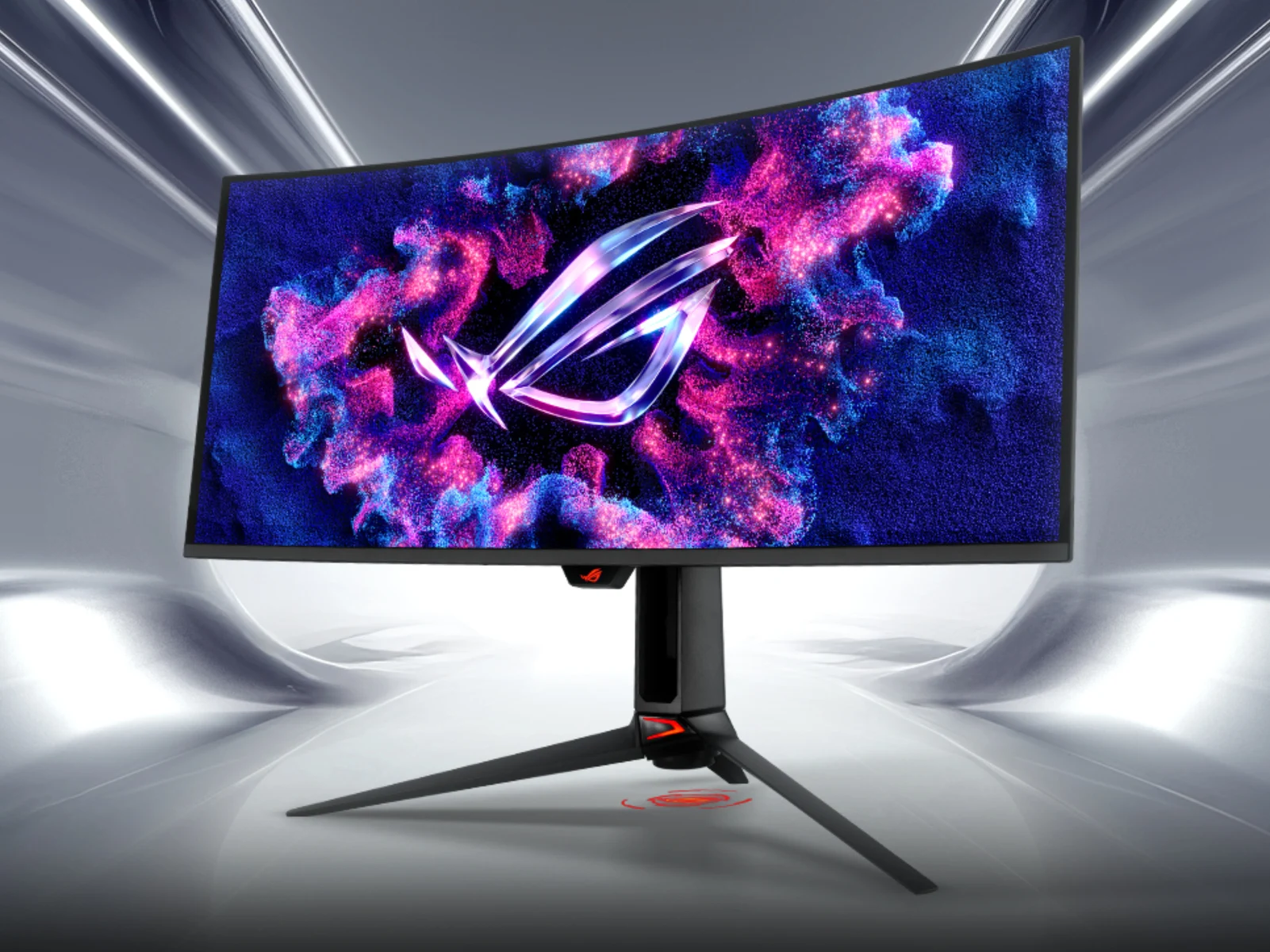
      – Specs: 34-inch ultrawide, 3440×1440, 360Hz refresh rate, 1800R curve.
      – Included features: BlackShield coating, 500 nits full-screen brightness, 1,300 nits peak HDR.
      – Connectivity: full-bandwidth DisplayPort 2.1 UHBR20, USB-C with 90W power delivery.


      Its Finally Here

      Months after its CES 2026 unveiling, the Asus ROG Swift OLED PG34WCDN is finally up for grabs in the US. The monitor is now available through Amazon and Newegg for $1,299, joining a small but growing group of displays built around Samsung Display’s latest RGB Stripe QD-OLED panel, a.k.a 5th Gen QD-OLED panel.

      Pricing and Competition Details

      That also makes it one of the most expensive options in the category. For comparison, MSI’s competing MPG 341CQR QD-OLED X36 uses the same panel but is listed at $899.99, though it has yet to reach store shelves.

      Panel Technology and Performance

      As we previously reported, the ROG Swift OLED PG34WCDN pairs a 1800R-curved 34-inch ultrawide panel with a 3440 x 1440 resolution and a 360Hz refresh rate. The biggest highlight here is the underlying 5th Gen QD-OLED panel from Samsung Display. Unlike earlier generations, it uses an RGB stripe sub-pixel layout that reduces color fringing and improves text clarity, addressing one of the biggest complaints about OLED monitors.

      Coating and Brightness Specs

      The monitor also features a new BlackShield coating, which Asus says improves black depth by 40% and offers 2.5X better scratch resistance than previous QD-OLED monitors. That said, this new panel coating is applied by Samsung Display, so it comes standard on all 5th Gen QD-OLED monitors, just different branding. The PG34WCDN is still an impressive showcase for the panel, with up to 500 nits full-screen brightness and 1,300 nits peak HDR brightness.

      Connectivity and Availability

      Elsewhere, the monitor offers full-bandwidth DisplayPort 2.1 UHBR20 connectivity and a USB-C port with 90W power delivery. Other upcoming monitors based on the same RGB stripe QD-OLED panel include the MSI MPG 341CQR QD-OLED X36, Gigabyte MO34WQC36, Acer Predator X34 F3, and HP’s OMEN 34-inch OLED. For now, however, the ROG Swift OLED PG34WCDN is the only model available to buy.


      Sources
    • Google Pixel Watches 2, 3, 4 Get Wear OS 7 Soon

      Key Takeaway

      – Wear OS 7 will be released for Pixel Watch 2, 3, and 4 on June 9, 2026, but not for the first-generation Pixel Watch.
      – Key improvements include roughly 10% longer battery life and replacement of tiles with more versatile Android-style widgets.
      – Standardized workout app UI and multi-headphone music streaming via Google Cast or Bluetooth are new features.
      – Watch face optimizations aim to reduce development effort for creators.


      Google’s Latest Update Drops Sooner Than Expected

      Google Wear OS 7 was anounced in mid-May. At the launch, Google only confirmed that the update would be released for the Pixel Watch “later this year”, without publishing a schedule or a list of compatible smartwatch models. The release could now take place surprisingly quickly, as Verizon has already published a changelog with a release date of June 9, 2026.

      Which Models Get The Update And What It Includes

      The update is listed for the Pixel Watch 2, the Pixel Watch 3 and the Pixel Watch 4 ($309 on Amazon), but not for the first-generation Pixel Watch, which was launched in 2022. Wear OS 7 therefore supports similarly old smartwatch models such as Apple watchOS 27. As usual, Verizon’s changelog is sparse – the update is said to include Wear OS 7, the latest security patch and performance improvements.

      Battery Life And Interface Changes Are Key

      Wear OS 7 is a moderate update, but there are a few significant improvements on board. First and foremost, Google promises around 10 percent longer battery life. Full-screen tiles are replaced by Widgets which look and function almost exactly like Android widgets. This should not only make them more versatile and interactive than tiles, it should also make it much easier for app developers to port an Android widget to Wear OS.

      Workout Apps, Music Streaming, And Watch Faces

      Google also wants to standardize workout apps by making the user interface of features such as heart rate measurement or music playback available to third-party apps. Wear OS 7 allows music to be streamed to multiple headphones via Google Cast or Bluetooth. Watch face optimizations are intended to reduce the development effort.


      Sources

    • Garmin Gear Tracking: Track Distance, Hours & Lifespan

      Garmin Gear Tracking: Track Distance, Hours & Lifespan

      Key Takeaway

      – New gear tracking feature for Garmin Edge cycling computers tracks distance, hours, and days of use for items like shoes, bikes, and components.
      – Automatic logging during activities with alerts when gear approaches end of lifespan to prevent injuries and costly repairs.
      – Replacing components at regular intervals reduces risk of accidents from material fatigue (e.g., tires, drivetrain).
      – Cost savings possible, especially for drivetrains: replacing a stretched chain early is cheaper than damaging an expensive cassette.
      – Components are added and managed in Garmin Connect, where maintenance intervals can be set; some users report unclear instructions.


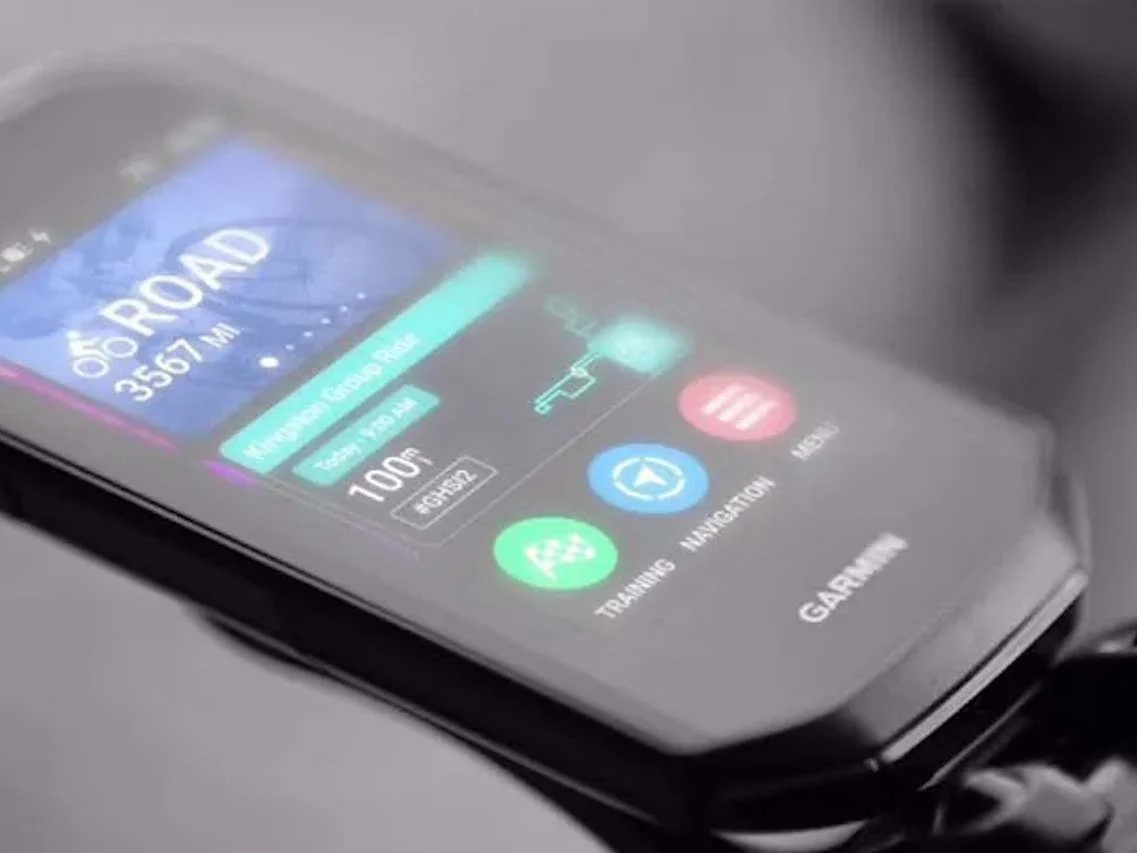
      Garmin offers not only various smartwatches but also cycling computers. These Edge cycling computers support features such as navigation and can be used for real-time training management. Garmin is now rolling out a new feature to these cycling computers, namely gear tracking, which tracks the distance, hours and days of use of your gear, such as running shoes, bikes and individual components. Gear usage is automatically logged during activities, with alerts when items approach the end of their lifespan, helping users stay ahead of injuries and costly repairs.

      Maintenance Benefits and Cost Factors

      In the best-case scenario, this can even decrease the risk accidents if tires or drivetrain components are replaced or serviced at regular intervals, thus reducing the likelihood of component failure due to material fatigue. There is also a cost factor that can have a significant impact, particularly on the drivetrain: a stretched chain damages the cassette. On high-end derailleurs in particular, cassettes are considerably more expensive than a chain. With cheaper drivetrains, however, it can be acceptable to ride the entire drivetrain until it wears out.

      How the Feature Works and User Feedback

      The components can be simply added to Garmin Connect. Maintenance and replacement intervals can also be set there. According to user reports, the feature is already working, though one user has complained about the communication and lack of instructions.

      Sources