
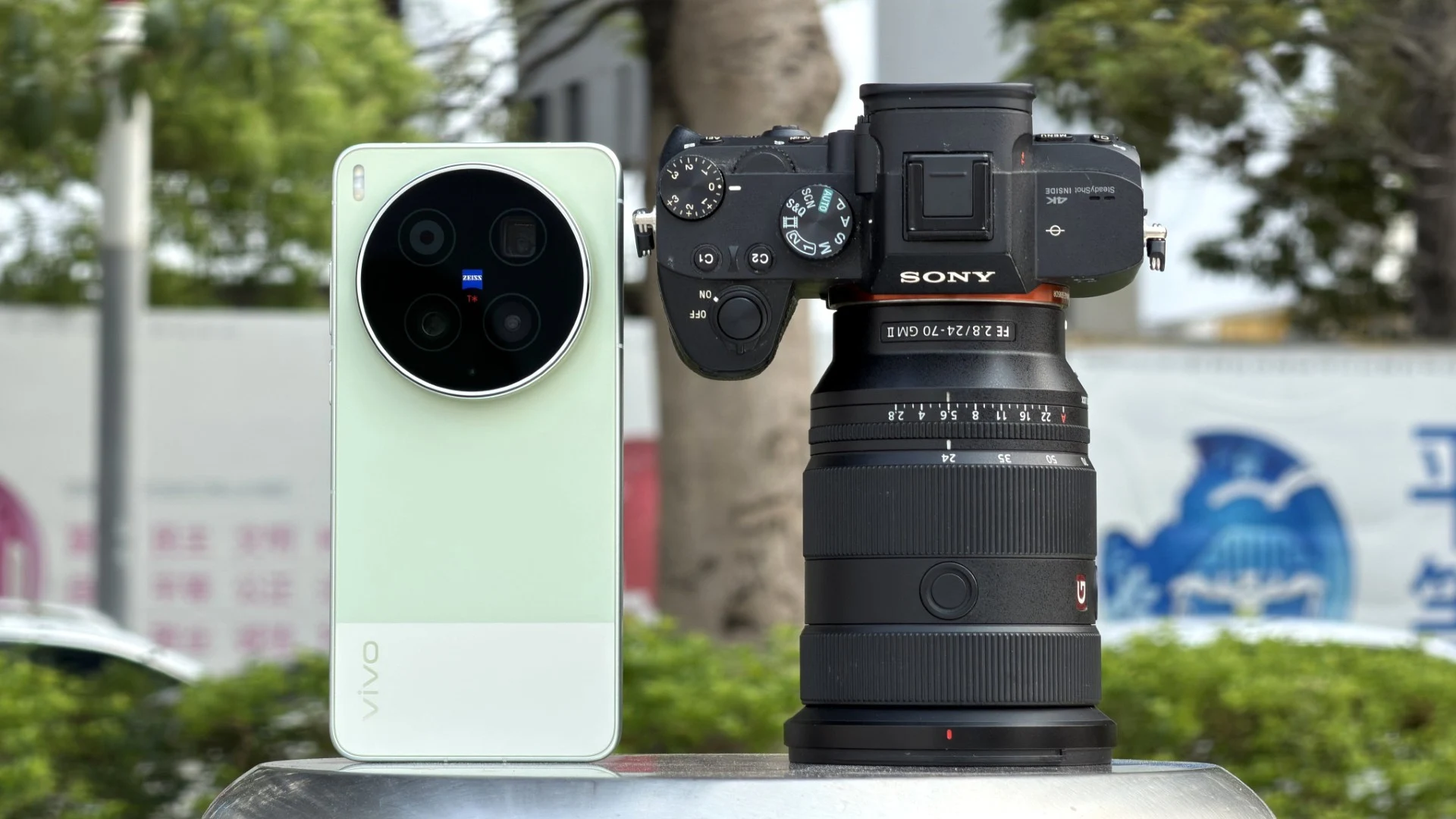
1. The Vivo X300 Ultra’s 200MP sensor produces sharper images than a Sony Alpha A7 III with a 24-70mm GM2 lens, despite the smaller sensor size.
2. The Vivo device offers competitive color accuracy and quality, closely resembling that of a professional Sony camera.
3. While the Vivo X300 Ultra shows strong performance, it lacks testing in challenging lighting conditions like night scenes or fast-moving subjects.
4. The comparison highlights that high-resolution smartphone cameras can rival some traditional full-frame cameras in image detail and color.
Interesting Easter Content for Photography Enthusiasts
If you are just bored this easter weekend and want somthing fun and educational, then you should really check out a cool video made by fenibook that you can find on YouTube. The video offers an hands-on look at how a new 35mm 1/1.12-inch 200MP sensor in the Vivo X300 Ultra stacks up against a more traditional setup using a Sony Alpha A7 III with a 24-70mm GM2 zoom lens. And for those who like to dig deeper, a Google Drive archive has been made public where you can see all the original files from the face-off—so you can see firsthand the detailed comparison.
Cost and Specifications: Deep Dive
When talkin about the price tags, the Sony full-frame mirrorless camera plus the zoom lens come with a hefty price point. The camera body alone is priced at $1,999 and is discounted to $1,698. The zoom lens is quite more expensive at $2,449. That makes the Vivo X300 Ultra, estimated at around $2,000, look more appealing, especially considering it is more compact and lighter. But some experts think a better cost-effective alternative might be something like the Panasonic Lumix S5D, which offers good features without breaking the bank.
Video Quality and Comparative Analysis
The comparison video, despite being in Chinese and lacking effective subtitles, clearly shows that the Vivo X300 Ultra’s 200 MP images are sharper than the Sony’s 24 MP shots most of the time. That revelation is quite astonishing considering the big difference in megapixels, especially given the Sony sensor’s size – which is about nine times larger than Vivo’s LYT-901 sensor. Many expected the larger sensor to have the edge, but it seems the Vivo has made incredible progress in resolution and detail.
Color Accuracy and Technical Limitations
Vivo also seems to be doing very well with color reproduction, often matching what the professional Sony camera produces. Vivo claims that their multispectral sensor and new algorithms help them improve color fidelity and detail, which is evident in many of the shots. However, critics have pointed out that the comparison lacks challenging lighting conditions like night shots or fast-moving subjects in low light. The absence of comparisons at different focal lengths, such as 14mm or 85mm lenses, might be due to the fixed zoom range of the Sony lens, but this brieffall doesn’t take away from the fact that Vivo’s flagship camera holds its ground in some aspects against a much more expensive full-frame camera system—showing that even in still photography, the new tech can hold up very well in practical scenarios.
Leave a Reply