Tag: Photography

  • Back Roll Transforms Leica M6 and Nikon F4 Film Cameras into Digital

    Back Roll Transforms Leica M6 and Nikon F4 Film Cameras into Digital

    Key Takeaway

    1. The I’m Back Roll is a digital sensor designed for analog cameras, featuring a 26.1 MP Sony IMX571 sensor for high dynamic range and low noise.
    2. The design has been modernized for compatibility with Leica M rangefinders and various other analog cameras with minimal modifications.
    3. It operates with a remote control to activate the sensor, and photos/videos can be wirelessly transferred or via USB-C.
    4. The product is currently crowdfunding on Kickstarter, with delivery expected in August 2027, and costs around CHF 399 ($499).

    Innovative Digital Sensor for Analog Cameras

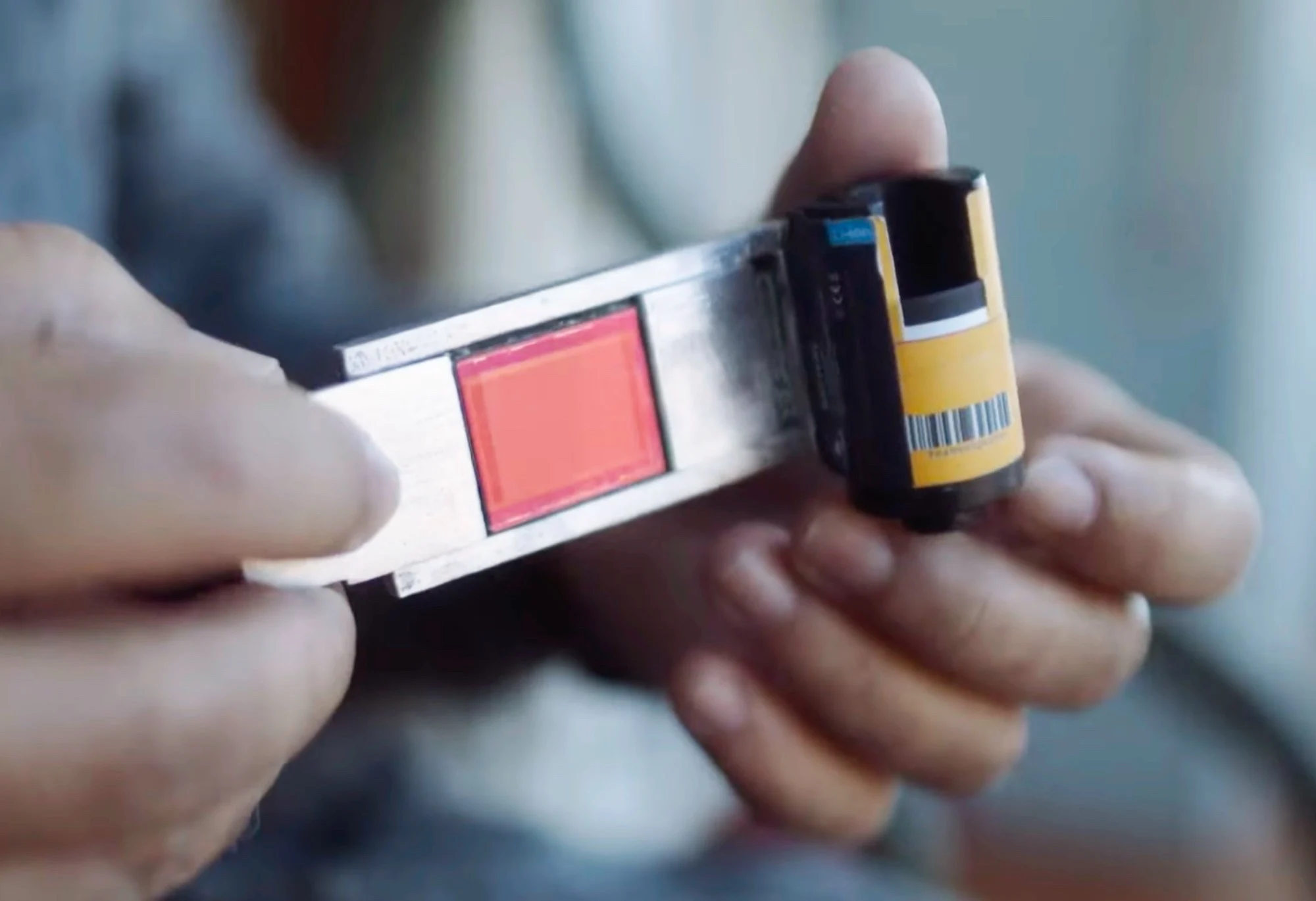
    Samuel Mello Medeiros, a talented photographer, designed the I’m Back Film as a digital sensor next to an analog camera in 2023. Its latest version, called I’m Back Roll, has improved both the look and the picture quality. The key component of this new version is a 26.1-megapixel Sony IMX571 sensor set in APS-C format, which promises to give a wide dynamic range and low noise even in high ISO settings. This sensor size is similar in size to what you’d find in cameras like the Fujifilm X-E5, which costs about $1,899.

    Design and Compatibility

    The updated design makes it super easy to adapt the I’m Roll Back to Leica M rangefinder cameras by swapping out the back flap. This process is pretty straightforward, as explained in a helpful video tutorial. It is also compatible with a variety of older cameras from brands like Canon, Nikon, Pentax, Minolta, Contax and Yashica, as long as there’s at least 4 millimeters of space between the shutter and the camera body after removing the film pressure plate.

    Technical Details and Features

    The electronics, which include a battery and at least 64 GB of internal storage, are housed in a case that has the same size as a roll of film. Because the sensor can’t directly communicate with the camera shutter, a remote control is provided to activate the system before taking pictures. This remote attaches to the back and must be used to turn on the device prior to hitting the shutter button. Image and video files can be wirelessly synced to a smartphone via Wi-Fi or through a USB cable, and the device charges with a USB-C connection.

    Funding and Availability

    The I’m Back Roll APS-C is currently seeking support on Kickstarter. A complete kit, including the sensor, 64 GB memory card, remote control, and USB-C cable, costs CHF 399 (roughly $499) plus additional shipping and customs fees during the campaign. The manufacturer plans to ship worldwide, but the delivery date is set for August 2027. While Samuel Mello Medeiros has a successful track record of Kickstarter projects, there’s always some risk involved, such as delays or product quality issues.

    Sources

  • Vivo X300 Ultra vs Sony Alpha A7 Full-Frame Camera Comparison

    Vivo X300 Ultra vs Sony Alpha A7 Full-Frame Camera Comparison

    Key Takeaway

    1. The Vivo X300 Ultra’s 200MP sensor produces sharper images than a Sony Alpha A7 III with a 24-70mm GM2 lens, despite the smaller sensor size.
    2. The Vivo device offers competitive color accuracy and quality, closely resembling that of a professional Sony camera.
    3. While the Vivo X300 Ultra shows strong performance, it lacks testing in challenging lighting conditions like night scenes or fast-moving subjects.
    4. The comparison highlights that high-resolution smartphone cameras can rival some traditional full-frame cameras in image detail and color.

    Interesting Easter Content for Photography Enthusiasts

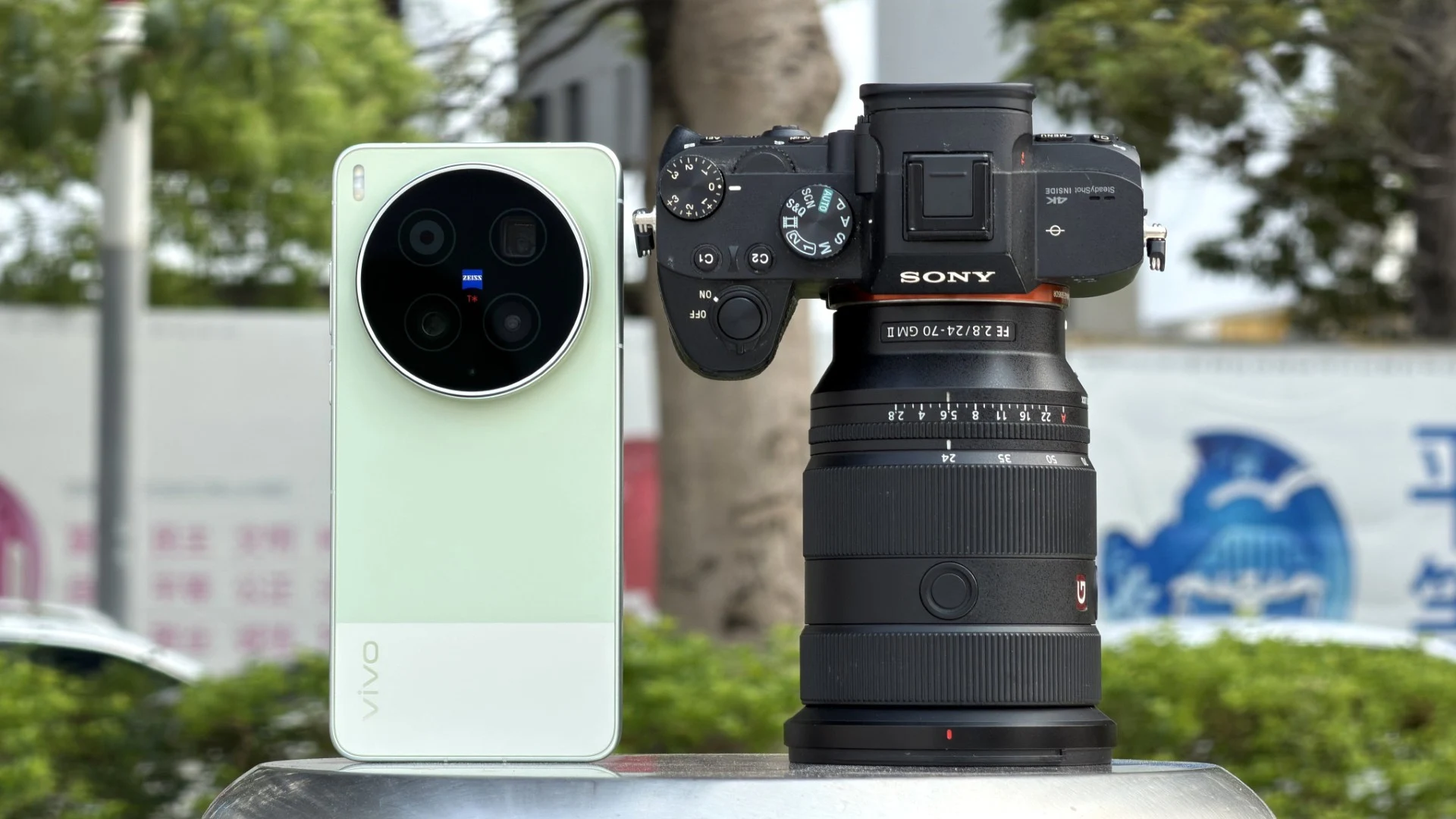
    If you are just bored this easter weekend and want somthing fun and educational, then you should really check out a cool video made by fenibook that you can find on YouTube. The video offers an hands-on look at how a new 35mm 1/1.12-inch 200MP sensor in the Vivo X300 Ultra stacks up against a more traditional setup using a Sony Alpha A7 III with a 24-70mm GM2 zoom lens. And for those who like to dig deeper, a Google Drive archive has been made public where you can see all the original files from the face-off—so you can see firsthand the detailed comparison.

    Cost and Specifications: Deep Dive

    When talkin about the price tags, the Sony full-frame mirrorless camera plus the zoom lens come with a hefty price point. The camera body alone is priced at $1,999 and is discounted to $1,698. The zoom lens is quite more expensive at $2,449. That makes the Vivo X300 Ultra, estimated at around $2,000, look more appealing, especially considering it is more compact and lighter. But some experts think a better cost-effective alternative might be something like the Panasonic Lumix S5D, which offers good features without breaking the bank.

    Video Quality and Comparative Analysis

    The comparison video, despite being in Chinese and lacking effective subtitles, clearly shows that the Vivo X300 Ultra’s 200 MP images are sharper than the Sony’s 24 MP shots most of the time. That revelation is quite astonishing considering the big difference in megapixels, especially given the Sony sensor’s size – which is about nine times larger than Vivo’s LYT-901 sensor. Many expected the larger sensor to have the edge, but it seems the Vivo has made incredible progress in resolution and detail.

    Color Accuracy and Technical Limitations

    Vivo also seems to be doing very well with color reproduction, often matching what the professional Sony camera produces. Vivo claims that their multispectral sensor and new algorithms help them improve color fidelity and detail, which is evident in many of the shots. However, critics have pointed out that the comparison lacks challenging lighting conditions like night shots or fast-moving subjects in low light. The absence of comparisons at different focal lengths, such as 14mm or 85mm lenses, might be due to the fixed zoom range of the Sony lens, but this brieffall doesn’t take away from the fact that Vivo’s flagship camera holds its ground in some aspects against a much more expensive full-frame camera system—showing that even in still photography, the new tech can hold up very well in practical scenarios.

    Sources
  • Vivo X200 Ultra: A 35mm Flagship DSLR Alternative in Teasers

    Vivo X200 Ultra: A 35mm Flagship DSLR Alternative in Teasers

    Key Takeaways

    1. Vivo is launching the Vivo X200 Ultra next week after a strong teaser campaign on Chinese social media.
    2. The company has revealed over six images of the X200 Ultra, showcasing its three color options and unique textured back panels.
    3. The camera module on the X200 Ultra is significantly larger than competitors like the iPhone 16 Pro Max and Galaxy S25 Ultra.
    4. Vivo shared new camera samples and a video, promoting the X200 Ultra’s capabilities for capturing portrait images at various focal lengths.
    5. The promotional material positions the X200 Ultra as a potential alternative to traditional DSLR cameras.


    Vivo is set to launch the Vivo X200 Ultra next week after an extensive teaser campaign on Chinese social platforms. Just earlier this week, the company revealed numerous camera samples while highlighting the main camera features a few days ago. However, Vivo is still keeping the excitement alive with more teasers.

    New Photos Released

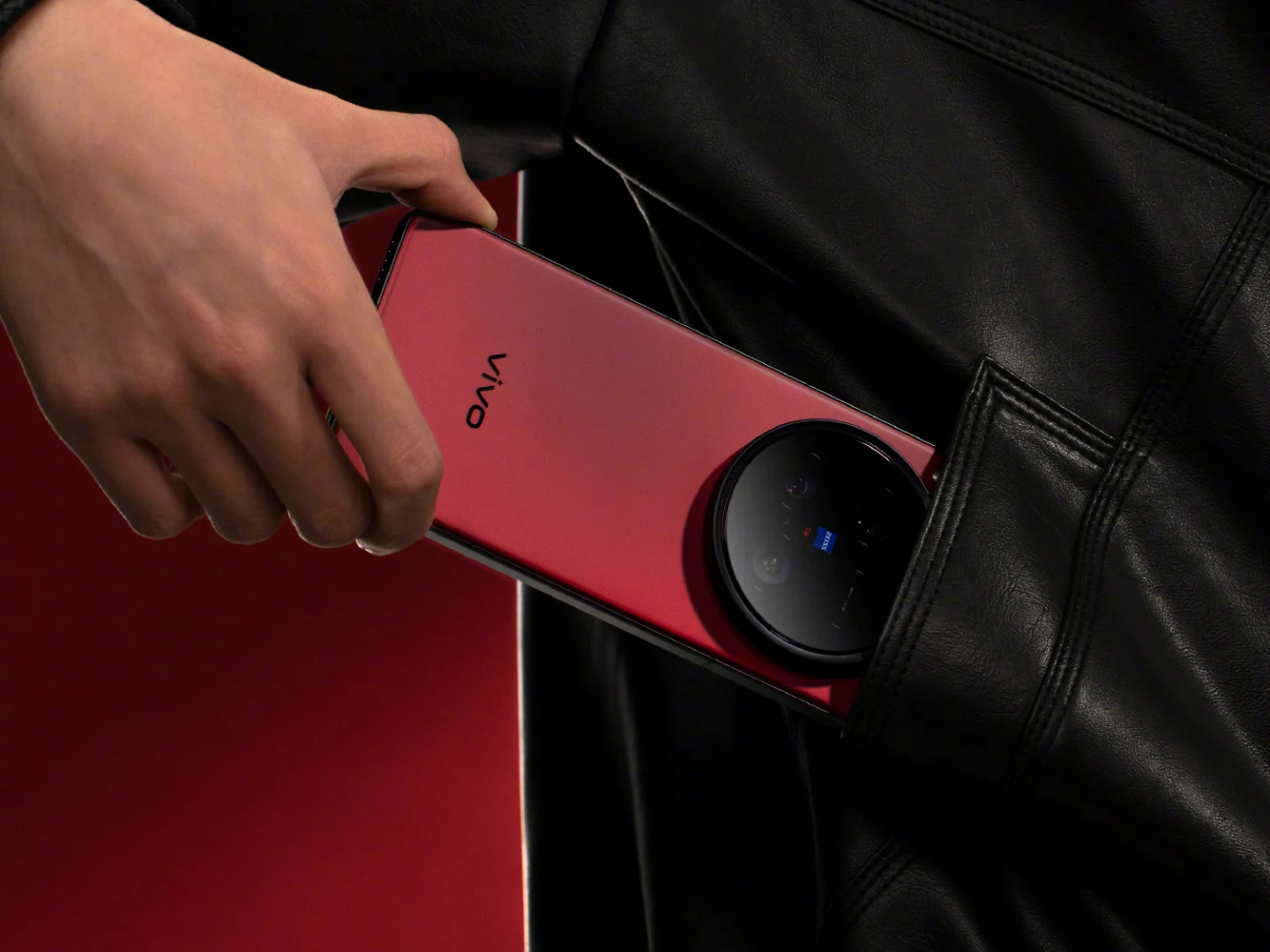
    This time around, they have released more than six images of the X200 Ultra itself. The images showcase the device in its three colors at launch, each featuring unique textured back panels. The pictures also highlight the impressive size of the camera module on the X200 Ultra, which easily surpasses competitors like the iPhone 16 Pro Max, Xiaomi 15 Ultra, and the Galaxy S25 Ultra (currently priced at $1,054.99 on Amazon).

    Camera Samples and Video

    Vivo has also shared a plethora of new camera samples, accompanied by another promotional video. After previously posting a similar number of landscape images, the company now asserts that the X200 Ultra is perfect for capturing portrait images, no matter the focal length used.

    To back this claim, Vivo released photographs taken at 35 mm, 50 mm, and 85 mm equivalent focal lengths. Additionally, another set of images suggests that Vivo sees the X200 Ultra as a viable alternative to traditional DSLR cameras. The latest promotional video reinforces this message, which we have included below.

    Source:
    Link

  • Vivo V50e: Underwater Photography & Curved OLED Features in India

    Vivo V50e: Underwater Photography & Curved OLED Features in India

    Key Takeaways

    1. The Vivo V50e features enhanced water resistance with an IP69 rating, making it suitable for underwater photography.
    2. It has a quad curved OLED display measuring 6.77 inches, with a 120Hz refresh rate and FHD+ resolution.
    3. Both front and rear cameras boast 50MP resolution and support 4K video recording, with the front camera offering autofocus capabilities.
    4. The device includes a special Wedding Portrait Studio mode with various filters for enhanced wedding photography.
    5. Powered by the Dimensity 7300 SoC, the Vivo V50e comes with 8GB of RAM and a large 5,600mAh battery that supports 90W wired fast charging.


    The Vivo V50e has been teased again in India, highlighting its enhanced water resistance, a curved OLED screen, and camera capabilities. Here’s what you should know about this upcoming device.

    Details of the Vivo V50e

    The Vivo V50e is part of the brand’s V50 series, known for its mid-range pricing and strong photography features. Recent teasers have unveiled several key aspects of the Vivo V50e, including its aesthetics, camera setup, and more. It is set to debut with a quad curved OLED display. Vivo has also revealed one color option—Sapphire Blue—and teased its luxurious design.

    Design and Photography Features

    Another important feature is the IP69 rating, which provides excellent protection against harsh conditions. Because of this, the Vivo V50e is suitable for underwater photography. Additionally, an exclusive Wedding Portrait Studio mode will be available in India, featuring various filters and settings to enhance wedding photos. Regarding the camera setup, both the front and rear cameras are 50MP, with the front camera also coming with autofocus capabilities.

    Performance and Specifications

    Users can record 4K video using both the front and rear cameras, all contained within a sleek 7.3mm body. Based on available information, the display is a 6.77-inch AMOLED screen with a 120Hz refresh rate and FHD+ resolution. Under the hood, the Vivo V50e may be powered by the Dimensity 7300 SoC along with 8GB of RAM. It is expected to house a large 5,600mAh battery, supporting 90W wired fast charging.

  • Huawei Pura 80 Series Launch Date and Periscope Camera Details

    Huawei Pura 80 Series Launch Date and Periscope Camera Details

    Huawei’s P-series flagship smartphones are renowned for delivering an exceptional photography experience. Earlier this year, the company redefined its P-series by introducing the Pura 70 series instead of the expected P70 lineup. As the brand prepares for the upcoming release of the Mate 70 series, anticipated to launch later this month, a fresh leak from tipster Digital Chat Station has unveiled new information regarding the Pura 80 series.

    Details About the Pura 80 Series

    The Pura 80 series is poised to impress with its innovative periscope telephoto lens, representing a major enhancement over older models. This new feature is likely to provide users with unmatched zooming abilities. The leak also indicates that the Pura 80 lineup is set to be unveiled in the second quarter of 2025.

    Advancements from Pura 70 to Pura 80

    Previously, the Pura 70 series attracted attention due to its one-inch retractable lens, which greatly enhanced image quality while keeping the design sleek and lightweight. Building on the triumph of the Pura 70 series, known for its ultra-fast shooting and impressive light-gathering macro telephoto features, the Pura 80 series is expected to extend this legacy with additional functionalities aimed at improving camera performance even further.

    Sensor and Technology Upgrades

    Recent information suggests that the Pura 80 series will incorporate the high-end OmniVision OV50X sensor. This sensor is well-known for its extensive photosensitive area and LOFIC technology, which enhances the capture of light details in brightly lit environments. As a result, images taken with the Pura 80 series are set to provide more precise lighting and color accuracy, closely resembling real-world visuals.

    Huawei’s dedication to advancing imaging technology shines through in both the Pura 70 and 80 series. By merging ultra-high-speed shooting, sophisticated macro features, and the new periscope telephoto lens, Huawei is striving to offer users an unparalleled photography journey. Similar to the Pura 70 series, the upcoming Pura series lineup may feature the Pura 80, Pura 80 Pro, Pura 80 Pro+, and Pura 80 Ultra.