Tag: Xiaomi

  • Xiaomi Smart Band 9 Pro Renders Leaked: First Look

    Xiaomi Smart Band 9 Pro Renders Leaked: First Look

    Just a few months after the debut of the Smart Band 9, Xiaomi appears to be getting ready for another version – the Smart Band 9 Pro. Even though it hasn’t been a full year since the last Pro version, the Band 8 Pro, unofficial images indicate that the Band 9 Pro is coming soon.

    Design Tweaks

    Not much looks different at first glance. When you compare it with its direct predecessor, the Band 8 Pro, the design changes seem to be quite small.

    The most prominent design alteration is the display. The images show a slightly curved screen, which is a shift from the flat display of the Band 8 Pro. The strap also looks a bit improved, now featuring a clasp positioned near the end, resembling the design of the Apple Watch. The single button, likely used for navigation, keeps its well-known pill shape.

    Aesthetic Changes

    The biggest visual change might be the side frame. The glossy metal finish of the Band 8 Pro is replaced by a more matte look on the Band 9 Pro. The images also suggest a bigger display with slimmer bezels, but it’s hard to say for sure without exact measurements.

    According to the leaked renders, the Band 9 Pro will probably be available in at least three colors: silver, black, and gold. While there might be more options later, these are the only confirmed colors for now.

    Expected Features

    Although official specifications are yet to be announced, we can look to the Band 8 Pro as a possible reference. It had a 1.74-inch AMOLED display with a clear 336 x 480 resolution, a refresh rate of 60Hz, and a maximum brightness of 600 nits for visibility in sunlight.

    The Band 8 Pro also had various health and fitness tracking features, including continuous heart rate and blood oxygen monitoring, stress tracking, sleep analysis, and water resistance rated at 5 ATM. With over 150 sports modes and advanced algorithms, it was designed to meet a wide array of workout preferences.

    Looking forward, the Band 9 Pro might include similar features with possible enhancements. It’s reasonable to expect functions such as automatic brightness adjustment, GPS capabilities, multiple watch faces (including an Always-On Display option), and smooth integration with the Mi Fitness App to likely continue.


    Image 1
    Image 1
    Image 1
  • Redmi A3 Pro Design Leaked: Specs and Price Revealed

    Redmi A3 Pro Design Leaked: Specs and Price Revealed

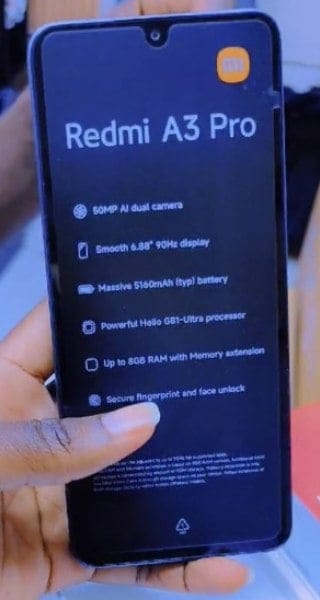
    A new smartphone from Redmi, called the Redmi A3 Pro, has appeared unexpectedly. Although Xiaomi has not made an official announcement yet, a Kenyan online retailer has shared a listing that includes basic details and an impressively low price.

    Unofficial Images

    The images shown alongside the specifications are likely “unofficial,” as they look like raw photos rather than polished official designs. Notably, there hasn’t been a Redmi A2 Pro or A1 Pro before, which makes the A3 Pro the first “Pro” model in the A-series lineup. The device was also seen in the HyperOS code, which adds some trust to the listing and its specifications. Let’s delve deeper into what we know.

    Redmi A3 Pro Features

    The A3 Pro appears to expand on the original Redmi A3. It features a 6.88-inch screen with a 90Hz refresh rate. Inside, the basic MediaTek Helio G36 in the A3 has been upgraded to the Helio G81 Ultra in the Pro version, combined with up to 8GB of RAM.

    The camera setup is another area where there are significant improvements. According to the listing, it has a 50MP AI main sensor, a big upgrade from the A3’s 8MP dual-camera system. However, information about the secondary rear camera is still unclear.

    Battery and Security

    This device packs a large 5,160mAh battery to keep it powered up, but there is no information about how fast it can charge. For security purposes, a side-mounted fingerprint scanner will be available.

    Price Expectations

    One of the most appealing features of the A3 Pro is its pricing. It is listed at KSh13,999 (around €100/$110), placing it solidly in the budget smartphone market. If the rumored specifications are accurate, this pricing could make the A3 Pro an attractive choice for those looking for value.


    Image 1
  • Poco to Shut Down Website on December 31: What Comes Next?

    Poco to Shut Down Website on December 31: What Comes Next?

    For those who love the affordable Poco brand, there’s a slight shift on the horizon. The official Poco website (po.co) is set to go offline on December 31, 2024. This shutdown includes all domains associated with po.co, covering the global site (/global) and regional ones (like /uk and /fr). But don’t worry, Poco isn’t going away completely. Instead, the brand will be moving its products and services over to Xiaomi’s website.

    A Surprising Move

    This announcement may come as a shock, given that Xiaomi has always made it clear that their brands—Xiaomi, Redmi, and Poco—are distinct from one another. Despite this, the transition should not significantly impact your experience with Poco. All customer support, product lines, and current services will be smoothly integrated into the official Xiaomi websites (mi.com/global).

    Transition Timeline

    The shift begins on October 21st, which is this coming Monday, after which purchases on Poco’s site will no longer be possible. Loyalty programs are also in good hands. Existing Poco Points and loyalty points will be moved and will still be usable within the Xiaomi system. Plus, current coupons will be reissued before December 12th.

    Seamless Migration

    Additionally, previous orders, tracking details, and user reviews from the Poco site will be transferred to the Xiaomi platform. Users won’t need to do anything extra; the process will occur automatically. After the site goes dark on December 31st, any attempts to access it will redirect you to the relevant page on Xiaomi’s site. However, the standalone Poco Store app will not be included in this transition and will cease to work after the site closes.

    In summary, Xiaomi is simplifying its online footprint. Even though Xiaomi presented Poco as a separate brand in 2020, it has not truly functioned independently, as many Poco devices closely resemble Redmi products. From the perspective of users, this change is not expected to have a major effect. Furthermore, while Poco is shutting down all its sites under the po.co domain, Poco India, which uses the poco.in domain, appears to be remaining operational for the time being.


    Image 1
  • Redmi Note 14 Gets SDPPI Approval, Global Launch Nears

    Redmi Note 14 Gets SDPPI Approval, Global Launch Nears

    The Redmi Note 14 series introduces three mid-range Android smartphones. Currently, this lineup is only available in China, but similar to previous models, Xiaomi is likely to release them in other markets soon. There are indications that the global launch could happen shortly, as the base model has been listed on an Indonesian certification website.

    Certification Insights

    Specifically, the Note 14 has been certified by SDPPI, and while the listing did not provide any specifications, it confirmed a new model number. The base smartphone is expected to have the model number 24094RAD4G for its international release. In Xiaomi’s naming scheme, the ‘G’ at the end of the model number typically indicates a global version.

    Specifications Expectations

    Regarding specifications, the base Redmi Note 14 is anticipated to have the same features as the version available in China. However, the Pro and Pro+ models may differ in their camera configurations compared to their Chinese counterparts. A recent report from Xiaomi Time indicates that both Pro models will have a distinct main camera.

    Variations in Camera Features

    Additionally, the global version of the Redmi Note 14 Pro+ is rumored to include a macro camera instead of the telephoto lens present in the Chinese version. Other than these differences, it is expected that the rest of the specifications for the two Pro models will remain unchanged.

    There has not been any official announcement regarding global pricing yet. However, the starting prices for the Chinese versions were CNY 1,899 (approx. $268) for the Pro+, CNY 1,399 (about $198) for the Pro, and CNY 1,099 (around $155) for the base model.

    GSMArena


    Image 1
  • Redmi Note 14 Pro 4G Leaks with MediaTek Processor Inside

    Redmi Note 14 Pro 4G Leaks with MediaTek Processor Inside

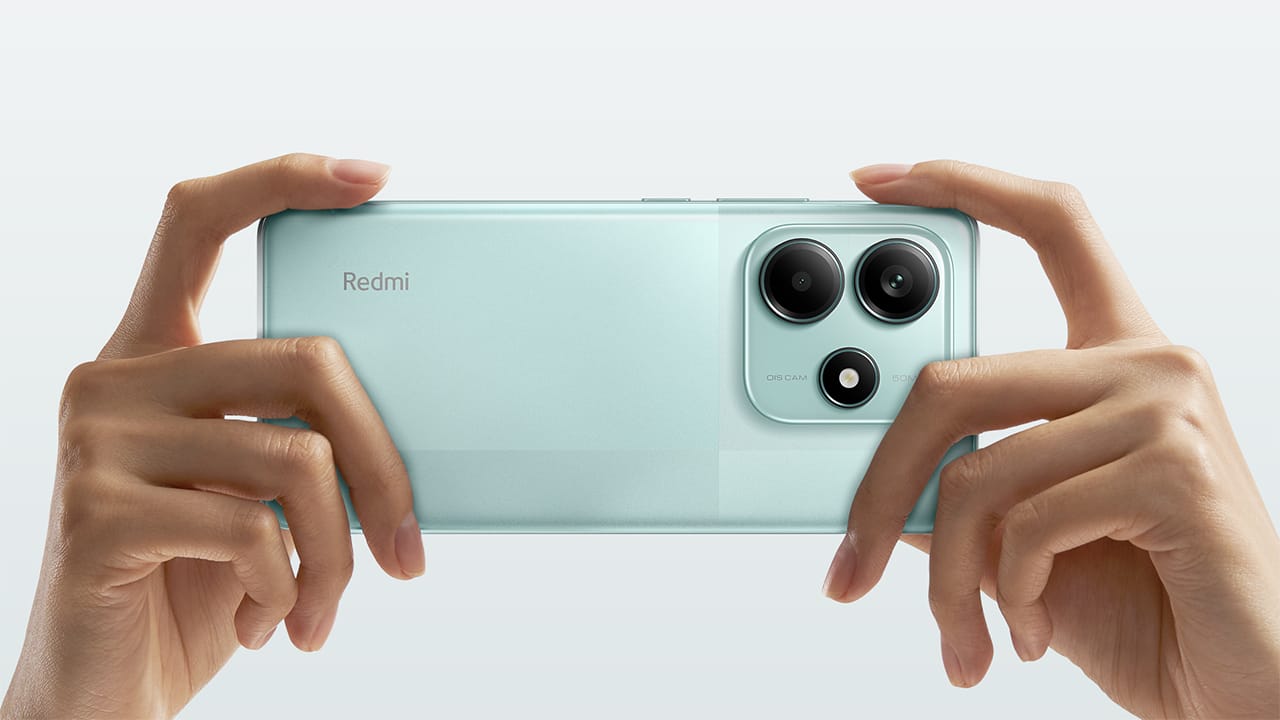
    Xiaomi’s Redmi Note 14 series was announced last month in China, and now we’re eagerly awaiting their launch worldwide. The Chinese version features three models: the Redmi Note 14 5G, Note 14 Pro 5G, and Note 14 Pro Plus 5G. However, it appears that the global market will see the addition of a new model, the Redmi Note 14 Pro 4G.

    Possible Arrival of Redmi Note 14 Pro 4G

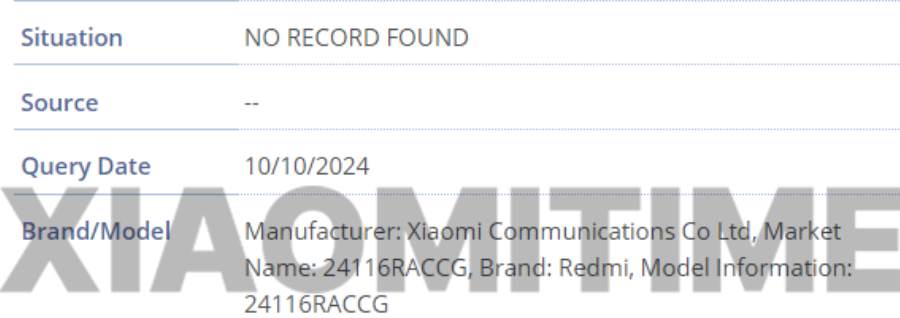
    According to a report from XiaomiTime, there is a listing for this device in the IMEI database. The Redmi Note 14 Pro 4G is identified with the model number 24116RACCG. While the IMEI database does not provide extensive details about the device, it is mentioned that the Redmi Note 14 Pro 4G is codenamed “Obsidian” and will utilize a MediaTek processor. However, the specific SoC remains unknown at this time. It’s worth noting that the Note 14 Pro 5G version also runs on a MediaTek chip, specifically the Dimensity 7300 Ultra.

    Typical Launch Patterns for Redmi

    Xiaomi usually introduces 4G versions of its Note series smartphones in international markets. For example, last year, the Redmi Note 13 lineup included the Note 13 Pro 5G with a Snapdragon 7s Gen 2 chip and the Note 13 Pro 4G which was equipped with a MediaTek Helio G99 Ultra chip. The other specifications of these models are generally quite alike. Therefore, we can anticipate that the Note 14 Pro 5G and 4G variants will have similar specs, except for their chipsets.

    Speculation on Global Models

    Interestingly, the report hints that the global version of the standard Note 14 might feature a Snapdragon chip, which is different from the Dimensity 7025 chip used in the Chinese version. This global model will still support 5G, but specific details regarding the chipset are still not revealed. Additionally, the source claims a 90% certainty on this information, suggesting that there might be changes ahead. So, it’s advisable to keep a cautious approach regarding this news.

    The Note 14 has also shown up on the IMEI database with several model numbers: 24117RN76L, 24117RN76O, 24117RN76G, and 24117RN76E. This model is reportedly codenamed “Tanzanite.”


    Image 1
  • Xiaomi Mijia No-Fog Humidifier 3 Sale: 800mL/h, Smart Display

    Xiaomi Mijia No-Fog Humidifier 3 Sale: 800mL/h, Smart Display

    Xiaomi has recently introduced the Mijia No-Fog Humidifier 3 (800) in China. It is currently available at an introductory price of 699 Yuan ($99). This small device has an impressive humidification rate of 800mL/h, making it perfect for enhancing air quality in larger areas such as living rooms. It ensures a quiet and steady comfort, especially during dry weather.

    Features of the Mijia No-Fog Humidifier 3 (800)

    The Mijia No-Fog Humidifier 3 (800) comes equipped with a 6-liter silver-ion water tank and a smart ambient display that allows for easy tracking of humidity and water levels. Its top-fill design makes refilling simple, while the UV hydrophobic coating helps avoid watermarks. The incorporation of silver-ion technology boosts safety by reducing bacterial growth, leading to a healthier humidification experience.

    Quiet Operation and Smart Control

    This humidifier works quietly at just 32 dB(A), making it suitable for bedrooms. It features a sleep mode that dims the display and cuts down humidification to 280mL/h for a tranquil night’s rest. With a 6-liter tank, it can run continuously for up to 18 hours, effectively providing moisture throughout the night.

    The Mijia humidifier is designed with a smart ambient screen that shows real-time humidity and water levels in an easy-to-read ring-lit format. It also supports Xiaomi’s HyperOS Connect, which allows users to control the device remotely via the Mijia app and integrate it with other smart home gadgets, such as air conditioners and heaters. This feature makes it easy to maintain an optimal indoor environment using just a smartphone.

    Efficient Humidification and Easy Maintenance

    The humidifier provides 800mL/h of natural evaporation without creating mist or residue, making it safe to use with tap water. Its suspended design ensures that the 3D antibacterial filter remains fully immersed for maximum humidification efficiency. The high-molecular fiber mesh filter boasts a 99% antibacterial rate, purifying the air while adding moisture and minimizing dust and allergens. It is easy to clean, whether by hand or machine, and it is advisable to clean it weekly in water temperatures below 40°C to ensure long-lasting efficiency.

    Maintaining the humidifier is straightforward due to its open water tank and detachable water pump impeller. Regular cleaning prevents scaling and helps the device function optimally, while features like the low-water auto shut-off reminder contribute to its safety and convenience.

    Earlier today, Mijia also unveiled a new 6L Electric Hot Pot, which comes with 2000W power and smart cooking functionalities.


    Image 1
    Image 1
  • Xiaomi Plans to End Global Bootloader Unlocking by 2025

    Xiaomi Plans to End Global Bootloader Unlocking by 2025

    Xiaomi, known for its smartphones, is said to be thinking about a big change in its software policies. Recent reports suggest that the company might stop allowing bootloader unlocking for users outside of China, following a similar action taken in the Chinese market. If this turns out to be true, it could significantly affect the Xiaomi community, which has always valued the ability to customize their devices.

    Effects on the User Experience

    Bootloader unlocking is an important feature that lets users install custom ROMs, root their devices, and take full control over their smartphones. This has been a key reason why many tech enthusiasts choose Xiaomi, as they enjoy the flexibility and customization choices available. However, since the company restricted bootloader unlocking in China, there are worries about what this means for its global users.

    If Xiaomi does go ahead with a worldwide ban on bootloader unlocking, it would greatly restrict the customization options for many users. A lot of people depend on custom ROMs for enhanced performance, security updates, and unique functionalities. Removing bootloader access would mean users would have to stick with Xiaomi’s official software, which could hinder their ability to adjust their devices to fit their needs.

    Changing Strategies in Software

    Xiaomi’s choice to end bootloader unlocking in China may show a change in their software strategy, possibly due to tougher regulations in China regarding user data and device security. The new HyperOS 2.0, set to be launched alongside the flagship Xiaomi 15 series, is likely to enforce this complete bootloader lock, confirming previous information.

    The Xiaomi community is observing these developments with a blend of worry and speculation. Although the company has not officially acknowledged or dismissed these reports, the potential effects on users are substantial. Many are hoping Xiaomi will rethink its stance and keep user freedom as a priority, even while dealing with changing regulations.

    As things progress, it is unclear whether Xiaomi will ultimately restrict bootloader unlocking for users globally. The company’s decision will greatly influence the future of customization and user freedom within the Android ecosystem.

  • Xiaomi Smartphones to Detect Hidden Cameras for Traveler Privacy

    Xiaomi Smartphones to Detect Hidden Cameras for Traveler Privacy

    Platforms like Airbnb have gained immense popularity, and it’s easy to see why. These websites allow travelers to reserve vacation rentals or rooms in prime locations at quite affordable prices. However, there have been alarming reports regarding the presence of hidden surveillance cameras in some of these rentals. Even though Airbnb’s terms strictly forbid such monitoring devices, not every landlord seems to follow these rules. Depending on where they are placed, these concealed cameras can intrude upon the most private moments of a person’s life, and secretly recording someone can be a crime. There are several methods to detect these cameras, and now Xiaomi plans to include a feature for this purpose in its operating system.

    Detection Solution

    Xiaomi has developed a program that helps find hidden cameras by analyzing active WiFi connections. The goal is to identify any suspicious devices that might be spying. However, it’s important to note that the smartphone might not effectively pinpoint the exact location of these devices. Additionally, this feature won’t necessarily find all hidden cameras, as it only detects those connected to WiFi. Tiny, battery-operated cameras often lack WiFi connectivity and may rely solely on memory cards, which complicates the detection process even further. One potential method to identify these devices is by using a night vision capability to scan for the infrared signals emitted by hidden cameras. It’s still uncertain which devices will be able to run Xiaomi’s software, but notably, it doesn’t require any special hardware.

    Future of Privacy

    Xiaomi’s initiative indicates a significant step toward enhancing privacy for users of rental platforms. As travelers become more aware of the potential risks associated with hidden surveillance, such tools could provide a sense of security. The need for such technology highlights the ongoing challenges in maintaining privacy in shared living spaces. With the rise of smart technology, the importance of safeguarding personal space cannot be overstated. The introduction of these features by companies like Xiaomi may pave the way for broader adoption of privacy measures in the industry.

    XiaomiTime, photo from Jakub Żerdzicki via Unsplash

  • Redmi Note 14 Pro and Pro+ Repair Costs Explained

    Redmi Note 14 Pro and Pro+ Repair Costs Explained

    Xiaomi has just introduced the Redmi Note 14 Pro series in China, setting attractive price points. The Redmi Note 14 Pro is priced at 1,399 yuan and features a Dimensity 7300-Ultra chip. On the other hand, the Pro+ variant is equipped with the more powerful Snapdragon 7s Gen 3, starting at 1,899 yuan.

    Protection Plans for Early Buyers

    Those who purchased the phones during the initial sale were given a comprehensive protection plan. This plan includes a one-year warranty covering screen breakage, battery cover, and water damage, along with an impressive five-year warranty for the battery itself. The offer has been extended until October 14th, and for those interested in repair costs after the warranty ends, Xiaomi has released pricing for individual spare parts for both models.

    Spare Parts Pricing

    As anticipated, the display is the most costly part to replace for both models, with prices being 405 yuan for the Pro and 490 yuan for the Pro+. The motherboard also represents a significant repair expense, with costs ranging from 890 yuan to 1390 yuan, depending on the storage size chosen. It’s worth noting that although both devices feature a 50MP main sensor, the Pro+ has higher replacement costs compared to the Pro version.Pro+ has higher replacement costs compared

    Detailed Repair Costs

    Component Redmi Note 14 Pro (in yuan) Redmi Note 14 Pro++ (in yuan)
    Display screen 405 490
    Motherboard 8GB+128GB: 890 8GB+128GB: 890
    8GB+256GB: 945 8GB+256GB: 1210
    12GB+256GB: 1030 12GB+256GB: 1310
    12GB+512GB: 1150 16GB+512GB: 1390
    Sub-board 20 45
    Rear camera (main) 120 140
    Rear camera (ultra-wide) 25 25
    Rear camera (macro) 20 65
    Front camera 35 35
    Speaker 10 15
    Receiver 15 15
    Battery 89 119
    Battery cover 105 105

    It’s important to note that these prices only reflect the parts themselves. Labor charges for repairs can differ based on the service center selected. For the best results, it’s advisable to request a quote directly from an authorized repair center before proceeding with any repairs.

  • Redmi K70 16GB + 512GB Limited Time Price Cut in China

    Redmi K70 16GB + 512GB Limited Time Price Cut in China

    Xiaomi’s Redmi K70, which was launched in November of the previous year, is currently being sold at a much lower price in China. Initially marked at 2999 yuan ($427), the 16GB + 512GB variant is now available for just 2487 yuan ($354) on Tmall, thanks to various promotions and special vouchers.

    Pricing Options

    Additionally, this model can be found on JD.com priced at 2649 yuan ($377). Customers shopping on Tmall can also take advantage of benefits such as three-month interest-free payments through Huabei and major credit cards, which adds more value to the purchase.

    Design and Colors

    The Redmi K70 showcases a stylish, quad-curved design along with a velvet glass finish and a matte metal frame. It comes in four elegant color choices: Bamboo Moon Blue, Light Aubergine Purple, Clear Snow, and Ink Feather.

    Technical Specifications

    The device features a 6.67-inch 2K AMOLED screen with a resolution of 3200 x 1440 pixels, supporting a refresh rate of 120Hz and a touch sampling rate of 2160Hz. It also offers HDR10+ and Dolby Vision for improved visuals, with a peak brightness reaching up to 4000 nits, which helps visibility in bright settings.

    Powering the Redmi K70 is the Snapdragon 8 Gen 2 processor, achieving more than 1.71 million in benchmark tests. It is equipped with LPDDR5X RAM and UFS 4.0 storage for quick performance and seamless multitasking. Moreover, it features the Berserk Engine 3.0 and a 5000mm² VC liquid cooling system, ensuring consistent performance during gaming and demanding tasks.

    The camera setup includes a 50MP main sensor with Optical and Electronic Image Stabilization (OIS + EIS), allowing for clear and stable images. The rear camera array also incorporates an 8MP ultra-wide lens and a 2MP macro lens, supporting 8K video recording for high-quality cinematic footage. For selfies and video calls, a 16MP front camera is available.

    Battery and Connectivity

    The Redmi K70 is powered by a 5000mAh battery that enables 120W fast charging, ensuring a quick recharge for users. Regarding connectivity options, the device supports 5G SA/NSA, Wi-Fi 7, Bluetooth 5.4, NFC, and multiple satellite navigation systems, making it an all-around connected and future-ready smartphone.

    In case your thinking about an iPhone upgrade, Apple has recently revealed price reductions for the iPhone 15, 15 Plus, 14, and 14 Plus in India, with savings of up to ₹20,000 on different storage configurations. This change comes after the launch of the iPhone 16 series, making last-generation iPhones more accessible for those looking to upgrade or buy their first iPhone.