Tag: Xiaomi

  • Redmi A3 Pro Global Launch Imminent: Found on Bluetooth SIG

    Redmi A3 Pro Global Launch Imminent: Found on Bluetooth SIG

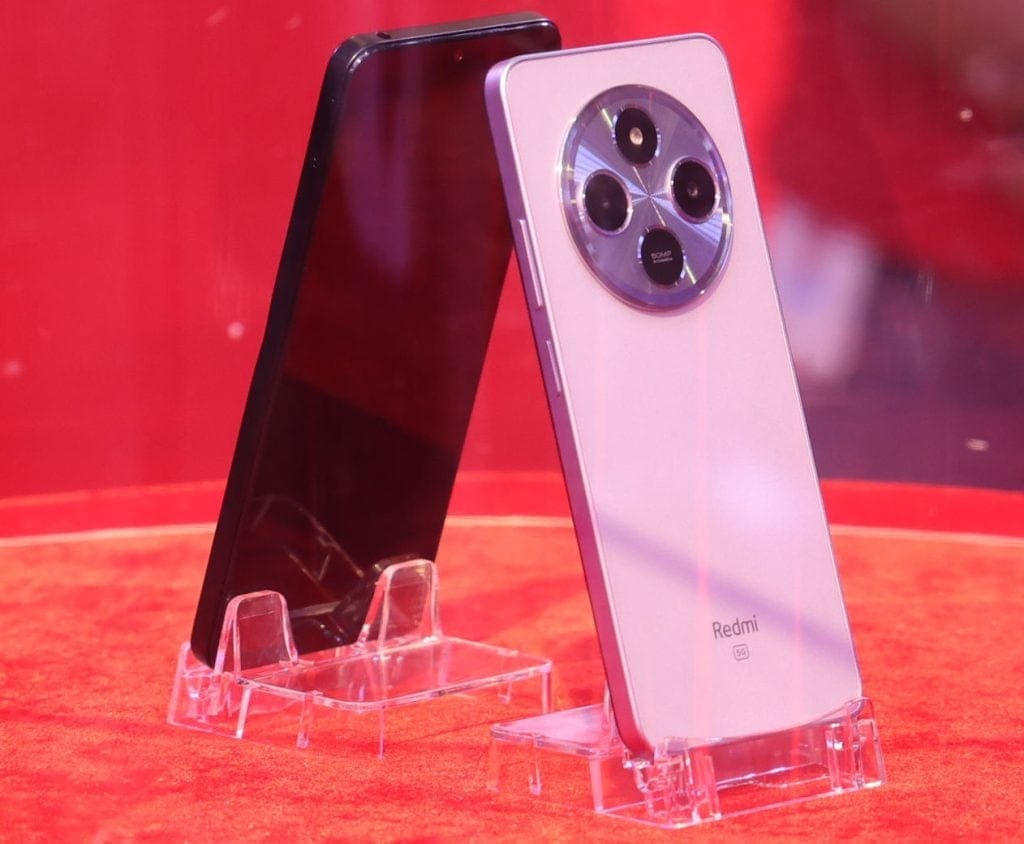
    Xiaomi seems to be preparing to introduce a new budget smartphone to the global market in the near future. The Redmi A3 Pro was recently unveiled in Kenya, and a new certification sighting suggests a broader launch may be on the horizon. Here’s what we’ve learned so far.

    Redmi A3 Pro Certified by Bluetooth SIG

    The Chinese technology company revealed the Redmi A3 Pro in Kenya just last week, indicating that it may be a rebranded version of the Redmi 14C. This device has now been spotted in the Bluetooth SIG certification with the model number 2409BRN2CG. Sadly, the online listing does not provide any additional details about the specifications of this budget smartphone. However, it does imply that its global availability could be imminent.

    Key Details About the Redmi A3 Pro

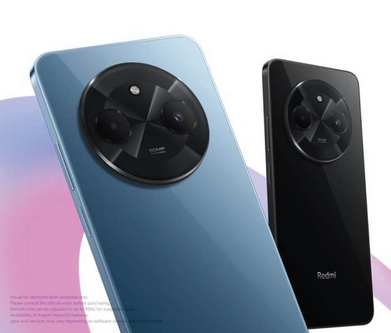
    The Bluetooth SIG also verifies the Redmi A3 Pro name for this particular model. Although an official announcement is still pending, the previous launch in Kenya has disclosed some essential specifications. The Redmi A3 Pro comes with a large 6.88-inch display that boasts a 90Hz refresh rate. Inside, it is powered by the MediaTek Helio G81 Ultra processor, which is combined with 4GB of RAM and 128GB of internal storage. Additionally, the phone allows for an expansion of up to 8GB of virtual RAM.

    Regarding camera capabilities, the Redmi A3 Pro includes a 50-megapixel AI dual camera setup on its back. This model is sustained by a substantial 5,160mAh battery. Other impressive features are Xiaomi’s Android OS-based HyperOS custom skin, face unlock technology, and a fingerprint scanner to ensure security. It was launched in two color variants: Blue and Black. Considering all these specifications, it is evident that this smartphone is indeed Xiaomi’s rebranded Redmi 14C. To remember, the Redmi 14C was initially introduced globally in August 2024. For now, this is all the information available, so stay tuned for more updates.

  • Xiaomi SU7 Ultra Sets Nürburgring Record for Fastest Four-Door Car

    Xiaomi SU7 Ultra Sets Nürburgring Record for Fastest Four-Door Car

    Xiaomi recently announced via a tweet that their SU7 Ultra prototype has achieved a remarkable feat at the Nürburgring, marking it as the fastest four-door car to ever complete a lap at the Nordschleife. On October 28, 2024, it finished a lap in an impressive time of 6 minutes and 46.874 seconds, surpassing the previous record held by the Porsche Taycan Turbo GT. This milestone highlights Xiaomi’s strong commitment to the electric vehicle (EV) sector, especially following the successful introduction of the original SU7 model.

    Delays and Reception

    The record-setting attempt for the SU7 Ultra experienced multiple setbacks primarily due to unfavorable weather conditions throughout the month, which led to the final attempt being pushed back to October 28. Xiaomi’s foray into the car market with their SU7 series, which consists of Standard, Pro, and Max variants, has been received quite well. Reports indicate that in October 2024, the company managed to sell 20,000 units of the SU7.

    Performance Specifications

    The SU7 Ultra comes with three electric motors that produce a stunning 1,548 horsepower, engineered for exceptional performance. It can accelerate from 0 to 100 km/h in just 1.97 seconds and has a maximum speed of 350 km/h (about 217.5 mph). Additionally, the vehicle is outfitted with cutting-edge technology, including carbon-ceramic brakes and an advanced cooling system designed to meet the high demands of racetracks like the Nürburgring.

    Future Plans

    While the SU7 Ultra is still in its prototype stage, Xiaomi is actively working on a production version expected to hit the market in early 2025. The final model is set to retain most of the features that contributed to the prototype’s record-breaking status, although it might replace some costly materials, like the carbon fiber body, to keep the price reasonable. Currently, the SU7 Ultra has been officially revealed in China with a starting price of $114,000.

    Xiaomi via X/Twitter

  • Poco M7 Pro 5G: Xiaomi Redmi Note 14 5G Global Release Update

    Poco M7 Pro 5G: Xiaomi Redmi Note 14 5G Global Release Update

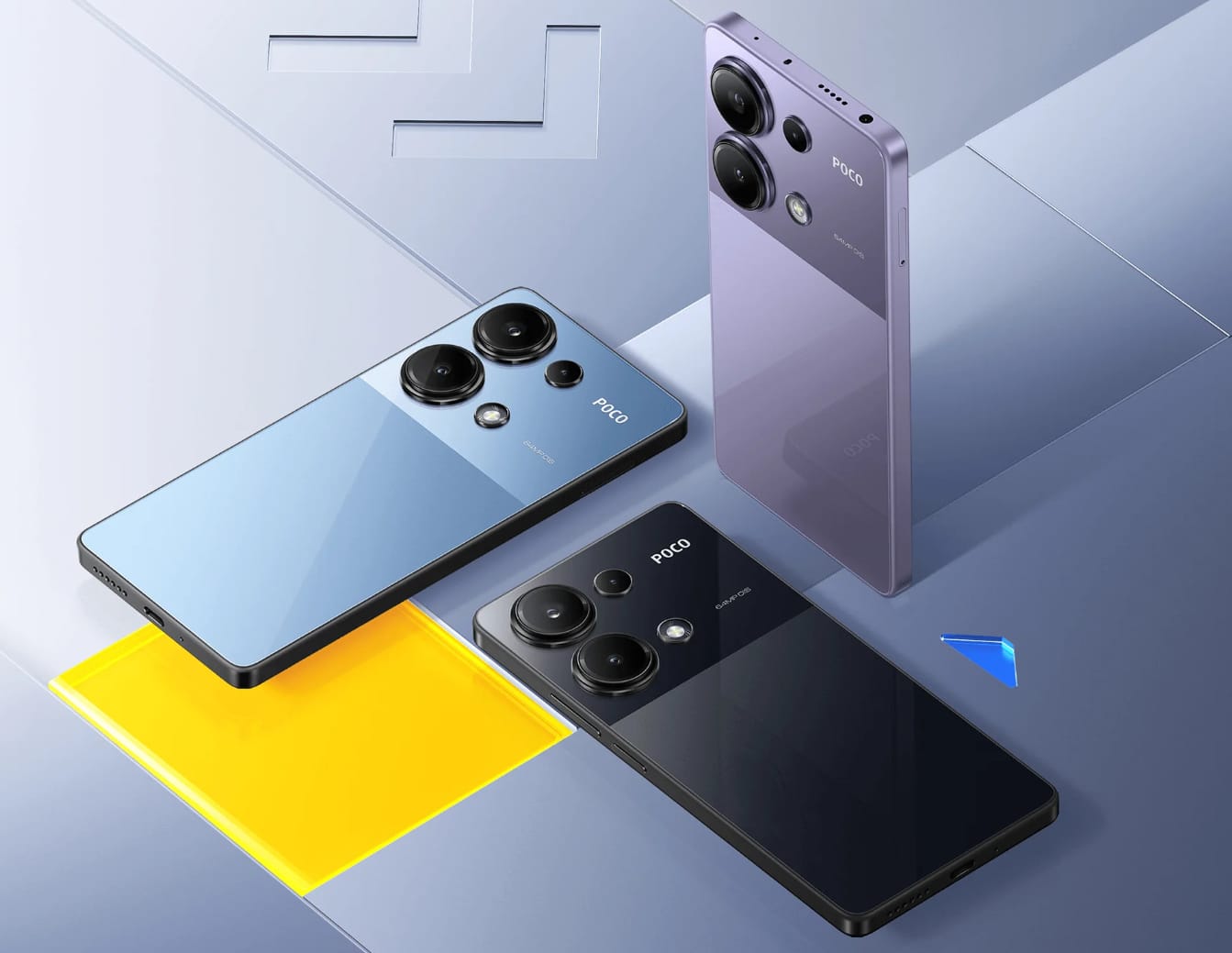
    One of Xiaomi’s upcoming Poco smartphones is getting closer to its release. Recently, multiple sources have detected the Poco M7 Pro 5G passing through the SDPPI in Indonesia, which has a global model number. It seems Xiaomi is also working on other Poco devices, in addition to the Poco C75 (currently priced at $189.99 on Amazon), which recently launched worldwide.

    Model Identification

    As per usual, the SDPPI has only provided the device’s model number, which is 2409FPCC4G in this instance. This model number has been previously linked to the retail name Poco M7 Pro 5G. Furthermore, many believe that the Poco M7 Pro 5G will be based on the Redmi Note 14 5G.

    Specifications Overview

    If this assumption holds true, the smartphone will feature a 1080p display with a refresh rate of 120 Hz, powered by a Dimensity 7025 Ultra chipset and a battery capacity of 5,110 mAh. Additionally, it is expected that the Poco M7 Pro 5G will support 45 W wired charging and include a 50 MP sensor as its main camera.

    Release Timeline

    Sadly, there’s no information yet regarding when the Poco M7 Pro 5G will be released. Nevertheless, the ongoing efforts by Xiaomi to secure regulatory approval globally suggest that the official launch might still be some time away. For further details on the hardware features of the Poco M7 Pro 5G, check out our article on the launch of the Redmi Note 14 5G.

    SDPPI via GSMArena & The Tech Outlook


    Image 1
  • Xiaomi Launches 1080p 100Hz Redmi Monitor A24 with Versatile Stand

    Xiaomi Launches 1080p 100Hz Redmi Monitor A24 with Versatile Stand

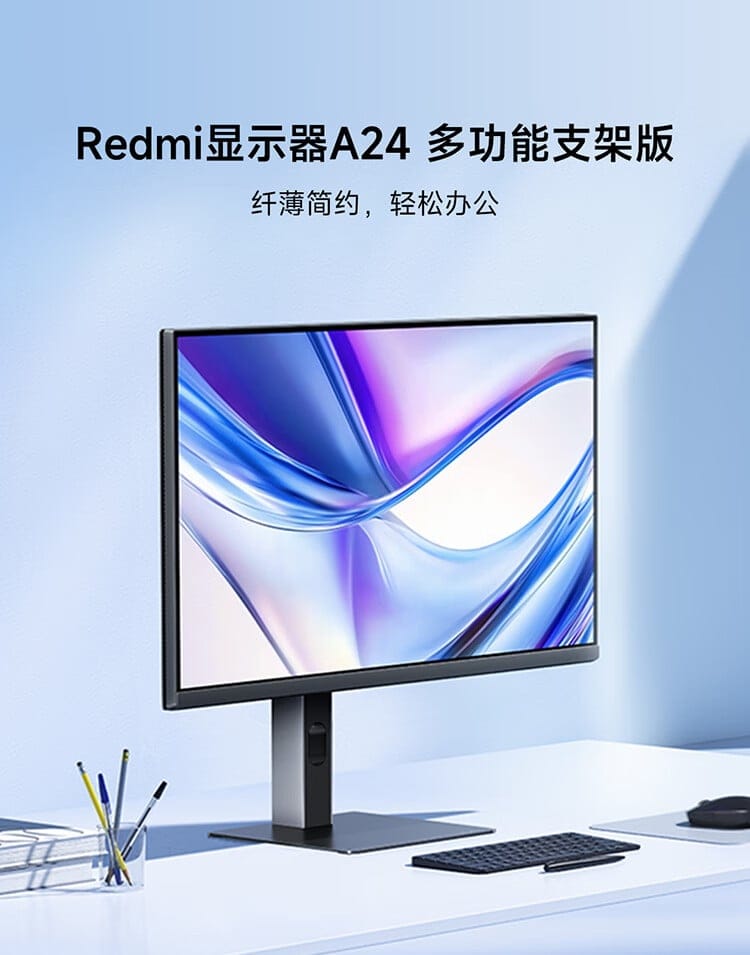
    Last year, Xiaomi revealed the affordable Redmi Monitor A24 in China. Now, the company has launched a Multi-Functional Stand Edition, which is priced at 519 yuan ($72) and is currently available for pre-sale on JD.com. Let’s dive into its main features.

    Key Features of Xiaomi Redmi Monitor A24

    The monitor comes with a 23.8-inch screen that has a Full HD resolution of 1920 x 1080, delivering clear and detailed images for work and play. With a 100Hz refresh rate, it minimizes motion blur and lag, enhancing both browsing and multitasking experiences.

    It has a 16:9 aspect ratio and standard brightness of 250 cd/m². The display can produce 16.7 million colors, ensuring vibrant and accurate visuals, with a 99% sRGB color coverage. Moreover, it features ΔE<2 color precision, making it ideal for professional work that demands true-to-life color representation.

    Design and Performance

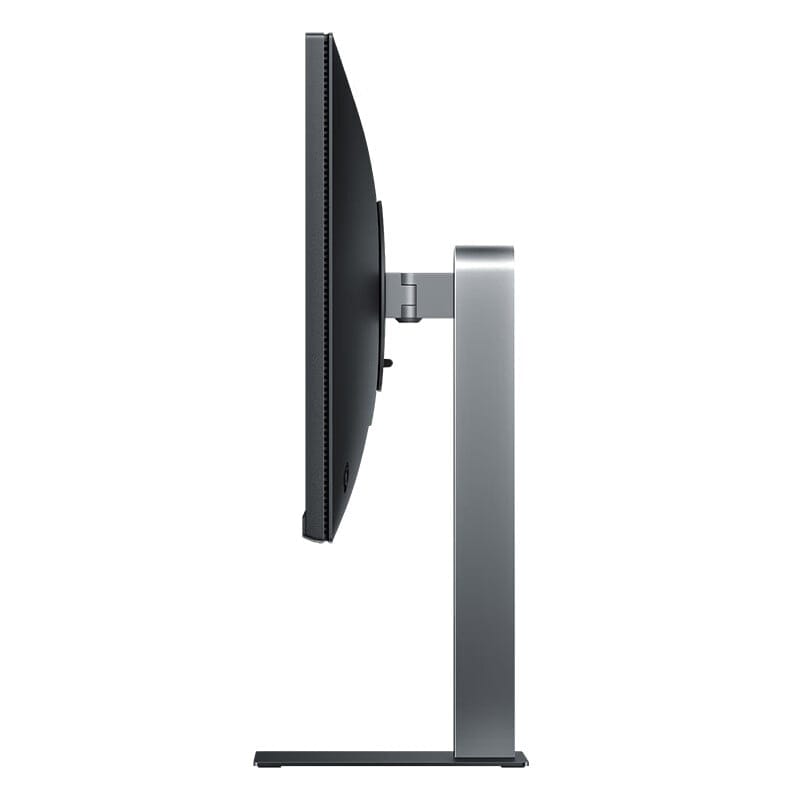
    The monitor has a quick 6ms response time and comes with a contrast ratio of 1000:1, which aids in providing balanced brightness and dark tones, resulting in realistic images and videos. Its ultra-slim body measures just 16.8mm, making it both lightweight and stylish. The 94% screen-to-body ratio with thin bezels provides an immersive viewing experience. The adjustable stand allows for tilt, height adjustment, swivel, and even rotation to portrait mode, meeting various user preferences. It’s also compatible with VESA mounts, offering flexible installation options.

    The Redmi A24 monitor features DP 1.4, HDMI, and a DC IN power port, enabling easy connections to various devices. The joystick control simplifies menu navigation and settings adjustments.

    Included Accessories and Warranty

    The package contains the monitor, a base with a stand, screws, a power adapter, an HDMI cable, and a user manual. This product comes with a 3-year warranty and original parts replacement, along with on-site engineer service.

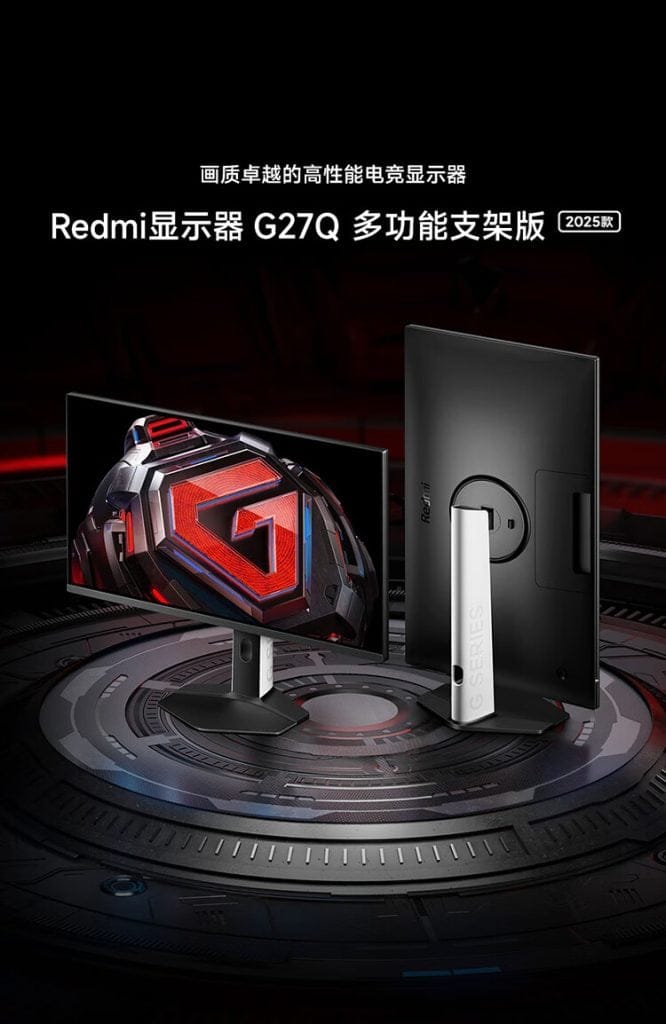
    Recently, Xiaomi also introduced the 2K 180Hz Redmi Monitor G27Q 2025 Multi-Functional Stand Edition. Additionally, the company is preparing to launch the Xiaomi 15 series on October 29 in China, which is already surpassing the Xiaomi 14 in pre-bookings, suggesting it may be more popular. Official image samples from the Xiaomi 15 and 15 Pro highlight significant advancements in camera technology.


    Image 1
    Image 1
  • Xiaomi Adds Pad 5 and Redmi Note 11 Pro to EoL Device List

    Xiaomi Adds Pad 5 and Redmi Note 11 Pro to EoL Device List

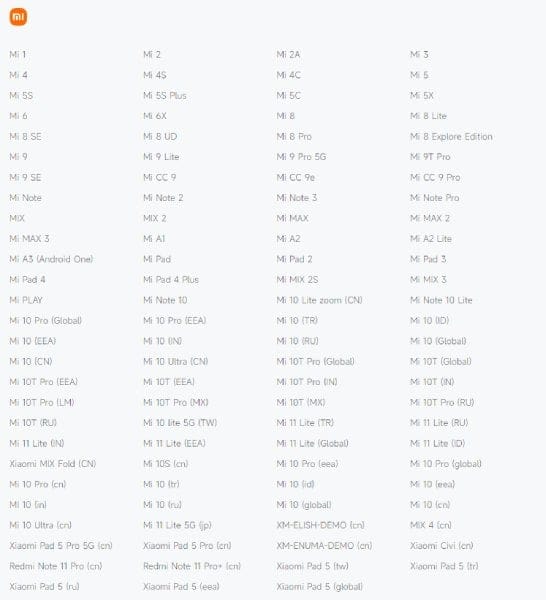
    Xiaomi has broadened its End-of-Life (EoL) list, indicating that several smartphones and tablets from its Xiaomi, Redmi, and Poco brands will no longer receive software support. The updated list, which can be found on the official website, includes devices from all three brands. Notably, the Xiaomi Pad 5 appears multiple times for various regions, such as Taiwan (TW), Turkey (TR), Russia (RU), Europe (EU), and the global model (MI).

    Overlapping Models

    Interestingly, the Redmi Note 11 Pro and Pro+ are listed under Xiaomi, which might be a mistake, yet the consequences are the same – these devices will stop getting software updates. Besides the Note 11 Pro models, other unsupported devices include the Redmi 10 2022 (MX, TW, MX) and the Redmi Note 10 JE (JP). The Poco brand is not left out; support for the Poco X3 GT (ID) in Indonesia has also come to an end.

    Implications of Discontinued Support

    With the discontinuation of support for the X3 GT, along with the previously mentioned Xiaomi and Redmi devices, users will no longer receive updates for MIUI or HyperOS, which are Xiaomi’s custom Android systems. Furthermore, these devices will stop getting important Android security patches that are key in defending against new vulnerabilities.

    The absence of ongoing software support puts these devices at risk for security issues. Unpatched weaknesses can be taken advantage of by malicious individuals to access a user’s personal information, steal passwords, or even inject harmful software.

    Options for Users

    Although Xiaomi usually offers software updates for a limited time, the specific length of support can change based on the model and when it was released. Users can verify their device’s support status on Xiaomi’s official site. For those whose devices are on the EoL list, choices are few. The safest route is to upgrade to a newer Xiaomi device, although this might be a budget concern for some. Alternatively, tech-savvy users might consider installing custom ROMs based on the latest Android version to keep their older devices functional.


    Image 1
  • Xiaomi Unveils 4K 144Hz Redmi Smart TV X 2025 with Dolby Vision

    Xiaomi Unveils 4K 144Hz Redmi Smart TV X 2025 with Dolby Vision

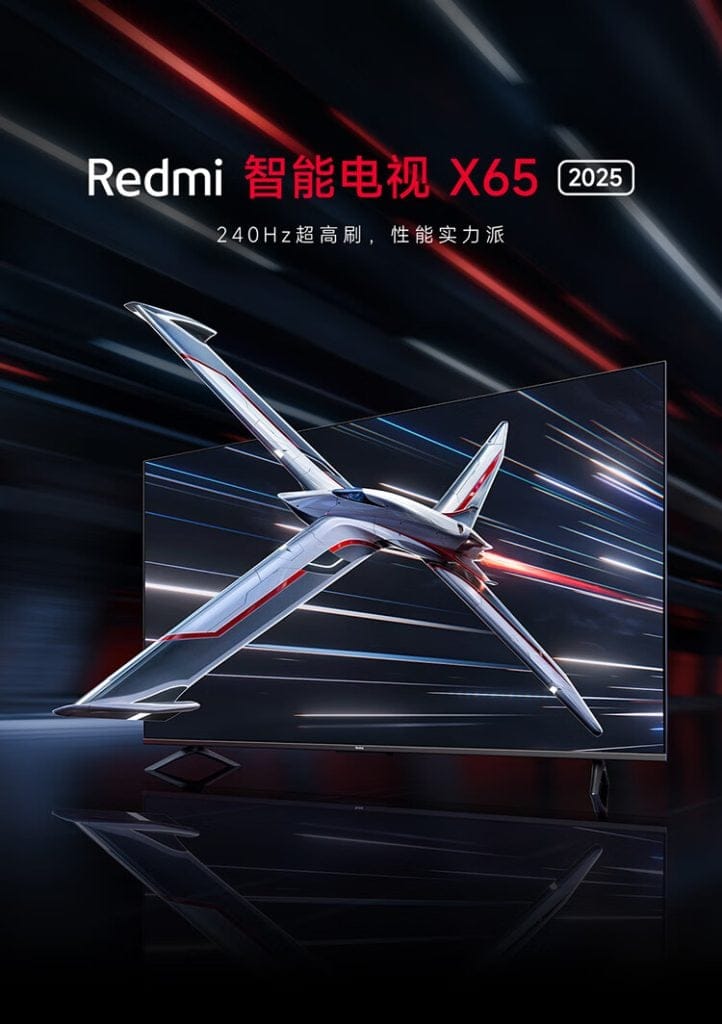
    Xiaomi has launched the new Redmi Smart TV X 2025 series, aiming to improve the viewing experience by combining premium features with reasonable prices. This series comes in four different sizes: 55 inches, 65 inches, 75 inches, and 85 inches, ensuring that there is a perfect fit for various home configurations. Let’s explore the specs and what sets the Redmi Smart TV X 2025 apart as a great option.

    Redmi Smart TV X 2025 Features

    The Redmi Smart TV X 2025 series features a native 4K display (3840×2160) and can refresh at rates up to 144Hz. With a 240Hz refresh rate, this TV is ideal for gamers. It also supports HDR and AI-SR Super Resolution, which enhances lower-resolution videos to almost 4K quality. To make the viewing experience even better, it has MEMC motion compensation to reduce blur during fast action scenes.

    The series comes with an extensive color range, boasting 94% DCI-P3 coverage and a professional color accuracy measured at ΔE≈2. Additionally, it uses Xiaomi’s unique display technologies, including the “Qingshan Eye Care” feature, which lessens eye fatigue for a more pleasant viewing session, meeting Chinese health guidelines.

    Performance and Connectivity

    Powering the TV is the MediaTek MT9655 processor, which is a quad-core Cortex-A73 CPU, along with 4GB of RAM and 64GB of storage. It also offers Wi-Fi 6 support, ensuring quicker and more dependable internet connections.

    In terms of connectivity, the Redmi Smart TV X 2025 series is well-equipped with three HDMI 2.1 ports, one being eARC-enabled for better audio output. It supports Variable Refresh Rate (VRR), Auto Low Latency Mode (ALLM), and includes Bluetooth 5.2, S/PDIF, LAN, AV input, and two USB ports (one USB 3.0 and one USB 2.0). The sound system features dual 25W speakers that support Dolby Vision and DTS, promising a captivating audio-visual experience.

    Smart Features and Pricing

    The TV operates on Xiaomi’s latest HyperOS, which includes Xiao Ai, an AI assistant for voice commands, and smooth integration with the Mi Home app for managing smart home devices. The device also allows NFC-enabled screen casting, making it simple to share content from compatible smartphones.

    The pricing for the Redmi Smart TV X 2025 series starts at 2,199 Yuan ($309) for the 55-inch version, while the 65-inch model is set at 2,799 Yuan ($393). The 75-inch size is priced at 3,799 Yuan ($533), and the largest 85-inch model is offered at 4,799 Yuan ($674). Pre-sales begin tonight, and the TV will soon be sold through Xiaomi’s official platforms and authorized sellers.

    Details about global availability are still unclear. Earlier this August, Xiaomi released its Smart TV X Series 2024 in India, hinting that this new version might launch in India next year.


    Image 1
  • Xiaomi Set to Launch Redmi Turbo 4 and Turbo 4 Pro with Chipsets

    Xiaomi Set to Launch Redmi Turbo 4 and Turbo 4 Pro with Chipsets

    The Redmi Turbo 3 is relatively new, having been launched in April. One might think that Xiaomi won’t be updating the device anytime soon. However, Digital Chat Station is already hinting at the possibility of a new version with improvements over the existing model.

    Upcoming Models

    Reports suggest that Xiaomi is working on not just one, but two new Redmi Turbo 4 smartphones. Digital Chat Station mentions that the company is developing both the Redmi Turbo 4 and the Redmi Turbo 4 Pro, with the primary difference being their processors. Both models are expected to feature 1.5K displays and have a battery capacity that exceeds 6,000 mAh.

    Specifications Overview

    It seems that Xiaomi plans to use MediaTek’s Dimensity 8400 for the standard Redmi Turbo 4. On the other hand, the Pro version is rumored to incorporate the ‘Snapdragon 8s Gen 4’. With Qualcomm recently rebranding its mobile chipsets as Snapdragon 8 Elite, it’s still uncertain if Snapdragon 8s Gen 4 will stick as the final name for this chipset.

    For comparison, Xiaomi hasn’t made the Redmi Turbo 3 available worldwide. Instead, it can only be found outside of China as the Poco F6, currently priced at $378.50 on Amazon. Therefore, it’s likely that the Redmi Turbo 4 and Turbo 4 Pro will also be sold under different branding in global markets. Unfortunately, the exact names for these upcoming devices are still unknown for now.

    Digital Chat Station via GSMArena

  • Redmi A4 5G Launch: Affordable Price of ₹8,499 and Specs

    Redmi A4 5G Launch: Affordable Price of ₹8,499 and Specs

    Xiaomi has recently introduced the Redmi A4 5G, but details about the device were initially scarce. However, new insights have emerged from industry sources (via Smartprix), shedding light on the pricing and features.

    Pricing Details

    In India, the Redmi A4 5G is expected to retail at ₹8,499, which includes various launch offers and discounts. This price is for the 4GB RAM + 128GB storage model. It serves as an affordable choice for those looking to step into the world of 5G, coming in just above the ₹8,299 price of the Redmi A3’s 4GB RAM + 128GB version.

    Specifications Overview

    The device features a large 6.7-inch IPS LCD display with a 90Hz refresh rate and HD+ resolution, offering smoother visuals than typical 60Hz displays. It is powered by the Snapdragon 4s Gen 2 chipset, which is built on a 4nm process, making it the first smartphone in India to use this processor. This chipset is designed to provide efficient performance while supporting 5G, making it a great option for budget-friendly consumers who want a future-proof smartphone.

    The phone includes a 50MP main rear camera with an f/1.8 aperture for sharp, high-quality photos, along with an 8MP front camera for selfies. Operating on Android 14 with Xiaomi’s new HyperOS 1.0 skin, the Redmi A4 5G promises a seamless user experience. Additional features consist of a 5,000mAh battery with 18W fast charging, a side-mounted fingerprint scanner, and a USB Type-C port.

    Comparison With The Redmi A3 4G

    When we compare the A4 5G with the Redmi A3 4G, the new model shows considerable improvements, especially with its 5G connectivity, quicker refresh rate, and a more advanced processor. The A3 4G was restricted to a 60Hz refresh rate and utilized a basic chipset that only supported 4G. The A4 5G strives to raise the bar in the affordable 5G smartphone market by offering enhanced performance and contemporary features without a major price hike.

    Availability Information

    The Redmi A4 5G is set to be available starting in November. Shoppers can eagerly anticipate this device as a budget-friendly option for making the switch to 5G technology without straining their finances.

  • Xiaomi Launches China’s First 3nm Smartphone Chip Development

    Xiaomi Launches China’s First 3nm Smartphone Chip Development

    Xiaomi has been talk of developing its own smartphone processor for some time now. Recent reports indicate that the company has hit a significant milestone in this journey.

    Major Milestone Achieved

    According to a report from Chinese outlet MyDrivers, Xiaomi has successfully completed the “tape-out” of the first 3nm smartphone system-on-chip (SoC) in the country. This announcement was made by the Chief Economist of the Beijing Municipal Bureau of Economy and Information Technology during a segment on BRTV, which is a state-run television station in China. A video of the announcement was shared on X, showcasing the news in Chinese.

    What We Know About the Chip

    The report lacks specifics regarding the CPU and GPU, simply stating that it is a 3nm chip. There is no information on whether Xiaomi is partnering with TSMC, Samsung, or another foundry for the chip’s production. The term “tape-out” in silicon design indicates that the chip has reached its final design stage, which means it’s now ready to move onto the manufacturing phase.

    Nevertheless, this does not imply that the SoC is fully prepared for mass production or for use in smartphones. Xiaomi will need to conduct testing on the chip once it is produced by a manufacturer like TSMC or Samsung. If the initial yield—essentially the number of functional chips produced—is low, adjustments may be required in the manufacturing process or the chip’s design to enhance performance.

    Previous Experience in Chip Development

    It’s worth noting that Xiaomi has previously released a smartphone featuring its own SoC. The Mi 5C, released in 2017, was equipped with the Pengpai (or Pinecone) S1 chip, which is a 28nm, 8-core processor boasting a big-little architecture and a maximum clock speed of 2.2GHz.

    Since then, while Xiaomi has not launched another smartphone SoC, it has been actively developing chips for various functions such as charging, battery management, and image signal processing in its Surge G, P, and C series. For example, the Xiaomi 14 Ultra integrates the Surge P2 and G1 chips to enhance charging performance and prolong battery life.

    In conclusion, Xiaomi is not new to chip production. It will be interesting to observe if the company can successfully create and launch its own smartphone SoC once again, and how it will perform compared to its competitors.

  • Xiaomi Unveils 2K 180Hz Redmi G27Q Monitor with Multi-Functional Stand

    Xiaomi Unveils 2K 180Hz Redmi G27Q Monitor with Multi-Functional Stand

    Xiaomi has launched the Redmi Monitor G27Q Multi-Functional Stand Edition 2025 in China, appealing to both casual gamers and competitive ones. This updated model, which provides a more adjustable stand compared to its original version that had a basic stand, is now available for pre-order on JD.com for 1399 Yuan ($196). There’s also a special introductory price set at 949 Yuan ($134).

    Specs of the Monitor

    This gaming monitor sports a 27-inch 2K (2560×1440) Fast LCD display that boasts a brightness of 300 nits, a contrast ratio of 1000:1, and supports 16.7 million colors. With a 178° wide viewing angle, it ensures that colors and clarity remain consistent from different angles.

    Performance Features

    Featuring a quick 1ms GTG response time and a high refresh rate of 180Hz, the monitor provides smooth visuals while reducing ghosting during intense gaming experiences. It also includes FreeSync technology, which aligns the frame rate between the GPU and the monitor, cutting down on issues like screen tearing and stuttering.

    The monitor is designed with a wide color gamut, achieving 95% DCI-P3 and 100% sRGB coverage for vibrant visuals. It supports 8-bit color depth and has a ΔE<2 for color accuracy. Additionally, it focuses on user comfort with a TÜV Rheinland-certified low blue light mode and DC dimming to lessen screen flicker, making it suitable for long periods of use.

    Ergonomics and Connectivity

    An adjustable stand allows for height, tilt, and swivel adjustments, as well as wall-mounting options, providing ergonomic flexibility. It features ultra-thin bezels for a more immersive viewing experience, and a joystick control makes navigating menus easy.

    In terms of connectivity, the monitor is equipped with 2 DP 1.4 ports, 2 HDMI 2.0 ports, and 1 audio port. The overall dimensions with the stand are 612.5 × 227.3 × 521.9 mm, and it weighs 5.6 kg. Additionally, it is compatible with VESA mount (75×75).

    Xiaomi backs this monitor with a 3-year warranty and offers extensive after-sales support, including on-site services by technicians in select areas.

    Moreover, Xiaomi has recently unveiled the Mijia Smart Aroma Diffuser Set, which boasts a 50-day battery life and HyperOS integration. They also globally launched the Portable Electric Air Compressor 2 Pro, capable of inflating tires in just 45 seconds.


    Image 1
    Image 1