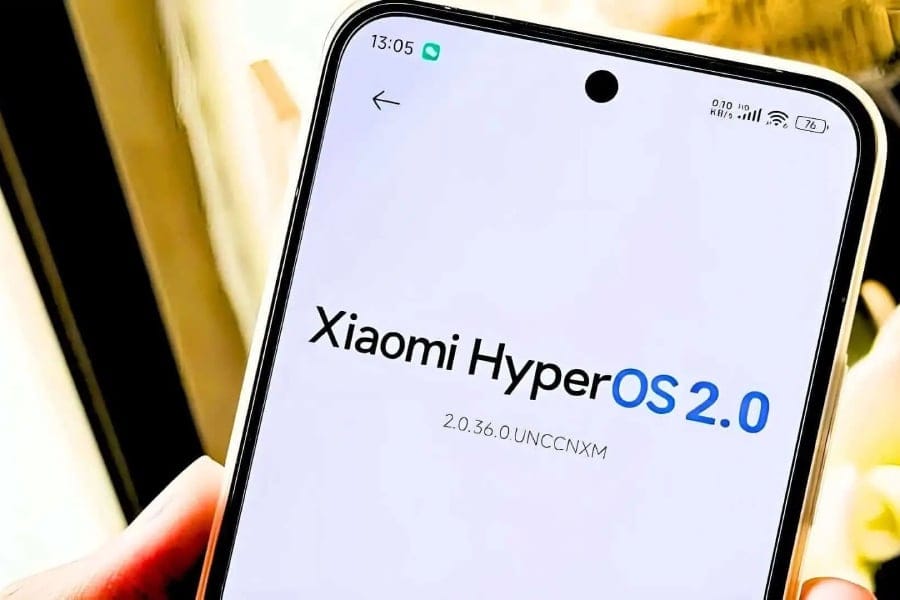
Xiaomi is getting ready to release HyperOS 2.0, which is based on Android 15. Even though the company has not given an official launch date, it’s anticipated that the new operating system will be available this month.
Internal Testing for Multiple Devices
Before the launch, internal versions of HyperOS 2.0 have been found for more than a dozen Xiaomi and Redmi smartphones, including the soon-to-be-released Xiaomi 15 and 15 Pro. The internal build for the Xiaomi 15 has the firmware version OS2.0.1.5.VOCCNXM, while the 15 Pro version is OS2.0.1.2.VOBCNXM. These models are the first ones set to receive the HyperOS 2.0 update.
A Long List of Devices
In addition to the flagship models, testing for HyperOS 2.0 has begun for many other Xiaomi and Redmi devices. These devices are likely to be among the first to receive the update in China. Here’s the list:
However, those outside of China may have to be patient. Reports suggest that HyperOS could launch internationally in December, with a broader rollout potentially taking place in January 2025.
Xiaomi has been promoting its HyperOS platform as a key part of its connected ecosystem, which includes smartphones, tablets, and smart home gadgets. HyperOS 2.0 is expected to introduce several enhancements, such as a redesigned interface, better performance optimizations, and more integration with Xiaomi’s AI functions.
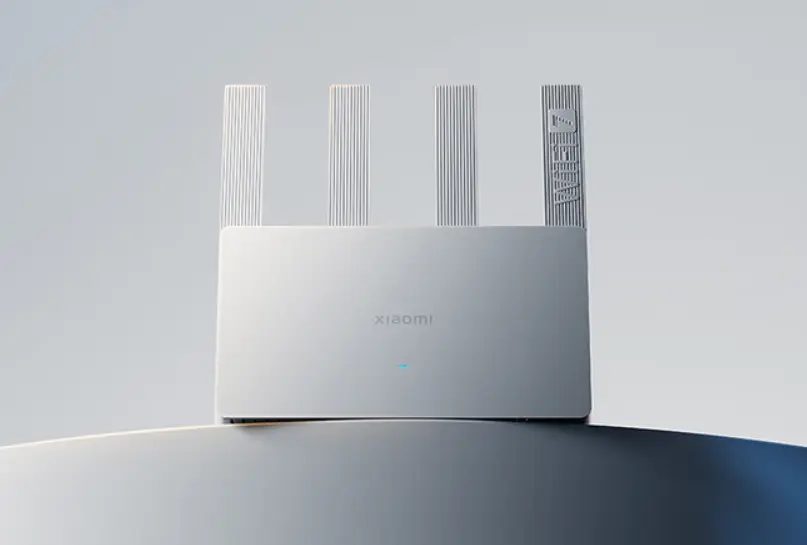
Xiaomi has introduced its budget-friendly WiFi 7 router, the BE3600, in China earlier this year in January. After a lengthy nine-month wait, the router is now available on the global stage, although there hasn’t been much excitement around its launch.
Specifications of the Xiaomi BE3600 Router
The BE3600 router supports a dual-band wireless speed of 3570Mbps. This represents a 44% increase in performance when compared to WiFi 6, largely due to the inclusion of a 5G frequency band that utilizes 2×2 160MHz.
Still, like many low-cost routers, the Xiaomi BE3600 does come with a drawback. It operates solely on the 2.4G and 5G frequency bands, lacking support for the 6GHz band. Consequently, the data transfer speeds are somewhat limited. Xiaomi claims that the 5GHz band can reach a peak of 2,882 MBit/s, while the 2.4GHz band maxes out at only 688 MBit/s.
Performance and Connectivity Features
Under the hood, the router is equipped with a Qualcomm 4-core 1.1GHz processor, delivering a computing performance of 10120 DMIPS. This capability allows it to handle up to 128 devices simultaneously, making it perfect for setups with multiple connected devices.
In terms of connectivity, the Xiaomi WiFi 7 router features one 2.5G network port along with three Gigabit network ports that fully support 2000M broadband. It also provides dual broadband access and dual LAN aggregation, enhancing its usability. Moreover, the router includes customizable ports specifically designed for IPTV and esports, catering to different user requirements.
Pricing Information and Global Release
As of now, Xiaomi has not disclosed the global pricing for the BE3600 WiFi 7 router. The company may announce pricing details for various markets in the near future. We will definitely keep you posted on any updates regarding this matter.
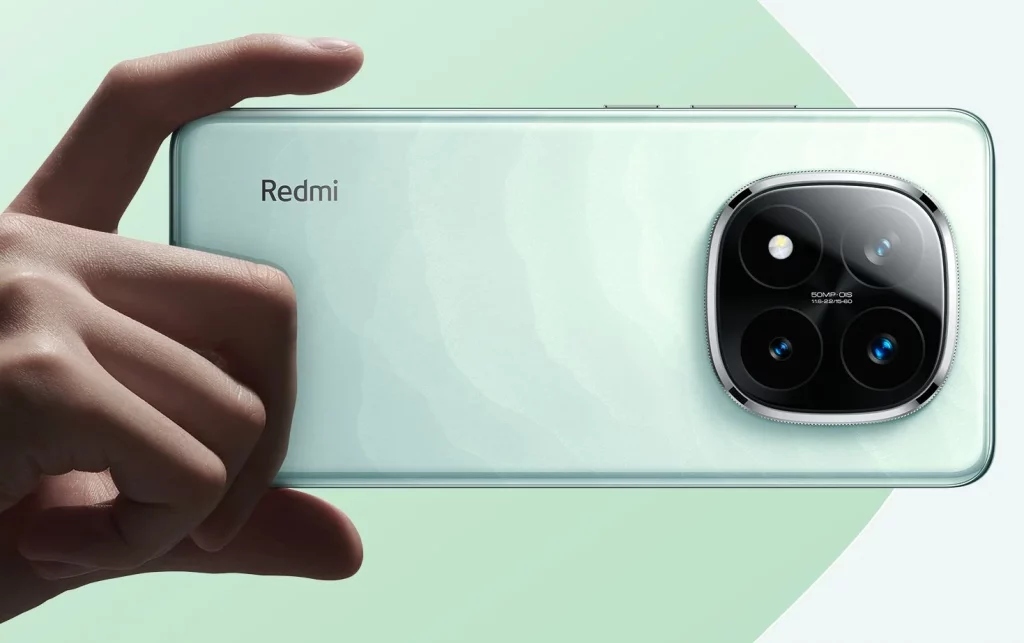
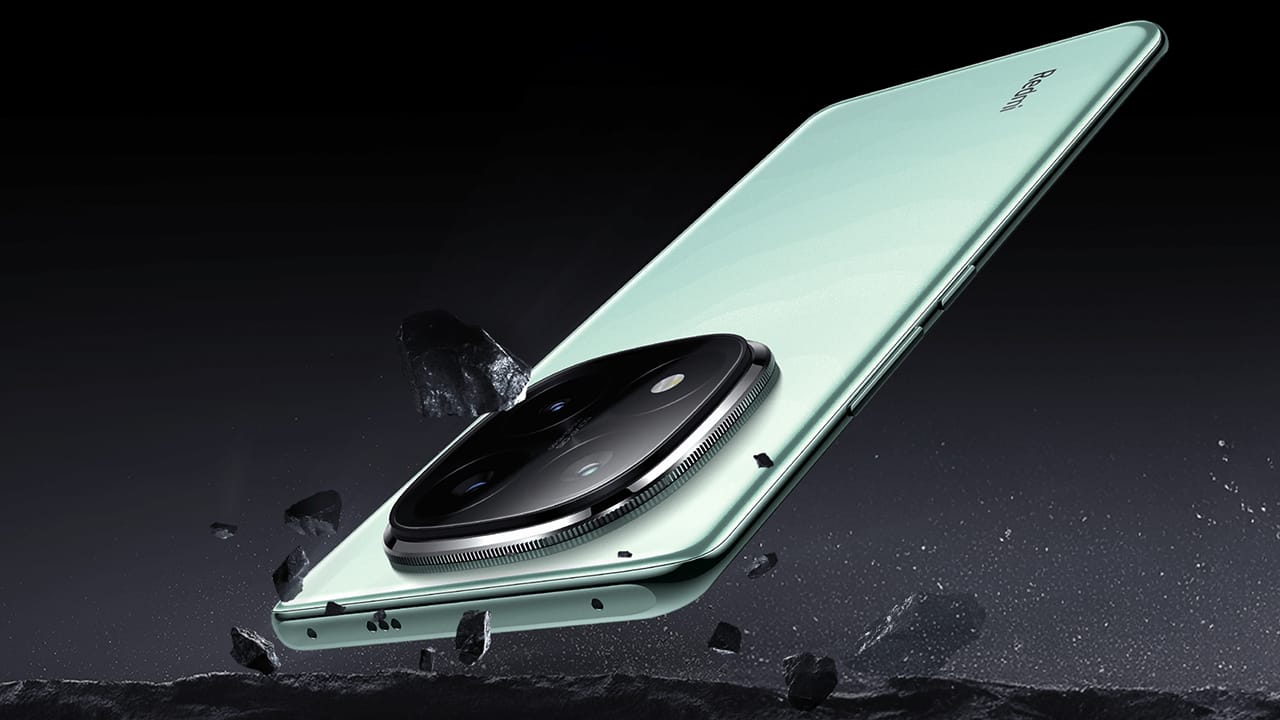
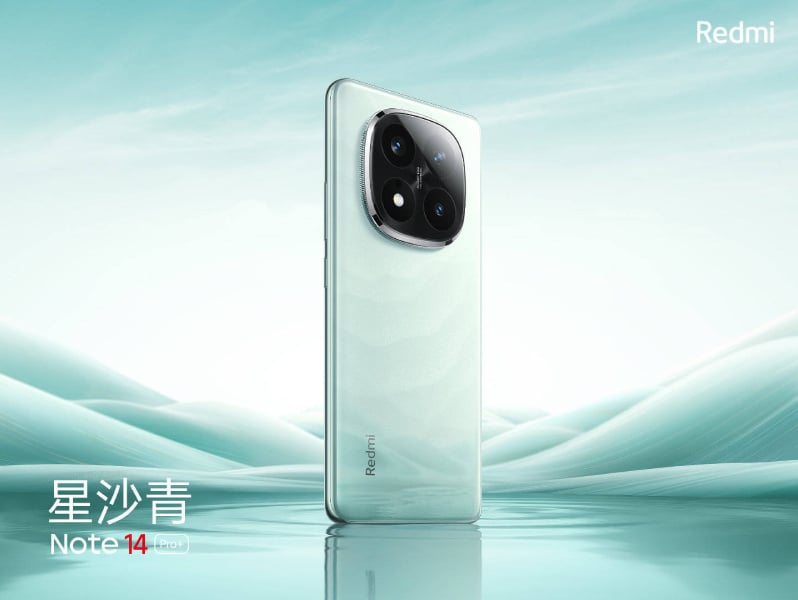
Xiaomi has recently introduced the Redmi Note 14 Pro and Note 14 Pro+ smartphones, with the Pro+ model taking center stage due to its impressive features.
Exceptional Specifications
The Redmi Note 14 Pro+ boasts high-end specifications that distinguish it from other mid-range smartphones, especially in terms of camera capabilities, battery performance, and overall enhancements. This device truly aims to redefine what users can expect from a smartphone in this price range.
Display and Design
One of the most eye-catching elements of the Redmi Note 14 Pro+ is its beautiful curved display. It features a 6.67-inch curved OLED screen that offers a refresh rate of 120Hz, a peak brightness of 3000 nits, and 12-bit color depth for superb color precision.
Moreover, it includes 1920Hz PWM dimming to help reduce flicker and lessen eye fatigue. For added durability, the screen is safeguarded by Corning Gorilla Glass Victus 2, which provides excellent protection against scratches and impacts.
The smartphone is available in three elegant colors: Star Sand Green, Mirror Porcelain White, and Midnight Black, enhancing its premium appearance.
The Redmi Note 14 series was unveiled in China on September 26, featuring three new smartphones. This lineup includes two Pro models designed to provide strong upper mid-range performance. While the camera specifications for these devices look promising, the global versions may differ significantly.
Camera Specifications for Global Models
Xiaomi Time has reportedly accessed the firmware bin files intended for the global versions of the Redmi Note 14 Pro and Note 14 Pro+. Screenshots indicate that the global Pro model will come equipped with a 200 MP Samsung S5KHP3 as its main rear camera. In contrast, the Chinese variant features a 50 MP Sony IMX882 as its primary camera. However, both the ultra-wide and macro cameras on the global Redmi Note 14 Pro are expected to remain unchanged.
Changes in the Pro+ Model
For the Redmi Note 14 Pro++, the Chinese version is equipped with a 50 MP OVX8000 as the primary camera. However, Xiaomi Time suggests that the global variant will also utilize the 200 MP Samsung S5KHP3. An interesting twist is that the international version is rumored to replace the optical telephoto sensor.
According to the bin files discovered by Xiaomi Time, the global Note 14 Pro+ will instead feature a 2 MP OV02B10 macro camera. In comparison, the Chinese model launched with a 50 MP Samsung JN1 sensor that offers 2.5x optical zoom, marking a significant downgrade for the premium phone in this lineup.global Note 14 Pro+ will instead feature
Conclusion
While the information from Xiaomi Time appears credible, it’s wise to remain cautious as this could still be mere speculation. Until Xiaomi officially announces the details for the global Redmi Note 14 series, nothing is confirmed.
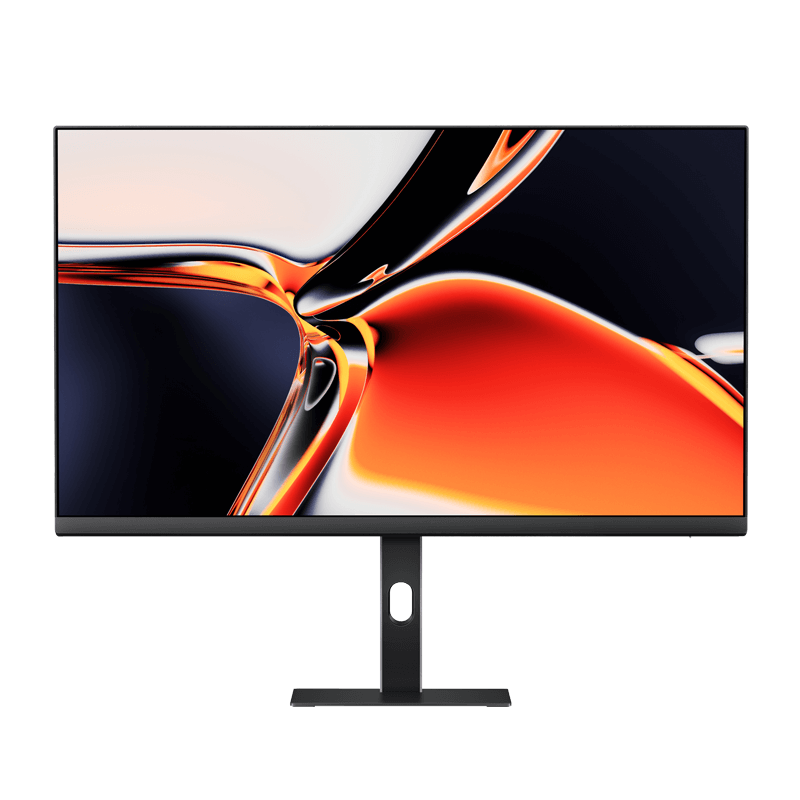
Xiaomi has introduced a new version of the Redmi A27U monitor featuring a USB Type-C port. This new variant follows the launch of the model without the Type-C port in August.
Specifications of the Redmi A27U
The USB Type-C port on the updated Redmi A27U supports DisplayPort Alt Mode, enabling users to easily connect laptops or other compatible devices directly to the monitor, eliminating the need for extra cables. This is great for anyone looking to keep their workspace tidy.
Besides the addition of the USB Type-C port, the new Redmi A27U keeps its impressive features. It boasts a 4K resolution of 3,840 x 2,160, a 16:9 aspect ratio, a 60 Hz refresh rate, and a 6 ms response time. The IPS panel ensures excellent color representation, achieving 95% coverage of the DCI-P3 color space and 100% coverage of the sRGB color space.
Pricing and Availability
The updated Redmi A27U is currently on sale in China for CNY 1,399 (approximately $200), but there is no information yet about its release in other regions.
In other updates, Xiaomi has also launched its first Mini LED gaming monitor globally, named the Mini LED Gaming Monitor G Pro 27i. This 27-inch monitor features a QHD resolution of 2560 x 1440, a 180Hz refresh rate, a 1 ms response time, and supports AMD FreeSync for a smooth gaming experience. Its notable characteristic is the Mini LED backlight with 1,152 local dimming zones, which allows for peak HDR brightness of 1,000 nits and VESA DisplayHDR 1000 certification.
Xiaomi has introduced the Redmi Note 14 series in China. Unlike the Note 14 Pro and Pro+, the standard Note 14 5G features modest upgrades from its previous model. Additionally, its design sets it apart from the more advanced variants. Let’s explore what the Redmi Note 14 has to offer.
Redmi Note 14 5G Features
The Redmi Note 14 5G is equipped with a 6.67-inch OLED display that boasts an FHD+ resolution and a 120Hz refresh rate. The peak brightness has been increased to 2,100 nits when compared to the previous version. The display includes a built-in fingerprint scanner and is protected by Gorilla Glass 5. Furthermore, the phone is rated IP64 for dust and splash resistance. It features a square camera module with slightly rounded corners.
Camera and Performance
For photography, the Redmi Note 14 5G features a 50MP Sony LYT-600 primary camera with optical image stabilization (OIS). This is a reduction from the 108MP sensor of the earlier model. In addition to the main lens, there is a 2MP secondary camera, while a 16MP front camera is available for selfies and video calls.
On the performance side, the Redmi Note 14 5G is powered by a Dimensity 7050 processor, paired with up to 12GB of RAM and 256GB of storage. The device is sustained by a large 5,110mAh battery that supports 45W charging. It runs on Android 14, customized with HyperOS.
Pricing and Availability
The Redmi Note 14 5G starts at CNY 1,199 (~$171) for the 6GB RAM and 128GB storage model. The 8GB RAM with 128GB storage variant is priced at CNY 1,399 (~$199), while the 8GB RAM with 256GB storage option costs CNY 1,499 (~$213). The highest configuration, featuring 12GB RAM and 256GB storage, is available for CNY 1,699 (~$242). The smartphone is offered in three colors: Starry White, Midnight Black, and Phantom Blue.
OnePlus Nord 4 is a robust mid-range smartphone that boasts a strong Qualcomm Snapdragon chipset, a dual rear camera with a 50MP main sensor, and an impressive 5,000mAh battery— the largest seen on a OnePlus device— which supports 100W superfast charging.
The entry-level model of the OnePlus Nord 4, featuring 8GB RAM and 128GB storage, is priced at Rs. 29,999. The 8GB + 256GB option is available for Rs. 32,999, while the premium 12GB + 256GB variant comes in at Rs. 35,999. Though the OnePlus Nord 4 offers great value, there are several competitors in the same price bracket that may provide enhanced features and performance.
Alternative Options Available
I have compiled a list of 7 smartphones that may outperform the OnePlus Nord 4 in various areas. Be sure to check these out before making your next smartphone purchase.
First, let’s quickly review the specifications of the OnePlus Nord 4:
Connectivity: 5G/4G/3G/2G, Bluetooth 5.4, Wi-Fi 6, NFC, USB Type-C 2.0
The Xiaomi 14 Civi is a premium mid-range option and arguably the best competitor to the OnePlus Nord 4. This compact phone features enhanced resolution and brightness, along with Corning Gorilla Glass Victus 2 for added durability. The Snapdragon 8s Gen 3 offers better gaming performance compared to the Snapdragon 7+ Gen 3 in the Nord 4.
In terms of camera quality, the Xiaomi 14 Civi excels with a triple rear camera setup and dual 32MP selfie cameras, allowing for 4K recording, unlike the Nord 4. However, the Nord 4 has a slight edge in battery capacity and charging speed, and it provides better software support with an extra Android upgrade and two additional years of security patches.
Connectivity: 5G/4G/3G/2G, Bluetooth 5.3, Wi-Fi 802.11 a/b/g/n/ac, USB Type-C 2.0
The Vivo T3 Ultra features a larger display with higher resolution and brightness, plus better outdoor visibility due to Schott Xensation Alpha protection. The Dimensity 9200+ chip outperforms the Snapdragon 7+ Gen 3, and the camera setup offers impressive performance. However, the Vivo phone has a less favorable software update policy compared to the OnePlus Nord 4.
Connectivity: 5G/4G/3G/2G, Wi-Fi 802.11 a/b/g/n/ac/6, Bluetooth 5.4, NFC, USB Type-C 2.0
If performance is your top priority, the Poco F6 is a noteworthy option. While it shares a similar display size and resolution with the Nord 4, the Snapdragon 8s Gen 3 chip enhances gaming and processing tasks. Both smartphones offer comparable camera setups, but the Poco F6 has a higher resolution front camera. The Nord 4, however, has a superior battery capacity and charging speed.
Connectivity: 5G/4G/3G/2G, Bluetooth 5.4, Wi-Fi 6, NFC, USB Type-C 2.0
For photography enthusiasts, the Vivo V30 Pro stands out with its impressive camera system. It features three 50MP cameras that excel in various conditions. Although the Dimensity 8200 chip isn’t as powerful as the Snapdragon 7+ Gen 3, it still performs well for casual tasks.
Connectivity: 5G/4G/3G/2G, Bluetooth 5.4, Wi-Fi 6, NFC, USB Type-C 2.0
The Realme GT 6 is a strong competitor, offering a bigger display and higher brightness levels. It is powered by the Snapdragon 8s Gen 3 and features a versatile camera setup. The Realme device also supports faster charging compared to the Nord 4, making it an attractive option.
Connectivity: 5G/4G/3G/2G, Wi-Fi 7, NFC, Bluetooth 5.3, USB Type-C 2.0
For those considering an upgrade, the OnePlus 11 presents superior display quality, enhanced performance, and a more capable camera system. It is powered by the Snapdragon 8 Gen 2, making it a more stable option for gaming and media consumption.
Connectivity: 5G/4G/3G/2G, Wi-Fi 6, NFC, Bluetooth 5.3, USB Type-C 2.0
The Nothing Phone 2 features a unique design with its innovative Glyph UI. It offers a solid performance with its Snapdragon 8+ Gen 1 chip and decent camera capabilities. While it lacks some features like wireless charging speed and battery capacity compared to the Nord 4, it presents a compelling option for those interested in a distinctive smartphone experience.
In conclusion, these are the 7 best alternatives to the OnePlus Nord 4. Are you still inclined towards the Nord 4, or would you consider any of these alternatives for your next smartphone upgrade?
The Redmi Note series has a reputation for providing excellent value, and Xiaomi seems to be enhancing this with the upcoming Redmi Note 14 Pro and Pro+. As the release date approaches next week, the company has introduced a detailed warranty program called the “King Kong Guarantee Service.” Let’s explore what this entails.
Overview of the King Kong Guarantee Service
The King Kong Guarantee comes with five significant benefits. Firstly, it includes a one-year warranty against accidental water damage, which is a great addition since most standard warranties typically do not cover liquid damage. Additionally, if you accidentally crack the screen, you will receive a free replacement within the first year.
Another aspect of the guarantee is the coverage of the battery cover for a year, which is beneficial for users who often drop their phones face down. However, the most remarkable feature is the five-year warranty on the battery. If the battery health falls below 80% or if you encounter performance issues during this period, Xiaomi will replace it at no cost. This is a generous offer, especially since most phone batteries begin to show wear after 2-3 years.
Key Features and Considerations
Moreover, the King Kong Guarantee includes a “365 days replacement without repair” policy. If your phone suffers from hardware failure within the first year, you will receive a brand-new device instead of a repair. Sounds appealing, doesn’t it?
However, there are a few things to keep in mind. Although the specifics haven’t been officially confirmed yet, reports indicate that you may need to pay an additional 595 yuan (approximately USD 85) to activate the King Kong Guarantee service.
Final Thoughts on the Guarantee
On paper, the King Kong Guarantee is certainly impressive. A five-year battery warranty along with accidental damage coverage are features usually found in top-tier flagship phones. Ultimately, whether this guarantee is worth it depends on your personal needs. If you often find yourself dropping your phone, the accidental damage protection and extended battery warranty may be very attractive. Conversely, if you take good care of your devices, the standard warranty could be enough.
We will need to wait for the official launch next week to get complete information regarding the Redmi Note 14 Pro series, including pricing and specific details about the King Kong Guarantee Service. Until then, consider whether you prefer Team King Kong or Team Standard Warranty.
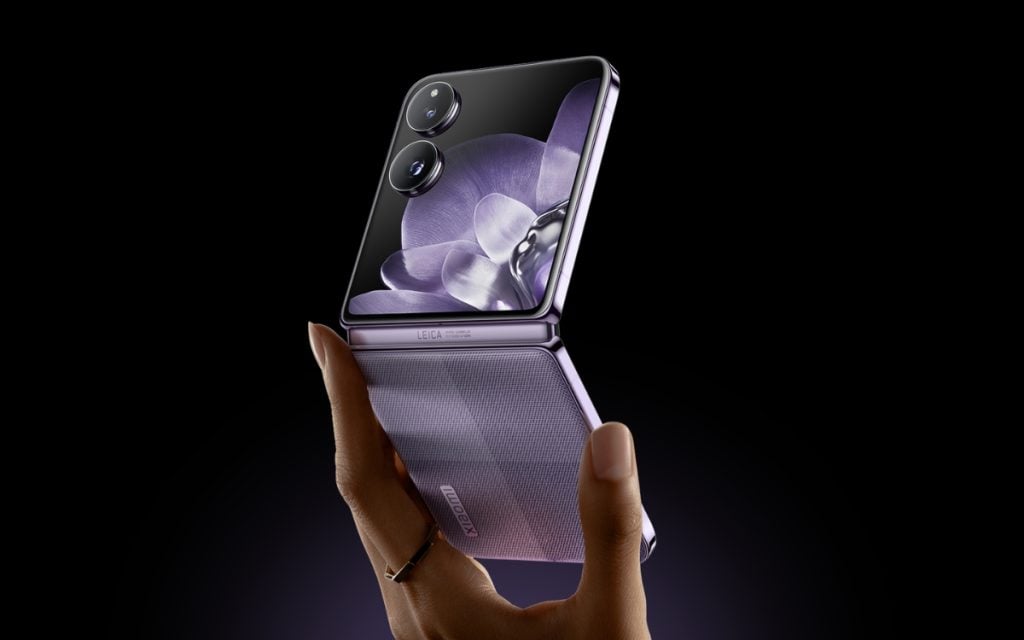
Back in July 2024, Xiaomi introduced its first flip phone, called the MIX Flip. We had the opportunity to review the MIX Flip, noting that it was an impressive first step, though it had some limitations. However, apart from China and a few areas in Europe, the device had not truly launched worldwide. This is about to change, as Xiaomi’s CEO Lei Jun has shared some thrilling updates.
Global Launch of Xiaomi MIX Flip
The CEO announced on X (previously known as Twitter) that the MIX Flip foldable phone will make its global debut this month. Lei Jun hinted at a broader rollout a few months ago, and it seems the launch is imminent. With only 10 days left in September, the MIX Flip may be available worldwide as early as next week.
What to Expect from the Xiaomi MIX Flip
We can anticipate more details will emerge soon. To recap, the MIX Flip boasts a large 6.9-inch OLED main display with a 120Hz refresh rate, 3,000 nits peak brightness, and a resolution of 1.5K. Additionally, the cover display is a 4-inch screen that also features a 120Hz refresh rate and 3,000 nits peak brightness. Inside, it is powered by the Snapdragon 8 Gen 3 SoC, paired with up to 16GB of LPDDR5 RAM and 1TB of UFS 4.0 storage.
A 4,780mAh battery fuels this device and supports 67W wired fast charging. The Xiaomi MIX Flip operates on the Android 14 OS with a custom HyperOS skin right out of the box. In terms of cameras, it includes two 50MP sensors on the back and a 32MP front-facing camera for selfies. It was originally priced at 5,999 Yuan, which is about 825 US Dollars, so the international pricing may be around this amount. India is also a significant market for the brand, suggesting that a release there might be coming soon. This information is still speculative, so stay tuned for further updates.
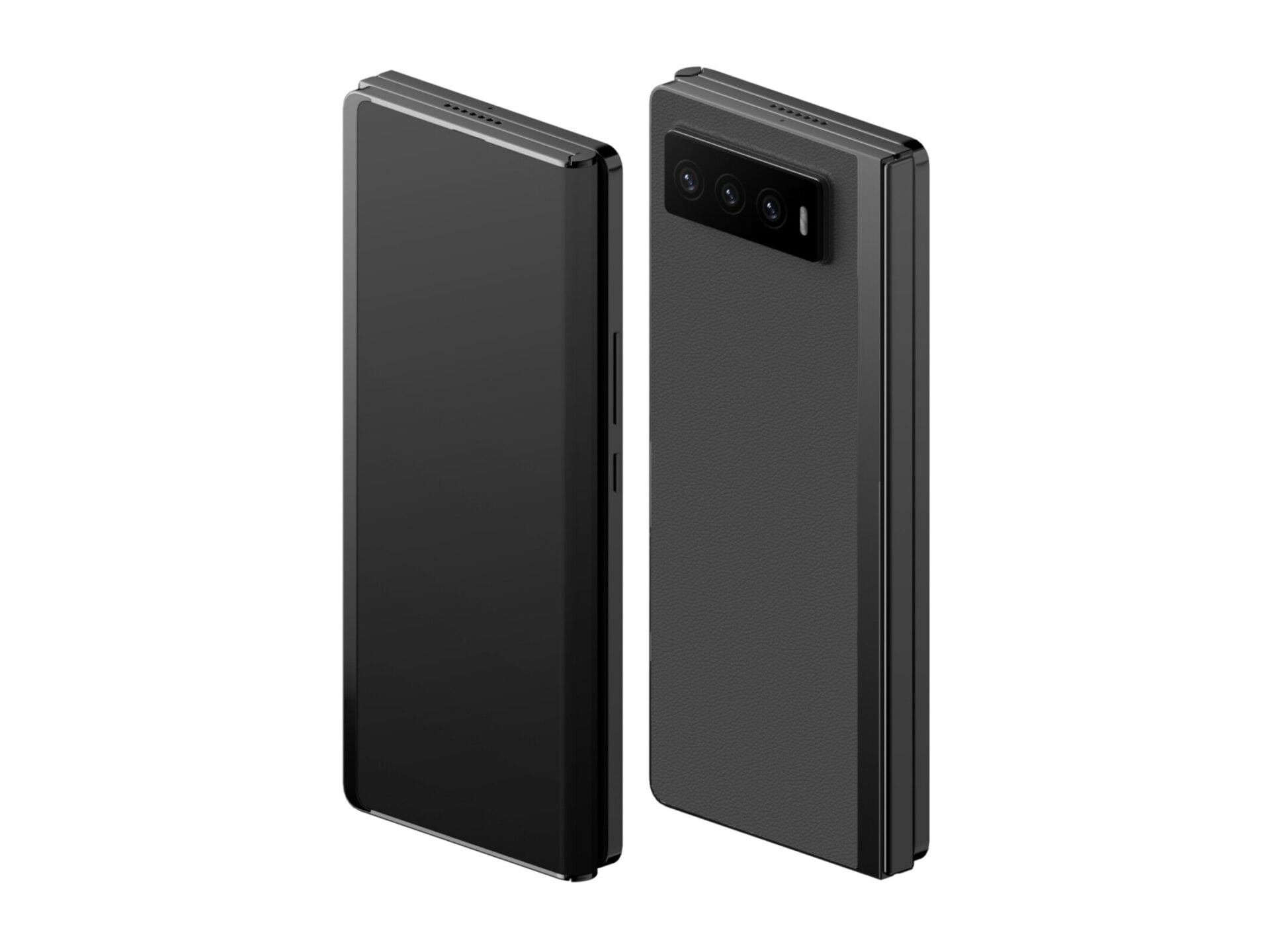
According to the well-known leaker Digital Chat Station, Xiaomi has developed a patent for a tri-fold smartphone, possibly in response to Huawei’s pioneering model. The tipster has revealed a render that seems to illustrate the device’s potential features, highlighting both similarities and differences with the Mate XT.
Design Similarities and Differences
From the shared images, it’s evident that both smartphones utilize a similar folding mechanism. They include a second hinge that allows the first third of the device to function as a front display when closed. However, Xiaomi’s design appears to feature a camera bump reminiscent of the early Mix Fold.
Upon further examination, the rear of the device exhibits a leather-like finish, akin to the OnePlus Open in Voyager Black, which is currently priced at $1,299.99 on Amazon. In contrast, the Mate XT also sports a vegan leather finish but has a noticeably larger camera bump, resembling that of the conventional 60 RS model.
Xiaomi’s Strategic Focus
Although Xiaomi has made strides in the tri-fold market, it seems the company will focus on enhancing its Mix Fold and Flip series for the time being. There is a clear hesitation to invest in a new form-factor that could potentially retail for around $2,800 in the near future, indicating a cautious approach to new technology.