Tag: Tesla Model 3

  • Tesla Model 3 Uber Hits 255,000 Miles with Little Range Loss

    Tesla Model 3 Uber Hits 255,000 Miles with Little Range Loss

    Key Takeaways

    1. High Mileage Achievement: A 2021 Tesla Model 3 reached approximately 255,000 miles on its original battery and motor, impressing repair shop experts.

    2. Battery Performance Insights: The Model 3 only lost about 12% battery capacity after high mileage, showing minimal degradation over time compared to a similar vehicle.

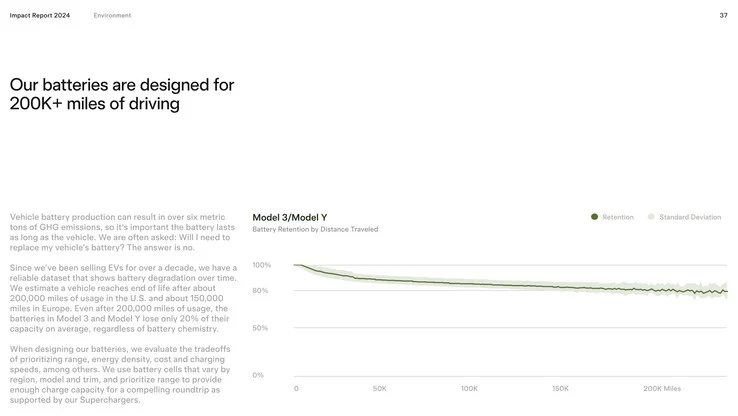
    3. Degradation Pattern: EV battery degradation is significant in the first 50,000 miles, then stabilizes for the vehicle’s lifespan, according to both Tesla data and user experiences.

    4. Charging Habits: The owner used fast DC chargers for 30% of charging sessions, while the rest were done with AC home chargers, showing that full charging is less harmful to battery health.

    5. Cost Savings: The owner saved around US$24,000 in fuel costs since 2021, highlighting the financial benefits of owning an electric vehicle versus traditional internal combustion engines.


    After numerous older Model S cars covered a remarkable distance using their original battery and motor, the spotlight is now on Tesla’s latest sedan, which is also showcasing impressive longevity with minimal upkeep.

    High Mileage Achievement

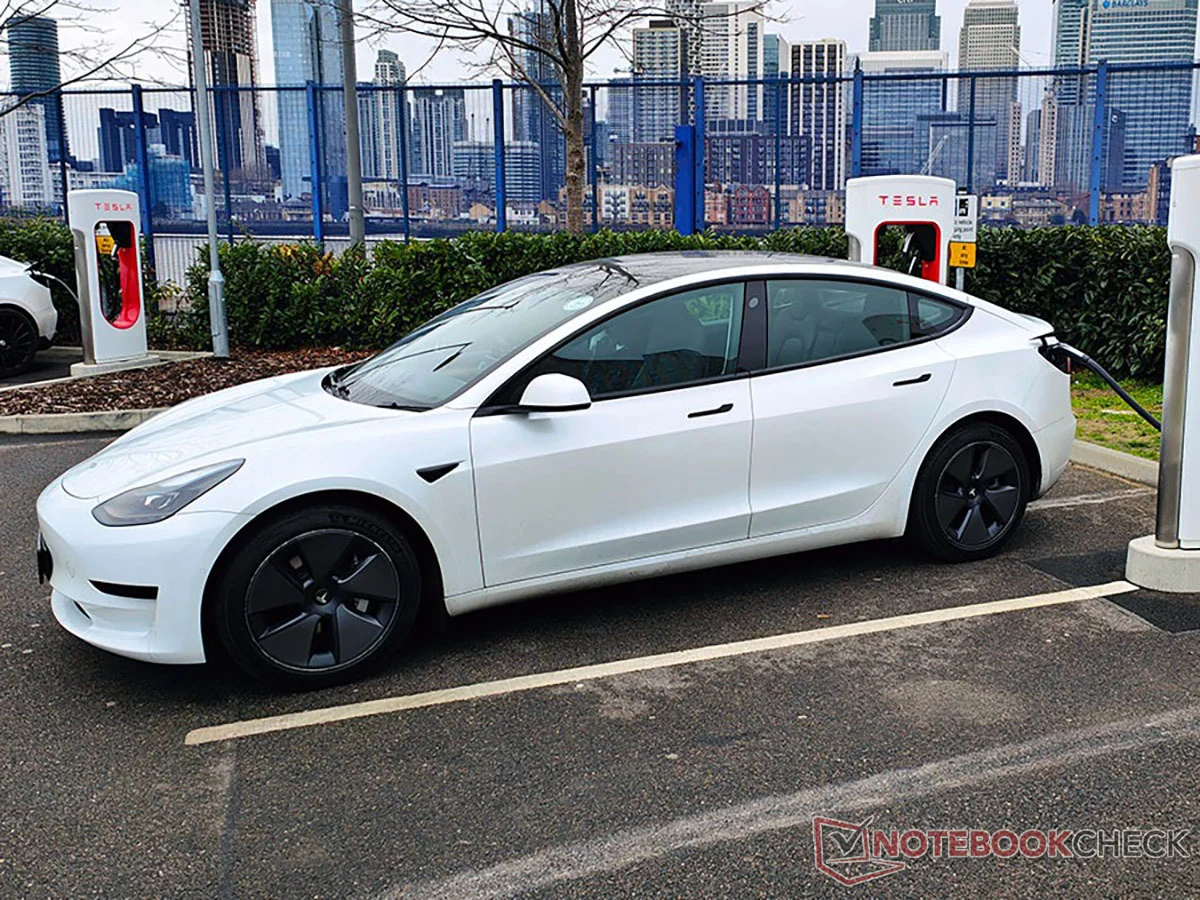
    A 2021 Tesla Model 3 was found to have worn mount bushings after its journey of around 255,000 miles using its original motor and battery. The repair shop expressed amazement at the electric vehicle’s performance, which even served as an Uber, and inquired if they could share and publish the battery statistics.

    Battery Performance Insights

    Surprisingly, even with the high mileage on the RWD Model 3’s original battery, it only lost about 12% of its initial capacity. In comparison, a different Model 3 that had achieved 150,000 miles showed a 10% degradation, suggesting a minimal capacity loss over the subsequent 100,000 miles.

    Both Tesla’s official data and personal experiences show that the degradation of EV batteries tends to be significant during the first 50,000 miles, then stabilizes for the rest of the vehicle’s useful lifespan.

    Charging Habits and Costs

    The owner of the high-mileage Model 3 utilized fast DC chargers for about 30% of the charging sessions, while the remainder was done using AC home chargers such as the 80A Tesla Gen 2 Wall Connector. The LFP battery chemistry permits charging to 100% without much increase in degradation compared to partial charging.

    Since the owner noticed a sudden jolt when accelerating, they brought the Model 3 to the shop. It turned out the original motor was still in good condition, but the mount bushings needed replacement, marking their first major visit to the shop. Meanwhile, considering fuel costs, they saved roughly US$24,000 in fuel expenses since 2021, not including other typical maintenance that internal combustion engine vehicles require.

    Source:
    Link


  • Tesla Launches New Model 3 Plus with Longest Range in China

    Tesla Launches New Model 3 Plus with Longest Range in China

    Key Takeaways

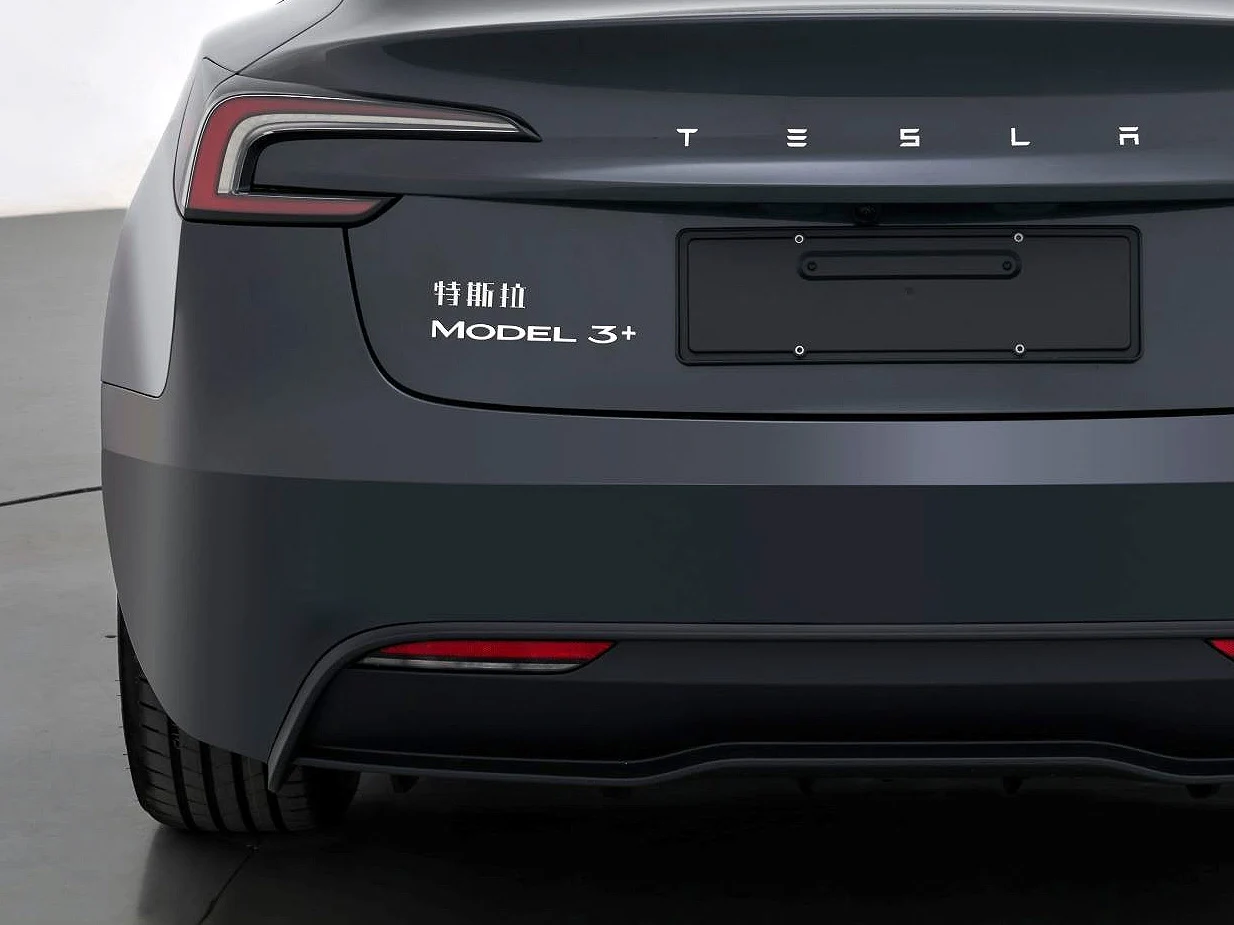
    1. Tesla is launching a new Model 3 variant called the Model 3+ in China, offering improved specifications.
    2. The Model 3+ is expected to have a range exceeding 800 km (498 miles) on a single charge, surpassing the current Long Range AWD model.
    3. It will feature a single rear motor with 225 kW (301 hp) and use the same LG ternary battery pack as the Long Range AWD version.
    4. The Model 3+ is set to be released in September and will be the longest-range vehicle Tesla offers in China.
    5. The range figures are based on the CLTC cycle, which may inflate numbers compared to EPA estimates used in the US.


    Tesla is set to launch a new variant of the Model 3 in China, called the Tesla Model 3+. This new model will offer improved specifications compared to the current Highland refresh lineup available in the region.

    Current Offerings

    At present, Tesla provides a single-motor AWD variant that boasts a tested range of 634 kilometers (393 miles) on the local CLTC cycle. Additionally, there is a dual-motor AWD Model 3 that enhances the range to 753 km, alongside the Performance model, which is more sport-oriented.

    Expectations for the Model 3+

    The upcoming Model 3+ is anticipated to surpass the Long Range AWD model in terms of how far it can travel on just one charge. A recent certification filing from the Ministry of Industry and Information Technology (MIIT) suggests that the Model 3+ will utilize the same LG ternary battery pack as the LR AWD version. However, it will feature a single rear motor that produces 225 kW (301 hp).

    The new Model 3+ will essentially mirror the existing Long Range AWD trim, but without the front motor. This design choice is expected to reduce the vehicle’s weight and enable a range exceeding 800 km or 498 miles on a single charge.

    Release Timeline and Market Impact

    Insiders suggest that the Model 3+ will hit the market in September, making it the vehicle with the longest range that Tesla offers in China. The only other option available for import is the Model S Plaid, which has a range of 672 km on a single charge.

    It’s important to note that all these range figures are based on the local CLTC cycle, which tends to include more urban driving scenarios than the stricter EPA estimates used in the US. In reality, EPA range tests have shown to be much closer to actual driving conditions, whereas CLTC often inflates the numbers by about a third. Therefore, it’s possible that the Model 3+ will be similar in range to the current base RWD version sold in the US.

    Tesla previously offered a Long Range RWD version in China a few years ago, but that had a smaller battery pack and a shorter range. The rollout of this longest-range vehicle, along with the six-seat Model Y L, seems strategically planned to enhance sales in China during the crucial last quarter of the year.

    Source:
    Link


  • Model 3: Free Supercharging & 0% APR Financing with FSD

    Model 3: Free Supercharging & 0% APR Financing with FSD

    Key Takeaways

    1. Tesla has reintroduced 0% APR financing for the Model 3, with leases starting at $299/month and a 5% down payment required.
    2. The $7,500 federal tax credit for electric vehicles is set to expire on September 30, prompting Tesla to boost demand with new promotions.
    3. Buyers can only access the 0% APR financing if they purchase or transfer the Full Self-Driving (FSD) feature; otherwise, the rate is 2.49%.
    4. Customers who buy a Model 3 from July 17 onward will receive 18 months of free Supercharging, offering potential savings.
    5. Inventory Model 3s now include one complimentary upgrade option, such as free color or larger wheels, along with the same 18-month free Supercharging offer.


    Tesla has unveiled several new offers for the Model 3 that are intended to last for a short period, although there is no specific end date mentioned in the details.

    Financing and Leasing Options

    The 0% APR financing option for the Model 3 sedan from last quarter has returned, with leases starting at $299 per month. This zero-interest financing is available for terms of up to 60 months and requires only a 5% down payment. Buyers can also apply their federal tax credit of $7,500, if they qualify.

    This tax credit is set to expire on September 30, so Tesla is clearly pushing hard with promotions to boost demand before the government eliminates all electric vehicle subsidies.

    New Incentives for Buyers

    As Tesla expands its Robotaxi ride-share platform for current owners, it has also found a way to attract Model 3 buyers to opt for the Full Self-Driving (FSD) feature. The 0% APR financing rate is only available if they purchase FSD or transfer it from a previous vehicle. If not, the interest rate remains a low 2.49%, similar to the current promotion for the Model Y.

    Since many Tesla enthusiasts are now leaning towards the new 2026 Model Y instead of the Model 3, the company is adding another appealing benefit to the financing offer. Buyers who purchase a Model 3 from July 17 onward can enjoy free Supercharging for the first 18 months, which could result in significant savings based on how much they drive.

    Additional Offers and Discounts

    These terms are even more favorable compared to the similar offer Tesla launched in Canada a few weeks ago, which only provided Canadian customers with one year of free Supercharging.

    Additionally, Tesla is now extending the same complimentary upgrade option on inventory Model 3s that it has for the Model Y. Model 3 units listed in their inventory now come with one upgrade at no charge, whether it’s a free color or larger wheels.

    For example, a fully equipped Model 3 Long Range Rear-Wheel Drive with a premium black and white interior and the larger 19″ Nova Wheels is priced at $44,990, which is $2,000 less than its usual price, matching the aggressive pricing of the Ultra Red color.

    However, unlike the Model Y inventory, we didn’t find any interior upgrades available for the current Model 3 options, just free colors and wheels. The 18-month free Supercharging offer also applies to these inventory Model 3 vehicles.

    Source:
    Link

  • Tesla Recalls 48 Model 3 and Model Y for Loose Seat Fasteners

    Tesla Recalls 48 Model 3 and Model Y for Loose Seat Fasteners

    Key Takeaways

    1. A recall affects a limited number of 2026 Tesla Model 3 and Model Y vehicles due to incorrectly installed front seat fasteners.
    2. The affected vehicles were manufactured between April 3 and May 7, 2025, including 18 Model 3s and 30 Model Ys.
    3. The issue arose from a change in production, where a critical step in the seat fastener torque check was skipped.
    4. Customers may notice signs like rattling seats and can check if their vehicle is affected using Tesla’s VIN Recall Search tool.
    5. The remedy involves a free visit to a Tesla service center for proper assessment and adjustment of the fasteners, with no reported injuries or deaths related to the issue.


    A limited number of 2026 Tesla Model 3 and Model Y vehicles are being recalled. According to documents submitted to the National Highway Traffic Safety Administration (NHTSA), the recall is due to front seat fasteners that were installed incorrectly.

    Details of the Recall

    The affected vehicles were made between April 3 and May 7, 2025, and include 18 Model 3s and 30 Model Ys, which feature both standard and Performance versions.

    Tesla has identified that the issue arose from a change in their production process, which involved skipping a critical step in the final seat fastener torque check. This alteration could result in the car leaving the factory with some fasteners either loose or entirely absent, meaning the seats may not hold passengers securely in case of an accident.

    Signs and Solutions

    Tesla mentions that customers might notice signs such as rattling seats. Owners can verify if their Model 3 or Model Y is part of the recall by checking their VIN on Tesla’s VIN Recall Search tool.

    The remedy will necessitate a visit to a Tesla service center, where technicians will assess the seat and either properly torque or replace the fasteners as necessary. This service comes at no cost, as the vehicles are still under warranty.

    Safety Status

    As of now, Tesla has not reported any injuries or deaths linked to the fasteners. The initial case was found by service technicians in May.

    Source:
    Link

  • SPE Automotive Conference: Eco-Friendly Car Manufacturing Insights

    SPE Automotive Conference: Eco-Friendly Car Manufacturing Insights

    Key Takeaways

    1. Keynote Speaker and Event Details: Casey Putsch will discuss car design with composite materials at the 25th Annual Composites Conference and Exhibition in Novi, Michigan, from September 3-5, 2025.

    2. Carbon Emissions in Car Production: Car manufacturing, including electric vehicles like the Tesla Model 3, produces significant CO2 emissions, emphasizing the need for environmentally friendly alternatives.

    3. Opportunities for Improvement: Putsch highlights that outdated design practices lead to poor material choices, and his prototype Omega showcases how advanced composites can create efficient and eco-friendly vehicles.

    4. Benefits of the Omega Prototype: The Omega achieves over 100 mpg, has lower emissions than the Tesla Model 3, and is lighter due to recyclable composite materials, reducing manufacturing carbon footprints.

    5. Aerodynamic Features for Efficiency: The Omega uses innovative design elements, such as digital cameras instead of mirrors and a Kammback shape, to improve aerodynamics and fuel efficiency.


    Keynote speaker Casey Putsch will talk about how to think about designing cars with composite materials at the 25th Annual Composites Conference and Exhibition. This event will be hosted by the Society of Plastics Engineers in Novi, Michigan, from September 3-5, 2025. People can sign up to attend the ACCE 2025 for a fee of $200 to $800 to discover the newest composite materials for vehicles.

    Carbon Emissions in Car Manufacturing

    Car production and usage release a lot of carbon emissions. For instance, Tesla thinks that the CO2 produced by its Model 3/Y cars ranges from 72 to 116 grams per mile. This figure doesn’t take into account the CO2 from other activities like designing, testing, and selling. Electric vehicles (EVs) can emit less CO2 compared to traditional combustion engine (ICE) cars, especially when looking at popular models such as the Tesla Model 3 in contrast to the Toyota RAV4.

    Opportunities for Improvement

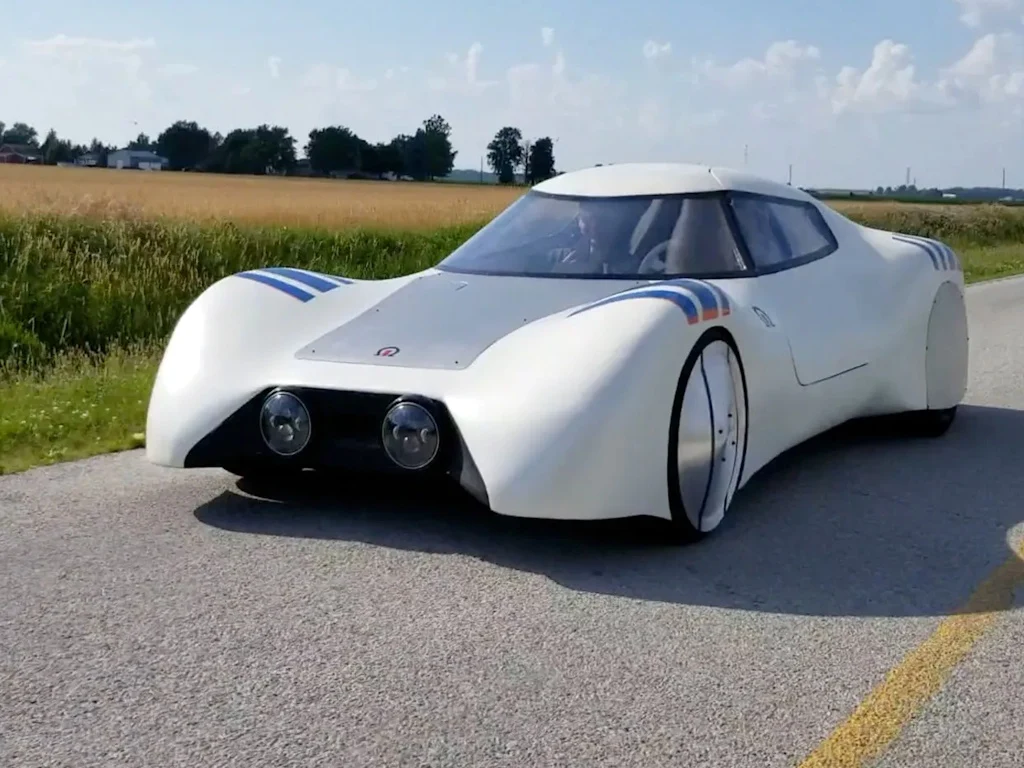
    Putsch has pointed out that outdated design ideas and market pressures have resulted in subpar material selections and vehicle designs that could see major enhancements. He has developed a prototype called the Omega, a two-seater that utilizes advanced composite materials, which “could help in the mass production of chic and affordable vehicles that are energy-efficient and kinder to the environment, even when using standard internal combustion engine technology.”

    The Advantages of the Omega

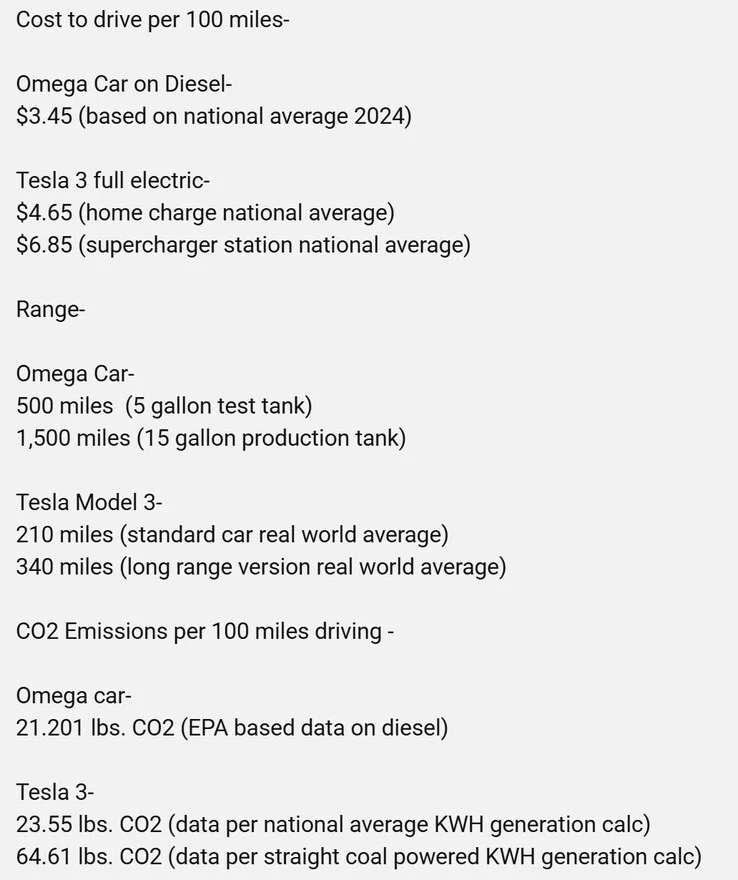
    The Omega achieves over 100 mpg with a conventional Volkswagen turbo diesel engine, while also producing lower energy generation emissions compared to the Tesla Model 3. The carbon emissions from manufacturing and recycling at the end of the vehicle’s life are also reduced due to the use of lighter composite materials that can be recycled more easily than fiberglass or carbon fiber.

    Moreover, the Omega doesn’t require a battery pack weighing around 1,000 pounds like the Tesla. Intelligent design choices help to lower the vehicle’s weight, such as using seat cushions that are directly attached to the rear bulkhead.

    Aerodynamics and Fuel Efficiency

    Additionally, the Omega features effective aerodynamic designs to enhance fuel efficiency. It incorporates digital cameras instead of side mirrors for better visibility, and its wheel covers are designed as non-rotating, non-vented ‘pizza pans’ to facilitate smoother airflow. The rear of the vehicle employs a Kammback design to minimize drag.

    Source:
    Link


  • BYD Tops Tesla Sales in Europe as Vet Crushes Model 3 with Tank

    BYD Tops Tesla Sales in Europe as Vet Crushes Model 3 with Tank

    Key Takeaways

    1. Tesla’s deliveries in Europe have significantly declined, with a 46% drop in Germany and 62% in the UK compared to last year.
    2. Despite overall electric vehicle sales rising by 28% in Europe, Tesla’s market share has fallen, even in strong markets like Norway.
    3. BYD has experienced remarkable growth, with a 750% increase in sales in Germany and over 300% in the UK, surpassing Tesla for two consecutive quarters.
    4. Consumer perception of Tesla is changing, as BYD’s sales figures nearly match Tesla’s in the UK, signaling a shift in preference.
    5. A unique stunt involving a WWII veteran driving a tank over a Tesla Model 3 highlights the declining brand image and market position of Tesla.


    The forecast that BYD will outsell Tesla in electric cars this year appears to be becoming a reality.

    Declining Tesla Shipments

    In Europe, Tesla’s deliveries have hit a several-year low, particularly in key markets like Germany and the UK, even as overall electric vehicle sales are booming. In the first quarter, Tesla attributed this trend to seasonal factors and suggested that demand might be delayed due to the staggered release of their new Model Y and necessary factory shutdowns for updates.

    Now, with Tesla’s sales dropping by 46% in Germany compared to last April and a staggering 62% decline in the UK, that reasoning seems to be losing credibility. Sweden experienced an 80% fall in Tesla sales, France saw a 59% drop, and Spain faced a 36% decrease. Even in Norway, a stronghold for electric vehicles in Europe, Tesla’s share has fallen from 18% to 11%.

    BYD’s Remarkable Growth

    This decline occurs alongside a 28% rise in EV sales across Europe, with VW and BYD making notable gains. BYD’s sales in Germany skyrocketed by 750% compared to last April, despite facing a 10% general import tariff and a 17% specific tariff imposed by the EU. BYD has now surpassed Tesla in electric car sales for two consecutive quarters and is on track to potentially achieve its first full year as the leading electric car manufacturer globally by 2025.

    In the UK, BYD achieved an impressive over 300% increase in sales year-on-year last month, nearly matching Tesla’s sales figures, indicating a significant change in consumer perception of the Tesla brand.

    A Unique Stunt

    To emphasize this shift, a 98-year-old WWII veteran drove a Sherman tank over a Tesla Model 3. The spectacle involved the tank crushing the Tesla’s windshield, flattening its roof and pillars while climbing over the vehicle.

    Interestingly, the Model 3 didn’t end up entirely destroyed by the 30-ton war machine, but it was amusingly converted into a convertible, if only for a brief moment during the tank’s passage.

    Source:
    Link

  • Tesla Model 3: 0% APR Financing, Free Colors & White Interior

    Tesla Model 3: 0% APR Financing, Free Colors & White Interior

    Key Takeaways

    1. Tesla has reintroduced a 0% APR financing option for the Model 3 to boost sales amid competition from the Model Y.
    2. The new financing terms are more flexible, offering 0% APR for 3-year, 4-year, and 5-year loans with a 15% down payment.
    3. Buyers can use the federal tax credit as part of the down payment, and the promotional rates are available for well-qualified buyers after April 24, 2025.
    4. Purchasers of the Model 3 Performance version will receive $2,000 worth of additional options for free, enhancing the vehicle’s appeal.
    5. The FSD transfer offer remains available for those upgrading from older Model 3s to the latest hardware for unsupervised FSD capabilities.


    The last time Tesla presented a 0% APR financing offer, it was attempting to enhance Model 3 sales, which were declining due to the new Model Y launch and general issues with the brand.

    New Financing Terms

    Now, the 0% APR financing option for the Model 3 is back, and it’s accompanied by more attractive conditions and some added perks. Previously, last month, the zero interest rate financing was restricted to a 5-year loan with a 15% down payment, even though sales of the electric sedan had dropped leading up to the Model Y Juniper refresh.

    Expanded Financing Options

    The sales of the Model 3 may still need a boost, as Tesla is rolling out a much broader 0% APR financing offer. This time, the zero interest financing is available for all popular loan terms: 3-year, 4-year, and 5-year.

    Buyers of the Model 3 still need to pay at least 15% of the car’s price upfront, but they can utilize the federal tax credit discount for their down payment, Tesla mentions. The company clarifies that these are “promotional rates valid for well-qualified buyers with excellent credit who order Model 3 after April 24, 2025,” indicating that the 0% APR financing might extend until the end of the quarter, similar to the new free FSD transfer offer.

    Special Offers for Model 3 Performance

    To make the deal even better, those purchasing the high-end Tesla Model 3 Performance version will receive $2,000 worth of options at no additional cost. This includes the Deep Blue Metallic and Pearl White multi-coat colors, as well as a black and white interior, each valued at $1,000, when buying a Model 3 Performance.

    Instead of providing a direct $2,000 discount like it does for the new Model Y for buyers coming from older legacy models, Tesla is offering these options for free. However, the FSD transfer offer is still available for those upgrading from an older Model 3 to the HW4 suite of cameras and computer, which will allow operation of unsupervised FSD without any retrofitting.

    Source:
    Link

  • Mercedes CLA Sedan vs Tesla Model 3: 400-Mile Range and Specs

    Mercedes CLA Sedan vs Tesla Model 3: 400-Mile Range and Specs

    Key Takeaways

    1. Mercedes targets Tesla Model 3 as main rival for the new CLA electric sedan, priced about $10,000 higher but offering more value.
    2. The CLA features an 85 kWh battery, achieving a range of 694-792 km, significantly surpassing the Model 3’s 530 km range.
    3. Fast charging capabilities allow for 200 miles of range in just 10 minutes using a high-power charger, with a typical charge from 10% to 80% taking about 22 minutes.
    4. Advanced engineering includes a Disconnect Unit (DCU) for enhanced efficiency, smart recuperation methods, and a low drag coefficient of 0.21 for better range.
    5. The CLA introduces the Mercedes-Benz Operating System (MB.OS) for advanced software functionality, including over-the-air updates and generative AI capabilities for driver interaction.


    At the recent event announcing the new Mercedes CLA electric sedan, the CEO of Mercedes-Benz openly stated that the main rival they are targeting is the Tesla Model 3.

    While it is true that the Mercedes CLA comes with a price tag that’s about $10,000 higher than the Model 3, it provides significantly more value for that extra cost.

    Impressive Battery and Range

    Equipped with a substantial 85 kWh battery and boasting impressive efficiency, the CLA achieves a range of between 694-792 km (WLTP) on a single charge. In contrast, the Model 3 can only manage 530 km under the same testing conditions. When the Mercedes CLA launches in the US next quarter, it will be one of the electric vehicles with the longest range per charge, potentially achieving an EPA estimate of up to 420 miles.

    This model marks the first electric vehicle built on the Mercedes Modular Architecture platform, designed for mass production. It features an 800V powertrain system, allowing for quicker charging and more efficient motors, providing up to 200 miles of range in just 10 minutes when using a 320+ kW charger like Tesla’s V4 Superchargers, or 9 hours with a home charging solution like the Tesla Wall Connector.

    Fast Charging and Performance

    A typical charging session from 10% to 80% takes about 22 minutes, which is faster than what Tesla’s 800V Cybertruck can achieve, as its 4680 battery lags behind other charging technologies.

    The rear-wheel drive (RWD) version of the Mercedes CLA delivers 268 horsepower, while the all-wheel drive (AWD) variant is rated at 349 hp, reaching 0-60 mph in just 4.8 seconds. Interestingly, the range of the AWD model, named CLA 350 4MATIC with EQ Technology, is only marginally less than that of the RWD model.

    Mercedes attributes this efficiency to the introduction of the Disconnect Unit (DCU), which is being used in a car for the first time within its C-class lineup. The 107 HP front electric motor is only activated during crucial moments of acceleration or when traction is needed, and it shuts down immediately after, which can “reduce parasitic losses at the front axle by up to 90 percent and enhances electric range.”

    Advanced Engineering Features

    To achieve the remarkable efficiency of the Mercedes CLA and surpass the Tesla Model 3’s range, there are various engineering innovations in place, such as smart recuperation methods during braking and a record low drag coefficient of 0.21.

    Mercedes claims that the CLA provides an exceptionally quiet and smooth ride, with its larger size allowing for increased passenger and cargo space. Inside, buyers can choose to have up to three screens, including an option for passenger displays or head-up displays.

    Perhaps the most intriguing aspect of the new CLA is its focus on software functionality. This vehicle is the first to use the Mercedes-Benz Operating System (MB.OS), which integrates infotainment and driver-assist features. Over-the-air (OTA) updates will allow drivers to access new functions as they become available. The car’s MBUX Virtual Assistant also utilizes generative AI capabilities from ChatGPT and Google Gemini, enabling it to engage in fluid conversations with the driver on any topic needed.

    Mercedes will also provide a smaller 58 kWh battery option at a lower price point, along with a hybrid version featuring a petrol engine for those who aren’t ready to make the full transition to electric just yet.

    Source:
    Link

  • This Chinese EV Could Challenge Tesla Model Y Dominance

    This Chinese EV Could Challenge Tesla Model Y Dominance

    Key Takeaways

    1. Tesla is facing increasing competition in China, particularly from Xiaomi’s electric vehicles.
    2. In January, Tesla sold 8,000 Model 3s, while Xiaomi’s SU7 outsold it with 22,000 units sold.
    3. The Xiaomi SU7 offers features like a larger battery, better driving range, and a lower price point than the Model 3.
    4. Demand for the Xiaomi SU7 is rising, indicated by a significantly longer wait time for delivery.
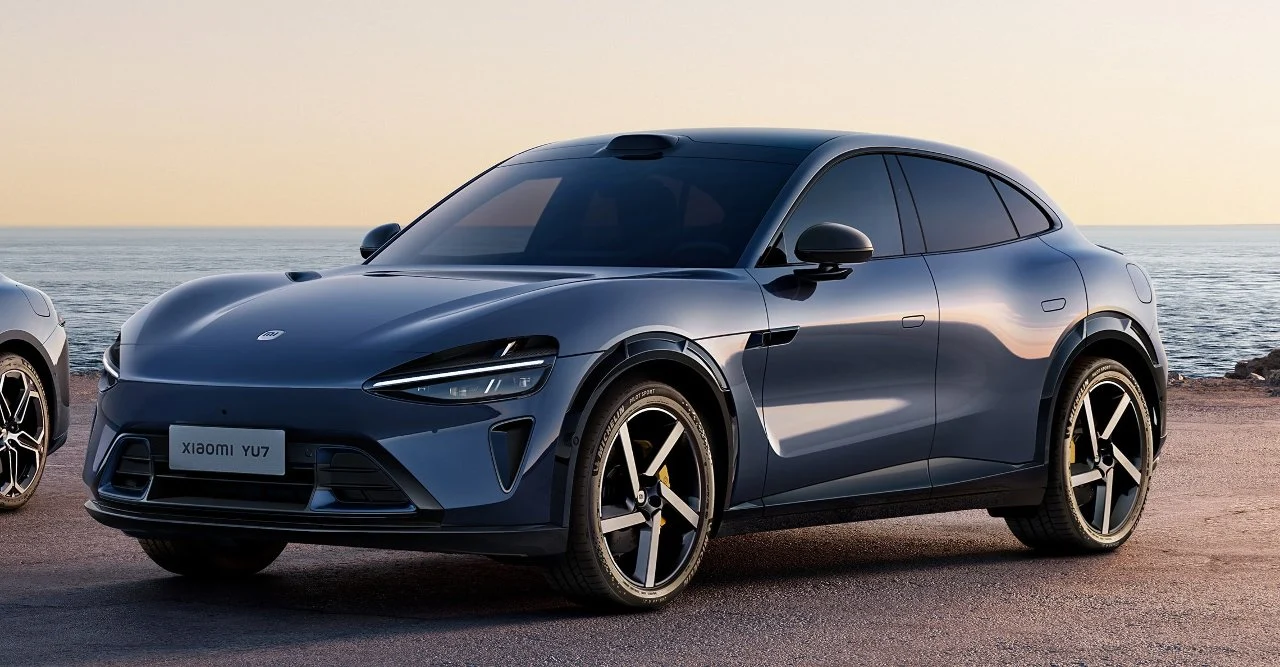
    5. Xiaomi plans to release the YU7 later this year, which may challenge the Tesla Model Y in sales.


    Competition in the electric vehicle (EV) market is intense worldwide, but Tesla is feeling particularly challenged in China. In January, the Model 3 was outperformed by the Xiaomi SU7, and the upcoming YU7 might follow suit by surpassing the Model Y.

    Sales Figures

    Reports indicate that Tesla China sold 8,000 Model 3 vehicles in January, while Xiaomi managed to deliver 22,000 SU7 units in its home market. The SU7 boasts several attractive features like a larger battery, superior driving range, a heads-up display, and even a mini refrigerator. Additionally, it comes at about $2,500 less than the Model 3.

    Future Prospects

    This trend looks poised to persist. A wait time that is ten times longer suggests that demand for the Chinese EV is growing. However, this could also work in Tesla’s favor, as some eager buyers might opt for the Model 3 instead.

    What’s uncertain is if the soon-to-be-released Xiaomi YU7 will surpass the Model Y in terms of sales. It’s noteworthy that Xiaomi is already employing Tesla’s ‘gigacasting’ technique to produce the SU7 and is also utilizing the ‘structural battery pack’ design. With the production insights they’ve accumulated and a list of competitive features, Xiaomi could be gearing up to release a serious contender to the Tesla Model Y.

    Upcoming Launch

    Xiaomi announced that the YU7 will begin its production later this year.

    Source:
    Link

  • Tesla Model 3: America’s Cheapest Car to Own by Just $43

    Tesla Model 3: America’s Cheapest Car to Own by Just $43

    Automotive industry experts have been signaling for quite some time that while electric vehicles could be less expensive to manufacture and maintain, increasing repair expenses and insurance rates might negate those benefits.

    Study Findings

    A recent study highlights that the Tesla Model 3 ranks as the most economical car to own among the top-selling mass market vehicles in the United States, with the Model Y also making it into the top ten of this list.

    The total yearly ownership cost of the Model 3 sits at $5,061, which is just $43 less than the next vehicle on the list, a gasoline-powered Hyundai Elantra. Following closely is the Toyota Corolla, which has annual expenses of $5,182, not much above that of the Model 3.

    Cost Breakdown

    The small difference in yearly ownership costs between Tesla’s least expensive electric model and others is largely because its low fuel and upkeep expenses are outweighed by its elevated premiums, fees, and taxes.

    For instance, the typical cost to insure a Tesla Model 3 in the U.S. is $2,241, compared to $1,511 for a Corolla. Moreover, Model 3 owners shell out an average of $1,041 for fees and taxes, double what Hyundai owners generally pay.

    Tesla Model Y Comparison

    Similarly, the Tesla Model Y, which ranks as the seventh most cost-effective vehicle to operate in the U.S., has its low charging costs of $708 and maintenance fees of $1,339 overshadowed by its hefty insurance premiums of $2,399 annually, second only to the Model S.

    Indeed, Tesla vehicles are the priciest to insure among mass-market cars in America, and the study does not even take into account the Cybertruck, which is not classified as a best-selling mass-market vehicle.

    Insurance Challenges

    The high insurance costs are attributed to the scarcity of parts, the complex gigacast components that are hard to repair, and the expensive battery replacements that often lead insurers to declare an EV a total loss after a serious accident instead of repairing it.

    Rental company Hertz faced this reality when it ordered 100,000 Model 3 cars from Tesla and quickly flooded the second-hand market with them just two years later, citing price declines, slow repair processes, and soaring insurance expenses.

    Rising Taxes

    Moreover, many states have begun to increase road taxes on electric vehicles, arguing that their heavier weight causes more wear and tear on public roads, contributing to the growing expenses of EV ownership.

    Nonetheless, the Tesla Model 3 and Model Y do have one clear advantage over gasoline-powered vehicles: their yearly fuel and maintenance costs are significantly lower than those of internal combustion engine cars.

    Source:
    Link