Tag: Steam Machine

  • Steam Database Hints Valve’s Reservation Queue System for Steam Machine

    Steam Database Hints Valve’s Reservation Queue System for Steam Machine

    Key Takeaway

    1. The Steam Controller sold out quickly, leading Valve to implement a reservation system to prevent resellers from hoarding units.
    2. References to multiple Steam Machine packages in a recent Steam update suggest Valve plans to use a reservation system for the Steam Machine at launch.
    3. Limiting reservations to one per user and requiring prior Steam purchases help ensure genuine users have a better chance of acquiring the products.

    High Demand for the Steam Controller

    When Valve launched the Steam Controller on May 4, the demand was so overwhelming that it was sold out within less than an hour. The high demand caused the product to quickly disappear from availability, leaving eager customers unable to get one. Not long after, third-party sellers and scalpers jumped into the scene, listing the controller at insanely high prices, some going hundreds of dollars above the original retail cost. This influx of resellers made it very difficult for genuine users to buy the controller at its intended price.

    Reservation System to Combat Scalping

    In response to this chaos, Valve introduced a reservation queue system for the Steam Controller on May 8. This system was designed to give real users a better chance of obtaining the controller by limiting the number of units per person and filtering out suspicious accounts. To qualify, users had to have an active Steam account in good standing and had to have made at least one Steam purchase before April 27, 2026. The reservation process was limited to one unit per user, effectively reducing the number of bots and resellers trying to buy up stock. This method showed Valve’s efforts to prioritize genuine customers, and it now looks like a similar system might also be used for the upcoming Steam Machine.

    Hints of a Reservation System for Steam Machine

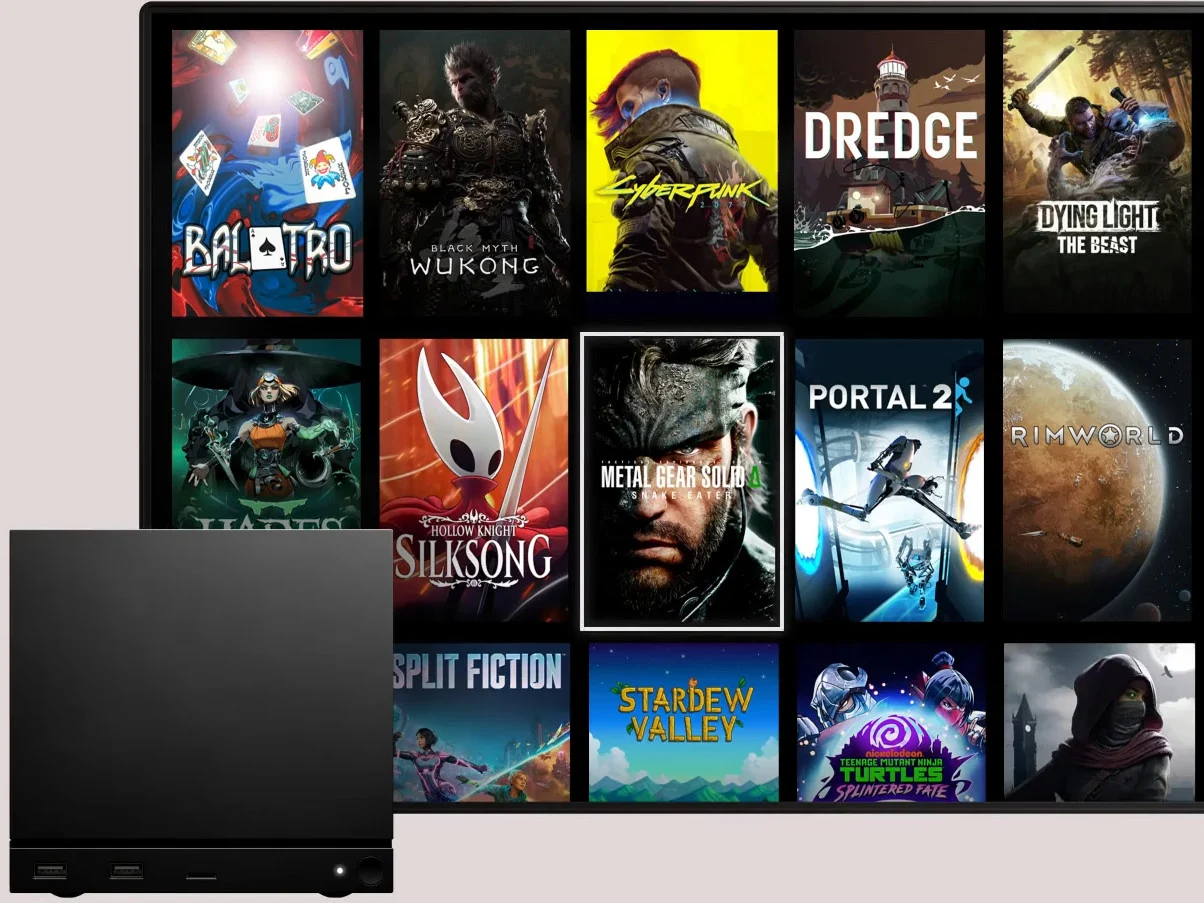
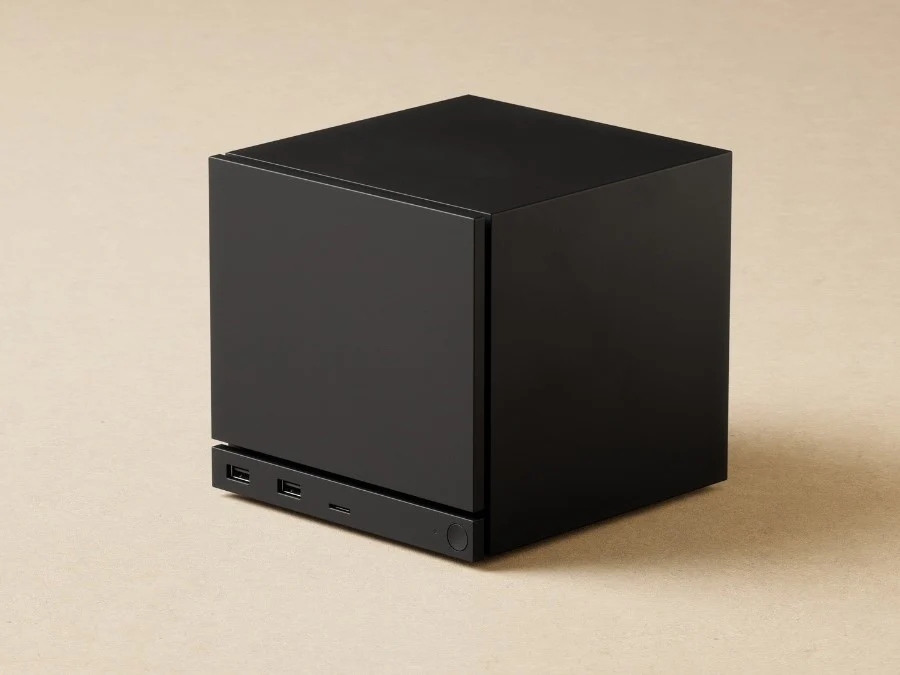
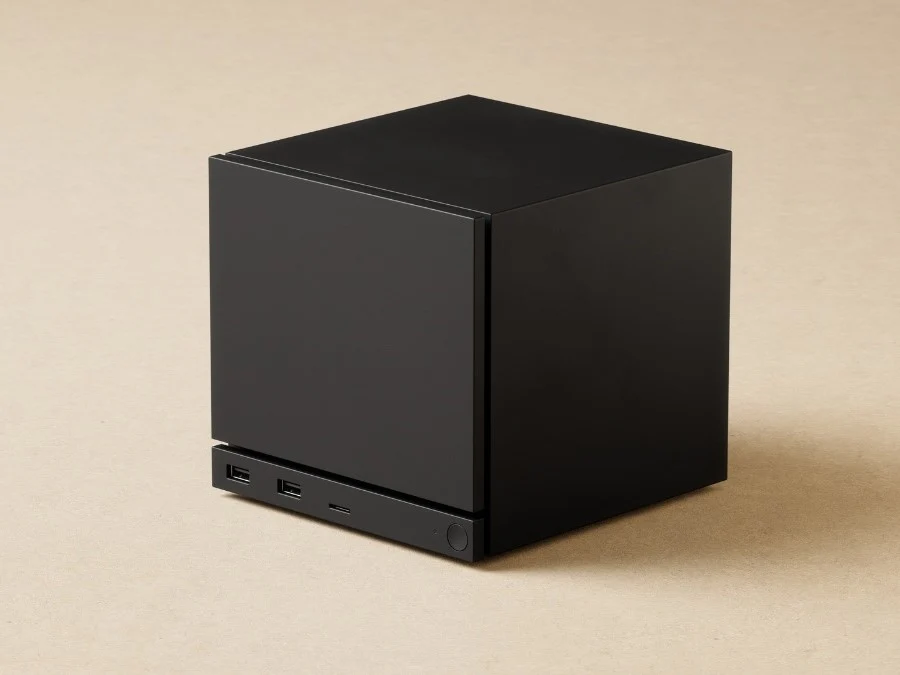
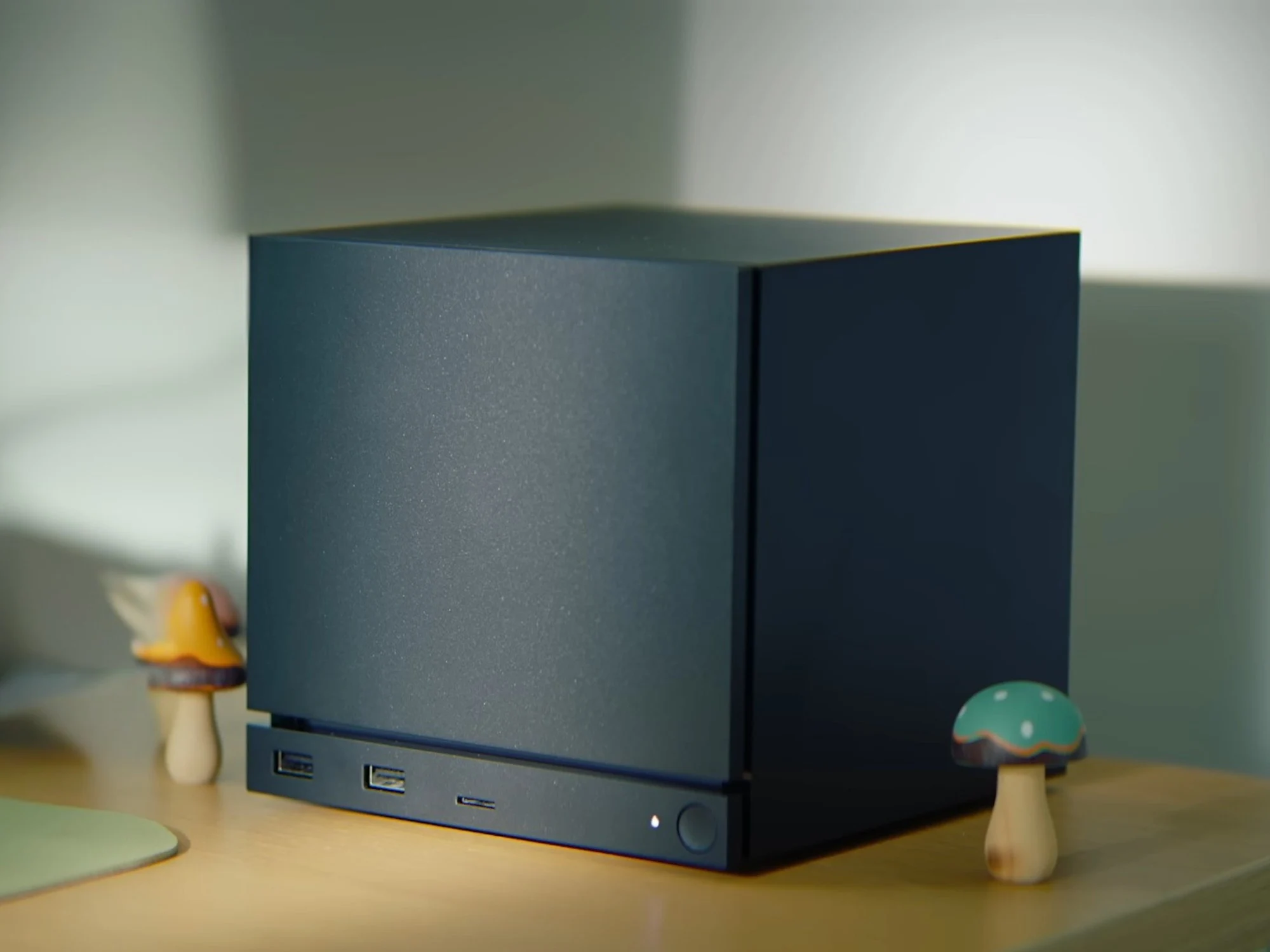
    Recent updates in Steam’s software hint at the possibility that Valve is preparing a reservation system for the upcoming Steam Machine. In a recent Thursday update, references were found to multiple Steam Machine packages within the code of the reservation system. These references, found inside a specific JavaScript file, mention four different Steam Machine package IDs, as well as two Steam Frame packages, alongside existing packages for the Steam Controller and Steam Deck.

    Potential Models and Bundles

    The four Steam Machine packages likely represent various models and bundles on offer. The confirmed models include versions with 512GB and 2TB storage, but the other two packages might be bundle deals that include a Steam Controller or additional accessories. If Valve employs the same reservation system for the Steam Machine, it might give genuine users a higher chance of getting a unit at launch, instead of battling bots and resellers in a chaotic black market. Overall, it indicates Valve’s ongoing efforts to better regulate the launch and make it fair for all interested customers.

    Sources

  • Valve Prepares for Steam Machine Launch with 50 Tons of Game Consoles Imported

    Valve Prepares for Steam Machine Launch with 50 Tons of Game Consoles Imported

    Key Takeaway

    1. Valve has significantly increased shipments of “Game Consoles,” potentially indicating preparation for the release of the Steam Machine or Steam Frame.
    2. Recent shipments differ in weight and packaging from previous ones, suggesting the contents might include new hardware like the Steam Machine.
    3. Valve plans to announce more details about the Steam Machine’s release date soon, with recent SteamOS updates hinting at an imminent launch.

    Steam Controller Launch and Speculations

    The Steam Controller has officially been launched, but there still many questions about when exactly the Steam Machine will be available and what the price will be. No definitive announcement has been made by Valve yet, but some new clues hint that the device might be arriving quicker than folks thought.

    Shipment Data and Possible Revelations

    Based on recent import records seen by a tech site, Valve shipped a huge amount of “Game Consoles” to the US. Over just two days, from April 30 to May 1, roughly 50 tons of these consoles were brought in. This increase in imports follows reports from insider Brad Lynch, who had earlier indicated that shipments were picking up again.

    What Could These Shipments Include?

    Most interestingly, these shipments might not only contain more Steam Deck units. Before, the Steam Deck was also categorized as a “Game Console” in shipping data, but the weight and shipment patterns now seem different. This has led many to believe that these containers might hold the anticipated Steam Machine, or potentially the Steam Frame.

    Valve’s Hardware Import Trends

    In recent months, Valve has imported close to 100 tons worth of hardware into the US, with shipping firms like Ever Logic and Ever Shine transporting numerous large containers from China to ports in Los Angeles and Tacoma. In total, these shipments have weighed more than 127,000 kilograms, although some of that is from the containers themselves.

    Shipment Weight Analysis

    Each container generally held around 42 packages with an overall weight of about 14,500kg. However, newer shipments seem to be lighter, averaging approximately 12,600kg even with the same number of packages. This suggests the contents might be different compared to earlier batches, possibly smaller or lighter devices.

    Estimation of Shipment Contents

    After removing the container weight, recent shipments appear to total around 50 tons of actual products, including packaging and accessories. Nevertheless, this doesn’t mean a massive number of units. Valve estimates the Steam Machine weighs roughly 2.6kg per unit, so these shipments could be fewer than 20,000 units altogether.

    Future Release Teasers

    Meanwhile, Valve’s programmer Pierre-Loup Griffais recently hinted that more details regarding the Steam Machine’s release date will be disclosed soon. Additionally, a recent SteamOS beta update has added support for the device, indicating that Valve might be getting ready to launch it shortly.

    Sources
  • Steam Machine Launches After Steam Controller Delay: Valve Explains Reasons

    Steam Machine Launches After Steam Controller Delay: Valve Explains Reasons

    Key Takeaway

    1. The Steam Controller will be launched on May 4 for $99, while the Steam Machine’s release is delayed to 2026 due to RAM shortages.
    2. The Steam Controller’s earlier release is primarily because it has no RAM, unlike the Steam Machine.
    3. Valve’s development of the Steam Controller took over ten years, focusing on ergonomics over design.
    4. The Steam Controller is compatible with Steam Deck, Windows PCs, and Macs, beyond just the Steam Machine market.

    Valve Announced Release Date for Steam Controller

    Valve has today confirmed that the Steam Controller will be launched on May 4 and will be offered for a recommended retail price of $99. But, still no signs of the Steam Machine, as the company states that the Linux console will only be available sometime in 2026. In an interview with Polygon, Valve’s hardware engineer Steve Cardinali commented on the delay of the Steam Machine’s launch.

    Reasons Behind the Launch Timing

    He explained that the Steam Controller’s early release compared to the Steam Machine was because it doesn’t contain any RAM components, so Valve didn’t see a reason to delay it. The company has once again pointed out that the ongoing DRAM crisis is behind the delay of the Steam Machine, as RAM prices are currently sky-high and its stock is quite scarce, making it difficult for small manufacturers like Valve to acquire enough to build their products.

    Design Choices and Compatibility

    Interestingly, Valve never intended to sell the Steam Controller and Steam Machine simultaneously. The main internal requirement was simply that the gamepad should come out before the console. Since the Steam Controller is compatible with Steam Deck as well as Windows PCs and Macs with Steam, it’s not just a product for Steam Machine fans. Valve mentioned that developing the Steam Controller took over ten years, and its angular shape was chosen mainly to prioritize ergonomics over aesthetics.


    Sources

  • Steam Machine Release Date and Price Announced Soon

    Steam Machine Release Date and Price Announced Soon

    Key Takeaway

    1. Valve is close to confirming the release of its Steam Machine, with ongoing internal debates over pricing and potential short-term losses.
    2. The product faces challenges due to heightened memory shortages and high component costs, delaying its anticipated launch to sometime in 2026.
    3. While positioned as an alternative to high-end consoles like the PS5 Pro, its performance may be limited by hardware constraints such as 8GB VRAM and reliance on upscaling.
    4. The system is aimed at a more premium market, indicated by features like the $100 Steam Controller, but details about separate shipping for the Steam Machine and VR headset remain unclear.

    Leaks hinting at a new Steam Controller and possible Steam Machine release

    Recently, a leak about the Steam Controller along with its pricing has gotten a lot of attention that suggests a new Steam Machine release date might not be far away. According to insider reports by Mike Straw, the company appears to be getting ready to confirm the release details soon. The delay in making an official announcement seems to be tied to internal debates over how much to charge for the new mini PC.

    Pricing disputes and market challenges

    In an article, Straw explained that Valve has been having a back-and-forth internally over the pricing strategy, including the possibility of absorbing some costs to make it more attractive at launch. This approach is surprising because Valve previously stated they wouldn’t be subsidizing the device like traditional consoles. Instead, the idea was to offer a product with good value, but at a price comparable to a gaming PC with similar features.

    Impact of market shortages and consumer expectations

    The challenge for Valve is growing due to ongoing shortages in memory and components since their November 2025 reveal. High costs for storage and DDR5 RAM have made sourcing parts for a comparable alternative more difficult. Fans who expected the Steam Machine earlier this year have been awaiting its arrival, but the shortage pushed the release window to sometime in 2026.

    Design similarities and consumer interest

    While Valve has tried to avoid calling it a console, it’s hard not to compare the Steam Machine to traditional gaming consoles. Its dual trackpads and extensive game library make it appealing for living room setups. Some PlayStation and Xbox fans are eager for more news, showing strong interest especially as console prices rise.

    Price considerations and performance expectations

    The new PS5 and PS5 Pro consoles are more expensive, making a higher-priced Steam Machine seem more acceptable. Still, there are questions about whether its performance will match Sony’s flagship, which costs around $900. One key concern is the 8GB of VRAM; recent game releases like Pragmata have shown that GPUs with the same memory size sometimes require compromises at 1440p resolution.

    Specs, upscaling, and TV compatibility

    Valve says that most games available on its marketplace should run at 4K/60fps on the mini PC. It will likely rely on upscaling, similar to the PS5 Pro, but will use an older version of FSR (FidelityFX Super Resolution). How well the device’s specs work with modern TVs could influence its market success, especially if prices are similar.

    Target market and additional hardware

    The $100 Steam Controller suggests the system is aimed at somewhat premium buyers. It remains unclear whether the Steam Machine and Frame VR headset will be launched together or separately, leaving some questions about their future availability.

    Sources
  • Steam Machine Price Should Beat PlayStation 5 Hike

    Steam Machine Price Should Beat PlayStation 5 Hike

    Key Takeaways

    1. PlayStation 5 price increases: Digital edition now $599, Disc version $649, and PlayStation 5 Pro $899.
    2. Valve’s Steam Machine could challenge PlayStation by pricing below $899 or $649, especially during PlayStation’s price hike period.
    3. Price increases for PlayStation influenced by RAM and NAND supply issues, along with global trade challenges.
    4. Valve’s opportunity to promote Steam Machine as a rival, leveraging its strong software platform and potential pricing strategies.
    5. Steam Machine may achieve higher framerates than PlayStation 5 despite having a weaker GPU, thanks to a robust CPU and advanced upscaling support.


    Let’s get right to it—both versions of the PlayStation 5 have recently seen a price increase of $100 ($599 for the Digital edition, $649 for the Disc version), and the PlayStation 5 Pro has gone up by $200 (now at $899). This moment could not be better for Valve to reveal the pricing and release date for the Steam Machine, especially if they can keep it below $899 or $649. There’s talk about PlayStation reducing its PC ports because of the Steam Machine news, and even a former Xbox executive thinks that the Steam Machine will challenge PlayStation 5 and 6 more than Project Helix. It’s evident that the current console market is recognizing Valve as a genuine rival in the living room.

    The Reasons Behind the Price Hikes

    It’s no surprise that PlayStation has faced criticism from Xbox fans and analysts for these unusual price increases—they’ve been influenced by the ongoing RAM and NAND supply issues that have driven up costs for manufacturers. Since today’s consoles rely on PC technology, they’ve felt the impact of these price spikes as well. Plus, we can’t ignore the changes in global trade, imports, and tariffs. These market challenges are precisely why Valve has delayed announcing a final price or release date for both the Steam Machine and its standalone VR headset, Steam Frame. This situation has also resulted in erratic availability of the Steam Deck OLED, alongside the discontinuation of the Steam Deck LCD.

    Timing for Valve’s Opportunity

    From a strategic standpoint, PlayStation’s decision to raise prices on its hardware makes it an ideal time for Valve to promote the Steam Machine as a rival to the PlayStation 5. The hardware inside should definitely be capable enough—my colleague Zak Killian at Hot Hardware built and tested a simulated Steam Machine with 27 games. This simulated system cost around $600 before adding RAM and didn’t benefit from any potential savings Valve could gain through bulk buying or manufacturing. Additionally, Steam is one of the most lucrative software platforms globally—if Valve employs some tactical loss-leading pricing strategies, it could make a significant impact, something that used to be quite prevalent in the console market.

    Performance Comparisons

    In all honesty, the Steam Machine might not reach the same graphical levels as the PlayStation 5 Pro due to its weaker GPU. However, its CPU is quite robust, and since the PlayStation 5 Pro is limited by the same AMD Zen 2 CPU as the standard version, the Steam Machine could achieve higher framerates than either PlayStation console, especially with lower graphics settings. Moreover, even at similar graphics settings, particularly when aiming for 60 FPS, the Steam Machine appears more than capable of competing with the PlayStation 5 due to its advanced AMD FSR and Intel XeSS upscaling support. This comparison could improve even further if the anticipated AMD FSR 4 support becomes a reality.

    The next move is yours, Valve—and from my perspective as a tech writer for a decade and a lifelong gamer, I strongly urge you to seize this chance.

    Source:
    Link


  • Sony’s Strategy: PC Gamers Feel Left Out by Exclusive Games

    Sony’s Strategy: PC Gamers Feel Left Out by Exclusive Games

    Key Takeaways

    1. Big PlayStation Studios games may no longer be released on PC, influenced by the new Steam Machine.
    2. Sony is focusing on keeping its strong exclusives, which could sway buyers toward consoles rather than PC.
    3. Emotional connections to exclusive games can significantly impact console purchasing decisions.
    4. The trend of releasing AAA titles on PC has been beneficial for PC gamers, but future exclusives may limit access.
    5. Many PC gamers feel sidelined by Sony’s strategy to prioritize console loyalty over broader game availability.


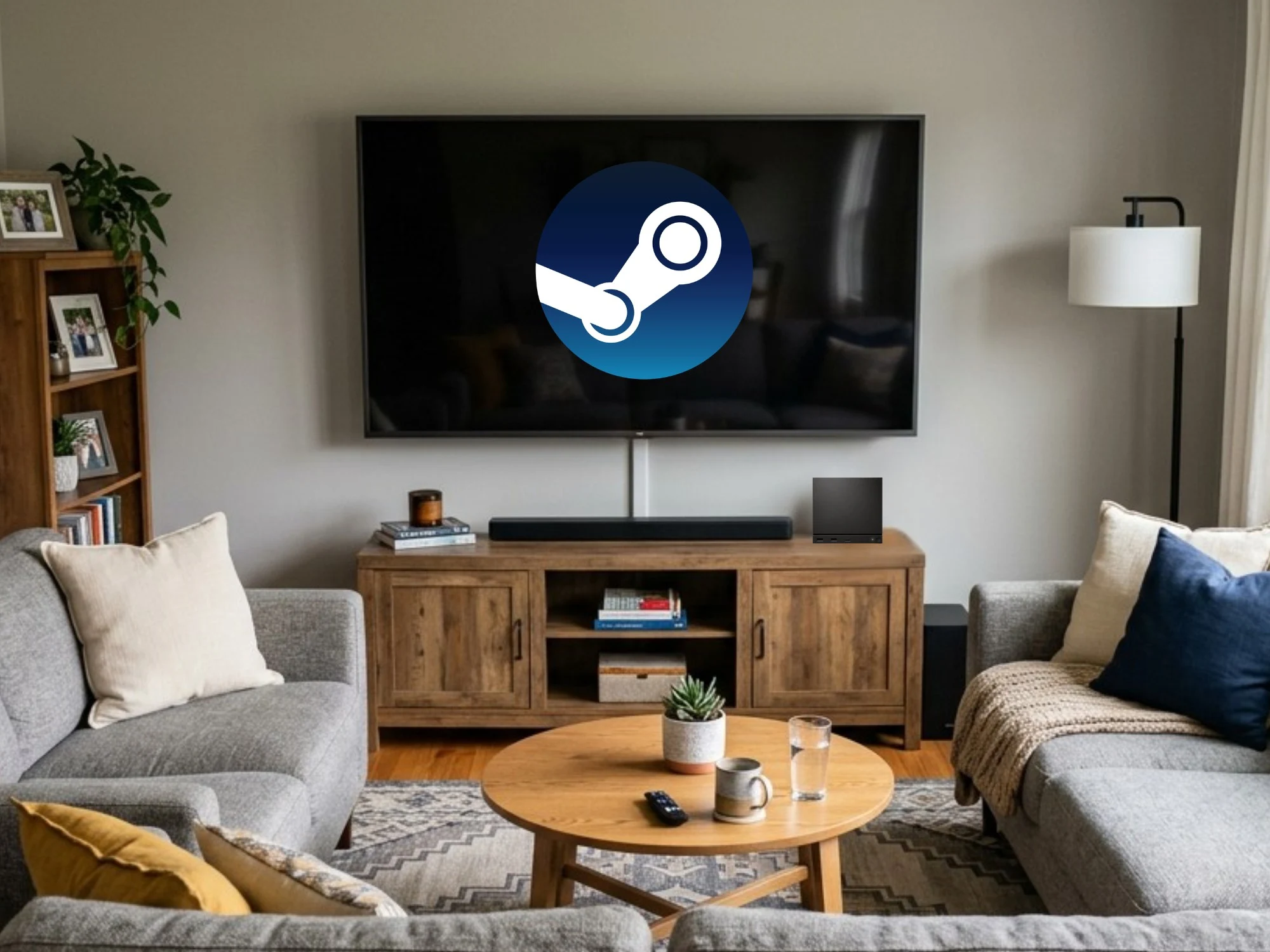
    If we trust the words of Bloomberg journalist Jason Schreier, it seems that big PlayStation Studios games might not be coming to PC anymore. Interestingly enough, Valve could be part of the reason. The new Steam Machine is set to bring Steam’s massive game collection right into our living rooms. When we compare it to traditional consoles, PC offers a wider range of games, particularly in the indie category, and often at lower prices. While AAA games from companies like Nintendo can now cost around $80, PC prices tend to be cheaper, although there are exceptions that prove the rule.

    Sony’s Concerns Grow

    It’s easy to see why Sony might be feeling uneasy. If everything goes as planned, the Steam Machine could merge the best features of both PC and console gaming into one device. However, PlayStation still has one powerful tool left in its arsenal: exclusives. Sony has created strong fan bases around hit titles like Ghost of Tsushima and God of War. If it’s clear that such games will be exclusive to PlayStation going forward, this could make potential buyers rethink their console choices. While we still don’t know the specs of the PS6, emotional connections to games and characters can definitely sway buying decisions. A perfect example of this is Microsoft, which is currently falling behind in the console race. A friend of mine was a die-hard Xbox fan back in the day, and it was simple – he loved Halo, which was only on that platform.

    A Shift in Gaming Preferences

    I personally stepped away from consoles a long time ago because, for me, the benefits of PC gaming clearly outshine those of consoles. But I’ve been gaming since my early days. My journey began with the PS1 and PS2, and I vividly remember playing Metal Gear – which circles us back to the topic of exclusives. I later moved on to the Xbox 360 and eventually to PC. Sony’s recent trend of releasing its AAA titles on PC has been a positive change for me and likely for many other PC gamers. I was particularly impressed with God of War and God of War Ragnarök. I had been eagerly anticipating news about the next chapter featuring Kratos and Atreus. There were even whispers that they might venture into Egyptian mythology. However, it appears that I might miss out on that – at least not on PC.

    The Impact on PC Gamers

    I totally get why Sony would want to keep buyers loyal to its console with exclusive games. But as a PC gamer, I can’t help but feel like a bystander in this whole situation. I’ve thought about getting a PlayStation too. Yet, logic tells me that spending several hundred euros for a relatively limited selection of games might not be the best idea. So, it looks like I have to say farewell to Kratos and Atreus for now. Though it’s truly a difficult goodbye.

    Source:
    Link


  • Valve Jokes About Memory Shortage and Steam Machine Release Doubts

    Valve Jokes About Memory Shortage and Steam Machine Release Doubts

    Key Takeaways

    1. Valve humorously addressed the memory shortage and its impact on the Steam Machine during GDC 2026, seeking RAM supply.
    2. The memory cost surge has delayed the Steam Machine’s launch and increased affordability issues for consumers building or buying PCs.
    3. The release timeline for new devices, including the Steam Machine, has been pushed to the first half of 2026 due to rising component costs.
    4. Pricing concerns are significant, with predictions that the Steam Machine’s MSRP could range from $800 to $1000, making it potentially more expensive than the PS5.
    5. There are discussions about offering a barebones version of the SteamOS cube to make it more budget-friendly, amid challenges in finding affordable DDR5 RAM and NVMe SSDs.


    Many consumers are eager to discover how the memory shortage will affect the launch date and pricing of the Steam Machine. Despite this, Valve decided to make a light-hearted comment about the situation during GDC 2026. Journalist and gamer Hayden Dingman shared some humorous remarks made by the company at the event:

    “If you have a line on a bunch of RAM, we are in the market and would like to buy it.”

    Fans React to Humor

    Some fans aren’t amused by the joke regarding the soaring memory costs. This situation has not only delayed the Steam Machine’s launch but has also made it tough for many to either build or buy PCs affordably. In fact, the price of the DDR5 RAM that Valve’s mini PC will depend on has surged four times since late 2025.

    Updates on Hardware Release

    In early February, the company gave an update about its upcoming devices. Fans were hoping for the new controller, Steam Frame VR headset, and Steam Machine to be released in early 2026. However, Valve clarified that due to rising costs of components, this timeline has now been pushed back to the first half of the year.

    More recently, changes in listings at SteamDB indicated that the release window for these products is now “coming soon.” Unfortunately, this did not hint at a forthcoming announcement, as a new official blog post only referred to a vague estimate for 2026. This date coincides with a slide presented at GDC.

    Pricing Concerns

    Another worry for potential buyers is that the price of the Steam Machine was already expected to exceed that of the PS5. The ongoing memory shortage might drive its MSRP even higher, with some insiders predicting a price range of $800-1000. Given that it will likely have just 8GB of GDDR6 VRAM on its RDNA 3 GPU, it may struggle to run some games at 4K, which could limit its attractiveness.

    YouTuber and leaker MLID previously suggested that Valve consider selling a barebones version of the SteamOS cube. This strategy could make the tiny PC much more budget-friendly. Conversely, it’s becoming harder for consumers to find DDR5 RAM at reasonable prices. Storage costs are also a concern, with NVMe SSDs putting a strain on budgets.

    While some followers thought this idea was unrealistic at the time, it seems the manufacturer may now be open to any feasible solutions.

    Hayden Dingman’s Bluesky account.

    Source:
    Link


  • Bluepoint Games: Steam Machine Impacted PS5 PC Game Ports

    Bluepoint Games: Steam Machine Impacted PS5 PC Game Ports

    Key Takeaways

    1. Peter Dalton suggests that the Steam Machine influenced Sony’s decision to release fewer PS5 exclusive titles.
    2. Consoles are seen as more affordable and straightforward options compared to gaming PCs, while the Steam Machine offers a budget-friendly alternative.
    3. Valve’s improved Big Picture Mode and new controller aim to enhance the couch gaming experience, potentially attracting new users.
    4. The Steam Machine allows more players to access PC versions of former PS5 exclusives, contributing to PlayStation’s cautious release strategy.
    5. Diverse configurations from various OEMs could enhance visibility but may confuse consumers, while limited Linux compatibility presents challenges for popular games.


    Bluepoint Games Technical Director Peter Dalton has a perspective regarding Sony’s rumored shift in focus towards PC gaming. He suggests that the Steam Machine has played a role in the decision to release fewer exclusive titles for the PS5. While the new Xbox console is also on the horizon, Valve aims to broaden its extensive game library to a wider audience.

    Monitoring PlayStation Developments

    Even though his studio was closed by Sony, Dalton remains keen on developments within the PlayStation community. He shares on social media that consoles “offer a more affordable and straightforward option compared to gaming PCs.” Nevertheless, the Steam Machine might serve as a more reachable and budget-friendly choice for gamers.

    Enhanced Gaming Experience

    Valve has improved its Big Picture Mode for smoother navigation on televisions. The system will come with a new controller designed for comfortable couch gameplay, requiring minimal setup. Dalton anticipates that this mini PC will attract buyers who have not previously engaged with the company’s hardware or marketplace.

    Shifting PlayStation Strategies

    The Steam Machine aims to allow a greater number of players to enjoy PC versions of former PS5 exclusive games in their living rooms. Dalton believes this could be a reason for PlayStation’s hesitation in releasing as many single-player games on Steam. A recent report from Bloomberg indicated that titles like Marvel’s Wolverine and Ghost of Yōtei are among the projects affected.

    Dalton imagines that if successful, Valve could unexpectedly come out on top in the console competition. However, many readers have responded to his forecast with skepticism. One major concern is the availability in stores, as in several regions, the Steam Machine will only be sold through the manufacturer’s website. While the Steam Deck has gained more popularity than many handheld devices, it still trails behind the sales figures of Nintendo Switch or Switch 2.

    Diverse Configurations and Challenges

    Similar to the original Steam box from 2015, gamers might see various OEMs create different models. This could enhance retail visibility and provide buyers with options at different price ranges. However, analysts point out that these variations often confuse consumers, which may have contributed to the system’s failure.

    Another challenge is the limited compatibility of Linux with popular shooters like Battlefield 6 and Valorant. Yet, Dalton believes that this new console contender poses enough of a threat to prompt Sony to retain more PS5 exclusives for its own platform.

    Source:
    Link


  • Microsoft’s Project Helix: Unifying Xbox and Windows Since 2016

    Microsoft’s Project Helix: Unifying Xbox and Windows Since 2016

    Key Takeaways

    1. Project Helix Codenamed: Asha Sharma, CEO of Microsoft Gaming, announced the codename Project Helix for the upcoming Xbox console, which aims to run both PC and Xbox games.

    2. Historical Roots: The concept of merging Xbox and Windows dates back to 2003, with increased focus beginning around 2016, as part of Microsoft’s broader strategy.

    3. Cross-Platform Strategy: Project Helix emphasizes cross-platform capabilities, allowing games like Sea of Thieves and Halo Wars 2 to launch on both Xbox and PC, promoting the Play Anywhere initiative.

    4. Incremental Upgrades: The upcoming console may include components that are easier to replace, potentially allowing for frequent upgrades, similar to gaming PCs.

    5. Market Competition: To compete effectively against rivals like the Steam Machine and PS6, Microsoft may need to offer exclusive titles and address concerns about pricing and performance.


    Recently, Asha Sharma, the CEO of Microsoft Gaming, disclosed the codename Project Helix for their upcoming Xbox console. Yet, the idea of having one system that can run both PC and Xbox games has been around for a long time. Tom Warren, a Senior Editor at The Verge, reminded gamers that this concept first emerged in 2016, just before the launch of the Xbox One S.

    The Origins of Helix

    Interestingly, Helix might trace its roots back to 2003 when journalist Dean Takahashi first revealed a plan to run Windows on the Xbox 360. However, it didn’t become a focus for Microsoft until later on. In a 2016 article by Keza MacDonald and Jason Schreier for Kotaku, they provided a glimpse into Microsoft’s future hardware plans. They stated that the Xbox One S and X were part of a broader strategy known as ‘Project Helix,’ aimed at merging Xbox and Windows.

    A Cross-Platform Vision

    This strategy emphasized cross-platform capabilities, bringing software to a larger audience. Games like Sea of Thieves and Halo Wars 2 were among the early Xbox exclusives that launched on both consoles and PCs. They also contributed to the Play Anywhere initiative, which soon became a well-promoted campaign. Before E3 2016, former CEO Phil Spencer hinted that Xbox consoles would evolve to resemble gaming PCs, allowing engineers to frequently upgrade their designs, while maintaining game compatibility across different devices.

    Future of Gaming with Project Helix

    With the launch of the Xbox One X, Microsoft started to explore incremental upgrades. More recently, the Xbox Series X and S have not experienced major performance improvements since their 2020 launch. However, Project Helix could change this narrative if it includes components that are easier to replace. It remains uncertain how simple it will be for users who are accustomed to upgrading their gaming rigs to make modifications.

    The upcoming gaming system represents a bold effort to introduce a hybrid console that functions like a Windows PC into homes. Critics are already debating whether gamers will welcome this new Xbox console. The full-screen experience on the ROG Xbox Ally handhelds isn’t always smooth, and there are rumors that a high price tag may put Project Helix out of reach for many consumers. Additionally, to stand out against competitors like the Steam Machine and PS6, Microsoft may need to offer exclusive Xbox titles to set its system apart.

    Source:
    Link


  • Analyst Warns Project Helix Will Fail Without Xbox Console Victory

    Analyst Warns Project Helix Will Fail Without Xbox Console Victory

    Key Takeaways

    1. The new Xbox console is codenamed Project Helix, aiming to satisfy its fanbase amid doubts about its appeal.
    2. Industry expert Dr. Serkan Toto suggests Microsoft must outperform the Steam Machine rather than compete directly with the PS6.
    3. Concerns exist that Microsoft may exit the console market if Project Helix fails, emphasizing the high stakes for the launch.
    4. Compatibility with existing Xbox games is crucial for Project Helix, with a focus on native support to retain loyal fans.
    5. Project Helix is designed for high refresh-rate 4K gaming, potentially costing more than the Steam Machine, but both need to attract PC and console gamers.


    Microsoft Gaming CEO Asha Sharma has revealed the codename for the upcoming Xbox console, known as Project Helix. While the company aims to satisfy its dedicated fanbase, there are still doubts about how appealing the new system will be. Japanese gaming consultant Dr. Serkan Toto has stated that the focus should be on outperforming the Steam Machine instead of competing directly with the PS6.

    Insights from Dr. Toto

    In an interview with GamesRadar, Toto expressed concerns that Microsoft might withdraw from the console market if this next attempt does not succeed. He remarked, “This might be Microsoft’s last attempt to make their hardware business work.” He also added, “I believe there is nobody in this industry who believes there will be another Xbox if this next machine fails.” This suggests that the stakes are quite high for Microsoft with the launch of Helix.

    Similarities with Steam Machine

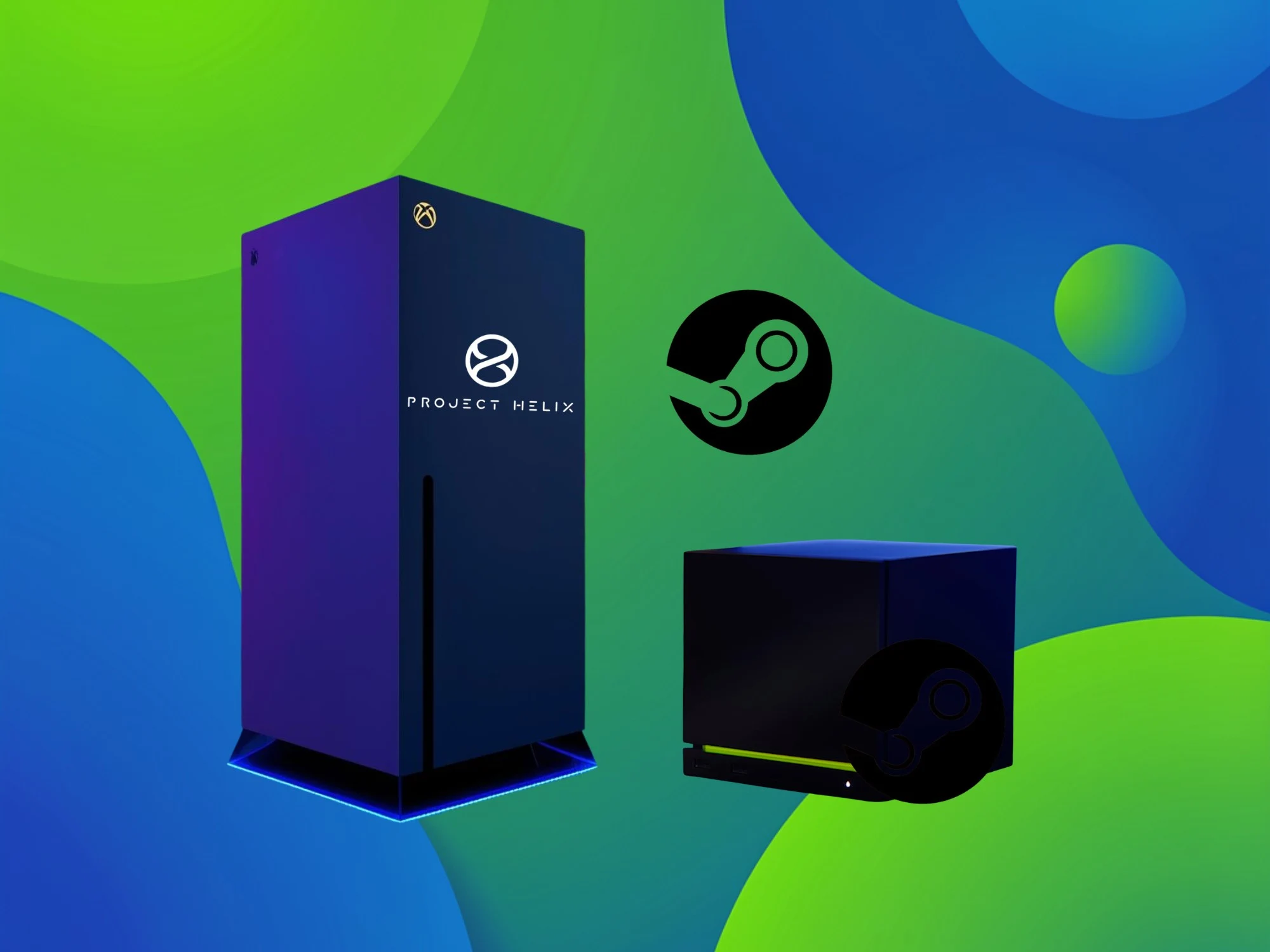
    Rather than directly challenging the PS6, Project Helix is expected to offer a gaming experience similar to the Steam Machine. Reports indicate that the new Xbox console will operate on a modified version of Windows, while Valve’s offering utilizes SteamOS. Both systems aim to attract PC gamers looking for a console-like experience, but Toto believes that Microsoft must provide additional features to gain a competitive advantage.

    Compatibility Concerns

    A key question remains about how Project Helix will maintain compatibility with existing Xbox games. Toto insists that “better and broader native support of Xbox games is the only way” to keep loyal fans satisfied. The company has hinted at including options that work only with their current and older systems. While emulation and cloud gaming are on the table, there are concerns about latency and licensing hurdles.

    Microsoft’s strategy of cross-platform releases means that most new titles are available on PC, Steam, and the Series X|S. In some instances, first-party games such as Fable will be launched on the PS5 on day one. Reviving Xbox-exclusive games that are not accessible on Windows or Linux could be a strategy to attract potential Steam Machine buyers.

    Comparison of Capabilities

    The impending memory shortage is bringing Valve’s Steam Machine closer to the anticipated release of the new Xbox console. However, the two devices have significant differences in performance. Equipped with the Magnus APU, Helix aims to deliver high refresh-rate 4K gaming effortlessly. In contrast, the Steam Machine’s RDNA 3 GPU may face challenges in achieving that standard with more demanding games.

    Given their specifications, the cost of the Helix may exceed that of Valve’s alternative. Nevertheless, both consoles will need to appeal to both PC and console gamers to effectively compete against the PS6.

    Source:
    Link