Tag: Samsung

  • Samsung Downgrades Galaxy S26 Due to Apple iPhone 17 Competition

    Samsung Downgrades Galaxy S26 Due to Apple iPhone 17 Competition

    Key Takeaways

    1. The upcoming flagship phone from Samsung is expected to be named Galaxy S26, succeeding the Galaxy S25.
    2. The Galaxy S26 will reportedly be 7.24 mm thick, slightly thicker than the Galaxy S25’s 7.2 mm.
    3. Initial plans for a larger 4,900 mAh battery have been scrapped, with the Galaxy S26 expected to have a 4,300 mAh battery instead.
    4. The Galaxy S26 is likely to feature the Sandpragon 8 Elite Gen 5 or Exynos 2600, depending on the region.
    5. A new privacy display feature called ‘Flex Magic Pixel’ is expected for the Galaxy S26 Ultra model.


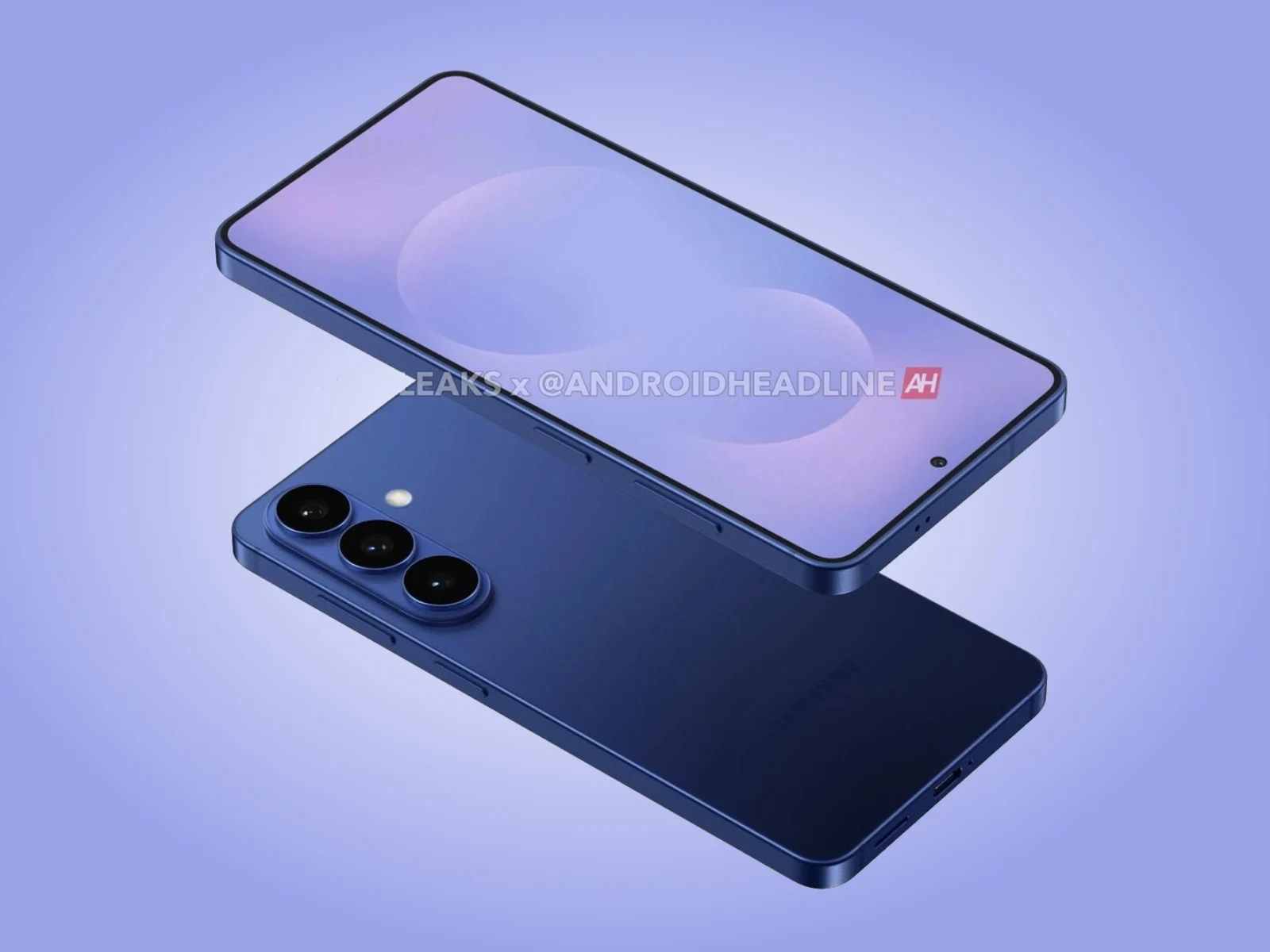
    In the past few weeks, there has been a lot of back and forth regarding how slim Samsung’s upcoming flagship phone will be. Rumors have fluctuated about whether it will be known as the Galaxy S26 or the Galaxy S26 Pro, but it seems they have landed on the Galaxy S26 as the successor to the Galaxy S25 (currently $456 for a refurbished model on Amazon).

    Current Thickness Comparisons

    To give some perspective, the Galaxy S25 measures a slender 7.2 mm, while Apple’s iPhone 17 and iPhone Air have thicknesses of 8 mm and 5.6 mm, respectively. The Galaxy S26 is reportedly going to be 7.24 mm thick, not including the triple camera bump, which is an increase from earlier predictions of 6.96 mm. Recently, South Korean media has provided some clarity on the mixed messages.

    Changes to Battery Capacity

    It appears that Samsung initially intended to create a slimmer flagship with a bigger battery than the 4,000 mAh unit found in the Galaxy S25, aiming for a 4,900 mAh battery in the rumored Galaxy S26 Pro. However, these plans were reportedly scrapped last month to stay competitive with Apple’s iPhone 17, which is priced at $799 in the United States. Additionally, increasing costs for SoC and RAM have been pointed out as factors pushing the prices of the Galaxy S series upward in the future.

    Expected Upgrades

    However, not sticking with an extensive redesign doesn’t mean that there won’t be upgrades between the Galaxy S25 and the Galaxy S26. The battery capacity is expected to increase by 300 mAh, moving from 4,000 mAh to 4,300 mAh. Furthermore, the Galaxy S26 is likely to come with the Sandpragon 8 Elite Gen 5 in some regions and the Exynos 2600 in others. The new ‘Flex Magic Pixel’ privacy display feature is also said to still be on track for the Galaxy S26 Ultra.

    News Pim via Jukan

    Source:
    Link
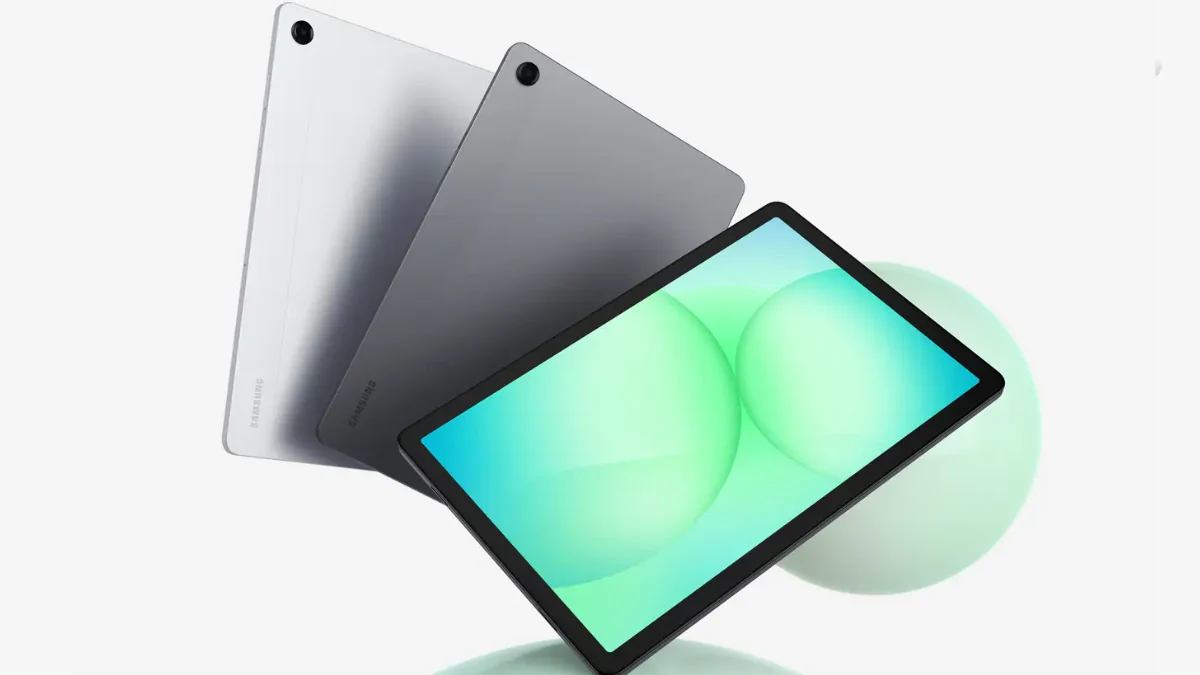


  • Samsung Galaxy Tab A11 Plus: New 11-Inch Mid-Range Tablet with Android 16

    Samsung Galaxy Tab A11 Plus: New 11-Inch Mid-Range Tablet with Android 16

    Key Takeaways

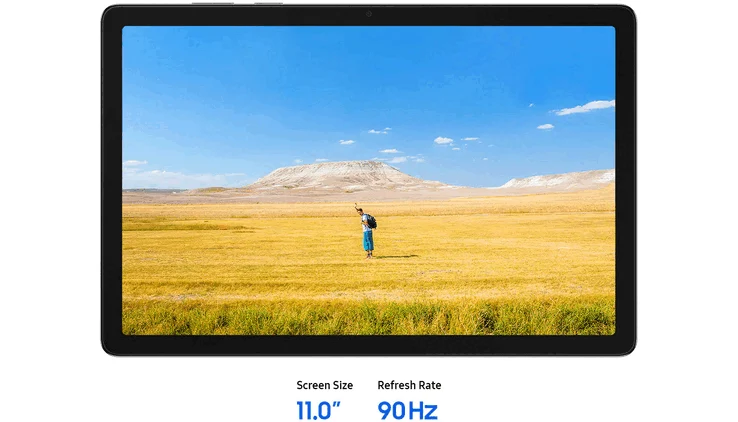
    1. The Galaxy Tab A11+ features an 11-inch TFT LCD display with a resolution of 1920 x 1200 pixels and a 90Hz refresh rate.
    2. It is powered by the MediaTek Dimensity 7300 chipset, scoring around 665K on the AnTuTu V10 benchmark, significantly higher than the Helio G99 in the standard Tab A11.
    3. The tablet offers up to 8GB of RAM and 256GB of internal storage, expandable by up to 2TB via microSD.
    4. It includes an 8MP rear camera, a 5MP front camera, and a 7,040mAh battery with 25W charging support.
    5. The Galaxy Tab A11+ runs on One UI 8 based on Android 16 and is available in WiFi and 5G models, with prices starting at €279 in Europe.


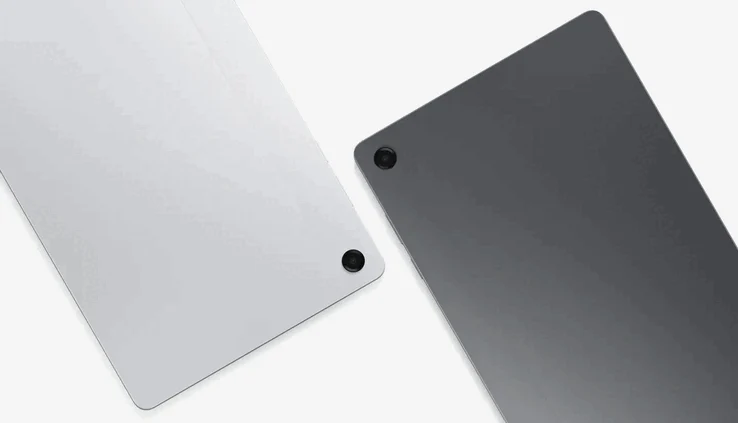
    Earlier this September, Samsung introduced the standard Galaxy Tab A11, which has an 8.7-inch screen and runs on the Helio G99 chipset. Now, the larger Galaxy Tab A11+ is ready for purchase in certain regions.

    Display and Performance

    The Samsung Galaxy Tab A11+ boasts an 11-inch TFT LCD display with a resolution of 1920 x 1200 pixels and a refresh rate of 90Hz. It’s powered by the MediaTek Dimensity 7300, an 8-core chipset crafted on a 4nm architecture. On the AnTuTu V10 benchmark, this chipset usually scores about 665K points. In contrast, the Helio G99 found in the basic Tab A11 achieves around 400K points on the same test. The Tab A11+ offers up to 8GB of RAM and 256GB of internal storage, with the option to expand storage by up to 2TB using a microSD card.

    Camera and Battery

    In terms of cameras, Samsung’s new tablet has an 8MP rear camera with autofocus. For selfies, it features a 5MP front camera. The Tab A11+ is equipped with a 7,040mAh battery that supports 25W charging through a Type-C 2.0 port.

    Software and Features

    Importantly, the tablet ships with One UI 8, which is based on Android 16. It has a weight of 477g for the WiFi model and 482g for the 5G version, and its thickness is 6.9mm. Available colors include grey and silver. Additional features encompass quad stereo speakers with Dolby Atmos, a 3.5mm headphone jack, and support for Samsung DeX.

    The Galaxy Tab A11+ is offered in both WiFi and 5G versions. The prices for these models in the UK are as follows:

    The tablet can also be found in other European countries, like Germany, starting at €279 for the WiFi model and €329 for the 5G model. However, there is currently no information on its availability in the United States.


    Source:
    Link


  • Galaxy S26 Edge: Ultra-Thin Design Revealed in Leaked Images

    Galaxy S26 Edge: Ultra-Thin Design Revealed in Leaked Images

    Key Takeaways

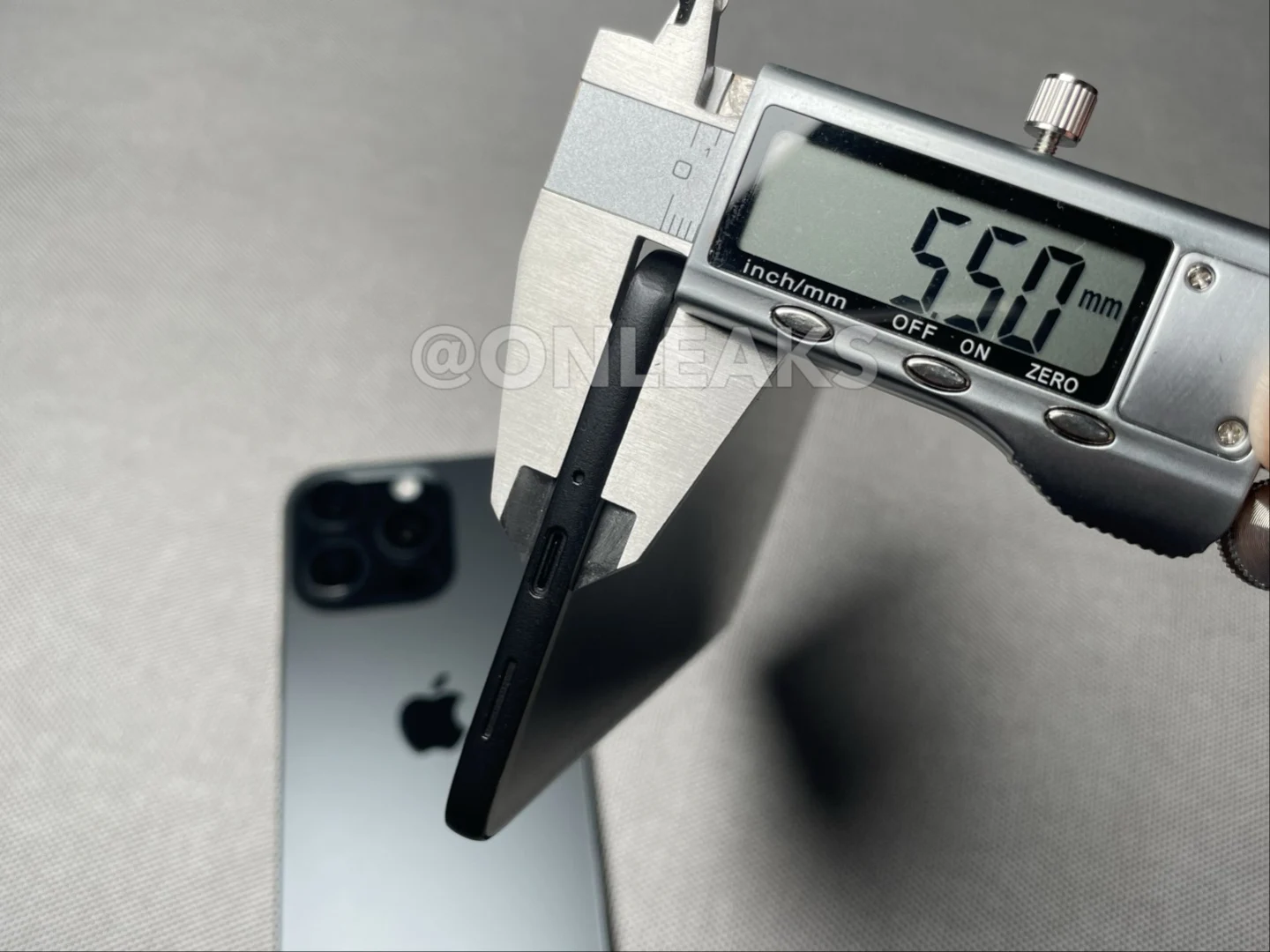
    1. The Galaxy S26 Edge is rumored to be exceptionally thin at just 5.50 mm, potentially making it the thinnest Android phone.
    2. Recent leaks include images of a dummy model, confirming its slim design compared to other devices like the iPhone 16 Pro.
    3. There were concerns about the project’s cancellation due to disappointing sales of the Galaxy S25 Edge, but reports suggest it is still in development.
    4. The Galaxy S26 Edge may not launch alongside the Galaxy S26 series and could debut later than usual, possibly in February.
    5. The excitement surrounding the Galaxy S26 Edge’s design and specifications remains high, despite uncertainties about its release.


    The Galaxy S26 Edge remains an enigma, but recent leaks have revealed just how remarkably thin this device could be. Samsung’s strategy for its upcoming lightweight flagship is still uncertain, leading to some theories that the company may have delayed its development. However, this doesn’t necessarily mean the project is scrapped; despite certain reports suggesting a cancellation, if it does make its debut, it will be even thinner than both the Galaxy S25 Edge and the iPhone Air.

    Leaked Details of the Galaxy S26 Edge

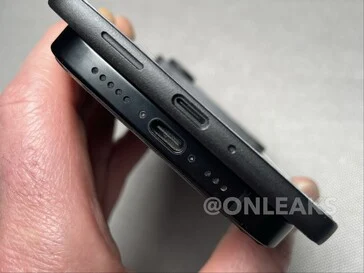
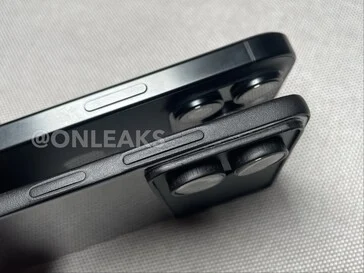
    A well-known leaker has released actual images of what is believed to be a dummy model of the Galaxy S26 Edge (shown and linked below). These images indicate that the phone measures only 5.50 mm, as confirmed by a digital vernier caliper. When placed next to the iPhone 16 Pro, which is 8.25 mm thick, the Galaxy S26 Edge dummy appears notably more streamlined.

    Potential Impact on the Market

    With a thickness of just 5.5 mm, it would surpass the Galaxy S25 Edge (5.8 mm) and even the iPhone Air (5.64 mm), setting a new record for the thinnest Android phone ever. Nonetheless, there are concerns that the Galaxy S26 Edge may never reach consumers. Earlier last month, it was suggested that it had been shelved due to disappointing sales of the Galaxy S25 Edge. However, later reports indicated that the phone is still under development and is being referred to internally as “More Slim.”

    A different source has mentioned that while the device is still planned, it won’t launch alongside the Galaxy S26 series early next year. The upcoming Galaxy S models are expected to debut later than usual, possibly around February.

    Conclusion

    In summary, while the future of the Galaxy S26 Edge is uncertain, the leaks have sparked excitement about its potential design and specifications. Fans of sleek devices will have to stay tuned for further updates on this intriguing smartphone!

    Source:
    Link


  • Galaxy Ring: Dual Function as Controller for Samsung Galaxy XR

    Galaxy Ring: Dual Function as Controller for Samsung Galaxy XR

    Key Takeaways

    1. Gesture Control for XR Headset: The Galaxy Ring may allow users to manage the Galaxy XR headset through gesture controls, enhancing user interaction.

    2. Fluid Navigation: Users could navigate menus and make selections on the XR headset effortlessly, using simple gestures like double pinches.

    3. Integration with Galaxy Glasses: The Galaxy Ring’s gesture controls could also be applied to future Galaxy Glasses, which may lack hand-tracking cameras.

    4. Device Management: The Galaxy Ring is expected to manage various devices, including smartphones and tablets, expanding its usability beyond wearables.

    5. Strengthening Connections: This development aligns with Samsung’s goal of integrating its wearable tech with extended reality products.


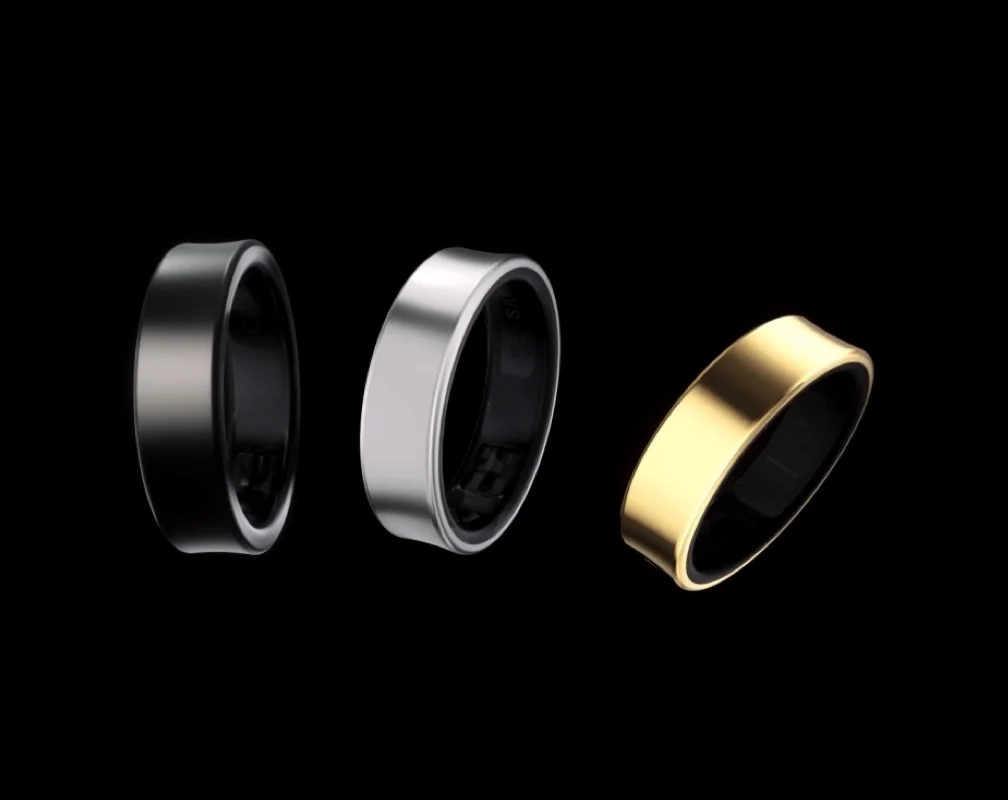
    Samsung might be preparing to allow users to manage the Galaxy XR headset with the Galaxy Ring. This idea first emerged when Android Authority discovered a code snippet labeled “ring gesture for glasses” in the latest Galaxy Ring Manager app update. This indicates that the smart ring could potentially connect with Samsung’s new XR headset and future Galaxy Glasses.

    Enhanced Gesture Control

    The Galaxy Ring currently enables users to perform simple tasks like capturing photos or muting alarms through gestures. If these controls were applied to the Galaxy XR, users could easily navigate through menus or make selections by using gestures such as a double pinch. This would create a more fluid interaction, particularly with the upcoming Galaxy Glasses, which are not anticipated to feature integrated hand-tracking cameras.

    Future Device Integration

    Samsung has earlier submitted patents that discuss the Galaxy Ring’s ability to manage various devices, such as smartphones and tablets. Now, this concept could be adapted for XR technologies. Although Samsung hasn’t officially acknowledged this feature yet, it fits well within the company’s ongoing mission to strengthen the connections between its wearable tech and extended reality products.

    Source:
    Link


  • Samsung Galaxy Z TriFold Launch: $3,000 Price and 14mm Thickness

    Samsung Galaxy Z TriFold Launch: $3,000 Price and 14mm Thickness

    Key Takeaways

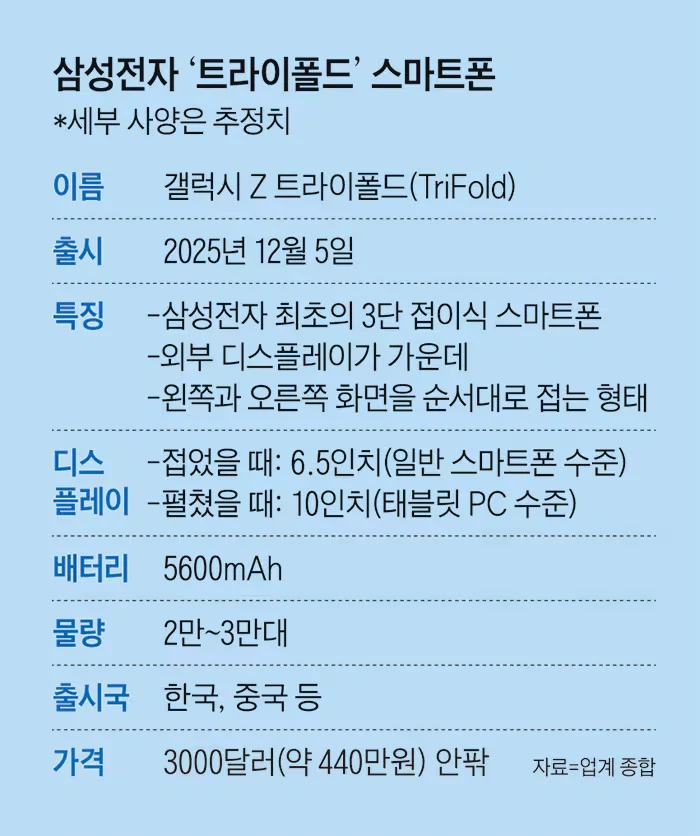
    1. Limited Availability: Samsung may only release 20,000 to 30,000 units of the Galaxy Z TriFold, primarily in Korea and a few Asian regions.

    2. High Price Point: The expected price for the Galaxy Z TriFold is around $3,000, significantly higher than the Galaxy Z Fold7.

    3. Enhanced Battery Capacity: The device is rumored to feature a 5,600 mAh battery, which is a 27% increase compared to the Galaxy Z Fold7.

    4. Display Specifications: The Galaxy Z TriFold will have a 6.5-inch cover display and a 10-inch inner display that folds outwards.

    5. Thickness and Release Date: The folded thickness is expected to be 14 mm, making it thicker than its competitors, with a planned launch date of December 5.


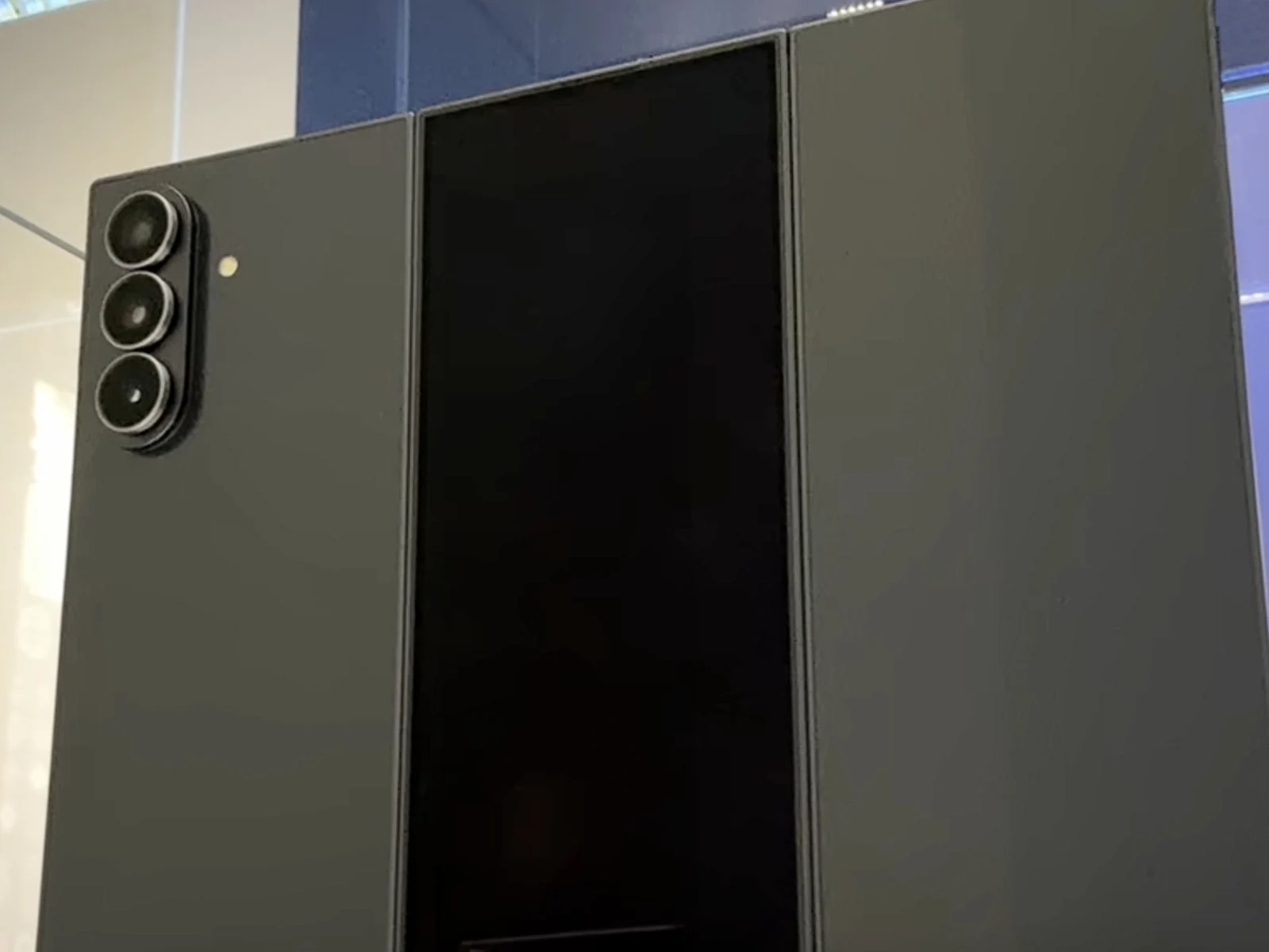
    The Chosun Daily has reportedly obtained exclusive details regarding the Galaxy Z TriFold and its differences from the Galaxy Z Fold7, which Samsung launched this year (currently priced at $1,699 on Amazon). This information comes after Samsung has certified its first tri-foldable device for sale in Singapore, which supports dual-SIM connectivity.

    Limited Availability and Pricing

    According to the latest rumors, The Chosun Daily suggests that Samsung may only release between 20,000 and 30,000 units of the Galaxy Z TriFold. Additionally, it seems that the device will be “restricted to Korea and a few other Asian regions.” The report also mentions that the expected price for the Galaxy Z TriFold could be around $3,000, and that name might be the final title for the device.

    Improved Features

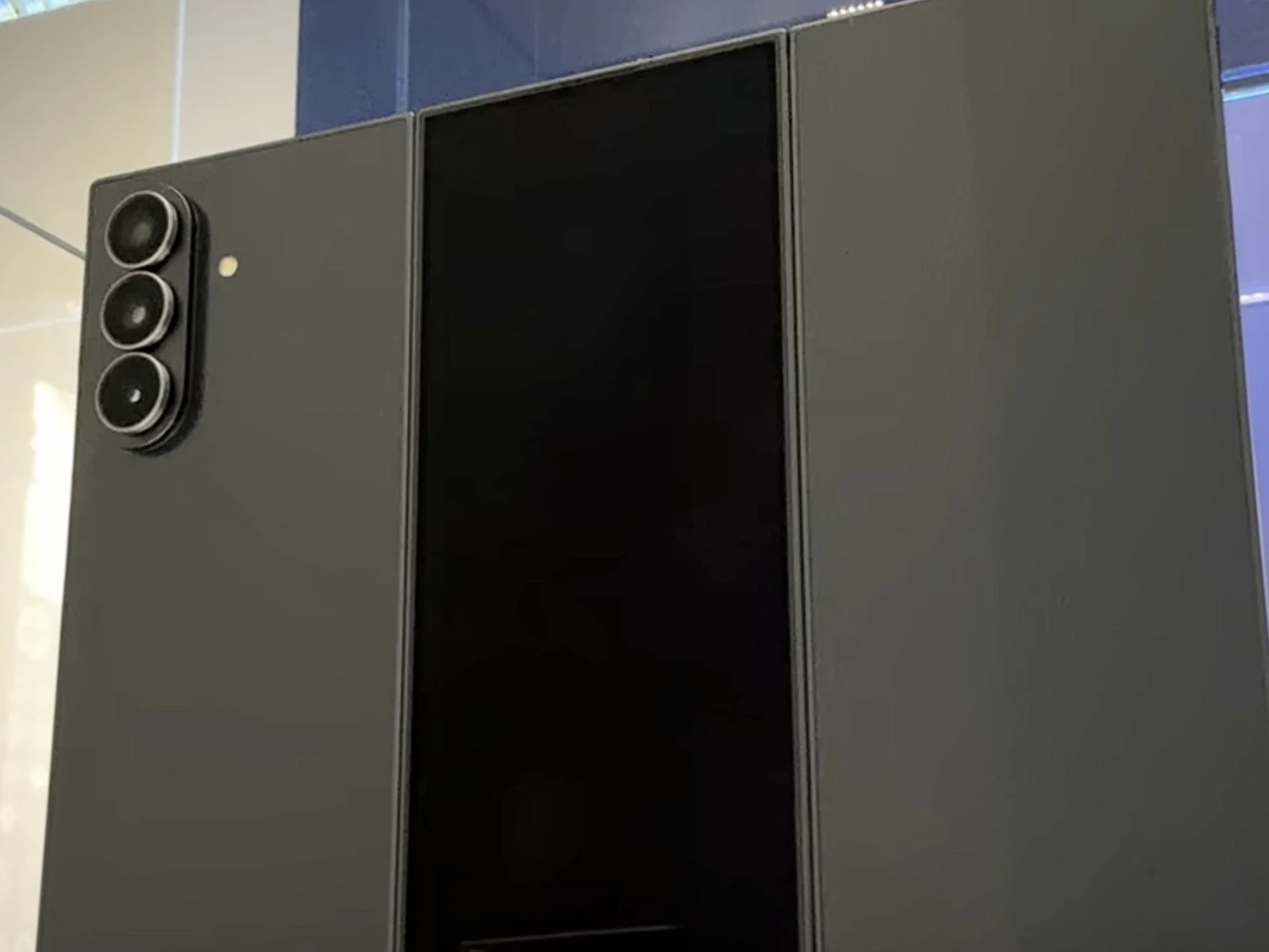
    For that hefty price, it is said that Samsung will equip the Galaxy Z TriFold with a 5,600 mAh battery, offering a 27% increase in capacity compared to the Galaxy Z Fold7. The Chosun Daily also claims that the cover display will measure 6.5 inches, similar to its Galaxy Z Fold equivalent, while the left and right edges will fold outward to reveal a 10-inch display inside.

    Dimensions and Release Date

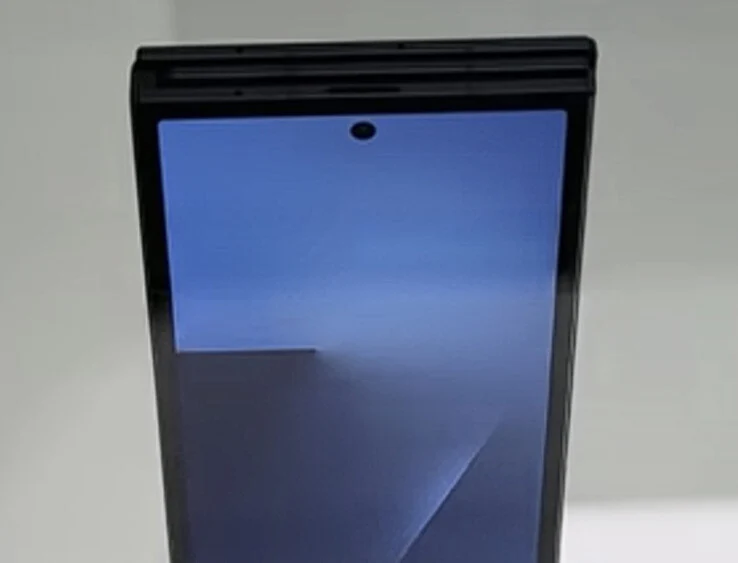
    This hardware configuration is expected to lead to a thickness of 14 mm when the device is folded. To put this into perspective, the Galaxy Z TriFold could be roughly 9% thicker than the Mate XTs and nearly 60% bulkier than the Galaxy Z Fold7. As for the launch date, The Chosun Daily asserts that Samsung plans to unveil the Galaxy Z TriFold on December 5.

    Source:
    Link


  • Samsung Galaxy Z TriFold with Dual SIM Spotted Before Launch

    Samsung Galaxy Z TriFold with Dual SIM Spotted Before Launch

    Key Takeaways

    1. The Galaxy Z TriFold was revealed at APEC South Korea 2025, but specific markets for its sale have not been disclosed by Samsung.
    2. All model numbers for the Galaxy Z TriFold share the ‘SM-D639’ root, indicating they belong to the same smartphone referred to as ‘Q7M’ by Bluetooth SIG.
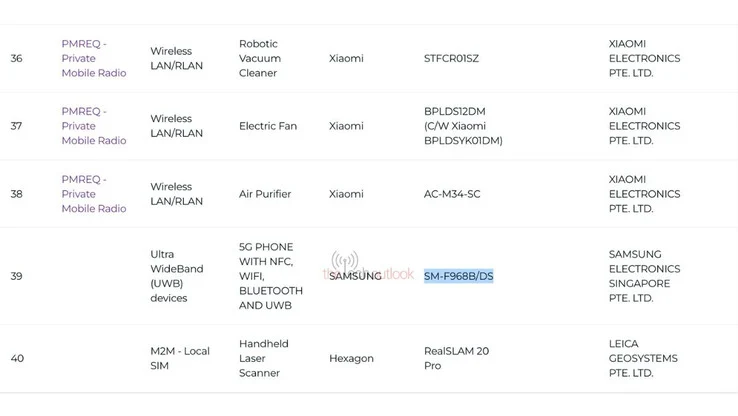
    3. A new model number, SM-F968B/DS, has been approved in Singapore, suggesting its regulatory progress.
    4. The Galaxy Z TriFold will feature dual SIM capability, confirmed by its model number.
    5. Singapore is one of three countries outside China and South Korea expected to receive the Galaxy Z TriFold, potentially launching alongside the Galaxy Z Fold7.


    The Galaxy Z TriFold is still somewhat enigmatic, even though it was officially revealed more than two weeks ago. Samsung introduced the device at APEC South Korea 2025, but the company has not yet disclosed the specific markets or regions where it will be sold. Recently, listings from Bluetooth SIG suggested that the Galaxy Z TriFold could be found in several countries, each with different model numbers.

    Model Number Insights

    To summarize, all the model numbers share the same ‘SM-D639’ root, indicating they belong to the same smartphone, which Bluetooth SIG referred to as ‘Q7M’. Additionally, the Infocomm Media Development Authority (IMDA) has approved what is thought to be the same Galaxy Z TriFold, identified by a new model number in Singapore. Interestingly, this certification features the model number SM-F968B/DS, differing from both SM-D639 and its regional variants.

    Dual SIM and Global Availability

    However, this previous model number has been seen in Chinese regulatory filings before. The model number itself confirms that the Galaxy Z TriFold will have dual SIM capability. Presently, Singapore is one of three nations outside of China and South Korea anticipated to get the Galaxy Z TriFold. Reports also suggest that Samsung’s first tri-fold device may soon be available alongside the Galaxy Z Fold7, which currently retails for $1,699 on Amazon, in the UAE and Taiwan.

    Source:
    Link


  • Google to Penalize Apps That Drain Battery in Play Store Update

    Google to Penalize Apps That Drain Battery in Play Store Update

    Key Takeaways

    1. Google will penalize apps that excessively use “wake locks” starting March 1, 2026, to improve battery performance for Android users.
    2. Apps that misuse wake locks will see reduced visibility in Play Store recommendations and may feature warning labels regarding battery drain.
    3. The new policy adds battery efficiency to Google’s existing technical quality metrics, which already include app crashes and responsiveness.
    4. An app will be marked for high battery usage if it keeps the device awake for over two hours in 24 hours without a valid reason.
    5. Google collaborated with Samsung to develop these new battery efficiency metrics as part of efforts to enhance Android’s power management.


    Google is rolling out a new policy for the Play Store aimed at tackling a common annoyance for Android users: apps that unknowingly drain your phone’s battery. Beginning on March 1, 2026, the tech giant will start to identify and penalize apps that maintain “wake locks” for long durations without a good reason. Wake locks are a technical feature that keeps your device awake even when the display is turned off. They are helpful for activities like playing music or downloading files, but they can cause issues when apps misuse them by keeping the processor running unnecessarily.

    New Visibility Measures

    With this new policy, apps that are found to excessively hold wake locks will risk having their visibility reduced in Play Store recommendations. They might also carry a warning label on their listings, letting users know that these apps could lead to quicker battery drain. This initiative builds on Google’s current technical quality metrics, which already monitor problems like app crashes and lack of response, now including battery efficiency as an important performance metric. The aim is to assist developers in creating apps that are more mindful of power consumption while offering users better insights regarding how these apps affect their devices.

    Stricter Guidelines for Apps

    An Android app will be marked for high battery usage if it keeps the device awake for over two hours in a 24-hour timeframe without a valid explanation. For wearable devices, Google considers an app inefficient if it uses more than 4.44 percent of the watch’s battery every hour during active use. Applications that surpass these limits will face penalties in visibility and public alerts on their Play Store listings. The company highlighted that it collaborated closely with Samsung to fine-tune these new metrics, which are part of a broader initiative to enhance Android’s overall power management capabilities.

    Source:
    Link


  • Samsung Galaxy S26 Plus: Inspired by Z Fold7 and S25 Ultra Designs

    Samsung Galaxy S26 Plus: Inspired by Z Fold7 and S25 Ultra Designs

    Key Takeaways

    1. The Galaxy S26 Plus is expected to launch next year alongside the Galaxy S26 Edge, contrary to earlier rumors about its discontinuation.
    2. The Galaxy S26 Plus will maintain the same name and dimensions as the Galaxy S25 Plus, with only a slight increase in thickness.
    3. The dimensions of the Galaxy S26 Plus are rumored to be 158.4 x 75.8 x 7.35 mm.
    4. The design of the Galaxy S26 Plus may be inspired by the Galaxy Z Fold7, featuring a more prominent camera housing and simpler lens configurations.
    5. The new model is expected to adopt a boxier design, aiming for a unified design language across Samsung’s Galaxy S series.


    The Galaxy S25 Plus is set to be replaced in about two to three months, according to the latest rumors. In the meantime, Android Headlines and OnLeaks have collaborated to provide what they believe is an early glimpse at the upcoming Galaxy S26 Plus and its differences from the current version, which is priced at $849 on Amazon.

    Changes in the Lineup

    Initially, there were speculations that Samsung would discontinue the Galaxy S26 Plus, allowing the Galaxy S26 Edge to take its spot. However, it seems this isn’t true anymore. Both models are now expected to launch next year, though the Galaxy S26 Edge may come with a different name. In contrast, the Galaxy S26 Plus is rumored to keep the same name and dimensions as its predecessor, nearly unchanged.

    Size and Design Details

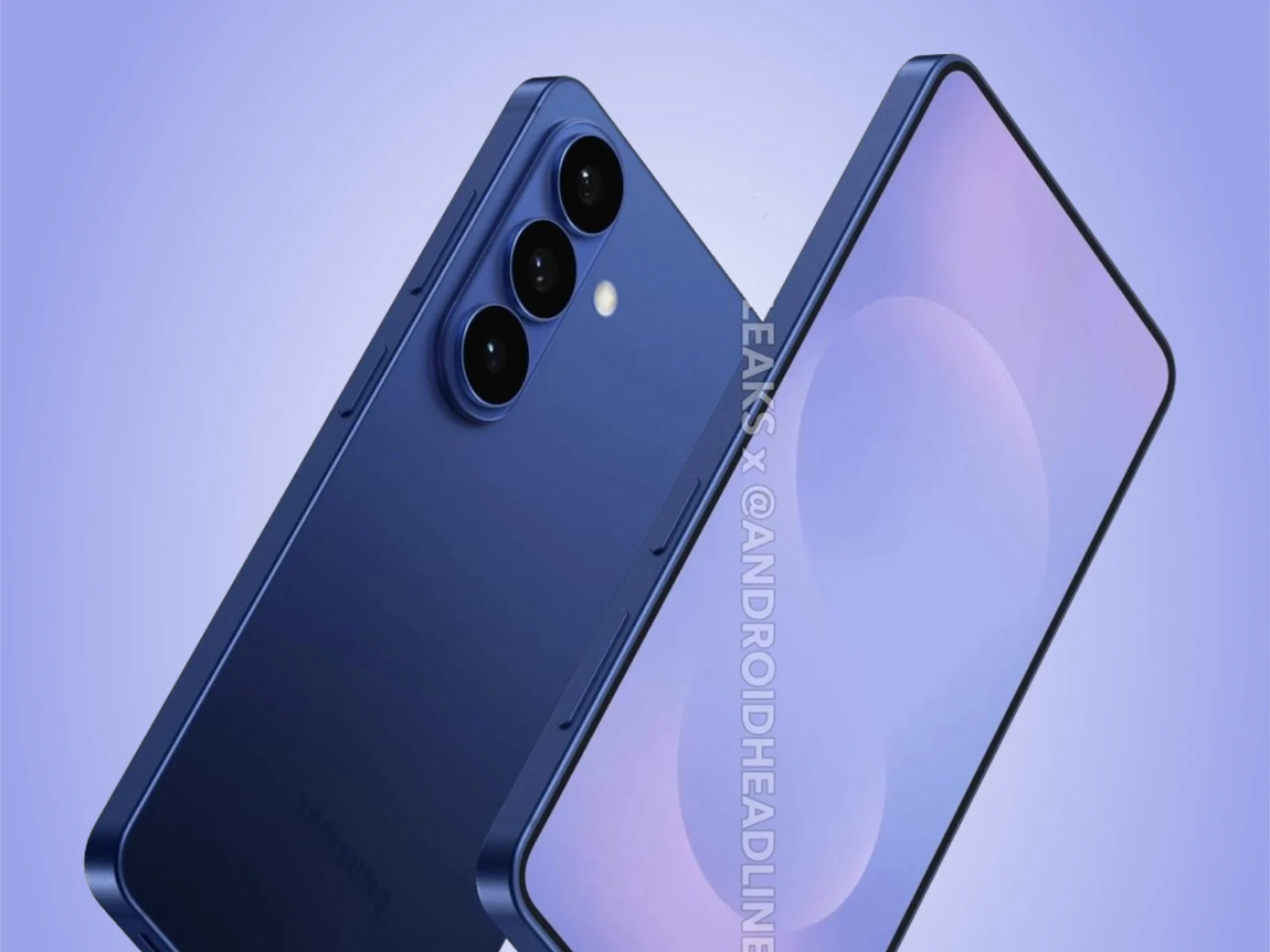
    The Galaxy S26 Plus is rumored to have dimensions of 158.4 x 75.8 x 7.35 mm, meaning it will match the height and width of the Galaxy S25 Plus, while being slightly thicker by 0.05 mm. It appears that Samsung might have looked to the Galaxy Z Fold7 for inspiration when crafting the back design of the new Plus model, featuring a more prominent camera housing alongside simpler lens configurations. The Galaxy S26 Plus is also expected to have a boxier design compared to the current model, suggesting that Samsung is trying to unify the design language across its Galaxy S series, something they haven’t done in recent years.

    Android Headlines and OnLeaks’ insights give a sneak peek into what’s coming from Samsung.

    Source:
    Link


  • Samsung Galaxy S26 Leak Reveals Ultra-Thin Redesign Details

    Samsung Galaxy S26 Leak Reveals Ultra-Thin Redesign Details

    Key Takeaways

    1. Samsung’s upcoming compact flagship smartphone may be called the Galaxy S26 instead of Galaxy S25.
    2. Recent rumors suggest changes in design, with the Galaxy S26 potentially being thinner than its predecessor.
    3. New specifications indicate the Galaxy S26 will measure approximately 149.5 mm in height and 71.6 mm in width, with a thickness of 7.24 mm.
    4. The Galaxy S26 is expected to resemble a smaller version of the Galaxy S26 Ultra more than the Galaxy S25 Ultra.
    5. The Galaxy S26, along with the S26 Plus and S26 Ultra, is anticipated to launch in early 2026 with options for Exynos 2600 and Snapdragon 8 Elite Gen 5 chipsets.


    The name of Samsung’s upcoming compact flagship smartphone has sparked debate in recent months. There were reports during the summer suggesting that Samsung might not directly succeed the Galaxy S25 with another model. Instead, it was rumored that the company might use the ‘Pro’ label for its smaller flagship, leading to the potential release of the Galaxy S26 Pro.

    Changes in Rumors

    However, other sources have since backtracked on this claim. Recently, Android Headlines and OnLeaks have shared new render images of the device referred to as the Galaxy S26. It seems that there are more updates than just a name switch.

    New Specifications

    Previously, the two sources indicated that the Galaxy S26 Pro would have dimensions of 149.3 x 71.4 x 6.96 mm, making it considerably thinner than the current Galaxy S25 (priced at $479 for renewed models on Amazon). Ice Universe hinted that this slimmer design would also apply to the Galaxy S26, but OnLeaks suggested that Ice Universe might be using outdated details.

    According to OnLeaks, the latest prototype of Samsung’s device has increased to 7.24 mm in thickness, while measuring 149.5 mm in height and 71.6 mm in width. If these new specifications hold true, the Galaxy S26 would be closer in size to the iPhone 17 or iPhone 17 Pro compared to its predecessor. Overall, the Galaxy S26 seems to resemble a smaller version of the Galaxy S26 Ultra more than the Galaxy S25 Ultra did.

    Anticipated Release

    At present, the Galaxy S26 is anticipated to launch alongside the Galaxy S26 Plus and Galaxy S26 Ultra in early 2026. Consumers can expect options between the Exynos 2600 and Snapdragon 8 Elite Gen 5 chipsets for these devices.

    Source:
    Link


  • Sony, Samsung, Apple LOFIC Sensors to Bring Cinema-Level Quality by 2028

    Sony, Samsung, Apple LOFIC Sensors to Bring Cinema-Level Quality by 2028

    Key Takeaways

    1. Major tech companies like Sony, Samsung, and Apple are developing next-gen image sensors using LOFIC technology, with expected adoption between late 2026 and 2028.

    2. Sony plans to release a 1/1.3-inch LOFIC sensor for OPPO and Vivo, with prototypes ready by late 2026, marking a shift towards external OEM partnerships.

    3. Samsung is working on a 200 MP, 1/1.1-inch LOFIC module, anticipated for release between late 2026 and early 2027.

    4. Apple’s in-house CIS project with LOFIC technology is now expected to launch in 2028, potentially delaying the introduction originally planned for the 2027 iPhone 20 series.

    5. LOFIC technology enhances dynamic range and low-light performance in image sensors, shifting the focus of mobile photography from resolution to overall image quality.


    A recent post on Weibo by the trusted insider Digital Chat Station suggests that major tech companies like Sony, Samsung, and Apple are working on the next-gen image sensors that will use LOFIC (Lateral Overflow Integration Capacitor) technology. The timeline indicates that we can expect this technology to be adopted between late 2026 and 2028, hinting at a coordinated effort across the industry rather than just individual trials.

    Sony’s New Developments

    The leak reveals that Sony is getting ready to launch a 1/1.3-inch LOFIC sensor for brands like OPPO and Vivo, with prototype versions expected to be ready by late 2026. This is the first time it’s been reported that Sony is creating a LOFIC sensor specifically intended for external OEM partners, instead of for its own Xperia series. Furthermore, Samsung is believed to be working on a 200 MP, 1/1.1-inch module, known internally as HPA, which is anticipated to be released sometime between late 2026 and early 2027.

    Apple’s Progress with LOFIC

    On the other hand, Apple is reportedly making strides in its own in-house CIS (CMOS Image Sensor) project that incorporates LOFIC technology, with a release now expected in 2028. The leak from Digital Chat Station specifically states that Apple’s self-developed CIS with LOFIC support is “currently planned for the year 2028.”

    In the past, there have been indications that Apple’s first LOFIC sensor would be introduced with the 2027 “anniversary iPhone,” recognized now as the iPhone 20 series. The iPhone 20 holds special significance as it marks Apple’s 20th anniversary, and it would have been a great opportunity to unveil the company’s first in-house image sensor. However, the latest information suggests that this significant camera upgrade might be pushed back a year, delaying the LOFIC introduction to the 2028 iPhone models.

    Understanding LOFIC Technology

    For those who may not know, LOFIC allows a sensor to capture excess charge from bright areas using lateral capacitors, which helps avoid highlight clipping and enhances tonal range. This design results in better performance in low-light conditions and improves dynamic range, yielding more realistic details in both highlights and shadows.

    If this information is correct, it appears that Sony and Samsung could bring LOFIC sensors to market before the end of 2027, while Apple will adopt the technology later through its own CIS. This trend also highlights a shift from merely competing on resolution towards focusing on dynamic range and architectural innovations in mobile photography.

    Currently, there has been no official confirmation from any of the three companies regarding these details.

    Source:
    Link