Tag: Galaxy S26 Plus

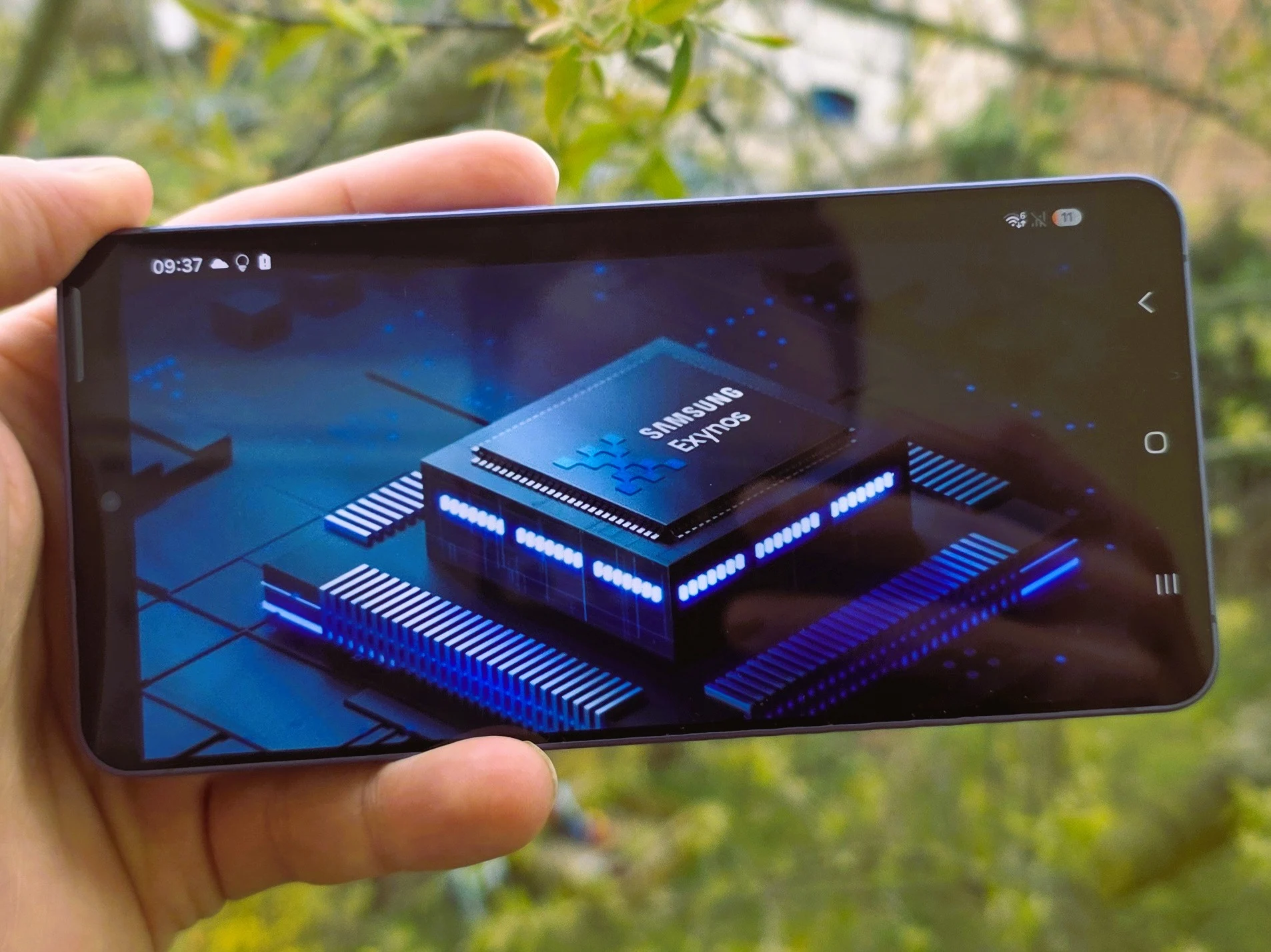
  • Exynos 2600 Boosts Samsung’s Premium Smartphone Performance

    Exynos 2600 Boosts Samsung’s Premium Smartphone Performance

    Key Takeaway

    1. The Exynos 2600 is Samsung’s first 2nm process chip, aiming to compete with TSMC’s 3nm and 2nm processors amidst delays at TSMC.
    2. It features a 10-core ARM Lumex architecture, including a high-clocked prime core and a GPU (Xclipse 960) promising improved gaming performance.
    3. While it shows competitive multi-core performance, it lags behind Snapdragon 8 Elite Gen 5 in single-core performance and has slightly lower efficiency, impacting battery life in daily use.

    Introduction to the Chipset and Manufacturing Process

    The demand for more powerful chips is increasing, so many folks were really looking forward to Samsung’s Exynos 2600. It’s built using a new 2nm GAA process, which is very promising as a strong alternative to TSMC’s 3nm and 2nm chips. But there’s a catch, as those advanced process nodes from TSMC are taking quite long, with wait times stretching into 2027 or even 2028. So, the Exynos 2600’s release is super important not just for Samsung’s premium phones but also for the entire smartphone industry. It really aims to fill a gap that’s been growing in the market for high-end, efficient chipsets.

    Core Architecture and GPU Details

    This new SoC features a total of 10 cores built on ARM Lumex architecture, similar to MediaTek’s Dimensity 9500. The heart of the chip is a prime core called C1 Ultra, capable of reaching speeds up to 3.8 GHz, surrounded by three C1 Pro cores clocked at 3.25 GHz, and six C1 Pro cores reaching 2.75 GHz. The GPU is an Xclipse 960, which will need to prove its worth in gaming benchmarks to see if it can keep up with competitors.

    Performance and Benchmark Results

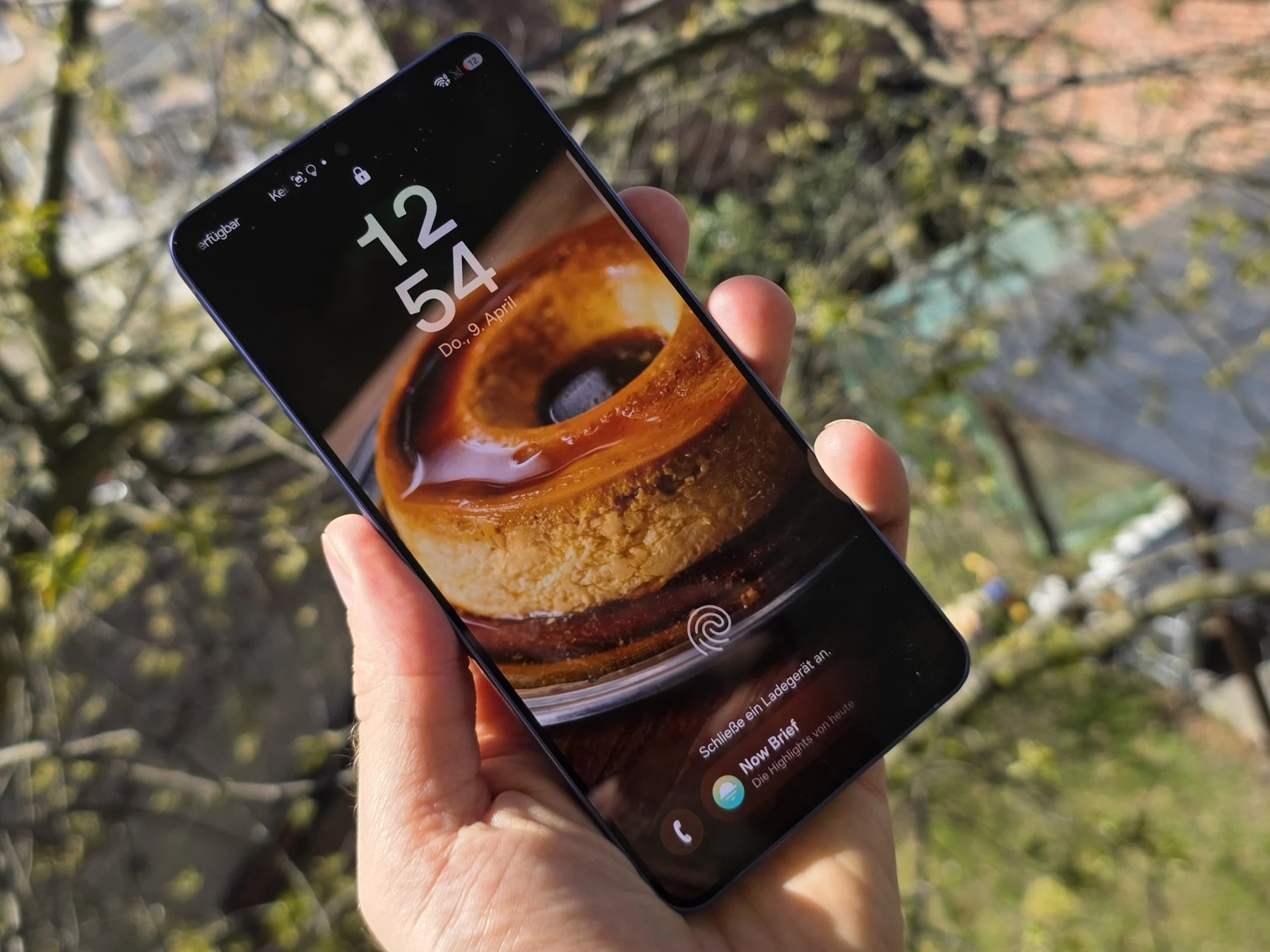
    In real-world testing, like our review of the Galaxy S26 Plus, the Exynos 2600 did fall short compared to devices with Snapdragon 8 Elite Gen 5 in single-core benchmarks such as Geekbench. While still speedy, it only offers a real edge over Snapdragon in multi-core performance when used in the Galaxy S25 Plus. Performance is not just about speed—it’s about how well the device manages power too. To test this, we measure power consumption at a standard brightness setting to see how the chips handle efficiency.

    Power Efficiency and Gaming Performance

    Samsung appears to have done a good job with the GPU, as in GFXBench tests, the Galaxy S26 Plus consumes less power than the previous model, even though it delivers higher performance. Though, when compared to the Snapdragon 8 Elite Gen 5, the Exynos 2600 shows slightly lower efficiency. But these differences aren’t that huge, which is pretty good overall.

    Battery Life Concerns in Daily Use

    Despite promising power efficiency in tests, the Samsung SoC encounters a “problem” in everyday usage—battery life. Users might notice that their devices don’t last as long as expected, indicating that real-world conditions might lessen its efficiency gains. This is a common challenge with high-end processors, but it remains something to keep an eye on for potential improvements in future updates or device models.
    Sources
  • Galaxy S26 Plus vs Galaxy S25 Plus: Key Differences Reviewed

    Galaxy S26 Plus vs Galaxy S25 Plus: Key Differences Reviewed

    Key Takeaway

    1. The Galaxy S26 Plus offers improved performance with the Exynos 2600 but has reduced battery life and slower internal storage compared to the Galaxy S25 Plus.
    2. It exhibits higher operating temperatures under load yet maintains better sustained performance due to less throttling.
    3. The device achieves faster WiFi data rates and more balanced audio performance than its predecessor.

    Overview of the Galaxy S26 Plus

    In our deep looked at Samsung’s latest release, the Galaxy S26 Plus, it got us thinking that this phone is really an interesting one. Despite being a solid upper mid-range device, it kinda reveal that Samsung’s been working on it only recently, especially since its predecessor, the Galaxy S26 Edge, was canceled at last minute. Because of this, calling it the “Galaxy S25 Plus (2026)” might have been more appropriate, if we look at the timeline.

    Performance and Benchmark Comparisons

    Moving onto the performance side, the new Exynos 2600 chip makes the S26 Plus notably quicker than other Android phones. Even if it doesn’t beat the Galaxy S25 Plus in every single test, the difference is clear. Geekbench multi-core and GFXBench demanding tests show the new model is better, and in 3DMark, its GPU beats the older one by a good 20% or more. That means, overall, it’s a more powerful device, but it’s not always the absolute fastest.

    Battery Life and Power Consumption

    But, here’s a thing, the improved speed comes with a bit of a trade-off. In our battery test at 150 nits brightness, the Galaxy S26 Plus only lasted about 2 hours less than the S25 Plus. That could be because the Exynos 2600 pulls more power during intensive tasks like browsing. Apart from that, the display and other parts are probably the same, so it’s more about how much energy the new chip uses.

    Storage and Speed Limitations

    When it comes to storage, there’s a noticeable difference. Benchmark results from AndroBench show the internal UFS 4.0 storage on the S26 Plus is a bit slower, especially when writing data. Despite using the same storage tech, the chipset’s storage controller might be holding things back a little. Still, most users won’t really feel the slowdowns during everyday activities, so it shouldn’t be a big deal for most.

    Thermal Behavior and Throttling

    Under heavy use, this new Samsung phone gets warmer, reaching up to 47.5°C, compared to 43.6°C on the older S25 Plus. However, interestingly enough, it throttles less in demanding stress tests, meaning it can keep performance a bit more stable longer. In some cases, the newer model maintains peak speed longer than its predecessor, which is pretty good for gaming and intensive tasks. Throttling was around 59.6% on the S26 Plus, versus 48.7% on the S25 Plus, showing it’s a bit better at managing heat and performance trade-offs.

    Connectivity and Audio Quality

    When evaluating WiFi performance, the S26 Plus outshines its sibling with faster data rates—peaking at nearly 1,800 Mbps compared to 1,300 Mbps for the S25 Plus. On audio, the newer model also displays a more balanced sound profile in pink noise tests, giving users a more consistent listening experience. Overall, these enhancements show Samsung’s focus on making the newer model more capable in connectivity and sound.

    Sources
    • Galaxy S26 Plus: New Flagship with Ultra-Matching Battery Life

      Galaxy S26 Plus: New Flagship with Ultra-Matching Battery Life

      Key Takeaways

      1. Samsung will launch the Galaxy S26 Plus and Galaxy S26 Ultra on February 25, with sales starting afterward.
      2. The new models have reduced battery life, reaching 80% capacity after 1,200 charge cycles, compared to 2,000 cycles for the S25 series.
      3. The Galaxy S26 Plus has a 100 mAh smaller battery than the Ultra model, due to different chipsets used in Europe.
      4. The Galaxy S26 Ultra supports faster charging at 60 W wired and 25 W wireless, while the S26 Plus offers 45 W wired and 15 W wireless.
      5. Pricing for the Galaxy S26 Plus is expected to be €1,269 (around $1,495) and €1,459 (approximately $1,719) for the Galaxy S26 Ultra in the Eurozone.


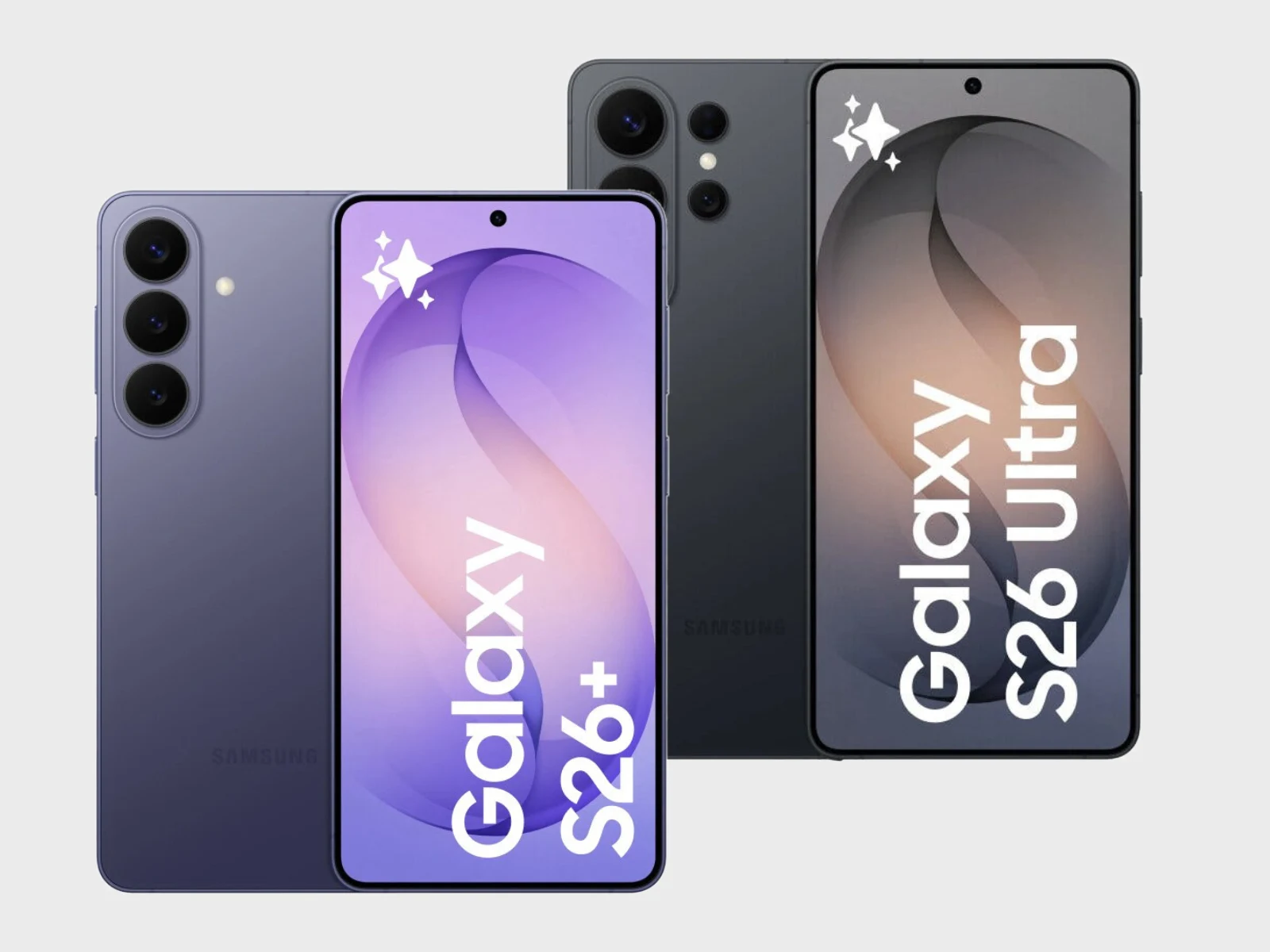
      The upcoming releases of the Galaxy S26 Plus and Galaxy S26 Ultra are just around the corner. Samsung will start selling these smartphones only after their launch event, which takes place on February 25. However, Ytechb has managed to obtain the EU energy labels for both devices ahead of schedule. One notable change in these new models, compared to their predecessors, is the decrease in battery life.

      Battery Performance Comparison

      For reference, the EU rates the Galaxy S25 Plus and Galaxy S25 Ultra (currently priced at $833 for refurbished models on Amazon) as maintaining 80% of their peak battery capacity after 2,000 charge cycles. In contrast, the new Galaxy S26 Plus and Galaxy S26 Ultra will reach this level of battery deterioration after just 1,200 cycles. The EU anticipates that both models will still provide the same impressive 55-hour runtime under their testing conditions.

      Differences in Specifications

      Interestingly, the Galaxy S26 Plus has a 100 mAh smaller battery than the Ultra model. Leaked specification documents reveal that this difference is due to the smartphones using different chipsets in Europe. Samsung is likely to equip the Galaxy S26 Plus with the Exynos 2600 processor, while the Ultra model will feature the Snapdragon 8 Elite Gen 5.

      Charging Capabilities

      The Galaxy S26 Ultra will have faster charging capabilities compared to the Plus version, with 60 W wired and 25 W wireless charging, opposed to the 45 W and 15 W offered by the Galaxy S26 Plus. At the moment, the Galaxy S26 Plus is expected to be launched in the Eurozone for €1,269 (around $1,495). On the other hand, the Galaxy S26 Ultra should be priced at €1,459 (approximately $1,719) in the same region.

      via Ytechb

      Source:
      Link


    • Samsung Galaxy S26 Plus: Inspired by Z Fold7 and S25 Ultra Designs

      Samsung Galaxy S26 Plus: Inspired by Z Fold7 and S25 Ultra Designs

      Key Takeaways

      1. The Galaxy S26 Plus is expected to launch next year alongside the Galaxy S26 Edge, contrary to earlier rumors about its discontinuation.
      2. The Galaxy S26 Plus will maintain the same name and dimensions as the Galaxy S25 Plus, with only a slight increase in thickness.
      3. The dimensions of the Galaxy S26 Plus are rumored to be 158.4 x 75.8 x 7.35 mm.
      4. The design of the Galaxy S26 Plus may be inspired by the Galaxy Z Fold7, featuring a more prominent camera housing and simpler lens configurations.
      5. The new model is expected to adopt a boxier design, aiming for a unified design language across Samsung’s Galaxy S series.


      The Galaxy S25 Plus is set to be replaced in about two to three months, according to the latest rumors. In the meantime, Android Headlines and OnLeaks have collaborated to provide what they believe is an early glimpse at the upcoming Galaxy S26 Plus and its differences from the current version, which is priced at $849 on Amazon.

      Changes in the Lineup

      Initially, there were speculations that Samsung would discontinue the Galaxy S26 Plus, allowing the Galaxy S26 Edge to take its spot. However, it seems this isn’t true anymore. Both models are now expected to launch next year, though the Galaxy S26 Edge may come with a different name. In contrast, the Galaxy S26 Plus is rumored to keep the same name and dimensions as its predecessor, nearly unchanged.

      Size and Design Details

      The Galaxy S26 Plus is rumored to have dimensions of 158.4 x 75.8 x 7.35 mm, meaning it will match the height and width of the Galaxy S25 Plus, while being slightly thicker by 0.05 mm. It appears that Samsung might have looked to the Galaxy Z Fold7 for inspiration when crafting the back design of the new Plus model, featuring a more prominent camera housing alongside simpler lens configurations. The Galaxy S26 Plus is also expected to have a boxier design compared to the current model, suggesting that Samsung is trying to unify the design language across its Galaxy S series, something they haven’t done in recent years.

      Android Headlines and OnLeaks’ insights give a sneak peek into what’s coming from Samsung.

      Source:
      Link