
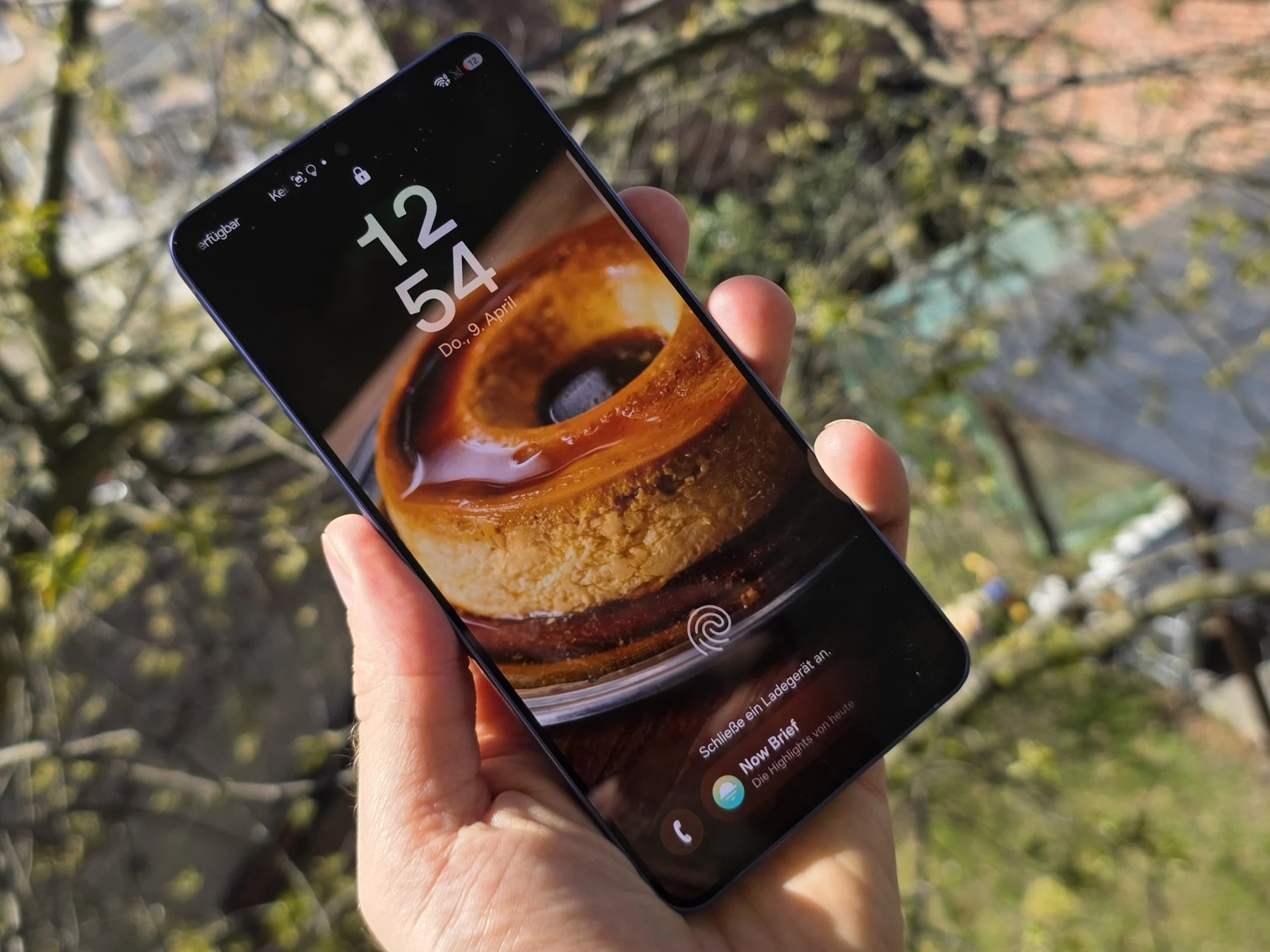
1. The Galaxy S26 Plus offers improved performance with the Exynos 2600 but has reduced battery life and slower internal storage compared to the Galaxy S25 Plus.
2. It exhibits higher operating temperatures under load yet maintains better sustained performance due to less throttling.
3. The device achieves faster WiFi data rates and more balanced audio performance than its predecessor.
Overview of the Galaxy S26 Plus
In our deep looked at Samsung’s latest release, the Galaxy S26 Plus, it got us thinking that this phone is really an interesting one. Despite being a solid upper mid-range device, it kinda reveal that Samsung’s been working on it only recently, especially since its predecessor, the Galaxy S26 Edge, was canceled at last minute. Because of this, calling it the “Galaxy S25 Plus (2026)” might have been more appropriate, if we look at the timeline.
Performance and Benchmark Comparisons
Moving onto the performance side, the new Exynos 2600 chip makes the S26 Plus notably quicker than other Android phones. Even if it doesn’t beat the Galaxy S25 Plus in every single test, the difference is clear. Geekbench multi-core and GFXBench demanding tests show the new model is better, and in 3DMark, its GPU beats the older one by a good 20% or more. That means, overall, it’s a more powerful device, but it’s not always the absolute fastest.
Battery Life and Power Consumption
But, here’s a thing, the improved speed comes with a bit of a trade-off. In our battery test at 150 nits brightness, the Galaxy S26 Plus only lasted about 2 hours less than the S25 Plus. That could be because the Exynos 2600 pulls more power during intensive tasks like browsing. Apart from that, the display and other parts are probably the same, so it’s more about how much energy the new chip uses.
Storage and Speed Limitations
When it comes to storage, there’s a noticeable difference. Benchmark results from AndroBench show the internal UFS 4.0 storage on the S26 Plus is a bit slower, especially when writing data. Despite using the same storage tech, the chipset’s storage controller might be holding things back a little. Still, most users won’t really feel the slowdowns during everyday activities, so it shouldn’t be a big deal for most.
Thermal Behavior and Throttling
Under heavy use, this new Samsung phone gets warmer, reaching up to 47.5°C, compared to 43.6°C on the older S25 Plus. However, interestingly enough, it throttles less in demanding stress tests, meaning it can keep performance a bit more stable longer. In some cases, the newer model maintains peak speed longer than its predecessor, which is pretty good for gaming and intensive tasks. Throttling was around 59.6% on the S26 Plus, versus 48.7% on the S25 Plus, showing it’s a bit better at managing heat and performance trade-offs.
Connectivity and Audio Quality
When evaluating WiFi performance, the S26 Plus outshines its sibling with faster data rates—peaking at nearly 1,800 Mbps compared to 1,300 Mbps for the S25 Plus. On audio, the newer model also displays a more balanced sound profile in pink noise tests, giving users a more consistent listening experience. Overall, these enhancements show Samsung’s focus on making the newer model more capable in connectivity and sound.
Leave a Reply