Tag: Samsung

  • Samsung Plans Credit Card Service in US to Compete with Apple Card

    Samsung Plans Credit Card Service in US to Compete with Apple Card

    Key Takeaways

    1. Samsung is planning to launch a new credit card in the U.S. in partnership with Barclays Bank.
    2. The new credit card will compete with Apple’s offerings by providing cashback rewards and integration with Samsung Wallet.
    3. Ongoing discussions between Samsung and Barclays are expected to conclude with a public announcement before the end of 2025.
    4. Samsung is expanding its financial products, including digital prepaid cards, high-yield savings accounts, and Buy Now Pay Later options.
    5. The initiative aims to strengthen Samsung’s financial ecosystem in the U.S. and enhance the use of Samsung Wallet.


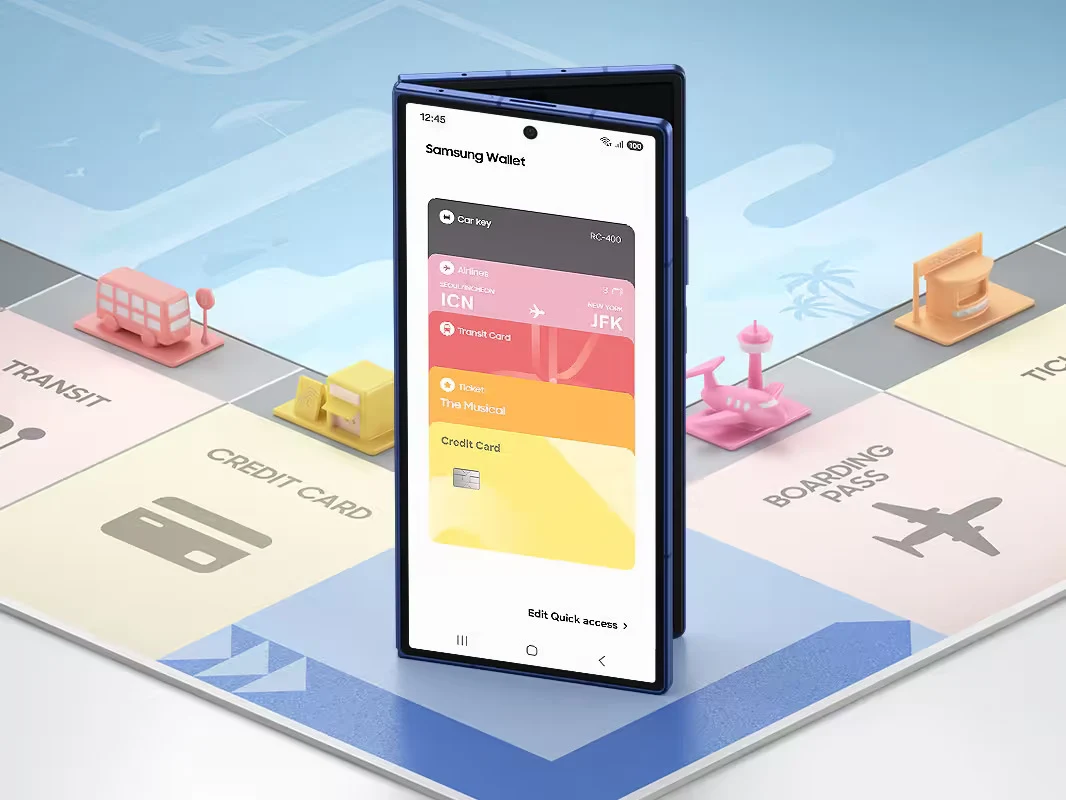
    Samsung is said to be gearing up to launch a new credit card in the U.S. in collaboration with Barclays Bank. This initiative is clearly designed to rival Apple’s increasing presence in consumer finance with its Apple Card and Apple Wallet. The new card is likely to operate on Visa’s payment network and will be integrated with Samsung Wallet. Users can expect to earn cashback, which can then be moved to their Samsung accounts for future purchases of Samsung or partner products.

    Ongoing Discussions

    As reported by The Wall Street Journal, talks between Samsung and Barclays are still in progress, with a public announcement expected before the close of 2025. Moreover, Samsung is working on a wider array of financial products, which includes digital prepaid cards, high-yield savings accounts, and Buy Now Pay Later options. These offerings are set to broaden Samsung’s financial ecosystem in the U.S. and encourage more people to utilize Samsung Wallet, its mobile payment and digital services platform.

    Competing with Apple

    This strategic move comes after Apple’s achievements with the Apple Card, which debuted in 2019 via a collaboration with Goldman Sachs and Mastercard. The Apple Card grants cashback rewards and interest-free payment plans for Apple products, although Goldman Sachs has encountered significant losses from this project. Currently, Apple is reportedly in discussions with JPMorgan Chase to potentially take over this partnership.

    Samsung’s prospective credit card collaboration with Barclays reflects its previous efforts in South Korea and India, where the company already provides co-branded cards and integrated financial services linked to its Galaxy ecosystem. The goal in the U.S. is to repeat that success by fostering closer ties between its hardware, software, and financial services. Negotiations between Samsung and Barclays have taken longer than anticipated, and the final details of the partnership are still unclear.

    Source:
    Link


  • Samsung Galaxy S26 Leak: Slimmer Design and Major Changes

    Samsung Galaxy S26 Leak: Slimmer Design and Major Changes

    Key Takeaways

    1. Slimmer Profile: The Galaxy S26 will be only 6.9mm thick, a reduction of 0.3mm from the S25, reflecting Samsung’s trend towards sleeker designs.

    2. New Camera Layout: The standard model will feature a vertical camera island, moving away from the minimalist design seen in recent models.

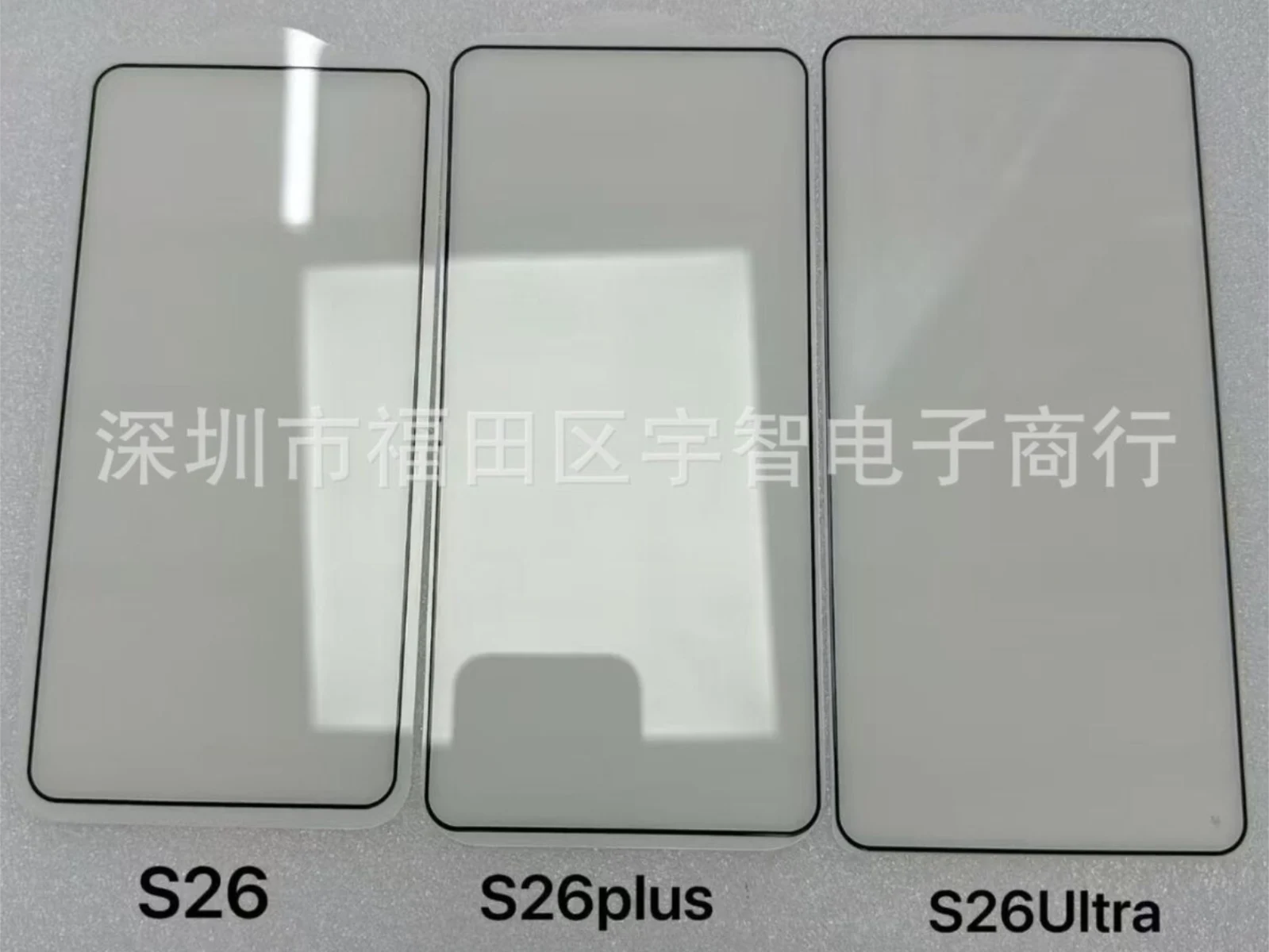
    3. Display Size and Features: The display is expected to grow slightly to 6.3 inches, with possible enhancements in resolution, while the lineup will focus on standard, Plus, and Ultra versions.

    4. Design Changes for Ultra Model: The S26 Ultra will have more rounded corners, shifting away from the recent boxy aesthetics for a softer look.

    5. Software and Performance: The S26 will come pre-installed with Android 16-based One UI 8.5 firmware, with more concrete details expected as mass production approaches.


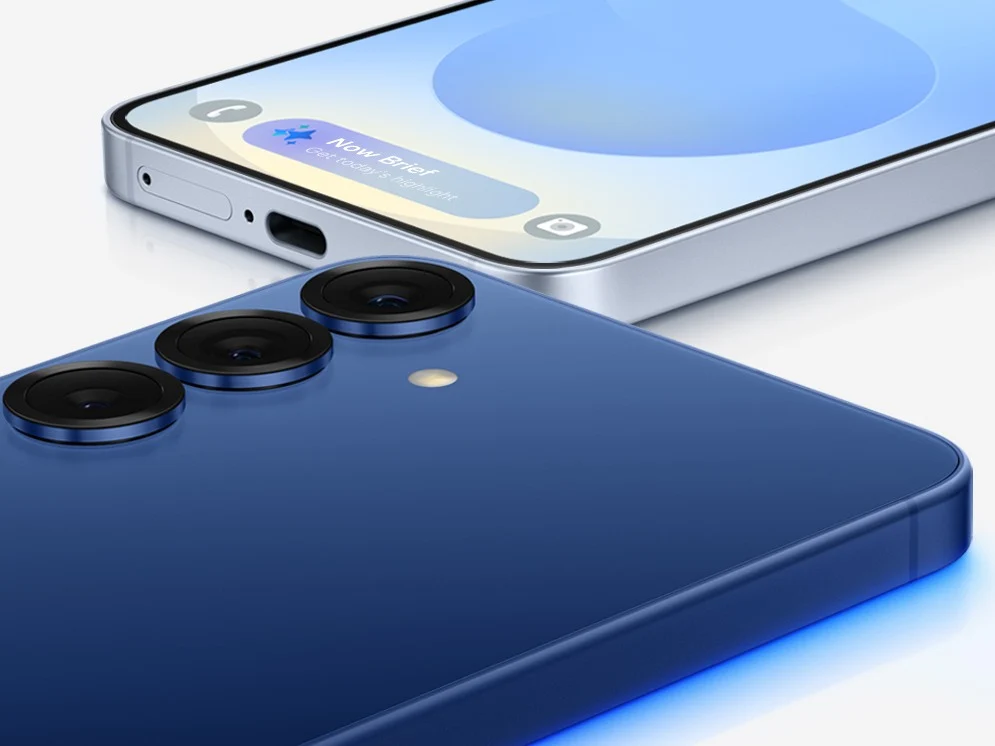
    Rumors about the soon-to-be-released Galaxy S26 series are intensifying, indicating a significant design change just months ahead of the anticipated launch. A new leak from a trusted source has disclosed the thickness of the regular Samsung Galaxy S26, suggesting a notably slimmer design and a new look compared to its earlier model. Samsung is set to unveil these devices at an Unpacked event on February 25, 2026, according to recent information.

    Slimmer Profile

    Well-known leaker Ice Universe has shared that the standard Galaxy S26 will be only 6.9mm thick. This means Samsung is reducing the thickness by 0.3mm from the Galaxy S25, which measures 7.2mm. This approximately 4% decrease in thickness aligns with Samsung’s recent trend of differentiating its flagship products through sleek and elegant designs.

    New Camera Layout

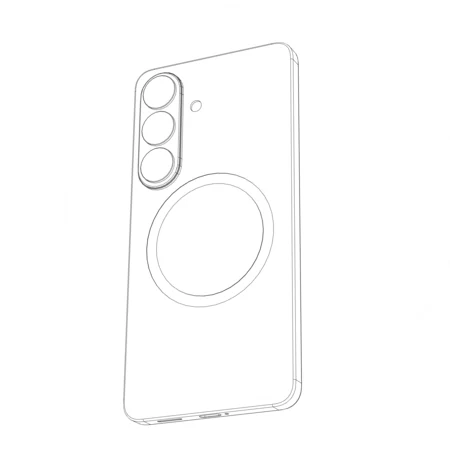
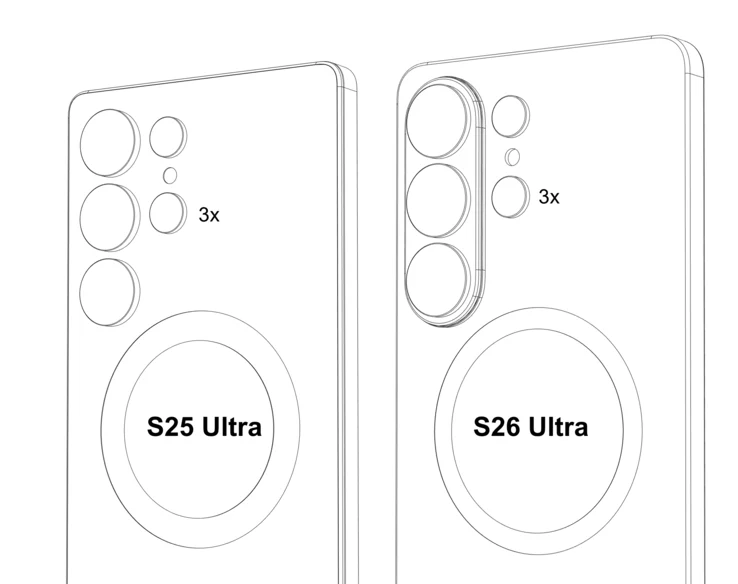
    The report also features a sketch displaying a vertical camera island, moving away from the minimalist, island-free design seen in the last three generations. Naturally, this thinner design raises concerns regarding the possible battery size of the device.

    Additional Features

    Moreover, Samsung is thought to be incorporating other subtle adjustments. The display size is expected to grow slightly to 6.3 inches, up from 6.2 inches, with some speculation that the company might enhance the resolution to match the premium Ultra model. The Galaxy S26 lineup is streamlining again, concentrating solely on the standard, Plus, and Ultra versions. There are indications that an ultra-slim Edge model may be canceled or paused, and the “S26 Pro” is reverting to its original name—the base model.

    Design Changes for Ultra Model

    For the high-end S26 Ultra, leaked design insights point to more rounded corners. This alleged transformation hints that Samsung is finally steering its flagship design away from the boxy, Note-inspired aesthetics that have been in vogue recently, giving the Ultra a softer appearance overall.

    Software and Performance

    On the performance front, the S26 is expected to come with Android 16-based One UI 8.5 firmware pre-installed. There have been many rumors regarding these upcoming flagship phones, and some of them are even conflicting. However, we should expect to learn the concrete details as mass production nears.

    Source:
    Link


  • Samsung Unveils LPDDR6 Memory with 10.7 Gbps Speed

    Samsung Unveils LPDDR6 Memory with 10.7 Gbps Speed

    Key Takeaways

    1. Samsung is set to release new LPDDR6 modules with speeds of 10.7 Gbps, using a 12 nm process.
    2. The new LPDDR6 modules will provide a 21% reduction in power usage due to lower core voltages and Dynamic Voltage Frequency Scaling.
    3. LPDDR6 may not significantly improve throughput compared to existing 10.7 Gbps LPDDR5x modules.
    4. Future enhancements could lead to data transfer rates reaching up to 14 Gbps as the technology develops.
    5. The earliest integration of LPDDR6 is expected in smartphones and laptops in 2024, likely with Snapdragon 8 Elite Gen 6 and AMD Medusa Point models.


    Samsung has recently hinted at the arrival of new LPDDR6 modules, being among the first manufacturers to do so after JEDEC completed the standard this year. These modules are rated to reach speeds of 10.7 Gbps and are built using a 12 nm process, although the exact details of the node are not disclosed. Samsung asserts that these modules will achieve up to 21% reduction in power usage due to lower core voltages and Dynamic Voltage Frequency Scaling, which helps decrease power consumption during low workloads.

    Comparisons to Previous Technology

    Interestingly, Samsung already produces 10.7 Gbps LPDDR5x modules on the same node, meaning the new LPDDR6 may not significantly improve throughput. However, since LPDDR6 is still quite new, manufacturers might not fully exploit its capabilities in the initial versions. Looking ahead, we could see data transfer rates reaching up to 14 Gbps as the technology evolves.

    Future Product Integration

    The press release did not mention specific products that will incorporate these LPDDR6 modules. Most of the current smartphone SoCs have already been released with LPDDR5X memory, suggesting that the earliest implementation we might witness will come later next year, probably along with the Snapdragon 8 Elite Gen 6 and Dimensity 9600. In terms of laptops, we can expect to see LPDDR6 paired with some Intel Panther Lake and AMD Medusa Point models.

    Source:
    Link


  • Samsung Galaxy Z TriFold Set for Limited Launch After Unveiling

    Samsung Galaxy Z TriFold Set for Limited Launch After Unveiling

    Key Takeaways

    1. Samsung has not provided updates on its first tri-fold smartphone, the Galaxy Z TriFold, since its reveal at APEC South Korea 2025.
    2. Videos of the Galaxy Z TriFold show its differences from the Galaxy Z Fold7, which is currently priced at $1,699.
    3. Initial production plans suggested 200,000 to 300,000 units, but recent reports indicate a more modest production of tens of thousands of units.
    4. A Bluetooth SIG listing suggests plans for a global launch, although official sales have only been confirmed in the UAE.
    5. As of early November, Samsung has produced 20,000 to 30,000 components for the Galaxy Z TriFold, but the total number of complete units remains unclear.


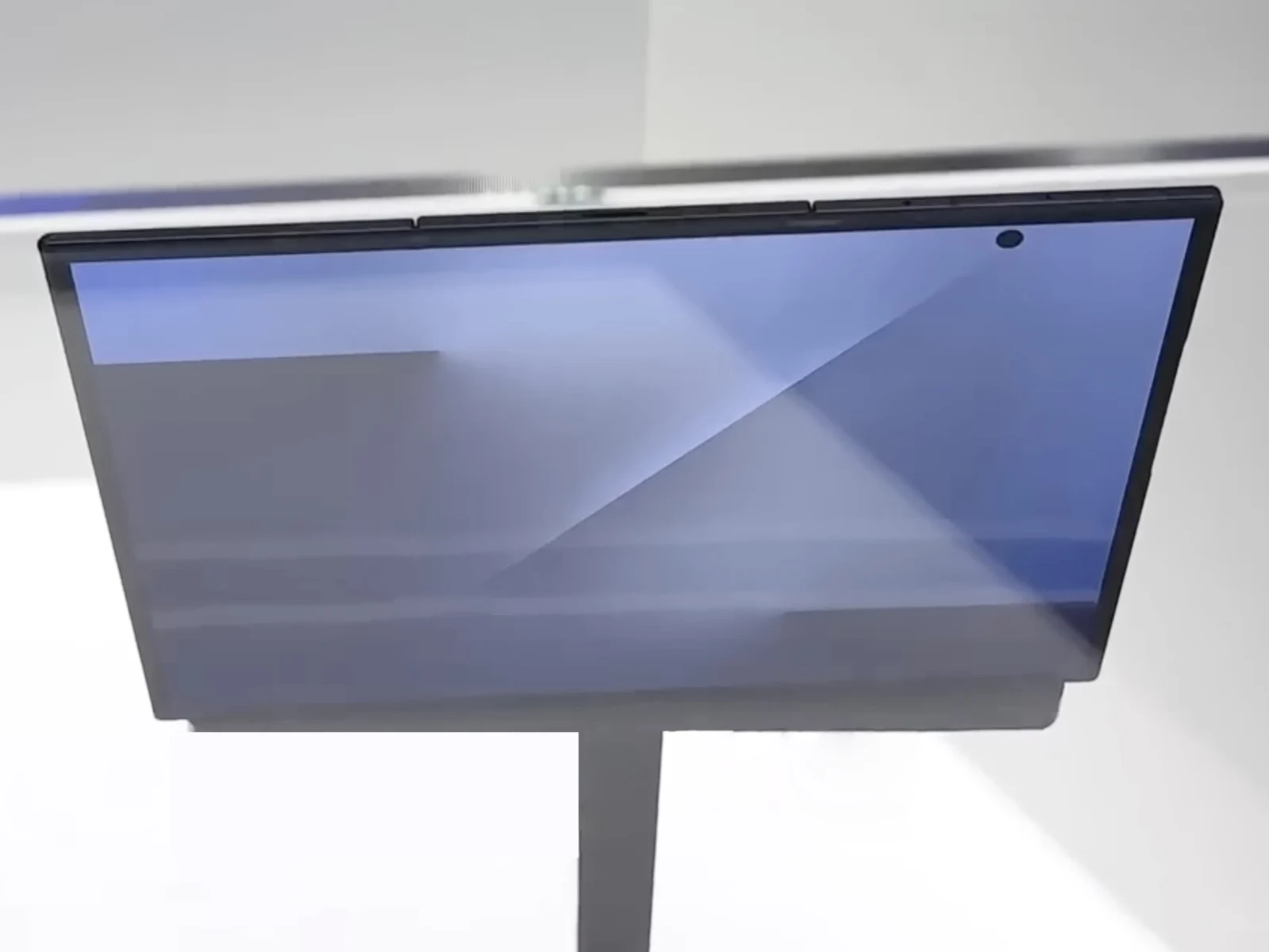
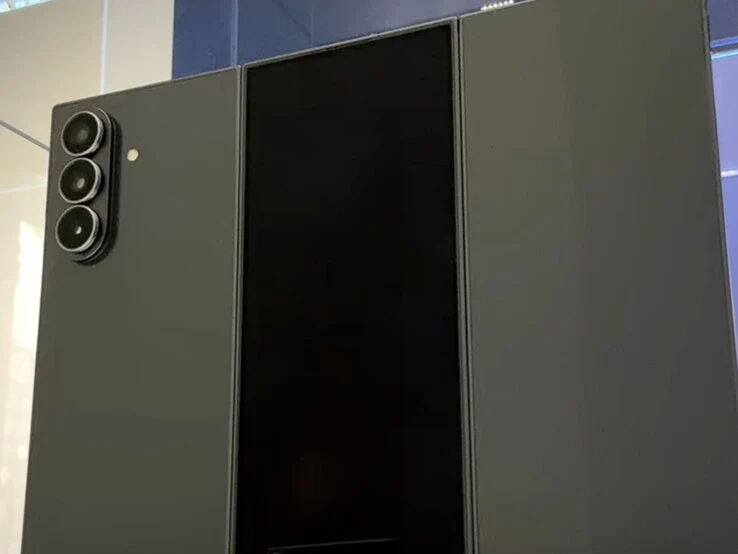
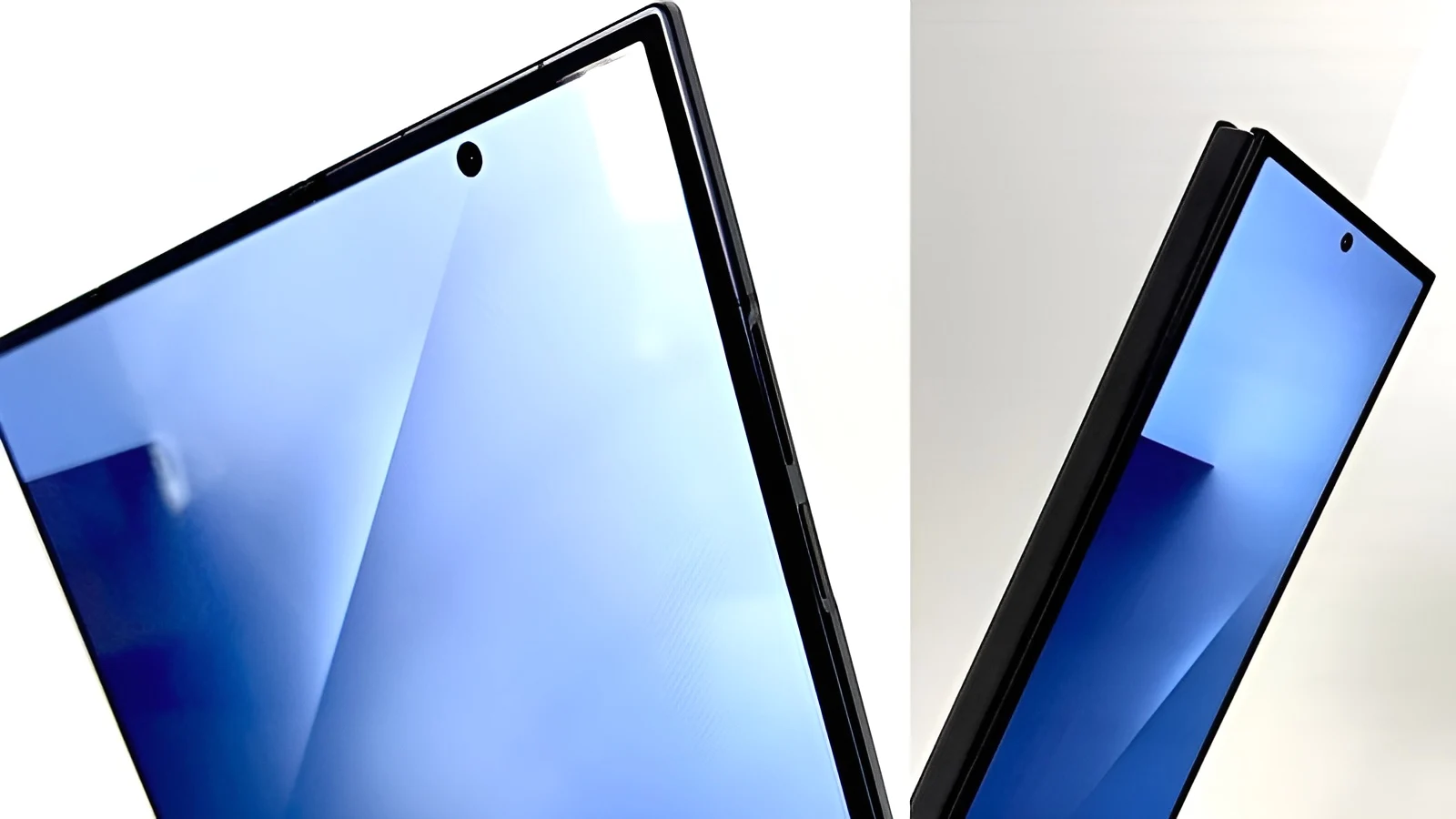
    Samsung has yet to provide any updates on its inaugural tri-fold smartphone since its reveal at APEC South Korea 2025 last month. However, videos have surfaced showcasing the Galaxy Z TriFold from various perspectives, illustrating its differences compared to the existing Galaxy Z Fold7 (currently priced at $1,699 on Amazon).

    Production Plans

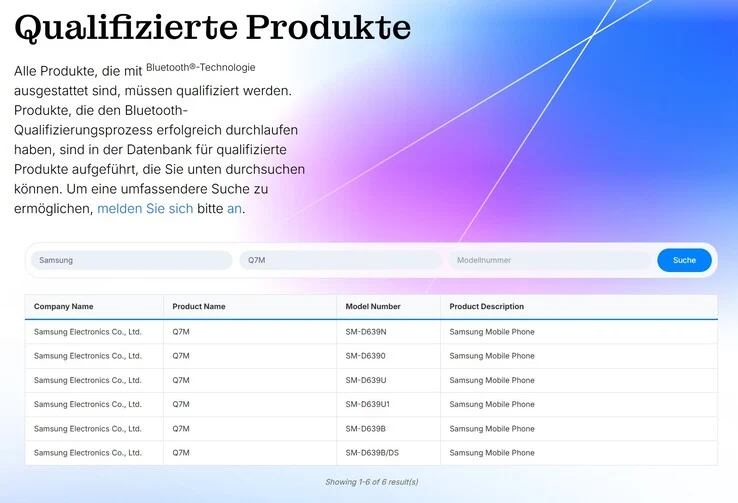
    Earlier this year, rumors suggested that Samsung was gearing up to produce between 200,000 and 300,000 units in anticipation of a launch in China and South Korea. A recent listing from Bluetooth SIG, however, hinted that the company aims to release the Galaxy Z TriFold on a global scale, as indicated by six model numbers associated with the ‘Q7M’ product name. This suggests that Samsung might have larger launch plans in mind, even though they have only officially confirmed sales in the United Arab Emirates thus far.

    Revised Estimates

    The Elec has reported that previous estimates were not accurate. Instead of hundreds of thousands, the actual number of Galaxy Z TriFold units could be in the tens of thousands. Reports indicate that Samsung notified suppliers during the summer that 10,000 units were to be manufactured in September, but there appears to have been no progress since then.

    Component Production

    As of early November, The Elec claims that Samsung has manufactured 20,000 to 30,000 components for its first tri-fold smartphone, though they did not clarify how many complete units this number corresponds to. Regardless, it appears that the Galaxy Z TriFold will be difficult to acquire, no matter how many markets Samsung decides to enter with the device.

    Source:
    Link


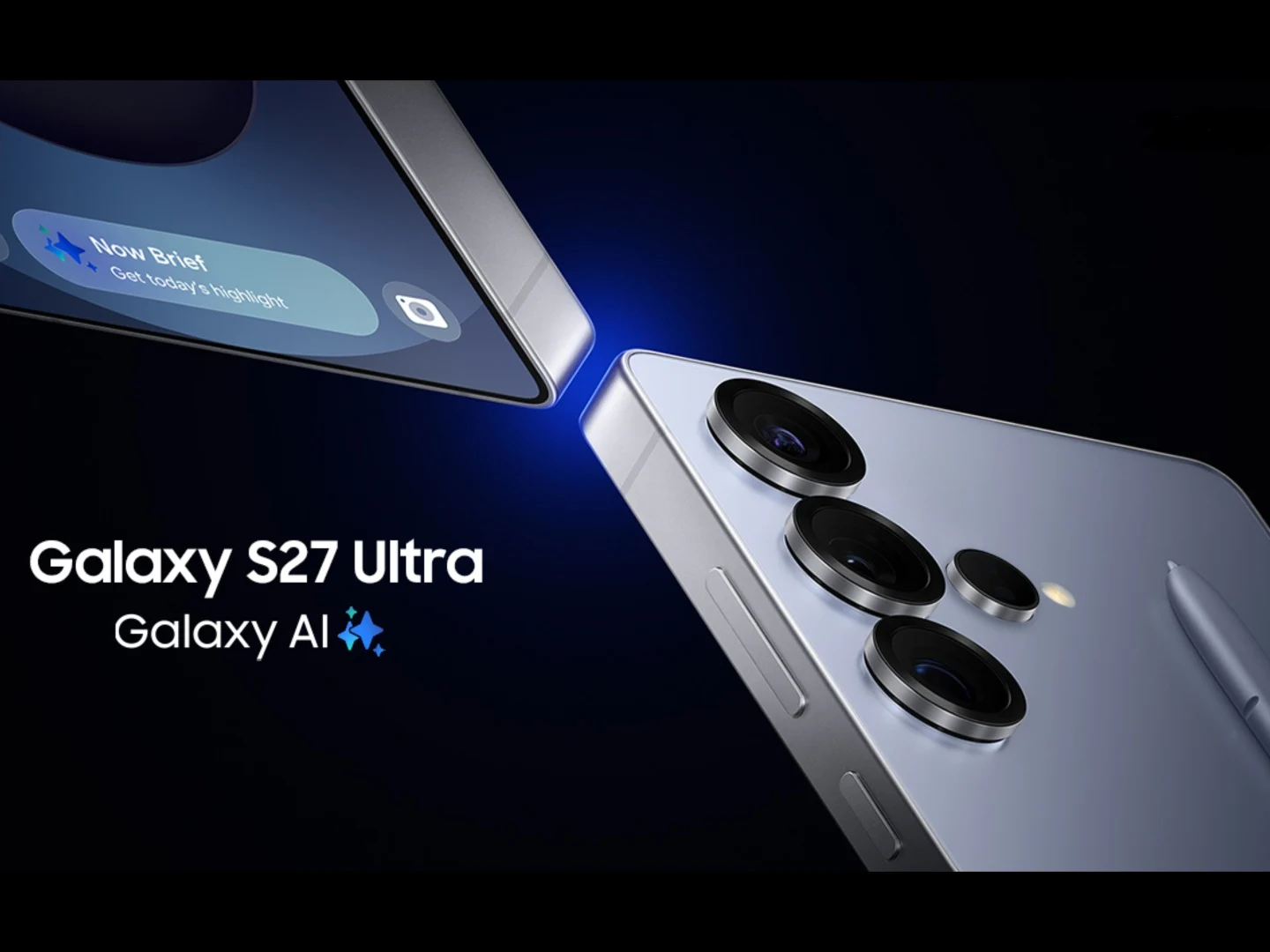
  • Galaxy S27 Ultra Set for Major Facial Recognition Upgrade

    Galaxy S27 Ultra Set for Major Facial Recognition Upgrade

    Key Takeaways

    1. The Galaxy S27 Ultra may feature enhanced face recognition technology using a 3D scan for better security.
    2. Information about the S27 Ultra comes from an unreliable source, raising doubts about its accuracy.
    3. The new facial recognition system could use a high-resolution polarization signature, allowing functionality in various lighting conditions and while wearing masks or sunglasses.
    4. The technology is expected to be supported by the ISOCELL Vizion sensor and a secure processing unit called “BIO-Fusion Core.”
    5. Previous upgrades in facial recognition for Samsung devices were anticipated but did not materialize, making the arrival of this feature for the S27 Ultra uncertain.


    With the Galaxy S26 series still being worked on, leaks and whispers about the Galaxy S27 series have started popping up. Since June, there have been discussions around the Galaxy S27 Ultra’s camera features and S-Pen compatibility, but the latest news is that the device will see a significant enhancement in face recognition technology, introducing a 3D scan of the face for better security.

    Unreliable Sources

    This information comes from a source that isn’t the most trustworthy, ‘@SPYGO19726’, who recently shared a Geekbench listing for the Exynos 2600 that showed some unrealistic single-core performance scores. However, this listing is not found on the Geekbench site. Nevertheless, the recent post suggests they found a mention of “Polar ID v1.0” in the early firmware tests for the Galaxy S27 Ultra. This is reportedly an enhanced version of facial recognition based on a “polarized-light authentication system.”

    New Technology

    So far, most Android devices, including the Galaxy S25 series, rely on IR sensors to capture face reflections for biometric security. The new technology is expected to utilize a high-resolution polarization signature of your skin using near-infrared light. This could allow face unlock to function under various lighting conditions, even when a person is wearing a mask or sunglasses. Moreover, it should be immune to being tricked by photographs or 3D masks of your face.

    Enhanced Security Features

    Additionally, the leaker suggests that this technology will be enabled by the ISOCELL Vizion sensor and a “BIO-Fusion Core,” which is thought to be a secure processing routine. The time it takes to unlock is reportedly around 180 ms.

    This is not the first instance where an upgrade in facial recognition has been proposed for Samsung or Android phones in general. There were expectations for it to debut with the Galaxy S25 Ultra, which it did not, and again with the upcoming Galaxy S26 Ultra. Whether this feature will finally arrive with the Galaxy S27 Ultra, set for release in 2027, remains to be seen. Once again, it’s wise to take this information with a grain of salt.

    Source:
    Link


  • Samsung Galaxy S26 Ultra: Central Camera Upgrade, No 3x Telephoto

    Samsung Galaxy S26 Ultra: Central Camera Upgrade, No 3x Telephoto

    Key Takeaways

    1. The Galaxy S26 series is set to launch in February 2026, with unchanged battery size at 5,000 mAh but improved charging speed expected.
    2. The 3x telephoto lens may see a downgrade in sensor size, moving from a 12 MP IMX754 to a smaller 12 MP ISOCELL S5K3LD, potentially limiting image quality improvements.
    3. Samsung is likely to continue using only 10 MP of the 12 MP sensor for the 3x telephoto lens, relying on software enhancements rather than hardware upgrades for image quality.
    4. The Galaxy S26 Ultra will feature larger apertures for its main camera (F/1.4) and 5x telephoto lens (F/2.9), allowing for significantly better light intake and brighter images.
    5. Improvements in automatic settings and new software features, along with an upgraded ISP, are expected to enhance photo and video quality, particularly in low light conditions, despite minor hardware changes.


    There’s been a lot of buzz recently about what Samsung might put into the Galaxy S26 series, which is set to launch at the close of February 2026 as the follow-up to the Galaxy S25, S25+, and S25 Ultra. We have also pointed out the sometimes overly optimistic expectations from Samsung fans, which clash with what is already known from various certifications. For instance, the battery size, despite many hopes from the community, remains unchanged since the Galaxy S20 Ultra, likely staying at 5,000 mAh in 2026, although we can expect a clear improvement in charging speed.

    Changes in Camera Specs

    The 3x telephoto lens, which has long been a weak spot for the Galaxy S series due to its small 1/3.52-inch sensor, is reportedly going to be replaced. However, whether this is really an upgrade is still uncertain. Trustworthy sources like Ice Universe hinted months back that there could actually be a downgrade regarding sensor size. The current 12 MP IMX754 is expected to be swapped out for a 12 MP ISOCELL S5K3LD, which is even smaller at 1/3.94 inches. According to the leaker’s recent post on X, there’s no space for a larger sensor when looking at the leaked CAD images, which show a slightly thinner design than the Galaxy S25 Ultra and are deemed reliable.

    Improvements on the Horizon

    Moreover, Samsung seems to be continuing its trend of effectively utilizing only 10 MP of the 12 MP sensor in the 3x telephoto lens and then enhancing the final image to 12 MP. Therefore, it seems unlikely that we will see major breakthroughs or enhancements in image quality from the sensor itself, aside from some software tweaks. The primary upgrade for the Galaxy S26 Ultra could focus on light intake. Ice Universe summarized the specs for all four cameras on the Galaxy S26 Ultra, highlighting the differences:

    Both the 200 MP main camera and the 5x telephoto lens feature a notably larger aperture, allowing more light to hit the sensor. The main camera’s aperture improvement from F/1.7 to F/1.4 translates to a 47% increase in light intake. For the 5x telephoto lens, the F/2.9 aperture of the periscope module is expected to yield a 38% brighter image, assuming consistent shutter speed and ISO settings.

    Anticipated Benefits for Users

    Thus, we can expect the automatic settings of these two Galaxy S26 Ultra cameras to adjust shutter speeds and ISO values accordingly, thanks to the larger aperture. This should lead to less noisy and crisper images, especially in dim lighting conditions. Coupled with various new software features and an improved ISP in the Exynos 2600 and Snapdragon 8 Elite Gen 5, we can surely anticipate better photo and video quality with the Galaxy S26 Ultra, even if there are likely to be disappointingly minor changes to the sensor hardware.

    Source:
    Link


  • Samsung Galaxy S26 Ultra: Camera Sensor Leak and Charging Insights

    Samsung Galaxy S26 Ultra: Camera Sensor Leak and Charging Insights

    Key Takeaways

    1. Camera Changes: The Galaxy S26 Ultra will likely feature a new 12 MP ISOCELL S5K3LD sensor for the 3x telephoto lens and a new 12 MP front camera (IMX874), while the rest of the camera lineup remains the same as the Galaxy S23 Ultra.

    2. Video Recording Improvements: The device will support the APV codec for video recording, providing options for high-quality (1.5 GB/min) and low-quality (750 MB/min) formats, offering an alternative to Apple’s ProRes.

    3. Charging Capability: The Galaxy S26 Ultra is expected to have 60-watt fast charging, utilizing a 55-watt PPS protocol for the initial 15% of charging, followed by 45 watts, marking an improvement from previous models.

    4. High-Resolution Photo Mode: Users will have the option to take 24 MP photos in standard and portrait modes, a feature previously available only in Pro mode or the Expert RAW app.

    5. Enhanced Features: Additional features include standard HDR usage, adjustable focus speed, and noise reduction by combining multiple low-resolution images into a higher-resolution photo.


    A few days ago, there were some overly positive claims about a Galaxy S26 leak that didn’t match up with several reliable leaks from the last few months. Now, it seems this has been validated by Vietnamese leaker @chunvn8888, who shared insights from “debug tests”. These tests are early evaluations of the nearly finished Galaxy S26 Ultra model, which is about ready for mass production.

    Changes and Specifications

    Currently, there are no mass-produced test devices available, and last-minute tweaks could still happen, especially since the Galaxy Unpacked event is set for late February 2026. However, we find this leaker’s information to be much more believable than the earlier leaks. Reports suggest that the only alteration to the back camera is the sensor behind the 3x telephoto lens, which is likely to change from a 12 MP Sony IMX754 to a 12 MP ISOCELL S5K3LD sensor, possibly with a 10 MP crop again.

    Sadly, specific information about this sensor is not available right now. Previous details from Ice Universe indicate it’s a 1/3.94-inch sensor, representing a downgrade from the 1/3.52-inch sensor found in the Galaxy S25 Ultra. The front camera will also likely feature a new 12 MP IMX874 sensor. However, the rest of the sensor lineup remains the same as the current Samsung flagship, including the 200 MP ISOCELL HP2, which has been used without changes since the Galaxy S23 Ultra launched four years ago.

    Video Recording and Charging Features

    As previously indicated by leakers, the Galaxy S26 Ultra will have support for the APV codec for video recording, which is being pitched as an alternative to Apple’s ProRes. Debug tests show that the HQ version uses up 1.5 GB of memory per minute, while the LQ version requires 750 MB per minute.

    The leaker also shared insights on the rumored 60-watt fast charging based on the test results. Samsung will reportedly back a 55-watt PPS protocol, providing 55 watts of charging power for the first 15% of the charging curve, and then 70%, or 45 watts. While this might not seem that impressive compared to some Chinese smartphones, it’s a noticeable improvement over Samsung’s previous maximum capability of 45-watt fast charging, which rarely reaches that level of power. It’s still uncertain if Samsung will promote 60 watts or stick with the more plausible 55 watts. A recent X-post from Ice Universe hints again at “60 watts”.

    Additional Features

    In a recent update, the leaker disclosed more features, including a 24 MP mode for both standard and portrait modes. This means users will be able to take 24 MP photos instead of the usual 12 MP. Samsung seems to be following Apple’s lead, which has already made this a standard feature. Until now, this was only achievable on Samsung devices using Pro mode or the Expert RAW app. Additionally, it appears users will be able to utilize standard HDR instead of HDR10+, adjust focus speed, and reduce noise by combining several low-resolution images into a single higher-resolution photo.

    Source:
    Link


  • Samsung Galaxy S26 Series Price Hike Expected with New Chips

    Samsung Galaxy S26 Series Price Hike Expected with New Chips

    Key Takeaways

    1. Samsung may take several months to release the Galaxy S26 series, but price hike discussions are already occurring.
    2. Component costs for the Galaxy S26 series are rising, with camera hardware and mobile chipsets increasing by 8% and 12%.
    3. LPDDR5 RAM prices have surged by over 15%, affecting overall production costs.
    4. External factors, like US tariffs, are influencing Samsung’s pricing strategy for the Galaxy S26 series.
    5. Despite rising costs, Samsung previously maintained prices for the Galaxy S25 series, suggesting possible minimal or no price increases for the upcoming models.


    Samsung is thought to still be several months away from introducing new models to replace its current Galaxy S25 series. However, discussions about potential price hikes for the upcoming flagship candybar smartphones have already started circulating from various sources.

    Speculations on Pricing

    According to a report from ET News, increasing costs of components are likely to lead to higher prices for the Galaxy S26, Galaxy S26 Plus, and Galaxy S26 Ultra. The report references industry insiders and Samsung Electronics’ semi-annual statements, indicating that camera hardware and mobile chipsets have seen price increases of 8% and 12% compared to last year. For the Galaxy S26 series, Samsung is expected to utilize the Exynos 2600 in select markets while using the Snapdragon 8 Elite Gen 5 in others.

    Rising Component Costs

    Moreover, the expense of acquiring LPDDR5 RAM has reportedly surged by more than 15%. Furthermore, external factors, such as tariffs imposed by the US, are said to be on Samsung’s mind as they make decisions regarding the pricing of the Galaxy S26 series. To give some perspective, the Galaxy S25 series was believed to be set for a considerable price increase compared to its Galaxy S24 predecessors, largely due to the inclusion of Qualcomm’s Snapdragon 8 Elite chipset.

    Historical Context

    After the release of the Galaxy S25 Ultra (currently priced at $1,025 on Amazon), analyses of the bill of materials pointed out that Qualcomm’s chipset was responsible for the increased production costs. Nevertheless, Samsung chose not to transfer these expenses to consumers, maintaining the price of the Galaxy S25 series to match that of its previous models. Given Samsung’s past practices, it seems plausible that we might see only slight price increases, or even no price hikes at all, in an ideal scenario.

    Source:
    Link


  • Samsung Galaxy Z TriFold Model Certified, EU Launch Possible

    Samsung Galaxy Z TriFold Model Certified, EU Launch Possible

    Key Takeaways

    1. Samsung unveiled its first dual-folding tablet at the APEC summit, but details are limited and it was displayed behind glass.
    2. The trifoldable device may be called Galaxy Z TriFold or Galaxy G Fold, with no confirmed release date or locations.
    3. The model code Q7M has six variants listed on the Bluetooth SIG website, targeting markets in Asia and the U.S.
    4. There is uncertainty about a European launch, with only a confirmed release in the UAE and rumors for Taiwan and Singapore.
    5. Samsung hinted at new foldable designs for 2026, suggesting a 2023 launch is unlikely.


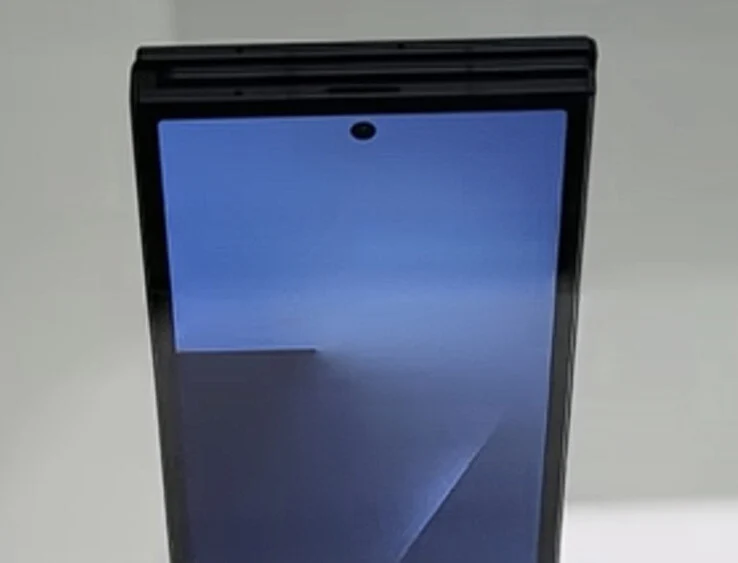
    On the final day of October, Samsung presented its first dual-folding tablet to the audience at the APEC summit, although it was behind glass and had very limited access. There are no high-resolution images or specific details available regarding the trifoldable device. Furthermore, it is still not clear when or where the Samsung trifoldable, possibly named Galaxy Z TriFold or Galaxy G Fold, will actually hit the market.

    Model Variants and Market Plans

    Interestingly, the Samsung foldable with the internal code Q7M has recently appeared on the Bluetooth SIG website with six different model variants, as seen in the screenshot below. According to leaks, the launch is expected to cover more than just the Korean and Chinese markets. The model numbers SM-D639N and SM-D6390 are likely for the two Asian regions, while the SM-D639U and SM-D639Ui models are aimed at the United States. The remaining SM-D639B and SM-D639B/SD models are considered “international” variants, which could suggest availability in Europe.

    European Launch Uncertainty

    It remains uncertain if Samsung’s trifoldable will officially launch in Europe. So far, only a release in the United Arab Emirates has been confirmed, alongside the two models. There are also rumors about launches in Taiwan and Singapore, yet there hasn’t been any mention of a European launch. During Samsung’s latest quarterly earnings announcement, they hinted at new foldable designs for 2026, indicating that a launch this year is likely not going to happen.

    Source:
    Link


  • Samsung Galaxy S26 Launch Date Leaked for February 25 Unpacked

    Samsung Galaxy S26 Launch Date Leaked for February 25 Unpacked

    Key Takeaways

    1. Samsung will unveil the Galaxy S26 series on February 25, 2026, during its Unpacked event in San Francisco.
    2. The later event date allows Samsung more time to implement strategic changes in its product offerings.
    3. San Francisco’s reputation in artificial intelligence aligns with Samsung’s focus on AI advancements in the new smartphone lineup.
    4. The Galaxy S26 series will maintain a traditional three-model structure: Base, Plus, and Ultra, instead of introducing “Pro” or “Edge” models.
    5. The decision to avoid “Edge” models is influenced by the underperformance of the previous S25 Edge.


    Samsung is getting ready to unveil its next flagship smartphone series. Reliable sources in the industry have indicated that the company has chosen February 25 for its Unpacked event in early 2026, where it will introduce the highly awaited Galaxy S26 series. The event is expected to take place in San Francisco, USA.

    Timing Adjustments

    Traditionally, Samsung kicks off the new year with its Unpacked events either in late January or early February, but this year they’ve decided to change things up. The later date in February is said to provide the tech giant additional time, likely due to strategic changes in the product offerings for the S26 series.

    Location Matters

    The decision to hold the event in San Francisco, known as a center for artificial intelligence tech, appears to be strategic. Insiders hint that the city’s reputation makes it a fitting location for Samsung to reveal its innovative AI strategy. The company plans to highlight its advancements in the “AI smartphone” space with the new S26 lineup.

    Model Structure

    This strong emphasis on AI has led to some important hardware choices. Reports suggest that Samsung will stick with its traditional three-model setup—the Base, Plus, and Ultra Galaxy versions—rather than going with the speculated “Pro” or “Edge” models. This choice comes after assessing the market, especially since the previous S25 Edge did not perform as well as expected.

    Source:
    Link