Tag: Samsung

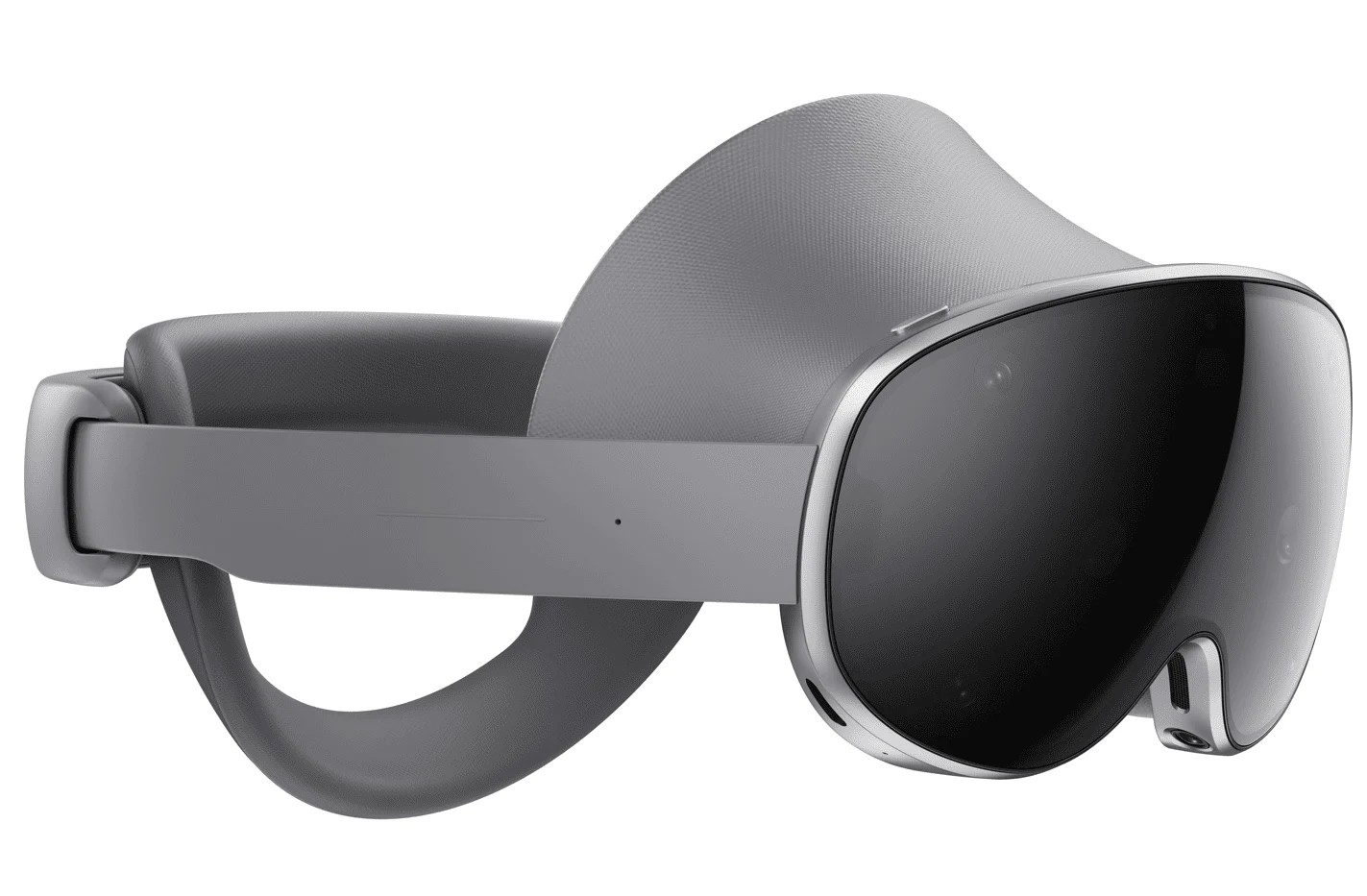
  • Samsung Galaxy XR Early Adopters Receive Up to $1,000 in Freebies

    Samsung Galaxy XR Early Adopters Receive Up to $1,000 in Freebies

    Key Takeaways

    1. High Price Point: The Galaxy XR is priced at around $1,799, making it a significant investment for buyers.

    2. Explorer Pack Offer: Customers purchasing before the end of 2025 receive an “Explorer Pack” valued at up to $1,000, which includes various subscriptions and apps.

    3. Accessory Costs: Essential accessories like controllers and a travel case add approximately $500 to the total cost.

    4. Specifications: The headset features micro-OLED displays, a Snapdragon XR2+ Gen 2 processor, and operates on Google’s Android XR platform.

    5. Financing Options: Buyers can spread the cost over 12 months, making it more manageable at about $149 per month.


    The Galaxy XR has finally arrived, and it’s not exactly affordable, priced at around $1,799. However, Samsung has introduced a deal that makes the purchase a tad more reasonable. Customers who buy the headset before the end of 2025 will get an “Explorer Pack” valued at up to $1,000. This pack includes a year of Google AI Pro, YouTube Premium, and Google Play Pass, along with access to the NBA League Pass for the 2025–2026 season, a three-month trial of YouTube TV for just one dollar per month, and various apps optimized for XR, such as Adobe Project Pulsar, NFL PRO ERA, Asteroid, and Calm.

    Pricing and Accessories

    While this offer isn’t a straightforward price reduction, it does help lessen the burden of the hefty initial payment. Accessories, including the controllers and travel case, are still sold separately for about $500 altogether, increasing the total cost. Nevertheless, the Galaxy XR is still much more affordable than the Apple Vision Pro, which debuted at a staggering $3,499. Buyers also have the option to spread their payments over 12 months, costing around $149 each month.

    Specifications and Features

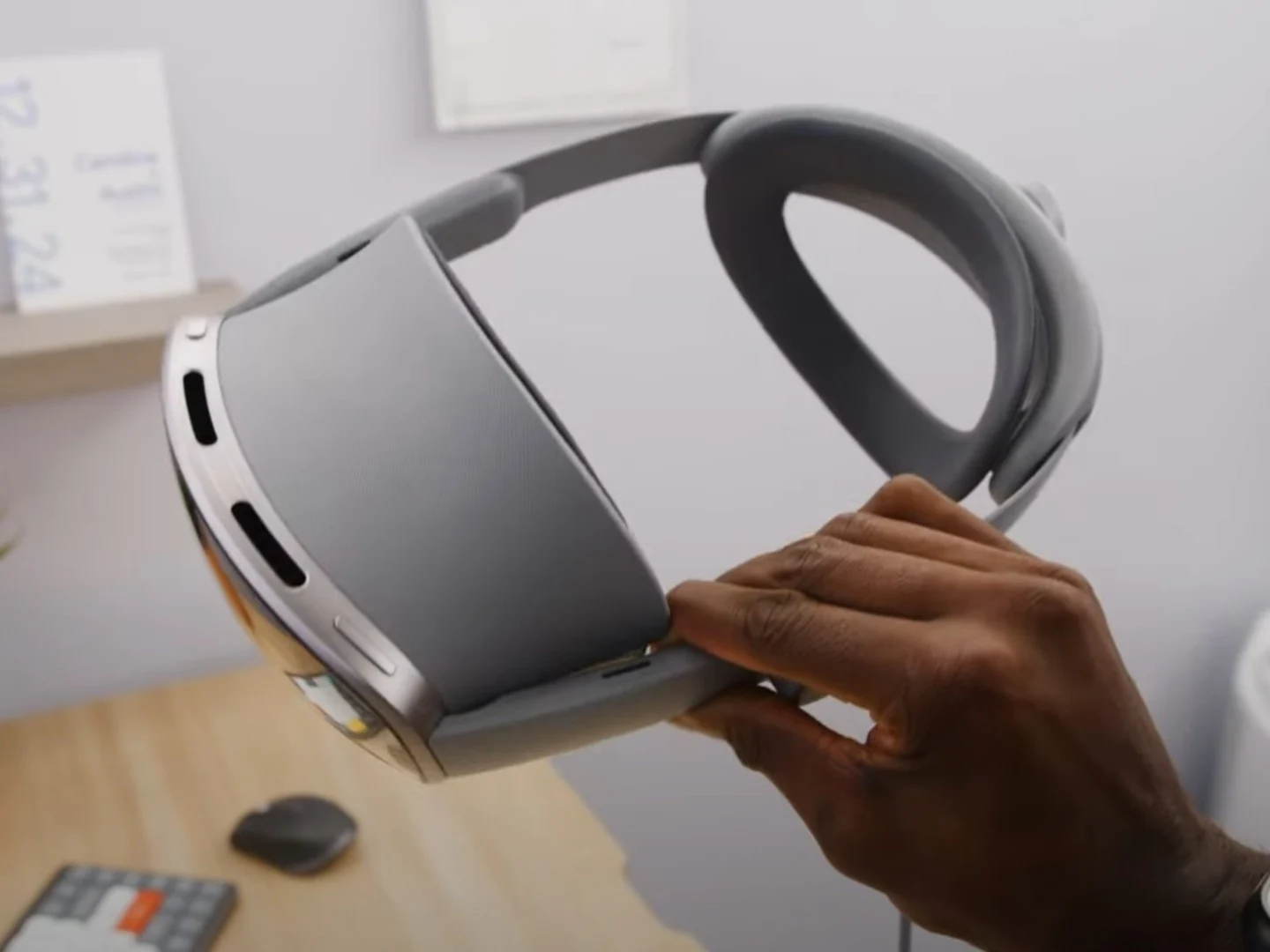
    The headset boasts micro-OLED displays with a resolution of 3,552 by 3,840 and is powered by the Snapdragon XR2+ Gen 2 processor, featuring 256 GB of storage. It weighs 545 grams, with an additional 302 grams for the battery pack, providing roughly two and a half hours of usage on a single charge. It operates on Google’s Android XR platform, which promises better integration with Android devices and Google’s applications, although this ecosystem is still in its early stages.

    Value for Users

    Despite the Galaxy XR’s pricing and accessory expenses making it a significant investment, the Explorer Pack brings real worth for users who plan to utilize the headset frequently. The collection of streaming, gaming, and productivity applications makes it simpler to dive into using the device right away, and Samsung’s financing plan eases the financial burden. For now, it’s an attractive choice for those ready to explore mixed reality with Samsung, though more casual users might prefer to hold off until prices stabilize and the platform evolves.

    Source:
    Link


  • Samsung Launches Affordable Odyssey OLED G50SF Gaming Monitor

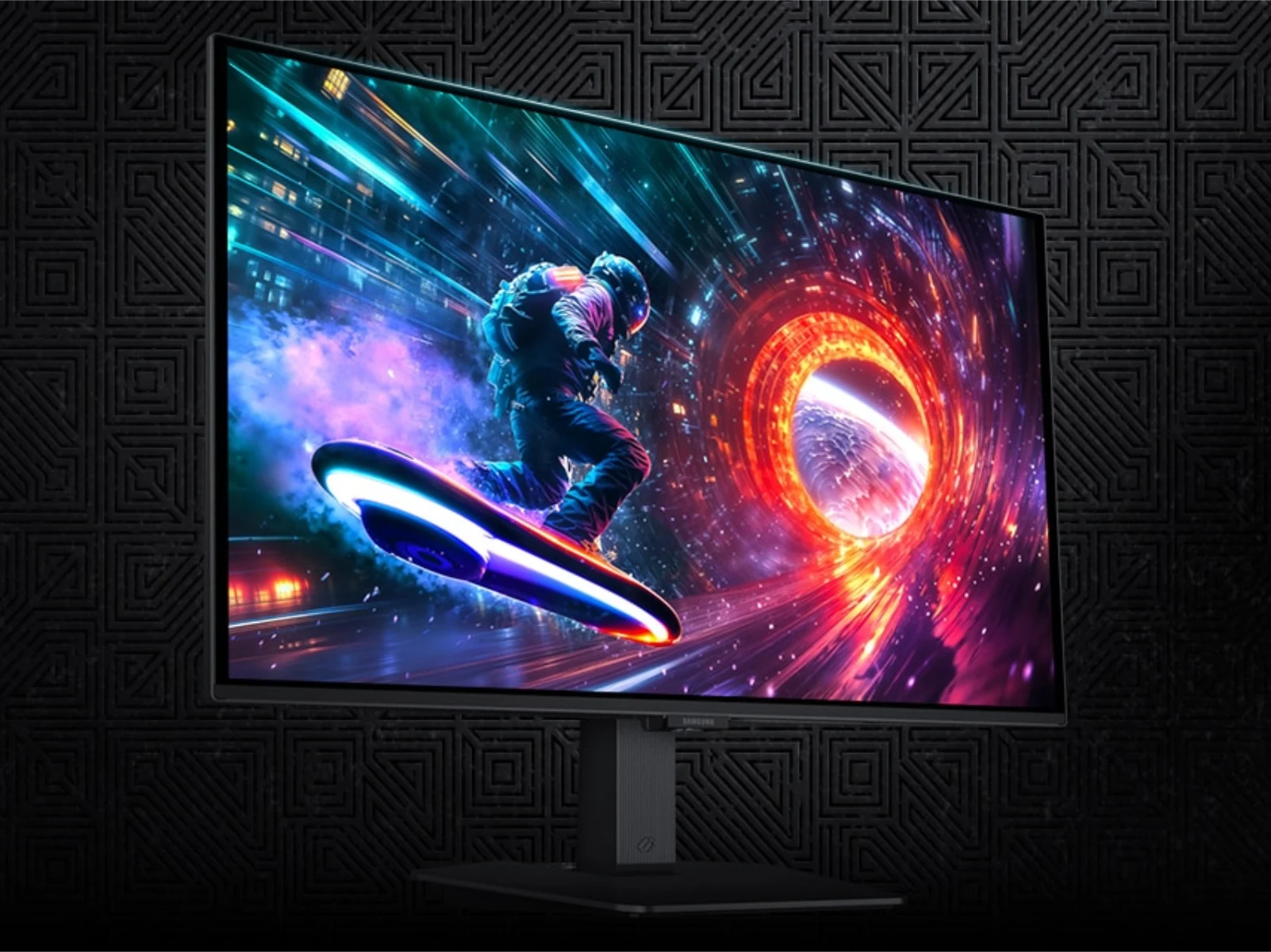
    Samsung Launches Affordable Odyssey OLED G50SF Gaming Monitor

    Key Takeaways

    1. Samsung has launched the Odyssey OLED G60SF gaming monitor featuring a 500 Hz refresh rate and a 27-inch 1440p display, priced at $819.
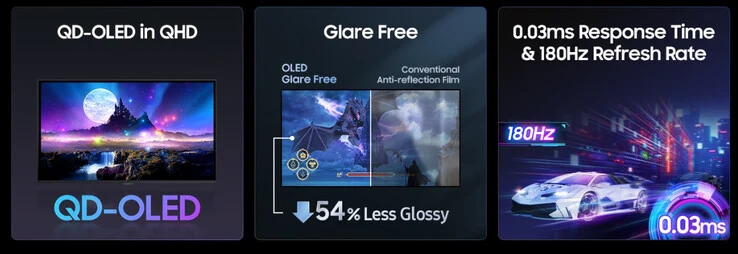
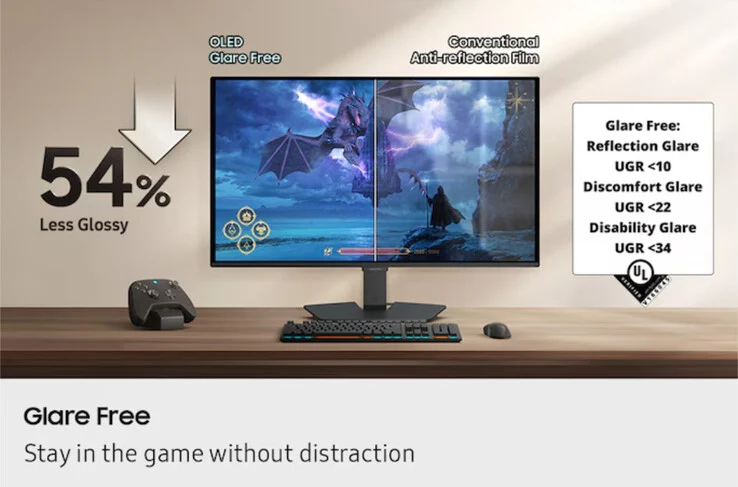
    2. The Odyssey OLED G50SF, available in China, Taiwan, and New Zealand, includes an 180 Hz QD-OLED panel with a 0.03 ms GtG response time and supports AMD FreeSync Premium Pro and Nvidia G-Sync.
    3. Both monitors are positioned between Samsung Display’s Gen 3 and Gen 4 panels, with the G50SF believed to be the first to use a limited QD-OLED panel.
    4. The Odyssey OLED G50SF features a peak brightness of 200 nits in SDR mode and covers 99% of the DCI-P3 color space, emphasizing its color performance.
    5. While the G50SF is currently priced around $517 in New Zealand, Samsung has not announced a global release date, but a launch is expected later this year.


    Samsung has quietly launched a new gaming monitor featuring OLED technology in several countries, with expectations of a global release later this year. The company has unveiled the Odyssey OLED G60SF, currently priced at $819 on Amazon, showcasing a 500 Hz refresh rate and a 27-inch display with a resolution of 1440p. Additionally, they have rolled out the Odyssey OLED G50SF in markets like China, Taiwan, and New Zealand.

    Specifications and Features

    To give you some background, the 500 Hz and 1440p display found in the Odyssey OLED G60SF is believed to be positioned between Samsung Display’s Gen 3 and Gen 4 panels, even though it was launched alongside the Gen 4 in January. The Odyssey OLED G50SF also includes an 180 Hz QD-OLED panel, although we speculate that this is an updated version of the Gen 3 QD-OLED panel that Samsung Display already provides in 240 Hz and 360 Hz options.

    Officially, Samsung has yet to confirm this information. However, indications suggest that the Odyssey OLED G50SF is the first model to utilize this limited QD-OLED panel. This monitor also boasts a native resolution of 1440p, with an impressive 0.03 ms GtG response time and features to reduce image tearing, including AMD FreeSync Premium Pro and Nvidia G-Sync support. Furthermore, the Odyssey OLED G50SF achieves a peak brightness of 200 nits in SDR mode and covers 99% of the DCI-P3 color space.

    Availability and Pricing

    In line with its budget-friendly positioning, the monitor is equipped with only a 3.5 mm audio jack, along with a single DisplayPort 1.2 and HDMI 2.0 ports. Presently, the Odyssey OLED G50SF is available in New Zealand for NZD 899 (around $517), in China for CNY 2,649 (approximately $372), and in Taiwan for TWD 13,900 (about $455). Although Samsung has not announced when the Odyssey OLED G50SF will be available in other regions, it is likely that the monitor will see a global launch before the year concludes, based on previous trends.

    Source:
    Link


  • Samsung Galaxy S26 Launch Delayed for Months Due to Setbacks

    Samsung Galaxy S26 Launch Delayed for Months Due to Setbacks

    Key Takeaways

    1. Samsung has canceled the Galaxy S26 Edge due to poor sales of the Galaxy S25 Edge and will instead release the Galaxy S26 Plus.
    2. There are rumors of delays in the launch of the Galaxy S26, possibly pushing it to March 2026.
    3. The delays might lead to a staggered release or a postponed Galaxy Unpacked event.
    4. Skepticism surrounds the rumors, as the source of the delay is not considered very trustworthy.
    5. A February launch for the Galaxy S26 is still possible, as seen with previous releases like the Galaxy S23.


    It’s a common occurrence. News about delays regarding Samsung’s upcoming camera flagship models tends to emerge just as fall begins. In theory, the year 2025 could bring more changes than previous years due to Samsung’s recent decision to cancel the sleek Galaxy S26 Edge at the very last moment because the Galaxy S25 Edge did not perform well in sales. Instead, they plan to reintroduce the Galaxy S26 Plus as a substitute.

    Potential Launch Changes

    As suggested by a Vietnamese leaker, this situation might indeed lead to delays in the launch, possibly resulting in either a staggered release or a postponed Galaxy Unpacked event. A report from the Greek site Techmaniacs claims that the Galaxy S26’s launch may not occur until March 2026, which is about two months later than the usual January timeframe for Galaxy Unpacked events.

    Skepticism About the Rumors

    However, it’s reasonable to be doubtful about this rumor, as noted by SamMobile. The site does not provide much detail regarding the reasons behind the significant delay. Generally, this source is not regarded as very trustworthy, so it’s fair to be skeptical. Even a launch in February wouldn’t be out of the ordinary for Samsung; for instance, the Galaxy S23 was launched on February 17, 2023, and it wasn’t until the Galaxy S24 that the Unpacked event was moved to January.

    Source:
    Link


  • Samsung A11: Affordable Tablet with 7-Year Update Guarantee

    Samsung A11: Affordable Tablet with 7-Year Update Guarantee

    Key Takeaways

    1. Samsung leads the industry by offering up to seven years of updates for most devices, surpassing Apple’s vague update policies.
    2. The commitment to long-term updates is more realistic for high-end devices like the Samsung Galaxy S25 Ultra than for budget devices.
    3. There is skepticism about Samsung’s promise of seven years of updates for lower-cost devices like the Galaxy Tab A11 due to lack of official confirmation.
    4. Samsung’s update promises come with conditions, which raises doubts about their reliability, despite the company’s verbal confirmations.
    5. Users can cautiously expect several years of updates for budget-friendly devices, influenced by potential new EU regulations on software support.


    Samsung is seen as the top player in the industry regarding update durations, frequently guaranteeing six or even seven years of updates for most of its devices. This places the South Korean firm ahead of Apple, which also generally provides long update periods but does not make a firm announcement at the time of product launch, leading to possible loopholes.

    Samsung’s Commitment

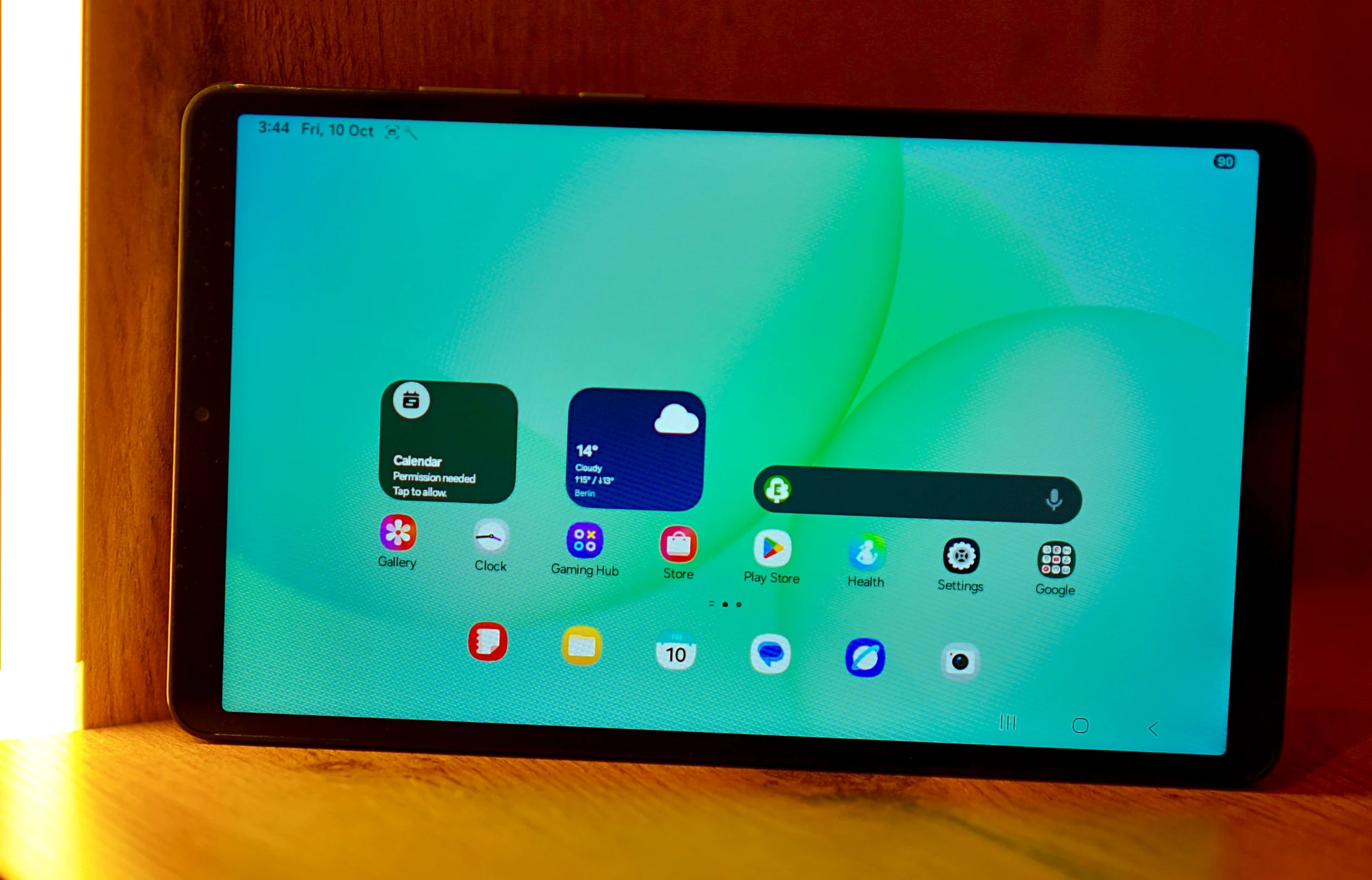
    When Samsung claims they’ll deliver seven years of updates for budget devices like the Samsung Galaxy Tab A11, they are making a solid promise. Right?

    In general, it’s more feasible to offer long-term updates for high-end devices like the Samsung Galaxy S25 Ultra, which retail for over $1,000. It makes sense to allocate part of the profits towards a software team that creates the updates. These updates must be customized for each smartphone because of differing drivers. Simultaneously, SoC makers and Google need to commit to backing the hardware for seven software versions.

    Skepticism Around Budget Devices

    However, for lower-cost devices like the Samsung Galaxy Tab A11, doubt is reasonable. Sure, a massive company like Samsung could easily afford it, but does it actually make sense from a business perspective? Samsung has stated in press releases that the tablet will get seven years of updates, and this was also highlighted in previously leaked marketing materials.

    Yet, there’s no indication of this on their official site. Also, there’s a history that makes us question this claim.

    Although Samsung promotes a long update promise for the Galaxy A17 on its webpage, it comes with conditions, which we have explored in another report. This has led us to be cautious about Samsung’s update promise, even though the company has confirmed the seven-year update plan when asked.

    Cautious Optimism

    Thus, we shouldn’t just accept Samsung’s assurance at face value. Whether the new EU rule will compel manufacturers to provide longer updates might need to be resolved in court. For now, users can reasonably anticipate several years of updates for the budget-friendly Samsung Galaxy Tab A11.

    Source:
    Link


  • Samsung Galaxy S26 Pro Leak: Camera Specs and Details Revealed

    Samsung Galaxy S26 Pro Leak: Camera Specs and Details Revealed

    Key Takeaways

    1. Samsung plans to unveil the Galaxy S26 Pro as the most affordable option in the Galaxy S26 lineup during an upcoming Unpacked event.
    2. The Galaxy S26 Pro will reportedly retain the 50 MP ISOCELL GN3 sensor for its primary camera, with no enhancements.
    3. The device will include a 10 MP zoom lens camera and a 12 MP ultra-wide-angle lens, all using older sensor technology from previous models.
    4. The battery capacity will increase to 4,300 mAh, an upgrade from the 4,000 mAh battery in the Galaxy S25.
    5. The Galaxy S26 Pro is expected to feature the Exynos 2600 processor in most markets, excluding North America.


    Word on the street suggest that Samsung is planning to unveil the Galaxy S26 Pro during its Unpacked event in a few months, marking it as the most affordable option in the Galaxy S26 lineup. The S26 Pro is set to directly follow the standard Galaxy S25, with several of its significant specifications reportedly surfacing online.

    Camera Specifications

    According to the typically trustworthy Erencan Yilmaz, who referenced code from the latest One UI 8.5 build, the Galaxy S26 Pro may arrive without enhancements to the primary camera. Allegedly, the device will once again use the 50 MP ISOCELL GN3 sensor, which has been in use since the Galaxy S22 series and features a size of 1/1.56 inches. This aligns with earlier reports suggesting that Samsung plans to keep a 1/1.56-inch main camera on its basic models while potentially introducing a new Sony sensor in select regions.

    The primary camera will be accompanied by a 10 MP S5K3K1 sensor located behind a zoom lens. Similar to the main camera, this sensor also first appeared in the Galaxy S22 and S22+. For the ultra-wide-angle lens, the phone will use a 12 MP IMX564 sensor, which has been around since the Galaxy S23 series. The selfie camera appears to be the S5K3LU, indicating that all cameras on the Galaxy S26 Pro might be from at least four generations ago.

    Battery and Processing Power

    Fortunately, the Galaxy S26 Pro seems to receive at least one upgrade, featuring a 4,300 mAh battery. This is an upgrade from the 4,000 mAh battery found in the S25, although it still pales in comparison to the 7,000 mAh battery seen in compact devices like the Xiaomi 17. Lastly, the Galaxy S26 Pro is expected to incorporate an Exynos 2600 processor, likely in most markets except North America.

    Source:
    Link


  • Galaxy S26 Ultra Design Leaked by Case Manufacturer, Black Model Expected

    Galaxy S26 Ultra Design Leaked by Case Manufacturer, Black Model Expected

    Key Takeaways

    1. A black color variant of the Galaxy S26 Ultra has been confirmed through leaked images, contradicting previous claims about the absence of this color option.
    2. The design includes a camera island with three primary cameras and a fourth camera positioned outside the island, alongside a flash and an extra sensor.
    3. The power and volume buttons are located on the right side of the device.
    4. The case shown is made of leather and hard-shell materials, offering protection and featuring a latch for the front cover.
    5. Anticipated features for the Galaxy S26 Ultra include a new ‘Privacy Display’ functionality and various camera improvements, though official details from Samsung are still pending.


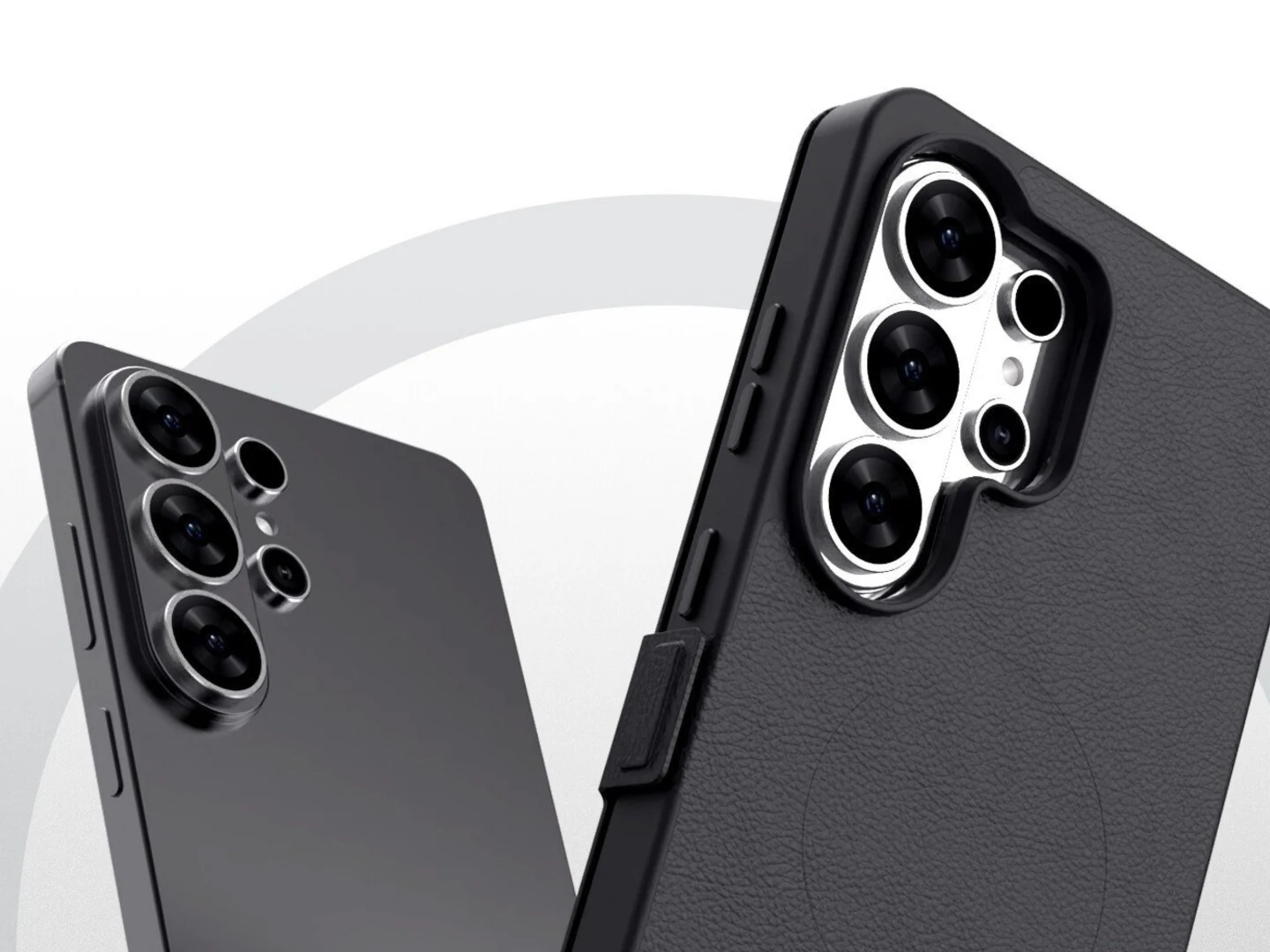
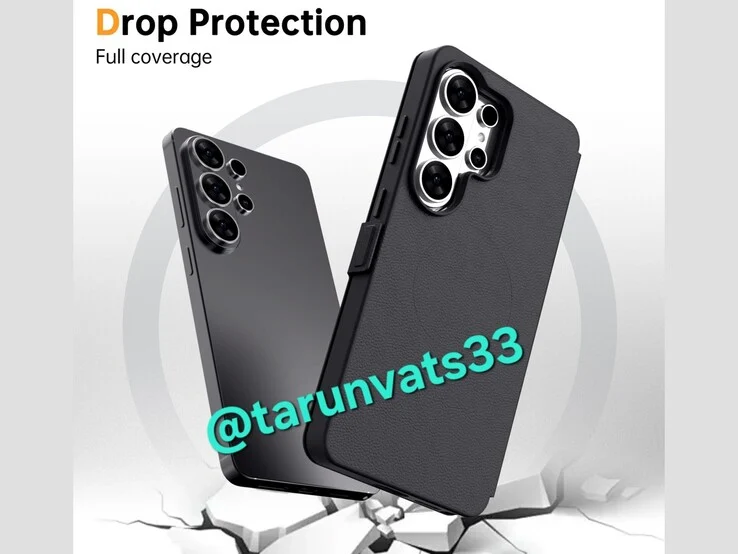
    By now, we’ve already seen some renders and dummy models of the Galaxy S26 Ultra, confirming its design. Thanks to a case maker, we now get a first glimpse at a black color version of Samsung’s upcoming Ultra flagship. Although the image doesn’t provide any fresh details about the design, it confirms what has been circulating online and goes against a recent statement.

    First Look at the Black Variant

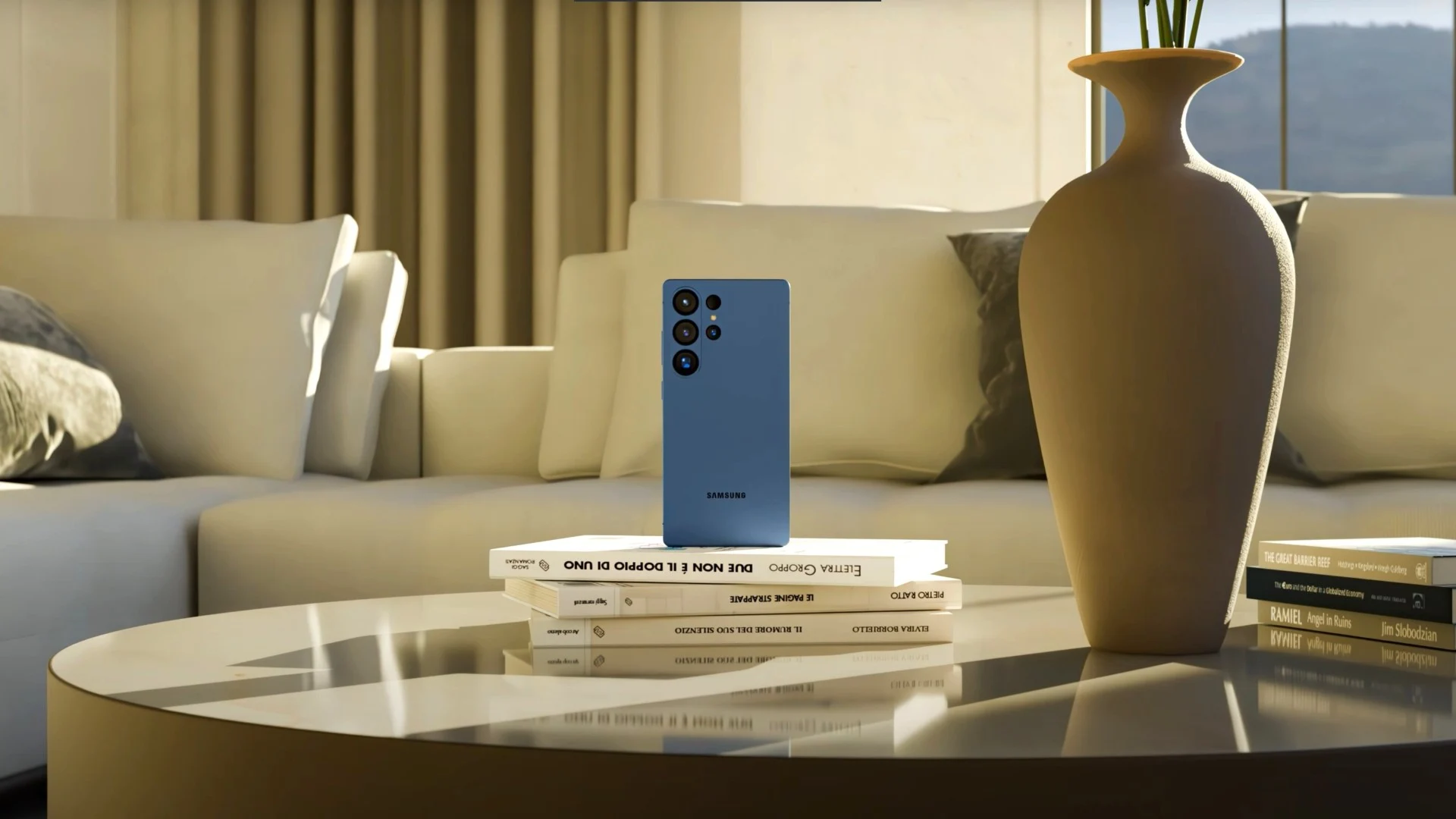
    The image was shared by Tarun Vats on X, revealing the Galaxy S26 Ultra both with and without a book-style case. The model without the case is in black and features a camera island housing the three primary cameras on the back, along with a fourth camera positioned outside the island on the right side. Above this fourth camera, there’s a flash and an extra sensor. The power and volume buttons are located on the right side. It’s important to mention that this image appears to be based on leaked renders and does not display any company branding or logo.

    Contradicting Claims

    Interestingly, well-known leaker Max Jambor had recently claimed that there wouldn’t be a black color version for the next Ultra device. According to him, it would be replaced by an orange variant similar to the iPhone 17 Pro and Pro Max. However, this new image seems to contradict that statement, and the initial renders of the phone also indicated the presence of a black version.

    Case Features and Protection

    The case itself is a combination of leather and hard-shell materials, designed to offer complete coverage and protection against drops. It includes a latch for the hinged front cover and features protruding power and volume buttons, with the volume buttons being separated. This cover appears to be fitted on the white or silver variant of the phone.

    Samsung has yet to release any official details regarding the Galaxy S26 Ultra, but several leaks and rumors have surfaced, hinting at what users can expect from the device. Anticipated features include a new ‘Privacy Display’ functionality, an enhanced display, along with various camera improvements.

    Source:
    Link


  • Samsung’s Android XR Headset Launching October 21 – Reserve Now

    Samsung’s Android XR Headset Launching October 21 – Reserve Now

    Key Takeaways

    1. Samsung will unveil its first Android XR headset, Project Moohan, at a global online event on October 21, streamed live on YouTube.
    2. Early reservations are available for free, offering a $100 Samsung Credit for future purchases, but no pricing details have been confirmed.
    3. The headset is expected to be priced over $1800, aligning it with high-end devices like Apple’s Vision Pro.
    4. Leaks suggest the headset may feature dual 4K micro OLED displays, Snapdragon XR2 Plus Gen 2 chipset, and advanced tracking capabilities.
    5. The device operates on a new platform called Android XR, optimized for spatial computing, with preorders likely starting after the event.


    Samsung has announced an upcoming global online event set for October 21, where they will unveil their first Android XR headset, currently referred to as Project Moohan. Early reservations are now available, complete with a $100 Samsung Credit bonus. The event, named Worlds Wide Open, will be streamed live on Samsung’s YouTube channel. It will showcase what Samsung describes as a significant step in their mobile AI strategy, developed in partnership with Google and Qualcomm. The headset is designed to deliver “immersive, everyday experiences” utilizing Android XR, a new platform specifically optimized for spatial computing from its inception.

    Reservation Details

    While Samsung hasn’t disclosed the final name or pricing for the product, they have begun to gather reservations on their website. The reservation process is free and does not require an upfront payment. It grants users a $100 Samsung Credit, which can only be used after making a purchase. This credit applies to accessories and other Samsung products, not the headset itself. Such an approach suggests that the headset might come with a high price tag, which could hinder early adoption unless there are compelling incentives. Reports from various industry sources, particularly in South Korea, indicate that the launch price may exceed $1800, positioning Project Moohan alongside Apple’s Vision Pro rather than Meta’s more budget-friendly Quest series.

    Expected Specifications

    Although Samsung has yet to release the specifications, various leaks hint that the headset might be equipped with dual 4K micro OLED displays that have a resolution of 4032 pixels per inch. It is expected to feature the Snapdragon XR2 Plus Gen 2 chipset, along with capabilities for hand, eye, and voice tracking through several onboard cameras. The headset is anticipated to weigh about 545 grams and offer around two hours of battery life for mixed usage, with an option for an external USB-C battery pack to extend its operational time.

    The device is rumored to operate on Android XR, which is a new variant of Android designed specifically for extended reality, developed in collaboration with Samsung as the primary hardware partner. Samsung will unveil the headset on October 21 at 10 PM Eastern Time, with preorders likely to launch right after the livestream concludes. As previously mentioned, reservations can be made now on Samsung’s website and do not require any commitment, making it easy for anyone interested in Android XR to secure one.

    Source:
    Link


  • Galaxy S22 Users Face Delays for One UI 8 Update

    Galaxy S22 Users Face Delays for One UI 8 Update

    Key Takeaways

    1. Samsung began distributing the final Android update for the Galaxy S22 lineup, featuring One UI 8 based on Android 16, in Europe and India.
    2. The rollout has been halted due to a potential bug or instability, as reported by users, particularly regarding quick battery drain.
    3. It’s common for tech companies to retract updates after launch, and users hope Samsung will resume the rollout soon.
    4. One UI 8 offers improvements in multitasking, reminders, camera application, notifications, and more, but lacks some AI-driven features.
    5. Users who did not upgrade during the initial rollout may be fortunate, as the distribution is expected to restart shortly.


    Last week, Samsung began to distribute the final Android update for the Galaxy S22 lineup, featuring One UI 8, which is based on Android 16. This update was made available for users in Europe and India, offering stability improvements, updated apps, and the latest security patches. However, it appears that the company has encountered a problem, leading to a halt in the rollout, as pointed out by a user on X.

    Rollout Halted

    The tweet from @Koram_Akhilesh indicates that the most recent One UI 8 version is no longer accessible for the Galaxy S22 series. This implies that Samsung may have found some kind of bug or instability that caused them to retract the update. Although the company hasn’t provided any details regarding this issue, there have been reports from some users about quick battery drain after the update, but it doesn’t seem to be a major issue.

    Updates Are Commonly Pulled

    It’s not unusual for tech companies to retract updates soon after they are launched, and they usually resume the rollout shortly after. One can hope that Samsung will follow suit for Galaxy S22 series owners, or at least offer some clarity on the current situation. If you didn’t upgrade during the initial rollout, that could turn out to be a blessing in disguise, and the distribution should restart soon. For those who did manage to update, they should be able to continue using their phones without reverting to the previous version.

    Improvements in One UI 8

    Regarding the update itself, One UI 8 provides key enhancements for users of the Galaxy S22, Galaxy S22 Plus, and Galaxy S22 Ultra. However, it lacks some AI-driven features such as ‘Now Brief.’ The update does improve multitasking, reminders, the camera application, notifications, and several other aspects.

    Source:
    Link


  • Samsung Patents Self-Healing Screen Technology for Foldable Phones

    Samsung Patents Self-Healing Screen Technology for Foldable Phones

    Key Takeaways

    1. Samsung’s new patent introduces a self-repair system for cameras and fingerprint sensors in foldable devices.
    2. The system includes tiny wires and sensors that monitor for stress or cracks in the display layers.
    3. Upon detecting a threat, the system activates reinforcement processes to seal and fortify affected areas.
    4. This technology addresses durability issues, making in-display fingerprint sensors more reliable for future Galaxy Z Fold and Flip devices.
    5. The patent is still in development, and it remains uncertain when or if this technology will be implemented in products.


    For a long time, makers of foldable phones have faced a big challenge: figuring out how to safely put things like cameras and fingerprint sensors beneath the flexible screens. If they cut a hole for these sensors, it weakens the structure of the layered display, making it vulnerable to tiny cracks and water damage. Because of this hidden flaw, devices such as the Galaxy Z series continue to use side-mounted fingerprint sensors.

    Samsung’s Innovative Patent

    A new patent from Samsung presents an exciting solution: a built-in protection and “self-repair” system for cameras and fingerprint sensors in foldable devices, including the new Galaxy Z Fold 7 and Z Flip 7. This technology changes the game by enhancing how the screen can protect itself, shifting from just being durable to actively monitoring itself.

    How It Works

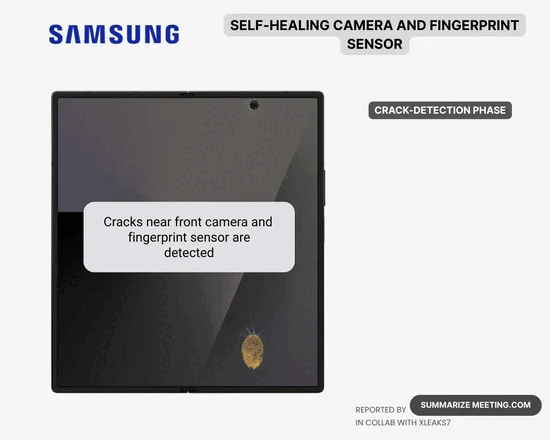
    The key part of this patented system is the embedding of tiny wires and sensors—a “sensing loop”—around the display cutouts. These wires function like an immune system for the screen, promptly identifying even the tiniest stress or crack in the layers beneath.

    Once a threat is detected, the system kicks off a special reinforcement process. It activates “dummy metal patterns” that automatically seal and fortify the affected area. Imagine the screen swiftly applying a small, unseen patch over the defect, preventing the crack from growing larger. Additionally, the design features unique grooves and sealants that help protect the OLED layers from moisture and oxygen.

    A Solution for the Future

    This three-part strategy—sensing, sealing, and reinforcing—addresses the long-standing issues with durability. By ensuring that the regions around the camera and sensors are as secure as the rest of the display, Samsung clears a major obstacle for introducing reliable in-display fingerprint sensors in upcoming Galaxy Z Fold and Flip devices.

    It’s important to note that this is just a patent, so we can’t be sure when or if it will be used in products. Nonetheless, the patent indicates that Samsung is seriously exploring this area. It would be great if they could find a dependable and cost-effective way to implement this technology, as it would make foldable phones much stronger for daily use.

    Source:
    Link


  • Samsung’s 2nm Tech May Help Qualcomm Challenge iPhone 17 Pro

    Samsung’s 2nm Tech May Help Qualcomm Challenge iPhone 17 Pro

    Key Takeaways

    1. Samsung has developed a 2nm version of Qualcomm’s Snapdragon 8 Elite Gen 5 chipset.
    2. Testing samples have been sent to Qualcomm for evaluation, with a promising chance of approval.
    3. Successful development could allow Samsung to replace TSMC’s 3nm N3P node in future flagship chips.
    4. The 2nm chipset may debut in the Galaxy Z Flip 8, potentially launching in July 2026.
    5. Consumer benefits include faster speeds, lower heat output, and improved battery life, while Samsung gains better hardware integration and cost savings.


    Samsung might finally be catching up to TSMC in the ongoing silicon battle. According to reports from New Daily, the smartphone manufacturer has successfully developed the 2nm version of Qualcomm’s Snapdragon 8 Elite Gen 5 chipset.

    Testing Samples Sent

    Reports indicate that Samsung has sent samples of the new chipset to Qualcomm for evaluation. If Qualcomm gives the green light, Samsung could replace TSMC’s 3nm N3P node in its next flagship chips. The likelihood of Qualcomm’s approval seems promising, as it appears that Samsung has addressed the yield and thermal problems that previously troubled Qualcomm’s chips.

    Potential Impact on Future Devices

    Should everything go according to plan with the 2nm chipset, Samsung might have a solid answer to the A19 Pro silicon that powers the iPhone 17 Pro. Fans of the Galaxy line may see this chip debut in the Galaxy Z Flip 8, potentially as soon as July 2026.

    Consumer Advantages

    The advantages of a 2nm Snapdragon for users include enhanced speeds, reduced heat output, and improved battery longevity. These features will make compact foldables like the Galaxy Z Flip 8 even more attractive and user-friendly.

    On the other hand, for Samsung, producing chips in-house would lead to better integration of hardware and lower costs, although the company will still owe Qualcomm a licensing fee.

    Source:
    Link