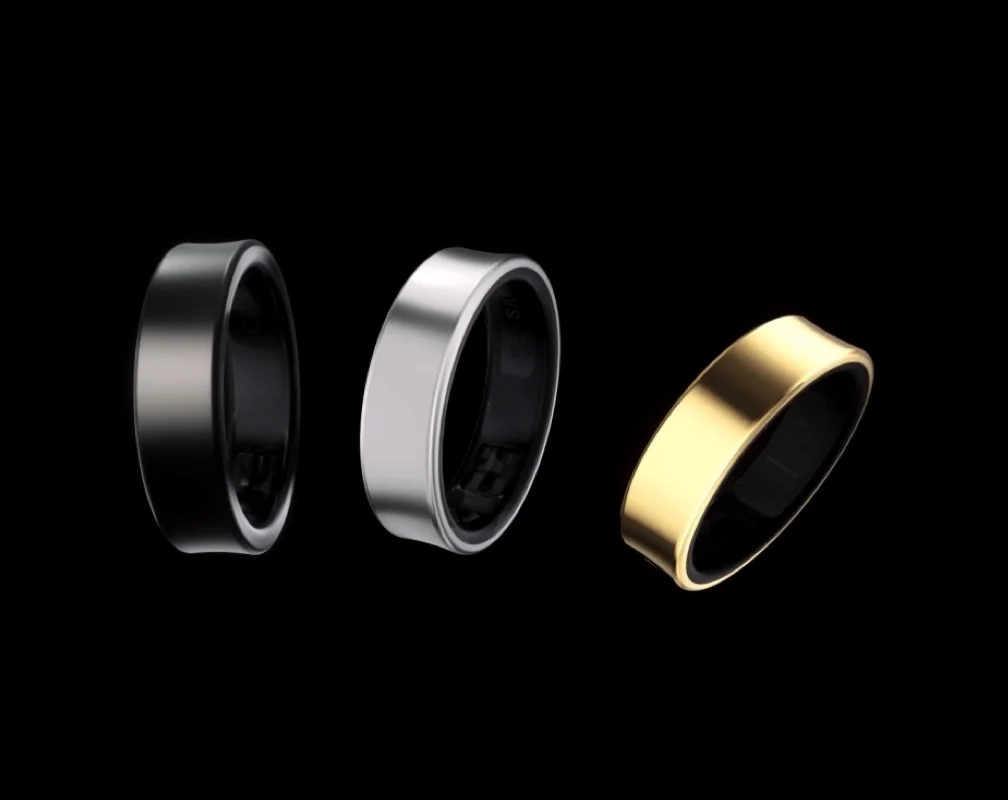
Tag: Galaxy XR

  • Galaxy Ring: Dual Function as Controller for Samsung Galaxy XR

    Galaxy Ring: Dual Function as Controller for Samsung Galaxy XR

    Key Takeaways

    1. Gesture Control for XR Headset: The Galaxy Ring may allow users to manage the Galaxy XR headset through gesture controls, enhancing user interaction.

    2. Fluid Navigation: Users could navigate menus and make selections on the XR headset effortlessly, using simple gestures like double pinches.

    3. Integration with Galaxy Glasses: The Galaxy Ring’s gesture controls could also be applied to future Galaxy Glasses, which may lack hand-tracking cameras.

    4. Device Management: The Galaxy Ring is expected to manage various devices, including smartphones and tablets, expanding its usability beyond wearables.

    5. Strengthening Connections: This development aligns with Samsung’s goal of integrating its wearable tech with extended reality products.


    Samsung might be preparing to allow users to manage the Galaxy XR headset with the Galaxy Ring. This idea first emerged when Android Authority discovered a code snippet labeled “ring gesture for glasses” in the latest Galaxy Ring Manager app update. This indicates that the smart ring could potentially connect with Samsung’s new XR headset and future Galaxy Glasses.

    Enhanced Gesture Control

    The Galaxy Ring currently enables users to perform simple tasks like capturing photos or muting alarms through gestures. If these controls were applied to the Galaxy XR, users could easily navigate through menus or make selections by using gestures such as a double pinch. This would create a more fluid interaction, particularly with the upcoming Galaxy Glasses, which are not anticipated to feature integrated hand-tracking cameras.

    Future Device Integration

    Samsung has earlier submitted patents that discuss the Galaxy Ring’s ability to manage various devices, such as smartphones and tablets. Now, this concept could be adapted for XR technologies. Although Samsung hasn’t officially acknowledged this feature yet, it fits well within the company’s ongoing mission to strengthen the connections between its wearable tech and extended reality products.

    Source:
    Link
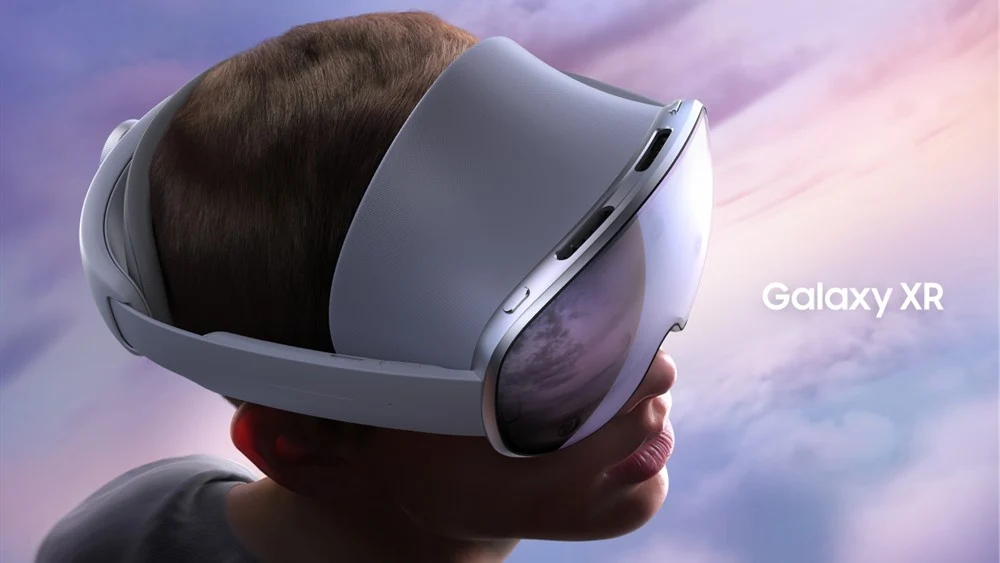


  • Samsung Galaxy XR: New 4K Micro OLED Rival to Apple Vision Pro

    Samsung Galaxy XR: New 4K Micro OLED Rival to Apple Vision Pro

    Key Takeaways

    1. AI-Centric Design: The Galaxy XR focuses on an AI-driven experience, developed with Google and Qualcomm, using the Snapdragon XR2+ Gen 2 SoC.

    2. Specifications: The headset features 16 GB of RAM, 256 GB of storage (non-upgradable), and operates for up to 2.5 hours on a single charge, primarily for 2D content streaming.

    3. Display and Imaging: It has a micro-OLED display with a resolution of 3,552 x 3,840, a 109-degree horizontal FOV, a 100-degree vertical FOV, and a 6.5 MP camera for capturing 3D content.

    4. Sensor Array: The Galaxy XR includes multiple sensors: two pass-through cameras, six tracking cameras, four eye-tracking cameras, a depth sensor, and an iris sensor for security.

    5. Weight and Availability: Weighing 545 grams (with cushion), it can support prescription lenses but requires separate purchase; currently available only in the US and South Korea.


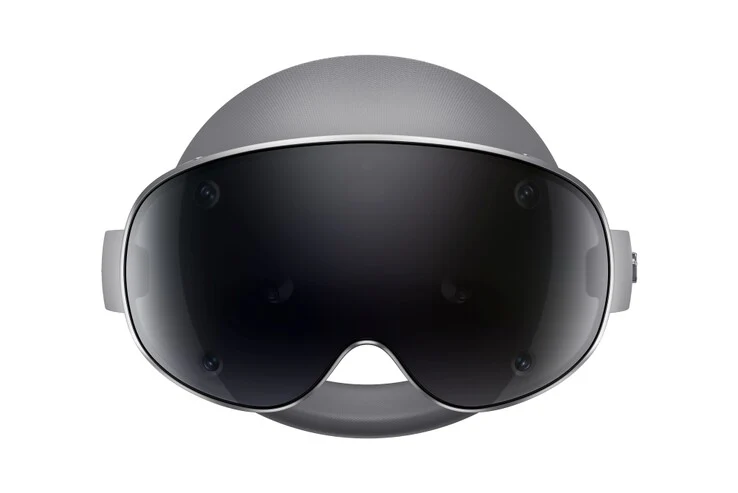
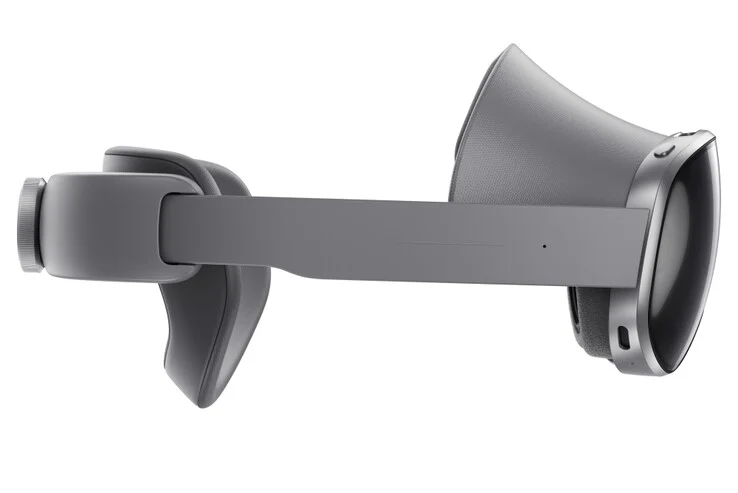
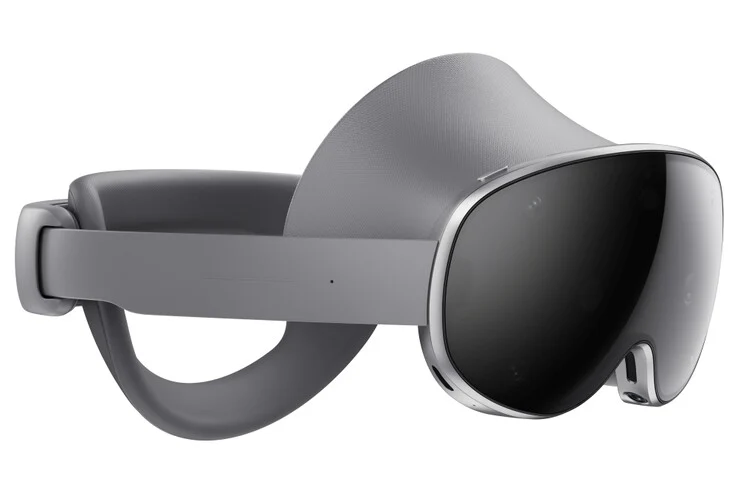
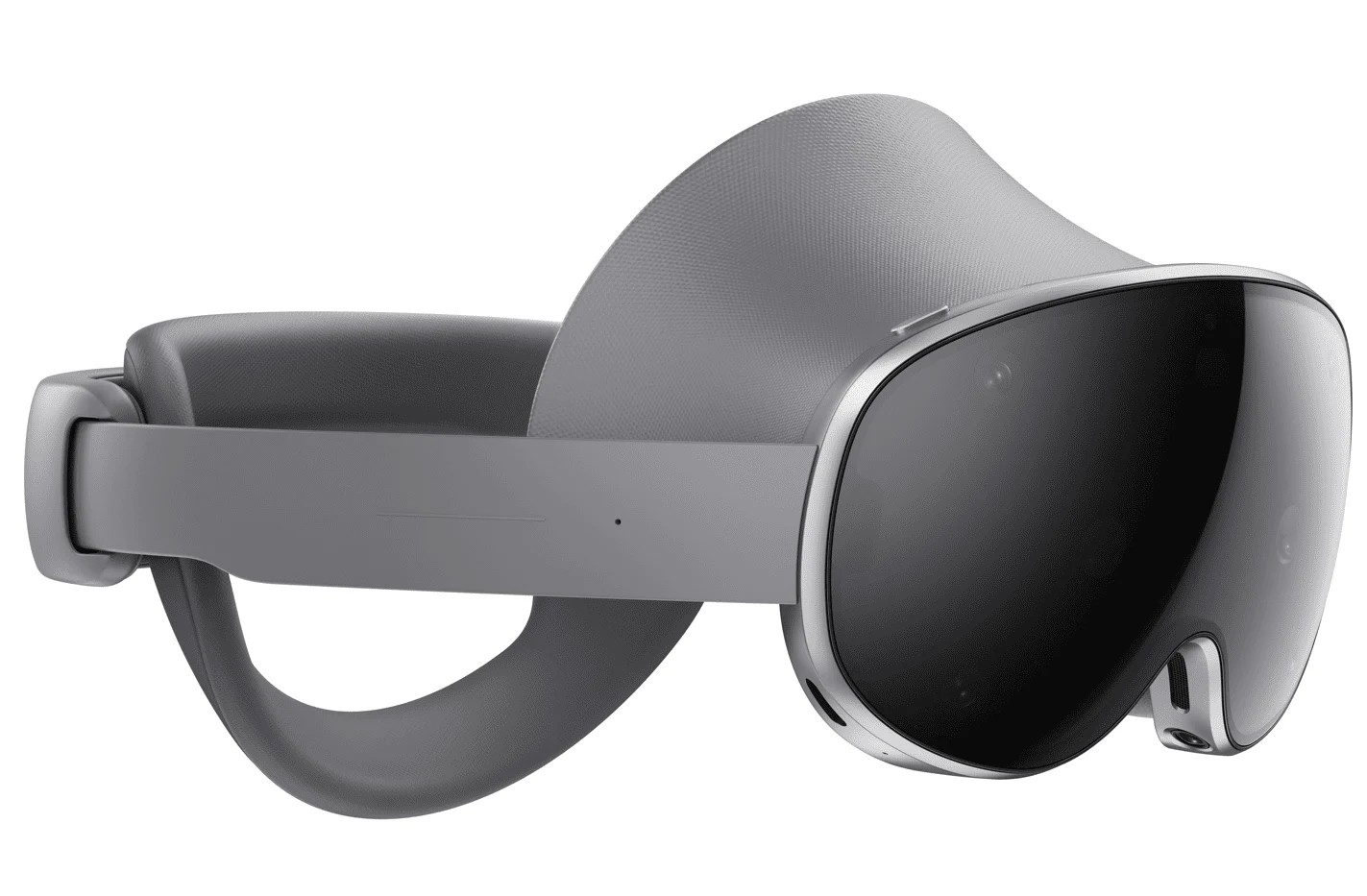
    Samsung’s much-anticipated competitor to the Apple Vision Pro has finally been unveiled, just days after Apple showcased the latest version of its VR headset. Previously referred to as Project Moohan, the Galaxy XR operates on the Android XR platform and features integration with Gemini.

    AI-Centric Design

    Developed in collaboration with Google and Qualcomm, the Galaxy XR focuses on an experience that “puts AI at the centre.” The device is driven by Qualcomm’s Snapdragon XR2+ Gen 2 SoC. Although it will launch in January 2024, the chip itself isn’t brand new, especially when compared to the Apple Vision Pro, which utilizes Apple’s advanced M5 SoC. Other specifications include 16 GB of RAM and 256 GB of storage, with no option for upgrades. While Samsung hasn’t detailed the battery size, it claims the headset can operate for up to 2.5 hours on a single charge.

    Real-World Usage

    It’s important to note that this duration applies only to 2D content streaming from the internet, and actual usage time may differ. The Galaxy XR features a micro-OLED display with a resolution of 3,552 x 3,840, boasting a 109-degree horizontal field of view (FOV) and a 100-degree vertical FOV. The refresh rate can reach up to 90 Hz, and it covers 90% of the DCI-P3 color gamut. Additionally, the headset is capable of capturing 3D images and videos with its 6.5 MP camera.

    Comprehensive Sensor Array

    Similar to the Apple Vision Pro, the Galaxy XR is equipped with multiple sensors, including two pass-through cameras, six tracking cameras, four eye-tracking cameras, five inertial measurement units, a depth sensor, and a flicker sensor. For security, there’s an iris sensor for biometric authentication.

    Finally, the Galaxy XR has a weight of 545 grams with the forehead cushion included. A backup battery can be added, increasing the weight by an additional 303 grams. Users who require prescription lenses due to myopia or hypermetropia can use the headset, but those lenses will need to be purchased separately. Currently, the device is only available in the US and South Korea, and there’s no information about when it might be released globally.

    Source:
    Link


  • Samsung Galaxy XR Early Adopters Receive Up to $1,000 in Freebies

    Samsung Galaxy XR Early Adopters Receive Up to $1,000 in Freebies

    Key Takeaways

    1. High Price Point: The Galaxy XR is priced at around $1,799, making it a significant investment for buyers.

    2. Explorer Pack Offer: Customers purchasing before the end of 2025 receive an “Explorer Pack” valued at up to $1,000, which includes various subscriptions and apps.

    3. Accessory Costs: Essential accessories like controllers and a travel case add approximately $500 to the total cost.

    4. Specifications: The headset features micro-OLED displays, a Snapdragon XR2+ Gen 2 processor, and operates on Google’s Android XR platform.

    5. Financing Options: Buyers can spread the cost over 12 months, making it more manageable at about $149 per month.


    The Galaxy XR has finally arrived, and it’s not exactly affordable, priced at around $1,799. However, Samsung has introduced a deal that makes the purchase a tad more reasonable. Customers who buy the headset before the end of 2025 will get an “Explorer Pack” valued at up to $1,000. This pack includes a year of Google AI Pro, YouTube Premium, and Google Play Pass, along with access to the NBA League Pass for the 2025–2026 season, a three-month trial of YouTube TV for just one dollar per month, and various apps optimized for XR, such as Adobe Project Pulsar, NFL PRO ERA, Asteroid, and Calm.

    Pricing and Accessories

    While this offer isn’t a straightforward price reduction, it does help lessen the burden of the hefty initial payment. Accessories, including the controllers and travel case, are still sold separately for about $500 altogether, increasing the total cost. Nevertheless, the Galaxy XR is still much more affordable than the Apple Vision Pro, which debuted at a staggering $3,499. Buyers also have the option to spread their payments over 12 months, costing around $149 each month.

    Specifications and Features

    The headset boasts micro-OLED displays with a resolution of 3,552 by 3,840 and is powered by the Snapdragon XR2+ Gen 2 processor, featuring 256 GB of storage. It weighs 545 grams, with an additional 302 grams for the battery pack, providing roughly two and a half hours of usage on a single charge. It operates on Google’s Android XR platform, which promises better integration with Android devices and Google’s applications, although this ecosystem is still in its early stages.

    Value for Users

    Despite the Galaxy XR’s pricing and accessory expenses making it a significant investment, the Explorer Pack brings real worth for users who plan to utilize the headset frequently. The collection of streaming, gaming, and productivity applications makes it simpler to dive into using the device right away, and Samsung’s financing plan eases the financial burden. For now, it’s an attractive choice for those ready to explore mixed reality with Samsung, though more casual users might prefer to hold off until prices stabilize and the platform evolves.

    Source:
    Link