Key Takeaways
1. The Samsung Galaxy S25 Ultra’s production cost is about 3.4% higher than the Galaxy S24 Ultra, estimated at around $484.
2. The increase in production cost is primarily due to the Qualcomm Snapdragon 8 Elite, which is 21% more expensive than its predecessor.
3. Prices for RAM and flash storage have only slightly increased, while the titanium frame has become 8% cheaper due to manufacturing improvements.
4. Samsung reduced the cost of the rear quad camera by 8%, despite upgrading to a 50-MP ultra-wide-angle camera, thanks to lower lens prices.
5. The 5G modem and antennas have seen price drops of over 10%, contributing to the overall decrease in component costs for the Galaxy S series.
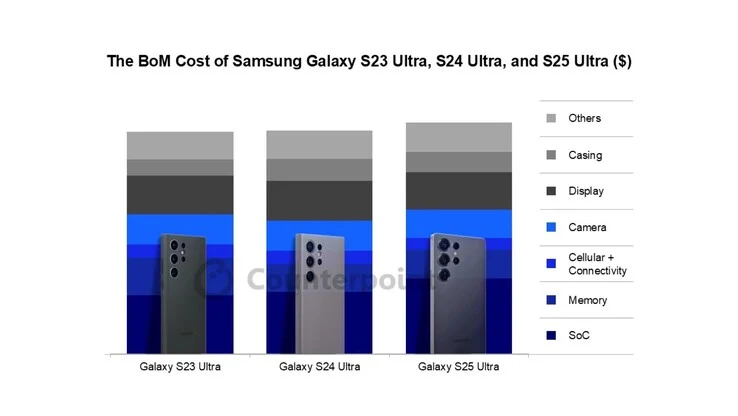
According to the newest study from Counterpoint Research, the Samsung Galaxy S25 Ultra, which comes with 12 GB of RAM and 512 GB of storage, is about 3.4% more costly to make than the Galaxy S24 Ultra, which has the same storage setup. In fact, the S24 Ultra is priced almost the same as the Galaxy S23 Ultra. The study doesn’t give exact figures, but Counterpoint Research had earlier put the manufacturing cost of the Galaxy S23 Ultra (256 GB storage) at $469. With the 3.4% rise, this means the production costs of the Galaxy S25 Ultra would be around $484.
Cost Breakdown
Even though there are no specific numbers provided, the analysis shows interesting details about the costs. The main reason for the higher expenses is the Qualcomm Snapdragon 8 Elite, which is 21% pricier than the Snapdragon 8 Gen 3. This increase is due to the addition of new Qualcomm Oryon CPU cores and the N3E manufacturing process. The prices for RAM and flash storage have only gone up a little. On a positive note, the titanium frame has become 8% cheaper because of manufacturing improvements, after being 32% more expensive compared to the aluminum frame used in the Galaxy S23 Ultra.
Camera and Display Costs
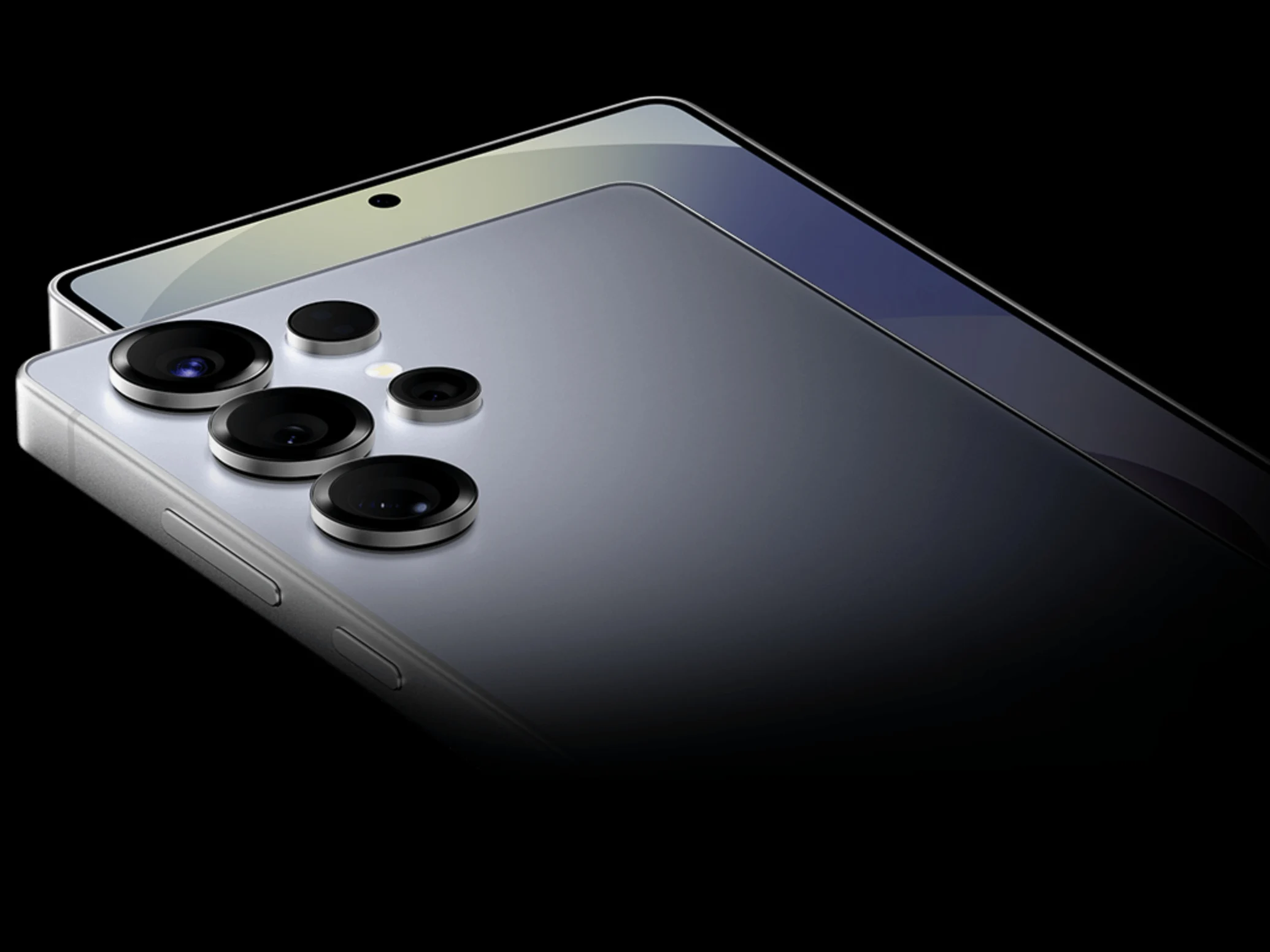
Even with the upgraded 50-MP ultra-wide-angle camera, Samsung managed to cut the cost of the rear quad camera by 8% due to lowering prices of smartphone camera lenses. Meanwhile, the 5G modem and antennas saw price drops of over 10%, and while the OLED display’s price only decreased by “a few percent,” both reductions are attributed to falling component prices.
In summary, Counterpoint Research’s analysis paints a clear picture of the evolving costs associated with the Galaxy S series, highlighting how various components affect overall production expenses.
Source:
Link