
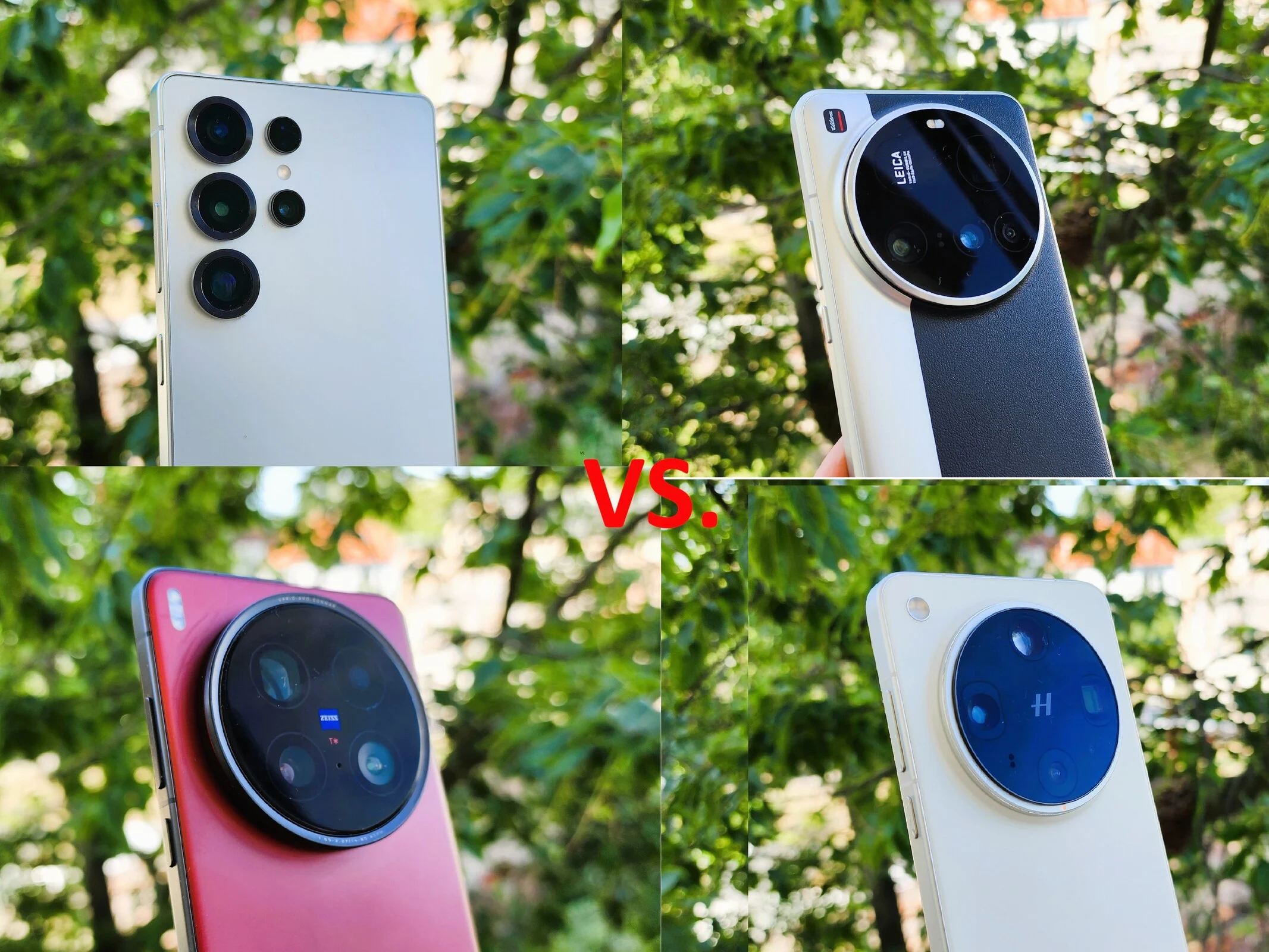
Key Takeaways
1. The Vivo X200 Ultra excels in sharpness and dynamic range, while Oppo Find X8 Ultra and Xiaomi 15 Ultra also produce quality photos.
2. Oppo Find X8 Ultra is the best for night shots and video due to its large 1-inch sensor, with Xiaomi 15 Ultra performing decently but less effectively in low light.
3. Ultrawide-angle cameras perform well in daylight but suffer from edge softness, with Vivo X200 Ultra delivering sharper images compared to Oppo Find X8 Ultra.
4. Samsung Galaxy S25 Ultra struggles in overall camera quality, particularly in low light and ultrawide performance, but is better for selfies.
5. None of the smartphones save RAW photos by default; RAW format is available in Pro mode and stored in Adobe’s DNG format for editing.
The results of our recent comparison of smartphone cameras show that all major models can capture quite detailed images. The Vivo X200 Ultra stands out with its impressive sharpness and broad dynamic range, while both the Oppo Find X8 Ultra and Xiaomi 15 Ultra also deliver good-quality photos. However, images from the Samsung Galaxy S25 Ultra appear a bit softer overall and sometimes display unexpected weaknesses. Be sure to check out parts 1 and 2 of our smartphone camera evaluation for more insights.
Best for Night and Video
When it comes to night shots and video recordings that need good detail and stability, the Oppo Find X8 Ultra is likely the best option. Its large 1-inch sensor allows it to capture details even in low-light situations and during short exposure times. The Xiaomi 15 Ultra also performs decently in low light, but it doesn’t quite match the Oppo’s capabilities, resulting in more blurriness. Even with a smaller sensor, the Vivo X200 Ultra manages to take nice night photos, while the Samsung Galaxy S25 Ultra falls behind in quality.
Ultrawide and Zoom Performance
The ultrawide-angle cameras produce nice photos during the day but tend to show noticeable softness at the edges. The Oppo Find X8 Ultra suffers the most in this area. Thanks to its larger sensor, the Vivo X200 Ultra generally delivers sharper ultrawide images. Both Oppo and Vivo also provide good options for zoom shots, while Samsung is more favorable for selfie lovers. Overall, the Galaxy S25 Ultra struggles to match the quality offered by its Chinese rivals.
In bright light, Xiaomi is a solid option for capturing very good photos, but its ultrawide and telephoto cameras face serious challenges in low-light conditions, mainly with focusing issues.
RAW Photo Options
None of the smartphones we tested save RAW photos by default; all devices record JPEGs using the stock settings. The RAW format retains nearly unprocessed image data and is only available as a feature in the Pro mode of camera apps, requiring manual activation. RAW files are saved in Adobe’s DNG format, which is compatible with most image editing tools.
If you’re interested in viewing the RAW images from our camera comparison, you can find the respective DNG files here: Xiaomi 15 Ultra (file), Vivo X200 Ultra (file), Samsung Galaxy S25 Ultra (file), Oppo Find X8 Ultra (file).
You can read Notebookcheck’s camera review parts 1 and 2 for more details.
Source:
Link


Leave a Reply