Tag: Intel

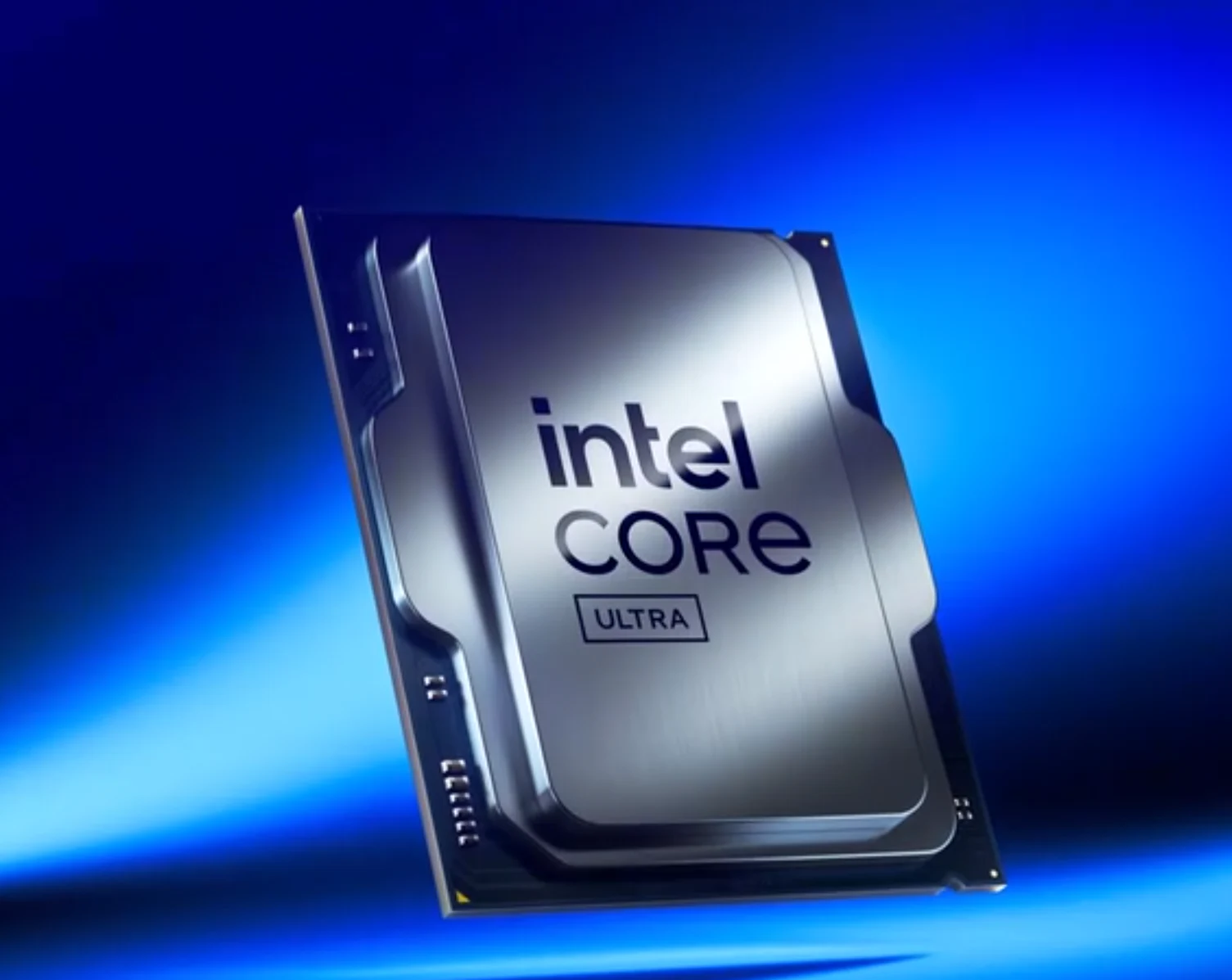
  • Intel Core Ultra 7 270K Plus: Arrow Lake CPU Geekbench Launch

    Intel Core Ultra 7 270K Plus: Arrow Lake CPU Geekbench Launch

    Key Takeaways

    1. Intel’s desktop side is currently quiet, with Nova Lake not expected until next year, leaving refreshed Arrow Lake processors as the focus.
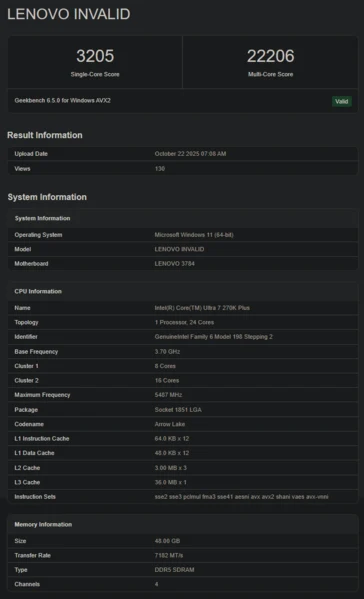
    2. The Core Ultra 7 270K Plus scored 3,205 in single-core and 22,206 in multi-core tests on Geekbench 6.5.
    3. The processor features 24 cores (8 performance + 16 efficiency), 24 threads, and a boost clock speed of 5.4 GHz.
    4. It shows a 3% improvement in single-core performance and a 7% improvement in multi-core performance compared to its predecessor.
    5. More benchmark results and details on power consumption are needed for a complete assessment of the Core Ultra 7 270K Plus’ performance.


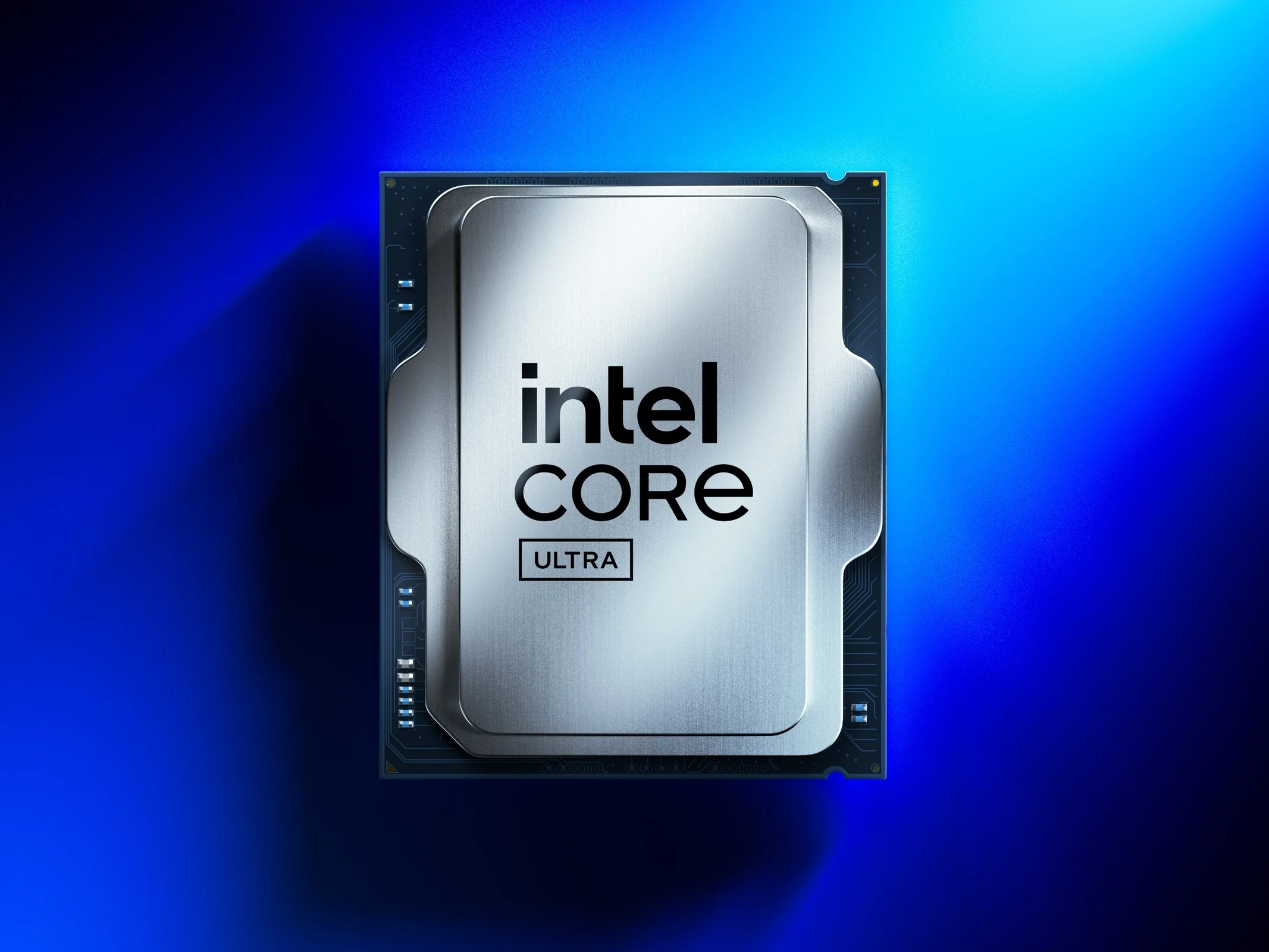
    While Intel is busy with its Panther Lake for laptops, the desktop side is pretty quiet. Nova Lake isn’t expected until next year, so we are currently stuck with the refreshed Arrow Lake processors. Recently, the Core Ultra 7 270K Plus has surfaced on Geekbench.

    Geekbench Scores

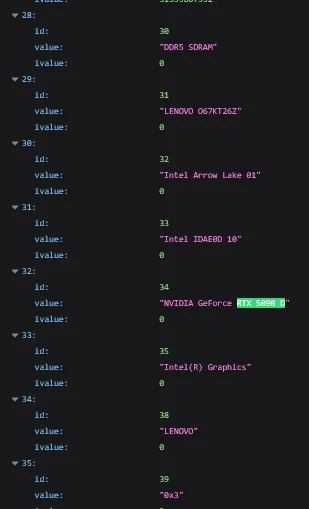
    It has recorded scores of 3,205 in single-core and 22,206 in multi-core tests using Geekbench 6.5. The Core Ultra 7 270K Plus is equipped with 24 cores (8 performance + 16 efficiency), 24 threads, and boasts a boost clock speed of 5.4 GHz. The processor is running in an unknown Lenovo PC that features 48 GB of DDR5-7182 (DDR5-7200) RAM and operates on Windows 11. The Geekbench back-end reveals that it was tested with a GeForce RTX 5090 D, which is a GPU exclusive to China.

    Performance Comparison

    In terms of performance, it is approximately 3% quicker than the Core Ultra 7 265K, which typically scores around 3,085 in Geekbench’s single-core test. When it comes to multi-core performance, there’s about a 7% improvement compared to its Arrow Lake predecessor, which scored 20,581. Although the Core Ultra 7 270K refresh doesn’t seem to promise significant performance gains over Arrow Lake, these numbers might improve once it officially launches.

    Early Insights

    Still, it’s quite premature to make any definitive statements about the Core Ultra 7 270K Plus’ performance without more benchmark results or knowing its power consumption. Nevertheless, the Geekbench listing does verify the name of Intel’s Arrow Lake refresh.
     

  • Intel Reduces Open-Source Contributions to Boost Competition

    Intel Reduces Open-Source Contributions to Boost Competition

    Key Takeaways

    1. Intel may shift away from open-source contributions unless they provide a direct competitive advantage.
    2. The company plans to use open-source software strategically rather than for collaborative purposes.
    3. Intel’s decision to discontinue Clear Linux reflects its changing approach to open-source engagement.
    4. This shift highlights Intel’s ongoing struggles to compete with AMD and Nvidia amid technical challenges.
    5. Recent job cuts at Intel have impacted teams responsible for Linux kernel driver maintenance, complicating its open-source strategy.


    Intel has been known for its active role in the open-source community, contributing to initiatives like the RISC-V architecture and providing open-source Linux drivers for both its Arc integrated GPUs and the more recent gaming-oriented discrete GPUs. However, reports from Phoronix suggest that this trend is about to change, as indicated by comments from Kevork Kechichian, the executive vice president and general manager of Intel’s Data Center Group.

    Shift in Contribution Philosophy

    Kechichian mentioned that Intel will likely stop supporting open-source projects unless those contributions directly benefit the company and provide a competitive advantage over rivals. He stated, “We need to find a balance where we use [our open-source software] as an advantage to Intel and not let everyone else take it and run with it.”

    “We take pride in our open-source contributions. We will continue to do this. But as I said, it needs to give us an edge against everyone else.” – Kevork Kechichian (via Phoronix)

    A New Approach to Open Source

    Additional remarks from the Intel executive suggested that the company may not participate in open-source projects if it believes those contributions could aid competitors. This announcement follows Intel’s decision in July to discontinue Clear Linux, a performance-focused Linux distribution the company had been developing for over a decade. Such a move contradicts the essential spirit of open-source, which promotes the idea that “a rising tide raises all ships,” where all participants benefit from shared contributions.

    With this new approach, it appears Intel aims to leverage the open-source community as a tool to regain its competitive stance rather than engaging in genuine collaboration.

    Struggles in Competition

    Intel’s latest strategy seems to highlight the company’s ongoing challenges in competing with AMD and Nvidia, especially considering Kechichian’s emphasis on maintaining a competitive edge. The company has faced numerous setbacks, delays, and technical challenges related to both CPU and GPU designs, as well as its foundry operations. This shift in its open-source strategy appears to be yet another indication of Intel’s struggles, even though there are signs of improvement with the Panther Lake architecture.

    Moreover, these remarks come in the wake of job cuts at Intel that reportedly impacted those responsible for maintaining the company’s Linux kernel drivers. The situation becomes more complex with the heavy reliance on open-source software in various corporate settings, particularly in AI development.

    If you’re looking for a compact Linux gaming solution, Intel may not be your best option. Consider alternatives like the Asus ROG Flow Z13 2-in-1 laptop, which features an AMD Ryzen AI Max+ 395 and is currently priced at $2,169.99 on Amazon.

    Source:
    Link


  • Sam Altman Supports TSMC’s Dominance in AI Chip Production

    Sam Altman Supports TSMC’s Dominance in AI Chip Production

    Key Takeaways

    1. Sam Altman prefers TSMC to increase chip production capacity over relying on Intel’s foundry efforts.
    2. TSMC leads in advanced process nodes essential for high-performance AI accelerators, making it the quickest option for chip production.
    3. There are geopolitical concerns regarding TSMC’s Taiwan-based production, prompting calls for a more diversified supply chain.
    4. The demand for modern AI models requires substantial chip capacity; delays could hinder product launches and innovation cycles.
    5. While Intel aims for resilience and localization in its foundry goals, it faces challenges in catching up to TSMC’s capabilities.


    OpenAI’s CEO Sam Altman has a clear message for those in the chip industry: he prefers TSMC to increase its production capacity rather than relying on Intel’s foundry efforts. Altman stated, “I would like TSMC to just build more capacity,” during a recent interview with Stratechery, emphasizing how the urgency from buyers is transforming supply chain priorities.

    Simple Reasoning Behind the Demand

    The reason behind this is pretty simple: TSMC is currently ahead in the advanced process nodes that high-performance AI accelerators require; their factories and yield maturity make them the fastest route for producing more chips. While Intel has been promoting onshoring and its own foundry plans (which includes the 18A node), increasing competitive capacity and achieving reliable yields takes time—time that many AI companies don’t have as their model sizes and computing needs grow. Altman’s public appeal acts as a market signal: when major buyers request more wafers, suppliers and policymakers usually pay attention.

    Geopolitical Considerations

    There’s also a geopolitical aspect to consider. TSMC’s production is primarily located in Taiwan, and although this setup provides buyers quick access to state-of-the-art silicon, it raises strategic and resilience issues for governments and businesses that prefer a more diversified supply chain.

    Sam Altman’s statement can thus be interpreted in two ways: a practical short-term push for immediate capacity, and a subtle acknowledgment that diversification (including onshore alternatives) will take longer to achieve. Reuters reported on Altman’s regional discussions, framing this as part of a broader industry rush for chip capacity and investment.

    Importance for Product Development

    The significance of this lies in the fact that training and deploying modern large models necessitates vast amounts of accelerators made on the latest nodes. If foundry capacity falls behind, companies may encounter delayed launches, increased cloud expenses, and hindered innovation cycles. OpenAI’s public push for TSMC to expand isn’t so much an endorsement of monopoly, but rather a practical request for increased output. This will likely lead to more private deals, increased investor interest, and heightened governmental focus on wafer supply.

    Intel is still a vital player in the long-term strategy: its foundry goals are aimed at resilience, localization, and alternative capacity. However, catching up to TSMC at the forefront is a significant challenge. One can expect a mixed response from the industry, where TSMC addresses the immediate high-performance demand, while Intel and other companies work to grow as part of a larger diversification strategy. In summary, Altman’s comment highlights a crucial tension in the current AI landscape: the endless demand for computing power versus the slow, capital-intensive process of chip manufacturing.

    Source:
    Link


  • Intel Launches Panther Lake iGPU with Major Performance Boost

    Intel Launches Panther Lake iGPU with Major Performance Boost

    Key Takeaways

    1. Intel’s Xe3 integrated GPU with Panther Lake CPUs shows a small boost in gaming performance, with potential improvements from future driver updates.
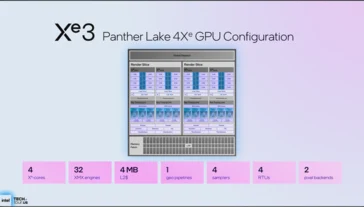
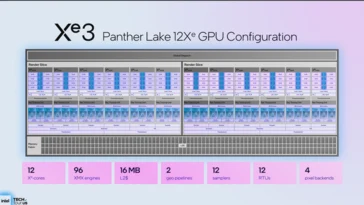
    2. The iGPUs are available in two versions: one with 4 execution units (EUs) and another with 12 EUs, with a possible 10 EU variant for better stability.
    3. A typical Panther Lake iGPU starts with 4 EUs, expandable to 6 EUs, featuring 4 Xe3 cores, ray tracing units, XMX engines, cache, geometry pipeline, and samplers.
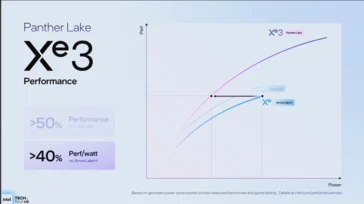
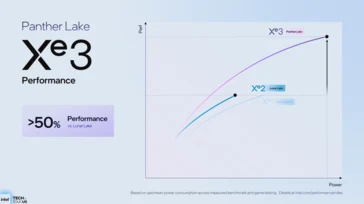
    4. Intel claims a 50% performance increase over Lunar Lake and a 40% improvement in performance per watt, but these claims should be viewed with caution until independent benchmarks are available.
    5. The next generation of iGPUs will be named Xe3P, not Xe4, raising uncertainty about the future of the Druid architecture.


    Intel has shared more information about the Xe3 integrated GPU (iGPU) that comes with Panther Lake CPUs. The boost in gaming performance is quite small, but history shows that improvements usually come with future driver updates. This time around, Intel is offering its unnamed Arc iGPUs in two versions: one featuring 4 execution units (EUs) and another with 12 EUs. However, previous leaks have suggested that there is at least one variant with 10 EUs, implying that it might have two units turned off for better stability.

    iGPU Specifications

    A Panther Lake iGPU typically begins with 4 EUs but can be increased to 6 EUs when necessary. The 10 EU version mentioned earlier might be a mix of both configurations. Each 4 EU segment includes 4 Xe3 cores, four ray tracing units, 32 XMX engines, 4 MB of cache, one geometry pipeline, and four samplers.

    Performance Claims

    Regarding performance, Intel has made some ambitious statements about the iGPU capabilities of Panther Lake. They claim it can deliver up to a 50% increase in performance compared to Lunar Lake and a 40% improvement in performance per watt. As usual, these figures come from Intel’s own benchmarks, so it’s wise to remain cautious until more independent tests are available.

    Future Generations

    Additionally, Intel has confirmed that its upcoming generation of iGPUs will be released under the Xe3P name, rather than Xe4, which was initially meant for the Druid architecture. It remains uncertain whether Druid has been abandoned, but if it has not, it seems it won’t be released in the near future.

    Source:
    Link


  • Intel Panther Lake Leaks: 12 CPUs Revealed in New Lineup

    Intel Panther Lake Leaks: 12 CPUs Revealed in New Lineup

    Key Takeaways

    1. Intel is set to launch four new Core Ultra X-branded processors in its Panther Lake series, featuring a more powerful integrated GPU (iGPU).
    2. The final digit in the naming convention for Panther Lake CPUs will indicate the capabilities of the iGPU, differing from the Lunar Lake series.
    3. There will be no Core Ultra 3_6 models in the Panther Lake lineup.
    4. Panther Lake will include U-branded processors with a maximum power output of 15 Watts, aimed at ultra-portable laptops, and will not have E-cores.
    5. The Core Ultra 3 model will feature only two P-cores, and all information is speculative until the official release from Intel.


    A previous leak has suggested that Intel plans to launch four new Core Ultra X-branded processors within its Panther Lake series, alongside the standard Core Ultra chips. Initially, it was unclear how these would be distinct from other Panther Lake CPUs. However, recent leaks from Chiphell and Weibo have provided more details, showcasing the complete Panther Lake lineup.

    Differences in the Core Ultra X Lineup

    The anticipated Core Ultra X series will set itself apart from other models by featuring a more robust integrated GPU (iGPU). In the Lunar Lake series, the final digit (6/8) indicated the amount of on-package RAM that each CPU had. For Panther Lake, this digit will represent the capabilities of the iGPU instead. There has been some mixed information regarding the naming convention for the ‘X’ models, with some sources suggesting names like Core Ultra 9 X388H, among others. Interestingly, it appears there will be no Core Ultra 3_6 models this time around.

    U-Branded Parts in Panther Lake

    Additionally, Panther Lake will introduce some U-branded processors. If their previous generation’s models are any indication, these will likely have a maximum power output of 15 Watts, making them suitable for ultra-portable, thin-and-light laptops. In terms of specifications, they will omit the E-cores while retaining the other features. Notably, the Core Ultra 3 model will further reduce the number of P-cores to just two.

    As always, this information should be considered speculative until Intel officially unveils Panther Lake in the coming days. It remains uncertain whether Intel will disclose all twelve CPUs at once, but based on previous trends with Lunar Lake, this is certainly a possibility.

    Source:
    Link


  • Intel Foundry to Manufacture Future AMD Chips for Enhanced Performance

    Intel Foundry to Manufacture Future AMD Chips for Enhanced Performance

    Key Takeaways

    1. Intel’s upcoming 14A process is expected to signal a resurgence for the company despite challenges with its 18A technology.
    2. Qualcomm is stepping back from Intel Foundry, while Apple and Nvidia show interest in the 14A development.
    3. AMD is monitoring Intel’s progress, which may help maintain a favorable relationship with the current administration and avoid potential tariffs.
    4. Any partnership between Intel and AMD is unlikely to impact AMD’s reliance on TSMC for its advanced products.
    5. Intel’s 14A technology may offer new opportunities, but its competitiveness against TSMC’s offerings remains uncertain.


    Despite facing challenges with its 18A technology, Intel Foundry’s upcoming 14A process is expected to signal a resurgence for the emerging chip manufacturer. Although Qualcomm has chosen to step back, both Apple and Nvidia reportedly show interest in this development. Additionally, if a report from Semafor is to be believed, Intel’s major competitor, AMD, has also taken notice. This move could potentially help AMD maintain a favorable relationship with the current administration and possibly avoid some upcoming tariffs from President Trump.

    Collaboration Possibilities

    Even if a partnership between Intel and AMD comes to fruition, it is improbable that Team Red will rely on Intel Foundry for its most advanced products. AMD’s Epyc Venice CPUs have already been designed using TSMC’s N2 process, with Zen 6 projected to follow next year. Furthermore, Intel’s 14A technology is not expected to begin risk production until 2027, and if Intel continues to experience difficulties, it is likely that this timeline will be delayed. As a result, AMD will probably keep sourcing its main components, like CPU and GPU tiles, from TSMC, while possibly using Intel Foundry for ancillary parts such as Infinity Fabric and I/O dies.

    Future Implications

    In conclusion, while AMD’s interest in Intel Foundry might indicate a strategic move, the practical use of this collaboration appears limited. The ongoing reliance on TSMC for primary hardware components ensures that AMD’s cutting-edge advancements will remain on their current path. Intel’s 14A node may offer new opportunities, but whether it can compete with TSMC’s offerings remains to be seen. Overall, the landscape of chip manufacturing continues to evolve, with various players making moves in a complex arena.

    Source:
    Link


  • Intel Panther Lake Leak Reveals 45W TDP for High-End Variant

    Intel Panther Lake Leak Reveals 45W TDP for High-End Variant

    Key Takeaways

    1. Intel’s Panther Lake-H chip will feature a combination of 4 performance cores, 8 efficiency cores, and 4 LPE cores.
    2. The CPU will use Intel’s 18A technology and the GPU will be made with TSMC’s N3E process, while the Platform Control Die will be on TSMC’s N6.
    3. The integrated GPU is expected to offer up to 12 EU based on Intel’s Celestial architecture.
    4. The LPE cores will be fully functional for applications, marking an improvement over previous generations.
    5. The premier Panther Lake SKU may have a maximum TDP of 45 Watts, higher than the Core Ultra 9 288V’s 30 Watts.


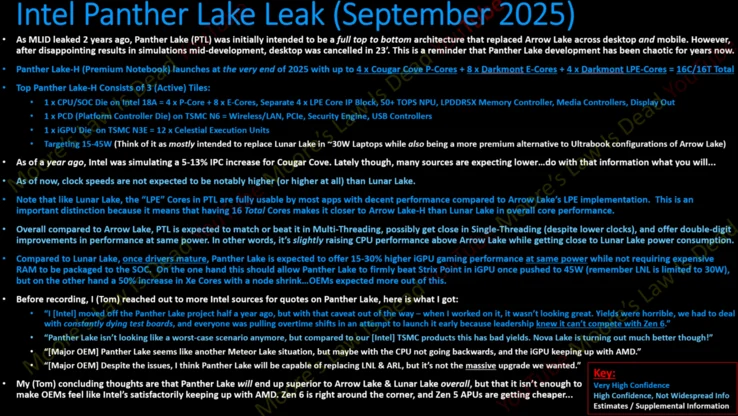
    YouTuber Moore’s Law is Dead has shared intriguing insights about Intel’s upcoming Panther Lake platform for laptops. According to the latest information, Intel’s high-end Panther Lake-H chip is expected to feature 4 Cougar Cove performance cores, 8 Darkmony efficiency cores, and 4 Darkmont LPE cores.

    Specifications Breakdown

    The CPU tile will utilize Intel’s 18A technology, while the GPU die will be produced using TSMC’s N3E process, and the Platform Control Die will be crafted on TSMC’s N6. On the graphics front, Panther Lake is anticipated to launch with an integrated GPU offering up to 12 EU, built on Intel’s Celestial architecture.

    Conflicting Information

    This news contradicts a leak from the previous year, which forecasted a lineup of five Panther Lake CPUs, with the top model expected to include 6 P-cores, 8 E-cores, and 4 LPE cores. However, that same leak indicated that the two SKUs featuring 6 P-cores were lagging behind in development compared to the model with 4 P-cores.

    Enhanced Usability

    Moreover, the latest leak suggests that the LPE cores in Panther Lake will be fully functional for applications this time around, a feature that was not available in earlier generations. Moore’s Law is Dead estimates a potential IPC increase of 5-13%, but notes that predicting IPC improvements in Intel’s recent CPUs has proven to be difficult.

    The premier Panther Lake SKU is said to have a maximum Thermal Design Power (TDP) of up to 45 Watts, which is a bit higher than the Core Ultra 9 288V’s 30 Watts. Furthermore, there may be a possibility of pushing other (non-Core Ultra 9) SKUs to that TDP, unlike what was achievable with Lunar Lake.

    Source:
    Link


  • Intel Unveils New FPS Boosting Tech for GPU Users

    Intel Unveils New FPS Boosting Tech for GPU Users

    Key Takeaways

    1. Intel and Nvidia are collaborating to enhance AI infrastructure and personal computing solutions, signaling a shift in the tech sector.
    2. A Reddit user discovered code in Intel’s Arc driver files indicating upcoming multi-frame generation capabilities for Arc GPUs.
    3. Intel’s frame generation technology (XeSS FG) competes with AMD’s Fluid Motion Frames and Nvidia’s exclusive multi-frame generation for RTX 50 series GPUs.
    4. Intel is actively hiring for a role focused on optimizing gaming performance for discrete graphics, indicating continued investment in GPU development.
    5. The timeline for Intel’s next Arc Battlemage GPU release remains unclear, but the company plans to stick to its product roadmap.


    Last week, Intel and Nvidia revealed a collaboration aimed at creating AI infrastructure and personal computing solutions. This news marked a significant shift in the tech sector, although it raised questions regarding Intel’s current products, especially in the GPU area, which has not received much attention lately. Recently, there have been rumors about new dedicated gaming GPUs, and now a leak suggests potential tech upgrades for Intel’s Arc graphics cards.

    Exciting Discoveries from Reddit

    A Reddit user named Organic-Bird-587 shared findings on the IntelArc subreddit regarding multi-frame generation capabilities coming to Arc GPUs. The user examined the Arc driver files and discovered lines of code referencing “Multi-Frame Generation (XeSS)” along with an icon related to frame generation. Although Intel has yet to officially comment on this technology’s arrival for its GPUs, the presence of this code indicates that developments might be underway.

    Competition in Frame Generation Technology

    Intel currently offers frame generation (XeSS FG), similar to AMD’s Fluid Motion Frames (AFMF), and both technologies function on competitive graphics cards. Meanwhile, Nvidia has the exclusive multi-frame generation feature, which is only available for its RTX 50 series GPUs. This implies that Intel’s multi-frame generation could potentially extend to GPUs that aren’t part of Intel’s lineup. However, it is worth mentioning that Lossless Scaling, a third-party solution, can already provide up to 20x frame generation across GPUs from all three manufacturers.

    Intel’s Future in Graphics

    This leak aligns with the recent discovery of a job posting by Intel for an SoC Performance Engineer. This role focuses on validating and optimizing gaming performance for high-end desktop SoCs, particularly emphasizing discrete graphics (dGFX) gaming performance. This suggests that Intel is still engaged in the development of discrete graphics solutions, but the timeline for the next Arc Battlemage GPU remains uncertain. The company has assured that it will adhere to its roadmap and continue to introduce new GPU products.

    Source:
    Link


  • Intel Arc Celestial dGPU Struggles Amid Nvidia Partnership, B770 Lives

    Intel Arc Celestial dGPU Struggles Amid Nvidia Partnership, B770 Lives

    Key Takeaways

    1. Intel’s high-end Arc Battlemage B770 GPU is still in development and expected to launch this quarter.
    2. The Arc B770 will not support PCIe 5.0 and may have performance inconsistencies, particularly with frame pacing.
    3. The GPU is expected to have 32 Xe cores and a 256-bit wide bus, aiming for performance similar to the RTX 4070 but facing challenges.
    4. Intel may cancel its future GPU projects, including the Celestial and Druid series, indicating a potential end to their desktop GPU line.
    5. The Arc Battlemage B580 was positively received, highlighting the need for Intel to continue developing new desktop GPUs.


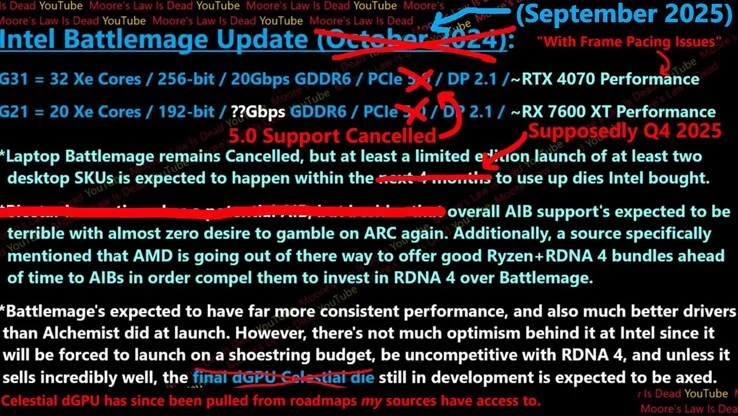
    While there hasn’t been much news about Intel’s high-end Arc Battlemage B770 desktop GPU in quite a while, it seems the GPU is still in the works and expected to launch this quarter. This info comes from Moore’s Law Is Dead, confirming earlier leaks from May 2025.

    Latest Specs and Features

    The recent leak from MLID also shares updates on the Intel x Nvidia Hammer Lake and Titan Lake APUs, providing some interesting specifications for the Arc B770. Interestingly, the latest details suggest that the Intel Arc B770 will not support PCIe 5.0, which is a change from what was previously mentioned in October 2024. Additionally, there are claims of performance inconsistencies, particularly with issues related to frame pacing.

    Even though MLID asserts that the Arc B770 will still have 32 Xe cores and a 256-bit wide bus, it seems this card may deliver a performance similar to that of the RTX 4070 while facing challenges like choppy performance and limited availability. Even more disappointing is the possibility that the Arc B770 could be Intel’s final desktop GPU.

    Future of Intel GPUs

    According to sources from MLID, Intel has removed the Celestial dGPU from its future plans. This suggests that the desktop Arc Celestial cards might be scrapped altogether. If Intel goes ahead and cancels Arc Celestial, along with future GPU projects like Arc Druid, it would signal an end to what has been a rocky and often directionless venture in the GPU market.

    We sincerely hope that Intel continues to develop and launch new desktop GPUs, as the Arc Battlemage B580 was a refreshing addition to a struggling GPU market when it was released (Available on Amazon).

    Source:
    Link


  • Intel Nvidia Hammer Lake Leaks Large iGPU as Titan Lake Goes Mobile

    Intel Nvidia Hammer Lake Leaks Large iGPU as Titan Lake Goes Mobile

    Key Takeaways

    1. Intel and Nvidia are collaborating to integrate Nvidia’s RTX iGPUs into Intel’s x86 products, impacting both datacenter and consumer segments.
    2. The integration aims to enhance Intel’s existing Arc Graphics series rather than replace it.
    3. Intel’s roadmap has changed, focusing on Titan Lake mobile APUs with upgraded iGPUs and scrapping plans for Titan Lake desktop CPUs.
    4. The transition to Nvidia graphics in Intel’s products is expected to happen gradually, with a full shift potentially not occurring until 2029.
    5. The future of Intel’s Arc desktop GPUs remains uncertain as the company prepares for this transition.


    Intel’s collaboration with Nvidia to develop graphics solutions for x86 products is likely the most significant PC news of 2025. This partnership impacts not only Intel’s datacenter solutions but also its consumer segment, which includes laptop APUs and discrete desktop GPUs. Intel has stated that the integration of Nvidia’s RTX iGPUs in x86 Intel APUs is intended to enhance, rather than replace, Team Blue’s existing Arc Graphics series.

    Marketing or Reality?

    Nonetheless, Moore’s Law Is Dead suggests that this might be just a marketing strategy, as Intel is expected to fully transition to Nvidia GeForce RTX iGPUs with the introduction of Intel Hammer Lake. According to previous leaks from MLID, Intel plans to follow the Panther Lake mobile architecture with Nova Lake, Razer Lake, Titan Lake, and Hammer Lake. Initially, it was believed that all four architectures would use the LGA 1954 socket, which Intel is rumored to unveil with Nova Lake-S desktop CPUs in late 2026.

    Changes in Strategy

    Intel appears to have slightly altered its roadmap. MLID indicates that Team Blue has scrapped plans for Titan Lake desktop CPUs and is now solely focusing on Titan Lake mobile APUs that will feature “upgraded iGPUs.” These new iGPUs could potentially be Nvidia RTX variants, unlike those in Hammer Lake.

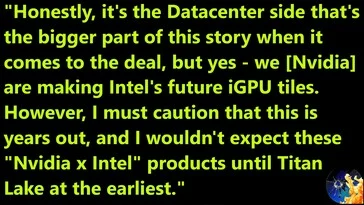
    MLID has also reported that Intel Hammer Lake products are now being “redefined” to feature a “new large and powerful iGPU” by 2029. This powerful iGPU is likely to be an Nvidia GeForce RTX iGPU, as an Nvidia insider informed MLID that Intel x Nvidia products will debut with Titan Lake at the earliest, and not before.

    Future Implications

    In simpler terms, we might witness Intel’s mobile and desktop APUs continue to utilize Arc iGPUs for several more years before transitioning to Nvidia graphics in 2029. The impact of this shift on Intel Arc desktop GPUs remains uncertain. MLID has provided an updated specification for the upcoming Arc B770, which we have discussed in a separate article.

    Source:
    Link