
Tag: Arc GPUs

  • Intel Unveils New FPS Boosting Tech for GPU Users

    Intel Unveils New FPS Boosting Tech for GPU Users

    Key Takeaways

    1. Intel and Nvidia are collaborating to enhance AI infrastructure and personal computing solutions, signaling a shift in the tech sector.
    2. A Reddit user discovered code in Intel’s Arc driver files indicating upcoming multi-frame generation capabilities for Arc GPUs.
    3. Intel’s frame generation technology (XeSS FG) competes with AMD’s Fluid Motion Frames and Nvidia’s exclusive multi-frame generation for RTX 50 series GPUs.
    4. Intel is actively hiring for a role focused on optimizing gaming performance for discrete graphics, indicating continued investment in GPU development.
    5. The timeline for Intel’s next Arc Battlemage GPU release remains unclear, but the company plans to stick to its product roadmap.


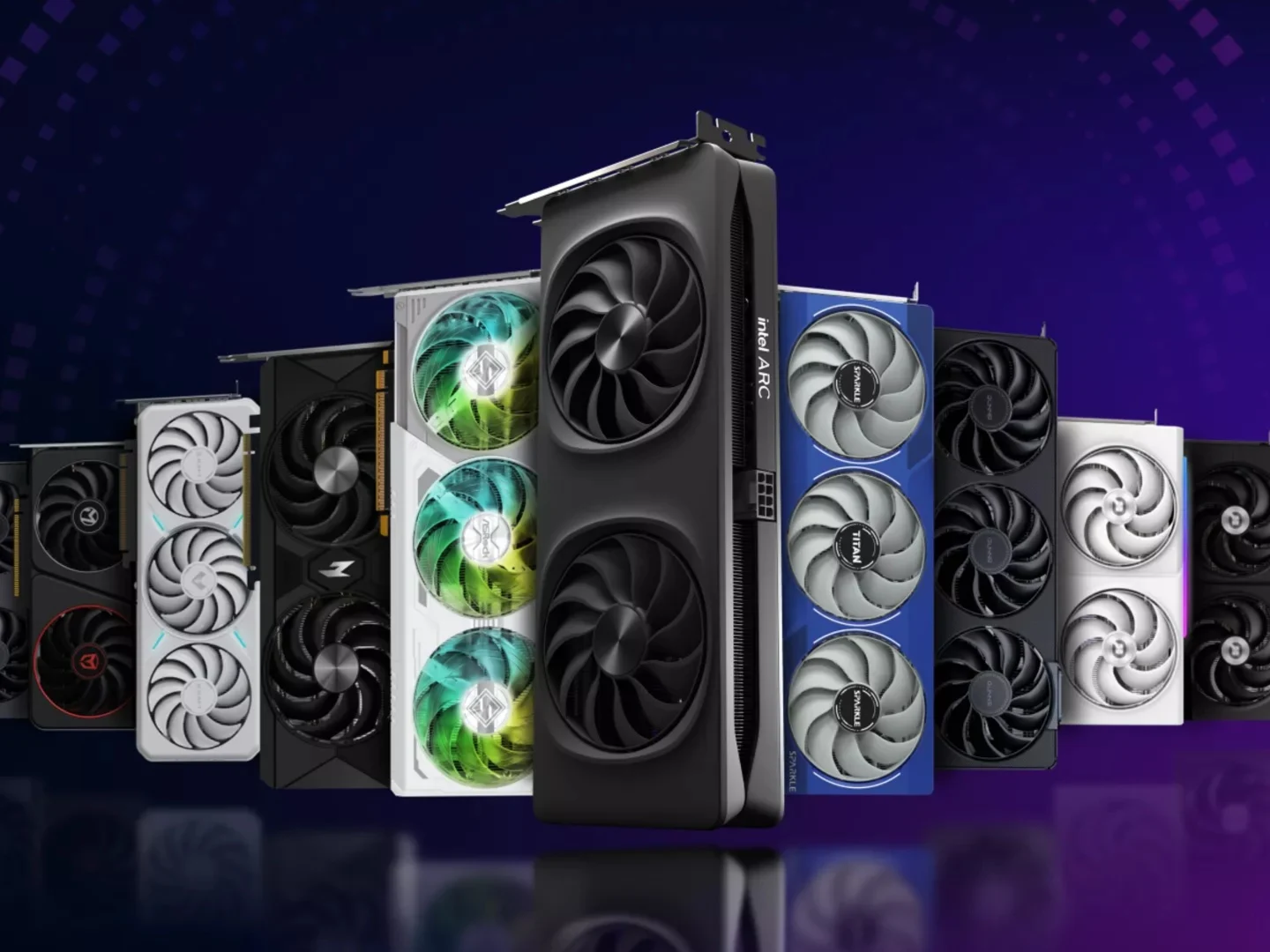
    Last week, Intel and Nvidia revealed a collaboration aimed at creating AI infrastructure and personal computing solutions. This news marked a significant shift in the tech sector, although it raised questions regarding Intel’s current products, especially in the GPU area, which has not received much attention lately. Recently, there have been rumors about new dedicated gaming GPUs, and now a leak suggests potential tech upgrades for Intel’s Arc graphics cards.

    Exciting Discoveries from Reddit

    A Reddit user named Organic-Bird-587 shared findings on the IntelArc subreddit regarding multi-frame generation capabilities coming to Arc GPUs. The user examined the Arc driver files and discovered lines of code referencing “Multi-Frame Generation (XeSS)” along with an icon related to frame generation. Although Intel has yet to officially comment on this technology’s arrival for its GPUs, the presence of this code indicates that developments might be underway.

    Competition in Frame Generation Technology

    Intel currently offers frame generation (XeSS FG), similar to AMD’s Fluid Motion Frames (AFMF), and both technologies function on competitive graphics cards. Meanwhile, Nvidia has the exclusive multi-frame generation feature, which is only available for its RTX 50 series GPUs. This implies that Intel’s multi-frame generation could potentially extend to GPUs that aren’t part of Intel’s lineup. However, it is worth mentioning that Lossless Scaling, a third-party solution, can already provide up to 20x frame generation across GPUs from all three manufacturers.

    Intel’s Future in Graphics

    This leak aligns with the recent discovery of a job posting by Intel for an SoC Performance Engineer. This role focuses on validating and optimizing gaming performance for high-end desktop SoCs, particularly emphasizing discrete graphics (dGFX) gaming performance. This suggests that Intel is still engaged in the development of discrete graphics solutions, but the timeline for the next Arc Battlemage GPU remains uncertain. The company has assured that it will adhere to its roadmap and continue to introduce new GPU products.

    Source:
    Link


  • Intel Ends Support for Deep Link: No Future Updates Planned

    Intel Ends Support for Deep Link: No Future Updates Planned

    Key Takeaways

    1. Intel has officially ended support for its Deep Link technology, which aimed to enhance performance by integrating Intel CPUs and Arc GPUs.

    2. Deep Link was designed for improved efficiency in video streaming, encoding, and AI acceleration, requiring 11th to 13th Gen Intel CPUs and Arc Alchemist GPUs.

    3. Users experienced significant issues with Deep Link, including instability and compatibility problems, particularly with applications like OBS and Handbrake.

    4. The announcement of the end of support was made informally in a GitHub discussion rather than through a press release.

    5. Existing users can still use Deep Link on compatible hardware, but no future updates or fixes will be provided for any issues.


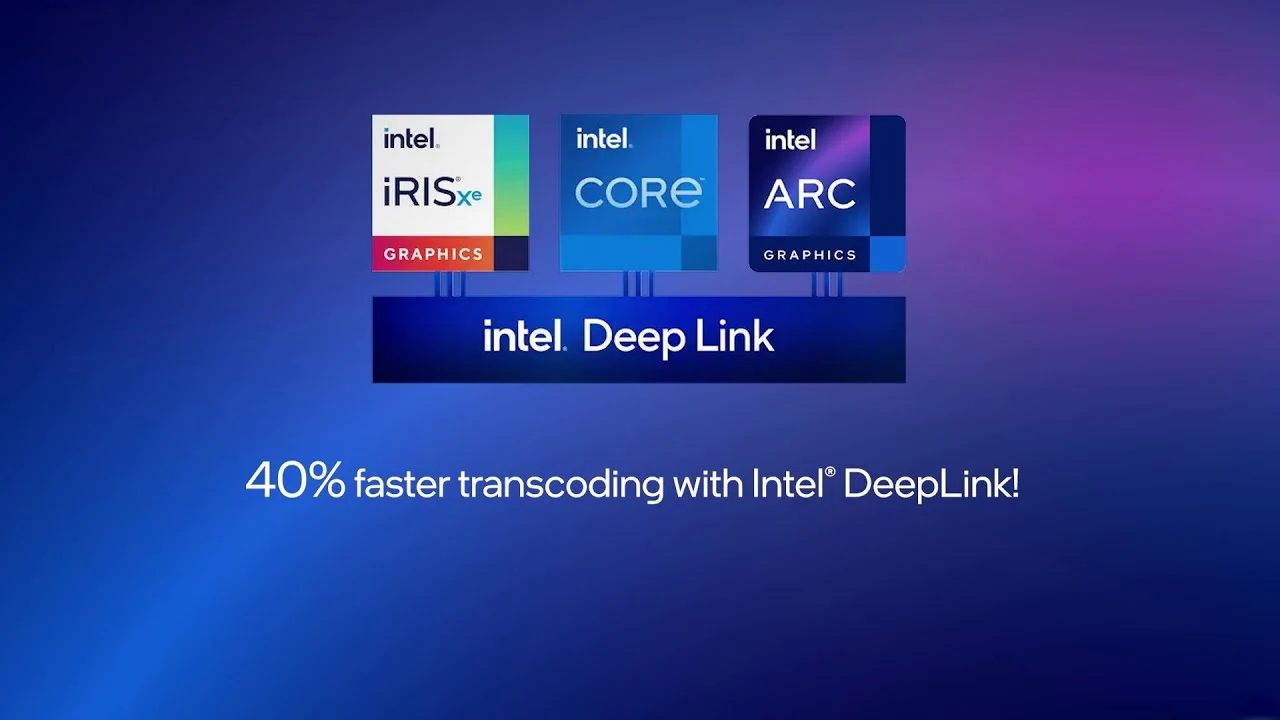
    Intel has formally ceased support for its Deep Link technology, a software package that was launched in late 2020 to enhance performance by integrating the capabilities of Intel CPUs and Arc GPUs. This announcement was made not through a traditional press release but instead via a GitHub discussion where an Intel representative acknowledged the end of support after a user inquired for a month about issues with Stream Assist in OBS Studio.

    Purpose of Deep Link

    Deep Link was created to provide better efficiency and performance for activities like video streaming, encoding, and AI acceleration. It necessitated a setup that included Intel’s 11th, 12th, or 13th Gen CPUs along with Arc Alchemist GPUs. The suite included four main features: Dynamic Power Share, Hyper Encode, Stream Assist, and Hyper Compute. These features facilitated intelligent power distribution between the CPU and GPU, allowed for multi-processor encoding, offloaded streaming tasks, and provided AI acceleration through OpenVINO.

    User Experiences

    Over time, many users reported issues such as instability or complete failure of the technology, particularly in applications like OBS and Handbrake. Additionally, some features needed support from specific vendors. Another complication was the widening compatibility issues as new CPU architectures, like Meteor Lake, were released without support for Deep Link.

    Final Confirmation

    While Intel had been quietly moving away from promoting Deep Link with newer releases like Battlemage, the definitive announcement came from an Intel staff member “Zack-Intel” in response to a GitHub thread – stating, “Deep Link is no longer actively maintained and will not be receiving future updates.” Users whose hardware remains compatible can still utilize Deep Link, but any upcoming driver or software problems will not receive fixes.

    Source:
    Link