Tag: Huawei

  • Leaked before launch: Huawei’s inaugural open-back earphones, FreeClip

    Leaked before launch: Huawei’s inaugural open-back earphones, FreeClip

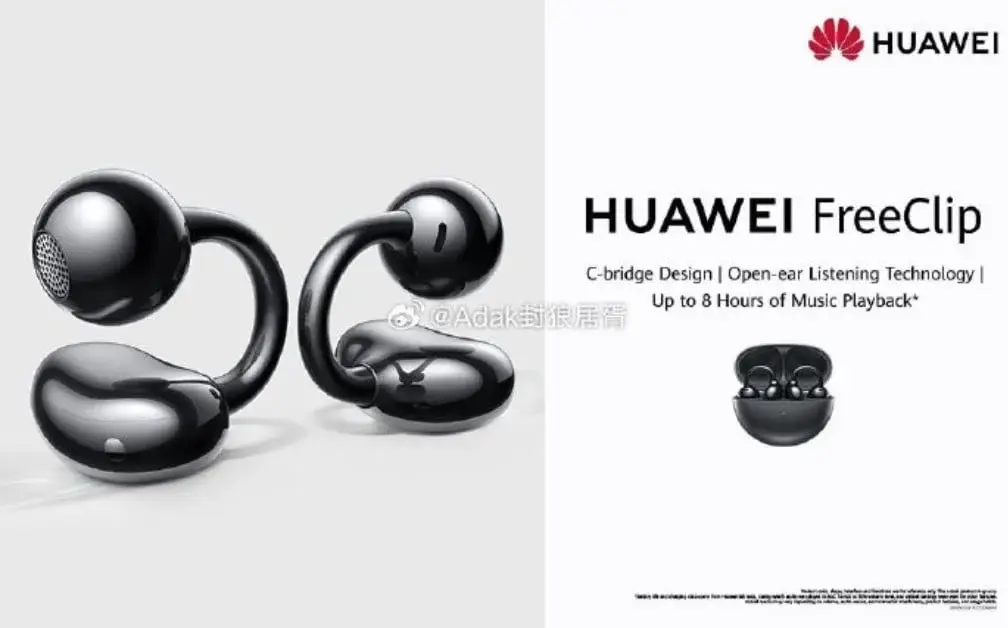
    Huawei is set to unveil its latest products in Dubai today, and one of the most anticipated launches is the Huawei FreeClip, an open-back style earphone. Thanks to leaked promo material, we now have a sneak peek at these innovative earphones.

    A Unique Design

    The Huawei FreeClip marks the company’s first foray into open-back earphones. The promo material reveals that each earpiece is composed of two parts connected by a curved center-piece, which Huawei refers to as a C-bridge design. This design resembles a modern clip earring and adds a touch of elegance to the earphones.

    Enhanced Comfort and Sound Quality

    The open-back design of the Huawei FreeClip is expected to make them more comfortable to wear for extended periods, potentially reducing ear fatigue. Rumors also suggest that the earbuds will feature built-in vents to improve airflow and enhance sound quality.

    Stylish Charging Case

    The leaked image also provides a glimpse of the charging case for the Huawei FreeClip. The case appears to cradle the earphones in an inverted position. While specific technical specifications remain unknown, it is clear that the FreeClip’s independent design sets it apart from other wearables.

    Battery Life and Color Options

    The Huawei FreeClip is rumored to offer a battery life of up to 8 hours on a single charge. This impressive battery performance ensures that users can enjoy their favorite music or podcasts without interruption. Additionally, reports suggest that the earphones will be available in two color options: Black and Purple.

    With the official launch just hours away, the details surrounding the Huawei FreeClip are still under wraps. However, eager fans won’t have to wait much longer to learn more about this exciting new product. Stay tuned for more updates as Huawei unveils its latest devices in Dubai.
  • Apple dominates premium smartphone market in China as Xiaomi, Huawei gain ground

    Apple dominates premium smartphone market in China as Xiaomi, Huawei gain ground

    Xiaomi, Apple, and Huawei Among Preferred Brands in China's Premium Phone Market

    According to the latest survey conducted by Brain-Computer Interface (BCI) data for the Chinese market in November 2023, there has been a significant increase in new smartphone activations. The total number of activations reached 28.71 million units, showing a year-on-year growth of 12.7 percent.

    Xiaomi Takes the Lead in the High-End Segment

    Xiaomi has reclaimed the top spot among domestic smartphone brands in China, particularly in the high-end segment priced above 4,000 Yuan+ (~$550). Alongside Apple and Huawei, Xiaomi now stands as one of the top three high-end brands, contributing to nearly 90 percent of the market share in this premium category.

    Apple Maintains its Position in the High-End Market

    Despite encountering a 21.2 percent year-on-year decline, Apple continues to lead in the high-end market. Xiaomi, with an 18.3 percent market share, secures the top position among Chinese brands, experiencing a significant 44.1 percent year-on-year increase in activations, showcasing the highest growth rate. Honor claims the third spot in activation volume, registering a 12.6 percent year-on-year increase.

    Huawei Leads in Growth Rate

    Although ranking fourth in market share, Huawei exhibits an impressive 75.6 percent year-on-year growth in activations, leading the market in terms of growth rate. On the other hand, brands like Vivo and Oppo face substantial declines in activation volume. The competition intensifies in the high-end market, dominated by Apple, Huawei, and Xiaomi, which capture nearly 90 percent of the share. Other brands collectively hold a modest 10 percent market share.

    Xiaomi's Resurgence and Impact on Apple

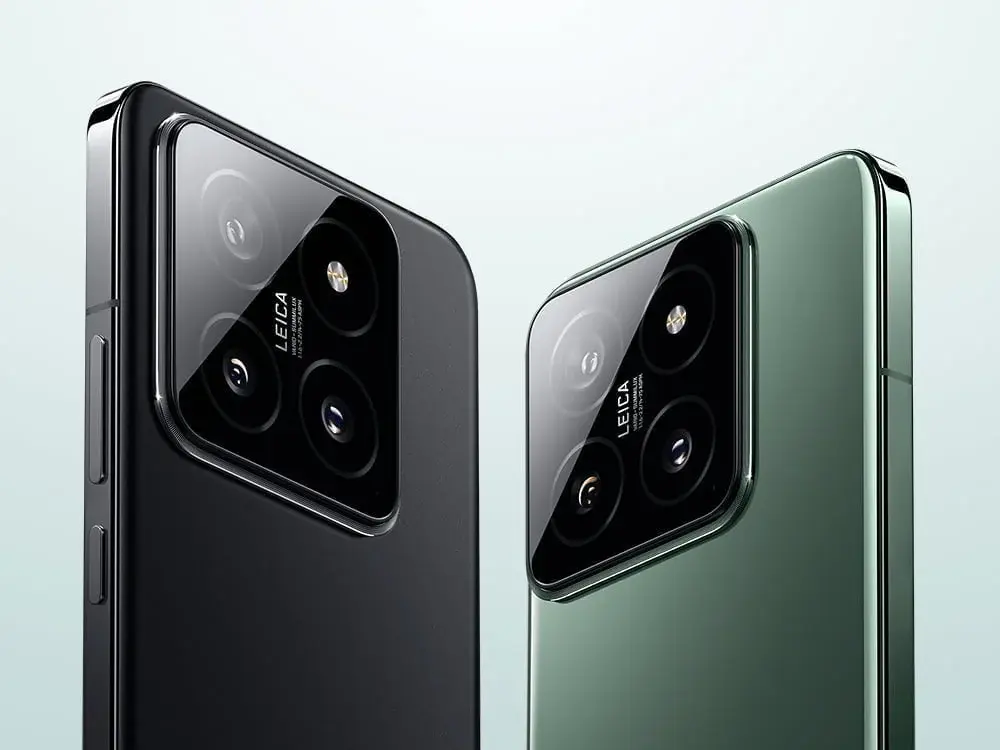
    BCI data highlights the resurgence of Xiaomi as the leading domestic brand, attributing its success to consistent year-on-year growth of over 40 percent in new phone activations for five consecutive weeks. Xiaomi has encountered the highest growth rate, increasing by 11.8 percent year-on-year. This dynamic landscape suggests that the Huawei Mate 60 series and Xiaomi 14 series have notably impacted Apple's standing in the high-end market.


    BCI Survey Results for November 2023:

    • Total new smartphone activations in China: 28.71 million units (12.7% year-on-year increase)
    • Xiaomi, Apple, and Huawei dominate the high-end market, capturing nearly 90% of the market share
    • Xiaomi experiences a significant 44.1% year-on-year increase in activations, securing the top position among Chinese brands
    • Apple maintains its lead in the high-end market despite a 21.2% year-on-year decline
    • Huawei exhibits an impressive 75.6% year-on-year growth in activations, leading in terms of growth rate
    • Vivo and Oppo face substantial declines in activation volume
    • Other brands collectively hold a modest 10% market share

    BCI data suggests that Xiaomi's consistent growth and the impact of the Huawei Mate 60 series and Xiaomi 14 series have notably affected Apple's position in the high-end market.

  • Despite US sanctions, China’s Huawei launches latest 5nm Kirin 9006C chip

    Despite US sanctions, China’s Huawei launches latest 5nm Kirin 9006C chip

    Despite facing crippling US sanctions, Chinese tech giant Huawei has managed to release a new 5nm chip called the Kirin 9006C SoC. This is a significant development following the unveiling of the 7nm Kirin 9000S chip just a few months ago, which is used in the latest Mate 60 series smartphones.

    Impact of US sanctions on China’s tech sector

    The US sanctions have had a severe impact on China’s tech sector, particularly on homegrown brands like Huawei. These sanctions have limited access to critical semiconductors and silicons from American companies such as Qualcomm, affecting numerous Chinese firms.

    Breakthrough with the Kirin 9000S

    Earlier this year, Huawei achieved a breakthrough with the 7nm ARM processor, the Kirin 9000S. This processor, manufactured by SMIC (Semiconductor Manufacturing International Corporation), powers the Huawei Mate 60 and has shattered sales records in China. Despite not matching the latest offerings from Qualcomm or MediaTek, the Kirin 9000S is a remarkable advancement considering SMIC’s current hardware capabilities.

    Introducing the Kirin 9006C

    The release of the Kirin 9000S was not a one-off accomplishment. It marked the beginning of a series of chips designed to overcome the US sanctions. Huawei is now taking it a step further with the introduction of the Kirin 9006C SoC.

    Specifications of the Kirin 9006C

    The Kirin 9006C features eight ARM CPU cores, comprising four A77 and four A55 cores, with a maximum clock speed of 3.13GHz. While these specifications may not appear groundbreaking, the real highlight is the chip’s 5nm process node technology. This is a significant milestone achieved by Huawei despite the US sanctions. Similar to the Kirin 9000S, the Kirin 9006C is expected to be manufactured by SMIC.

    Future possibilities for the Kirin 9006C

    Currently, the Kirin 9006C can only be found in Huawei’s Qingyun L540 laptop. However, its potential extends far beyond that. There are rumors suggesting that Huawei will incorporate this powerful new 5nm Kirin chip into their upcoming P70 smartphone series, which is expected to be announced early next year.

    In conclusion, despite facing challenges due to US sanctions, Huawei has managed to defy expectations and release the Kirin 9006C, a 5nm chip that pushes the boundaries of technology. This achievement showcases Huawei’s determination to overcome obstacles and continue innovating in the tech industry.

  • First look at Honor 90 GT reveals elegant design with smooth edges

    First look at Honor 90 GT reveals elegant design with smooth edges

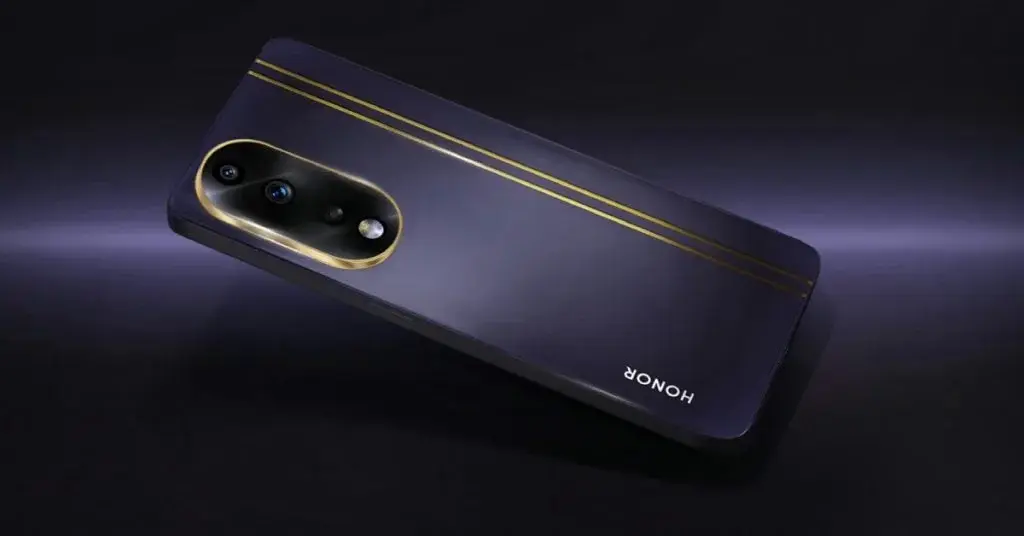
    Following the release of the Honor 100 series last month, Honor is now focusing on the development of the Honor 90 GT. There are also rumors circulating about another GT-series phone, the Honor X50 GT. These devices are expected to be performance-centric phones, competing against the Redmi K70 and K70e. A recent leak on Weibo has provided a glimpse of the possible design of the Honor 90 GT.

    Honor 90 GT Design

    The leaked image reveals a design that is quite different from the Honor 80 GT. The phone showcases a striking purple-ish and gold color scheme with a matte finish.

    The back panel of the Honor 90 GT features a rectangular camera module that houses three cameras and an LED flash. The module itself is slightly raised, and the camera rim has a stylish golden accent. Additionally, the phone has flat sides, and the right side is adorned with stylish golden stripes, adding a touch of aesthetics.

    Unfortunately, the leak does not provide any information about the front design of the phone.

    Specifications (Rumored)

    According to previous reports, the Honor 90 GT is expected to come with the latest Snapdragon 8 Gen 2 processor, ensuring powerful performance. There are even rumors suggesting the existence of a “Honor 90 GT+” variant with a whopping 24GB of RAM, which would be a first for Honor phones.

    Moreover, the Honor 90 GT, rumored to have the model number MAG-AN00, has appeared in the database of the 3C certification platform. This listing indicates that the smartphone may support 100W charging, allowing for fast and efficient charging.

    While other specifications for the Honor 90 GT remain unknown, we can anticipate competitive pricing, especially considering its expected competition with the Redmi K70. The Redmi K70 starts at 2,499 Yuan in China.

    As for the release date, reports suggest that the Honor X50 GT and the Honor 90 GT will be announced simultaneously. It is rumored that the phones will make their debut in the last week of this year.

  • Huawei Mate 60 and Xiaomi 14 Spark Recovery in Chinese Smartphone Market

    Huawei Mate 60 and Xiaomi 14 Spark Recovery in Chinese Smartphone Market

    The global smartphone market, which has been in a downturn, is showing signs of revival due to the release of new models from major manufacturers like Huawei and Xiaomi. Research from Zheshang Securities suggests that the market is emerging from an adjustment phase, and Southwest Securities notes a substantial reduction in inventory levels over the past six quarters among major smartphone manufacturers and component companies. These reduced inventories are now approaching a healthy balance, indicating a forthcoming industry recovery.

    Chinese Smartphone Industry Recovery

    Huatai Securities anticipates a moderate rebound in specific sectors like panels, passive components, storage, certain modules, and mobile chips in the third quarter. This recovery is expected to positively impact companies within the smartphone industry chain during the latter half of the year.

    In the third quarter of 2023, the Chinese smartphone market saw a 5% year-on-year decline in shipment volume, according to Canalys. However, this decline is showing signs of easing, indicating a gradual market recovery.

    Huawei Mate 60 and Xiaomi 14 Lead the Way

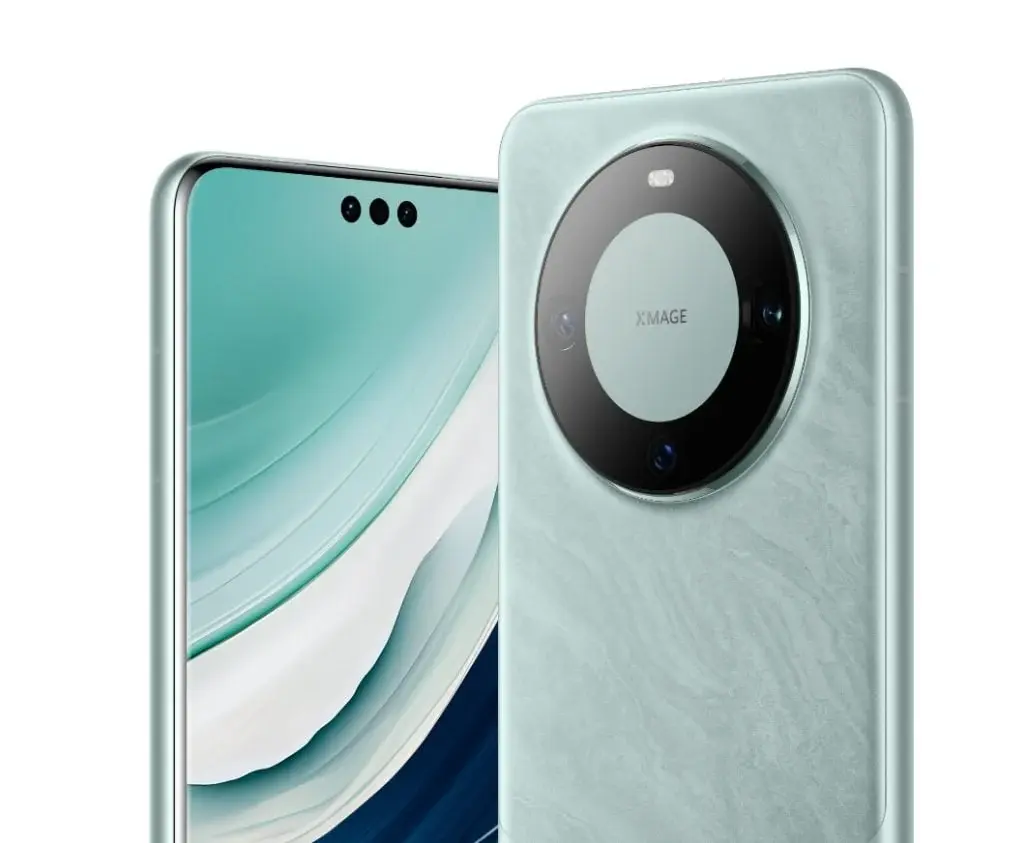
    Huawei’s Mate 60 and Xiaomi’s 14 series have played a crucial role in the recent turnaround of the Chinese smartphone market. The Mate 60 series, despite U.S. technology restrictions, has made a significant impact, directly competing with Apple’s iPhone 15. In October, Huawei achieved an impressive 83% increase in sales, while the iPhone 15 only experienced an 11% growth, raising speculation about Huawei’s potential global resurgence.

    In contrast, Apple’s waning demand in China has opened the door for local brands like Xiaomi to capitalize on the opportunity. Xiaomi’s market valuation saw a remarkable recovery, increasing by $20 billion after a low in June, fueled by successful smartphone launches, expansion into electric vehicles, and diversification into other business areas. This recovery was reflected in a 60% rise in Xiaomi’s stock, leading the Hang Seng Tech Index.

    Xiaomi's Success and Growth Potential

    Xiaomi‘s success isn’t just confined to the stock market. The 14 series has been a consumer hit, garnering over a million orders since its announcement in October. Analysts point to Xiaomi’s growth potential not only in the smartphone sector but also in AIoT and their upcoming electric vehicle venture. Counterpoint Research’s data supports this optimism, highlighting Xiaomi as the only top-five smartphone brand to record shipment increases in key markets like China and India in the third quarter of 2023.

    Overall, the recovery of the smartphone market appears to be in motion, aided by these new product launches and strategic shifts by key players. However, for a sustained recovery, companies within the industry will need to continue focusing on innovation, enhancing product quality, and managing production and supply chain efficiencies.

  • Huawei Confronts Obstacles as Demand Exceeds Available Supply

    Huawei Confronts Obstacles as Demand Exceeds Available Supply

    Huawei Technologies has recently faced challenges in production and supply chain for its Mate 60 Pro 5G. However, the company has demonstrated resilience and adaptability in overcoming these obstacles. Despite issues with supply and demand, Huawei has implemented strategies to manage the situation.

    Limiting Purchase Orders

    To address the surging demand for the Mate 60 Pro, Huawei introduced a pre-order system. This decision was made to buy time for securing orders from suppliers. The main challenge lies in the advanced Kirin 9000s processor, which has complicated the supply chain dynamics and delayed the parts provision process.

    Subscription Program

    In an unconventional move, Huawei launched a subscription program for the Mate 60 Pro. Customers are promised delivery within 90 days of ordering, and purchases are limited to one unit per consumer. This approach aims to manage supply efficiently while maintaining customer interest.

    Impressive Sales Figures

    Despite the hurdles, the Mate 60 Pro has achieved notable success. Within just eight weeks of its launch, the series recorded 2.4 million units in domestic sales, according to Counterpoint data. This achievement is particularly impressive considering the background of US trade sanctions that Huawei has been facing.

    Symbol of Resilience

    The Mate 60 series, especially the Pro model, has become a symbol of Huawei's resilience. The company has managed to navigate through supply shortages and secure a strong market position, even during the Singles' Day shopping season. Despite limited daily sales due to supply constraints, the Mate 60 series continues to be popular among consumers.

    In conclusion, Huawei's Mate 60 Pro 5G has faced challenges in production and supply chain. However, the company has implemented strategies such as the pre-order system and subscription program to manage supply efficiently. Despite these obstacles, the Mate 60 Pro has achieved impressive sales figures and has become a symbol of Huawei's resilience in the face of adversity.

  • Leaked Render of Huawei Pocket S2 Reveals Launch Timeline; Nova 12 Series to Debut Simultaneously

    Leaked Render of Huawei Pocket S2 Reveals Launch Timeline; Nova 12 Series to Debut Simultaneously

    Huawei Pocket S2 Leaks Reveal Design and Launch Details

    Huawei, known for its innovative smartphones, is set to launch another foldable device under its Pocket series. The company has previously released two flip-style foldable phones, the P50 Pocket in December 2021 and the Pocket S in November 2022. Now, leaks have surfaced showcasing the design of the upcoming Huawei Pocket S2 and providing some insights into its features.

    Huawei Pocket S2 Design

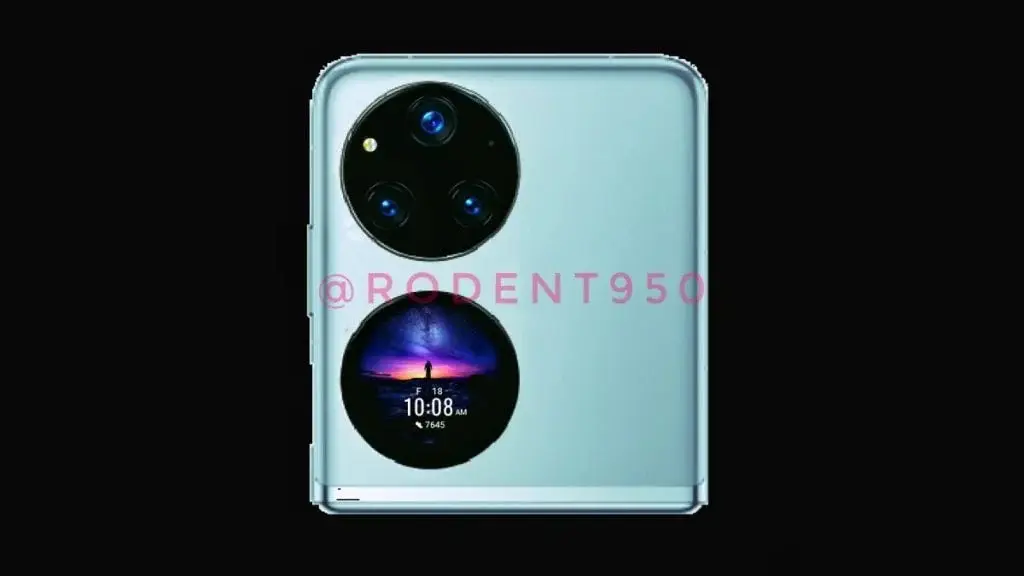
    According to leaked renders shared by tipster Teme, the Pocket S2 is expected to maintain the design language of its predecessors. The device will feature two circular camera modules on the rear. The first module will house three cameras and an LED flash, with a camera layout reminiscent of the Honor Magic 6 series.

    The second module on the back will serve as a secondary display, showing various information such as notifications. On the right side of the device, a volume rocker can be found, and it is likely that this side will also incorporate a fingerprint sensor.

    Rumored Launch Timeframe

    Chinese leaker and tipster Teme suggests that the Huawei Pocket S2, codenamed LEM, is set to launch in December. It is speculated that the Nova 12 series, alongside the Pocket S2, will also make its debut. There are rumors that the launch event may take place in the second week of the month.

    Specifications

    Not much is known about the specifications of the Huawei Pocket S2 at this point. However, it is speculated that the device may be equipped with Huawei's upcoming Kirin 8-series chipset.

    Additionally, Huawei is also working on the Nova 12 and Nova 12 Pro smartphones for the Chinese market. The standard Nova 12 model is rumored to feature the forthcoming Kirin 830 chip, while the Pro model may come with the Kirin 9000s SoC. It is likely that the Huawei Pocket S2 and Nova 12 series will be unveiled at the same launch event.

    As the leaks continue to surface, Huawei fans and tech enthusiasts are eagerly awaiting more information about the Pocket S2 and its features. Stay tuned for further updates on this highly anticipated foldable device.

  • China Telecom Denies Huawei’s Exclusive Rights to Satellite Communications

    China Telecom Denies Huawei’s Exclusive Rights to Satellite Communications

    China Telecom Launches Mobile Direct Satellite Service

    Smartphone technologies continue to advance, making our lives easier with new products. One clear example of this is the satellite connection feature. This technology, first introduced with the iPhone 14, is now used in models from various brands, including Samsung and Oppo. Another manufacturer aiming to stand out with the satellite connection feature is Huawei. Moreover, there were claims suggesting that the company not only wanted to benefit from this technology but also aimed to prevent others from doing so. However, China Telecom has clarified that this is not true. Here are the details…

    China Telecom has confirmed that Huawei does not have exclusive rights to satellite communications technology. The company is also planning to cooperate with more phone makers to promote the adoption of this technology. In September 2023, Huawei launched the Mate 60 Pro smartphone, which was the first to support satellite communications. The phone allows users to make calls and send text messages even in areas with no cellular coverage.

    Some industry insiders had speculated that Huawei had exclusive rights to satellite communications technology, which would have delayed the launch of similar features from other phone makers. However, a China Telecom spokesperson told Sina Technology that Huawei does not have exclusive rights to the technology. The spokesperson said that implementing satellite communications in a smartphone requires significant technical expertise and investment, covering areas such as chips, protocols, and terminals.

    “Currently, only the Huawei Mate 60 Pro supports satellite communications,” the spokesperson said. “We are planning to cooperate with more phone makers to make this technology available to everyone.” The Huawei Mate 60 Pro is a high-end phone with a relatively high price. China Telecom’s goal is to make it possible for people to use satellite communications with a more affordable phone.

    China Telecom to Launch Own Satellite Communications Phone, Tianyi Bodun S9

    In addition to working with phone makers, China Telecom has also launched its own satellite communications service, called “Mobile Direct Satellite.” This service allows users to add satellite communications to their existing cellular plans. The service is available to all China Telecom customers, and it does not require users to switch to a new SIM card or phone number.

    China Telecom says that its mobile direct satellite service leverages the company’s exclusive operation of the Tiantong-1 satellite constellation. The service covers all of China’s territory and territorial waters. China Telecom also plans to launch its own satellite communications phone, the Tianyi Bodun S9. The phone will be available on November 10. It has a built-in satellite antenna and can be used to make and receive calls and send and receive text messages.

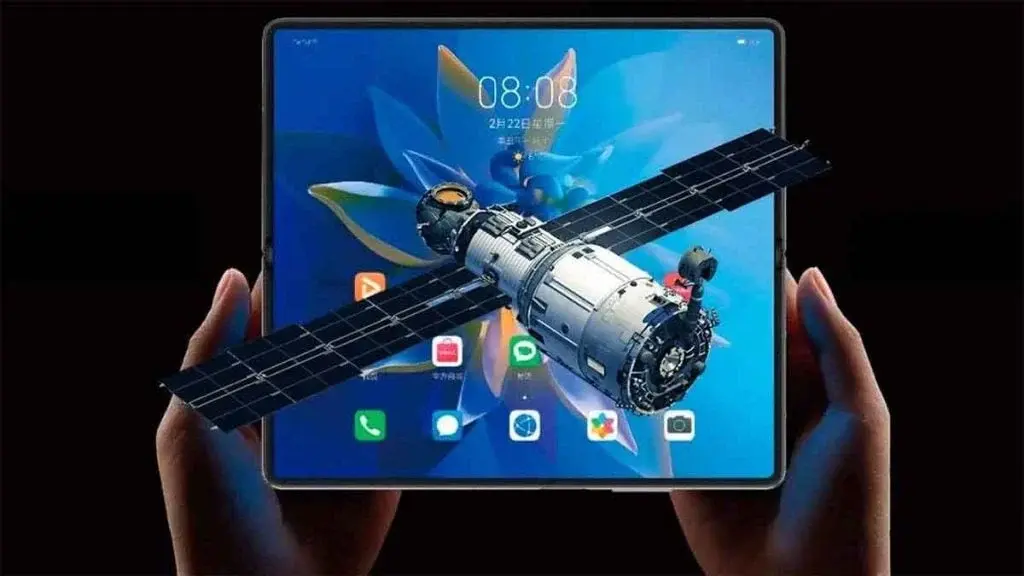
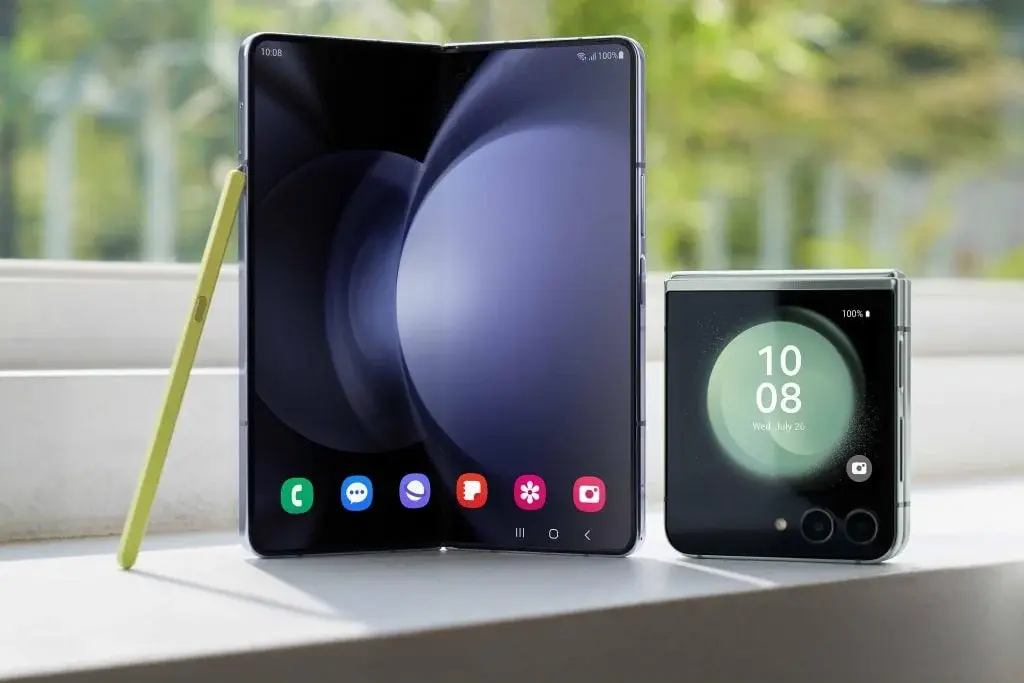
  • TrendForce predicts Samsung and Huawei might launch budget-friendly foldable smartphones by 2024

    TrendForce predicts Samsung and Huawei might launch budget-friendly foldable smartphones by 2024

    Samsung and Huawei, two major players in the smartphone market, are also leading the way in the foldable smartphone segment. These companies were among the first to introduce devices with flexible displays, and now it seems they are planning to release more affordable models in the near future.

    Samsung and Huawei to Launch Mid-Range Foldable Phones in 2024

    According to a recent report by TrendForce, both Samsung and Huawei are aiming to lower the price barriers for their foldable phone offerings. This strategy will make these devices more accessible to a wider audience and expand their presence in the market. The report suggests that both companies are planning to unveil their new foldable devices sometime in 2024.

    In addition, Samsung Electronics is currently developing a new foldable handset specifically targeting the mid-range segment. While the exact pricing and specifications have not been revealed yet, it is expected that the device will be priced around $500 or even lower. By making foldable phones more affordable, the sales of these devices are likely to increase and the popularity of foldable phones in general will grow. This is especially important as most foldable phones currently available fall into the premium or ultra-premium categories.

    Interestingly, this aligns with a previous report that suggested Samsung could launch a new foldable phone under its popular FE (Fan Edition) branding. However, it is important to note that this information has not been confirmed, so it should be taken with a grain of salt for now.

  • Huawei Debuts Inaugural Wi-Fi 7 Router, Priced at 399 yuan ($55)

    Huawei Debuts Inaugural Wi-Fi 7 Router, Priced at 399 yuan ($55)

    Huawei has unveiled its latest innovation in wireless connectivity with the introduction of the BE3 Pro Wi-Fi 7 router. Although the official release date has not yet been revealed, anticipation is growing for its debut at the upcoming Double 11 event.

    Pricing and Variants

    The BE3 Pro router is available in two variants, each with its own unique features and pricing. The standard edition, priced at 399 yuan ($55), comes with a Gigabit network port. For those looking for a more high-configuration option, the BE3 Pro offers a 2.5G network port and is available for 499 yuan.

    Features and Specifications

    One of the standout features of the BE3 Pro is its support for the standard 160MHz ultra-wide bandwidth and the introduction of the innovative 4K QAM data compression. The router also boasts dual-band aggregation capability, which combines the 2.4GHz and 5GHz frequency bands. This combination results in a remarkable 92% increase in speed and a 77% reduction in latency.

    Another notable feature is the Lingxi Dual Wi-Fi function, which provides users with an enhanced performance equivalent to Wi-Fi 7 dual-band aggregation acceleration when paired with Huawei phones or tablets. This ensures seamless connectivity and a smooth user experience.

    The inclusion of Multi-RU support allows for the assignment of multiple RUs to a single user. This feature enhances network bandwidth control and improves band utilization, resulting in a more flexible and refined network experience.

    The BE3 Pro also incorporates four PA+LNA high-performance signal amplifiers, which expand coverage by 40% and increase transmission rates by 30% over medium and long distances, according to Fast Technology.

    Design and Visual Indication

    In addition to its advanced features, the Huawei Router BE3 Pro boasts a sleek rectangular design with four antennas. It measures 225 x 177.9 x 59.5mm, making it compact and easy to fit into any home or office setup. The device also features an LED light for visual indication, providing users with a clear status update at a glance.