Tag: Huawei

  • Baidu of China and Huawei Collaborate for AI Chip Purchase

    Baidu of China and Huawei Collaborate for AI Chip Purchase

    Baidu Chooses Huawei’s AI Chips to Embrace Local Tech Solutions

    Baidu, China’s leading web search giant, has made a significant move towards local tech solutions by purchasing a batch of homegrown AI chips from Huawei Technologies. This decision comes amidst political pressures and trade constraints from the US, which have prompted Chinese companies to seek alternatives and reshape the tech landscape.

    The order placed by Baidu includes 1,600 of Huawei’s Ascend 910B AI chips, with an estimated cost of around $61 million. This purchase indicates Baidu’s intention to reduce its reliance on foreign technology, particularly Nvidia’s AI chips that have been considered the industry’s gold standard. Although the order size is relatively modest compared to what Baidu usually procures from Nvidia, the significance lies in the step towards achieving technological self-sufficiency for China.

    It is worth noting that Baidu had not previously utilized Huawei’s AI chips, making this partnership noteworthy. While Huawei’s chips may not currently match Nvidia’s performance, they represent the most advanced AI chips available in China. This shift in preference is not solely driven by Baidu but also a response to the strict US regulations that have prohibited Nvidia from selling its top AI chips to Chinese companies.

    Baidu and Huawei have been collaborating since 2020 to ensure seamless integration of Baidu’s AI platforms with Huawei’s hardware. Despite Baidu having its own Kunlun AI chips, the reliance on Nvidia’s technology has been substantial. However, the US restrictions have compelled Baidu to alter its strategy and explore alternative options.

    While analysts view the US restrictions as an opportunity for Huawei to claim a larger share of the domestic market, the key question remains: Can China accelerate its chipmaking capabilities to not only compete but also lead in the tech arena? This deal serves as a glimpse into a potential future where China’s tech independence becomes a reality rather than just an aspiration.

    Conclusion

    Baidu’s decision to purchase Huawei’s AI chips marks a significant shift towards local tech solutions in the face of political pressures and trade constraints from the US. This move reflects China’s ambition to achieve technological self-sufficiency and reduce reliance on foreign technology providers like Nvidia. While Huawei’s AI chips may not currently match Nvidia’s performance, this partnership showcases the most advanced AI chips available in China. As China seeks to accelerate its chipmaking prowess, this deal serves as a stepping stone towards a future where China’s tech independence becomes a reality.
  • Huawei’s upcoming P70 flagship may feature Huawei’s own cameras instead of Sony sensors

    Huawei’s upcoming P70 flagship may feature Huawei’s own cameras instead of Sony sensors

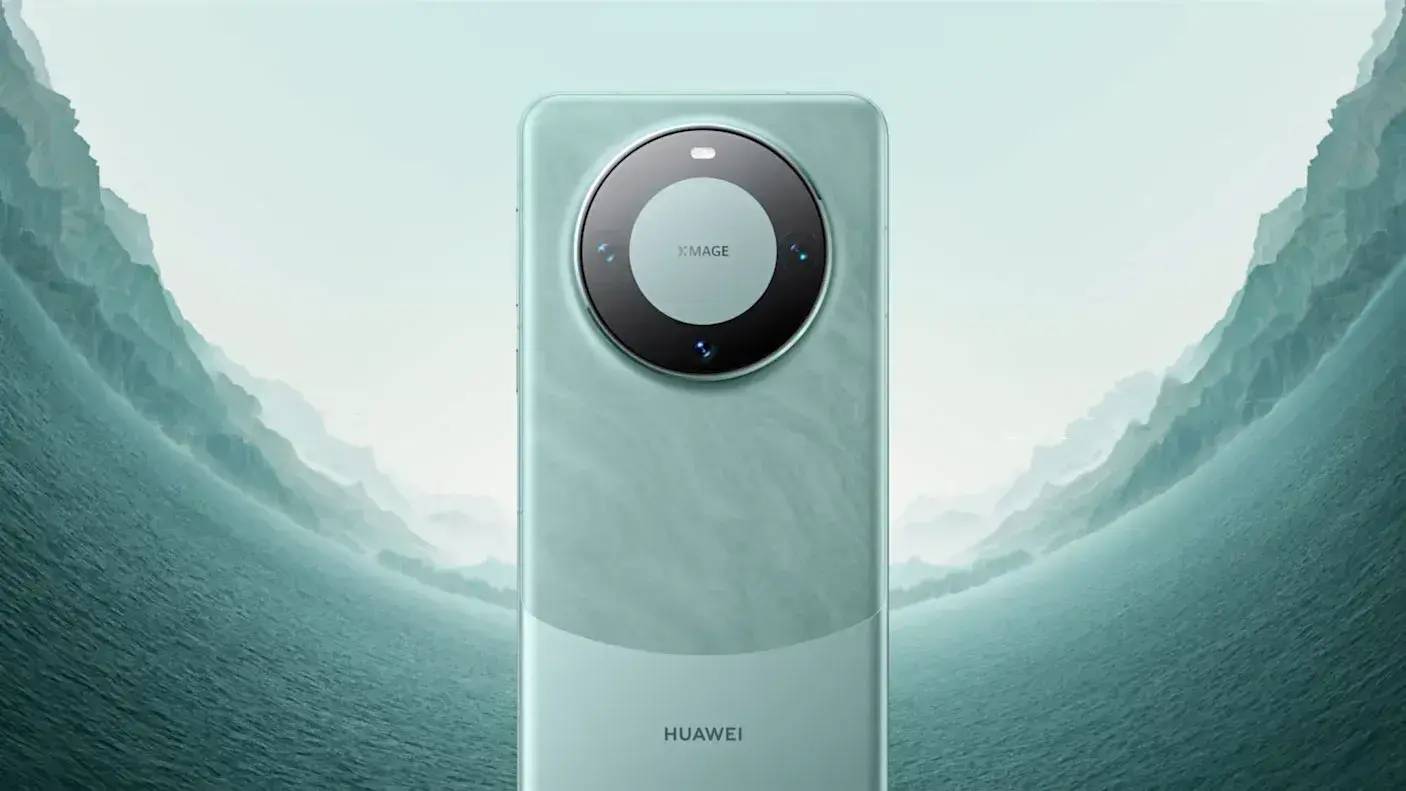
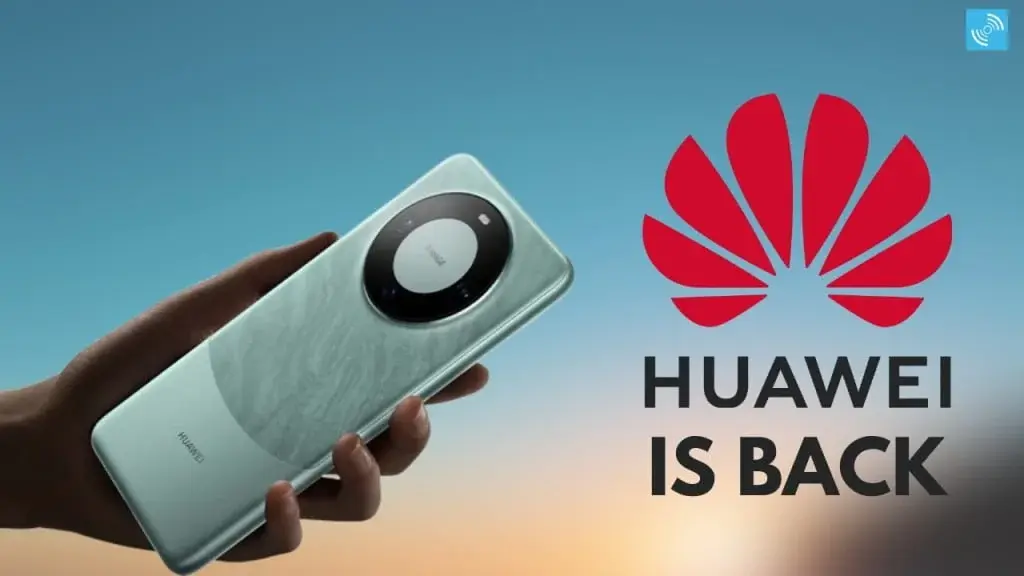
    Huawei has been making waves in the smartphone industry with its recent launch of the Mate 60 Pro, the company’s first 5G smartphone. This achievement was made possible by the use of Huawei’s new 7nm Kirin 9000s 5G SoC, which was manufactured by SMIC. Now, it seems that Huawei has another exciting development in store, as it plans to build its own camera sensors for its upcoming flagship device, the Huawei P70.

    Huawei P70 to feature proprietary camera sensors

    In October, there were reports suggesting that Huawei was working on developing its own CMOS image sensors. This decision was prompted by the fact that the company’s supply of Sony sensors had run out. Due to the US sanctions imposed on Huawei, Sony halted shipments of its image sensors to the Chinese tech giant. As a result, Huawei is now aiming to create its own camera systems for its future smartphones.

    Rumors on Weibo (Via SamMobile) suggest that the Huawei P70 will be one of the first devices to feature this proprietary imaging technology. While Huawei has previously relied on Sony cameras, the company has not renewed its contract with the Japanese giant for new sensors. With the launch of the P70 approaching, it is highly likely that this flagship smartphone will come equipped with in-house camera sensors. Additionally, previous reports have hinted at the P70 featuring an optical in-display fingerprint scanner.

    Continuing the tradition of exceptional photography

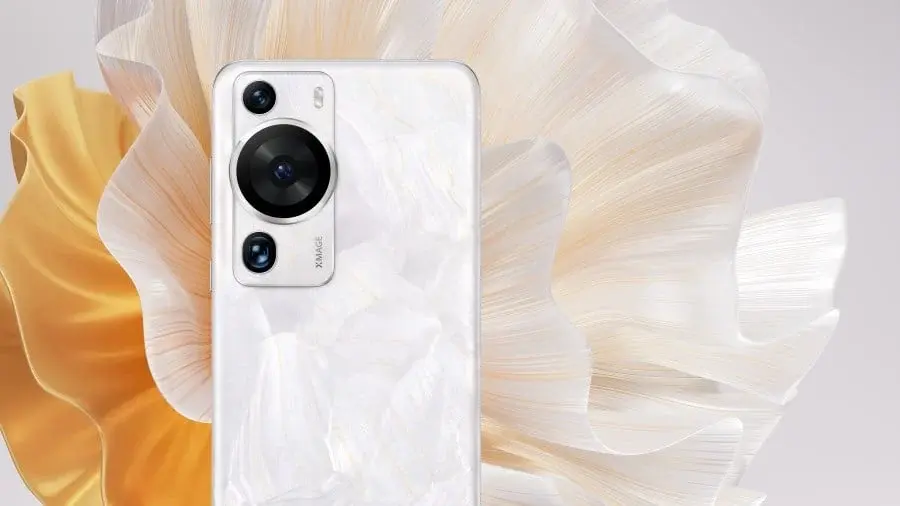
    Huawei’s P series smartphones have always been known for their exceptional photography capabilities, offering some of the best cameras on the market. Although the specific camera specifications and resolution for the P70 are still unknown, it is expected that the primary sensor will have a resolution of around 48 megapixels. In the previous generation P60 Pro model, Huawei introduced two 48-megapixel cameras (primary + periscope) along with a 13-megapixel ultra-wide-angle lens. It is likely that the P70 will follow a similar camera layout. However, it is important to note that this information is based on speculation and should be taken with a grain of salt for now.

    With Huawei’s commitment to innovation and its efforts to develop its own camera sensors, the Huawei P70 is shaping up to be an exciting flagship device. As the smartphone industry continues to push boundaries, Huawei is positioning itself as a key player with its advancements in 5G technology and now, in-house camera systems. Consumers can look forward to experiencing the next level of photography with the Huawei P70.

  • Huawei makes a strong comeback in the Chinese market, while Apple iPhone faces lackluster demand

    Huawei makes a strong comeback in the Chinese market, while Apple iPhone faces lackluster demand

    Challenges and Opportunities in the Chinese Smartphone Market

    Apple’s recent performance in the Chinese smartphone market presents a mix of challenges and opportunities. Analyst Ming-Chi Kuo from TF Securities has pointed out a significant decline in iPhone shipments, particularly for the iPhone 14 Pro and iPhone 14 Pro Max models, due to supply chain issues at Foxconn. This decline resulted in a reduction of 12 million units in November 2022.

    Huawei’s Resurgence Affects Apple’s Performance

    Part of this downturn can also be attributed to Huawei’s resurgence, which is driving structural changes in the Chinese market. Apple expects this trend to continue into 2024, leading to further weakening of shipments.

    Optimism and Resilience in the Chinese Market

    Despite facing challenges in the fourth quarter of 2023, with flat year-over-year revenue and a 3% drop in share prices following sales forecasts, Apple managed to narrowly exceed revenue estimates, reaching $89.50 billion. The lower-than-expected performance was due to sluggish demand for iPads and wearables, along with a slight decline in revenue in China. However, CEO Tim Cook remains optimistic, highlighting a record-setting sales quarter in September and emphasizing Apple’s commitment to the Chinese market.

    This optimism is supported by price reductions for the iPhone 15 series on e-commerce platforms and Apple’s ongoing innovation efforts. Although Apple faces competition from Huawei’s Mate 60 Pro and regulatory challenges, the company’s strategy appears resilient, as evidenced by a recent increase in services revenue and Tim Cook’s visit to China.

    Apple’s Strong Market Share Globally and in India

    On a global scale, Apple maintains a strong market share, leading ahead of Samsung. This strength is also reflected in India, where Apple has reported its highest-ever quarterly growth, with over 2.5 million iPhones shipped, indicating a 34% year-on-year increase.

    This surge is attributed to consumers showing interest in premium smartphones, driven by financing options and attractive offers. Apple is expected to expand its market share from 4.5% to 6% in India, thanks to its focus on the market and local production initiatives.

  • Leaked: Huawei MatePad SE 10.4 appears on IMDA Singapore certification website prior to release

    Leaked: Huawei MatePad SE 10.4 appears on IMDA Singapore certification website prior to release

    Last year, Huawei launched the MatePad SE 10.4 tablet in its domestic market along with in Europe. The tablet is yet to make its way to other Asian regions. That being said, it looks like that will happen soon as the tablet has been spotted on the IMDA certification database.

    Huawei MatePad SE 10.4 spotted on IMDA certification database

    TheTechoutlook has spotted the Huawei MatePad SE 10.4 with model number AGS5-W09 on the IMDA certification database. It does not confirm any specification details, however, it does confirm that the Singapore authorities have greenlit the device to launch in the region. Let’s take a look at what we can expect on the hardware and features front.

    Huawei MatePad SE 10.4 specifications

    The Huawei MatePad SE 10.4 sports a 10.4-inch IPS LCD display boasting a resolution of 2,000 x 1,200 pixels and an aspect ratio of 15:9. When it comes to security, the device relies on face recognition technology.

    Under the hood, the Huawei MatePad SE 10.4 is equipped with the Snapdragon 680 chipset. The tablet offers two RAM options: 3 GB or 4 GB. You can choose from storage capacities of 32 GB, 64 GB, and 128 GB, with the flexibility to expand storage using a microSD card.

    The tablet is equipped with a 5,100mAh battery that supports 10W charging. It features a 5-megapixel rear camera and a 2-megapixel front-facing camera.

  • Huawei’s Mate 60 Pro Triumphs Over iPhone 15 in the Chinese Market

    Huawei’s Mate 60 Pro Triumphs Over iPhone 15 in the Chinese Market

    In the intensely competitive realm of smartphones, the battle between giants Huawei and Apple has taken a fascinating turn in the Chinese market. The release of Huawei’s Mate 60 Pro has been met with a robust response, reflecting a notable shift in consumer preference. This article delves into the sales figures, consumer reactions, and the broader implications of this market trend.

    Impressive Sales Performance

    The Huawei Mate 60 Pro has made a resounding entrance in the Chinese smartphone market. According to a report from Counterpoint, Huawei managed to sell an impressive 1.6 million units of the Mate 60 Pro within just six weeks of its launch. Remarkably, over 400,000 units were sold in the last two weeks of this period alone, indicating a sustained and growing demand for this model​1​​2​.

    Furthermore, the sales of the Mate 60 Pro soared during the same timeframe that saw the launch of Apple’s iPhone 15 in China. It’s been reported that the sales of the iPhone 15 in its first 17 days were down 4.5% compared to its predecessor, the iPhone 14​3​.

    Consumer Reactions and Market Dynamics

    The contrasting consumer reception between the Huawei Mate 60 Pro and the iPhone 15 sheds light on the evolving market dynamics. The Mate 60 Pro, despite its sanctions-defying inception, has been in high demand with stocks being immediately bought up, creating a scenario of perpetual unavailability. On the flip side, the iPhone 15 failed to incite excitement among consumers due to a perceived lack of innovation and design differentiation from its predecessor, the iPhone 14​1​.

    Moreover, the overall sales of the iPhone 15 series in China dipped by 4.5% from the iPhone 14 series, with the Pro Max model experiencing a 14% decline and the Pro model a 11% decline. Industry insiders have expressed that the sudden release of the Mate 60 Pro might have negatively impacted the sales of the iPhone 15​2​.

    Broader Implications

    The success of the Mate 60 Pro underscores Huawei’s resilience in a market overshadowed by geopolitics and sanctions. It also signifies a potential shift in consumer preferences towards embracing home-grown technology giants.

    In conclusion, the sales performance of the Huawei Mate 60 Pro vis-a-vis the iPhone 15 in China is a microcosm of the larger competitive landscape. While Huawei appears to be regaining its footing, Apple faces the challenge of reinvigorating its appeal in one of its crucial markets.

    Sources:

    1. PhoneArena: link
    2. Gizmochina: link
    3. Finance Yahoo: link
  • Huawei FreeBuds Pro 3 Launch globally: A Sound Revolution with Exceptional Offer on Band 8

    Huawei FreeBuds Pro 3 Launch globally: A Sound Revolution with Exceptional Offer on Band 8

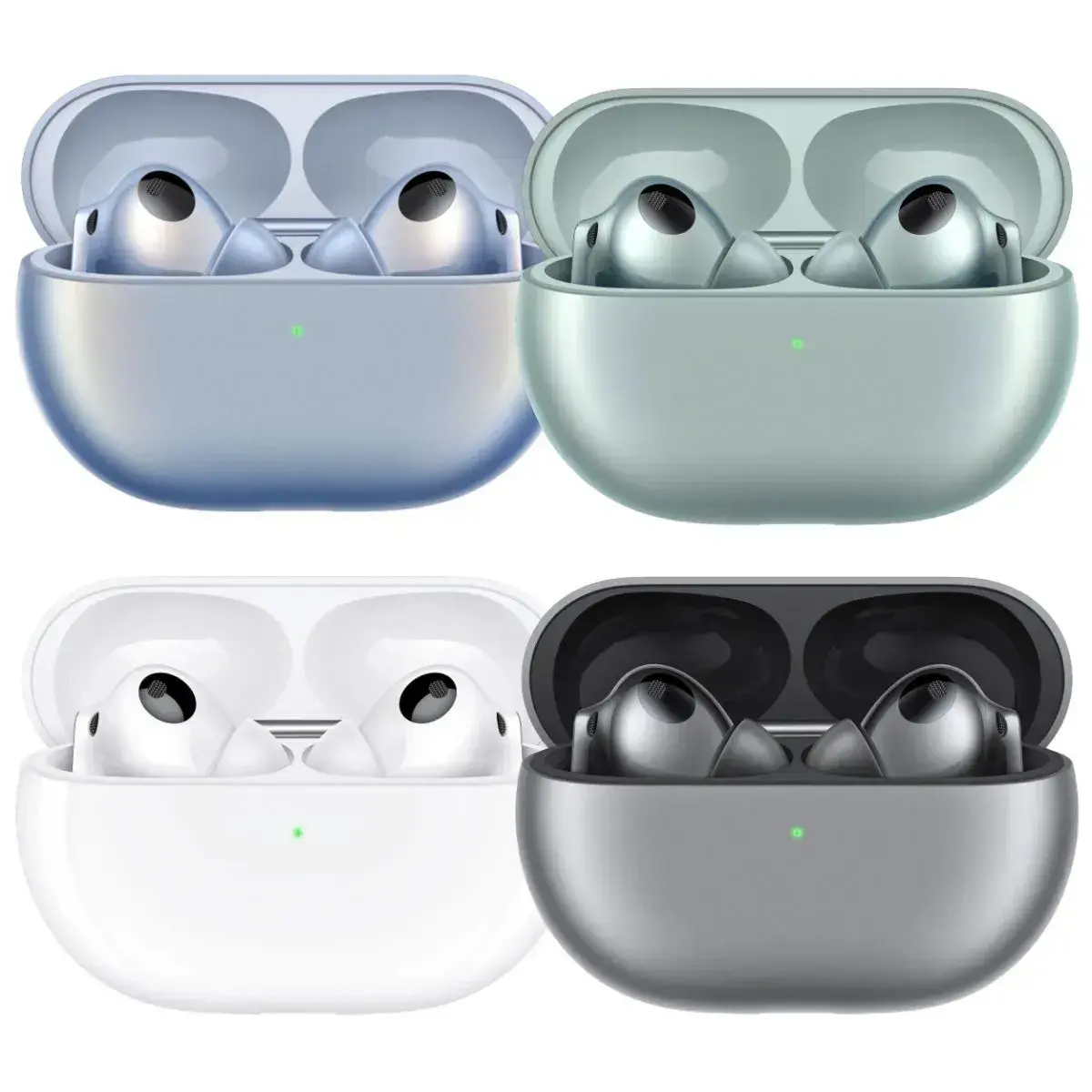
    Unveiling the pinnacle of wireless audio technology, Huawei has launched the FreeBuds Pro 3, its latest flagship True Wireless Stereo (TWS) earbuds in Europe, particularly in markets like Germany on October 18, 2023. These earbuds, an emblem of style and comfort, promise an impressive up to 31 hours of battery life, making them a reliable companion for all-day use​1​.

    Exceptional Audio Performance

    At the core of the FreeBuds Pro 3 lies an advanced Kirin processor, powering the earbuds with L2HC 3.0-based features that ensure a top-tier sound experience. They support high-fidelity audio, thanks to their Hi-Res Dual Driver Sound System. Furthermore, the earbuds are compatible with L2HC 2.0 and LDAC codecs over Bluetooth, enhancing the overall audio quality. A remarkable feature is the Triple Adaptive EQ algorithm, which adapts to the user’s ear shape to provide a personalized listening experience​2​​3​.

    Industry-Leading Noise Cancellation

    The FreeBuds Pro 3 boast the latest generation of “Intelligent Dynamic” Active Noise Cancellation (ANC 3.0) technology. This feature, coupled with Pure Voice 2.0 technology, significantly improves the clarity of voice and video calls, setting a new benchmark in the TWS category​2​.

    Robust Battery Life and Elegant Design

    With a single full charge, these earbuds provide up to 6.5 hours of playback, and the charging case can fully recharge them three times, summing up to a total of 31 hours of audio playback. The earbuds are available in three elegant colors: Eucalyptus Green, Silver Frost, and Ceramic White, offering a classy choice for every individual. Moreover, the charging case is designed with a single piece of nano glass, making it 32% more resistant to wear and tear​2​.

    Special Launch Offer

    To celebrate the launch, Huawei has introduced an exciting offer. With each purchase of the FreeBuds Pro 3, customers have the opportunity to get the Band 8 fitness tracker for just €19.99, a significant markdown from its regular price. This offer is even sweeter for customers purchasing through Huawei’s official website, where using the code ANBCFBP3 at checkout gifts them the Band 8 for free​1​.

    The FreeBuds Pro 3 are not just a pair of earbuds; they are a statement of Huawei’s relentless pursuit of sound perfection, encapsulated in an elegant, functional design that offers incredible value, especially with the promotional offer on Band 8.

    Source: 1, 2

  • Huawei’s New Unveiling the MateBook D 14 SE with 13th Gen Core i5 Processor

    Huawei’s New Unveiling the MateBook D 14 SE with 13th Gen Core i5 Processor

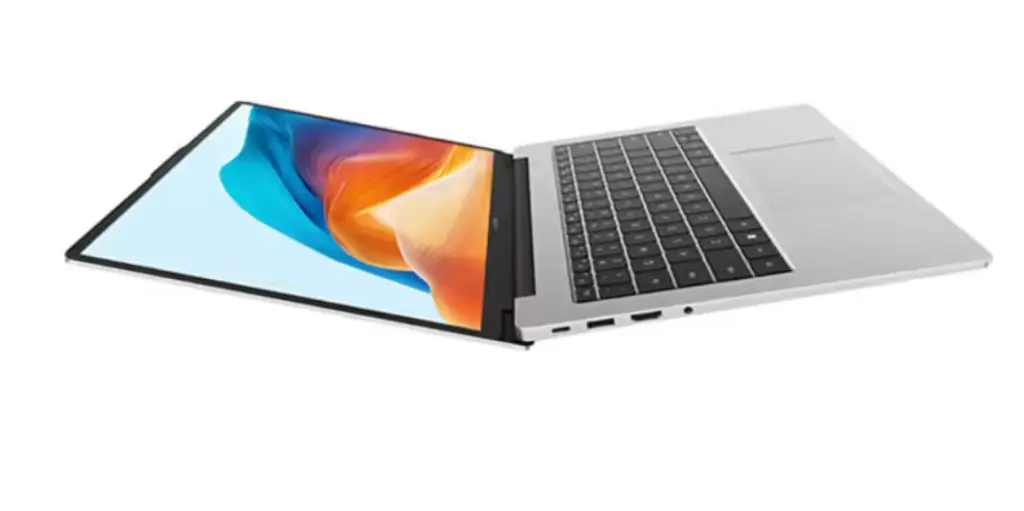
    Huawei has launched its latest offering in the laptop market, the MateBook D 14 SE, featuring a 14-inch IPS display with a resolution of 1920×1200 pixels. Under the hood, it’s powered by a 13th generation Intel Core i5 processor coupled with 16GB of LPDDR4x memory. The laptop supports Wi-Fi 6 and houses a 56Wh high-capacity battery, promising up to 6 hours of intensive office use on a single charge. For connectivity, it provides a full-featured USB-C port, USB 3.2 Gen 1 port, HDMI port, a 3.5mm headphone jack, and a USB 2.0 port.

    One of the key highlights of the MateBook D 14 SE is its support for multi-device collaboration, allowing seamless wireless connections with various devices including headphones, smartphones, tablets, monitors, and smart displays. The laptop’s super hub feature facilitates effortless sharing of text, images, and videos across devices. Additionally, the laptop sports an anti-glare matte screen which has obtained the German Rhine low blue light certification along with DC dimming technology to prevent screen flicker, ensuring a comfortable viewing experience.

    The MateBook D 14 SE is now available for pre-order on JD.com at a price of 3,999 yuan (approximately $559.86 USD), with shipping commencing from October 23. Currently, it’s available with a storage capacity of 512GB.


    Sources: GizmoChina

  • Huawei’s Upcoming Kirin 830 Chipset: A New Companion to Nova 12 Series

    Huawei’s Upcoming Kirin 830 Chipset: A New Companion to Nova 12 Series

    Huawei is on the verge of unveiling a new chipset, the Kirin 830, speculated to debut alongside the Nova 12 series. This new development comes after the recent launch of the Kirin 9000s chipset, which supports 5G connectivity, raising many eyebrows given the existing US restrictions on Huawei.

    A Sneak Peek into Kirin 830

    The Kirin 830 is part of Huawei’s Kirin 8 series chipsets and is expected to debut later this year. Although the company has not officially provided detailed information about this new chipset, rumors suggest it will be launched with the Huawei Nova 12 series. The Nova 12, expected to house the Kirin 830 chip, might come with a curved 120Hz OLED panel with second-generation Kunlun protection, promising an immersive display experience for users. Moreover, it might pack a 4,800 mAh battery, ensuring the device stays powered throughout the day, and support for 88W charging, which will significantly reduce charging time. The chipset itself is rumored to be on par with the Snapdragon 778G and Snapdragon 870, indicating a high level of performance and efficiency.

    Kirin 830 and 5G Connectivity

    One of the prominent features of the Kirin 830 chipset is its supposed support for 5G connectivity. This raises questions regarding its manufacturer since US companies holding the patent and 5G technology are restricted from trading with Huawei. There were similar concerns when Huawei launched the Kirin 9000s, which were rumored to be manufactured by SMIC. The new Kirin 830 chip’s 5G support highlights Huawei’s continuous efforts to keep up with the connectivity advancements despite the trade restrictions.

    The Nova 12 Series: A New Dawn

    The Nova 12 series is a much-anticipated launch from Huawei, especially with the rumored inclusion of the new Kirin 830 chipset in its vanilla model. On the other hand, the Nova 12 Pro is expected to feature the Kirin 9000s chipset, which also powers the Huawei Mate 60 series. The differentiation in chipsets between the Nova 12 and Nova 12 Pro models suggests a strategic move by Huawei to cater to different market segments, providing options for both budget-conscious and premium smartphone seekers.

    The upcoming Kirin 830 chipset and Nova 12 series signify a crucial step for Huawei amidst a challenging geopolitical landscape. It reflects the company’s unwavering commitment to innovation and providing cutting-edge technology to its users. As the tech community eagerly awaits the official announcement, these new additions to Huawei’s portfolio are expected to make a significant impact on the smartphone market.


    Source: 1, 2, 3

  • Unveiling the Mystery: Kirin 9000S Chipset’s True Origin and Specifications

    Unveiling the Mystery: Kirin 9000S Chipset’s True Origin and Specifications

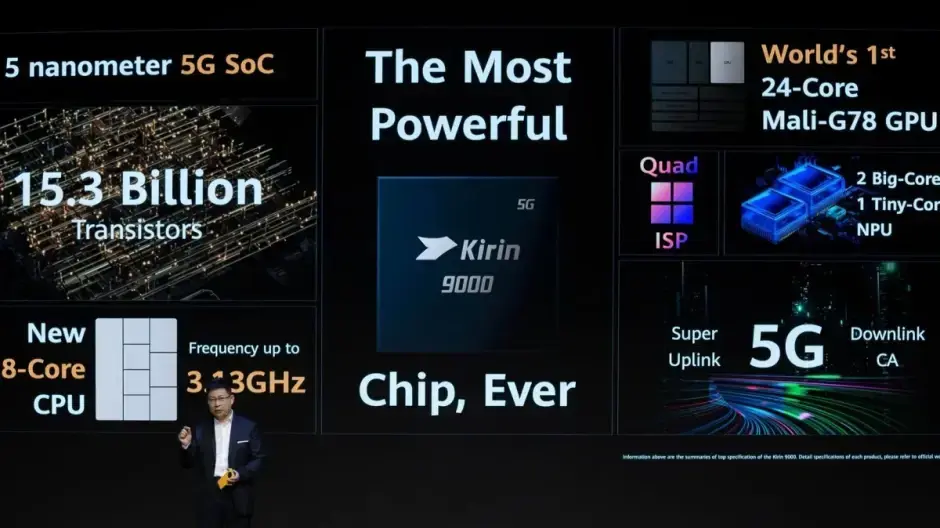
    In a recent twist of events, the enigmatic Kirin 9000S chipset, which powers the Huawei Mate 60 Pro, has sparked a whirlpool of discussions among tech enthusiasts and experts. Initially, it was believed that the Kirin 9000S was manufactured by China’s largest foundry, SMIC, utilizing its 7nm node technology. However, new revelations suggest a different narrative, hinting at the Kirin 9000S being a rebranded version of the 5nm Kirin 9000 chipset from 2020, produced by TSMC.

    The Revelation

    A tipster, known as @RGcloudS on Twitter, shed light on this perplexing scenario. Through a series of investigative tweets, he presented evidence suggesting that the Kirin 9000S chipset is essentially the Kirin 9000 chipset, originally manufactured by TSMC three years ago, and not by SMIC as previously believed. A screenshot shared by the tipster lists the Kirin 9000S as a 5nm chip. Further, a date stamp on one of the Kirin 9000S chipsets from the Mate 60 Pro teardown reveals that it was manufactured during the 35th week of 2020, reinforcing the claim that the Kirin 9000S is indeed a rebranded Kirin 9000.


    Implications for Huawei and SMIC

    The initial belief that SMIC was behind the Kirin 9000S’s production had raised eyebrows, especially among U.S. lawmakers and officials who had been advocating for tighter sanctions against Huawei. The backdrop to this is the expanded export rules by the U.S. in 2020, aimed at preventing foundries using U.S. technology from shipping cutting-edge silicon to Huawei without a license. The Mate 60 Pro, powered by the Kirin 9000S, stood as an exception to the trend where previous Huawei flagship series had to rely on Qualcomm Snapdragon chipsets tweaked for 4G connectivity due to these restrictions.

    The revelation that the Kirin 9000S is potentially a rebranded Kirin 9000 made by TSMC brings a new dimension to the narrative, casting doubts over the previously held beliefs regarding SMIC’s capability in producing such an advanced chipset without access to extreme ultraviolet lithography (EUV) machine, a crucial technology for etching extremely thin circuitry patterns on silicon wafers.

    The Road Ahead

    With the new findings, there’s a brewing discussion among analysts regarding how Huawei managed to work around the U.S. sanctions. The stockpile of Kirin 9000 chipsets could explain Huawei’s ability to offer 5G connectivity in its Mate 60 Pro model for the first time since 2020. This revelation might also prompt a re-evaluation of the sanctions and export control measures in place, potentially impacting the global semiconductor landscape and the ongoing tech cold war between the U.S. and China.

    In conclusion, the Kirin 9000S saga unfolds a complex narrative intertwining technology, geopolitics, and corporate strategy. As the tech community delves deeper into this matter, one can anticipate more discussions and analyses shedding light on the intricacies of global tech supply chains and the relentless pursuit for semiconductor supremacy.

    Source: PhoneArena

  • First Smartphone Featuring Huawei’s OpenHarmony OS Debuts for Developers

    First Smartphone Featuring Huawei’s OpenHarmony OS Debuts for Developers

    The tech realm has recently witnessed a groundbreaking unveiling, marking a significant stride in the mobile operating system landscape. Huawei, a name synonymous with innovation and advanced technology, has introduced the first smartphone powered by its much-anticipated OpenHarmony Operating System (OS). This initiative isn’t merely a demonstration of a new OS, but a remarkable leap that provides developers a fertile ground to nurture and grow their applications.

    Bridging Realms with OpenHarmony OS

    Huawei’s OpenHarmony OS is envisioned as a versatile, open-source platform designed to bridge the gap between different device ecosystems. This is a bold move in a tech era where the interoperability of devices is not just a convenience but a necessity. The OS is crafted to deliver a seamless experience across a myriad of devices, paving the way for a more connected and integrated digital future.

    The debut smartphone is primarily targeted at developers, providing them with a robust platform to test, develop, and ultimately, innovate. With OpenHarmony OS at its core, the smartphone is poised to offer an expansive playground for developers, opening up a realm of possibilities in application development and user experience enhancement.

    Specifications

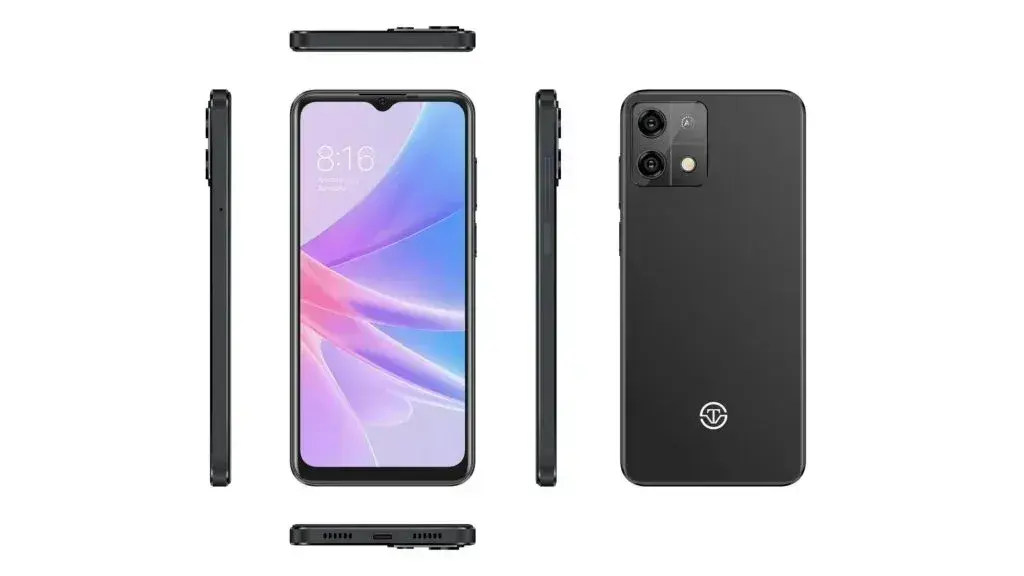
    Housed within this smartphone is a Unisoc P7885 chipset, accompanied by 8GB RAM and 128GB storage, marking Unisoc’s inaugural venture into 5G-capable mobile platforms for industries.

    Fabricated through TSMC’s 6nm EUV process, the System on Chip (SoC) harbors an octa-core CPU: 1 ARM Cortex-A77 core at 2.7GHz, 3 ARM Cortex-A76 cores at 2.3GHz, and 4 ARM Cortex-A55 cores at 850MHz, alongside an ARM Mali-G57 quad-core GPU.

    The device boasts a 6.58-inch FHD (LCD) display with a dewdrop notch, featuring a 64MP rear camera, a 0.3MP macro camera, and an 8MP front camera.

    Connectivity wise, it supports dual SIM, 5G, dual-band WiFi, Bluetooth 5.0, GNSS, and USB 2.0 (Type-C), with additional features like a side-mounted fingerprint sensor and a MicroSD card slot. It’s energized by a 4,500mAh battery, supporting 18W wired charging.

    Priced at ¥1,299, pre-orders are accepted until November 30, with shipping commencing on January 30 of the following year.

    A Glimpse into the Future

    The introduction of a smartphone powered by OpenHarmony OS is a testament to Huawei’s continuous pursuit of innovation and its commitment to fostering a collaborative and open tech ecosystem. As developers dive into this new platform, they are not just exploring a new OS, but are becoming pioneers in what could be a new era of mobile technology.

    The potential impact of OpenHarmony OS extends beyond just mobile phones. Its design as an open-source platform beckons a future where a multitude of devices can communicate and interact seamlessly, heralding a new wave of smart, connected ecosystems.

    Engaging the Developer Community

    By unveiling the first smartphone with OpenHarmony OS to developers, Huawei has set a clear signal of its dedication to engaging with and nurturing the developer community. This initiative is a solid step towards building a thriving ecosystem where innovation is not just encouraged, but is the very foundation.

    The journey has just begun, and the tech world watches with bated breath as developers embark on exploring the endless possibilities that come with Huawei’s OpenHarmony OS. This moment is more than just a product unveiling; it’s a significant milestone in the ongoing narrative of technological evolution.

    Source Links:

    1. Verna Magazine
    2. Gizmo China