Tag: google

  • Google Pixel 10 Pro Fold: Upgrade Set to Outshine Rivals

    Google Pixel 10 Pro Fold: Upgrade Set to Outshine Rivals

    Key Takeaways

    1. Official announcement of the Google Pixel 10 Pro Fold is on August 20, with release one week later.
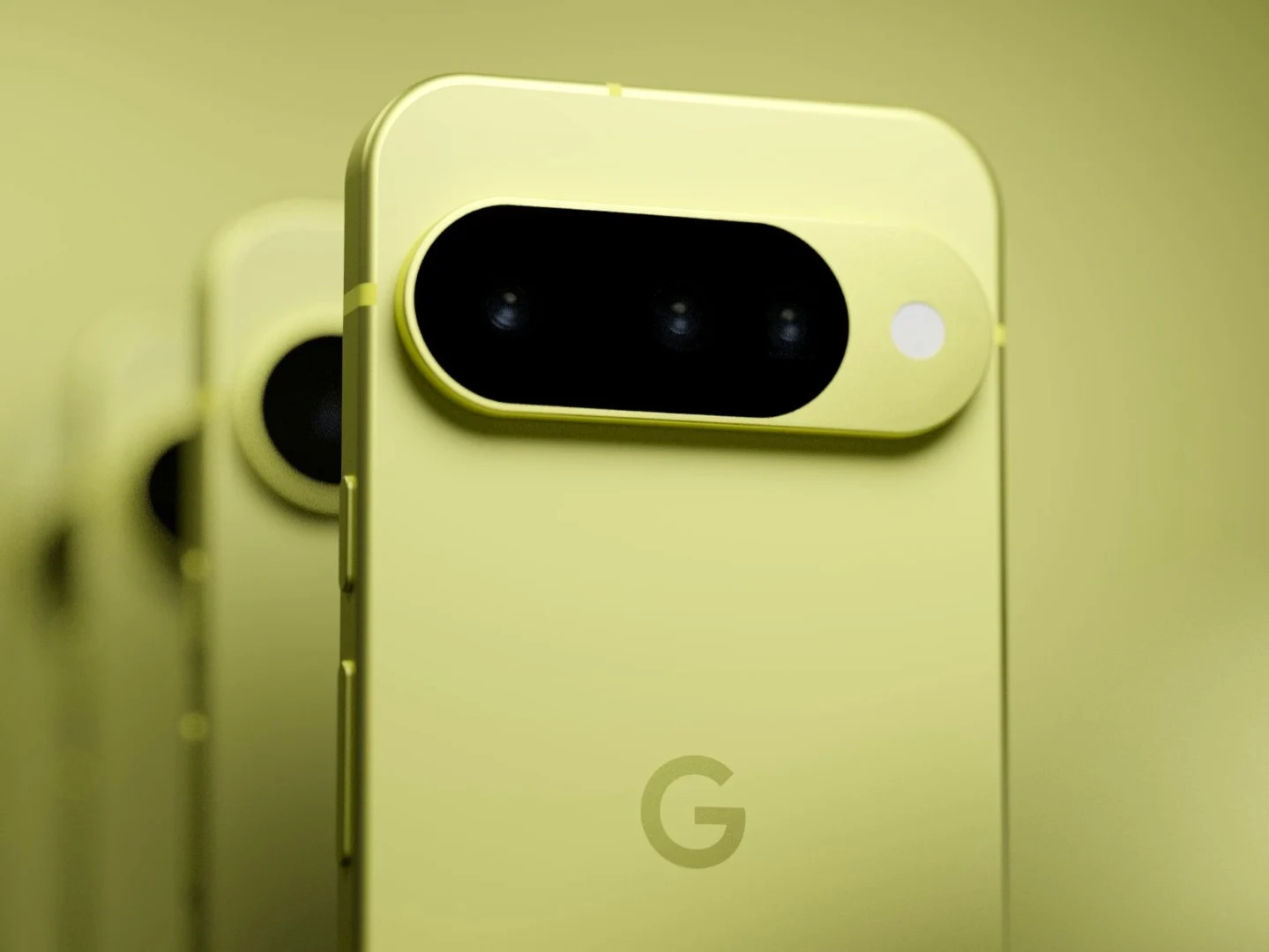
    2. The device will be available in Sterling Grey and Smoky Green shades and includes the Google Tensor G5 chip.
    3. The new model will feature an IP68 rating for water and dust resistance, improving from the Pixel 9 Pro Fold’s IPX8 rating.
    4. The hinge design is being revamped to minimize screen bezel, allowing for a slightly larger 6.4-inch secondary display.
    5. The starting price is rumored to drop by $200, making the Pixel 10 Pro Fold available at $1,599.


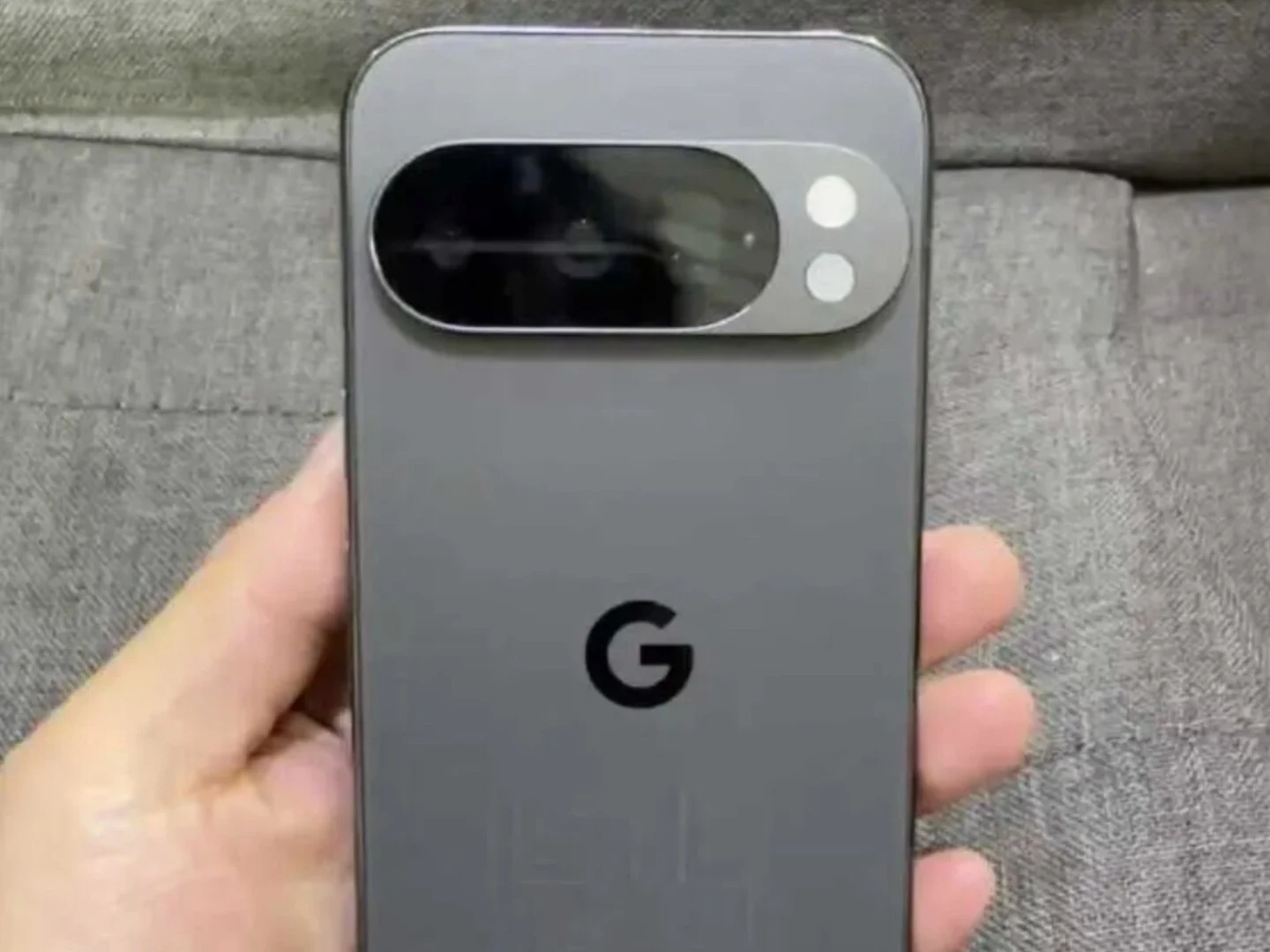
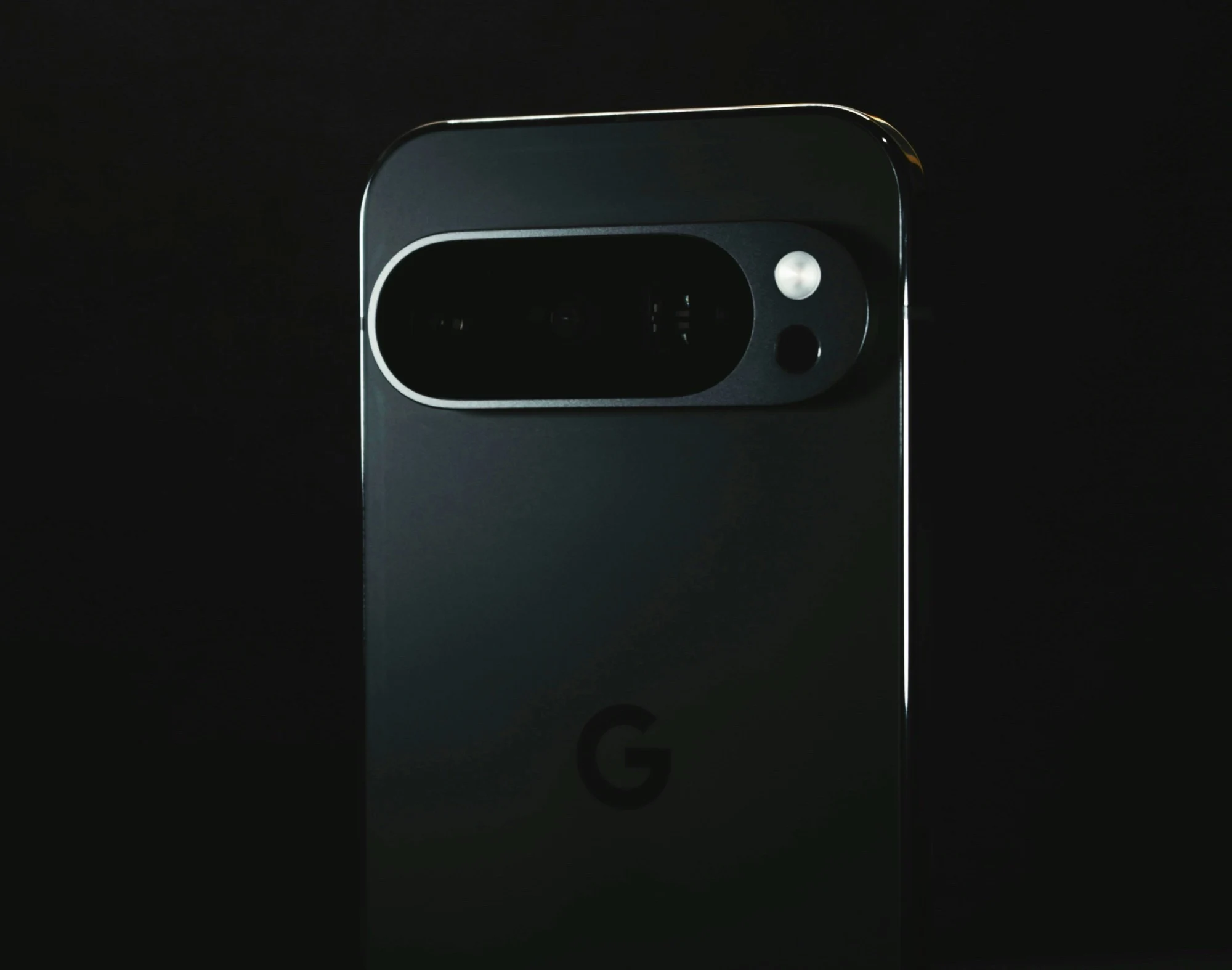
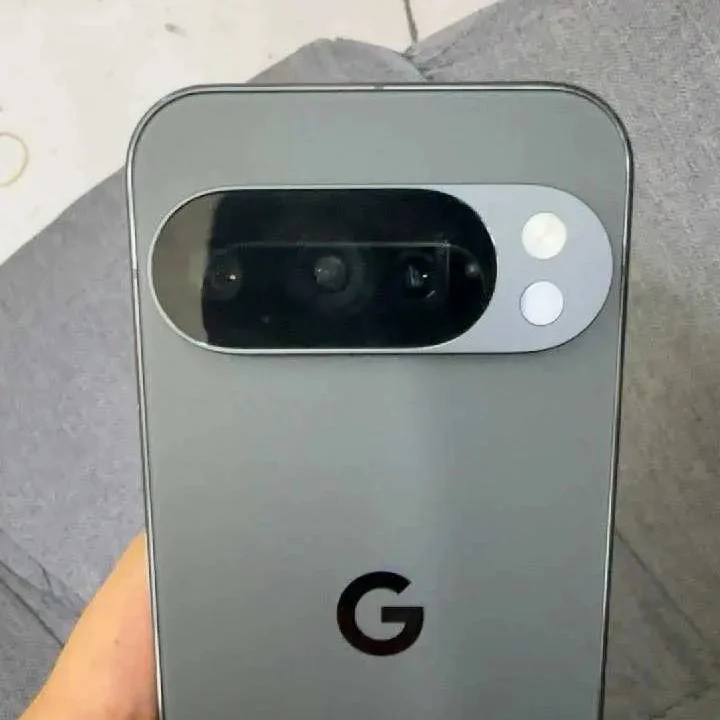
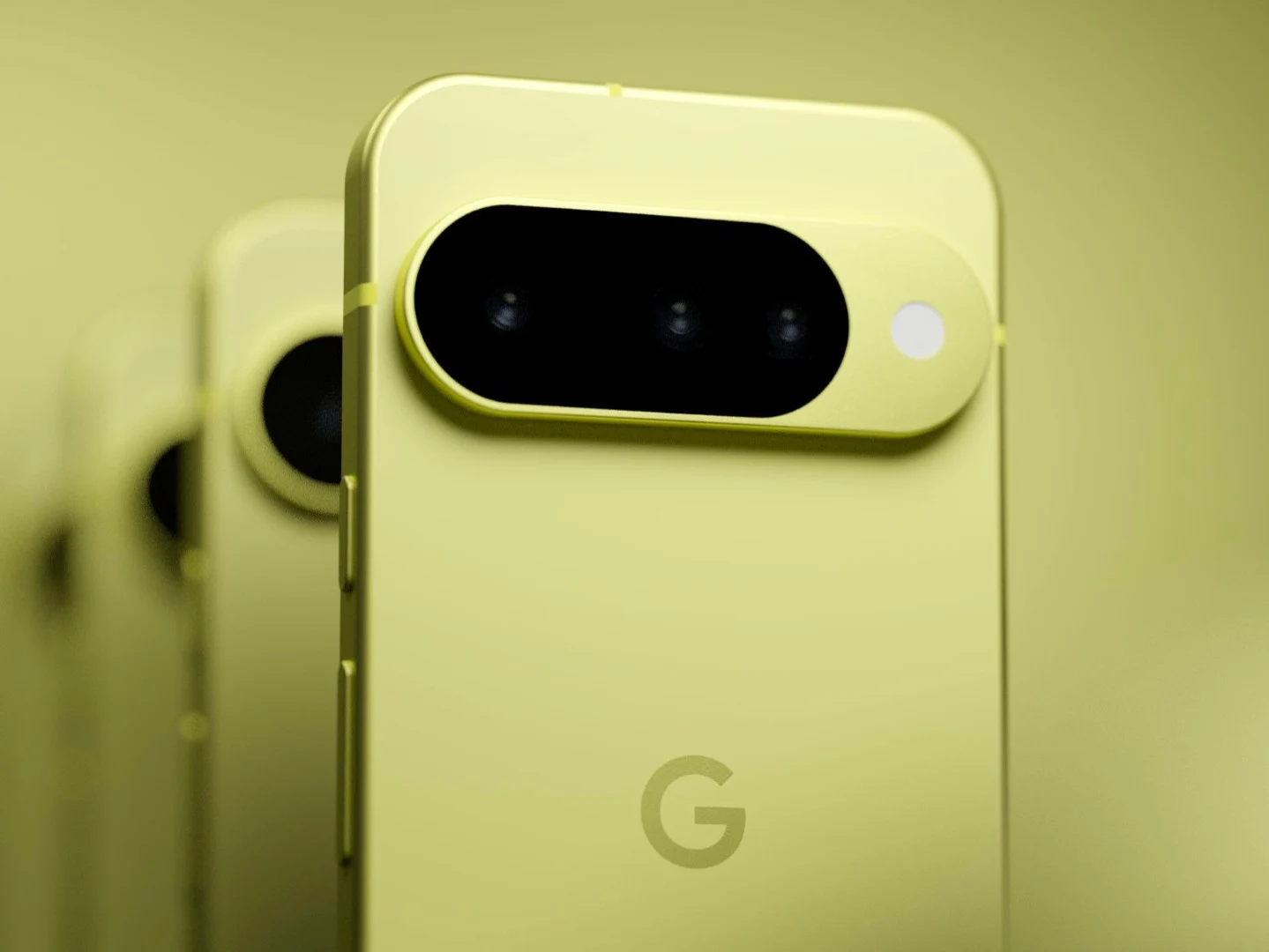
    The new Google Pixel 10 Pro Fold is set to be officially announced on August 20, with its release following just one week later. There are whispers that this foldable flagship will be available in Sterling Grey and Smoky Green shades. Besides the inclusion of the Google Tensor G5 chip, not many changes are anticipated, as it seems Google will be keeping most of the camera setup from the previous version.

    Exciting Upgrades Ahead

    Recent updates from Android Headlines suggest that Google is working on some notable enhancements. Most importantly, the new device is reportedly going to have an IP68 rating for its casing, a step up from the IPX8 rating of the Pixel 9 Pro Fold. This means the phone will be fully protected against water and dust, which is crucial for a foldable since it helps stop debris from entering the hinge area. This is quite impressive, potentially making the Pixel 10 Pro Fold one of the first foldables to earn an IP68 certification.

    Comparisons to Competitors

    In contrast, the Samsung Galaxy Z Fold6 holds an IP48 rating, while the Oppo Find X5 has an IPX9 rating and the Honor Magic V3 comes in at IPX8. Moreover, Google is said to be completely revamping the hinge design by minimizing the screen bezel on the hinge side. This change will allow for a slightly larger secondary display, now measuring 6.4 inches instead of the previous 6.3 inches. With a lower price point, the Pixel 10 Pro Fold could stand out as an attractive folding flagship, especially since rumors suggest a price drop of $200, bringing the starting model to just $1,599.

    Source:
    Link

  • Pixel 10 to 14 Tensor Chip Shift to TSMC Prompts Samsung Restructure

    Pixel 10 to 14 Tensor Chip Shift to TSMC Prompts Samsung Restructure

    Key Takeaways

    1. Google is shifting its chip production from Samsung to TSMC, starting with the Tensor G5 processor for the 2025 Pixel 10.
    2. The Tensor G5 will utilize TSMC’s advanced 3nm production technology, with plans for the G6 to use 2nm technology in 2026.
    3. Samsung’s foundry is losing market share and facing challenges due to Google’s departure and competition from other manufacturers like SMIC and UMC.
    4. Google’s decision may stem from the need to reduce dependency on a competitor while enhancing its AI and hardware capabilities in Pixel devices.
    5. Samsung executives are reportedly shocked by the loss of Google, prompting a review of their foundry strategy, which could lead to significant changes in their business structure.


    Google has been buzzing about changing its chip production from Samsung to TSMC for quite some time, especially since the launch of the budget-friendly Pixel 8. This shift is confirmed for the upcoming Tensor G5 processor that will be featured in the 2025 Pixel 10.

    A New Era for Google Phones

    This transition means that devices like the Pixel 9 Pro XL, which is currently 20% off on Amazon, will be among the last ones to utilize a processor made by Samsung. The Tensor G5 is said to be manufactured using TSMC’s advanced 3nm production technology, which is what most modern flagship smartphones are made with. Looking ahead, the G6 is anticipated to debut with TSMC’s state-of-the-art 2nm process in 2026. Reports suggest Google has inked a deal with TSMC to produce all its Tensor processors, starting from the G5 in the Pixel 10 and extending all the way to at least the Pixel 14 by 2029.

    Samsung’s Reaction to Losing Google

    According to insiders in the Korean industry, the loss of Google as a client has triggered a significant introspection and review process at Samsung’s foundry. Already challenged by TSMC’s dominance in the 3nm production yield, Samsung’s foundry is quickly losing ground in the market, dropping below 8% share, with even unexpected Chinese rivals like SMIC or UMC posing a risk now.

    The Pixel 10 is still expected to come with an Exynos 5G modem to keep expenses down, but the G5 processor won’t be a product of Samsung’s Exynos division. Reports indicate that Samsung is not only having difficulties with 3nm yield but also with the intellectual property associated with its processor instruction set, which isn’t diverse enough for Google’s desire to create a customized Tensor chipset that fulfills all the features and AI expectations for a contemporary smartphone.

    Implications for the Future

    The news of Google’s shift to TSMC has reportedly “shocked” executives at Samsung, prompting them to undertake a comprehensive review of their foundry business strategy. This could lead to a potential spin-off from the parent company, merging the LSI division into other sectors.

    Another factor in Google’s decision to move away from Samsung as a chip manufacturer may be the escalating competition between the two brands in the smartphone market. Google now provides a complete range of Pixel devices across all market segments, including a foldable phone, and wants to avoid being too dependent on a key competitor for essential components unless there are clear advantages in terms of hardware specifications.

    Regarding TSMC, the company can easily handle the production of Tensor processors since Pixel smartphones remain a niche within the Android ecosystem, even as Google’s ambitions continue to grow.

    Source:
    Link

  • Pixel 10 Series Set for Fingerprint Scanner Upgrade

    Pixel 10 Series Set for Fingerprint Scanner Upgrade

    Key Takeaways

    1. The Pixel 10 series will feature an upgraded ultrasonic fingerprint sensor for improved speed and reliability, especially with wet fingers.
    2. The design of the Pixel 10 series will largely resemble the Pixel 9 series, focusing more on functional upgrades than aesthetic changes.
    3. The new devices are expected to support Qi2 wireless charging, requiring a case for magnetic connections with compatible accessories.
    4. The standard Pixel 10 will include a telephoto camera, with enhancements in macro photography and better speakers across the series.
    5. The phones will be powered by the Tensor G5 SoC, offering smooth performance and new AI functionalities, though it may not match Snapdragon flagships in raw performance.


    The Google Pixel 10 lineup has seen a flurry of leaks lately, with the most recent one pointing to an upgraded fingerprint sensor. The Pixel 9 series introduced an ultrasonic fingerprint sensor, which was an improvement over the previous Pixel 8 series. It seems that the forthcoming Pixel 10 series will focus more on internal and functional enhancements, rather than making visible design changes.

    Fingerprint Sensor Upgrades

    According to a leak from Android Headlines, the Pixel 10 series will keep the ultrasonic fingerprint sensor but with enhanced speed. How Google achieves this upgrade remains unclear. The leak suggests that the sensor will be more dependable, especially when used with wet fingers. However, it lacks further details, making this improvement feel expected. Additionally, facial recognition will still be available and it will maintain a Class 3 security level.

    Design and Features

    Based on a series of leaks, the Pixel 10 series appears to be focusing on functional upgrades compared to the Pixel 9 (buy on Amazon) series. The design resembles that of the Pixel 9 series, yet the new devices are anticipated to support Qi2 wireless charging. They will require a case for a magnetic connection to work with compatible accessories, which Google is reportedly developing as well.

    Camera and Performance Enhancements

    Another leak recently suggested that the standard Pixel 10 will include a telephoto camera. There will also be enhancements in macro photography across the entire series. Other expected improvements include better speakers, advanced AI features, and significantly enhanced image stabilization. The phones are set to be powered by the Tensor G5 SoC, which may not match the Snapdragon flagship in raw performance but is still capable of providing a smooth user experience along with supporting new AI functionalities.

    Source:
    Link

  • First Details Leaked: Google Pixel 12, 12 Pro, and 12 Pro Fold

    First Details Leaked: Google Pixel 12, 12 Pro, and 12 Pro Fold

    Key Takeaways

    1. Google uses animal codenames for its Pixel smartphones, with the Pixel 12 series likely inspired by primates.
    2. The Pixel 12 series will include four models, three with real animal names and one (Pixel 12 Pro) with a mythical creature name.
    3. The Pixel 12 lineup is expected to resemble the Pixel 9 series, featuring a base version, two Pro models, and a foldable flagship.
    4. Google intends to release a compact flagship phone, with the Pixel 12 expected to launch in summer 2027.
    5. The Pixel 10 is set to be announced on August 20, prior to the Pixel 12 series.


    Google keeps up its tradition of giving animal codenames to Pixel smartphones, which are used as internal labels until the final names are decided. After using birds for the Pixel 6, cats for the Pixel 7, dogs for the Pixel 8, reptiles for the Pixel 9 (starting at $499 on Amazon), horses for the Pixel 10, and bears for the Pixel 11, it looks like the next round of devices, the Pixel 12 series, will feature codenames inspired by primates. A well-known leaker, Mystic Leaks, has shared that this new series will include four models.

    Codenames and Models

    Among the four smartphones, three have names taken from real animals, but interestingly, the Pixel 12 Pro will use a codename that relates to a mythical creature. If Mystic Leaks is right, we can expect the Pixel 12 series to mirror the Pixel 9 lineup, which included a base version, two Pro models in varying sizes, and a foldable flagship.

    Future Plans

    The good news for fans is that Google seems to be sticking to their plan of releasing a compact flagship phone in the future. The Google Pixel 12 is expected to be launched in the summer of 2027. Right now, not much else is known about the Pixel 12 and Pixel 12 Pro, and details from last year’s Tensor leak only went up to the Pixel 11. However, the Pixel 10 is set to come out first, with an official announcement scheduled for August 20.

    Source:
    Link

  • Google Postpones Pixel Superfans Event for Pixel 10 Teaser Reveal

    Google Postpones Pixel Superfans Event for Pixel 10 Teaser Reveal

    Key Takeaways

    1. The Pixel 10 series launch is expected on August 20, with the Pixel 9 currently priced at $599.
    2. The release of the Pixel 10 series may be delayed by a week, initially rumored for August 13.
    3. Google has postponed the Pixel Penthouse event and will host a Pixel Superfans Insider Event on September 4 instead.
    4. New devices rumored to be in development include the Pixel 10, Pixel 10 Pro, Pixel 10 Pro XL, and a foldable device.
    5. A new generation of Pixel Watch smartwatches is expected, but no new Pixel Tablet is currently indicated.


    The Pixel 10 series is still expected to launch sometime in the future. Google hasn’t officially said anything yet, but multiple sources indicate that the company aims to launch the Pixel 9 (currently priced at $599 on Amazon) on August 20, along with its higher-end models.

    Reports of Delay

    There have been rumors that Google had to push back the release of the Pixel 10 series by a week, as initial leaks hinted at an August 13 launch. Still, Google has hinted at hosting a new event for Pixel Superfans in the meantime.

    Changes to Event Plans

    It seems that Google has also postponed this event. As reported by Android Authority, the company shared the following message with Pixel Superfans who were chosen to attend the June gathering:

    “We regret to inform you that invitations to the Pixel Penthouse event can no longer be sent out due to unexpected issues. However, we’re pleased to offer you a special prize: an early invite to our next event, Pixel Superfans Insider Event, on September 4th.”

    Rumored Devices

    At present, there are rumors that Google has created not just the Pixel 10 and Pixel 10 Pro, but also a Pixel 10 Pro XL and a new foldable device. It seems that the fourth generation of Pixel Watch smartwatches could also make an appearance, available in two sizes once again. However, there are no indications at this moment that a new Pixel Tablet will be released.

    Source:
    Link


  • Google Limits Pixel 6a Battery Performance After Fire Reports

    Google Limits Pixel 6a Battery Performance After Fire Reports

    Key Takeaways

    1. Google has confirmed a potential battery overheating issue with the Pixel 6a, following reports of the device catching fire.
    2. To address the problem, Google will release a software update to reduce battery capacity and charging speed, similar to the update for the Pixel 4a.
    3. Affected users will receive information next month about the update and necessary actions to mitigate the overheating risk.
    4. The upcoming update will activate battery management features after the battery reaches 400 charge cycles, with warnings shown in the settings.
    5. It is unclear if Google will offer free battery replacements or compensation for Pixel 6a users, as it did for the Pixel 4a.


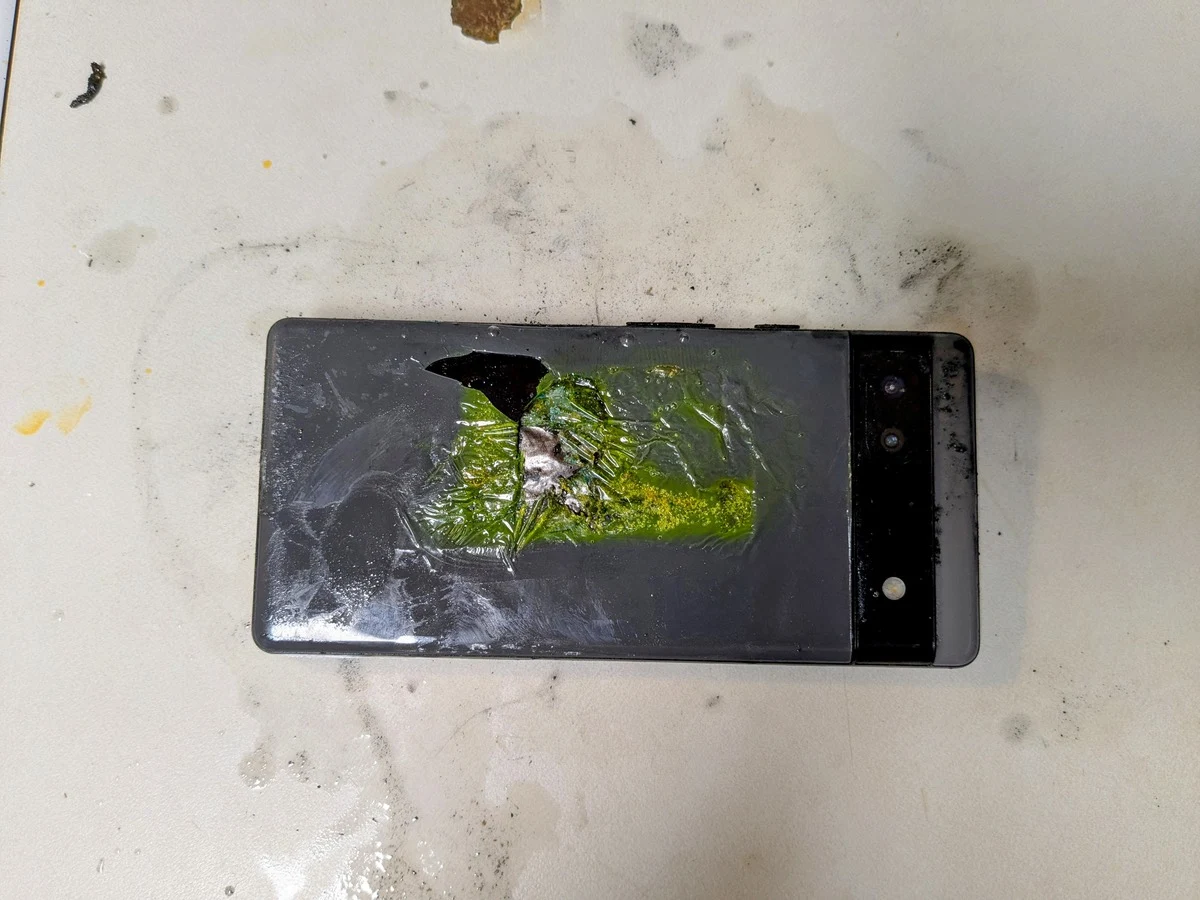
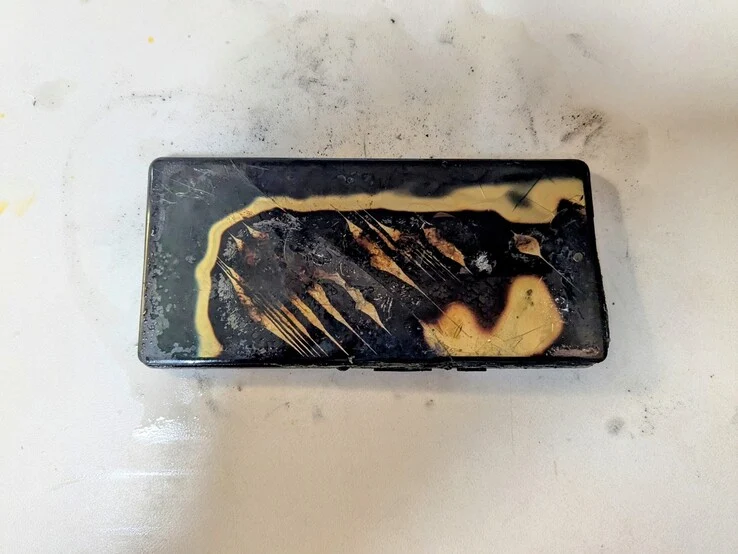
    After the trouble with the Pixel 4a’s battery earlier this year, which led Google to lower battery performance via a software update and provide free battery replacements, the company is now dealing with another battery problem, this time with the Pixel 6a.

    Reports of Overheating

    Recently, there have been two different reports of the Google Pixel 6a catching fire. Initially, these incidents seemed to be just one-off cases, but Google has now confirmed “a potential battery overheating issue.” To tackle this, the company plans to roll out a software update similar to the one for the Pixel 4a, which will intentionally decrease battery capacity and charging speed.

    Google’s Official Statement

    A spokesperson from Google shared the following with Android Authority:

    “Some Pixel 6a devices will need a required software update to lower the risk of possible battery overheating. This update will activate battery management features that will limit capacity and charging performance after the battery hits 400 charge cycles. We’ll reach out to affected customers next month, providing all the necessary information to resolve the issue.”

    Details from the Android Beta

    Hints about the forthcoming battery limitations for the Pixel 6a have been found in the Android 16 QPR1 Beta 2. According to Android Authority, the code in this new beta shows that the phone will display a warning under Settings > Battery > Battery health once it reaches 375 charge cycles. This alert will inform users that battery capacity and charging performance will decline after 400 cycles, and it will recommend a battery replacement.

    It remains uncertain if Google will provide free battery replacements or monetary compensation to Pixel 6a users, as they did for the affected Pixel 4a owners. Google mentions that users can find more details about support options at g.co/pixel/6abattery; however, at the time of writing this, that webpage is not yet operational.

    Source:
    Link


  • Wear OS 6: New Features Ahead of Google Pixel Watch 4 Release

    Wear OS 6: New Features Ahead of Google Pixel Watch 4 Release

    Key Takeaways

    1. Google is not planning to launch new smartwatches for a while, following the Pixel Watch 3 release last summer.
    2. Wear OS 6 introduces a feature that automatically locks smartphones when out of range from the Pixel Watch.
    3. A new ‘Water Lock’ feature in Wear OS 6 may disable the touchscreen when water is detected, similar to features in other smartwatch OSs.
    4. Google is expected to announce the Pixel 10 models and possibly the Pixel Watch 4 on August 20.
    5. The Pixel Watch 4 is anticipated to be thicker than previous models and will support inductive charging, but full specifications are not yet available.


    Google is not planning to launch any new smartwatches for some time. Just to remind you, the Pixel Watch 3 (currently priced at $299 on Amazon) was introduced last summer alongside the Pixel 9 series in two different sizes. However, last month, the company unveiled Wear OS 6 during its yearly I/O conference.

    New Features Discovered

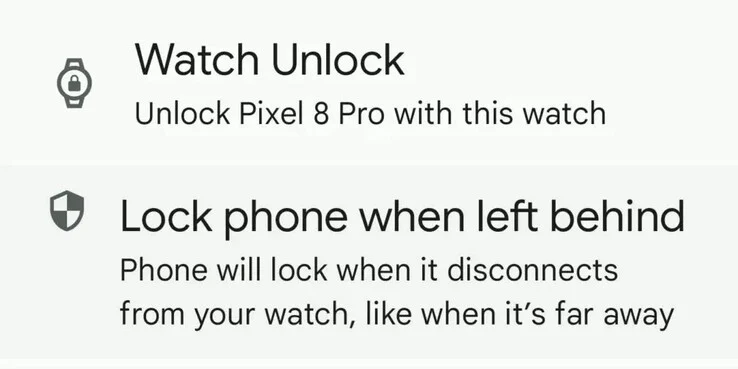
    Recently, 9to5Google reported that it found a new feature in Wear OS 6 that was not mentioned during the conference. Based on recent changes in the code, the site displayed a screenshot revealing that users can now lock their smartphones automatically when they are out of range from their Pixel Watch. This new option is set to enhance the existing Watch Unlock feature, which allows users to unlock their phones with their smartwatch while they are close to each other.

    Additional Updates on Wear OS 6

    In the meantime, Android Authority has stated that the Developer Preview of Wear OS 6 includes a feature called ‘Water Lock’. At the moment, the details about what this feature entails are not very clear from the code strings. Nevertheless, both Android Authority and 9to5Google suggest that Water Lock will function similarly to features found in One UI Watch and Apple watchOS, which disable the touchscreen when water is detected and then ejects the water by producing a sound from the device’s speakers.

    Upcoming Pixel Launch

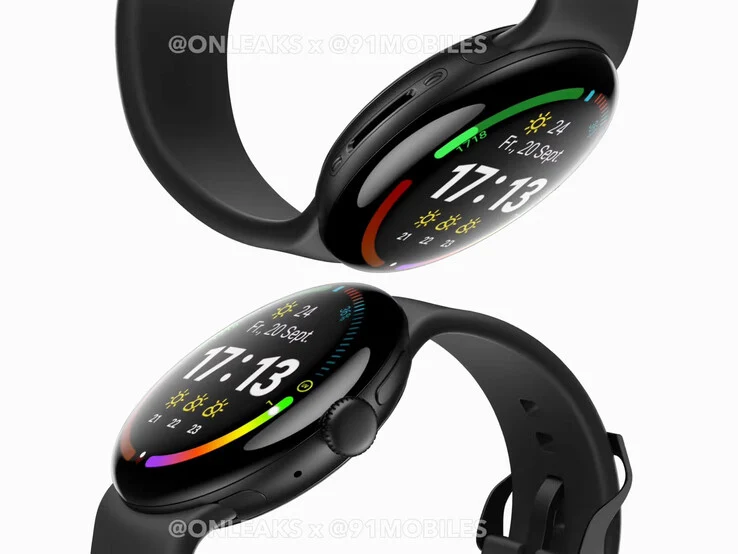
    Currently, Google is expected to announce the Pixel 10 models on August 20, bringing back the Adaptive EQ feature, among other updates. Therefore, it is likely that the Pixel Watch 4 models will also be introduced on the same day, with shipping anticipated to start towards the end of August. Reports indicate that the Pixel Watch 4 will be more than 16% thicker than the existing models and will support inductive charging as well. Full specifications for the Pixel Watch 4 series are still not available at this time.

    Source:
    Link


  • Google Pixel 10 Series: All Color Options Revealed, Two Colors Dropped

    Google Pixel 10 Series: All Color Options Revealed, Two Colors Dropped

    Key Takeaways

    1. The Pixel 10 series will feature four color options for each model, except for the Pixel 10 Fold, which will have two colors.
    2. Two popular colors, Obsidian and Porcelain, will not be included in the new series, with Porcelain being replaced by a “light” variant.
    3. The basic Pixel 10 will come in Ultra Blue, Limoncello, Iris, and Midnight, with Ultra Blue being exclusive to this model.
    4. The Pixel 10 Pro series is expected to offer Sterling Gray, Light Porcelain, Midnight, and Smoky Green, with Sterling Gray being a lighter shade.
    5. The upcoming Pixel Fold, set for release in 2025, will be available in Smoky Green and Sterling Gray, similar to the Pro models.


    There has been some buzz about the color choices for the Pixel 10 series. It appears that the news isn’t just about the Pixel 10 and Pixel 10 Pro; some details shared might be wrong, according to an article from Android Headlines dated June 5. The recent leak suggests that every Pixel 10 model will come with four color options, with the exception of the Pixel 10 Fold, which will only have two available shades. If this information holds true, we’ll say goodbye to two beloved colors that have been part of Pixel devices for four generations: Obsidian and Porcelain. However, it looks like Porcelain will be swapped out for a “light” variant.

    Color Options for Pixel 10

    The new basic model of Pixel 9 (still listed on Amazon in Obsidian) will come in Ultra Blue, Limoncello, Iris, and Midnight. As per the leak, Ultra Blue will be unique to the regular Pixel 10, and Midnight is a darker version of the grey seen in Obsidian. Iris, on the other hand, was previously featured in the Pixel 9a.

    Pro Series Colors Revealed

    Google is expected to present the Pro and Pro XL versions in Sterling Gray, Light Porcelain, Midnight, and Smoky Green. Sterling Gray seems to be a lighter version compared to Midnight, while Light Porcelain is anticipated to appear creamier than the usual Porcelain. The last color, Smoky Green, is said to be a deep and rich green.

    Upcoming Foldable Pixel

    Lastly, the Pixel foldable set to debut in 2025 is rumored to come in Smoky Green and the more muted Sterling Gray. These colors will also be available for the Pixel 10 Pro and 10 Pro XL.

    Source:
    Link

  • Google Pixel 10: Tensor G5 Uses Same Exynos Modem as G4

    Google Pixel 10: Tensor G5 Uses Same Exynos Modem as G4

    Key Takeaways

    1. The Pixel 10 prototype was seen in public, leading to its release being postponed by Google.
    2. The Tensor G5 SoC is designed to help Google distance itself from Samsung Foundry’s technology.
    3. The baseband modem for the Tensor G5, codenamed ‘g5400’, remains the same Exynos-based modem used in the Pixel 9 series.
    4. The Tensor G5 features older CPU cores and is manufactured using 5 nm technology, while competitors are moving to 3 nm.
    5. The performance of its GPU from Imagination Technologies will be compared against Qualcomm’s Adreno and Arm’s Mali GPUs.


    Despite Google’s attempts (or maybe their lack of them), the Pixel 10 prototype has been seen in public, leading Google to postpone its release entirely. This incident provides a sneak peek into its internal components, particularly its Tensor G5 SoC. Previous leaks hinted that the Tensor G5 forms part of Google’s wider aim to separate itself from Samsung Foundry’s intellectual property overall. 9to5Google has spotted a curious detail indicating that Google might not be as prepared for the separation as they thought.

    Baseband Modem Insights

    The baseband modem for the Tensor G5 is codenamed ‘g5400’. This modem is the same Exynos-based one used in the Tensor G4-powered Pixel 9 series. This revelation effectively disproves an earlier rumor that claimed the Pixel 10 series would come equipped with a MediaTek T900 5G modem. Google’s choice to continue with Samsung is quite logical. Crafting a smartphone SoC from scratch is not easy, especially when it comes to a 5G modem. Apple took nearly six years to develop one after they took over Intel’s 5G division.

    Current-Gen Challenges

    In summary, the Google Tensor G5 appears to be a last-generation component stuck inside a current-generation smartphone. For one, it utilizes a combination of older Arm v8 and v9 CPU cores (Cortex-X4, Cortex-A725, Cortex-A520) for its processor. Moreover, it is produced on TSMC’s 5 nm technology at a time when 3 nm has become the standard. The true surprise may come from its GPU supplied by Imagination Technologies. While its specifications look impressive on paper, it will be fascinating to see how it performs against Qualcomm’s Adreno and Arm’s Mali competitors.

    Source:
    Link

  • Tips to Combat Your Fear of Fake Videos Created by VEO

    Tips to Combat Your Fear of Fake Videos Created by VEO

    Key Takeaways

    1. AI-generated videos, like those created with VEO 3, are becoming increasingly realistic and accessible.
    2. Distinguishing between authentic and AI-generated videos is challenging for many people, leading to potential misinformation.
    3. Google is responding by implementing a watermark on AI-generated videos to help users identify their source.
    4. Existing watermarks are often small and can be easily removed, making them less effective for casual viewers.
    5. Professionals are more aware of digital watermarks, but everyday users should verify suspicious content through reputable sources.


    In the last few years, and especially in recent months, AI has seen a rapid rise, bringing forth new features and opportunities in many industries. This is especially evident in the realm of videos; with the launch of VEO 3, users can create incredibly realistic videos just by inputting a few text lines. However, considering the threats posed by this significant advancement, Google has chosen to devise a solution to assist users in distinguishing genuine content from fabricated ones.

    The Challenge of Distinguishing Videos

    For many people, it’s often tricky to spot the difference between authentic videos and those produced by AI. Consequently, numerous individuals make errors and share AI-generated content on social media, which can lead to misunderstandings or even widespread panic.

    Google’s Response to the Issue

    Recognizing the potential extent of this issue, Google is taking measures to mitigate its effects. The American tech company has opted to implement a watermark that will automatically appear in the bottom-right corner of every AI-generated video. This will indicate the source of the media, helping to prevent any confusion before it can occur.

    This feature is not new and is already found in similar tools like Grok. Nonetheless, the watermark is typically quite small, and few people notice it. Even worse, there are online tools available that allow users to remove such watermarks, including some powered by AI.

    Professionals Are More Aware

    On the other hand, professionals seem to have a better understanding of this topic. Google has already included digital watermarks known as SynthID in videos made with VEO 3. These watermarks are straightforward for image and video experts, as well as relevant authorities, to recognize.

    However, for those browsing social networks or consuming online media, it’s crucial to exercise caution. If anything appears suspicious, it’s wise to conduct research and verify with traditional, reputable media sources. By doing so, you can avoid falling into misleading traps and also inform others to help ensure their safety.

    Source:
    Link