Tag: google

  • Google Pixel 9a Camera & Display Reviews – DxOMark Global Rank 33

    Google Pixel 9a Camera & Display Reviews – DxOMark Global Rank 33

    Key Takeaways

    1. The Pixel 9a scored 153 points in camera performance, ranking 33rd globally and first in the high-end category for upper mid-range smartphones.
    2. The camera features a solid dynamic range, precise exposure, and vibrant colors, but struggles with zoomed shots and low-light conditions.
    3. The display received a score of 155 points, the highest in its category, and ranked 8th globally.
    4. The display is noted for being excellent for web browsing and watching videos, with a responsive and clear screen.
    5. The Pixel 9a was launched in India for 49,999 INR and globally starts at 499 US Dollars.


    Google’s new Pixel 9a has recently been reviewed by DxOMark, and the results are now available. Similar to the other models in the Pixel 9 series, it has earned respectable scores in both camera and display categories. Let’s dive into the details.

    Camera Performance

    In the evaluation of its camera, Google’s Pixel 9a scored 153 points, placing it at 33rd in the global smartphone rankings. Remarkably, it secured the top spot in the high-end category, which encompasses upper mid-range smartphones. The tests conducted by DxOMark showed that the Pixel 9a incorporates many of the high-end features found in the pricier Pixel 9.

    Display Quality

    The camera boasts a solid dynamic range, precise exposure, and vibrant colors. However, it does face challenges with zoomed shots due to the absence of a dedicated telephoto lens. Additionally, the Pixel 9a encounters difficulties in dim lighting conditions for both photos and videos. DxOMark also assessed the display, awarding it a score of 155 points, which is again the highest in its category. Notably, the Pixel 9a even made it into the global top 10, landing at the 8th position.

    The review highlights that the display is excellent for various activities, including standard web browsing and watching videos. The Pixel 9a features a lively and clear screen that responds swiftly and accurately to touch. This model was launched in India earlier this month with an initial price of 49,999 INR, while it can be found globally starting at 499 US Dollars.

  • Google Pays Samsung to Promote Gemini in One UI Report

    Google Pays Samsung to Promote Gemini in One UI Report

    Key Takeaways

    1. Google faces multiple antitrust lawsuits over alleged unfair market practices.
    2. The company reportedly paid Samsung a significant amount to promote its AI assistant, Gemini.
    3. Payments to Samsung are expected to last a minimum of two years, covering pre-installation on devices.
    4. Samsung agreed to make Gemini the default app despite having its own AI assistant.
    5. The Galaxy S25 series features Gemini as the default assistant, with updates and new features included.


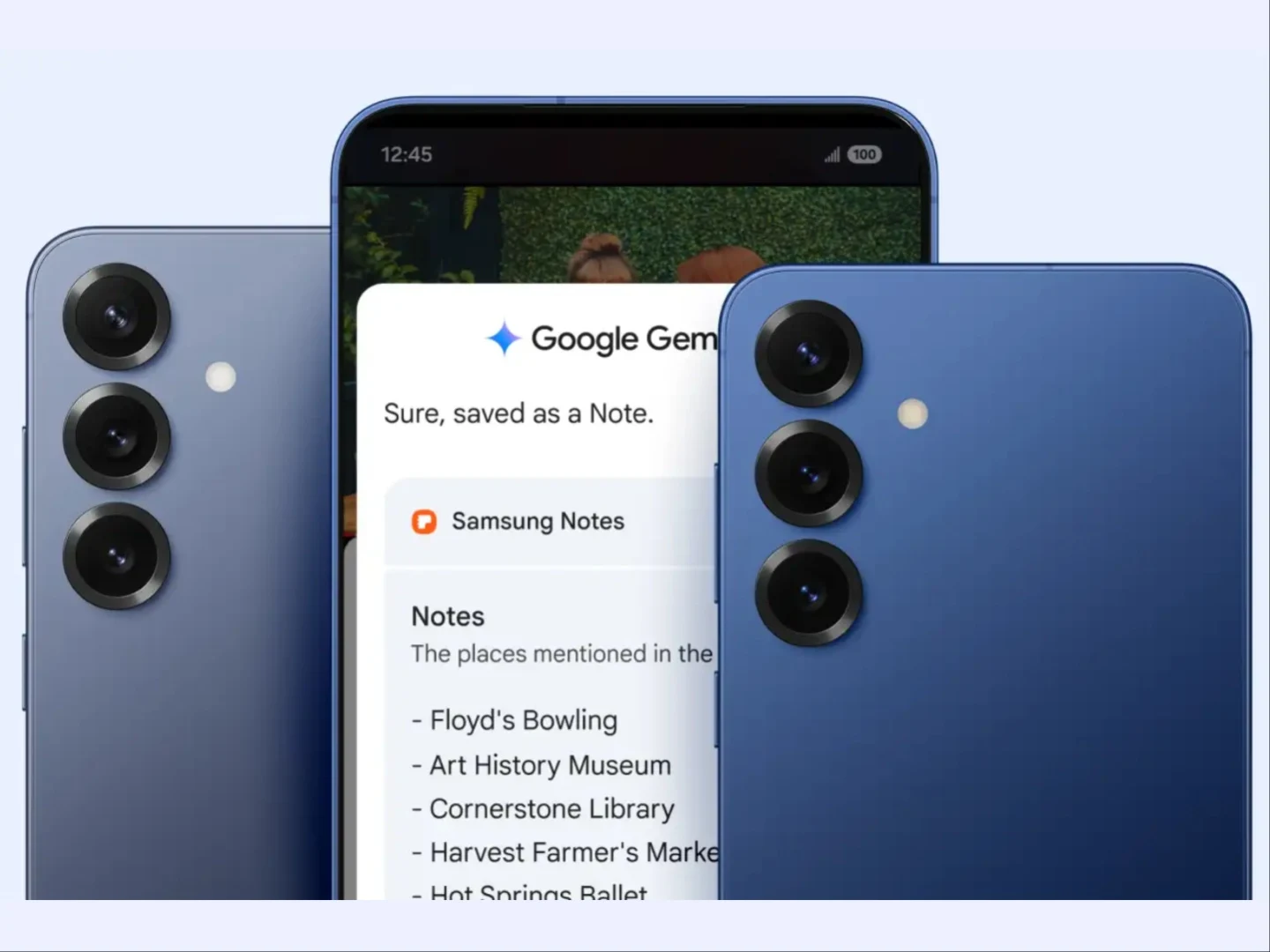
    Google is currently facing multiple antitrust lawsuits that claim the company has engaged in unfair practices to dominate the market. It has been accused of incentivizing companies to choose its products and software over competitors. Recently, reports emerged that Google paid Samsung “a huge amount of money” to promote Gemini within One UI. This arrangement involves monthly payments expected to last for a minimum of two years.

    Monthly Payments to Samsung

    In a report by Bloomberg, Peter Fitzgerald, the VP of Global Partnerships, Platforms & Ecosystems at Google, disclosed that Samsung received substantial monthly payments to guarantee that Gemini was pre-installed on their devices. This deal encompasses payments for every device featuring the AI assistant, along with a share of the revenue generated from ads within the app.

    Contract Details and Device Integration

    Moreover, this agreement is said to extend for at least two years, and Samsung accepted these payments to make Gemini the default app, even though the company has its own AI assistant. The Galaxy S25 series comes with Gemini already set as the default assistant, which can be activated by pressing the power button, similar to how it works on Google Pixel devices. This integration ensures that Samsung phones equipped with Gemini receive all the updates, including features like real-time conversations and Visual AI.

    The final hearing is reported to have occurred on Monday, April 21, and it is expected to be the last session before a decision is reached in September.

  • Google to Reveal Updated Material Design at I/O 2024 in May

    Google to Reveal Updated Material Design at I/O 2024 in May

    Key Takeaways

    1. Google may reveal a new version of Material Design at the I/O conference in May 2024.
    2. The upcoming update is expected to be more “expressive” and enhance app engagement.
    3. A developer’s post indicated features for a “Material3Expressive” theme, suggesting new design options for developers.
    4. A redesign of the Settings app was showcased in Android 16 Beta 3, featuring new icon toggles and card format organization.
    5. The update might be a minor enhancement to Material Design 3 rather than a complete redesign, with more details anticipated as the event approaches.


    Google first launched its Material Design theme with Android 12 in 2021, introducing a dynamic color system that adapts hues from wallpapers throughout the operating system. It appears that a new version might be revealed during the I/O conference this coming May. This upcoming update is expected to offer a more “expressive” design for the OS, although specifics remain limited for now.

    Possible Updates Uncovered

    The potential enhancements to Material Design were identified by Android specialist Mishaal Rahman, who discovered a developer’s post regarding a “Material3Expressive” theme in the GitHub repository dedicated to Material Components for Android. A Google engineer commented on this, stating, “Material is experimenting with bringing developers ways to make their apps more engaging by introducing more expressive features. Stay tuned for more updates and guidance!” This indicates that an expressive update to Material Design is likely on the horizon, aimed at making applications more engaging, as noted by Rahman.

    Redesigns and Features

    Regarding the updates this version might introduce, a redesign of the Settings app was showcased in Android 16 Beta 3, featuring toggles that use an X or checkmark icon to show off/on statuses, as well as settings organized in card formats.

    Additionally, Rahman discovered a patch from a month ago labeled “DO NOT SUBMIT I/O 2025 Expressive talk code demos” in the AOSP Gerrit, which included some new coding. While the title of this patch has been modified to remove the “I/O 2025” reference, it still contains “‘io_talk,” suggesting that a reveal at May’s Google I/O is likely.

    Anticipation for Google I/O

    Rahman mentions that this could merely be a minor update to the current Material Design 3 framework rather than a complete redesign. Google I/O is set for May 20, and as the date draws nearer, additional details about what to expect from the event are anticipated to emerge.

    Source:
    Link

  • Google Pixel 9a Launching in India Tomorrow for ₹49,999

    Google Pixel 9a Launching in India Tomorrow for ₹49,999

    Key Takeaways

    1. The Google Pixel 9a is now available globally, with a launch in India on April 16, exclusively on Flipkart, priced at ₹49,999.
    2. It features IP68 water and dust resistance, a 6.3-inch OLED display with 120Hz refresh rate, and a long battery life of up to 30 hours.
    3. The smartphone is powered by the Google Tensor G4 chipset and runs on Android 15, offering 7 years of OS and security updates.
    4. Key camera innovations include AI-driven tools like “Add Me,” “Macro Focus,” and the Magic Editor for enhanced mobile photography.
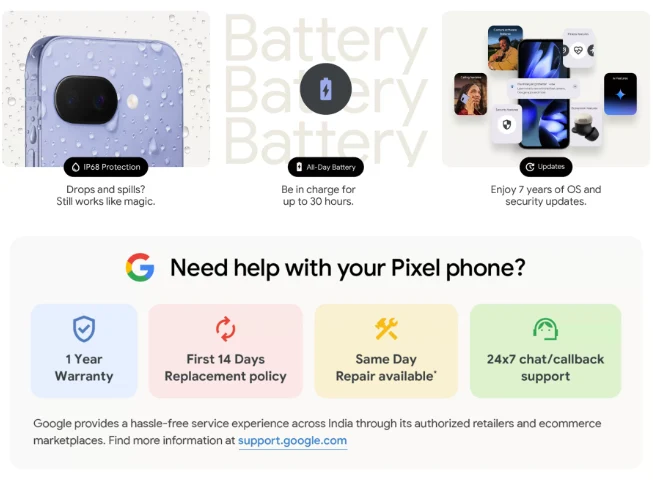
    5. Buyers in India will receive a 1-year warranty, a 14-day replacement option, and same-day repair services in select cities, along with 24/7 customer support.


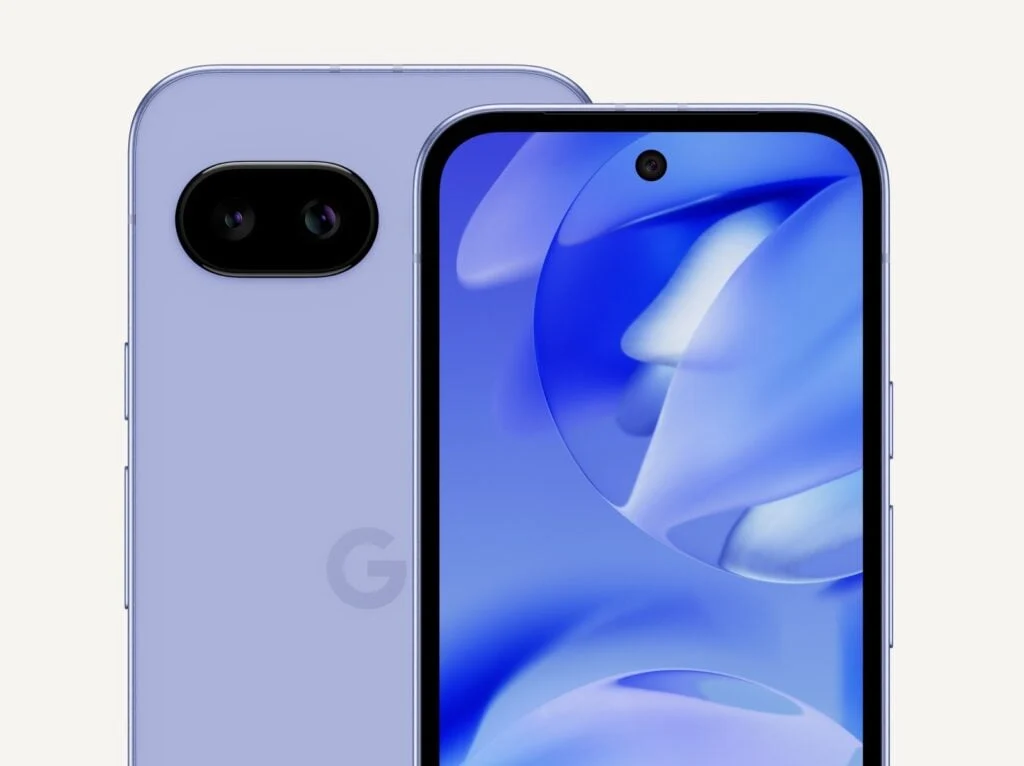
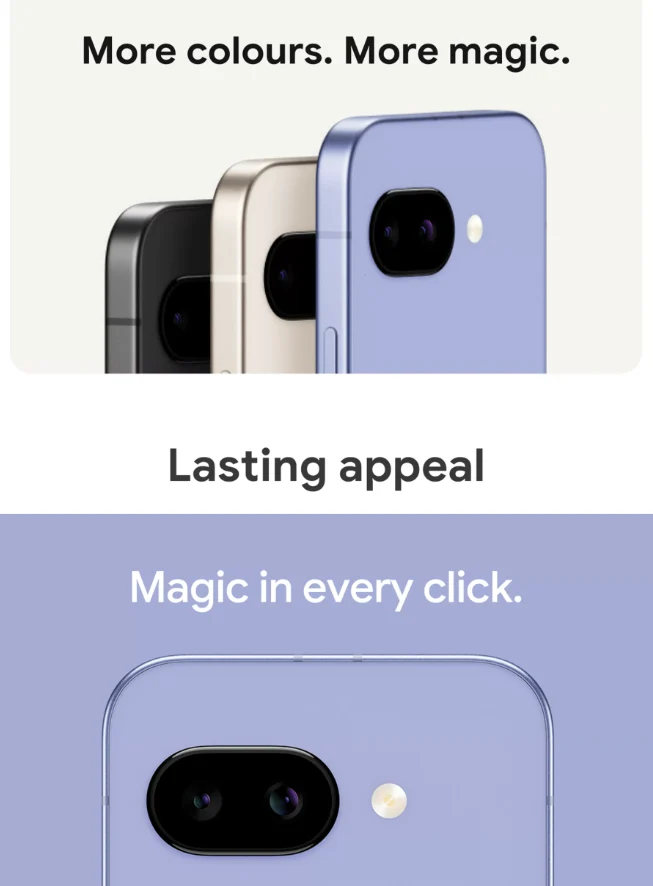
    Google has introduced the Pixel 9a smartphone last month on a global level. This smartphone is now available for purchase in the US and other nations like Canada, Germany, France, and Italy. It will launch in India starting April 16, where it will be sold exclusively on Flipkart from 12 PM. Flipkart has begun promoting the device already. The phone will come in a single variant with 8GB RAM and 256GB of storage, priced at ₹49,999, and will be offered in three distinct colors: Porcelain, Iris, and Obsidian.

    Features and Specifications

    The Pixel 9a is designed with IP68 water and dust resistance, boasting up to 30 hours of battery life, alongside 7 years of OS and security updates. It operates on Google’s AI assistant, Gemini, which is integrated across various Google applications. Users can enjoy two-way natural conversations and AI-driven image creation with Gemini.

    Camera Innovations

    Noteworthy camera features include “Add Me,” “Macro Focus,” and “Best Take.” The Magic Editor tool enables users to crop, reframe, or enlarge images using AI, aiming to improve mobile photography while requiring little manual intervention.

    In India, purchasers will receive a 1-year warranty, a 14-day replacement option, and same-day repair services in certain cities. Google is also providing 24/7 customer support through chat and callback options.

    Pixel 9a Specifications

    The Pixel 9a boasts a 6.3-inch OLED display with a refresh rate of 120Hz and FHD+ resolution. It is powered by the Google Tensor G4 chipset alongside the Titan M2 security chip. The device runs on Android 15 right out of the box and guarantees 7 years of OS updates. In terms of cameras, it features a dual rear setup with a 48MP main sensor and a 48MP ultra-wide lens, complemented by a 13MP front camera. The phone is equipped with a 5,100mAh battery that supports 23W wired fast charging and 7.5W wireless charging.

    Source:
    Link


  • Google Pixel Watch 4 Leak: Thicker Design, Slimmer Bezels, New Buttons

    Google Pixel Watch 4 Leak: Thicker Design, Slimmer Bezels, New Buttons

    Key Takeaways

    1. Google will release the Pixel Watch 4 later this year alongside the Pixel 10 series.
    2. The watch retains a round shape but features slimmer bezels and may support wireless charging.
    3. The Pixel Watch 4 is 14.3mm thick, accommodating a larger battery, and will be available in 41mm and 45mm sizes.
    4. Rumors suggest a new chipset may replace the Snapdragon W5 Gen 1, but specifics are not confirmed.
    5. The anticipated launch date for the Pixel Watch 4 is late 2024, with more details expected closer to the release.


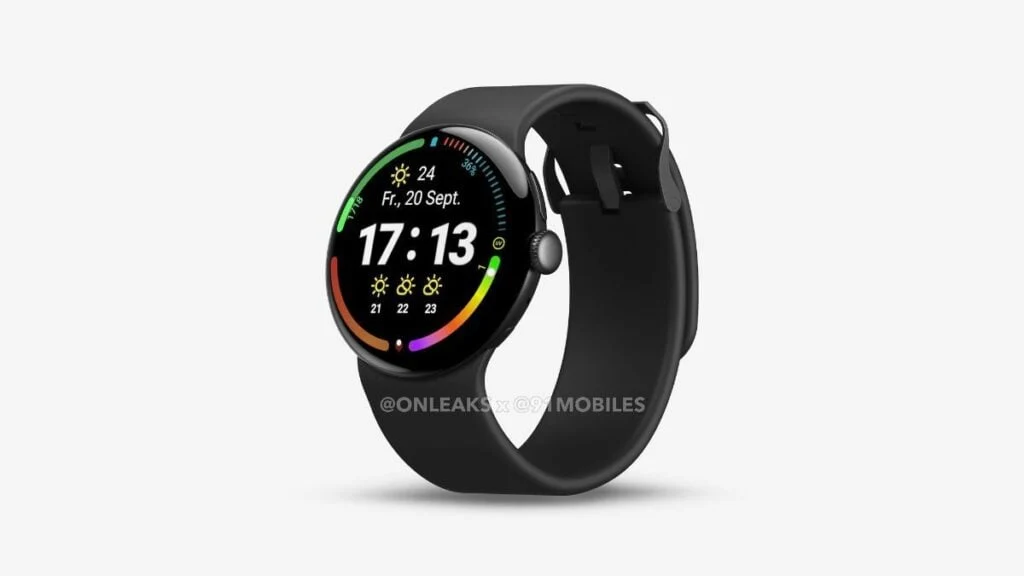
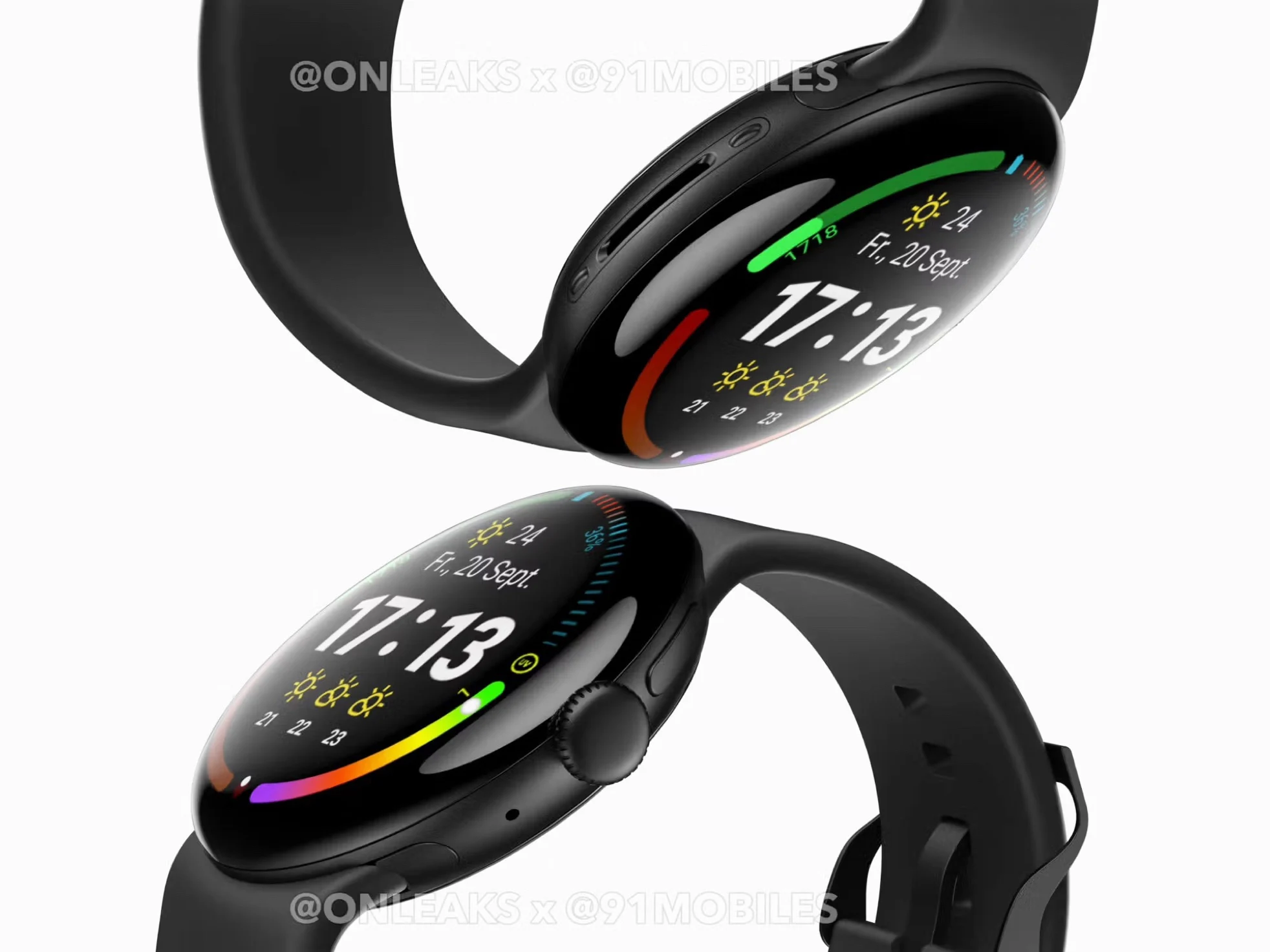
    Google is gearing up to release the Pixel Watch 4 later this year alongside the Pixel 10 series. Recently, detailed 5K images were shared by Steve Hemmerstoffer (OnLeaks) on 91mobiles, giving us a closer look. The new smartwatch keeps the round shape of its predecessor, the Pixel Watch 3, but adds some subtle changes.

    Design Changes

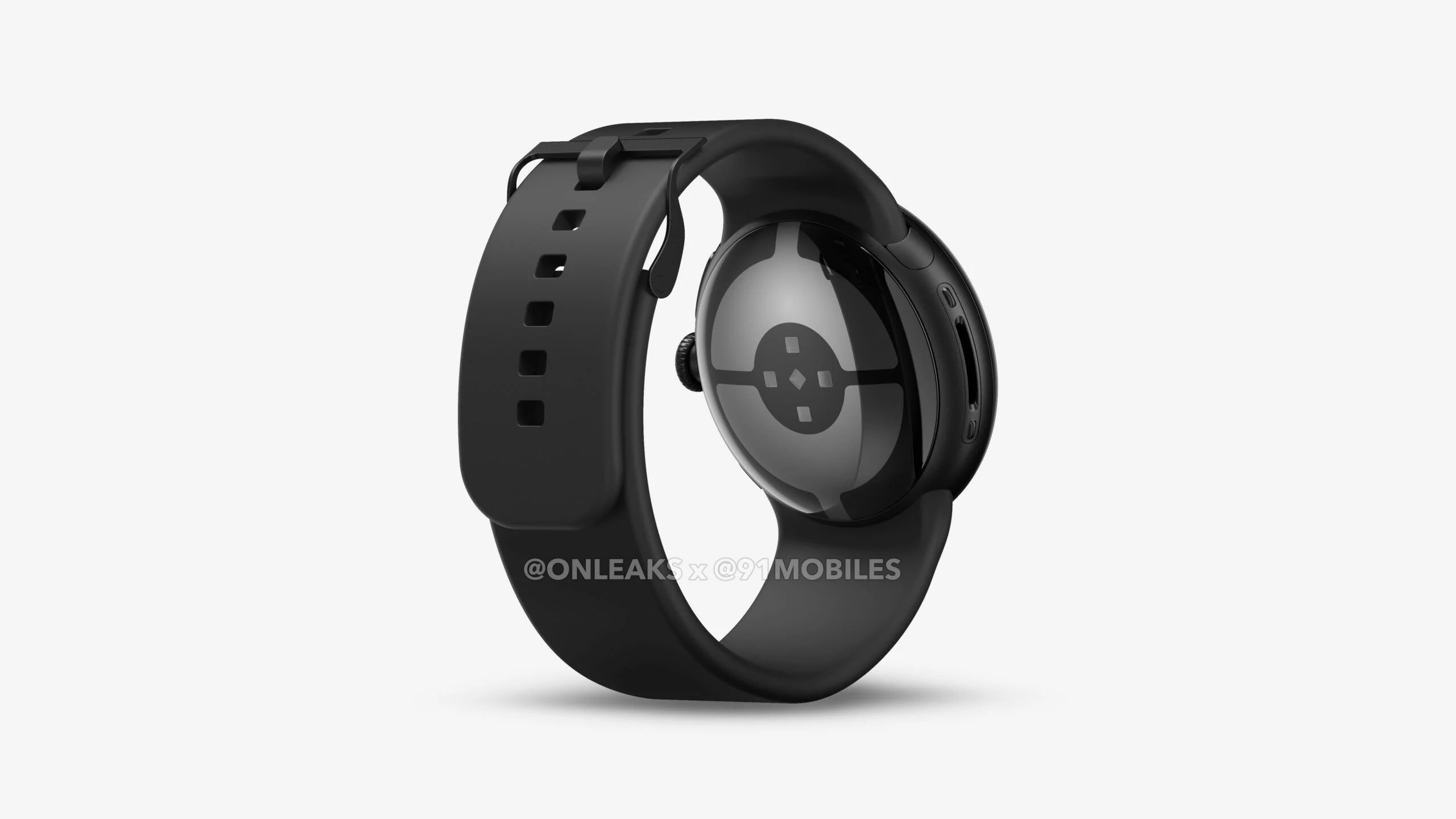
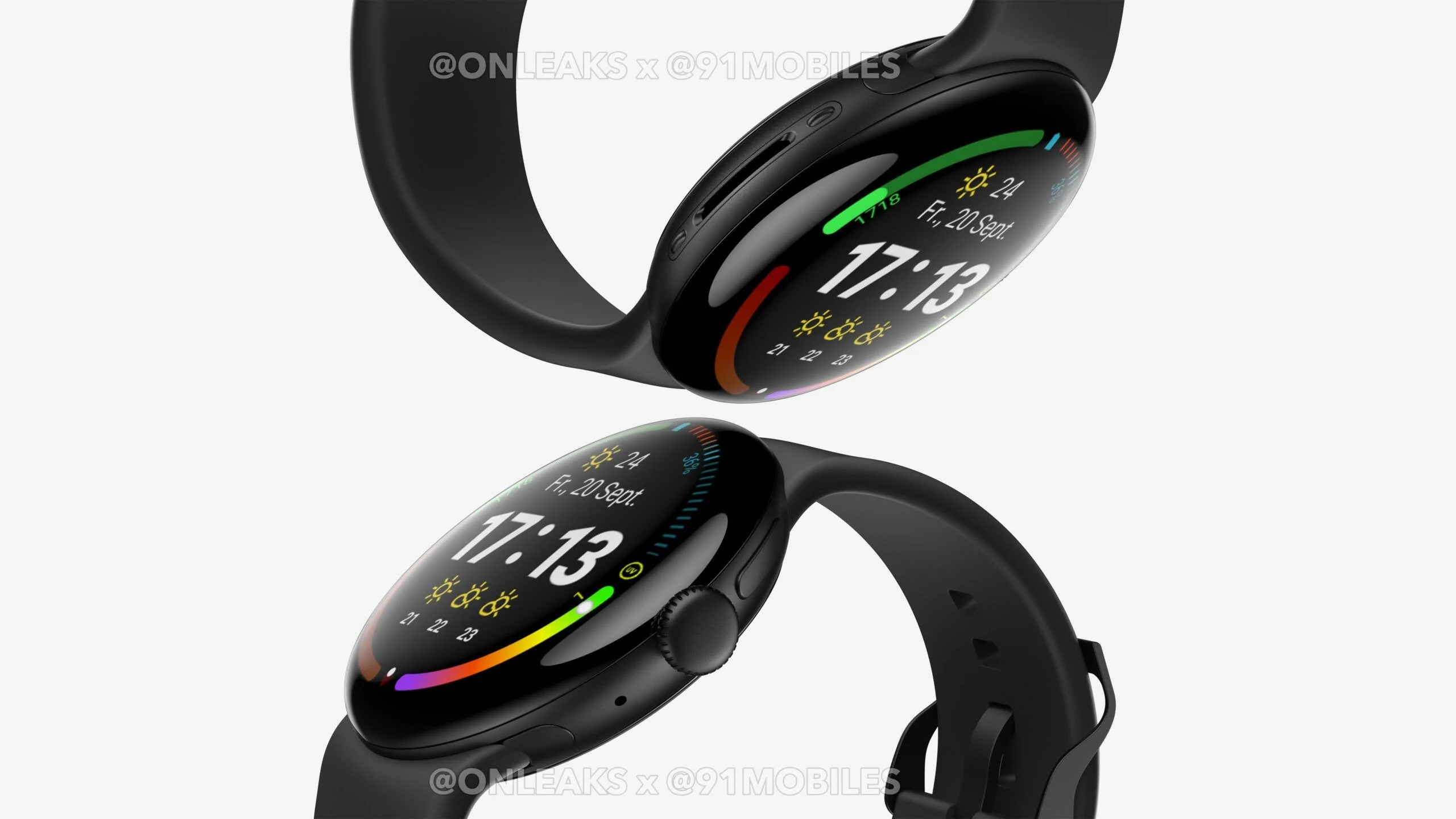
    The images reveal that the screen bezels are a bit slimmer, and the back panel looks similar to the first-generation Pixel Watch. An interesting detail is that the four charging pins on the back are absent, hinting that the watch may support wireless charging, which would be a shift from the USB Type-C charging seen in the Pixel Watch 3. Additionally, there are two new buttons located on each side of the speaker, although their exact functions have yet to be disclosed.

    Size and Variants

    In terms of size, the Pixel Watch 4 is 14.3mm thick, compared to 12.3mm of the Pixel Watch 3. This increase in thickness likely accommodates a larger battery. It is expected to come in 41mm and 45mm sizes, just like its predecessor. A leaked image shows a Black variant, but more color options may also be available.

    Specifications and Release Date

    While detailed specifications are still under wraps, there are rumors that the Pixel Watch 4 might include a new chipset, possibly replacing the Snapdragon W5 Gen 1 found in the current model. There have been speculations about Google’s Tensor chip for wearables, but it may not be available this year. Google has not revealed any pricing, features, or specifications yet. The Pixel Watch 4 is anticipated to launch in late 2024, with more information expected to come as the release date approaches.

    The newly launched Google Pixel 9a smartphone is now available in regions such as the US, Canada, and the UK. Other countries, including Germany, Spain, Italy, Ireland, France, and more, will receive the device soon. The phone is set to be on shelves in Australia, Singapore, Taiwan, and Malaysia starting on April 16.

    Source:
    Link


  • Google Pixel Watch 4 Expected to Be Larger Than Pixel Watch 3

    Google Pixel Watch 4 Expected to Be Larger Than Pixel Watch 3

    Key Takeaways

    1. The Pixel Watch 4 is expected to have a smaller 41 mm version revealed, with a potential 45 mm upgrade also anticipated.
    2. The design changes from Pixel Watch 3 to Pixel Watch 4 include a thinner bezel and the addition of two small buttons beside the speaker and microphone.
    3. The Pixel Watch 4 is reportedly thicker, measuring 14.3 mm, an increase of over 16% compared to its predecessor.
    4. A new sensor array may be introduced in the Pixel Watch 4, differing from previous models.
    5. The Pixel Watch 4 might utilize inductive charging, eliminating the four charging pins found in earlier versions.


    91mobiles and OnLeaks have teamed up to give us a sneak peek at what they say is the upcoming Pixel Watch 4. According to the information shared by OnLeaks, only the smaller 41 mm version’s CAD files have been revealed at this moment. However, 91mobiles believes that Google will also launch a 45 mm upgrade to the Pixel Watch 3, which is currently priced at $399.99 on Amazon.

    Minor Changes Noticed

    At first sight, it appears that Google hasn’t altered much from the Pixel Watch 3 to the Pixel Watch 4. That said, there are a few interesting modifications. For instance, it seems like Google has made the bezel thinner compared to previous models, although these changes will mostly be concealed by the curved glass once again. Additionally, there are now two small buttons located beside the Pixel Watch’s speaker and microphone grille, which is still positioned on the left side of the smartwatch.

    Increased Thickness

    Interestingly, 91mobiles and OnLeaks claim that the Pixel Watch has increased in thickness by over 16%, now measuring at 14.3 mm for its fourth version. It looks like Google might be introducing a new sensor array for the Pixel Watch 4 as well. While specific details about this are still unclear, this new sensor setup does not have the four charging pins that older versions of the Pixel Watch featured. This means that the Pixel Watch 4 could possibly be the first in its series to utilize inductive charging, similar to other smartwatches on the market.

    Source:
    Link

  • Google Search Pokédex Easter Egg: Catch ‘Em All Online

    Google Search Pokédex Easter Egg: Catch ‘Em All Online

    Key Takeaways

    1. Google Search now features a Pokédex that provides detailed information on Pokémon when searched.
    2. The integration is user-friendly, displaying the info panel at the top of search results like a real Pokédex.
    3. Key stats include Pokémon type, evolution phases, abilities, height, and weight for quick reference.
    4. Mobile users can “catch” Pokémon by tapping a Poké Ball button, and logged-in users can track their collection.
    5. The feature includes 151 original Pokémon, with special Legendary and Mythical Pokémon requiring a Master Ball to capture.


    Google Search has been famous for its fun Easter eggs, and now it has connected with the childhood memories of many by adding a charming Pokédex feature. When users search for any Pokémon name, they can see a detailed info panel that turns Google Search into a useful digital Pokédex.

    Seamless Integration

    The addition of the Pokémon Easter egg is smooth and user-friendly. Like a real Pokédex, the information panel pops up at the top of the search results, making it simple to find info without jumping through different websites. The details provided mimic the classic Pokédex entries found in Pokémon games, giving a thorough overview for both casual fans and serious trainers.

    Key Features

    The important stats shown in the search encompass details such as the Pokémon’s type, evolution phases, abilities, height, and weight. This feature is especially handy for quickly looking up Pokémon facts during conversations, gameplay, or just to quench a nostalgic thirst. Plus, mobile users can tap a Poké Ball button to “catch” the Pokémon. Those who are logged in can track all the Pokémon they’ve caught in their Google Pokédex.

    Limited Selection

    In total, there are just 151 original Pokémon available with this Easter egg. Google has also mentioned that there are Legendary and Mythical Pokémon that need a Master Ball to capture. You can earn these by accumulating points from catching regular Pokémon. So go on, catch them all, and see what rewards await dedicated trainers!

  • NotebookLM App for iOS and Android Launching Soon

    NotebookLM App for iOS and Android Launching Soon

    Key Takeaways

    – Google introduced NotebookLM, an AI tool for summarizing documents and answering questions.
    – A mobile app for NotebookLM is expected but no release date or platforms have been announced.
    – The app may have limited initial access in certain countries before a broader rollout.
    – The Audio Overview feature will soon support multiple languages and explore various formats.
    – Excitement is growing among users for the upcoming mobile app and enhanced features.


    It has been nearly two years since Google introduced NotebookLM, a tool that utilizes AI to facilitate learning. This innovative AI Notebook allows users to upload their documents, which it can then summarize or respond to questions about. Additionally, Google enhanced the tool last year by adding a feature called Audio Overview, enabling NotebookLM to convert uploaded documents into an audio dialogue resembling a podcast with two hosts. Despite its usefulness, NotebookLM is currently only accessible as a web application, though changes are expected soon.

    Upcoming Mobile App Announcement

    Recently, a post on X from the official NotebookLM account indicated that a mobile app is on the horizon. This announcement was made as a quoted reply to a user who praised NotebookLM for its effectiveness as a study aid. However, the post did not specify when the app will be released or which platforms will receive it first.

    Limited Initial Release

    Once the NotebookLM app becomes available, it may initially have limited access in certain countries before expanding to a broader audience. Despite this potential limitation, the upcoming mobile app has generated excitement among users who find the tool beneficial.

    Multilingual and Enhanced Features

    In other news, NotebookLM has announced that the Audio Overview feature will soon support languages beyond English. They’re also exploring various hosts, voices, and show formats. However, there is no specified timeline for when these new features will be implemented.

    Source:
    Link

  • Pixel 10 Pro XL Price Increase; 10 Pro Fold to be More Affordable

    Pixel 10 Pro XL Price Increase; 10 Pro Fold to be More Affordable

    Key Takeaways

    1. Google’s Pixel 10 series, including the Pixel 10, Pixel 10 Pro, Pixel 10 Pro XL, and Pixel 10 Pro Fold, will launch in October this year.
    2. The Pixel 10 Pro XL is rumored to be priced at $1,200, which is $100 higher than the Pixel 9 Pro XL.
    3. The standard Pixel 10 will maintain a launch price of $799, the same as the Pixel 9.
    4. The Pixel 10 Pro Fold is expected to be priced around $1,600, a decrease from the current Pixel 9 Pro Fold’s $1,800.
    5. Official details from Google about the Pixel 10 series are yet to be released, making current information speculative.


    Google’s Pixel 10 series is set to launch in October this year, featuring four new models: the Pixel 10, Pixel 10 Pro, Pixel 10 Pro XL, and Pixel 10 Pro Fold. There have been numerous rumors and leaks about these devices, suggesting potential specifications. However, a recent report provides insight into the pricing of the forthcoming models. It indicates that the Pixel 10 Pro XL might be priced $100 higher than the current model, widening the price gap between the Pro and non-Pro versions.

    Pricing Insights

    According to sources close to the matter, Android Headlines reveals that the Pixel 10 Pro XL could be priced $100 above the existing Pixel 9 Pro XL. This would place the new device at $1,200, considering the Pixel 9 Pro XL debuted at $1,099. Notably, this price hike seems to apply only to the XL variant, as the standard Pixel 10 is expected to maintain the same launch price as the Pixel 9, which is $799.

    Upcoming Models

    The report goes on to mention that the Pixel 10 Pro Fold will actually see a reduction in price, likely costing around $1,600, whereas the current Pixel 9 Pro Fold is priced at $1,800. Moreover, the 2026 Fold model is anticipated to be even more affordable, dropping to about $1,500. Google plans to release five phones in this series, with Pixel a-series models following later. This trend is projected to continue at least until 2028. As for the a-series, the Pixel 10a is expected to be priced similarly to the Pixel 9a, at $499, and this pricing approach will persist until the Pixel 12a in 2028, as per the report.

    Caution Advised

    At this point, Google has not released any official details regarding the next Pixel phones, so it’s wise to take this information with skepticism.

    Source:
    Link

  • Pixel 10 Series Camera Specs: Upgrades and Downgrades Unveiled

    Pixel 10 Series Camera Specs: Upgrades and Downgrades Unveiled

    Key Takeaways

    1. The standard Pixel 10 will include a telephoto lens, marking a change from previous basic models that only had wide and ultrawide lenses.
    2. The main camera sensor is downgraded from a larger GNV to a smaller Samsung GN8, potentially affecting low-light performance.
    3. The ultrawide sensor is also downgraded, switching from an IMX858 to a Sony IMX712, which may not meet some users’ expectations.
    4. The Pixel 10 Pro and Pro XL will maintain their existing camera hardware, focusing on software improvements for better performance.
    5. Google is creating a larger divide between the standard and Pro models, balancing the introduction of the telephoto lens with compromises in sensor sizes.


    As the official launch of Google’s Pixel 10 series approaches, new leaks are shedding light on the devices in development. A recent report indicates that the standard Pixel 10 will finally come with a telephoto lens, similar to what the Pro models offer. Insider documents accessed by Android Authority reveal the complete camera specs for all models, showcasing a blend of enhancements and sacrifices.

    Changes in Camera Features

    The introduction of a telephoto lens in the Pixel 10 comes with some downsides, such as a reduced main and ultrawide camera. Since the Pixel 6, basic models have only featured wide and ultrawide lenses, whereas Pro models included an extra telephoto lens. The Pixel 10 series changes this pattern, as the standard Pixel 10 will include an 11MP Samsung 3J1 telephoto lens taken from the Pixel 9 Pro Fold.

    Compromises in Specs

    However, there’s a downside: the main sensor is downgraded from the larger GNV (1/1.31″) to the smaller Samsung GN8 (1/1.95″), and the ultrawide sensor switches from an IMX858 (1/2.55″) to a Sony IMX712 (1/3.1″). These are the same sensors found in the Pixel 9a, which might not be great news for some users. Smaller sensors generally struggle with low-light performance, a limitation that Google’s AI and algorithms might only mitigate to a certain extent. The selfie camera remains unchanged from last year, while the rest of the setup feels like a remix of the Pixel 9a with an extra telephoto lens.

    Pro Models Stay Steady

    On the other hand, the Pixel 10 Pro and Pro XL retain their existing camera hardware, relying on the Tensor G5’s custom ISP and new algorithms to achieve improvements. The Pixel 10 Pro Fold sees a minor adjustment, trading the Sony IMX787 (from the Pixel 8a) for the GN8 (used in the Pixel 9a), but this change is hardly newsworthy. Google appears to be creating a larger divide between its standard and Pro versions, a trend that started last year. The camera downgrade in the Pixel 10—where larger sensors are swapped for smaller ones—likely balances out the cost and space of the new telephoto lens. We will find out later this year if this strategy proves beneficial. Even with the smaller main and ultrawide sensors on the basic model, the final image quality may not vary significantly from the Pixel 9, as image processing plays a crucial role and can improve regardless of the sensors used.

    Source:
    Link