Tag: google

  • Google delays Pixel 10 launch event and release after leak

    Google delays Pixel 10 launch event and release after leak

    Key Takeaways

    1. The Pixel 10 series, including Pixel 10, Pixel 10 Pro, Pixel 10 Pro XL, and Pixel 10 Pro Fold, is expected to launch on August 13.
    2. Release dates for the smartphones have been pushed to August 28 due to changes in the launch schedule.
    3. Pre-orders for the Pixel 10 series are likely to start on August 20, after the launch event.
    4. There are conflicting reports about the launch date, with some sources maintaining the original schedule and others indicating a delay.
    5. Preliminary details about a successor to the Pixel 9 Pro have emerged, but no official statements from Google have been made yet.


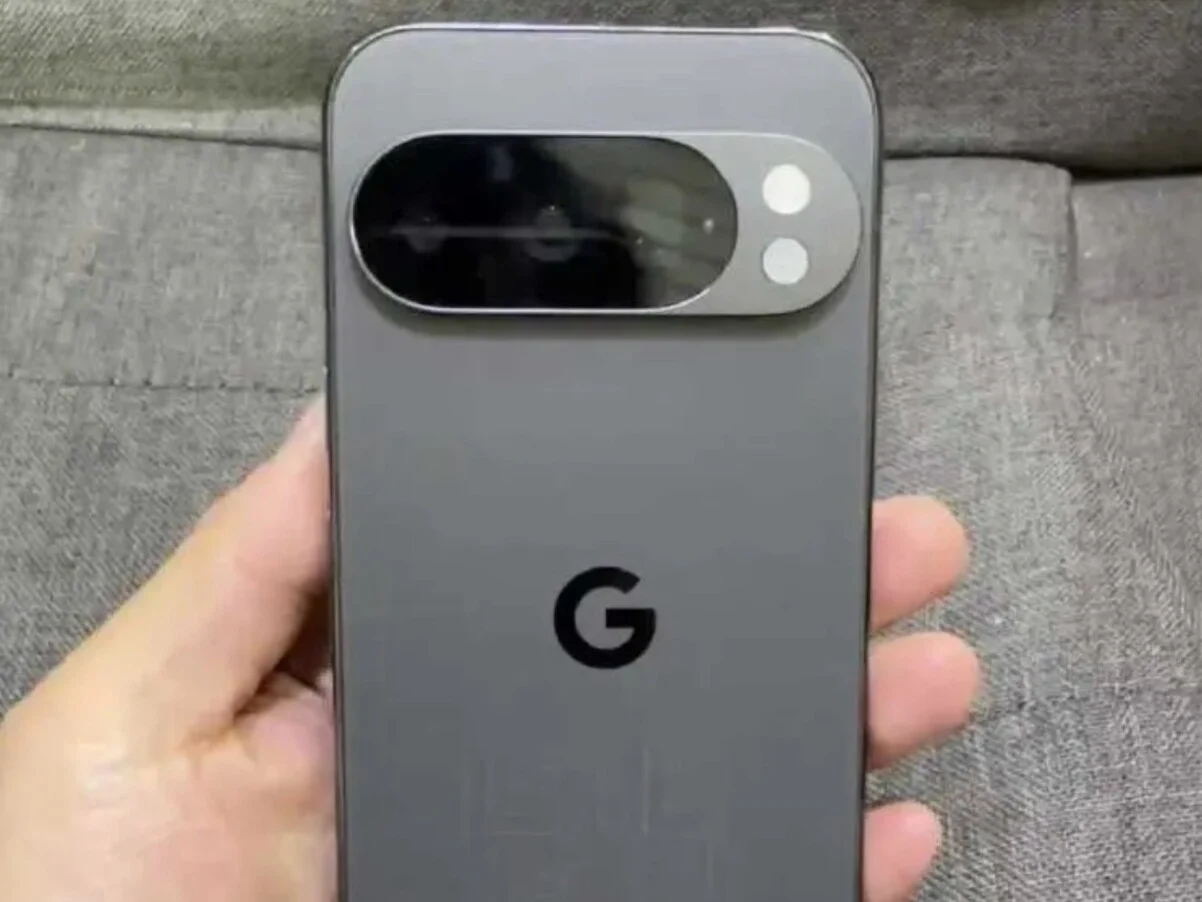
    Details about the Pixel 10 series are heating up. Just yesterday, a number of sources reported they had received news regarding Google’s upcoming Pixel launch event. Contrary to recent hints about an early summer reveal, both sources stated that the Pixel 10, Pixel 10 Pro, Pixel 10 Pro XL, and Pixel 10 Pro Fold would be available by August 20 following a launch event scheduled for August 13.

    Shift in Dates

    While Arsène Lupin maintains that the original date is accurate, Android Headlines has altered its stance. According to them, they have now been informed that Google has delayed its next Pixel event to a week later than what was initially suggested. This delay is also expected to affect the release dates for the four smartphones, which are now projected to hit shelves on August 28.

    Pre-Order Plans

    It seems that Google aims to start pre-orders on August 20, likely coinciding with the conclusion of its launch event. As of now, Google has not made any official statements regarding the rumors surrounding its next Pixel launch event. In the meantime, preliminary information about a possible successor to the Pixel 9 Pro (currently priced at $999 on Amazon) has surfaced, and we have covered those details in a separate article.

    Source:
    Link

  • Google Plans Appeal in Antitrust Case Ruling

    Google Plans Appeal in Antitrust Case Ruling

    Key Takeaways

    1. Google plans to contest a recent court ruling in the antitrust case initiated by the US DOJ, believing it was incorrect.
    2. The company argues that the proposed remedies would harm consumers and businesses, exceeding the court’s initial decision.
    3. Google claims the DOJ overlooked important privacy issues and criticized its suggestion for a government-appointed “Technical Committee” on data disclosure.
    4. Google warns that the DOJ’s actions could set a dangerous precedent for government control over user data in the tech sector.
    5. The DOJ’s proposals are seen as favoring well-funded competitors like Bing, but Google argues they do not benefit consumers and emphasize its monopoly status.


    Posting on X from its @NewsFromGoogle account, the tech giant announced it intends to contest the recent court decision in the ongoing antitrust case brought by the US Department of Justice (DOJ).

    Google’s Stance

    Google expressed that it will “wait for the Court’s opinion” but firmly believes that the initial ruling was incorrect. The company argued that the suggested remedies “go miles beyond the Court’s decision & would harm consumers, businesses and America’s tech leadership.”

    Ongoing Investigations

    Since 2020, the search giant has faced scrutiny regarding its search engine practices. Google claimed that the DOJ “waved off very real privacy issues,” rejecting the DOJ’s suggestion “to give [rivals] more data.” Additionally, the company criticized the DOJ’s idea of forming a “Technical Committee” of experts appointed by the government to determine how much data Google should disclose.

    Concerns About Precedent

    Google warned that this creates a troubling precedent, allowing the government to decide “who gets Google users’ data.” The DOJ sought to convince the Court to “remake the tech sector.” However, Google countered that “the AI space is highly competitive today: Countless rivals in the AI space are growing fast & gaining users & distribution without government intervention.”

    Impact on Competition

    The company stated that the DOJ’s proposals “would help various well-funded competitors (w/ repeated references to Bing), but none of them do much to help consumers.” Last August, a federal judge determined that Google was indeed a monopoly, using its power to maintain that status.

    Source:
    Link

  • Google Pixel 10 Release and Pre-Order Dates Leaked Early

    Google Pixel 10 Release and Pre-Order Dates Leaked Early

    Key Takeaways

    1. Google may move up its yearly Pixel launch event, possibly to August 13, 2025.
    2. Pre-orders for the new Pixel models are expected to start on the same day as the launch, with shipping on August 20, 2025.
    3. The upcoming Pixel event may feature direct successors to last year’s devices.
    4. A model from the Pixel 10 series has been seen in a commercial, but details are limited.
    5. The base model of the Pixel 10 is expected to include a telephoto camera.


    In the recent days, there has been a growing number of hints suggesting that Google might be moving up its yearly Pixel launch event, similar to what it did last year for the Pixel 9 and Pixel 9 Pro (curr. $619 – refurbished on Amazon) along with other gadgets. To summarize, Google presented its four flagship devices just ten months after revealing the Pixel 8 series. This timing allowed Google to outpace Apple, which continued to roll out new premium iPhones in September.

    Possible Launch Dates

    A few days ago, a teaser for Pixel Superfans sparked rumors that Google is gearing up for a launch event in late June or early July 2025. However, according to the secretive leaker Arsène Lupin, this information might not be correct. Instead, this year’s Pixel event is likely to take place on August 13, aligning with the first anniversary of the Pixel 9 series.

    Pre-orders and Shipping

    In addition, Android Headlines reports that pre-orders for all models should kick off on the same day, with shipping starting on August 20, which is 48 hours earlier than last year’s models. Recent leaks suggest that Google plans to introduce direct successors to last year’s devices.

    Pixel 10 Developments

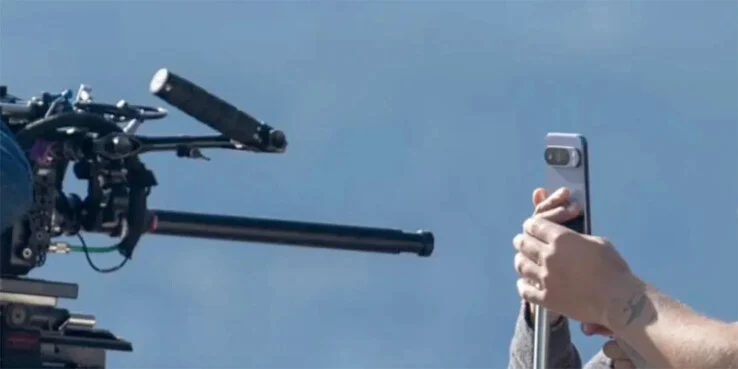
    In line with this, at least one model from the Pixel 10 series has been spotted during the filming of an upcoming commercial. Strangely, not many concrete details about the Pixel 10 series have been released so far. What has come to light indicates that even the base model of Pixel will feature a telephoto camera this year.

    Source:
    Link


  • Google Pixel 10 Pro Seen in Public During Commercial Shoot

    Google Pixel 10 Pro Seen in Public During Commercial Shoot

    Key Takeaways

    1. The Pixel 10 is generating excitement due to multiple leaks about its specifications, pricing, and design.
    2. A user spotted the Pixel 10 during a commercial shoot in Vancouver, confirming its upcoming release.
    3. The design maintains the camera bar style from the Pixel 9, with potential variants including the Pro and Ultra models.
    4. The Pixel 10 may feature an 11MP telephoto sensor, but some camera upgrades include downgrades in sensor quality.
    5. Google is expected to use the new Tensor G5 chip for improved software and image processing, rather than new camera sensors.


    The Pixel 10 is generating buzz with a flurry of leaks typical of Google’s style. Information about its specifications, pricing, and even renders are widely circulating. Recently, it was spotted in an unusual context—during a commercial shoot.

    A Surprising Encounter

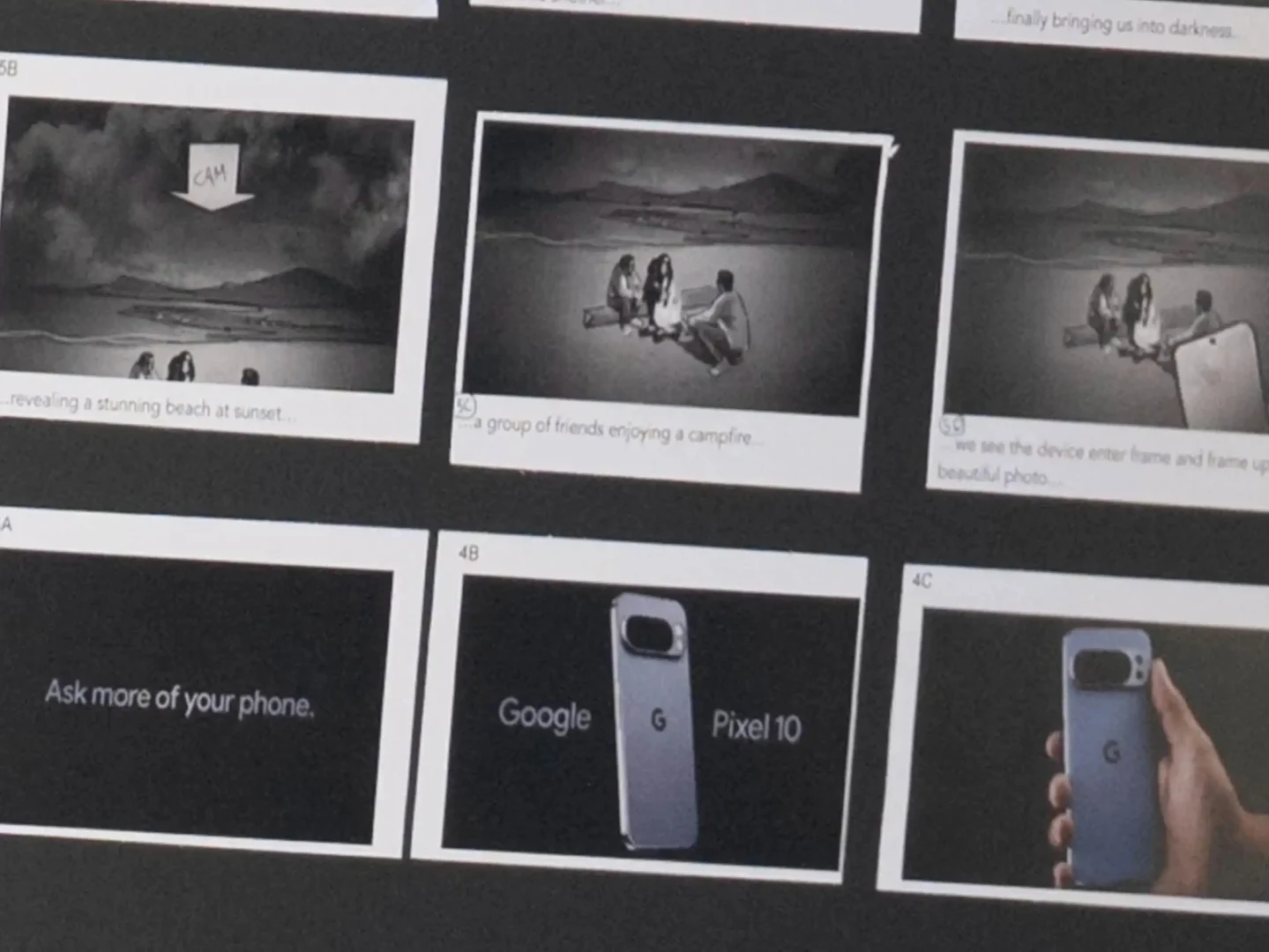
    While strolling in Vancouver, a user on X came across a full-scale shoot for the Pixel 10. It might sound unbelievable, but the user shared images showing a Pixel phone prominently displayed. The storyboard left no doubt, as it was clearly labeled with Pixel 10.

    The Commercial Shoot Details

    “JUST OUT FOR A WALK… STUMBLED ONTO A FULL-ON COMMERCIAL SHOOT FOR THE GOOGLE PIXEL 10 THEY HAD A MACRO PROBE LENS, A PANAVISION RIG, AND 20+ CREW MEMBERS… TO FILM SOMEONE HOLDING A PHONE IF THE PIXEL CAMERA’S SO GOOD, WHY NOT JUST USE IT? #BTS #VANCOUVER PIC.TWITTER.COM/MUDLUZFK75” — Mark Teasdale ★ (@MarksGonePublic) May 23, 2025

    Design and Specifications

    From the images, it appears that the Pixel 10 retains the camera bar design seen in the Pixel 9, as hinted by earlier renders. Considering the visible features, this could be the Pixel 10 Pro or even the Ultra variant, especially with what seems like a camera visor equipped with a temperature sensor.

    The design isn’t the only aspect that seems similar. Rumors suggest that the Pixel 10 Pro and Ultra will likely have the same camera technology as last year’s versions. Instead of introducing new sensors, Google is anticipated to utilize the upcoming Tensor G5 chip along with its enhanced image signal processor for better software and algorithm improvements.

    Camera Upgrades and Downgrades

    The basic Pixel 10, on the other hand, might finally join the telephoto club. Reports indicate it will use an 11MP Samsung 3J1 sensor for optical zoom, the same sensor featured in the Pixel Fold and Pixel 9 Pro.

    Yet, not all camera updates are positive. There are indications that Google may replace the existing 1/1.31-inch GN1 sensor with a smaller 1/1.95-inch Samsung GN8 on the Pixel 10. The ultrawide camera is also reportedly getting a downgrade, shifting from a 1/2.55-inch Sony IMX858 to a more compact 1/3.1-inch Sony IMX712. This sensor is identical to those used in the Pixel 9a, which is somewhat disappointing for fans.


  • Android FRP Update Requires Second Reset to Prevent Theft

    Android FRP Update Requires Second Reset to Prevent Theft

    Key Takeaways

    1. Smartphones remain popular targets for theft, prompting Google to enhance Factory Reset Protection (FRP).
    2. Current FRP measures require the last used Google account or screen-lock information after a reset, but criminals have found ways to bypass these protections.
    3. Android 15 introduces stronger FRP features that prevent unauthorized account creation and app installations during the setup process.
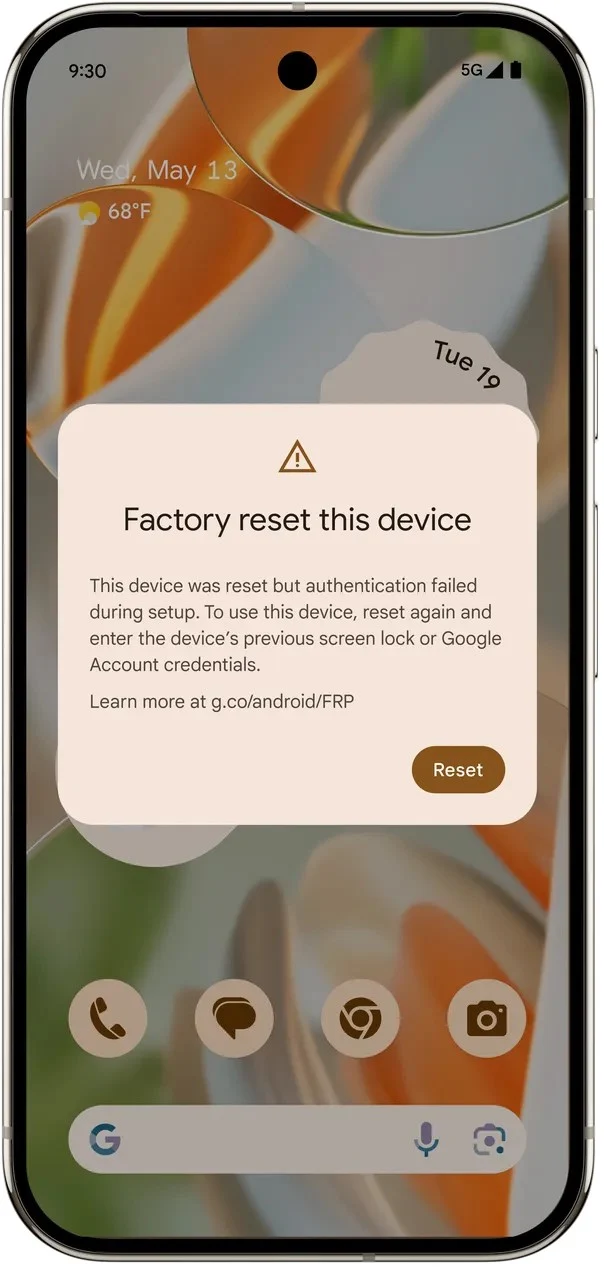
    4. The new FRP enhancement will require a second factory reset and original credentials if an unauthorized reset is detected.
    5. Stolen Android phones reset outside proper settings will soon be completely unusable, losing resale value for thieves.


    Smartphones are still major targets for thieves, and Google’s Factory Reset Protection (FRP) has been an attempt to make stolen phones useless. Recently, the company discussed a stronger version of FRP that will be introduced later this year.

    Existing FRP Measures

    Currently, FRP activates when a device is reset via recovery mode or through Google’s Find My Device service. During the setup process, the phone requires the last used Google account or screen-lock information; without this, the activation cannot proceed. The mechanism that enforces this requirement is kept in secure storage and remains intact after a reset, but criminals have discovered methods to bypass the setup wizard and regain some basic functions.

    Enhancements in Android 15

    Android 15 has already addressed multiple vulnerabilities by preventing new account creation, changes to screen locks, and app installations when the setup wizard is bypassed. The next enhancement goes even further: if Android notices an unauthorized reset or a bypass of the wizard, it will require a second factory reset and will not boot until the original credentials are provided. A message shown during The Android Show: I/O Edition makes it clear—if authentication fails, the device loops back to a reset screen, disabling all features, including making calls.

    Google has stated that this upgraded FRP will be available “later this year.” Since Android 16 is anticipated to launch in June and this feature is not included in the latest beta, it is likely that the upgrade will come in a later Quarterly Platform Release instead of on launch day.

    Impact on Stolen Devices

    If the timeline remains accurate, stolen Android phones that are reset outside the proper settings will soon be entirely unusable. Owners who manage to get their devices back can still unlock them using their previous passcode or Google account, but anyone else will find themselves with a locked device that holds no resale value.

    Source:
    Link


  • Google Tests New AI Mode Button, Replacing ‘I’m Feeling Lucky’

    Google Tests New AI Mode Button, Replacing ‘I’m Feeling Lucky’

    Key Takeaways

    1. The “I’m Feeling Lucky” button was introduced in 1998 to showcase Google’s search capabilities by directing users to the top-ranked page immediately.
    2. In 2012, Google changed the button’s functionality, offering playful phrases that led to various Google services instead of just search results.
    3. Google is planning to replace the “I’m Feeling Lucky” button with a new “AI Mode” button that connects users to a chat bot for assistance.
    4. The placement of the AI Mode button is being tested, with variations in location and design, such as an animated border.
    5. The new button is currently undergoing limited testing with select users in the US who have opted into Google’s experimental labs.


    Introduced in 1998, the “I’m Feeling Lucky” button on Google Search’s homepage was designed to highlight the search engine’s capabilities. This feature allowed users to go straight to the top-ranked page, skipping the typical results page.

    Change in Functionality

    In 2012, Google modified how the button worked. When users hovered over it, they would see phrases like “I’m Feeling Adventurous” or “I’m Feeling Puzzled,” leading them to various Google services. This change effectively turned the button into a promotional tool for the entire platform.

    New Developments with AI

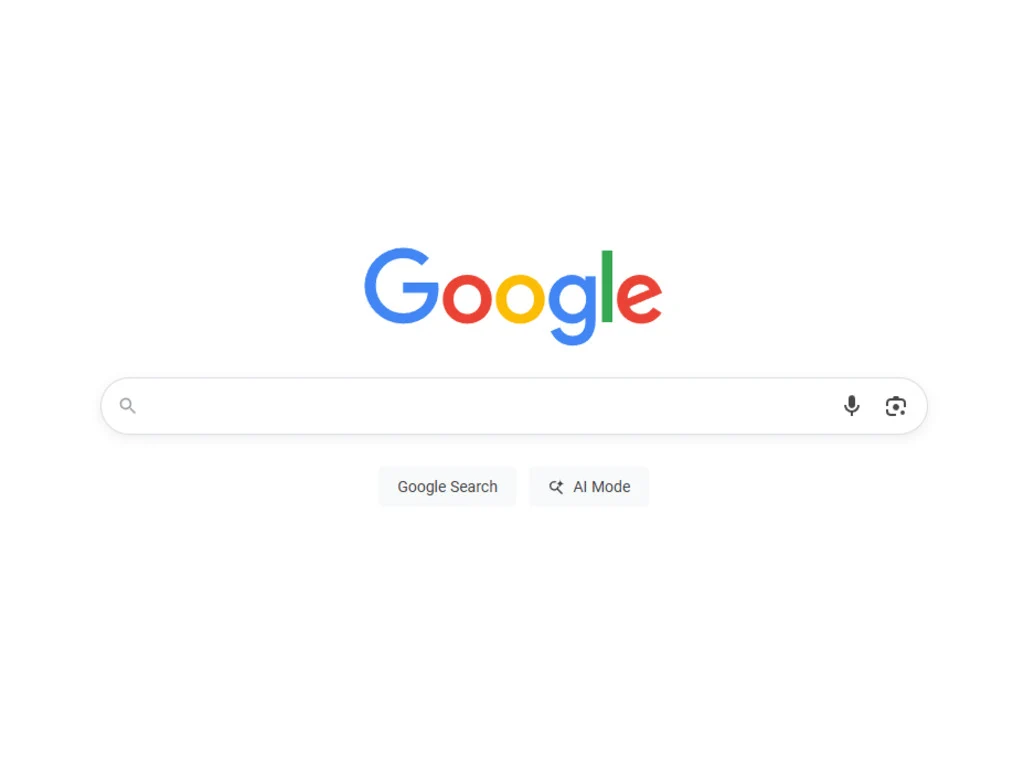
    Now, it seems Google is planning to completely replace the button with a trendy term that everyone is talking about these days – “AI Mode.”

    According to The Verge, users on platforms like X and Threads have been sharing images of the new button present on their homepage. When this new button is clicked, it launches a chat with a bot to assist you in finding what you need.

    Testing the Waters

    Google appears to be not just changing the button but also experimenting with its placement. Some users have noticed the AI Mode button positioned next to the voice and image icons in the search bar, while others have seen it take the place of the “I’m Feeling Lucky” button entirely.

    The company is also exploring different styles for the new button, with some participants reporting an animated border around AI Mode. A representative from Google, Ashley Thompson, verified to The Verge that this new button is currently undergoing limited tests with select users in the US, specifically those who have opted into the company’s experimental labs.

    Source:
    Link

  • Google Pixel 9a Teardown Reveals Design Issues: “Do Not Buy” Warning

    Google Pixel 9a Teardown Reveals Design Issues: “Do Not Buy” Warning

    Key Takeaways

    1. The Pixel 9a is a budget-friendly smartphone priced at $499.99, designed to attract users to the Pixel ecosystem.
    2. Despite using cheaper materials like a plastic back and Gorilla Glass 3, the Pixel 9a performed well in durability tests.
    3. The phone’s battery is glued to the frame, making replacement difficult and potentially hazardous.
    4. The outdated battery attachment method lacks modern pull tab adhesives, complicating disassembly.
    5. Google’s choice of battery design is surprising given their partnership with iFixit, which promotes easier repairability.


    Google’s Pixel 9a smartphone offers a budget-friendly way to enter the Pixel ecosystem, with Google making some cuts on materials and internal components to reduce the price to $499.99. Even with a plastic back, a Gorilla Glass 3 display, and a simpler design, the Pixel 9a has shown great performance during JerryRigEverything’s tough durability tests recently shared on YouTube.

    Disassembly Findings

    After putting the midrange phone through its paces for durability, Zach Nelson, the creator of the channel, proceeded to take the phone apart. During the disassembly, he found out that Google is using an outdated method to attach the battery to the phone’s case. Unlike many modern devices, including Apple iPhones, the Pixel 9a lacks adhesive strips with pull tabs that make battery removal easier. Instead, the battery in the Pixel 9a is glued to the frame, and while there are pull tabs present, they couldn’t get past the strong adhesive during Nelson’s video.

    Difficult Battery Replacements

    As a result of this battery adhesion system, replacing the battery of the Pixel 9a becomes quite challenging and potentially hazardous. The battery is stuck firmly to the case, and the glue does not budge even with an isopropyl alcohol solution, leading Nelson to forcibly detach the battery. This task might have been safer with tools like a guitar string or piano wire, but the best solution would have been for the manufacturer to design the battery for easier removal.

    What’s particularly interesting is that Google opted for this less-than-ideal battery removal method, even though they have a partnership with iFixit, which advocates strongly for the right to repair movement.

    Source:
    Link

  • Apple Exec Warns: iPhone May Become Obsolete Due to AI

    Apple Exec Warns: iPhone May Become Obsolete Due to AI

    Key Takeaways

    1. Eddy Cue’s remark about a drop in search volume on Safari indicates a potential shift in how iPhone users will engage with web search.
    2. Apple plans to integrate generative AI search tools into Safari, moving away from traditional Google search interfaces.
    3. Google’s dominance in search is being challenged by AI platforms like ChatGPT, impacting its market value.
    4. The iPhone’s role as a primary access point for search is changing, potentially affecting Google’s advertising revenue.
    5. The rise of AI may disrupt Google’s search monopoly more effectively than legal actions from regulators.


    At a pivotal moment in an important antitrust trial in Washington, D.C., Eddy Cue, Apple’s Senior Vice President of Services, shared a remark that could signal a significant change in the iPhone’s usual function in web search. “For the first time in 22 years, we’ve seen search volume drop on Safari,” he declared. Cue’s testimony aimed to support Apple’s multi-billion-dollar agreement with Google, but it also suggested a larger transition that might alter how users engage with the iPhone. The main catalyst behind this change is artificial intelligence.

    AI Integration in Safari

    Reports indicate that Apple is looking to incorporate generative AI search tools such as OpenAI and Perplexity into Safari. This move could fundamentally transform how iPhone users search for information, shifting from the conventional Google search box to interfaces powered by AI. This trend has already begun influencing the market, as shares of Google’s parent company Alphabet fell by more than 7% this week, wiping out about $150 billion in market capitalization.

    Changes in Revenue Dynamics

    Cue remarked in court, “It just seems crazy to me,” in reference to potential revenue losses linked to Google’s antitrust challenges, acknowledging that the true disruption may arise more from AI than from legal decisions. His statements mirror a rising sentiment within the industry. Google’s long-held supremacy in search is now being challenged by generative AI platforms. With ChatGPT reportedly managing over 1 billion search queries each week and Apple working on redesigning Safari with AI capabilities, the iPhone’s role as a gateway to Google’s ecosystem might be fading.

    The Redefinition of the iPhone

    “The iPhone’s role as the portal to search is being redefined,” stated Yory Wurmser, an analyst at eMarketer. “When your default gateway no longer leads to Google but to AI, the device becomes less of a command centre and more of a conduit.” This strategic shift by Apple could have extensive implications for the smartphone and advertising sectors. Analysts caution that changing Google’s default search position on iOS could destabilize Google’s advertising revenue and redirect billions in global advertising expenditure. As U.S. regulators deliberate on actions regarding default search engine agreements, Apple seems to be gearing up its platform for a future dominated by AI.

    At this moment, the iPhone continues to hold a dominant position. However, as Cue pointed out, the emergence of AI may achieve what courts cannot — diminish Google’s search monopoly and, in doing so, reshape the iPhone itself.

    Source:
    Link

  • Google Secures First Offshore Wind Deal for Data Center Power

    Google Secures First Offshore Wind Deal for Data Center Power

    Key Takeaways

    1. Google signed its first offshore wind Power Purchase Agreement (PPA) in Taiwan, marking a first for the Asia Pacific region.
    2. The energy will be sourced from the Fengmiao I offshore wind project, developed by Copenhagen Infrastructure Partners (CIP), set to start operations in 2027.
    3. The wind farm will have an installed capacity of 495 Megawatts (MW) and is connected to the grid following a recent auction.
    4. Google aims to enhance its renewable energy portfolio in Taiwan, which already includes solar and geothermal energy, to meet rising energy demand and achieve 24/7 carbon-free energy.
    5. The company also plans to generate 1 gigawatt of solar energy in Taiwan in partnership with BlackRock’s Climate Infrastructure business, targeting net-zero emissions by 2030.


    Google has revealed it has inked its first offshore wind Power Purchase Agreement (PPA) in Taiwan. This is also the first agreement of its kind in the Asia Pacific region, adding to the renewable energy options available in the country.

    Energy Acquisition

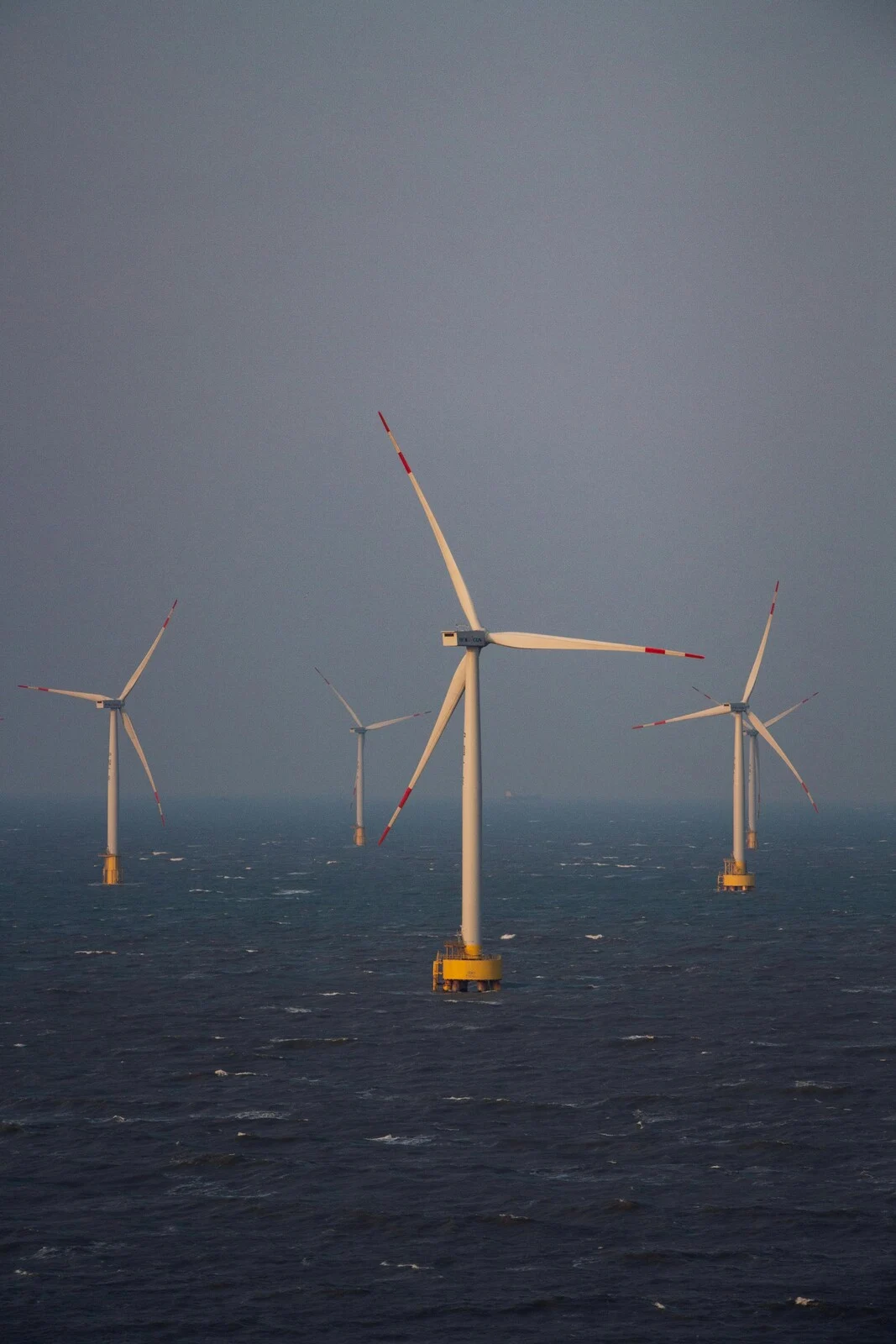
    The tech giant will source energy from the Fengmiao I offshore wind project, which is being developed by Copenhagen Infrastructure Partners (CIP). The project is slated to commence operations in 2027.

    “This significant step enhances our current energy technology portfolio in Taiwan, which includes solar and geothermal energy sources, ensuring we can meet the increasing energy demand and move closer to achieving 24/7 carbon-free energy (CFE) in every grid we serve,” the company stated.

    Project Specifications

    The wind farm will boast a total installed capacity of 495 Megawatts (MW) and has already secured a connection to the grid. This was confirmed following Taiwan’s Round 3.1 auction, which allotted 500 MW of grid capacity to the project.

    CIP indicated that this offshore wind project has entered into PPAs with six major local and international corporate offtakers, who will utilize the entire production capacity. However, Google has not revealed the specific capacity it will acquire under this agreement.

    Future Plans

    Google operates a datacenter in Changhua County, Taipei, Taiwan. Additionally, the company has formed agreements with BlackRock’s Climate Infrastructure business to generate 1 gigawatt of solar energy in the nation, aiming to achieve net-zero emissions by 2030.

    Source:
    Link

  • Pixel 7a Battery Swelling? Get a Free Replacement from Google

    Pixel 7a Battery Swelling? Get a Free Replacement from Google

    Key Takeaways

    1. Google’s Pixel 7a has a battery swelling issue, leading to an Extended Repair Program for affected users.
    2. Users can receive a one-time free battery replacement or compensation up to $456, depending on their location and device condition.
    3. The battery swelling can cause bulging back panels, loose covers, and quick battery drain, similar to issues seen in previous Pixel A series models.
    4. Eligibility for free replacement is available in select countries, with certain physical damages disqualifying devices from the program.
    5. Users can check their eligibility by entering their Pixel 7a’s IMEI on Google’s registration site, and the program does not extend the original warranty.


    Google’s Pixel 7a, which came out in 2023, is dealing with a battery swelling issue. Because of this, the company has started an Extended Repair Program. Users who are affected can either receive a one-time free battery replacement or possibly get up to $456 in compensation, depending on where they live and the condition of their device. This situation adds to a series of battery problems that have plagued Google’s Pixel A series, raising concerns about its safety and dependability.

    Acknowledgment of Battery Issues

    The Pixel 7a, popular in the mid-range market, is now under the spotlight as Google admits that some of its devices have “unexpected battery swelling.” This problem can lead to bulging back panels, loose covers, or quick battery drain. The issue was shared in a support article, and it is reminiscent of previous troubles with the Pixel A series—such as the Pixel 4a, which saw its battery life cut in half after an update, and the Pixel 9a, which experienced confirmed battery degradation after 200 cycles, according to Android Police.

    Eligibility for Replacement

    Users in the US, India, Canada, UK, Germany, Japan, and Singapore can get a free battery replacement at designated walk-in repair locations, with mail-in options also available in the US and India, depending on stock. However, devices that have liquid damage, cracked screens, or other forms of physical damage may not be eligible, as per Google’s guidelines. For individuals outside these regions, like in Australia or EEA countries, there are “appeasement options” available: a $200 cash payment, a $300 discount for the Google Store, or up to $456 for in-warranty devices, which will be converted to the local currency.

    How to Check Eligibility

    To find out if they qualify, owners must input their Pixel 7a’s IMEI on Google’s registration site, followed by a physical check. This program, which was quietly announced on April 23, 2025, does not extend the original warranty, and only individual end-users are eligible. Discussions on Reddit and posts on X show user frustration but also some relief regarding Google’s actions. With the Pixel 9a priced at $499 on Amazon and closing the gap with flagship models, Google’s battery problems reveal a vulnerability in its otherwise impressive product range. If your Pixel 7a is showing signs of bulging, act quickly—this offer seems to be limited by stock.