Tag: google

  • Gemini Deep Research Now Available for Free Users with New AI Models

    Gemini Deep Research Now Available for Free Users with New AI Models

    Key Takeaways

    1. Google has launched experimental versions of its Gemini, including 2.0 Flash, 2.0 Pro, and Personalisation, available on Android, iOS, and the web.
    2. Gemini 2.0 Flash offers faster performance and better efficiency compared to the older version, while details on 2.0 Pro enhancements are not specified.
    3. The Personalisation model uses users’ Google Search history for more customized and accurate responses, improving user experience.
    4. The Deep Research feature, previously limited to Gemini Advanced users, is now free for all users, providing in-depth, easy-to-understand reports on complex subjects.
    5. These updates empower users with free access to advanced AI tools for both personal and work-related tasks, with ongoing enhancements expected in the Gemini AI ecosystem.


    Google has started to launch new experimental versions of its Gemini, which includes 2.0 Flash (experimental), 2.0 Pro (experimental), and Personalisation (experimental). This is accessible on Android, iOS, and the web as well. Additionally, the tech giant has made its Deep Research feature free for all users on these platforms.

    What’s New?

    The upgraded models offer improved functionality and efficiency. The Gemini 2.0 Flash (experimental) is said to provide faster performance and better efficiency than the older version, although Google hasn’t shared specific details about the enhancements in 2.0 Pro (experimental).

    The Personalisation (experimental) model takes advantage of users’ Google Search history to give more customized and accurate answers. This feature can significantly enhance the user experience since it will have more context regarding your preferences.

    Deep Research Feature Now Accessible

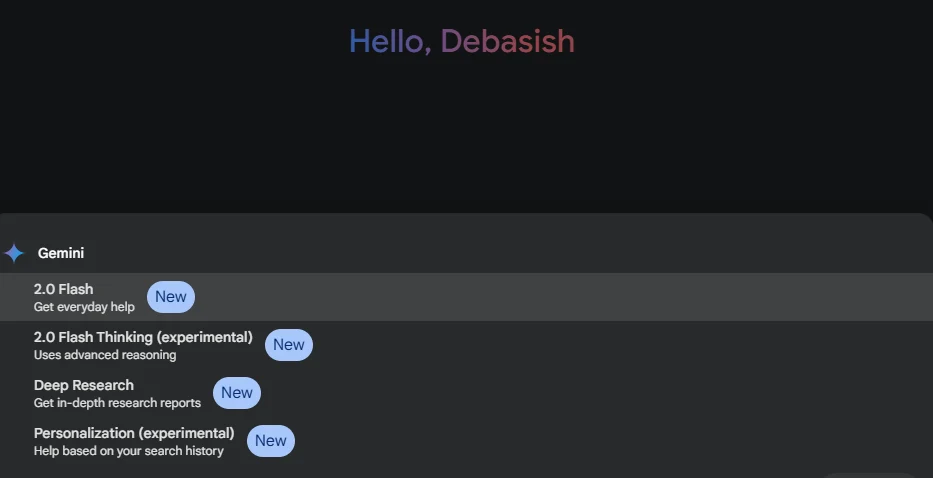
    Deep Research, which was previously limited to Gemini Advanced users, is now available to everyone due to this update. This tool uses AI to delve into complex subjects and produce thorough, easy-to-understand reports. It’s a fantastic resource for learning the essentials of a topic without spending hours looking for relevant information online. Now, all users can find this feature in the drop-down menu at the top of the Gemini interface.

    Reports have indicated that early access to these updates has been seen on devices like the Galaxy S23 in India and the Galaxy S25, with the latter enjoying the benefits of the Google One AI Premium plan provided by Google and Samsung. Users can now try out the new models and take advantage of the Deep Research capabilities without any extra charges.

    Empowering Users with Free Features

    By making these features available for free, Google is allowing users to utilize advanced AI for both personal and work-related tasks. Keep an eye out for more updates as Google continues to enhance and develop its Gemini AI ecosystem.

    Source:
    Link



  • Google Pixel 9a Leaks Ahead of Expected Launch

    Google Pixel 9a Leaks Ahead of Expected Launch

    Key Takeaways

    1. Google is expected to launch the Pixel 8a soon, with refurbished models currently priced at $299.99 on Amazon.
    2. There is increasing online information about the upcoming Pixel 9a, despite no official announcements from Google.
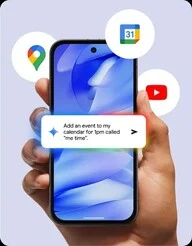
    3. Promotional images of the Pixel 9a, shared by Evan Blass, suggest features like Google’s Gemini digital assistant.
    4. YouTuber Alexis Garcia has posted a hands-on video and camera samples of the Pixel 9a, though quality may vary due to compression and pre-launch software.
    5. The Pixel 9a is projected to debut globally on March 17, with a starting price of $499.


    Google is anticipated to unveil the Pixel 8a (currently priced at $299.99 for refurbished models on Amazon) shortly, possibly within a week. While the company has not made any formal announcements regarding the launch of a new Pixel A series device, there’s an increasing amount of information surfacing online about the Pixel 9a and it’s features.

    Leaked Information

    Evan Blass has shared numerous promotional images related to the Pixel 9a, some of which we’ve attached below. Judging by their format and resolution, it appears that these images may have been sourced from a retail listing. Certain images display Google’s AI functions, such as its Gemini digital assistant. Additionally, one image positions the Pixel 9a within the larger Pixel 9 lineup.

    New Insights from YouTube

    YouTuber Alexis Garcia has released a hands-on video showcasing a retail version of the Pixel 9a at the start. The same YouTuber has also featured camera samples taken with the Pixel 9a throughout the video, which you can watch below. However, it’s important to keep in mind that YouTube’s compression and likely pre-launch software could affect the assessment of the photo and video quality presented. At this moment, Google is projected to debut the Pixel 9a globally on March 17, with a starting price of $499.

    Source:
    Link


  • Spigen Reveals Google Pixel 9a Details Before Official Launch

    Spigen Reveals Google Pixel 9a Details Before Official Launch

    Key Takeaways

    1. The Google Pixel 9a has been leaked ahead of its official launch, including details from accessory brand Spigen.
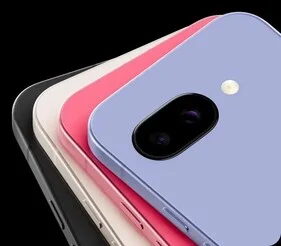
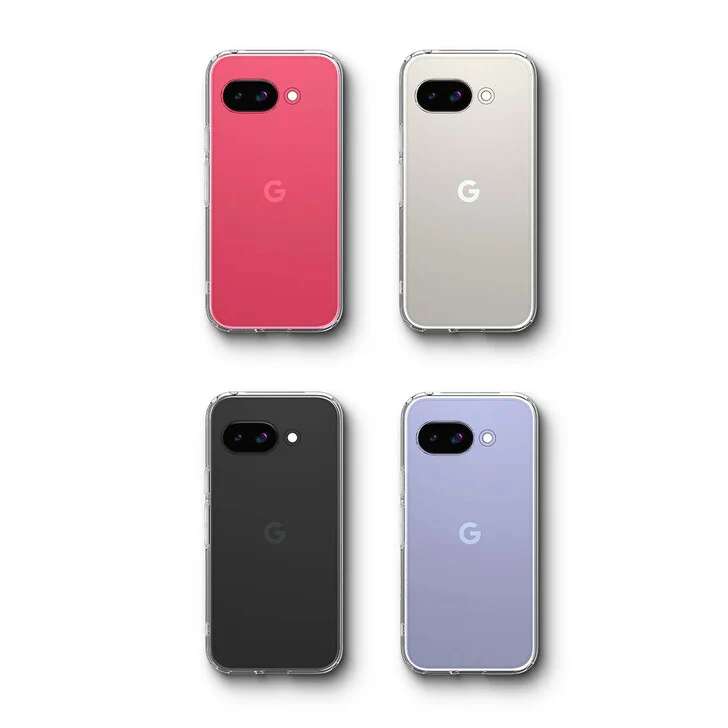
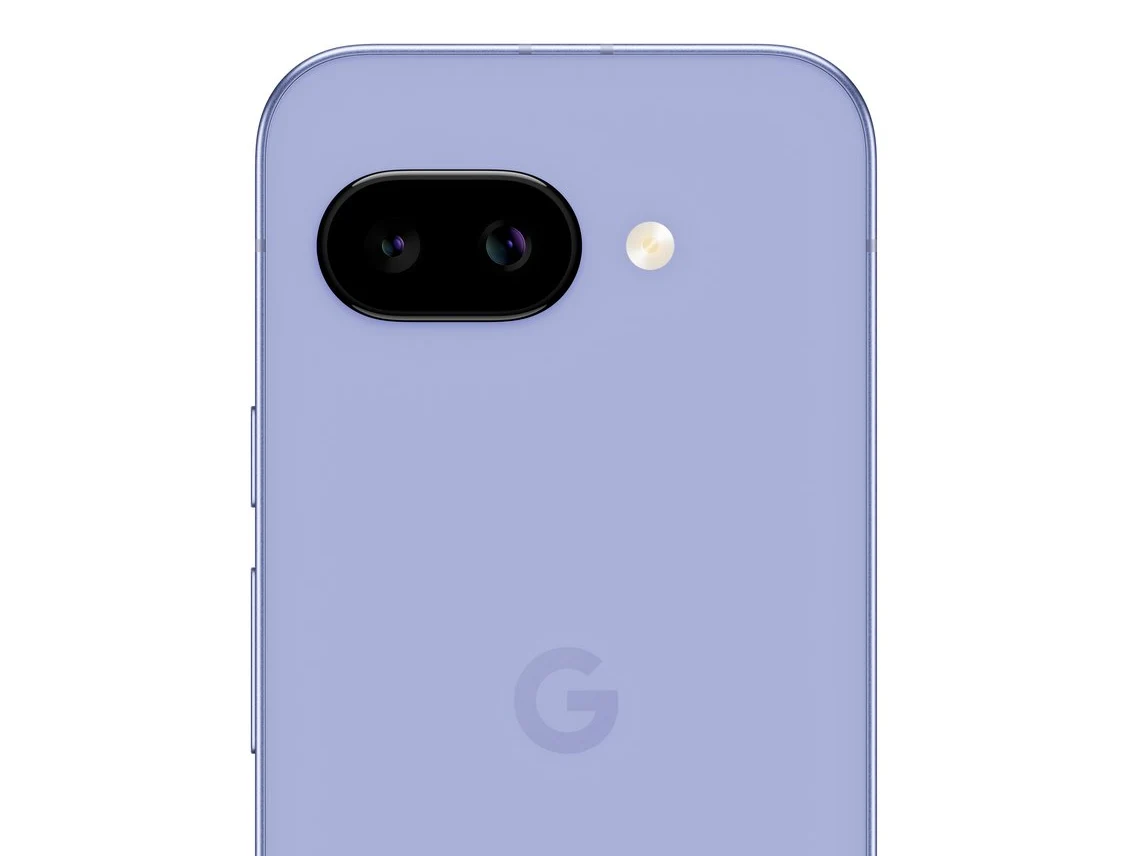
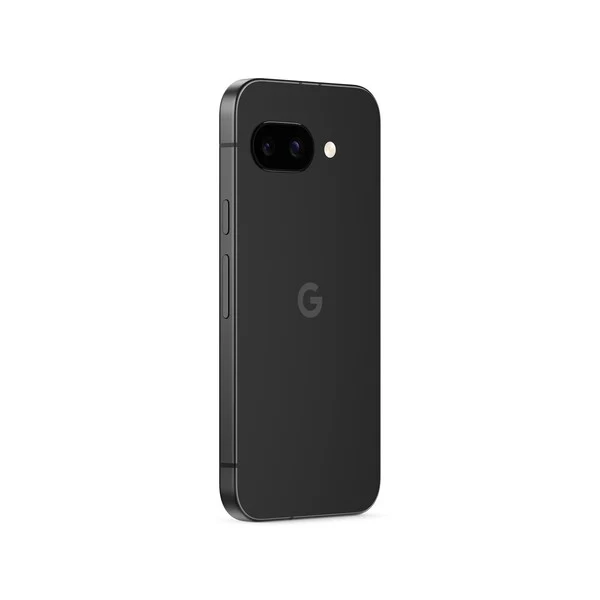
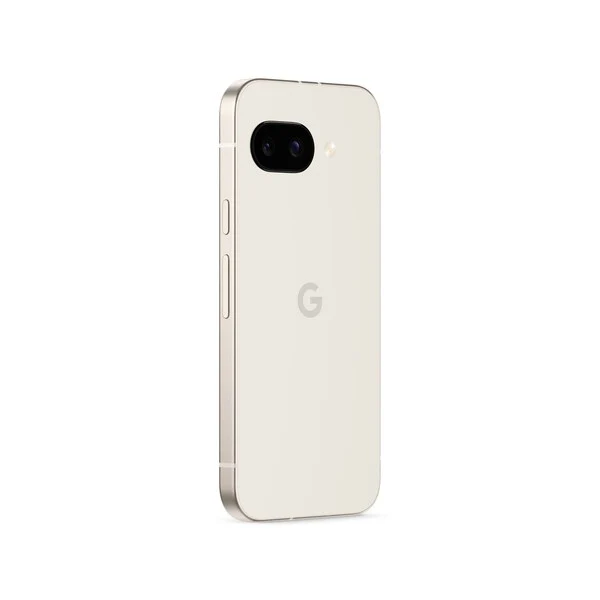
    2. The phone will be available in four color options: black, coral, off-white, and lilac.
    3. It features a relatively flat camera island design that helps prevent rocking on flat surfaces and protects the lens.
    4. The Pixel 9a is expected to have a 6.28-inch OLED display with FHD+ resolution and a centered punch-hole front camera.
    5. Specifications may include a Tensor G4 chip, 8 GB of RAM, up to 256 GB of storage, and a camera setup with a 48 MP main sensor and a 13 MP ultrawide sensor.


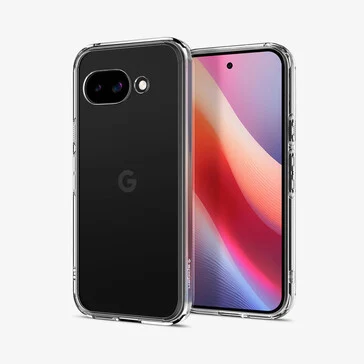
    Google’s smartphones have a way of getting out before their official launch, and the Pixel 9a is no exception. Before the company makes a formal announcement about its new budget-friendly phone, it has appeared in numerous leaks. Accessory brand Spigen has even revealed it fitted with their Ultra Hybrid clear case.

    Design Details

    As expected, Spigen’s renders align with the recent leaks concerning the Pixel 9a. The listing showcases all the color options for Google’s forthcoming affordable device in vibrant detail. If you haven’t been keeping up, the Spigen case listing along with recent sources indicates that the phone will be available in black, coral, off-white, and lilac shades.

    Camera and Features

    The listing from Spigen also reveals a relatively flat camera island on the back, which stands in contrast to the designs Google has been following with its recent devices. A flatter camera bump is actually beneficial, as this design reduces the likelihood of the phone rocking on flat surfaces and protects the lens from scratches, especially when a case is used.

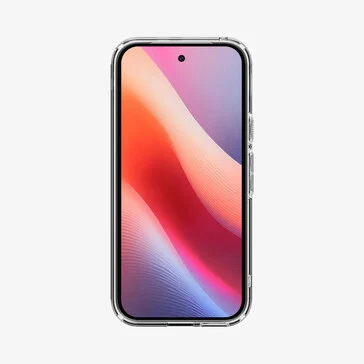
    The display of the Pixel 9a is also illustrated in the Spigen listing, revealing the chunky bezels that are characteristic of this upcoming device. Similar to past leaked renders, the front camera remains unchanged and is located in a centered punch-hole cutout.

    Specifications

    Regarding specifications, earlier reports indicate that the Google Pixel 9a will come with a 6.28-inch OLED display boasting an FHD+ resolution. Like its siblings in the lineup, it is expected to feature the Tensor G4 chip (the 128 GB Pixel 9 is currently priced at $649 on Amazon), coupled with 8 GB of RAM and storage options up to 256 GB.

    In terms of photography, the Pixel 9a is likely to include a 48 MP main sensor and a 13 MP ultrawide on the rear. Although there’s no official release date from Google yet, the anticipated launch period is rumored to be sometime in March.

    Source:
    Link


  • Google Pixel 4a Battery Fire Risk: Important Recall Update

    Google Pixel 4a Battery Fire Risk: Important Recall Update

    Key Takeaways

    1. Google has recalled the Pixel 4a due to significant battery issues caused by a recent software update.
    2. The January 2025 update aimed to improve battery stability but instead led to drastic battery drain for many users.
    3. Users reported batteries draining completely in just a few minutes, with a notable 56% reduction in battery capacity.
    4. The Australian Competition and Consumer Commission (ACCC) has warned about potential overheating and fire hazards related to the battery issues.
    5. Google is offering free battery replacements for affected Pixel 4a devices showing decreased battery performance.


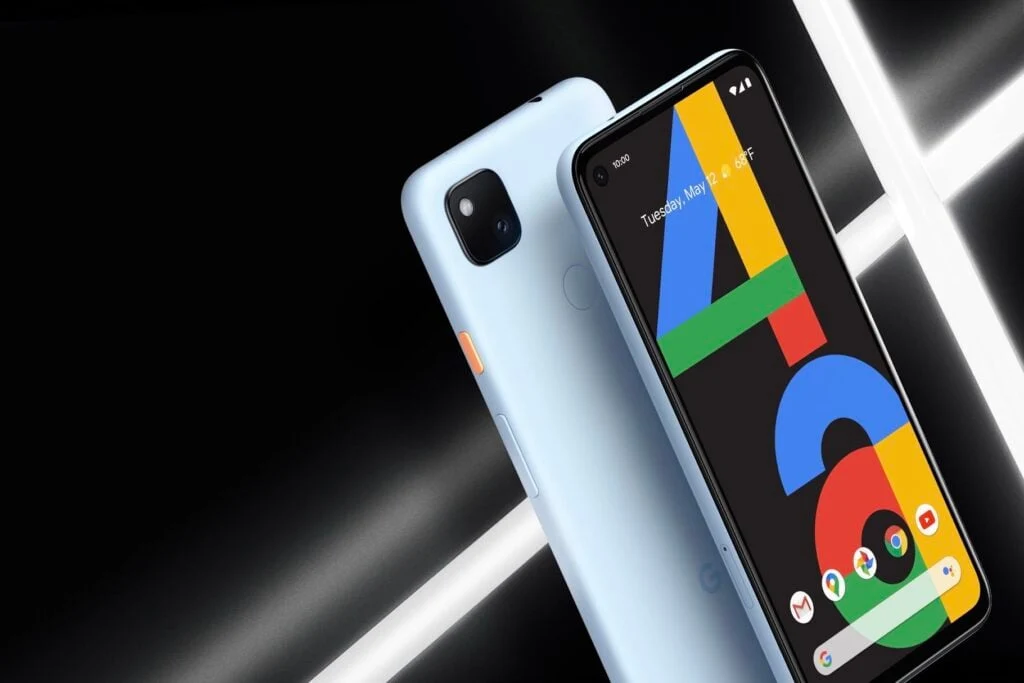
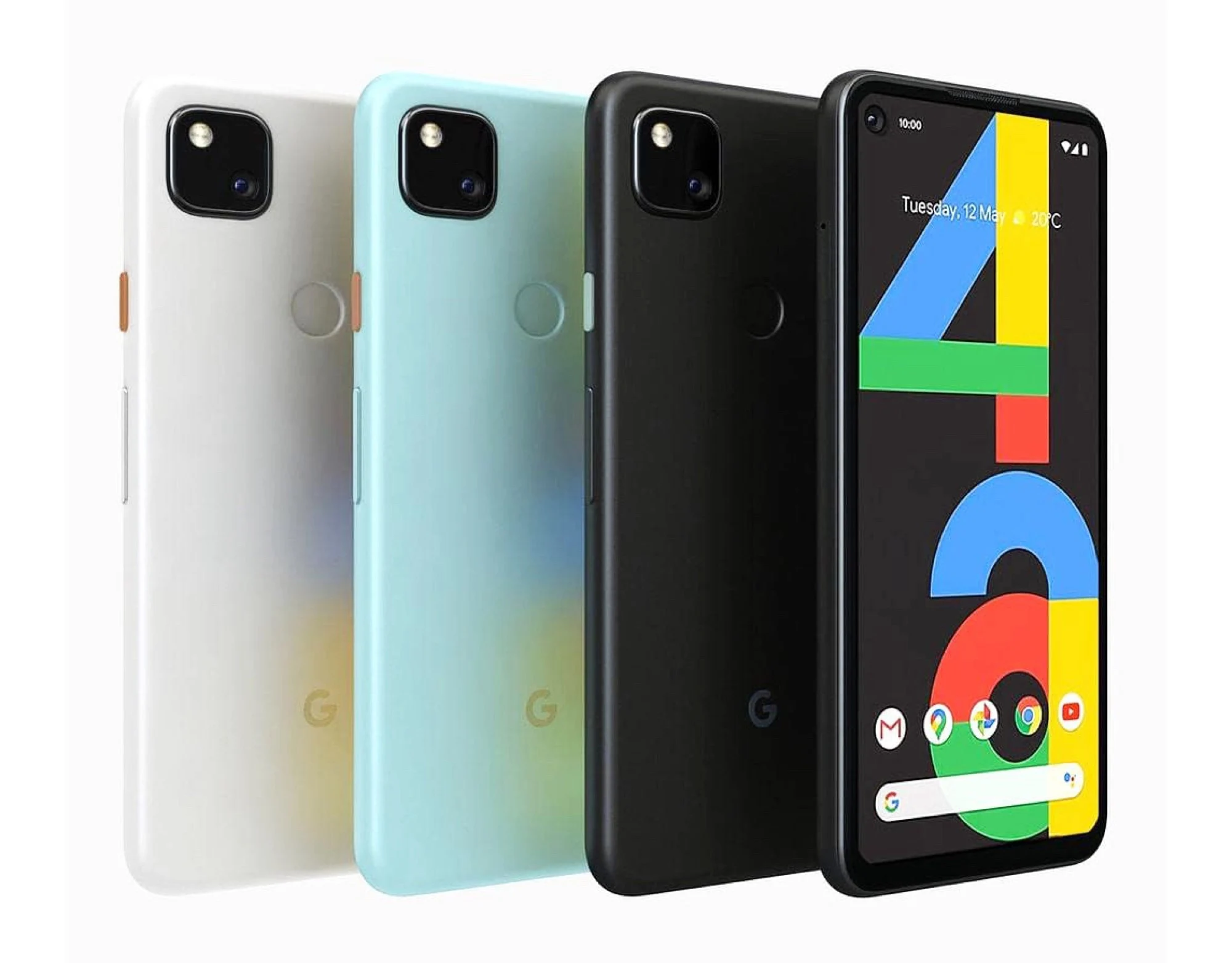
    Google has begun a recall for an older mid-range Pixel device. The Pixel 4a, which was launched back in 2020, is currently facing issues due to a recent software update. Here is what you should know and why it’s best to avoid updating your Pixel 4a.

    Pixel 4a Recall due to Battery Issues

    In January 2025, the tech giant rolled out the Pixel 4a Battery Performance Program update. This update was meant to introduce a new battery management feature aimed at improving the battery stability for this aging model. Unfortunately, it had the contrary effect, with numerous users reporting that their devices showed a decline in battery life.

    Users Report Drastic Battery Drain

    Several users experienced a complete drain of their batteries in just a few minutes. In response, Google posted a warning on its official support site, alerting users about the update. It mentioned that the update could cause shorter battery durations and decrease charging performance as well. Reports indicated that the maximum voltage fell from 4.45V to 3.95V, representing a significant 56 percent reduction in battery capacity.

    Advisory from the ACCC

    Additionally, the Australian Competition and Consumer Commission (ACCC) has published an advisory regarding this matter, urging users to be vigilant about overheating issues. The advisory pointed out that overheating batteries could potentially lead to fire hazards. In light of these issues, Google is providing a free battery replacement for certain Pixel 4a devices that have shown a notable decrease in battery performance.

  • Google Pixel 4a Battery Capacity Halved to Prevent Fires

    Google Pixel 4a Battery Capacity Halved to Prevent Fires

    Key Takeaways

    1. Google reduced the Pixel 4a’s battery voltage, cutting its capacity from 3,080 mAh to 1,539 mAh, resulting in a 50% decrease in battery life.
    2. The update only affected Pixel 4a units with Lishen batteries; those with Amperex (ATL) batteries were not impacted.
    3. The Australian Competition & Consumer Commission (ACCC) revealed the update was part of a product recall due to overheating risks with the Lishen batteries.
    4. The firmware update aims to reduce battery efficiency to lower the risk of overheating and potential fire hazards.
    5. Affected Pixel 4a owners are advised to install the update, and Google is offering compensation options, including a free battery replacement or $50 payment.


    Back in January, Google rolled out an “update from hell” for the Pixel 4a, which lowered the battery voltage from 4.44 V to 3.95 V. This change slashed the device’s capacity from 3,080 mAh to 1,539 mAh. Consequently, the battery life for this mid-range phone from 2020 decreased by a shocking 50%. It’s worth mentioning that this update was only applied to Pixel 4a units with a Lishen battery, leaving those with batteries made by Amperex (ATL) unaffected.

    Issue with the Batteries

    This move implied that Google had identified a problem with those particular batteries. The Australian Competition & Consumer Commission (ACCC) has now disclosed information about the update, which Google had to provide as part of a product recall. The data indicates that the Pixel 4a’s battery has a tendency to overheat, potentially creating a fire hazard. The firmware update aims to greatly diminish the battery’s efficiency and the chances of a battery fire occurring.

    Recommendations for Users

    In response, the Australian consumer protection agency is urging all Pixel 4a owners to install the update. Google is providing various compensation options for affected users, including a free battery replacement or a cash payment of $50. To find out if your Pixel 4a is impacted and eligible for compensation, you can visit Google’s website for more details.

    Source:
    Link


  • Google Pixel 9a Appears in FCC Database, Revealing Key Specs

    Google Pixel 9a Appears in FCC Database, Revealing Key Specs

    Key Takeaways

    1. The Pixel 9a has passed FCC filing, revealing new hardware details.
    2. It will support LTE, 5G, Wi-Fi 2.4, Wi-Fi 5, Wi-Fi 6E, NFC, and wireless charging.
    3. The Pixel 9a will include satellite connectivity, a feature previously exclusive to higher-end models.
    4. It may become the first mid-range smartphone with satellite calling capabilities.
    5. The official launch of the Pixel 9a is expected soon, with design leaks already emerging.


    The tech industry is abuzz with excitement over Google’s upcoming midrange smartphone, the Pixel 9a. As we get closer to its launch, this device has appeared in the FCC database, unveiling some intriguing hardware details.

    Hardware Insights

    The Pixel 9a has successfully gone through the filing process with the Federal Communication Commission (FCC). This means there are fresh details about the smartphone available in the FCC’s records. Although some hardware specifications remain undisclosed, the connectivity features of the Pixel 9a have been revealed in the Commission’s documentation.

    Connectivity Features

    Notably, the Pixel 9a (identified by model numbers GTF7P and G3Y12) is set to include LTE and 5G band support, along with Wi-Fi 2.4 and Wi-Fi 5 capabilities. Furthermore, the device will support Wi-Fi 6E, NFC, and will have wireless charging capabilities.

    Unique Satellite Connectivity

    What’s particularly intriguing is that the FCC filing indicates the Pixel 9a will inherit satellite connectivity from the higher-end Pixel 9 (currently priced at $599 on Amazon) and Pixel 9 Pro models. This could position the Pixel 9a as the first mid-range smartphone with satellite connectivity. At present, the only smartphones that offer satellite calling are the previously mentioned Pixel 9 devices, the Samsung Galaxy S25 series, and iPhones from the 14, 15, and 16 families.

    The official unveiling of the Pixel 9a is likely right around the corner. Recent renders provide a glimpse of the anticipated design, leaks are increasing, and Google has a history of launching its a-series smartphones in the middle of the year.

    Source:
    Link

  • Google Pixel 10 Series Launch: New Pixel Sense App & AI Assistant

    Google Pixel 10 Series Launch: New Pixel Sense App & AI Assistant

    Key Takeaways

    1. The new digital helper, initially called ‘Pixie,’ has been renamed to Pixel Sense.
    2. Pixel Sense is expected to be released as a standalone application with the Pixel 10 series.
    3. The app aims to enhance Google’s previous assistant features and will integrate with first-party apps like Chrome and Gmail.
    4. Pixel Sense will use user interaction data to improve personalization and suggest frequently used apps.
    5. Details about the app’s design, user experience, and compatibility with older Pixel models remain unclear.


    There have been whispers about a new type of digital helper coming to Pixel devices for quite some time now. To summarize, the first hints about ‘Pixie’ popped up in late December 2023. A few months later, it was suggested that Pixie would debut with the Pixel 9 and Pixel 9 Pro (currently priced at $1,099 on Amazon), but that never actually happened.

    New Developments on Pixie

    Android Authority has recently provided fresh insights on Pixie and its status. As per the site, Pixie is still being worked on, but it has now been renamed to Pixel Sense, which Google intends to release as a standalone application.

    Sources say that Google is aiming to launch the Pixel Sense app alongside the Pixel 10 series. This new digital assistant is expected to enhance Google’s previous assistant offerings across multiple features. Reports suggest that Pixel Sense will have access to nearly all first-party Google applications, such as Chrome, Gmail, Photos, and YouTube.

    Enhanced Personalization Features

    In essence, Google aims to leverage even more data to boost personalization. It is claimed that the Pixel Sense app will evaluate how users interact with their Pixel smartphones to suggest frequently used apps or services ahead of time. However, the design and user experience of the Pixel Sense app are still a mystery, along with whether it will be compatible with current and older Pixel models.

    Source:
    Link

  • Google Pixel 9a Leak: Colors and Official Case Designs Revealed

    Google Pixel 9a Leak: Colors and Official Case Designs Revealed

    Key Takeaways

    1. The Pixel 9a is expected to launch on March 19, following the Pixel 8a released less than a year ago.
    2. Promotional images show the Pixel 9a will have at least three color options, including a new purple shade, with a design similar to the Pixel 9 flagship models.
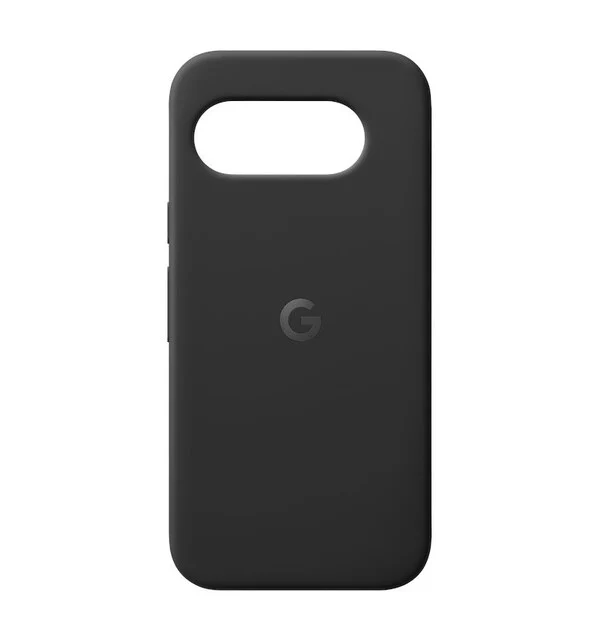
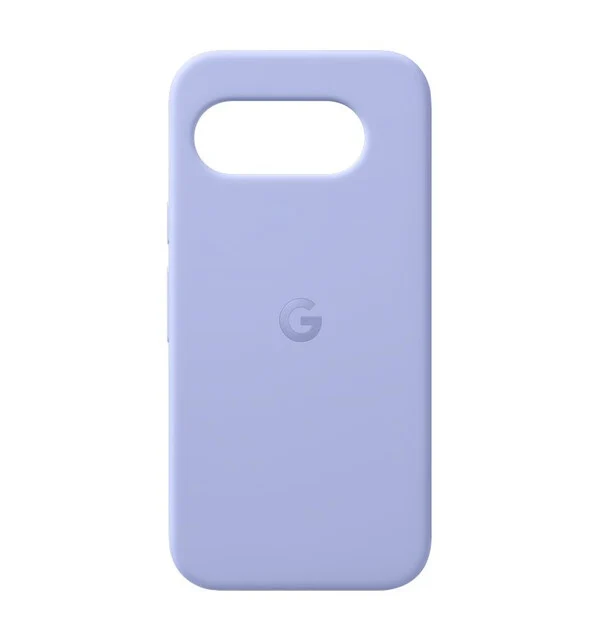
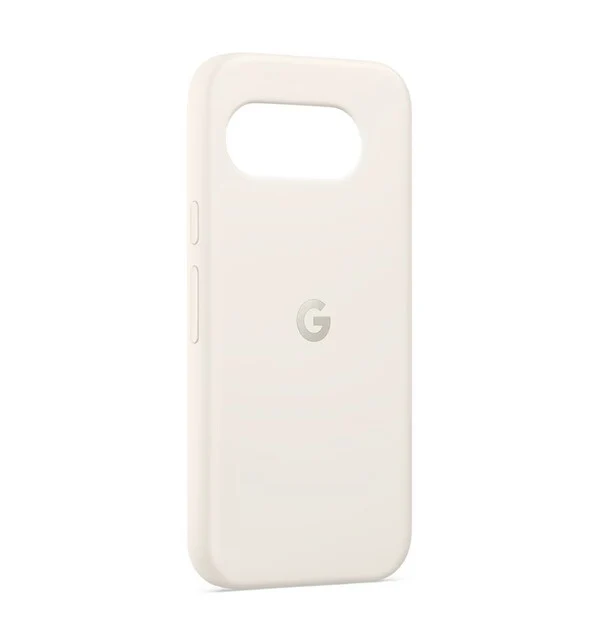
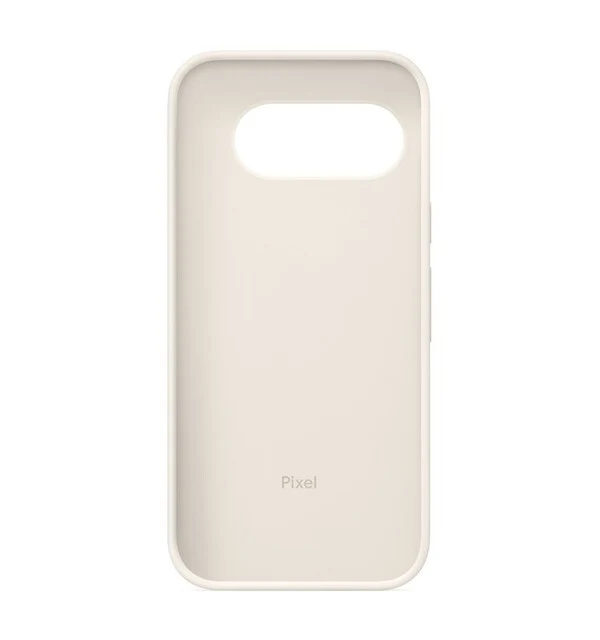
    3. Official cases for the Pixel 9a are designed to protect the camera housing and add minimal bulk to the device.
    4. The starting price for the Pixel 9a is projected to be $499 for the 128 GB storage variant.
    5. A 256 GB storage option is anticipated, costing an additional $100 compared to the 128 GB model.


    Google is anticipated to update the Pixel A lineup this month with the introduction of the Pixel 9a, which will follow the Pixel 8a (currently priced at $399 on Amazon), released less than a year ago. Recent leaks suggest that the official launch of the Pixel 9a will take place on March 19, roughly five months prior to the debut of the Pixel 10 series.

    Promotional Images Leak

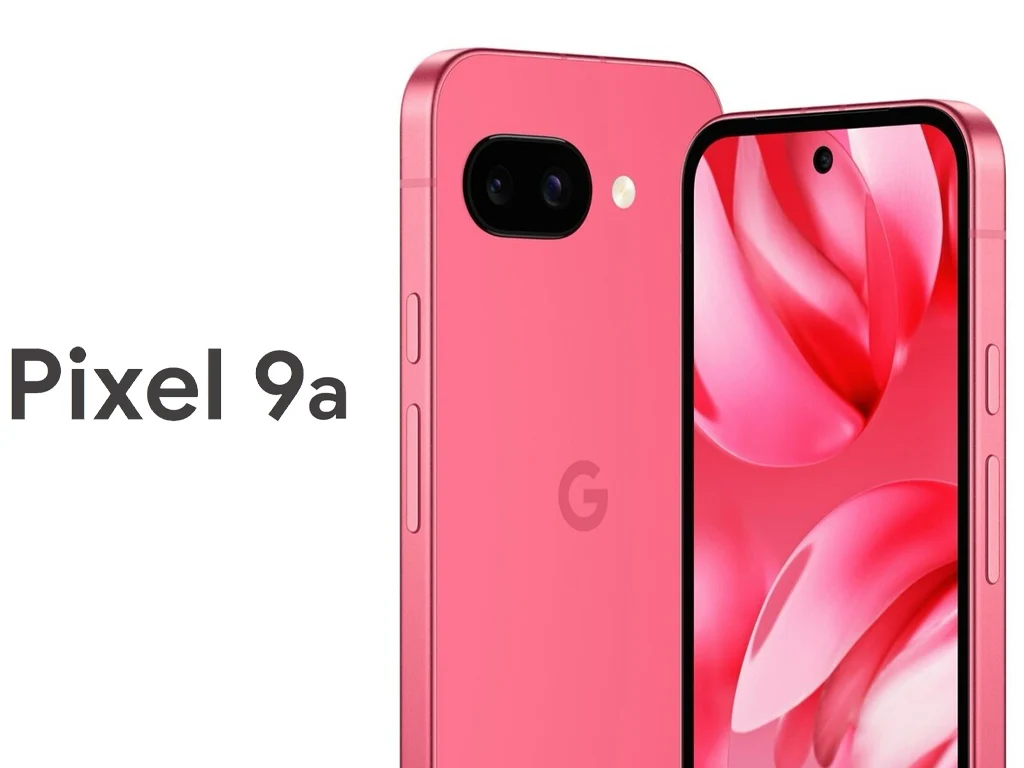
    In the meantime, leaker Arsène Lupin has shared promotional images showcasing the device from various angles. According to these leaks, there will be at least three color options available, including a fresh purple shade. The images also reveal that the three versions will sport matte back finishes paired with satin side rails, similar to the design of the current Pixel 9 flagship models.

    Official Cases and Pricing

    Moreover, Lupin has released images of official cases that seem to add minimal bulk to the Pixel 9a. However, these cases are designed to offer some protection to the camera housing, which slightly protrudes from the rear panel, unlike the recent Pixel A series devices. The Pixel 9a is projected to be priced at $499 for the 128 GB storage variant. A 256 GB option is also expected, but it will come at an additional cost of $100 more than the 128 GB model.

    Source:
    Link


  • Honor Unveils Magic 7 Pro at MWC 2025: A Seven-Year Update

    Honor Unveils Magic 7 Pro at MWC 2025: A Seven-Year Update

    Key Takeaways

    1. Extended Update Commitment: Honor will provide seven years of Android updates and security patches for its Magic series, starting with the Magic 7 Pro.

    2. Shift from Five to Seven Years: The Magic 7 Pro’s update promise has been increased from five years to seven years, extending support until 2032.

    3. Honor Alpha Plan: This initiative aims to redefine Honor’s image to a global AI-driven device ecosystem, focusing on meeting consumer needs.

    4. Sustainability Focus: The extended update policy is part of Honor’s effort to reduce e-waste by keeping devices functional for a longer time.

    5. Potential Industry Influence: Honor’s move may inspire other Android brands to adopt similar long-term update commitments.


    Samsung and Google have been the main players in the Android market, providing seven years of platform and security updates. Samsung started this trend with its Galaxy S24 series, and Google matched this with its Pixel 8 lineup. However, for a long time, no other brands have been able to match their level of commitment—until now.

    Honor’s New Commitment

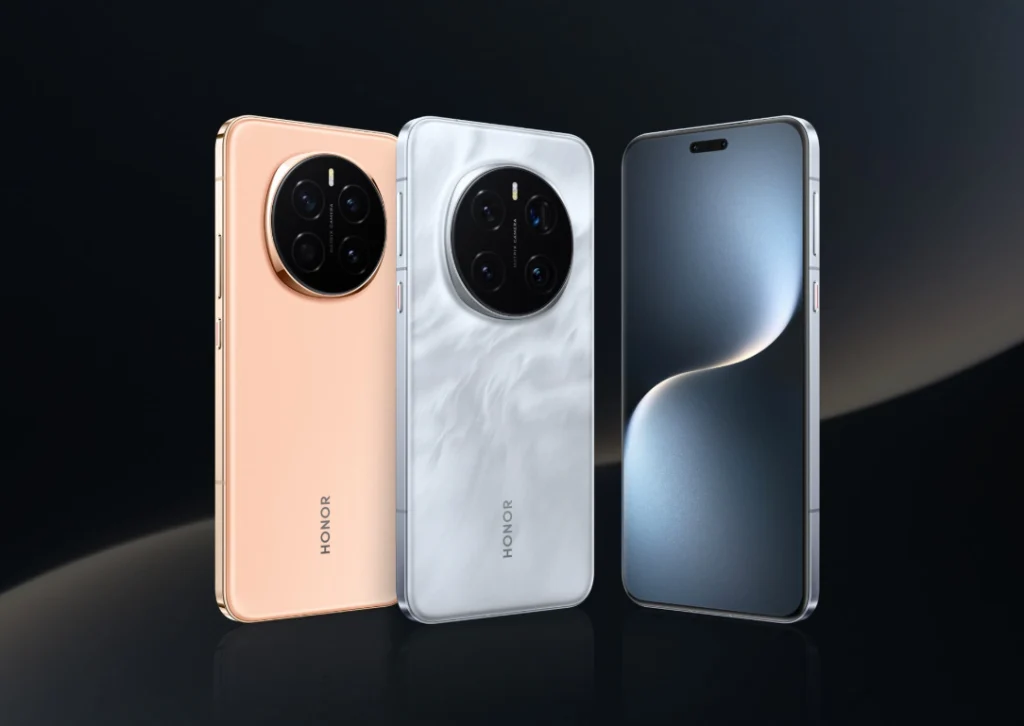
    At MWC 2025, Honor revealed its plan to offer seven years of Android updates and security patches for its Magic series, beginning with devices available in European markets. The Honor Magic 7 Pro (review) will be the first smartphone to receive this extended support. Initially, when it launched in Europe this January, it was promised five years of updates. But with the recent policy change, the device is now set to receive updates until 2032—or Android 22, if Google continues its annual update schedule.

    A Bold Move Towards Sustainability

    Honor explained that this extended support is part of its Honor Alpha Plan, which aims to change the company’s image from just a smartphone producer into a global AI-driven device ecosystem. Honor’s CEO, James Li, stated in a press release, “We aim to provide devices and services that meet consumer needs and go beyond their expectations.” This is the reason behind their decision to offer seven years of Android OS and security updates for the Honor Magic series.

    In addition to improving software longevity, Honor mentioned that this initiative is a step toward sustainability, aiming to minimize e-waste by keeping devices functional for a longer time. While the Magic 7 Pro is the first to benefit, Honor has confirmed that this new policy will extend to other flagship models and foldable phones. However, it’s important to note that the Magic Lite series won’t be part of this extended support program.

    Looking Ahead in the Android Space

    With Honor enhancing its software update policy, it will be interesting to observe if other Android brands will follow in its footsteps. For more daily updates, please check out our News Section. Stay ahead in tech! Join our Telegram community and subscribe to our daily newsletter featuring top stories!


  • Pixel Watch 3 Gains Loss of Pulse Detection Feature in the US

    Pixel Watch 3 Gains Loss of Pulse Detection Feature in the US

    Key Takeaways

    1. The Pixel Watch 3 will introduce the Loss of Pulse detection feature in the U.S. by the end of March 2024, following FDA approval.
    2. This feature can detect if the heart has stopped due to various medical emergencies and will alert emergency services if the user does not respond to a notification.
    3. Loss of Pulse detection enhances existing safety features on the Pixel Watch 3, including Car Crash Detection and Fall Detection, and is available on an opt-in basis.
    4. The technology uses sensors, signal-processing algorithms, and AI to assess pulse presence and determine if a loss of pulse event has occurred.
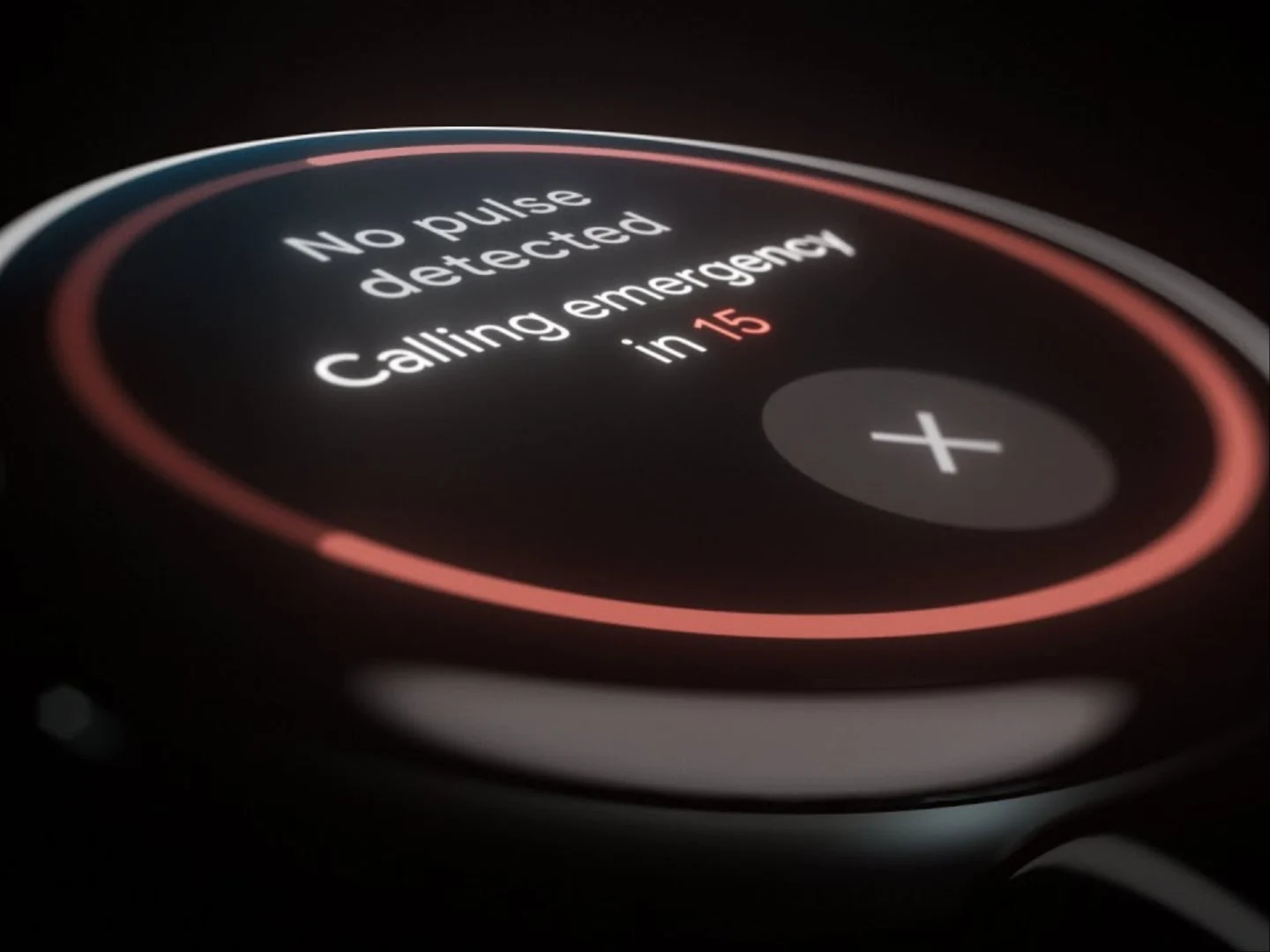
    5. If the user fails to respond to alerts, the watch can trigger an audio alarm, initiate a countdown, and call emergency services with the user’s location.


    About six months after it was first announced during the Made by Google event, the Pixel Watch 3 is finally set to introduce the Loss of Pulse detection feature in the United States. The tech giant has confirmed that it has received the green light from the US Food and Drug Administration (FDA), and users can expect this feature to be available by the end of March. Since its announcement in 2024, Loss of Pulse detection has already been rolled out in 14 other countries.

    Unique Life-Saving Technology

    Google claims that the Loss of Pulse feature is a groundbreaking addition that can identify if the heart has stopped beating due to cardiac arrest, respiratory failure, circulatory failure, overdose, or poisoning. In such cases, it can alert emergency services for quick, potentially life-saving intervention. Initially, the feature will send a notification to the user, asking if they are okay. If the user does not reply, emergency services will be notified automatically.

    Enhanced Safety Features

    The Loss of Pulse detection will complement the existing health and safety functionalities of the Pixel Watch 3, which already includes Car Crash Detection, an ECG app, Safety Check, notifications for irregular heart rhythms, and Fall Detection. This feature will be available for users of the Pixel Watch 3 on an opt-in basis.

    How It Works

    The Loss of Pulse detection operates by utilizing the smartwatch’s sensors, sophisticated signal-processing algorithms, and artificial intelligence to determine if a pulse is present. Initially, if the Heart Rate sensor, which utilizes green light, fails to detect a pulse, the infrared and red lights activate to search for other signs of a pulse. Simultaneously, the motion sensor looks for any indication of movement. Based on these findings, the AI algorithm assesses whether a loss of pulse event has occurred and sends out a check-in notification. If there is still no response, the watch will activate an audio alarm and begin a countdown. Should there still be no reply, the watch can use the paired phone (in the case of the non-LTE model) to call emergency services, providing them with the user’s location.

    Source:
    Link