Tag: Dell

  • Dell Shifts Focus Away from AI Marketing at CES 2026

    Dell Shifts Focus Away from AI Marketing at CES 2026

    Key Takeaways

    1. Dell has announced new devices like the XPS 14, XPS 16, and Alienware 16 but has chosen not to emphasize AI in their promotions.
    2. AI is mentioned only once in Dell’s materials, suggesting a shift in focus compared to previous years.
    3. Dell’s Head of Product, Kevin Terwilliger, indicated that consumers aren’t prioritizing AI features in their purchasing decisions.
    4. Many AI features in laptops are rebranded standard functionalities, leading to confusion about their true capabilities.
    5. The value of AI tools, such as Microsoft Copilot, is questionable for users who need offline access, raising concerns about their practical usefulness.


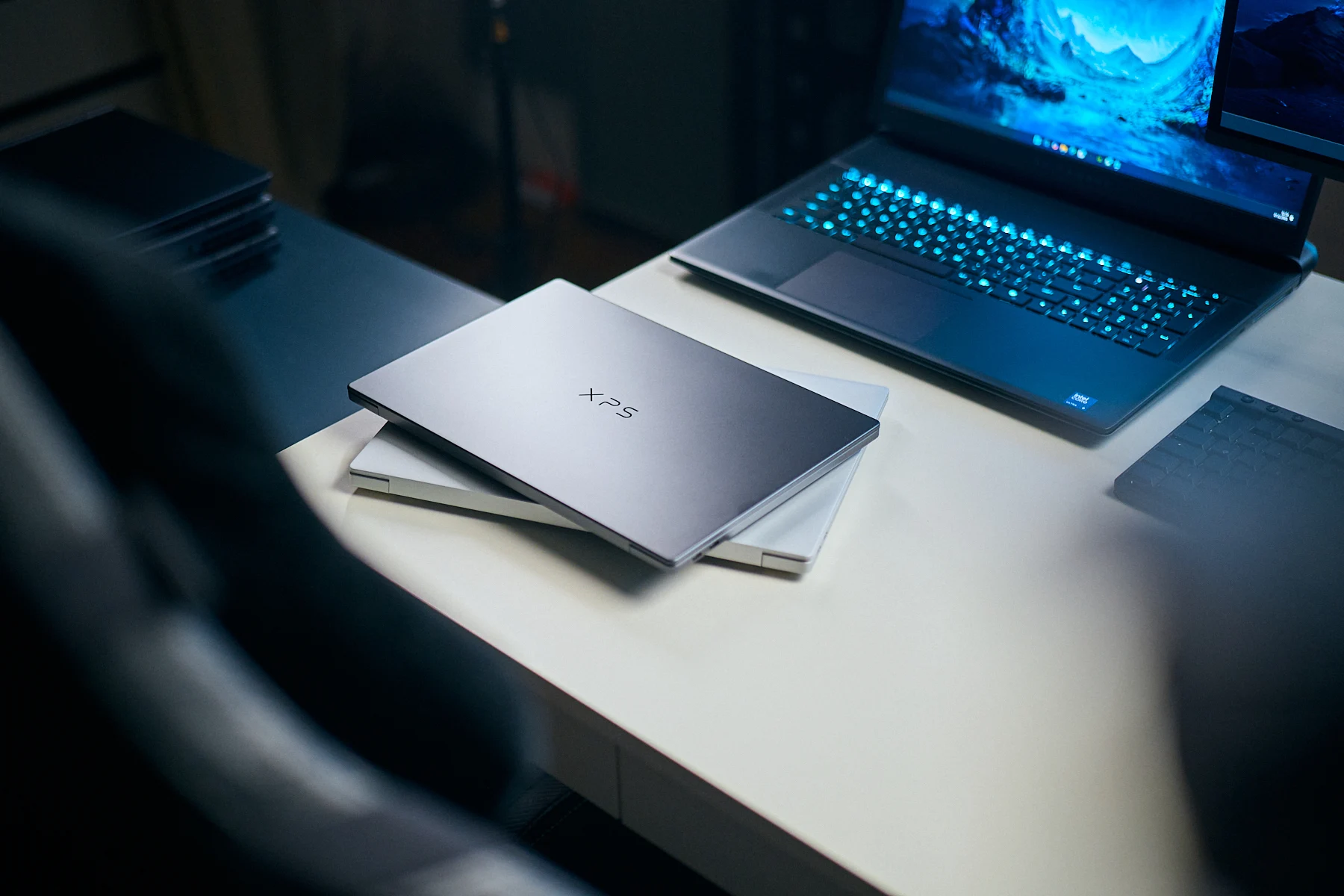
    Like other big companies, Dell has released specification sheets and press updates before CES to announce its upcoming devices. The new Dell XPS 14 and XPS 16, along with the Alienware 16 Area-51 laptop and desktop, share a commonality that may not be immediately clear.

    Dell’s Silence on AI

    Although these three devices are equipped with chipsets that other brands heavily advertise for their AI features, Dell chooses not to highlight AI in its promotional content. In fact, AI is mentioned only once in their materials, and that’s in a single sentence that acts as the conclusion in the “About Dell” section found in every press release. There’s no further discussion on AI. Has Dell neglected AI and simply forgot to refresh the footer?

    Insights from Dell’s Head of Product

    PCGamer sought clarification and reached out to Dell. Kevin Terwilliger, who leads product at Dell, provided a clear response:

    “We’re really focused on maximizing the AI potential of our devices—in fact, all of our new releases include an NPU—but what we’ve seen this year, especially from a consumer standpoint, is that they aren’t making purchases based on AI. I think AI may confuse them more than it clarifies a specific result.”

    With this statement, Dell seems to be taking a step back at CES this year by reintroducing the XPS line while downplaying AI. Last year, AI was a prominent focus in Dell’s press communications.

    A Practical Approach to AI

    Dell’s reasoning makes sense. For most consumers, accessing local AI tools for tasks like text, image, or video creation remains quite challenging. Additionally, AI features preinstalled by brands and Microsoft often lack real usefulness. For instance, the 2023 LG Gram 17 came with presence detection as a standard feature. However, starting with the 2025 model, the same feature is now being promoted as an AI capability. Similar occurrences can be seen with Dell, Acer, Asus, and other laptop manufacturers, who have recently rebranded standard software as AI functionalities. To be fair, these programs now leverage the NPU in the new Intel and AMD processors for improved efficiency.

    Concluding Thoughts on AI Features

    Finally, there’s Copilot+. Given that Microsoft Copilot doesn’t function offline, much like Gemini, ChatGPT, and Grok, the added value of this feature remains unclear unless users conduct more thorough research.

    Source:
    Link


  • Dell and Lenovo May Cap Mid-Range Laptops at 8GB DDR5 RAM

    Dell and Lenovo May Cap Mid-Range Laptops at 8GB DDR5 RAM

    Key Takeaways

    1. Higher DDR5 RAM prices could lead to more laptops with 8GB of RAM and a lower price-to-performance ratio.
    2. Mid-range laptops are likely to feature more 8GB options, while models with 16GB or more will still meet user needs.
    3. Premium laptops with 32GB or 64GB of DDR5 are expected to have higher prices, while budget models may struggle with reduced specifications.
    4. Consumers are pushing for streamlined options without unnecessary software, but Windows’ increasing memory requirements pose a challenge.
    5. The impact of high DDR5 RAM prices extends beyond laptops, affecting smartphone manufacturers and other tech devices.


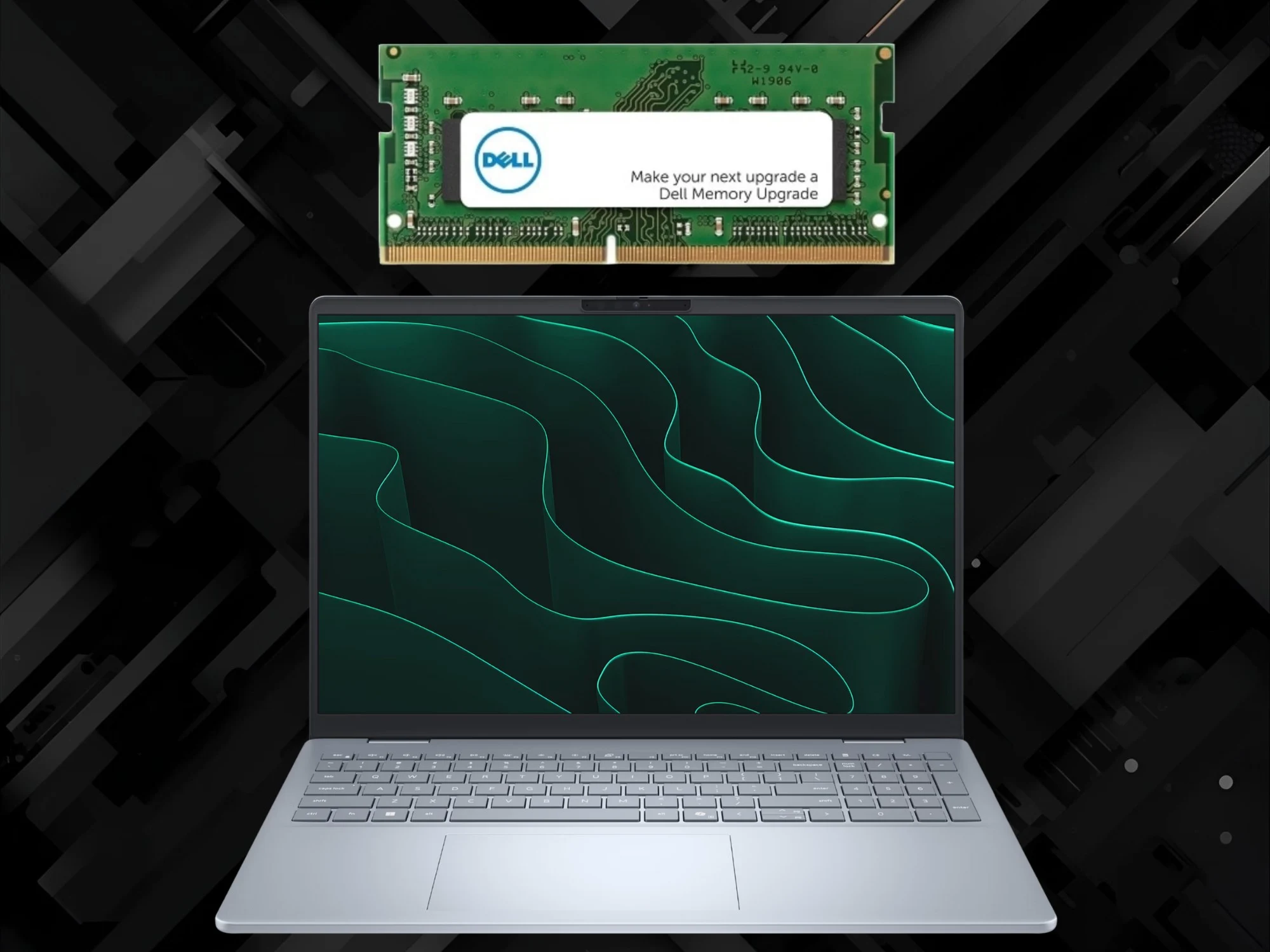
    Higher DDR5 RAM prices could significantly affect the market for several years. A recent report from TrendForce indicates that manufacturers might start producing more laptops with 8GB of RAM. However, consumers might have to deal with a lower price-to-performance ratio.

    Price Increases and Consumer Choices

    Big names like Dell and Framework have already raised the costs of memory upgrades. Because of this, it becomes harder to attract buyers with discounts on these devices. Downgrading specifications is not the best solution, but it might be the only way to keep prices manageable.

    Changes in Mid-Range Models

    TrendForce points out that the most significant shifts could happen with mid-range laptops. Models with 16GB or more memory can meet most user needs. The report forecasts that 8GB laptops will be much more prevalent in this price range. Those worried about performance might have to look at pricier options.

    Premium Models and Budget Constraints

    Luxury business or gaming laptops featuring 32GB or 64GB of DDR5 memory will likely see higher MSRPs. On the other hand, manufacturers are limited in how they can adjust budget laptops. Reducing their specifications could leave these affordable models struggling with even simple tasks on Windows 11.

    Another challenge for manufacturers involves laptops that come with soldered DRAM. Specifically, ultrathin models would require redesigns to change their configurations.

    Consumer Demands for Streamlined Options

    To make way for less powerful laptops, buyers are urging vendors to remove unnecessary software. Sadly, many resource-heavy background processes are inherent to Windows. Every new iteration of the Microsoft operating system has used more memory, which has become an obvious problem now.

    Although shoppers are feeling the sting of higher prices, it might not be until Q2 2026 that all laptops experience price increases. Some vendors are better equipped for the challenges ahead with larger reserves of components. Others may be willing to take losses, hoping the situation improves.

    Broader Implications in Tech

    With high demand from AI data centers, laptops using DDR5 RAM aren’t the only devices at risk. The TrendForce report also explains how smartphone manufacturers will adjust their inventories.

    Source:
    Link


  • Dell Increases PC Prices by 20% as Lenovo Signals January Hikes

    Dell Increases PC Prices by 20% as Lenovo Signals January Hikes

    Key Takeaways

    1. Dell plans to increase PC prices by 15-20% in 2026, with Lenovo expected to follow suit.
    2. DDR5 memory costs have surged, rising up to 70%, and some DRAM components have increased by 170%.
    3. Lenovo is urging customers to place orders quickly as current quotes will expire on New Year’s Day.
    4. TrendForce has revised its 2026 notebook forecast from a 1.7% growth to a 2.4% decline due to rising production costs.
    5. Manufacturers may focus on promoting lower-spec laptops and tablets to manage pricing.


    As stated by TrendForce, the year 2026 looks like it will bring increases in prices for computing devices. The analytics company has found that Dell plans to increase PC prices by 15-20 percent, with Lenovo also expected to follow this trend.

    Rising Costs in the Industry

    The sector has been facing higher costs for DDR5 memory, with estimates showing a rise of up to 70 percent. Some DRAM components have even surged by 170 percent, driven by increased demand and supply chain challenges. Companies like Micron are reallocating resources to AI products that have better profit margins. Dell’s COO, Jeff Clarke, mentioned that he has “never seen memory-chip costs rise this fast.”

    Urging Customers to Act

    Lenovo is said to be encouraging its clients to secure orders swiftly, as all current quotes will go stale on New Year’s Day. This is not just Lenovo; major competitors like HP, Samsung, and LG are also evaluating the prices for their 2026 products. The categories that will see the most impact are AI PCs and tablets, where memory pricing could represent around 18 percent of the total cost of materials.

    Adjusting Forecasts

    TrendForce has updated its notebook forecast for 2026 due to the increasing production expenses. The projected growth has changed from a year-on-year increase of 1.7 percent to a decline of 2.4 percent, as it anticipates that demand will decrease because of higher BOM costs and restricted availability.

    Source:
    Link


  • Alienware 16X Aurora Loud Overdrive Mode: Is It Worth It?

    Alienware 16X Aurora Loud Overdrive Mode: Is It Worth It?

    Key Takeaways

    1. Dell’s midrange gaming laptop offers three power settings: Balanced mode, Performance mode, and Overdrive mode.
    2. Overdrive mode provides slight performance improvements over Performance mode, while Balanced mode results in a noticeable 8% drop in graphics performance.
    3. Fan noise levels vary significantly: Performance mode is around 52 dB(A), while Overdrive mode reaches 58 dB(A), making Overdrive mode much louder.
    4. Increased fan noise in Performance and Overdrive modes does not lead to lower core temperatures.
    5. Users can switch between the modes using the pre-installed Alienware Command Center software.


    Dell’s new midrange gaming laptop offers three different power settings for gaming: Balanced mode, Performance, and Overdrive mode. Sadly, the company hasn’t shared additional details about these modes, like how loud the fans get or any performance and temperature impacts they might have. After trying out each mode, we noticed some key differences that owners of the 16X Aurora should keep in mind.

    Performance Insights

    As seen in the 3DMark Fire Strike results below, using Overdrive mode gives only slight performance improvements over Performance mode. It’s only when switching to Balanced mode that graphics performance noticeably declines. Even so, an 8 percent drop isn’t very significant.

    Fan Noise Differences

    One of the biggest distinctions among the three modes is the expected fan noise level. When playing Cyberpunk 2077 in Performance mode, the fan noise hovers just below 52 dB(A), while in Overdrive mode, it reaches 58 dB(A). This 6 dB(A) difference is quite stark compared to the small performance gains mentioned earlier, especially considering the logarithmic nature of the dB(A) scale. From our experience, playing in Performance mode feels more comfortable and enjoyable compared to Overdrive mode, where the laptop can sound like a jet taking off.

    9154 (-28%)

    The increased fan noise in Performance or Overdrive modes does not even lead to lower core temperatures. Users can switch between these modes using the Alienware Command Center software that comes pre-installed. For a deeper understanding of the laptop’s performance and features, readers can check out our complete review of the Alienware 16X Aurora.

    Source:
    Link


  • EliteBook X G1i 14 vs. EliteBook Ultra G1i 14: Which to Choose?

    EliteBook X G1i 14 vs. EliteBook Ultra G1i 14: Which to Choose?

    Key Takeaways

    1. Dell has simplified its laptop naming system, moving from names like “XPS” and “Inspiron” to “Pro” and “Plus.”
    2. HP retains its complex naming system, but many models are becoming hard to differentiate due to similar designs and specs.
    3. Examples like the HP Envy x360 16 and HP OmniBook X Flip 16 show how different models can have nearly identical features and pricing.
    4. The HP EliteBook X G1i 14 and EliteBook Ultra G1i 14 illustrate that small differences in specs can confuse customers.
    5. HP may need to consider merging model names or types to enhance clarity for consumers during their shopping experience.


    Dell has made a significant change this year in how it names and organizes its extensive range of laptops. Famous names like “XPS” and “Inspiron” have been replaced with simpler terms like “Pro” and “Plus.” In contrast, HP continues with its existing naming system, but the growing number of laptops is making it increasingly hard to keep track, especially since many models look quite alike.

    Confusing Model Variations

    A recent example is the HP Envy x360 16 and the HP OmniBook X Flip 16. Both of these 16-inch convertibles have identical ports, the same battery capacity, and very similar sizes and weights. Their differences are mainly in the keyboard frames, minor design elements, selection of processors, and display types. One might think that one model would be priced significantly higher than the other, yet they typically fall within the same price range of around $1000 USD during sales.

    Similar Yet Different

    Another case is the HP EliteBook X G1i 14 alongside the HP EliteBook Ultra G1i 14. These two 14-inch models are also very alike in appearance and internal specs. The “X” version offers a 1200p IPS touchscreen, while the “Ultra” provides a superior 1800p OLED touchscreen. There are tiny differences in battery capacities (64 Wh versus 68 Wh), weight (2.60 lbs compared to 2.63 lbs), and thickness (0.48 inches against 0.59 inches).

    For many customers looking for a new HP laptop, distinguishing between certain models can be tough without closely examining the specs or images. The names “Ultra,” “X,” “Envy,” and “OmniBook” don’t effectively highlight the differences between entry-level and premium models. HP might want to think about combining some names or models to make the shopping experience easier for everyday consumers.

  • Nvidia GB10 Superchip Shows Promise in Early Benchmark Tests

    Nvidia GB10 Superchip Shows Promise in Early Benchmark Tests

    Key Takeaways

    1. Asus and Dell have launched devices using Nvidia’s GB10 Grace Blackwell ARM chipset, following Nvidia’s Project DIGITS AI supercomputer announcement.
    2. The GB10 chipset has shown varying benchmark results on Geekbench, labeled as ARMv8 despite using ARMv9 cores.
    3. Performance metrics for the GB10 are inconsistent; it competes with top ARM and x86 processors but should be viewed cautiously.
    4. The GB10’s Cortex-X925 cores can reach clock speeds of 3.9 GHz, but details on Cortex-X725 performance are lacking.
    5. Nvidia may introduce N1 and N1X alternatives for desktops and laptops at Computex 2025 later this month.


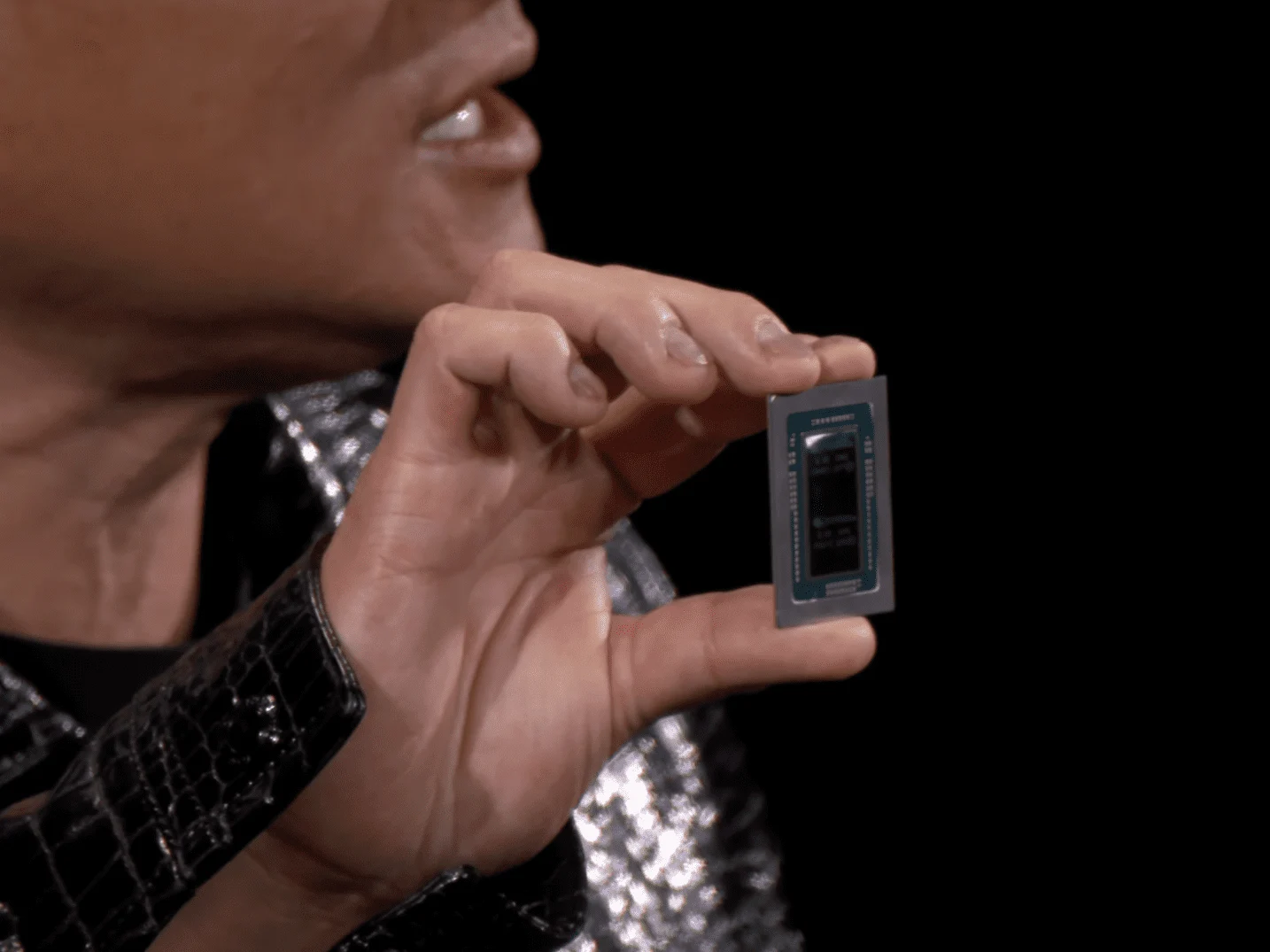
    Almost two months have gone since Asus and Dell introduced the first devices that use Nvidia’s GB10 Grace Blackwell ARM chipset. Prior to this, Nvidia showcased the Project DIGITS AI supercomputer at CES 2025, which it claimed would launch this month at a price of about $2,999.

    Benchmark Findings

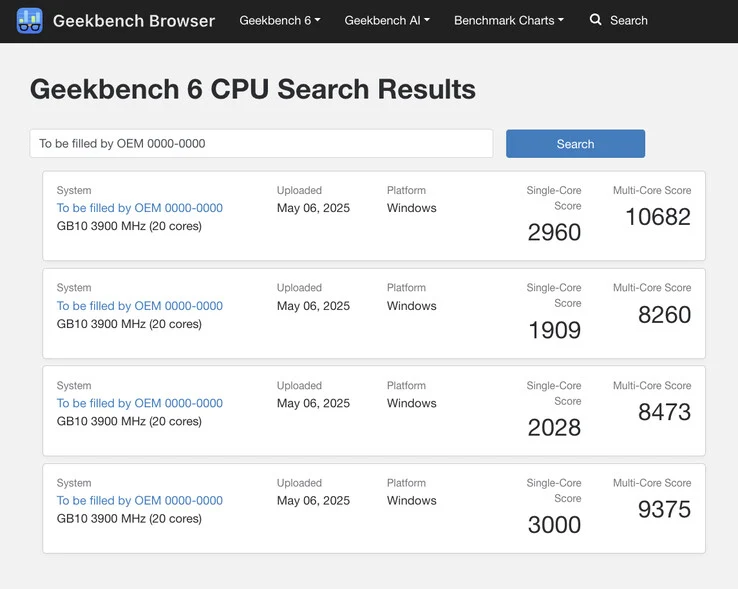
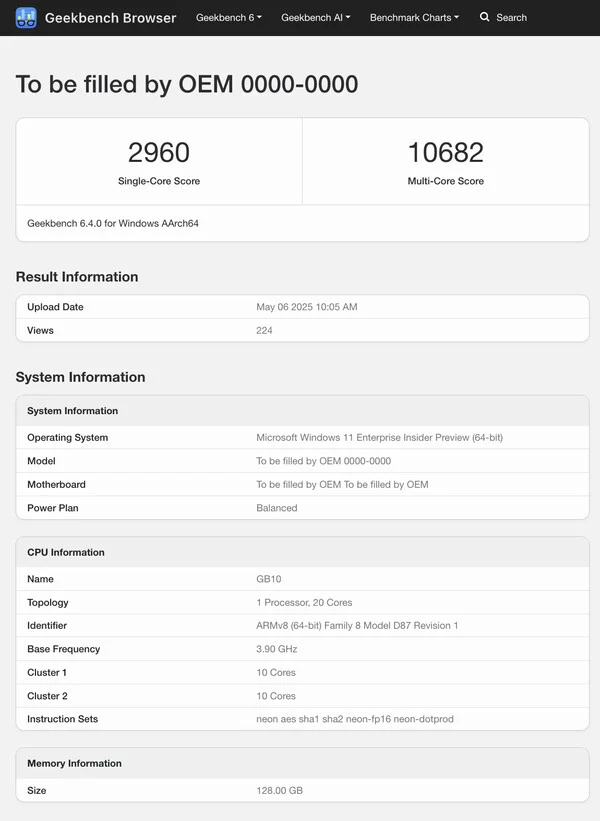
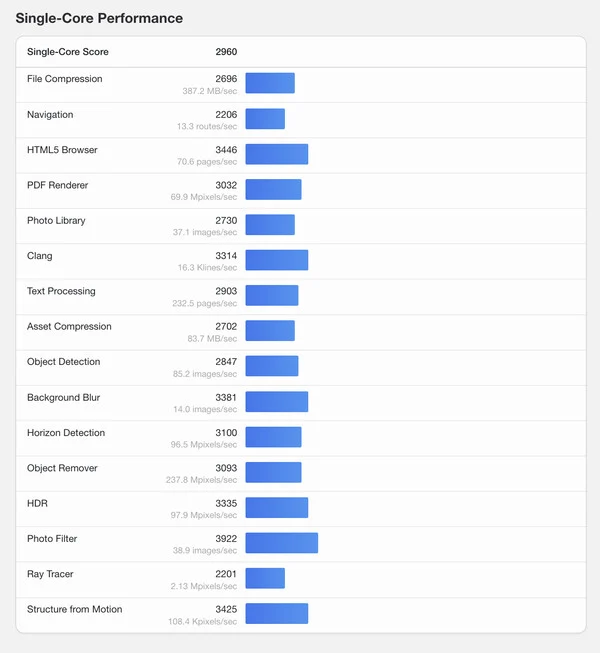
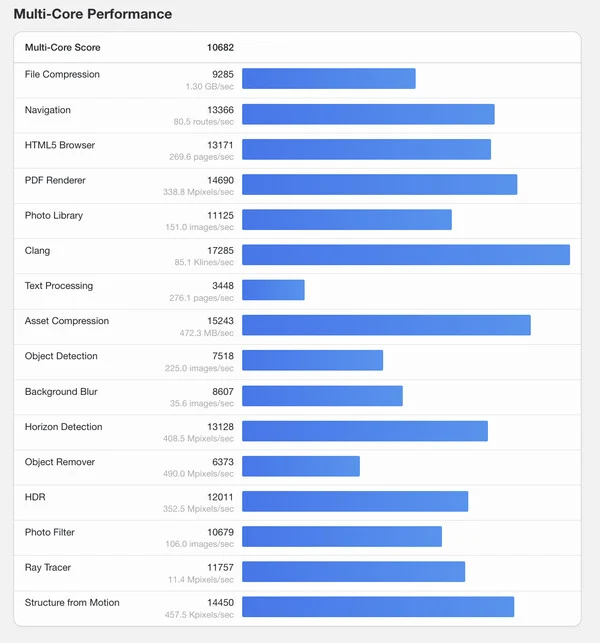
    The so-called ‘superchip’ that supports these three devices has recently shown up on Geekbench with four different benchmark results. It’s important to mention that there are some peculiarities in these results. For instance, Geekbench labels the GB10 as an ARMv8 chipset, even though its ARM Cortex-X725 and Cortex-X925 CPU cores utilize the newer ARMv9 instruction set.

    Performance Insights

    Moreover, performance metrics are quite inconsistent at this point. To put it simply, we shouldn’t focus too much on these numbers, even though single-core performance competes with top-tier ARM and x86 processors. For context, Apple’s latest M4 generation chipsets are the leaders in this area, especially the M4 Max found in devices like the MacBook Pro 16, currently priced at $3,517 on Amazon.

    Geekbench notes that the GB10’s Cortex-X925 cores can clock in at 3.9 GHz. Sadly, there are no details regarding the performance of the Cortex-X725 cores. Even though the GB10 is designed for workstation use, there are hints that Nvidia might be heading to Computex 2025 later this month with N1 and N1X alternatives targeting desktops and laptops.

    Geekbench via @9550pro, Hardware Luxx – Image credit.

    Source:
    Link


  • North America Sees Surge in Desktop and Laptop Sales Amid Tariffs

    North America Sees Surge in Desktop and Laptop Sales Amid Tariffs

    Key Takeaways

    1. High tariffs on imports from China, reaching a minimum of 145%, are causing consumers to stock up on electronic devices, potentially leading to higher prices and lower supplies.
    2. Major companies like Dell, HP, and Lenovo are postponing laptop shipments to the US due to tariff impacts, while recent data shows significant increases in sales of desktops and laptops in North America.
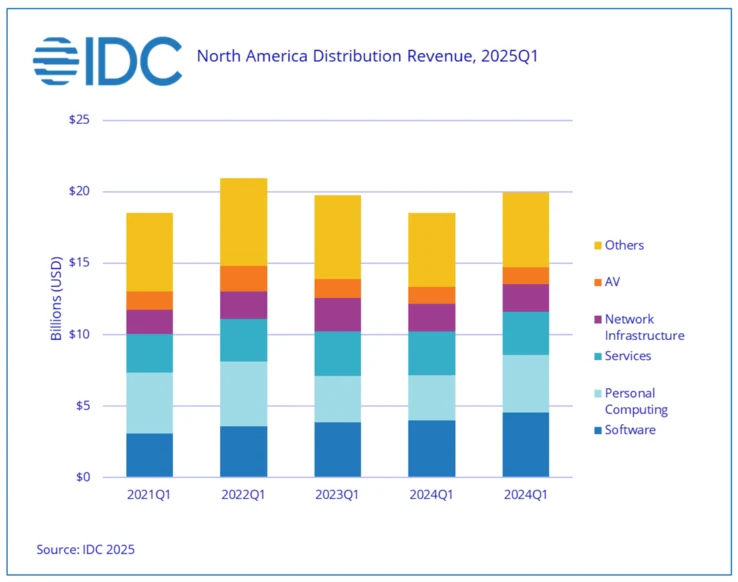
    3. The International Data Corporation (IDC) reported a 7.6% revenue increase in the personal computer market, with laptop sales up by 26.9% and desktop sales up by 35.3% in Q1 2025 compared to Q1 2024.
    4. Both businesses and consumers are motivated to upgrade IT systems ahead of the end of Microsoft’s security support for Windows 10 in October 2025, pushing upgrades for devices that cannot run Windows 11.
    5. Despite strong sales in the PC hardware market, consumer confidence is declining, and a contraction in the market is expected in the second half of 2025, with the US gaming sector experiencing revenue drops.


    With a lot of parts made in China, high tariffs are making people stock up on electronic devices. The minimum tariffs of 145% on imports from China could lower supplies and make prices go higher. Some companies, like Dell, HP, and Lenovo, have started to postpone shipping laptops to the US. Recent data from the International Data Corporation (IDC) shows big jumps in sales of desktops and laptops in North America.

    IDC’s Role in Market Monitoring

    The IDC keeps track of sales of personal computers, software, services, and network infrastructure items. In the first quarter of 2025, total revenue rose to $19.9 billion, which is a 7.6% increase from the same time in 2024. The biggest growth was seen in personal computers, which include laptops and ready-made desktops. Laptop sales surged by 26.9%, desktop sales went up by 35.3%, and workstation sales climbed by 49.3% compared to Q1 2024. The graph below seems to have a mistake, as the right column should read “2025Q1”.

    Corporate and Consumer Reactions

    Companies felt a strong need to upgrade their IT systems to lessen the impact of tariffs. However, even regular consumers have acted fast. Another reason is that Microsoft will stop providing security updates for Windows 10 PCs in October 2025. Those whose devices can’t run Windows 11 might have hastened their plans to upgrade.

    Consumer Spending Trends

    Recent consumer spending data from March shows significant increases in retail sales. Yet, consumer confidence has taken a hit, with little progress seen in the negotiations about tariffs between China and the US. The IDC’s report mentioned that “market contraction should be expected in the second half of 2025.” It’s hard to believe that shoppers will keep buying expensive laptops and desktops at the same pace.

    On the other hand, while the PC hardware market is thriving, the US gaming sector faced downturns in March. Circana reported a 6% drop in revenue from video game software, hardware, and accessories compared to March 2024. Consoles and gaming accessories took the biggest hits, suggesting that consumers might be focusing more on work than fun. Still, strong pre-order sales for the Nintendo Switch 2 could help boost revenue significantly.

    Source:
    Link


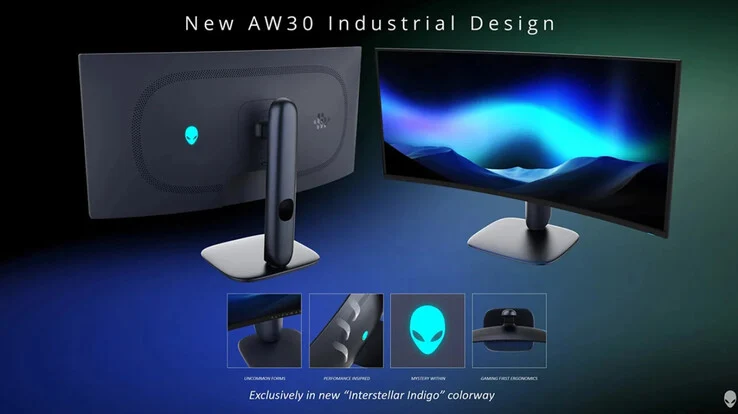
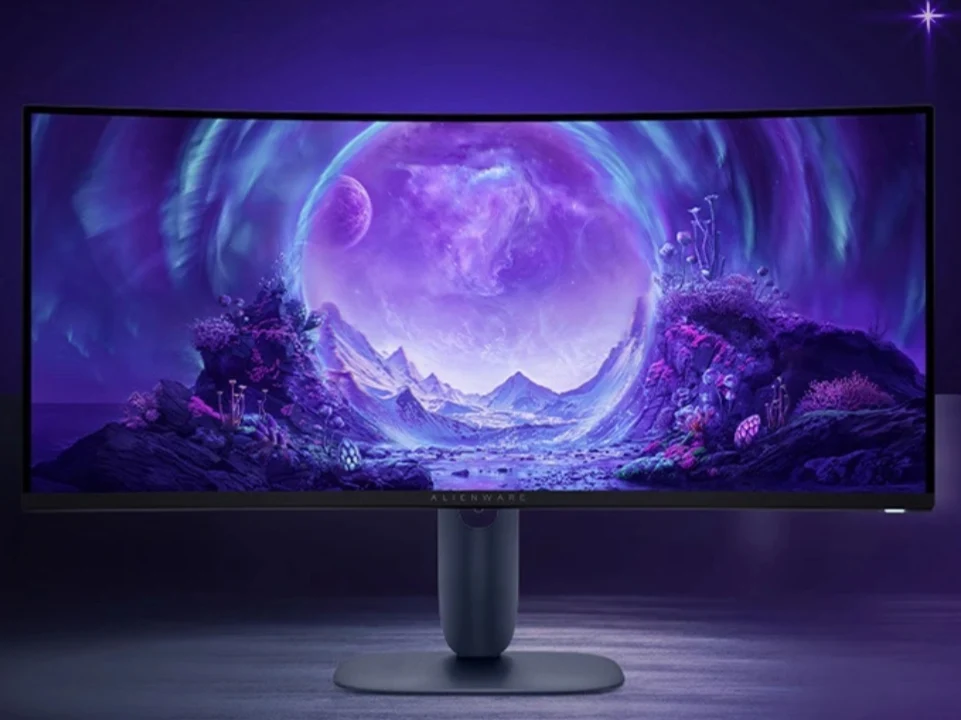
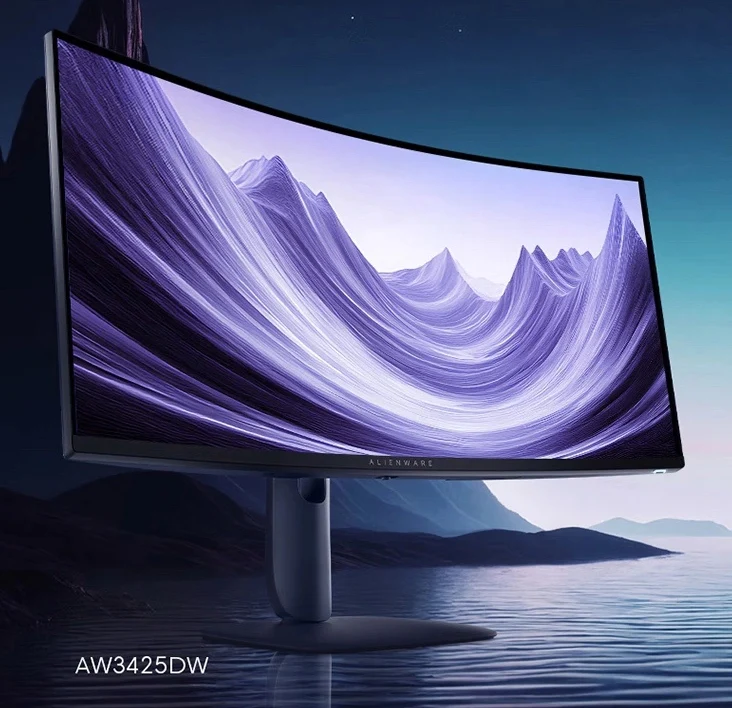
  • Dell Launches Alienware AW3425DW: 240 Hz OLED Gaming Monitor

    Dell Launches Alienware AW3425DW: 240 Hz OLED Gaming Monitor

    Key Takeaways

    1. The Alienware AW3425DW is now available in the US for $799.99, following its launch in China at CNY 6,499 (approximately $894).
    2. It features a Gen 2 QD-OLED panel with a 3,440 x 1,440 pixel resolution, 240 Hz refresh rate, and peak brightness of 1,000 nits.
    3. The monitor has a fast response time of 0.03 ms GtG and supports technologies like AMD FreeSync Premium Pro and Nvidia G-Sync.
    4. Currently, Dell is the only retailer selling the AW3425DW, with expectations for availability through other retailers later this season.
    5. Availability in regions outside the US, such as Europe, Africa, and the UK, is still unknown.


    The Alienware AW3425DW is now up for grabs in markets outside of China, following its initial launch there around a month ago at a price of CNY 6,499 (approximately $894). During the MWC 2025 event held in Barcelona, Dell announced that the new monitor is now available in the US at a reduced price compared to its Chinese launch price. However, it is still unknown when this monitor will be accessible in other regions such as Europe, Africa, the Middle East, or the UK.

    Specifications and Features

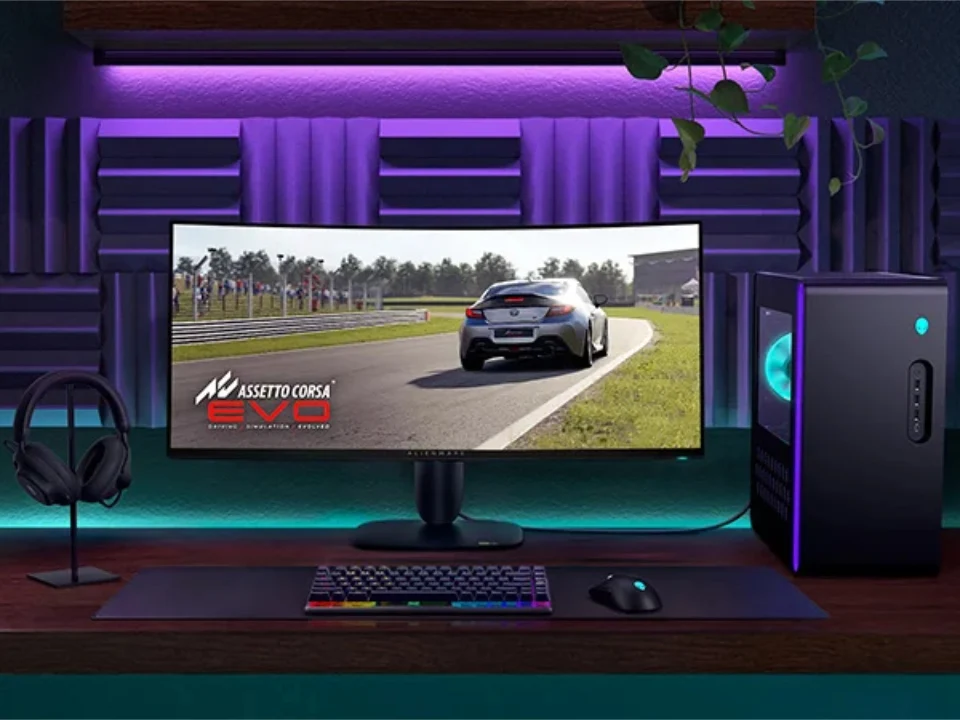
    Central to the Alienware AW3425DW is a Gen 2 QD-OLED panel that boasts a native resolution of 3,440 x 1,440 pixels. With a pixel density of 110 PPI, this 34-inch 1800R panel can also achieve a refresh rate of 240 Hz, delivering a peak brightness of 1,000 nits (with 3% APL) and remarkable 0.03 ms GtG response times. Its performance is enhanced by technologies like AMD FreeSync Premium Pro, Nvidia G-Sync, and VESA AdaptiveSync. Moreover, Dell has equipped it with a three-port USB hub, two HDMI 2.1 (FRL) ports, and a single DisplayPort 1.4 connection.

    Availability and Pricing

    As of now, the Alienware AW3425DW can be purchased in the US for $799.99 (around CNY 5,818). Currently, Dell is the only retailer offering this latest QD-OLED monitor on its own platform. Given that the Alienware AW3425DWM is already available through third-party sellers (priced at $369.99 on Amazon), we anticipate that the Alienware AW3425DW will follow suit and become available through other retailers later this season. For more detailed technical specifications, check Dell’s website and our original article about the launch.

    Source:
    Link


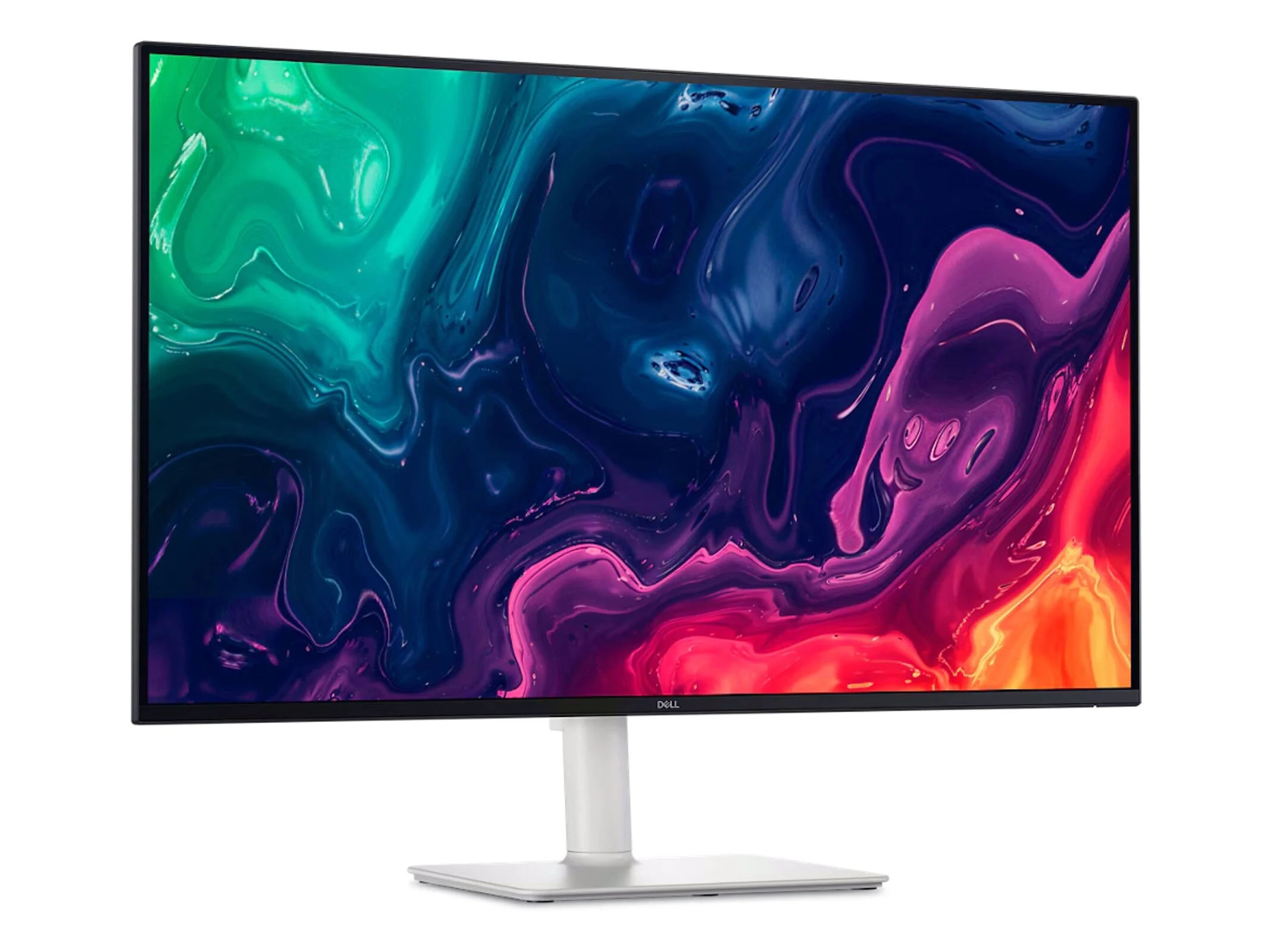
  • Dell S3225QS: New 32-Inch 4K Monitor with 120Hz Refresh Rate

    Dell S3225QS: New 32-Inch 4K Monitor with 120Hz Refresh Rate

    Key Takeaways

    1. The Dell S3225QS is a 31.5-inch monitor with a 4K resolution of 3840 x 2160 pixels, priced at $369.
    2. It uses a VA panel with a refresh rate of 120Hz and supports AMD’s FreeSync Premium technology for smoother gaming.
    3. The monitor has a gray-to-gray response time of 4 milliseconds, enhancing visual performance.
    4. It offers a brightness of 300 nits and a contrast ratio of 3000:1, covering 99% of the sRGB and 95% of the DCI-P3 color spaces.
    5. Connectivity options include two HDMI ports and one DisplayPort, but it lacks USB hub or USB-C features; it allows ergonomic adjustments for height, tilt, and swivel.


    Dell is expanding its already large range of monitors. The latest addition is the S3225QS, which can now be purchased from Dell’s official website at a price of $369. This monitor boasts a 31.5-inch display that offers a 4K resolution of 3840 x 2160 pixels, ensuring sharp images even when viewed up close.

    Monitor Specifications

    The S3225QS utilizes a VA panel, which may not have the deep contrasts of an OLED screen, but it should still be adequate for casual gaming. It features a refresh rate of 120Hz and is compatible with AMD’s FreeSync Premium technology, allowing the monitor’s refresh rate to align with the frames per second generated by games. Dell also claims a gray-to-gray response time of 4 milliseconds, contributing to smoother visuals.

    Brightness and Connectivity

    Regarding brightness, this new Dell monitor can achieve 300 nits and has a contrast ratio of 3000:1. Furthermore, it nearly covers the sRGB (99%) and DCI-P3 (95%) color spaces. The monitor comes with two built-in speakers and can connect through two HDMI ports as well as one DisplayPort. However, it lacks advanced features like a USB hub or USB-C connectivity. On the positive side, the Dell S3225QS allows height, tilt, and swivel adjustments, making it a fairly ergonomic choice.

    Source:
    Link


  • Dell Alienware AW3425DW Launches Early Ahead of Spring Release

    Dell Alienware AW3425DW Launches Early Ahead of Spring Release

    Key Takeaways

    1. The Alienware AW3425DW monitor will launch worldwide later this season, with a US release date set for April 29.
    2. It is currently available in China for CNY 6,499 (approximately $895).
    3. The monitor features a 34-inch curved QD-OLED panel with a 1440p resolution and a refresh rate of 240 Hz, outperforming the previous model by 37%.
    4. It supports peak brightness of up to 1,000 nits and is compatible with AMD FreeSync Premium Pro and Nvidia G-Sync.
    5. The US price for the Alienware AW3425DW will be $799.99 (approximately CNY 5,799).


    The Alienware AW3425DW is set to launch worldwide later this season. To summarize, Dell unveiled the monitor earlier this month at MWC 2025 in Barcelona. At first, the company was not ready to announce its availability outside North America.

    Unexpected Launch in China

    In a surprising move, Dell has made the Alienware AW3425DW available in China. According to ITHome, the monitor is priced at CNY 6,499, which translates to about $895 based on current exchange rates. For context, Dell has equipped this model with a 34-inch curved QD-OLED panel that boasts a resolution of 1440p and a refresh rate of 240 Hz. This means the Alienware AW3425DW can produce images 37% faster than the previous AW3423DW model, which currently sells for $636.99 on Amazon.

    Impressive Features

    The Alienware AW3425DW is rumored to achieve peak brightness of up to 1,000 nits (3% APL), thanks to its Gen 2 QD-OLED technology. It also includes support for AMD FreeSync Premium Pro and Nvidia G-Sync, along with DisplayPort 1.4, HDMI 2.1, and three USB ports (Type-A, Type-B, and Type-C with 15 W). As it stands, everything points to Dell’s plans to launch this monitor in the US on April 29. Notably, the Alienware AW3425DW will be priced at $799.99, which is approximately CNY 5,799 based on today’s exchange rates. For further technical specifications, refer to our original launch article.

    Source:
    Link