Tag: Apple

  • Apple iPhone 18: Samsung Camera Sensors Amid Trump Tariffs

    Apple iPhone 18: Samsung Camera Sensors Amid Trump Tariffs

    Key Takeaways

    1. President Trump announced a future 100% tariff on chip imports, prompting Apple to adapt its supply chain.
    2. Apple will produce all glass covers for iPhones and Apple Watches in the United States to seek tariff exemptions.
    3. Samsung will manufacture camera sensors in Texas for the upcoming iPhone 18, marking a shift from Sony as Apple’s supplier.
    4. The new camera sensors will feature advanced stacked image technology and will be used in the iPhone 18 and iPhone 18 Pro.
    5. Apple plans a $600 billion investment to relocate parts of its supply chain to the US, although advanced components like displays and processors will still be sourced elsewhere.


    On Wednesday, US President Donald Trump declared that a 100% tariff would be imposed on chip imports in the future. To get an exemption from this, Apple has announced that all glass covers for iPhones and Apple Watches sold globally will be produced in the United States. As reported by the Financial Times, Apple is also set to use camera sensors made in the US by Samsung Semiconductor, beginning with the iPhone 18.

    Samsung’s Innovations

    Samsung’s factory located in Texas will use cutting-edge chip manufacturing technology, though Apple hasn’t shared any detailed information yet. According to the Financial Times, Samsung is expected to produce stacked image sensors featuring three layers. These sensors will make their first appearance in the iPhone 18 and iPhone 18 Pro. This marks a significant change, as it will be the first time Apple will not use camera sensors from Sony, which were previously made at a TSMC facility in Japan.

    Investment in Local Manufacturing

    These new camera sensors are part of a larger strategy involving a $600 billion investment to shift parts of the iPhone supply chain back to the US, aiming to dodge tariffs set by the Trump administration. Apple stresses that components produced in the US will be utilized in iPhones sold all over the world. However, it’s important to note that there are no current plans to manufacture some of the more advanced and costly components of an iPhone, like the display or the processor, within the US.

    Source:
    Link



  • Japan Orders Apple to Lift iOS Browser Restrictions by 2025

    Japan Orders Apple to Lift iOS Browser Restrictions by 2025

    Key Takeaways

    1. Japan’s digital market competition body has mandated Apple and Google to create an open ecosystem under the Smartphone Act.
    2. Apple must remove restrictions on browser engines for iOS by December 2025, allowing browsers like Firefox and Chrome to use their own engines.
    3. Apple’s current policy requires the use of its WebKit engine for iOS, which it defends by citing security and performance concerns.
    4. New regulations prohibit unreasonable technical barriers and financial burdens on alternative browser engines and require the removal of outright bans.
    5. The Mobile Software Competition Act (MSCA) will require Apple to provide choice screens for browsers post-activation, starting in December 2025.


    Japan’s digital market competition body has released its final findings on the assessment of browsers and web applications. The broad legislation under the country’s Smartphone Act compels companies like Apple and Google to create an open ecosystem. This could spell trouble for Apple’s longstanding limitations regarding browser engines on iOS.

    Deadline for Apple

    As noted by Open Web Advocacy, a nonprofit group that provided input on the report, Apple has until December 2025 to lift all restrictions on browser engines for iOS. This change would allow browsers such as Firefox, Chrome, and Opera to operate using their own engines.

    Apple’s Policy on Browser Engines

    Currently, Apple’s browser engine policy requires the use of its own WebKit engine for iOS, which powers Safari. Apple has historically justified this restriction with claims about security and privacy concerns. They argue that WebKit is specifically optimized for iOS, offering a secure user experience, while alternative engines could lead to fragmentation and a poorer performance.

    Interestingly, the lack of browser competition on iOS means that Safari, Apple’s own browser, brings in considerable revenue for the company. Advocates for an open web have criticized Apple’s de facto ban, stating that these policies limit user choices and stifle the growth of secure alternatives. The European Union’s Digital Markets Act (DMA) forced Apple to lift some of these restrictions.

    Japan’s Smartphone Act Regulations

    The new rules clarify that vendors cannot create unreasonable technical barriers for alternative browser engines while allowing them to adopt these engines. Additionally, it prohibits placing financial burdens on app providers. Vendors are also required to remove any outright bans that could restrict competition within their platforms.

    The Mobile Software Competition Act (MSCA) obligates vendors to provide choice screens for browsers and other software. Apple will need to show these screens “promptly after first activation.” Set to take effect in December 2025, the MSCA will press Apple to open its ecosystem to third-party browser engines.

    Source:
    Link


  • Apple’s Foldable iPhone Set for 2028 Release, iPhone Fold in 2024

    Apple’s Foldable iPhone Set for 2028 Release, iPhone Fold in 2024

    Key Takeaways

    1. Apple is reportedly developing multiple foldable devices, including the iPhone Fold and a larger hybrid model.
    2. The iPhone Fold is expected to launch in the second half of 2026, while the larger foldable may debut in 2027 or 2028.
    3. Industry expert Jeff Pu has confirmed that mass production of the larger foldable will be delayed until 2028.
    4. The iPhone Fold is anticipated to have a crease-free display made by Samsung, similar to the upcoming Galaxy Z Fold.
    5. The starting price for the iPhone Fold is projected to be between $2,200 and $2,300, with higher storage options costing up to $2,800.


    Apple is reportedly developing several foldable devices, including one that resembles the Galaxy Z Fold and another larger hybrid model. Although Apple hasn’t released any official timelines for these products, rumors indicate that the iPhone Fold might be launched next year, while the bigger foldable could debut in 2027 or 2028. Recently, an industry expert has confirmed these predictions.

    Analyst Insights

    This information comes from Jeff Pu, the leading analyst at investment firm GF Securities, as cited by MacRumors. He states that the 18.8-inch foldable device won’t start mass production in Q4 of 2026 as previously thought, leading to a delay until 2028. This aligns with the views of Bloomberg’s Mark Gurman. However, Pu noted that the iPhone Fold is progressing well in the supply chain, supporting the expectation for a launch in the second half of 2026.

    Leaks and Rumors

    As previously mentioned, Apple has not given any official details about these foldable devices, but numerous leaks and rumors have suggested they are indeed on the way. The iPhone Fold is expected to feature a crease-free display made by Samsung, a recent innovation from the South Korean tech company. This type of display will also be included in the upcoming Galaxy Z Fold smartphones.

    Pricing Expectations

    Naturally, these foldable devices are anticipated to be quite pricey. The iPhone Fold is projected to have a starting price of around $2,200 to $2,300, with higher storage options reaching up to $2,800. The larger foldable device is expected to be a combination of a MacBook and an iPad, featuring an 18.8-inch screen that runs macOS with a touch interface. Not much information is available about the specs for this device, which is understandable given that it’s still about three years away from being released.

    Source:
    Link


  • Apple Develops Its Own Generative AI Search Engine in Silence

    Apple Develops Its Own Generative AI Search Engine in Silence

    Key Takeaways

    1. Apple has created the Answers, Knowledge and Information (AKI) group to develop an “answer engine” that competes with services like ChatGPT.
    2. Siri currently lacks a conversational search feature and relies on typical Google results, raising concerns about consumer demand for chatbots.
    3. The AKI team, led by Robby Walker, is working on a separate application and enhancing existing services like Siri, Spotlight, and Safari.
    4. Apple faces competition and potential disruption from antitrust issues regarding its deal with Google, while exploring partnerships and acquisitions in AI.
    5. Talent loss within Apple, particularly from the Apple Foundation Models team, raises concerns about the company’s ability to develop its own search engine without third-party models.


    Apple has set up a new group known as Answers, Knowledge and Information (AKI) which aims to develop an “answer engine” that can search the web and provide conversational results. This initiative marks Apple’s first major move towards creating its own competitor to services like ChatGPT.

    Siri’s Limitations

    Currently, Siri can send questions to ChatGPT, but it doesn’t have its own conversational search feature and often resorts to typical Google results. Some executives within Apple have raised doubts about how much consumers really want chatbots. However, the global adoption of services like ChatGPT and Gemini shows that there are risks involved in not innovating.

    Leadership and Development

    The AKI team is headed by Robby Walker, who previously managed Siri. The team is working on both a separate application and new backend systems designed to enhance Siri, Spotlight, and Safari in upcoming software updates. Recent job postings indicate that Apple is looking for engineers skilled in search algorithms, suggesting that the company wants to control the fundamental technology instead of just integrating existing solutions.

    Competitive Landscape

    At the same time, Apple is facing increasing competition. The antitrust case from the U.S. Justice Department could disrupt Apple’s profitable deal that makes Google the default search engine on iOS, which is estimated to be worth around $20 billion each year. Also, generative AI is making it easier for competitors to enter the market: Apple has been looking at partnerships with Perplexity AI and is reportedly very open to acquisitions as it increases its investment in AI infrastructure.

    Talent Challenges

    Moreover, Apple’s internal capabilities are being challenged by the loss of talent. In the past month, four important members of the Apple Foundation Models team have moved to Meta’s new super-intelligence lab, attracted by better pay and the chance to work on more advanced technologies. Their exit raises questions about whether Apple might need to use third-party large-language models for Siri while it continues to develop its own search engine.

    Future Outlook

    All these factors suggest that Apple is gearing up to combine on-device privacy with a proprietary generative search experience. This strategy aims to decrease reliance on Google, keep AI talent within the company, and offer a unique Apple-branded alternative to ChatGPT and Gemini in the future.

    Source:
    Link


  • Apple iPad Spare Parts: High Prices Push Customers to Upgrade

    Apple iPad Spare Parts: High Prices Push Customers to Upgrade

    Key Takeaways

    1. Apple now offers genuine replacement components for iPad models through its Self-Service Repair Store, improving repair accessibility.
    2. Recent iPad models are easier to repair than older versions, although the glued-in display remains a challenge.
    3. Apple has changed its policy, allowing authorized service providers to perform iPad repairs, but high part prices still pose a barrier.
    4. Replacement parts are priced significantly higher than their production costs, making repairs less feasible for consumers.
    5. Apple’s pricing strategy seems designed to encourage customers to purchase new devices rather than repair existing ones, in response to “right to repair” regulations.


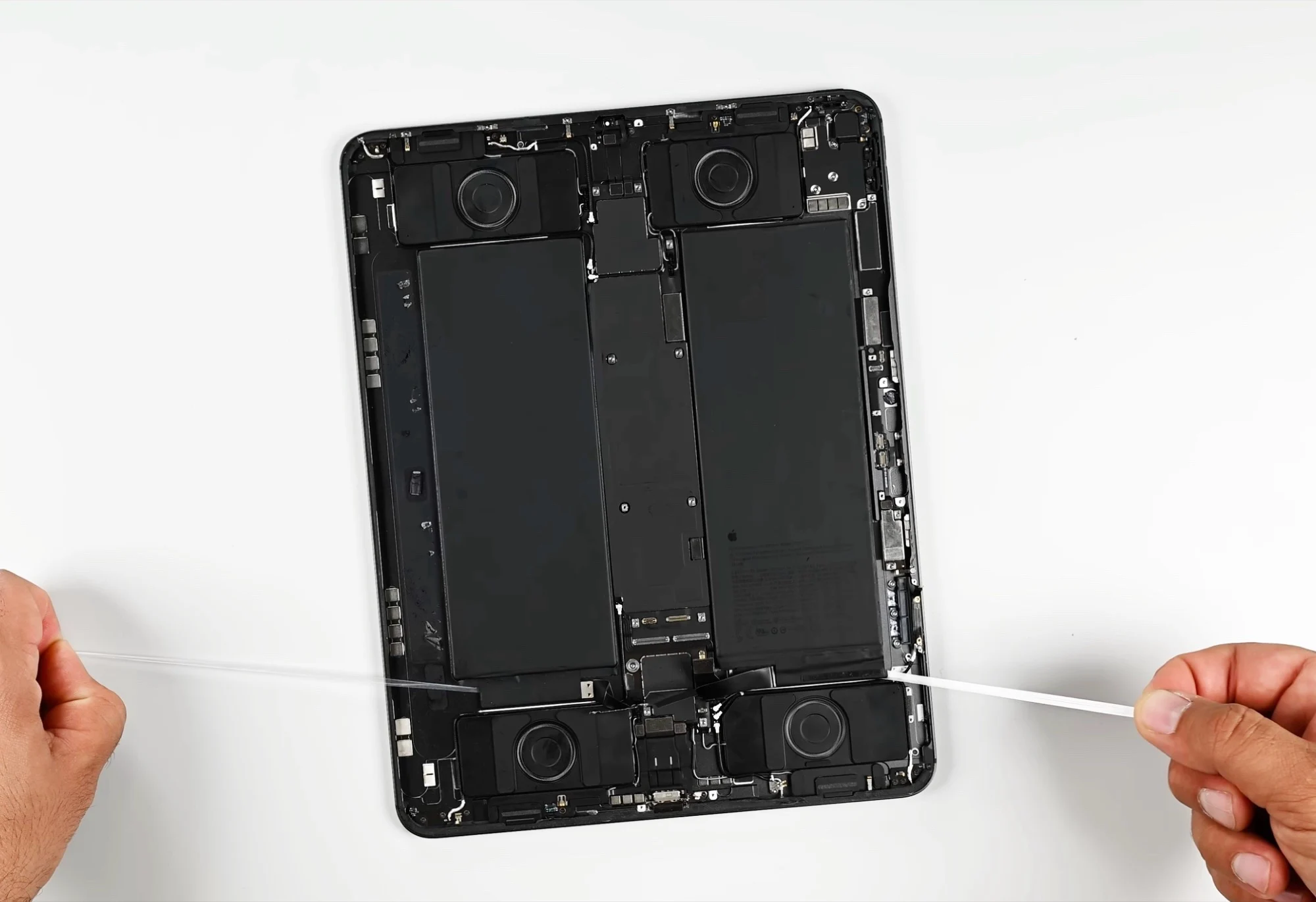
    Since May, Apple has been providing genuine replacement components for the iPad, iPad Air, and iPad Pro through its official Self-Service Repair Store. A teardown by iFixit reveals that the latest iPad models are significantly easier to fix compared to those from a few years back, though the glued-in display can still be a tricky part to work with.

    Changes in Repair Policies

    For many years, Apple-authorized service providers were not permitted to perform iPad repairs, but this has recently changed. Despite this, independent repair technicians recently told 404media that Apple is intentionally setting the prices of iPad replacement parts so high that it makes repairs unfeasible, pushing consumers toward purchasing a new iPad instead. For instance, Apple charges over $150 for a new USB-C port, and in some cases, the cost of a replacement display can exceed $700. Here’s a snapshot of the current pricing for spare parts from the Self-Service Repair Store:

    – iPad (Apple A16)
    – iPad Pro (13-inch, Apple M4)

    Pricing Strategy Behind Parts

    Jonathan Strange, the founder of XiRepair, suggests that Apple does not price its replacement parts according to their production costs. Instead, the pricing is aligned with the list price of the specific iPad models, ensuring that repairs remain costly and making the option of upgrading to a new tablet more appealing. The mere availability of replacement parts and the allowance for iPad repairs appear to be primarily in response to “right to repair” regulations, while simultaneously rendering repairs less viable for customers.

    Source:
    Link


  • iPhone Sales Surge Amid Trump’s Influence on Market Trends

    iPhone Sales Surge Amid Trump’s Influence on Market Trends

    Key Takeaways

    1. Apple reported a strong revenue increase of nearly 10%, reaching $94 billion, driven by a 13% rise in iPhone sales to $44.6 billion.
    2. CEO Tim Cook attributed growth to customer upgrades and preparation for potential US tariffs, leading to unprecedented device replacements.
    3. Apple is shifting some manufacturing to India due to rising US-China tensions, despite new tariffs starting August 1.
    4. Analysts believe manufacturing in India will be more cost-effective in the long run, despite additional trading costs of $800 million last quarter.
    5. Apple faces increased competition in China, prompting plans to invest more in AI features to keep pace with rivals like Huawei and Xiaomi.


    Apple shared its revenue numbers for the third quarter yesturday. CEO Tim Cook expressed happiness over the strongest revenue increase since the pandemic began. This impressive growth was primarily driven by a significant rise in iPhone sales, which far surpassed what was predicted. CFO Kevan Parekh mentioned that the company had a record number of active devices across all its product lines and markets. Revenue from iPhone sales climbed by over 13% to reach $44.6 billion, which is six times higher than what analysts expected. The total revenue for the group hit $94 billion, marking a nearly 10% increase – the highest it’s ever been in the April-to-June timeframe.

    Growth Factors

    Tim Cook noted that a part of this growth can be attributed to the company preparing for possible US tariffs. A lot of customers upgraded their old devices to new ones, especially iPhones and Macs, resulting in an unprecedented level of device replacements for Apple. Even though analysts anticipated a pull-forward effect, the sales were still seen as remarkable for a quarter that is usually slow. This good news was also mirrored in the stock market performance.

    Production Shifts

    Most iPhones sold in the US are made overseas, mainly in China. While smartphones are currently not subject to import tariffs, rising tensions between the US and China have prompted Apple to shift some manufacturing to India. However, starting August 1, Indian products will also incur a 25% tariff. Despite these new challenges, analysts believe that manufacturing in India will be more cost-effective in the long run. Apple calculated the extra trading costs to be about $800 million last quarter, with another $1.1 billion expected this quarter.

    Competitive Landscape

    There are early signs of recovery in the Chinese market, where Apple faces growing competition from brands like Huawei and Xiaomi. Sales have improved thanks to discount promotions that have helped stop the declining trend. Competing companies have been particularly successful with their AI features, an area where Apple has been relatively slow. However, CEO Cook has stated that Apple plans to invest more in this area moving forward to keep pace. The potential acquisition of AI firms such as Perplexity and Mistral, as reported by Bloomberg (paywall), could bring the success promised at WWDC25 sooner than expected.

    Source:
    Link

  • Apple iPhone 17 Colors Leaked Before Official Reveal

    Apple iPhone 17 Colors Leaked Before Official Reveal

    Key Takeaways

    1. The Apple iPhone 17 series is expected to debut in less than two months, with increasing leaks and information surfacing.
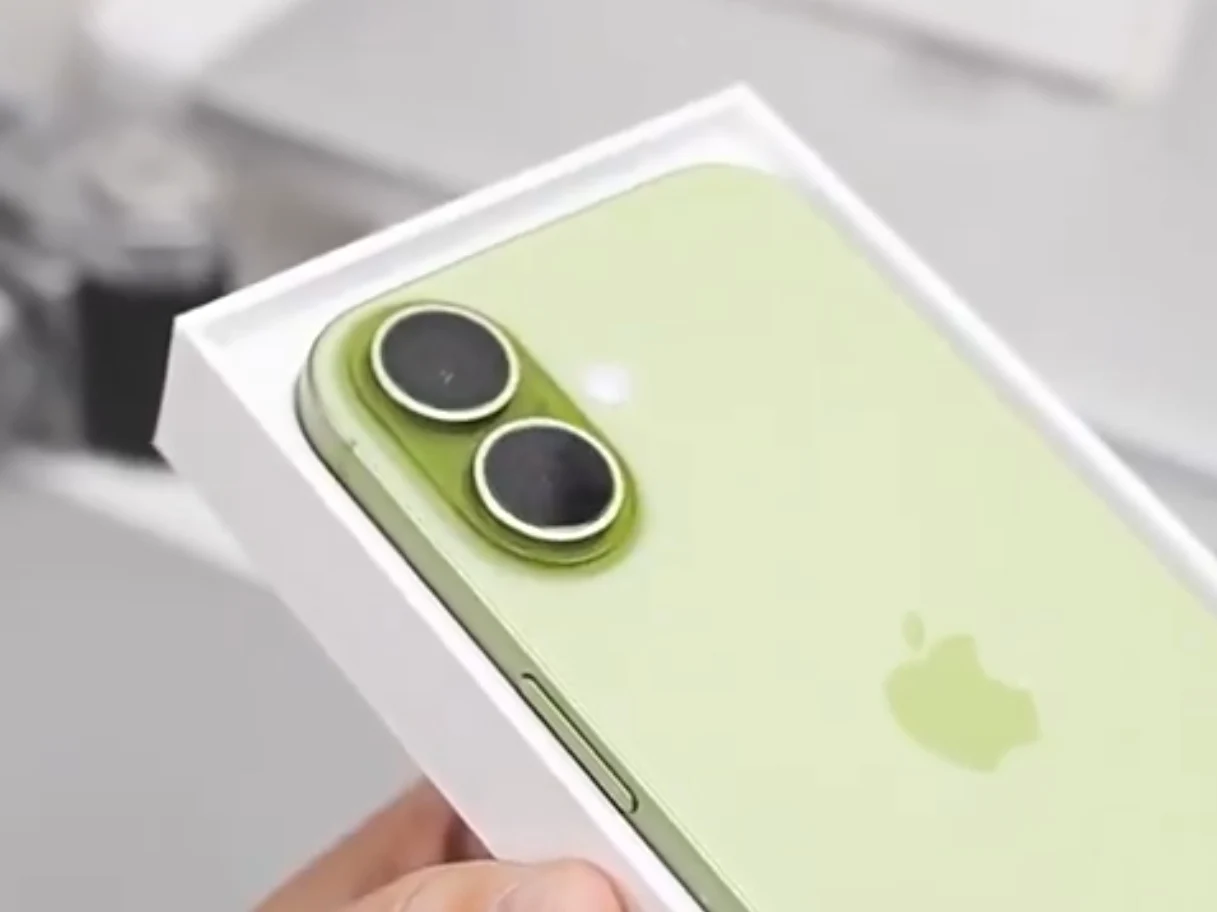
    2. Leakers have revealed the colors for the entire iPhone 17 series, including a new vivid green option for the standard iPhone 17.
    3. The iPhone 17 will feature a grey finish, also available for the Pro models.
    4. The colors shown may differ slightly from the final retail versions, as seen in previous iPhone releases.
    5. Analysts, including Mark Gurman, suggest that the iPhone 17 series will have significant updates worth noting.


    The countdown to the debut of Apple’s upcoming iPhone series is now less than two months, as suggested by analysts like Mark Gurman. Recently, there has been a surge in leaks about the iPhone 17. For example, a person was seen using a test model of the iPhone 17 Pro in public just this week, and we’ve detailed that separately.

    Color Options Revealed

    Leakers Sonny Dickson and Majin have shared hands-on views of the launch colours for the entire iPhone 17 series through new dummy models. The main leaker first pointed out four colours for each of the iPhone 17, iPhone 17 Air, iPhone 17 Pro, and iPhone 17 Pro Max. However, they later introduced a vivid green option for the standard iPhone 17 in a follow-up post. Additionally, Majin Bu has gathered all the launch colours into a single image.

    Expected Finishes

    Reports indicate that the iPhone 17 will come in a grey finish, which will also be available for the iPhone 17 Pro and iPhone 17 Pro Max. It’s important to note that the colours shown may vary a bit from what’s seen in retail versions. While Dickson doesn’t explicitly state this, it was similar with last year’s iPhone 16 lineup (curr. $991 – renewed on Amazon) between the dummy and actual units. Nevertheless, the colours presented should give a decent idea of what to expect from Apple’s forthcoming flagship iPhone models.

    Source:
    Link


  • Apple iPhone Prices Expected to Rise by $50 for Most Models

    Apple iPhone Prices Expected to Rise by $50 for Most Models

    Key Takeaways

    1. Reports indicate potential price hikes for Apple’s iPhone series linked to new designs and features, not trade tensions.
    2. Analyst Edison Lee predicts the iPhone 17’s base model will remain at $799, the same as the iPhone 16.
    3. The iPhone 17 Air, Pro, and Pro Max are expected to be priced $50 higher than their predecessors.
    4. Apple may use different pricing strategies across various markets for the iPhone 17 series.
    5. The iPhone 17 series is anticipated to launch in September 2023.


    A few months ago, there were reports about possible price hikes for Apple’s iPhone series. The initial information came from The Wall Street Journal, which indicated that any price increases would be tied to new designs and features instead of the ongoing trade tensions between China and the United States.

    Pricing Insights from Analysts

    Recently, analyst Edison Lee from Jefferies Hong Kong Limited has shared specific predictions regarding how these rumored price changes might affect the iPhone 17 series this year. For some background, the iPhone 16 starts at $799 (currently $689.99 – renewed on Amazon), with increments of $100 separating the iPhone 16 Plus and the iPhone 16 Pro. On the other hand, the iPhone 16 Pro Max is priced at $1,199, which is $200 more than the iPhone 16 Pro, not including any available discounts.

    Expected Price Changes

    Lee has mentioned that the basic model from Apple will not see any price increases this year. Therefore, the iPhone 17 is expected to launch at the same price as the iPhone 16, which is $799. However, the iPhone 17 Air, iPhone 17 Pro, and iPhone 17 Pro Max are anticipated to be priced at $50 higher than their predecessors. It’s important to note that Apple might adopt different pricing strategies in various markets.

    Source:
    Link

  • US Senator: UK’s Investigatory Powers Act Threatens Encryption

    US Senator: UK’s Investigatory Powers Act Threatens Encryption

    Key Takeaways

    1. Senator Ron Wyden is concerned about the UK’s Investigatory Powers Act (IPA) and its threats to American privacy and security.
    2. The IPA’s gag rules hinder transparency, preventing companies from acknowledging technical capability notices related to surveillance.
    3. Corporate responses to the IPA vary, with Apple limiting Advanced Data Protection in the UK, while Google and Meta maintain different stances on encryption.
    4. The IPA could lead to U.S. user data being stored in the UK and allow for spyware installation, creating vulnerabilities for U.S. citizens.
    5. U.S. officials are investigating whether the UK’s actions against Apple violate the CLOUD Act, with increasing political pressure to address encryption policy conflicts.


    A recent inquiry by Senator Ron Wyden shows growing concern in Washington about the surveillance laws in the United Kingdom. In a letter directed to Director of National Intelligence Tulsi Gabbard, Wyden requested a public evaluation of the national-security threats posed by Britain’s Investigatory Powers Act (IPA) and its confidential “technical capability” orders aimed at American tech companies. He cautioned that any foreign request for an encryption back-door could jeopardize American privacy and create more routes for hostile cyber entities.

    Oversight Complications

    The IPA’s gag rules make it hard to monitor. Those who receive a technical-capability notice might not even be able to acknowledge its existence, leaving both Congress and the public in the dark about which companies are involved and how they are responding. Apple informed Wyden’s team that it would be unable to confirm or deny such a notice, while Google gave a similar answer when asked for more information.

    Different Corporate Responses

    Responses from companies vary widely. Apple’s Advanced Data Protection (ADP) is still opt-in globally, but since it is turned off by default, only a small number of users are taking advantage of fully encrypted iCloud backups. After a UK request earlier this year, Apple took down ADP for new customers in Britain and required existing users to turn off the feature during a brief grace period. On the other hand, Google offers encrypted Android backups by default but chose not to disclose whether it had been approached by London, later emphasizing that no back-door is present in its products. Meta firmly denied any request to compromise the encryption of WhatsApp or Messenger.

    Broader Implications of the IPA

    Wyden’s letter asserts that the IPA’s influence goes beyond just decryption. The law could potentially force businesses to covertly keep new U.S. user data on British territory and allow for “equipment interference” actions that would install spyware on devices—actions that would put both U.S. officials and citizens at risk of foreign surveillance. The senator argues that these scenarios create fundamental vulnerabilities instead of just random privacy issues.

    U.S. officials are looking into whether the UK order against Apple breaches the CLOUD Act, which prohibits British investigators from demanding data from Americans or individuals in the United States. Political pressures are also increasing: Vice President J.D. Vance and other legislators have urged London to withdraw its demands amid worries of a larger conflict over encryption policies.

    Source:
    Link

  • Apple iPhone 17 Pro and Air: New Color Leaks Revealed

    Apple iPhone 17 Pro and Air: New Color Leaks Revealed

    Key Takeaways

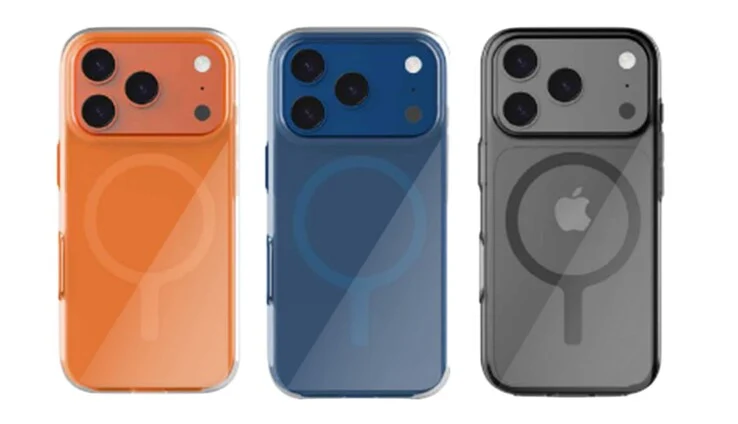
    1. The iPhone 17 Pro will be available in vibrant colors: orange (Pantone Papaya), dark blue (Pantone Mood Indigo), and dark gray.
    2. A new second camera shutter button will be added to the iPhone 17 Pro’s design.
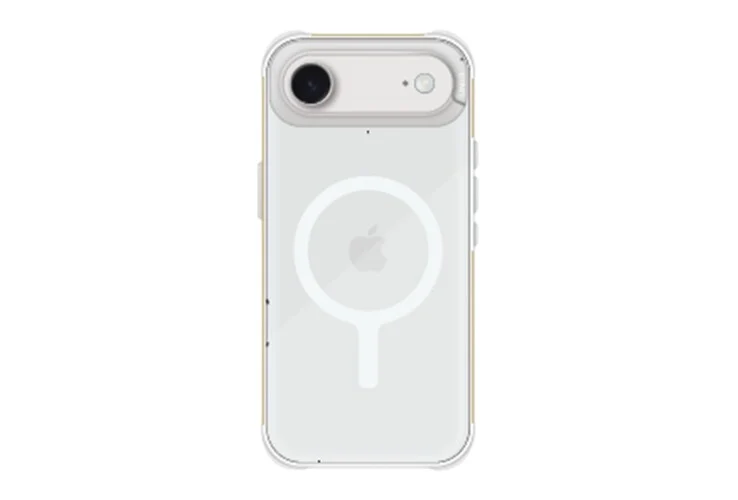
    3. The iPhone 17 Air will feature a single rear camera and maintain MagSafe compatibility.
    4. The iPhone 17 series is expected to be announced in September, with availability later that month.
    5. Key upgrades for the iPhone 17 Pro include a new Apple A19 Pro processor, a 24 MP selfie camera, and three 48 MP rear cameras.


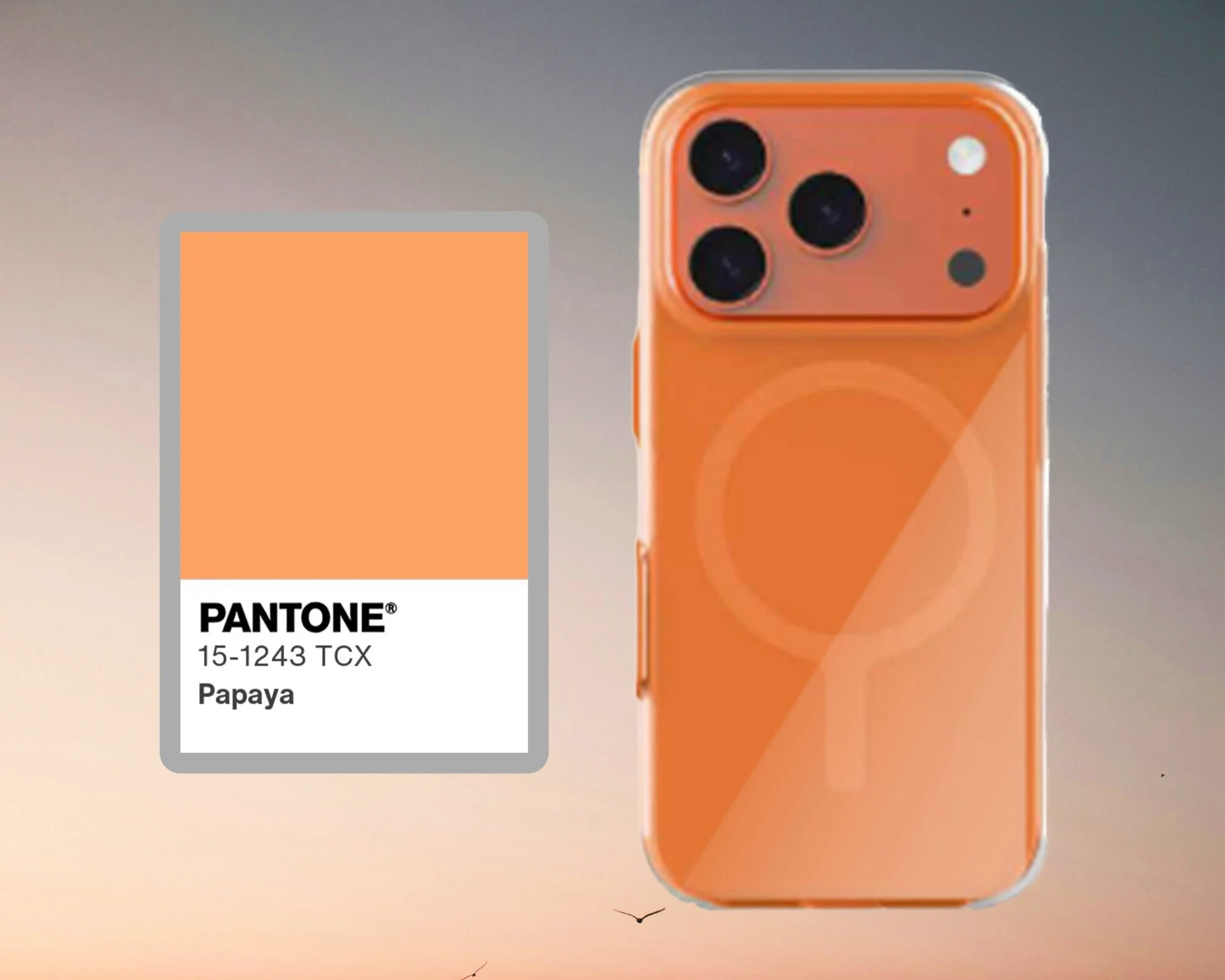
    A significant leak in mid-July has disclosed the various colors that the Apple iPhone 17, iPhone 17 Pro, and iPhone 17 Air will come in. Recent hands-on videos have shown dummies of the base model in green and purple. Now, trusted leaker @MysteryLupin has shared photos of a clear protective case displaying the iPhone 17 Pro in three different colors.

    Color Options for iPhone 17 Pro

    The next version of the iPhone 16 Pro will be released in orange (Pantone Papaya), dark blue (Pantone Mood Indigo), and dark gray. Notably, the images reveal the Apple logo positioned in the center of the MagSafe magnetic ring, which is standard, rather than lower down as was previously speculated. This adjustment aligns the logo to sit centrally beneath the wide camera module. After the iPhone 16 Pro featured rather muted colors like white, grey, black, and gold, Apple is returning to more vibrant hues with the iPhone 17 Pro.

    New Features and Design Changes

    What hasn’t been shown in these pictures is that Apple is reportedly adding a second camera shutter button located on the top edge of the case. This feature was recently observed in a photo that allegedly shows the iPhone 17 Pro in public. Additionally, the leaker provided an image of the iPhone 17 Air in white, which isn’t really a surprise. In an effort to save space, Apple will only include a single rear camera on this model, but it seems that MagSafe compatibility is still maintained despite the ultra-thin case design.

    Anticipated Release and Upgrades

    The Apple iPhone 17 series is likely to be officially announced in September and will become available in the latter part of that month. Along with design modifications and the upgrade to the new Apple A19 Pro processor, the iPhone 17 Pro is said to focus heavily on camera improvements. Reports indicate that Apple will incorporate a new 24 MP selfie camera and three 48 MP rear cameras. Furthermore, a new Pro Camera app and continuous zoom features are also anticipated to be part of this release.

    Source:
    Link