
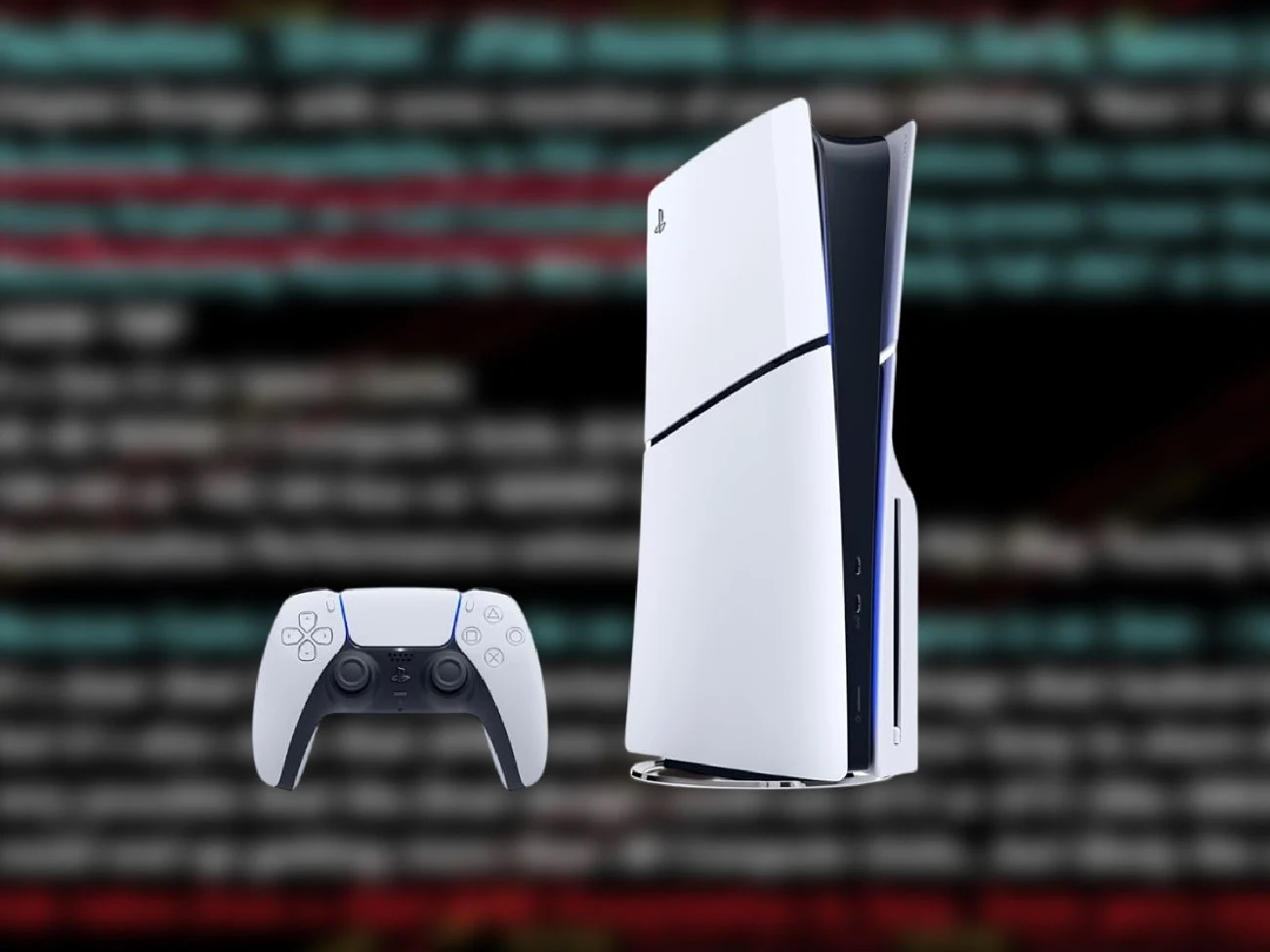
Key Takeaways
1. Specifications: The PS6 will feature the “Orion” APU, potentially a chiplet-based design with a 6-core CPU and RDNA 5 GPU architecture, boasting 40-48 Compute Units and a boost clock over 3 GHz.
2. Memory and Performance: Expected to have a memory bus of 160 or 192 bits, the PS6 may include 24 GB of GDDR7 VRAM, providing three times the rasterization performance of the PS5, with full backward compatibility for PS4 and PS5 games.
3. Cost and Efficiency: Sony is emphasizing cost constraints and power efficiency, with the PS6’s TDP at 160 W, lower than the PS5’s 180 W, indicating potential for a lower retail price.
4. Release Timeline: Serial production for the PS6 is projected for mid-2027, with an official launch planned for Fall 2027 or early 2028.
5. Source of Information: The details primarily come from Moore’s Law Is Dead, believed to be based on an AMD presentation to Sony in 2023, suggesting that the final design may evolve before the official release.
There has been quite a bit of buzz surrounding the anticipated specifications for the Sony PlayStation 6 and the upcoming Xbox. The latest technical information about these next-gen consoles has primarily come from Moore’s Law Is Dead. This source not only disclosed the existence of the AMD Magnus APU, which may drive the next-gen Xbox, but also shared the codenames for the AMD APUs that will power both the PS6 and its handheld version.
Details About the PS6
Moore’s Law Is Dead has provided extensive information about the Sony PS6 and the PS6 handheld console. This includes specifications of the APUs for these consoles, the expected release dates, and performance projections. We will focus on the specifications of the PS6 in this article, while the PS6 portable will be discussed in a future piece.
Specifications Overview
To begin with, the Sony PlayStation 6 is said to be powered by the “Orion” APU, which is reportedly chiplet-based and likely manufactured using 3 nm technology, similar to the AMD Magnus APU. The CPU chiplet is rumored to contain 6 cores, potentially based on Zen 6 or later. As for the integrated GPU, it is said to be based on the RDNA 5 architecture, featuring 40-48 Compute Units and a boost clock exceeding 3 GHz.
According to MLID, the PS6 is expected to have a memory bus that is either 160 or 192 bits wide, coupled with 32 GT/s of GDDR7 VRAM. Previous leaks suggested that the PS6 might include 24 GB of RAM, marking a 50% increase from the PS5’s 16 GB of GDDR6 memory.
Emphasis on Cost and Efficiency
Moreover, MLID indicates that Sony is focusing heavily on “cost constraints” and power consumption for the PS6. This could mean that the PS6 will consume less power than the PlayStation 5 and might be priced significantly lower than the PS5 Pro (available on Amazon).
Additionally, MLID states that the Orion APU has a Thermal Design Power (TDP) of 160 W. This is lower than the base PS5, as per TechpowerUp, which noted that the Oberon GPU in the PS5 has a TDP of 180 W, while the entire console typically requires over 200 W when gaming.
Performance Expectations
Even though the PS6’s Orion APU is reported to have a lower TDP than the base PS5, MLID claims that the PS6 is expected to deliver three times the rasterization performance of the original PS5. The ray tracing capabilities are projected to see even greater enhancements. This means that the PS6 should be able to run PS5 and PS4 games at 4K/120 FPS, as it is supposedly fully backward compatible with titles from both the PS5 and PS4.
Anticipated Release Date
Regarding the release timeline, MLID has reported that serial production for the PS6 is set for mid-2027, with an official launch likely slated for Fall 2027 or early 2028.
In conclusion, it’s important to mention that the information from MLID regarding the PS6 is believed to have originated from an AMD presentation to Sony in 2023. Thus, the design of the console may have changed considerably since then. For example, AMD could have persuaded Sony to utilize desktop RDNA 5 chips like AT3 or AT2, which could lead to more than 48 CUs.
In short, treat the information provided here as very early, not final, and likely missing some details.
Check out the Sony PS5 Slim on Amazon.
Follow Moore’s Law Is Dead on YouTube.
Source:
Link


Leave a Reply