
Key Takeaways
1. Samsung Foundry is experiencing challenges with its advanced SF2 node but has seen increased demand for earlier processes, especially from Nintendo for the Switch 2.
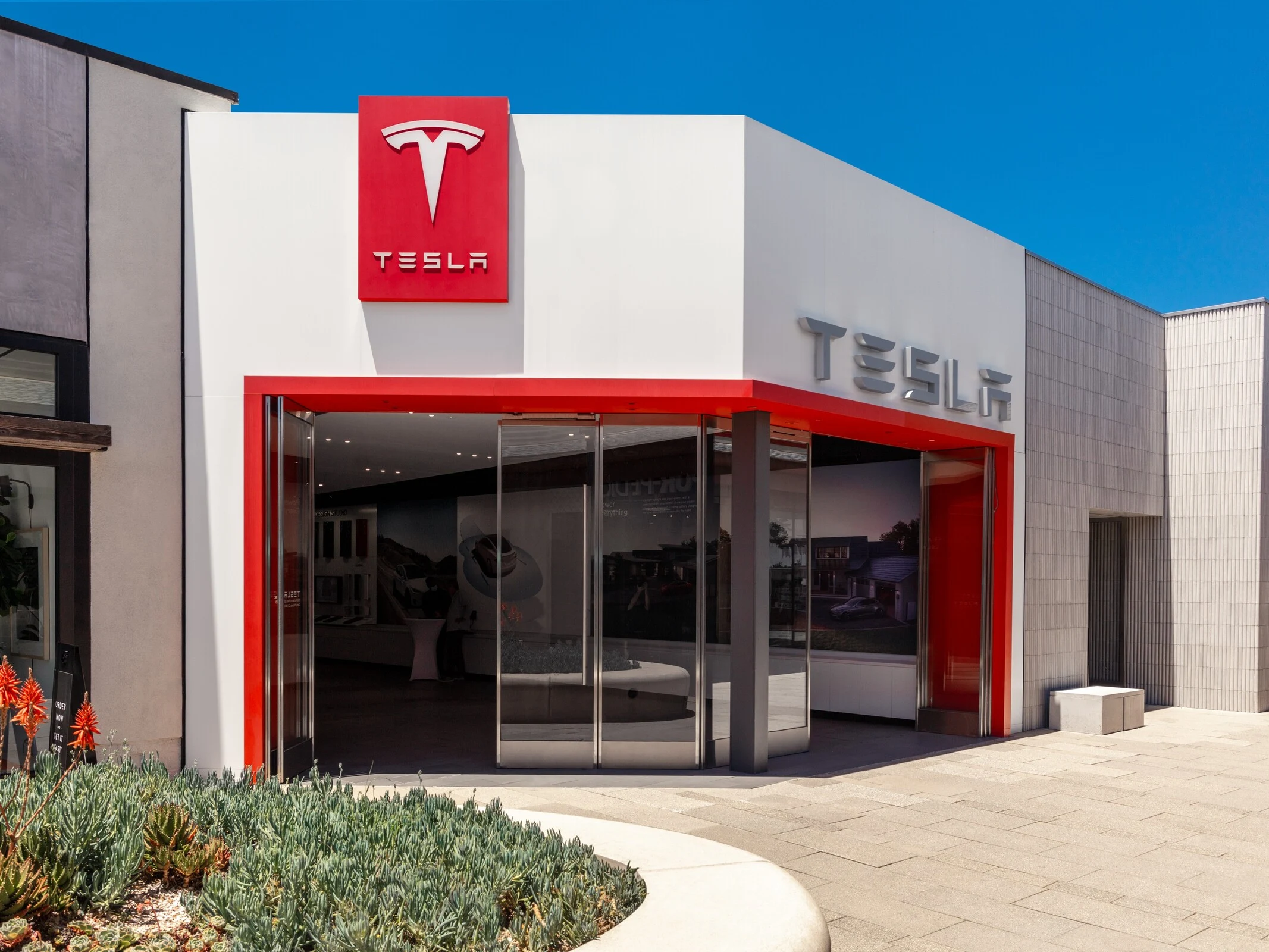
2. Samsung Electronics secured a significant $16.5 billion deal to produce Tesla’s next-gen AI6 chip at its new Texas fab.
3. Tesla is likely to use one of Samsung’s older nodes (5 nm or 4 nm) for the A16 chip, rather than cutting-edge technology.
4. The possibility exists that the node for Tesla’s chips could be SF2A, Samsung’s 2nm node meant for automotive components, with work not starting until late 2033.
5. Elon Musk will personally oversee efforts to expedite the production process for Tesla’s A16 chip, which may have a larger die size than the Exynos 2600.
While Samsung Foundry has been facing difficulties with its advanced SF2 node recently, there has been an uptick in demand for some of its earlier processes, especially from companies like Nintendo. The gaming giant has utilized Samsung’s 8N node for the Tegra T239 SoC in the upcoming Nintendo Switch 2. Recently, Samsung Foundry has landed what might be its biggest order yet.
Major Deal Unlocked
According to Reuters, Samsung Electronics, which owns Samsung Foundry, has secured a deal worth $16.5 billion with a “global firm.” This mystery was unveiled by Elon Musk, the founder of Tesla, who shared on X that, “Samsung’s massive new Texas fab will be focused on producing Tesla’s next-gen AI6 chip.”
Speculations on Technology
However, it’s probable that Tesla is opting for one of Samsung’s older nodes for the A16 chip. Reuters mentions that “the order is unlikely to involve the cutting-edge tech.” While the specific node has not been disclosed, it is likely to be either 5 nm or 4 nm. A report from 2023 suggested that the yields for these nodes were around 75%, making them suitable for large-scale production.
What’s Next for SF2A?
In contrast, X analyst Jukanlosreve and the South Korean news source Chosun have pointed out that the node in question may be SF2A, which is Samsung’s 2nm node designed for automotive components. This possibility isn’t far-fetched since the Reuters article indicates that “until the contract is completed at the end of 2033,” Samsung may not begin working on the chips for Tesla right away.
At present, there is no public information about the yield rates for Samsung’s SF2A node. However, its non-A variant, SF2, is believed to be yielding around 40%, likely intended for the Exynos 2600, which could have a die size of approximately 150 mm². While Tesla’s A16 chip is expected to be bigger, Samsung should have ample time to refine its processes. Elon Musk has stated that he will “personally oversee efforts to speed up progress.”
Source:
Link
Leave a Reply