Category: Wearables

  • Google fined $12M for severe burns caused by Fitbit Ionic

    Google fined $12M for severe burns caused by Fitbit Ionic

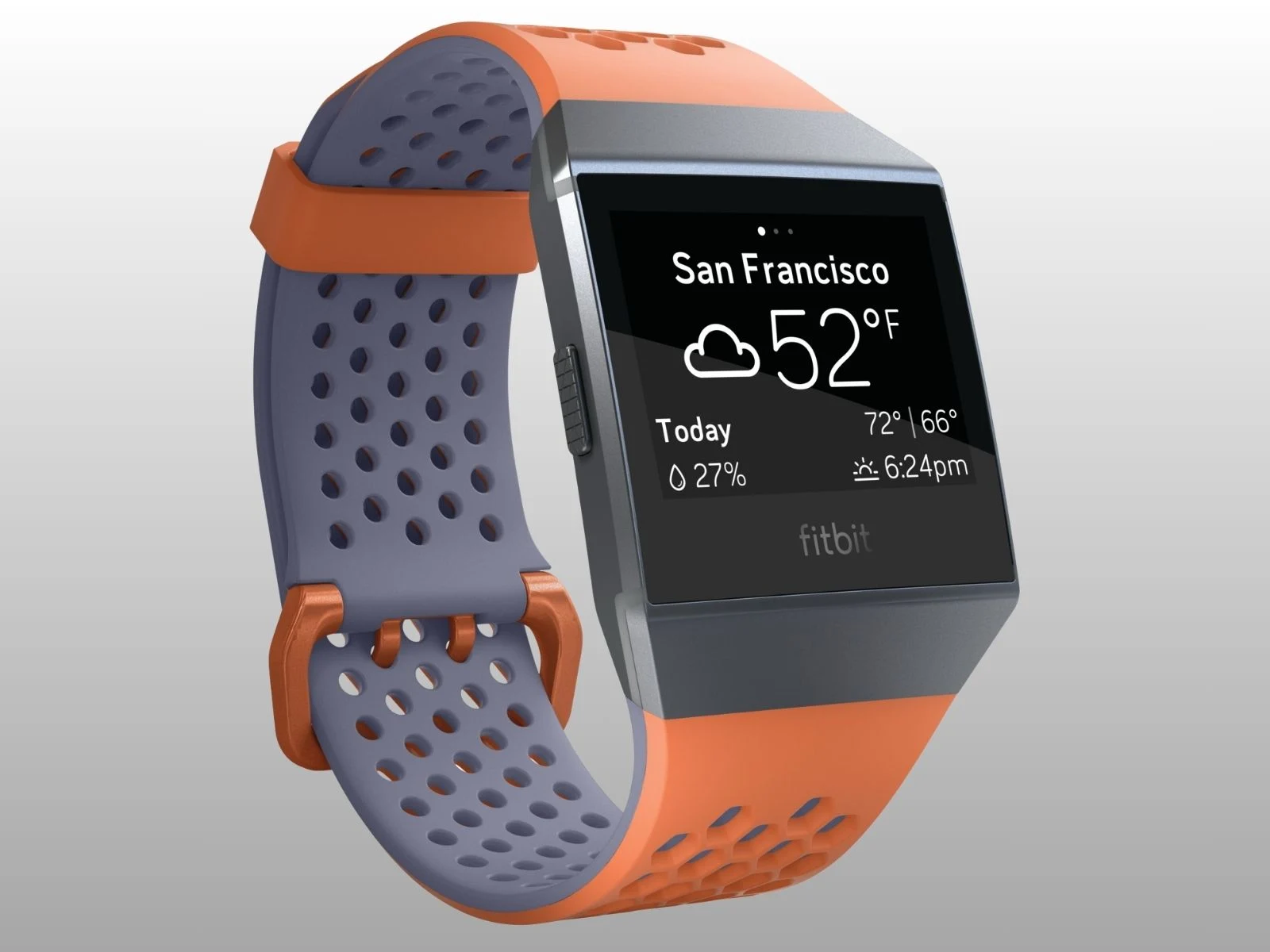
    Between 2018 and 2020, Google, which owns Fitbit, discovered at least 115 instances of battery overheating in its Fitbit Ionic smartwatch. Out of these, 78 cases involved actual burn injuries, including two cases of third-degree burns and four cases of second-degree burns. The company ultimately recalled this dangerous device in March 2022, but by that time, it was already too late.

    Reporting Failures

    In situations where it is found that a product has a defect that poses a serious risk of injury or even death to consumers, the U.S. Consumer Product Safety Commission (CPSC) mandates immediate reporting of the issue. Unfortunately, Google did not fulfill this requirement. Consequently, the company is obligated and has consented to pay a fine of $12.25 million to the CPSC.

    Internal Audit Requirements

    The settlement terms also stipulate that Fitbit must carry out an internal review of how effective its compliance policies, procedures, systems, and training are. Furthermore, they are required to submit an annual report on their findings.

    Interestingly, this news comes just one day after Google issued a consumer alert regarding a potential (though unlikely) risk of injuries caused by overheating batteries in the Fitbit Sense and Fitbit Versa 3 smartwatches. Both of these models have been replaced by newer versions: the Fitbit Sense 2, which is currently 21% off on Amazon, and the Fitbit Versa 4, which is currently 17% off on Amazon.

    Source:
    Link
  • G-SHOCK Launches MTG-B2000YST-1A for Indian Watch Lovers

    G-SHOCK Launches MTG-B2000YST-1A for Indian Watch Lovers

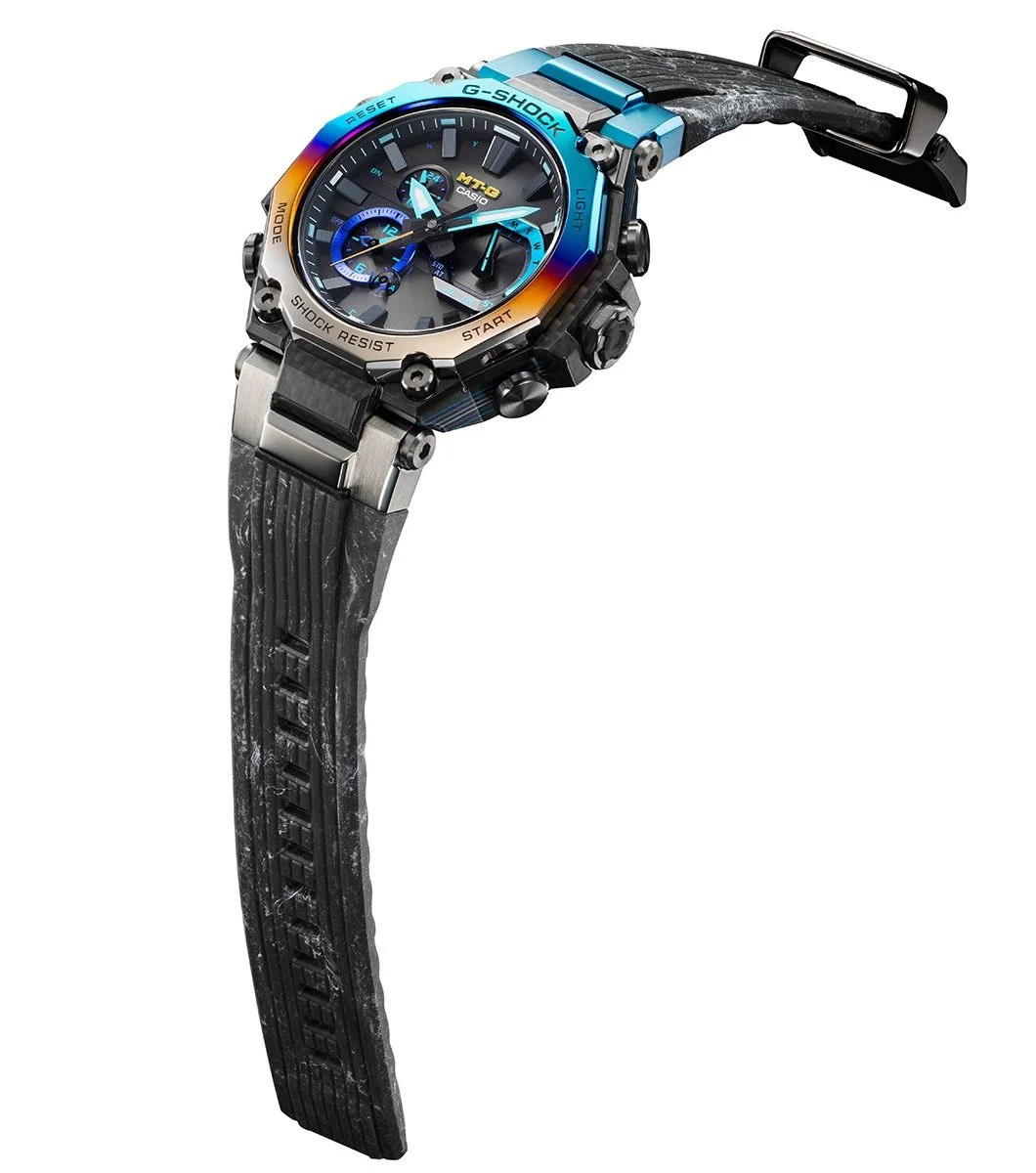
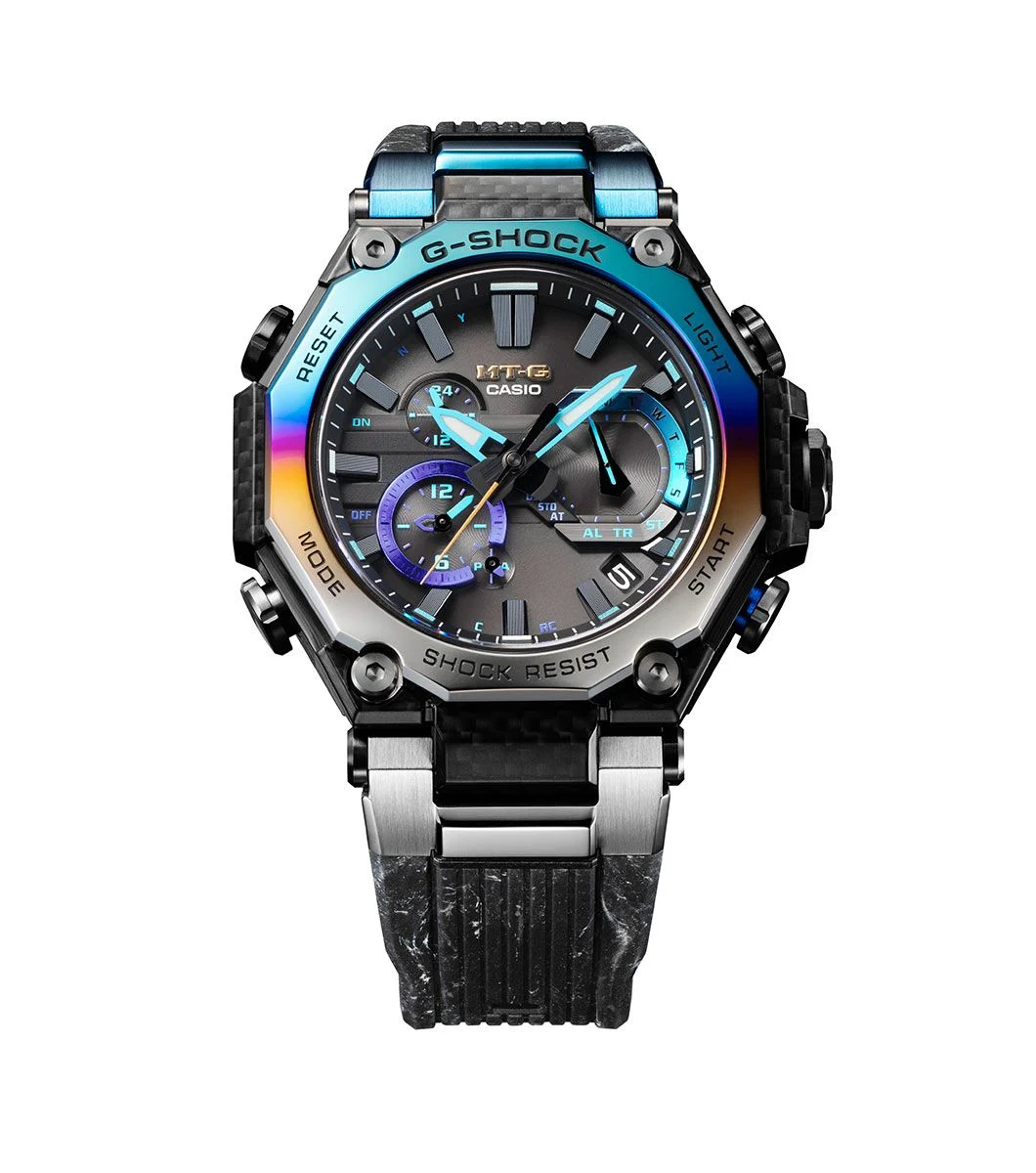
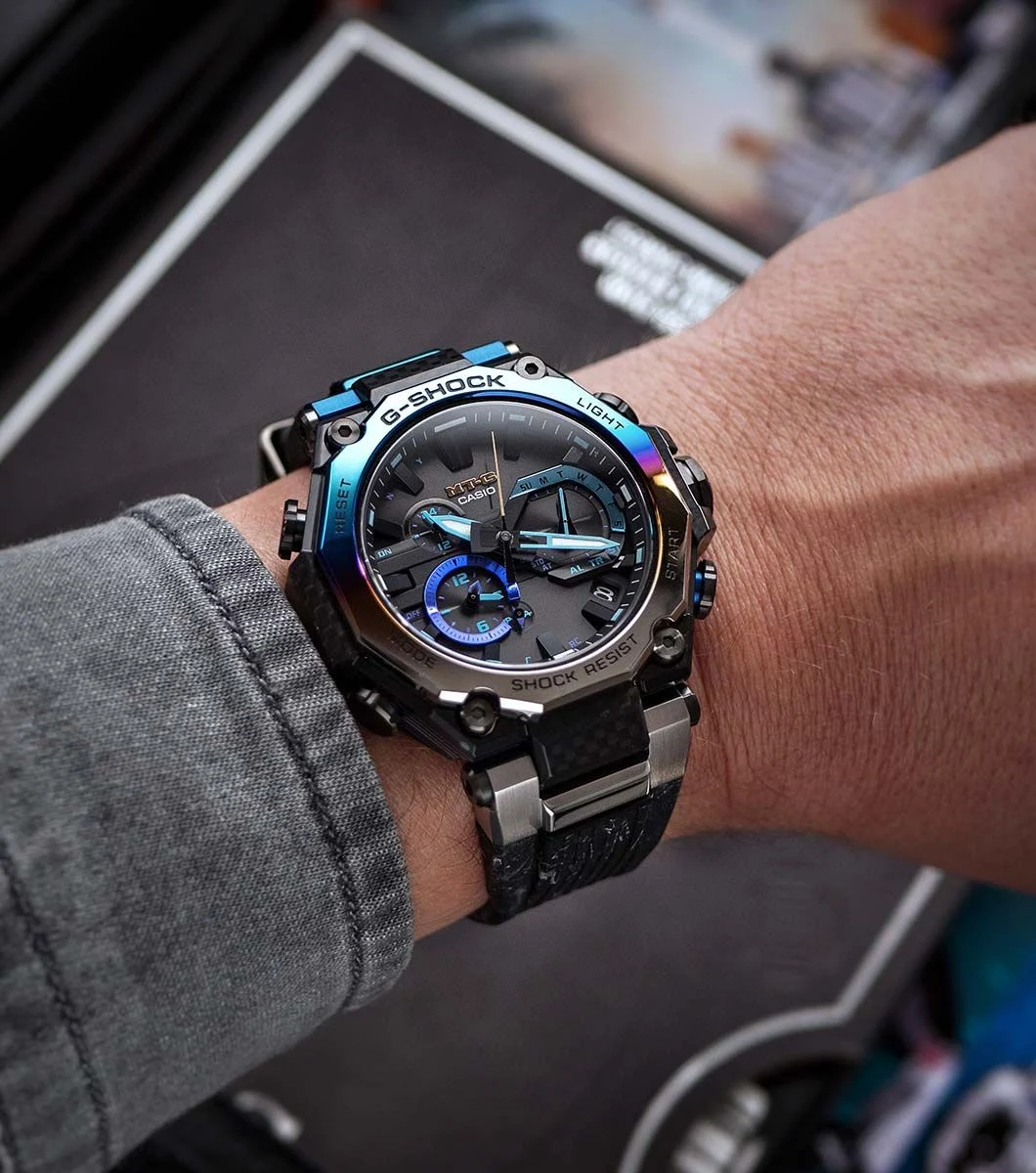
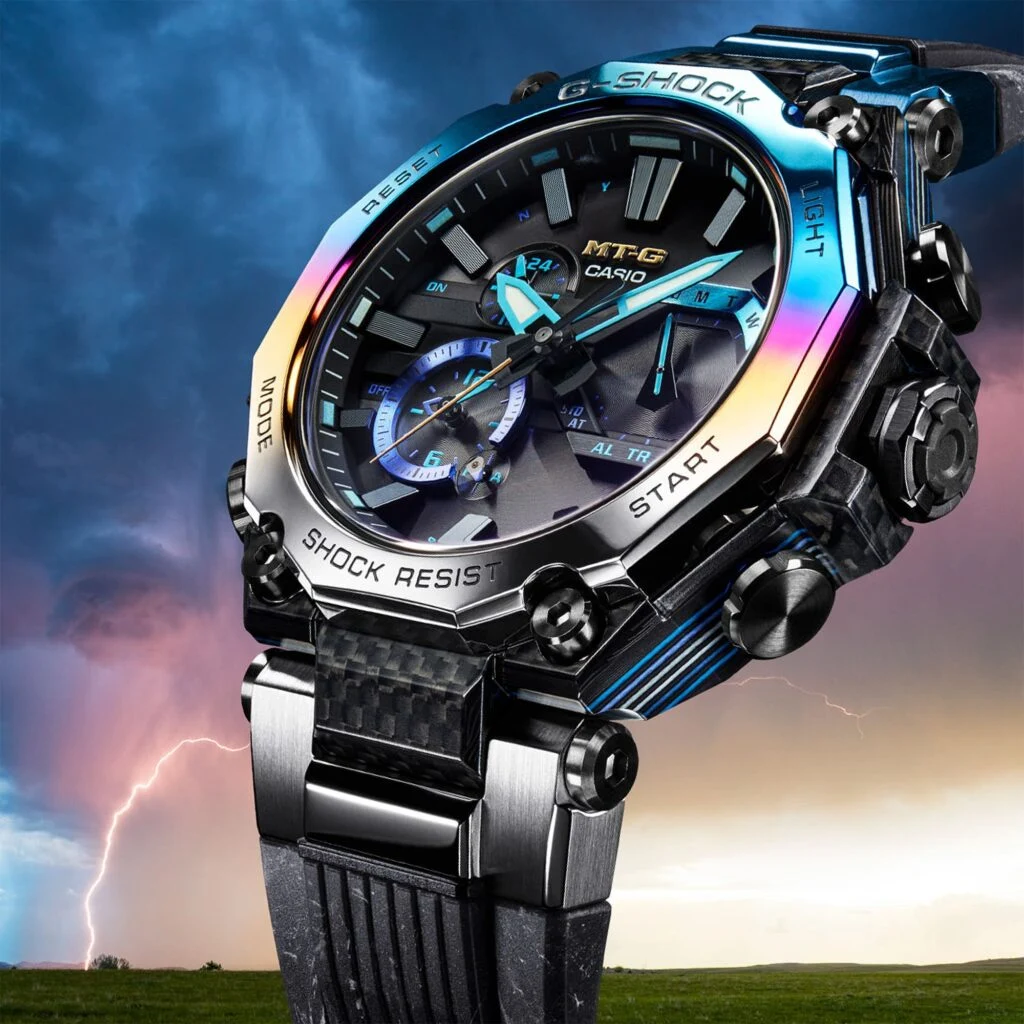
    Casio has launched the G-SHOCK MTG-B2000YST-1A, a special edition timepiece in the MT-G collection, showcasing a “Storm Chaser” theme targeted at the Indian audience. Previously, this watch made its debut in the US and European markets in November 2024.

    Features of the G-Shock MTG-B2000YST-1A

    The MTG-B2000YST-1A boasts a bezel with rainbow ion plating, a carbon frame, and a uniquely colored resin strap that captures the essence of tempestuous skies. The bezel, featuring a mix of blue and silver ion plating, symbolizes the ever-changing weather, while its layered construction of carbon and glass fiber mimics the appearance of lightning bolts. Additionally, a phosphorescent layer provides a glow-in-the-dark effect that imitates the bright flashes of a storm.

    Equipped with scratch-resistant sapphire crystal glass and an anti-reflective coating, this watch ensures excellent visibility. It is rated water-resistant up to 200 meters, making it ideal for swimming and various aquatic activities. Notable features encompass a battery level indicator, countdown timer, and a 24-hour stopwatch, all contained within a lightweight design of 104 grams.

    Sustainability and Connectivity

    The MTG-B2000YST-1A harnesses solar energy to reduce the need for battery changes. Furthermore, it includes Bluetooth capability, enabling users to connect the watch to the CASIO WATCHES app for automatic time updates, world time displays, and other useful features.

    Pricing and Where to Buy

    The price for the MTG-B2000YST-1A is set at ₹94,995 (approximately US$1,099) and can be found at Casio and G-SHOCK retail outlets across India. It is also available for purchase online through Casio’s official website. In the US, the retail price of the watch is $1,450.


  • Google Acquires HTC Vive Business for Android XR Development

    Google Acquires HTC Vive Business for Android XR Development

    Google made headlines last year when it unveiled Android XR, an operating system designed for mixed reality headsets and smart glasses. Recently, the company shared exciting news about its collaboration with HTC’s VIVE division.

    Partnership Details

    In a blog post, Google revealed that it has formed a partnership with HTC, which involves a technical engineering team from HTC Vive joining their ranks. This team, known for its strong VR development expertise, will assist Google in speeding up the progress of Android XR.

    Sale of Business

    However, a report from Reuters has indicated that HTC is actually divesting a portion of its extended reality business to Google for $250 million. This transaction will also involve transferring some personnel to Google, consistent with Google’s earlier announcement. The deal is anticipated to conclude within this quarter.

    Clarification from HTC

    HTC has clarified that this agreement is not a complete buyout or an exclusive licensing deal. The company will retain rights to use and further develop the intellectual property that it has provided to Google.

    This marks the second time Google has taken ownership of part of HTC’s operations. The first instance was back in 2017, when Google acquired a segment of HTC’s smartphone division for $1.1 billion, which also led to some HTC workers transferring to Google.

    Upcoming Device Launch

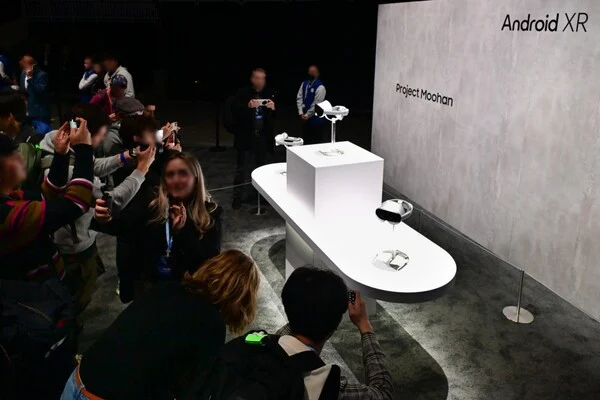
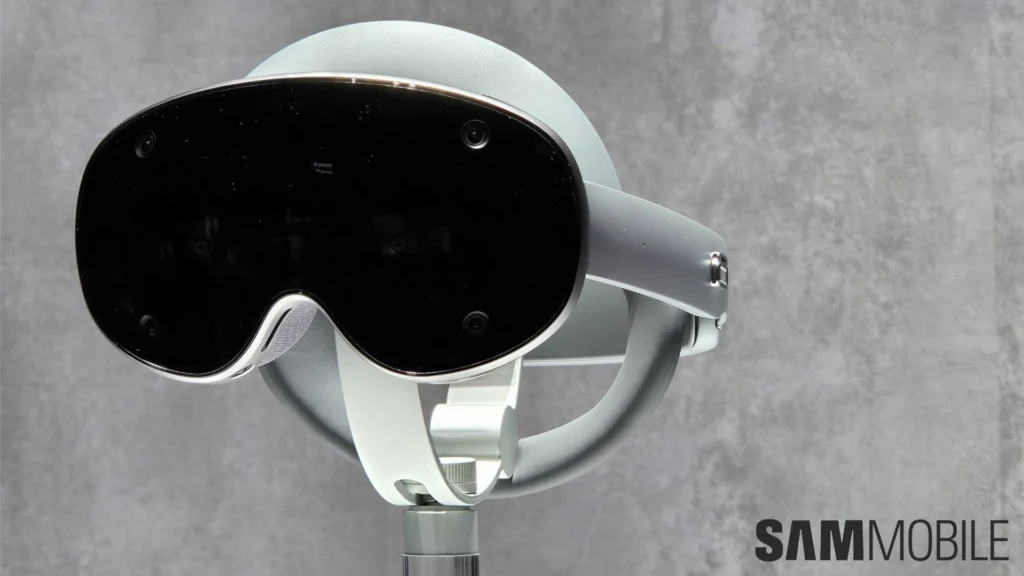
    It has been confirmed that Samsung will be the first to release a device that runs on Android XR. This headset, codenamed Project Moohan, was showcased during the Galaxy Unpacked event for the Galaxy S25 series, but attendees were not permitted to interact with it.

    The device likely needs further software development, but the recent acquisition could expedite that process. It’s slated for launch later this year.

    Source:
    Link


  • Mental Health Apps: A Future Multi-Billion-Dollar Industry by 2031

    Mental Health Apps: A Future Multi-Billion-Dollar Industry by 2031

    Apps focused on enhancing or sustaining users’ mental health are becoming more prevalent and widely recognized, especially in North America right now, with Europe and growing regions like Asia Pacific following closely behind in adoption.

    Platform Availability

    These applications are generally designed for smartphones or tablets operating on iOS or Android systems, but they can also be found as part of or in support of other platforms, such as the Zepp app from Amazfit and Samsung’s Wear OS for the Galaxy Watch.

    Different Purposes

    Some of these apps are created to help manage particular issues like anxiety or depression, while others may focus on broader mental health areas, including stress or its connection to sleep quality.

    The mental health app market has gained from rising awareness about the significance of mental well-being and the overall increase in demand for telehealth services. They can be especially helpful for individuals in remote areas with few in-person treatment options.

    Risks and Concerns

    However, the use of mental health applications also comes with certain risks and negative effects, notably concerns about patient data being sold online in the past. Moreover, some individuals may find face-to-face therapy or alternative treatment methods to be more effective for their needs.

    Despite these concerns, the mental health app market is anticipated to grow globally, with projections showing an increase from $4.2 billion in 2024 to $17.5 billion by 2031, reflecting a compound annual growth rate (CAGR) of 19.6% each year during this period.

    Source:
    Link

  • Amazfit Smartwatches Introduce Health Connect Data Sync Feature

    Amazfit Smartwatches Introduce Health Connect Data Sync Feature

    Zepp Health has revealed a better integration with Health Connect for users of Amazfit smartwatches. Previously, it was possible to link the watch to the app, but users couldn’t sync all their data. A company rep confirmed this change in a recent post on Reddit.

    Setting Up the Connection

    Amazfit smartwatch users can easily establish the connection through the Zepp app. They just need to navigate to Profile > 3rd-party account linking > Health Connect. Here, users can opt to grant all permissions or selectively allow access for various metrics such as Blood Pressure, Heart rate, Sleep, and Weight. These settings can be modified later on, and there’s also the choice to erase app data whenever desired.

    Data Security and Issues

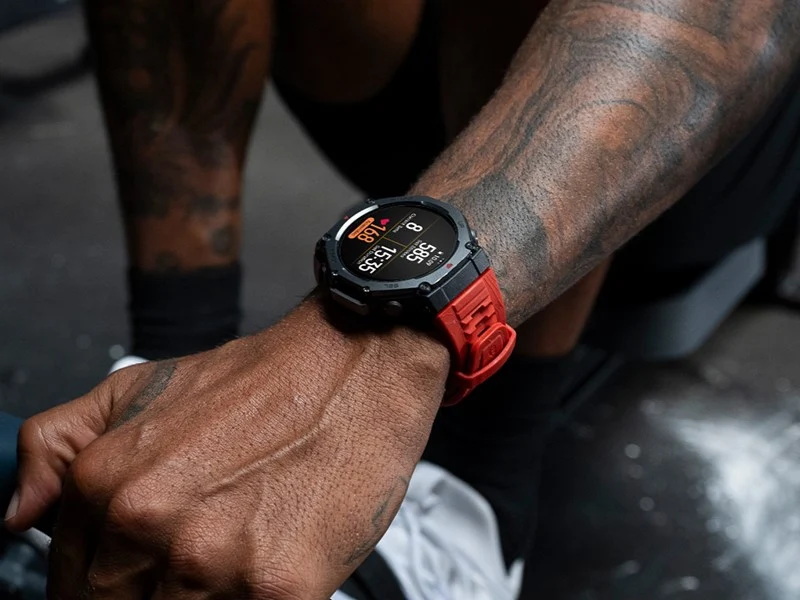
    Zepp Health assures users that their data is handled securely, following both its own privacy policy and that of Health Connect. Currently, the Zepp app supports only sending data to Health Connect, which means it’s a one-way street for now. It remains uncertain if this will evolve into a two-way connection in the future. Additionally, one user has pointed out that heart rate data seems to not be syncing correctly, but it’s not clear if this is a common problem. This fresh integration with Health Connect should be accessible for all Amazfit models, including the Amazfit T-Rex 3 smartwatch, which is currently priced at $234.99 on Amazon.

    User Feedback

    The community on Reddit has been engaged with this update, sharing their experiences and thoughts. The feedback has varied, with some users expressing excitement about the new features, while others remain cautious about the reported data issues. Overall, this enhancement is a significant step for Amazfit smartwatch users looking to manage their health data more effectively.

    Source:
    Link

  • Apple Faces Lawsuit Over Toxic ‘Forever Chemicals’ in Watch Bands

    Apple Faces Lawsuit Over Toxic ‘Forever Chemicals’ in Watch Bands

    Apple is facing criticism for supposedly offering Apple Watch bands that contain significant amounts of harmful “forever chemicals,” referred to as PFAS (per- and polyfluoroalkyl substances).

    Class-Action Lawsuit Filed

    As reported by the Register, a recent class-action lawsuit has been launched in the Northern District of California, claiming that the tech company neglected to inform customers about the dangerous substances found in three specific types of bands: the Sport Band, Ocean Band, and Nike Sport Band.

    Health Risks Linked to PFAS

    PFAS are often used in many consumer items, such as nonstick cookware and clothing, due to their strong durability and ability to resist sweat and oils. Nonetheless, they are connected to serious health issues, including cancer, immune system problems, and developmental damage in unborn babies. Because of their long-lasting presence in the environment, PFAS can build up in the human body over time, which is why they are known as “forever chemicals.”

    A study from the University of Notre Dame in 2024 is mentioned in the lawsuit, revealing heightened levels of PFAS in various smartwatch bands, including those produced by Apple. Using advanced testing techniques, researchers found considerable amounts of perfluorohexanoic acid (PFHxA) in some bands.

    Allegations Against Apple

    Although the study did not identify which specific bands were examined, it highlights the dangers of extended skin contact during activities like working out, where sweat and open pores might increase chemical absorption. The lawsuit claims that Apple was aware of the problem but continued to sell these bands, despite its 2022 pledge to remove PFAS from its products. It accuses the company of fraud, carelessness, and breaching California consumer protection laws. The plaintiffs are requesting class-action status, monetary compensation, and a court ruling to stop the sale of the implicated bands.

    As worries about PFAS continue to rise, consumers are encouraged to choose safer options, such as silicone or PFAS-free bands, while waiting for more explicit regulations and accountability from manufacturers. Apple has not yet responded to the lawsuit.

    Source:
    Link

  • Thunderobot Aura AR Smart Glasses: 150″ Projection & 600 Nits

    Thunderobot Aura AR Smart Glasses: 150″ Projection & 600 Nits

    Thunderobot has introduced its new AR smart glasses, known as the Aura, to the Chinese market. The retail price for these glasses is set at 1,399 yuan ($192), but an introductory discount brings it down to 1,099 yuan ($150). Customers can now buy them on JD.com. Let’s take a look at the main specifications.

    Key Features of the Aura AR Smart Glasses

    The Aura AR smart glasses are crafted to combine entertainment, productivity, and engaging visuals while maintaining a lightweight design of just 79 grams. This ensures comfort for extended usage without causing discomfort.

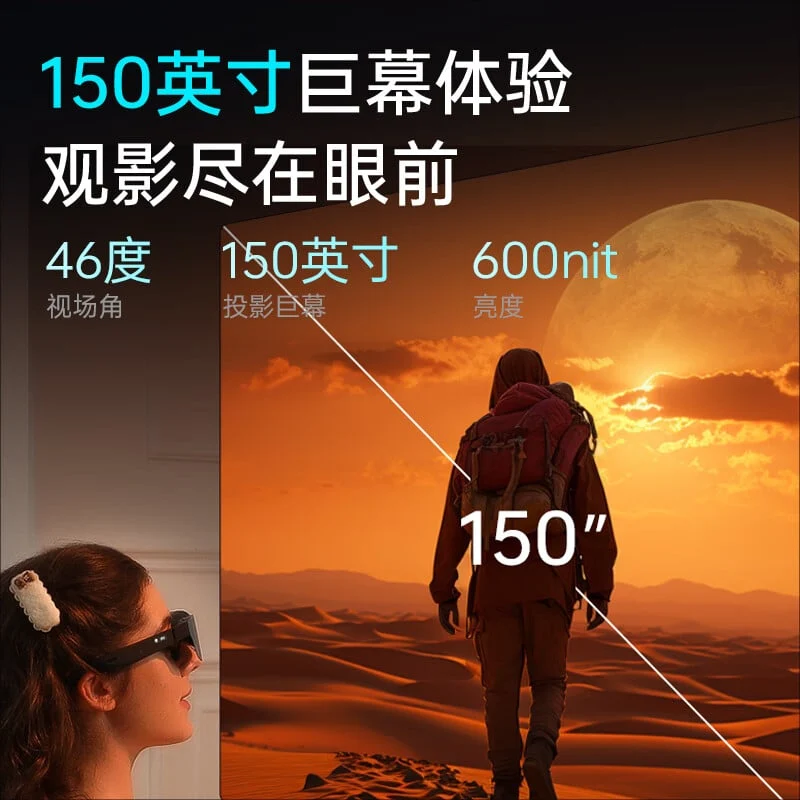
    The glasses offer a projection equivalent to a 150-inch virtual screen with a 46° field of view, creating a movie-like experience. Utilizing BOE’s innovative Micro OLED technology, the device boasts a dual-eye resolution of 3840 x 1080 pixels and a brightness of 600 nits, resulting in clear and vibrant images. Furthermore, it has 98% sRGB coverage and an 8-bit color depth, providing lifelike colors that are accurately tuned for a captivating viewing experience.

    Impressive Audio and Visual Capabilities

    The Aura is equipped with self-developed high-fidelity audio technology and stereo full-range speakers designed for directional sound. This setup guarantees an engaging audio experience while reducing sound leakage, offering privacy in public environments. Its frequency response range spans from 20 Hz to 20,000 Hz, ensuring balanced audio performance across various frequencies.

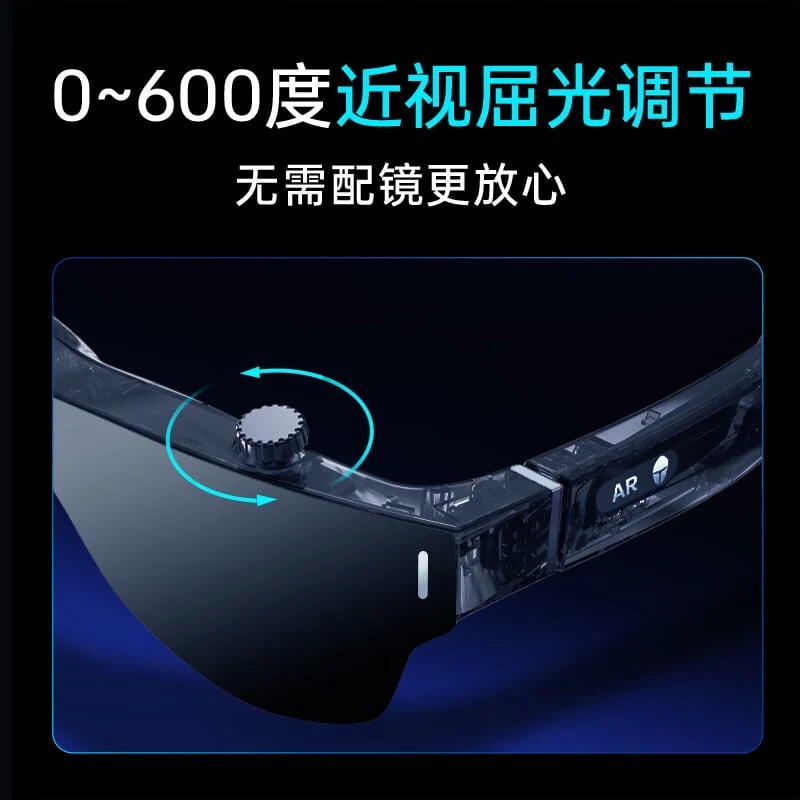
    The glasses also feature an adjustable diopter range from 0 to 600 degrees, catering to users with myopia by providing clear visuals without the need for prescription lenses. Additionally, it has a 60Hz refresh rate and a 1ms response time, ensuring smooth gameplay and video playback without lag.

    Versatile Connectivity Options

    Regarding connectivity, these glasses are quite versatile. They come with a Type-C port that supports DP 1.2 and USB 2.0, making them compatible with a wide range of devices, including smartphones, laptops, gaming consoles (such as the Switch, PS5, and Xbox), drones, and handheld gaming devices. To achieve optimal gaming performance, a HUB/HDMI adapter might be necessary for some setups.

    In addition, Thunderobot recently launched two new gaming monitors earlier this month: a 31.5-inch 4K 165Hz OLED model that features a Samsung QD-OLED panel, and a 27-inch 2K 210Hz monitor with a Fast-IPS panel and 400 nits brightness.


  • Samsung Unveils Galaxy XR Headset: Project Moohan at Unpacked 2025

    Samsung Unveils Galaxy XR Headset: Project Moohan at Unpacked 2025

    Samsung has made an official announcement regarding the Galaxy S25 series during the Galaxy Unpacked 2025 event in San Jose, California. This new series includes the Galaxy S25, S25+, and S25 Ultra, all featuring the advanced Snapdragon 8 Elite chip along with other high-end specifications. In addition to these flagship smartphones, Samsung introduced its first extended reality (XR) headset, named ‘Project Moohan.’ This signifies Samsung’s entry into the XR and wearable technology market.

    The XR Headset: Project Moohan

    The ‘Project Moohan’ XR headset was first revealed in December 2024 and aims to change the way users engage with both physical and digital worlds. This headset runs on the new Android XR operating system, which has been developed with the help of Google and Qualcomm. It is expected to have multiple input methods, such as eye tracking, hand gestures, and voice commands, allowing users to control apps and interact smoothly.

    Features and Expectations

    The headset is anticipated to come with ultra-high-resolution OLEDoS displays and low-latency passthrough functions, all powered by Qualcomm’s Snapdragon XR2+ Gen 2 chip. Users can look forward to features supported by Google’s Gemini AI assistant, like Circle to Search, live text translation, and improved browsing capabilities in Google Chrome. Although Samsung has not provided a specific release date for the device, it is believed it will be available later this year, with a price tag likely above $2,000.

    Smart Glasses on the Horizon

    In addition to the XR headset, Samsung has also hinted at the upcoming AI-based smart glasses. These glasses may utilize the Snapdragon AR1 Gen 1 chip and Google’s Gemini platform, which would enable voice and vision-based commands. Samsung’s CEO TM Roh indicated that the company aims to launch smart glasses “as soon as possible,” showing their ambition to lead in the next wave of wearable gadgets.

  • Samsung’s New Galaxy Buds with Cameras: Latest Report Revealed

    Samsung’s New Galaxy Buds with Cameras: Latest Report Revealed

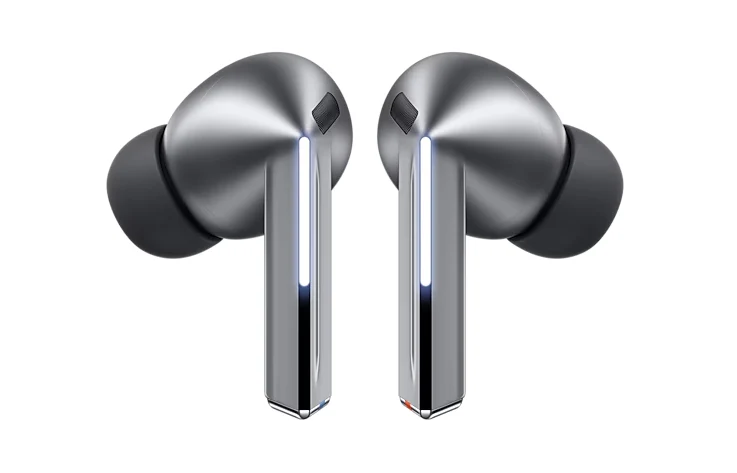
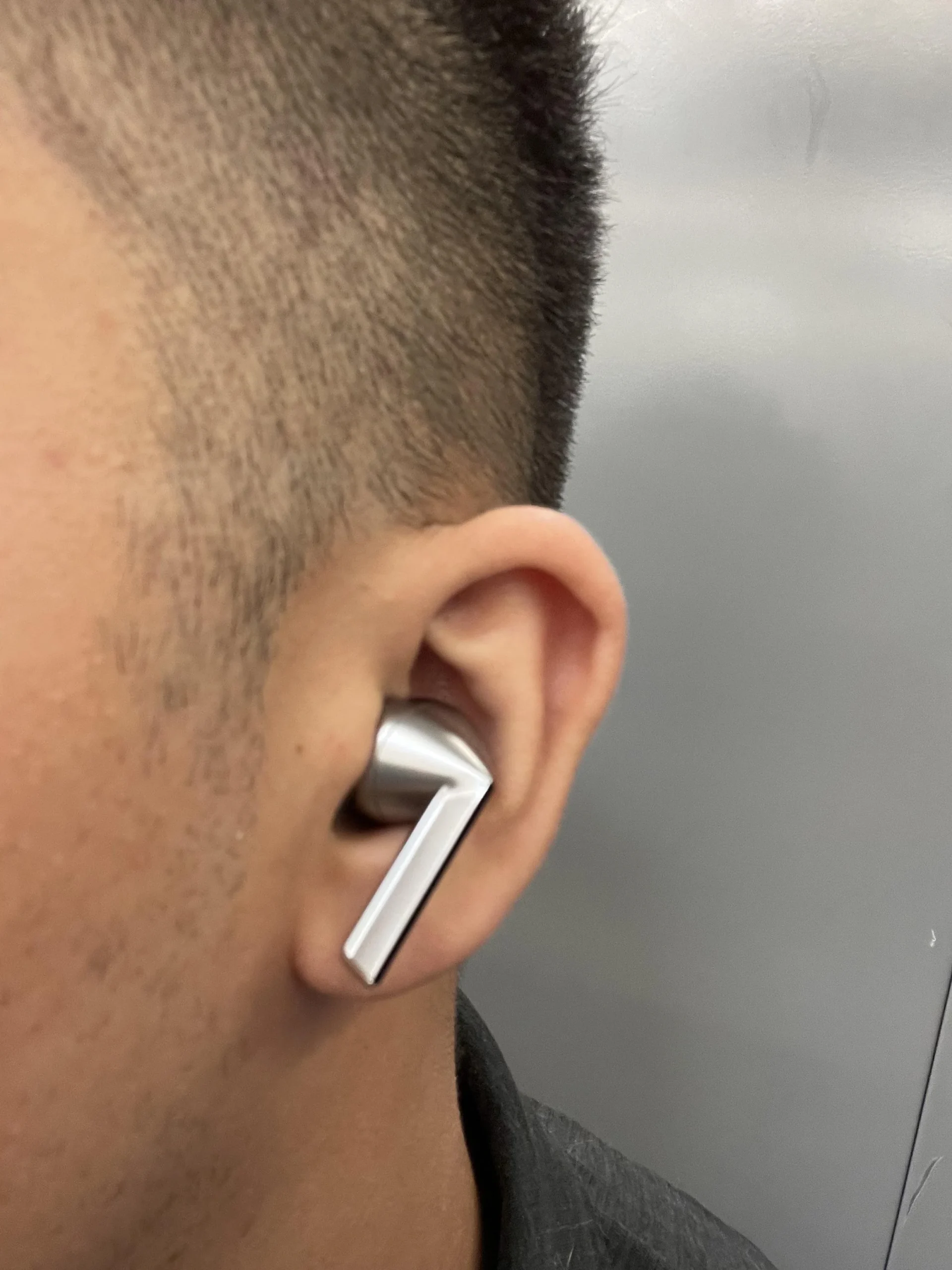
    Samsung introduced its Galaxy Buds 3 and Buds 3 Pro in July of the previous year, featuring a significant redesign. Unlike the rounded shapes of the earlier generations, these new versions sport a stem design. The Pro variant even includes a light strip, giving it a distinct appearance that sets it apart from AirPods and other rivals. However, Samsung’s ambitions don’t end here; they have exciting plans for the future of their wearables.

    Innovative Features on the Horizon

    Bloomberg’s Mark Gurman reports that Samsung intends to integrate cameras into future Galaxy Buds. This addition is likely to enhance their functionality while still providing a solid audio experience. It is worth noting that this idea isn’t entirely original. Apple is also believed to be working on similar enhancements for its AirPods Pro 3, expected to debut this fall. Unfortunately, Gurman did not disclose specific details about what Samsung envisions for the camera’s functionalities.

    Competing Innovations from Other Companies

    In addition to Apple, Meta is also exploring the idea of wireless earbuds equipped with cameras, dubbed ‘Camera Buds’. These earbuds will reportedly enable users to examine an object and request an analysis through the earbuds. Last year, however, reports indicated that Meta’s prototype faced challenges related to visibility and viewing angles, especially for individuals with long hair. The inclusion of cameras would also increase the demand for processing power and battery life.

    Anticipating Future Designs

    I’m personally intrigued by how the design and feel of these earbuds will evolve with the camera feature. More importantly, I wonder about user comfort. The existence of Ray-Ban Meta AI Glasses suggests that integrating cameras into compact devices is indeed feasible. While details on Samsung’s approach remain scarce, the trends in the tech industry indicate that we might see similar features in their upcoming models. A report from Sammobile speculates that “Samsung’s Galaxy Buds with cameras might serve as a temporary alternative to smart glasses.”

    At this time, there’s no official word on when these camera-equipped earbuds will be released. For the moment, we can only anticipate that they will launch sometime soon. To stay updated, be sure to check our News Section regularly.

    Source:
    Link


  • Samsung and Google Launch Kid-Friendly WearOS for Galaxy Watch 7 LTE

    Samsung and Google Launch Kid-Friendly WearOS for Galaxy Watch 7 LTE

    A couple of years back, Google introduced Kids Space, a special collection of content made just for kids, on certain Android tablets. Recently, they teamed up with Samsung to create a WearOS experience specifically for children, which has launched on the Samsung Galaxy Watch 7 LTE.

    Galaxy Watch for Kids Features

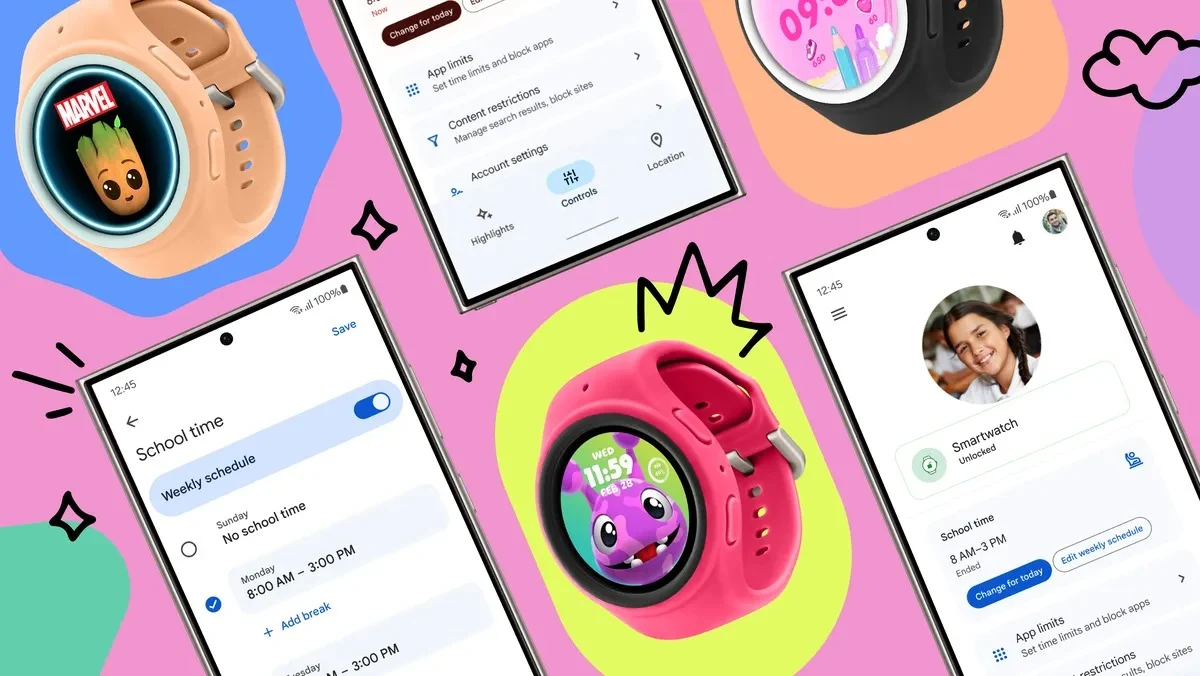
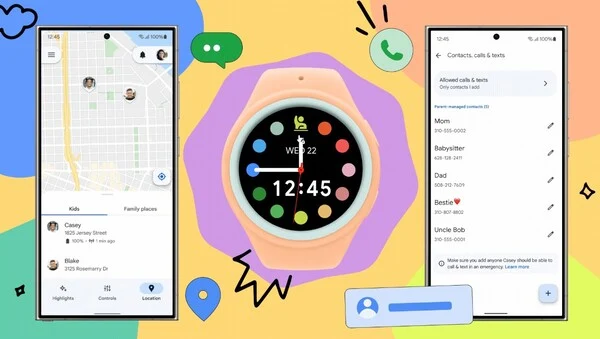
    The product is named Galaxy Watch for Kids, and it aims to help parents stay connected with their children using the Galaxy Watch 7 LTE instead of a traditional smartphone. Similar to functionalities on Android devices, parents will be able to monitor their kids through the Family Link app.

    With this new watch, guardians can specify who their child is allowed to call and text, manage the apps that can be downloaded, and even track their location via the app. Additionally, they can restrict certain features of the watch, helping to prevent distractions during classes, and use the Family Link app to locate lost devices.

    A Focus on Kid-Friendly Design

    The Galaxy Watch for Kids isn’t solely about giving parents oversight; it’s also crafted to offer a fun and engaging experience for children on compatible smartwatches.

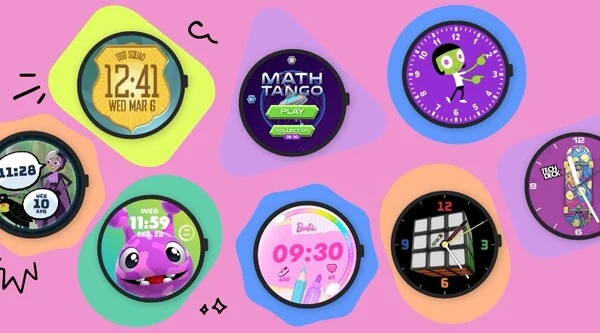
    As per an official announcement, Google has collaborated with well-known children’s brands to create around 20 apps and watch faces that are teacher-approved, available in the kids section of the Play Store. Notable brands such as Crayola, Marvel, PBS Kids, and Rubik’s Cube are included in this initiative. To help parents easily locate appropriate apps, some will feature a Teacher Approved badge indicating they have been recommended by educators and child media experts.

    Availability and Pricing

    Google has stated that the Galaxy Watch for Kids will roll out on the Samsung Galaxy Watch 7 LTE (currently found on Amazon for $289.99) in the next few weeks, starting with the US and networks like AT&T, T-Mobile, and Verizon.

    Given the steep price of the Galaxy Watch 7 LTE, there are hopes that it may also become available for the less costly Galaxy Watch FE LTE (currently priced at $219.99). However, considering the high prices associated with WearOS smartwatches that come with LTE, many parents may end up choosing smartphones instead, which are often available for under $100.

    Source:
    Link