Key Takeaways
1. Samsung Health app is evolving into a comprehensive health center with new capabilities launching on September 8.
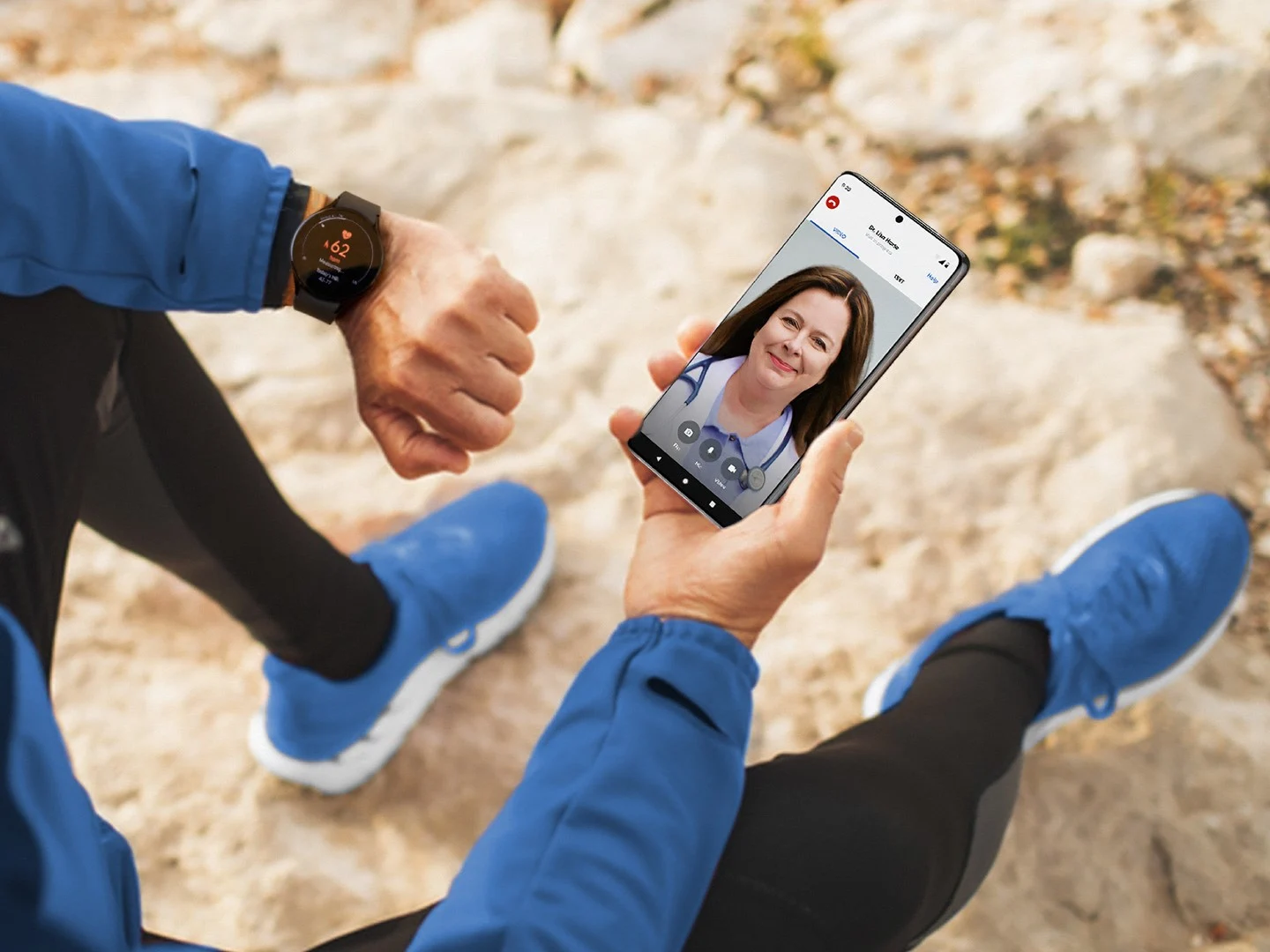
2. Telehealth services will be added through a partnership with HealthTap, allowing users to schedule virtual doctor appointments.
3. Enhanced prescription management will be available by integrating with Walgreens, enabling users to monitor prescriptions easily.
4. Samsung is expanding fitness offerings by collaborating with iFIT to provide premium guided workout videos.
5. The new features will be available in ten countries, including the US, Germany, UK, Australia, and Canada, with uncertain subscription requirements.
Samsung is introducing fresh capabilities to its Samsung Health app, aiming to change it from a basic fitness tracker into a full-fledged health center. These innovative features, scheduled to launch on September 8, is backed by new collaborations with key entities in the health and fitness arena.
Telehealth Services
One of the most thrilling updates is the addition of telehealth services. Thanks to a partnership with HealthTap, Samsung will introduce a new Find Care section in the app. This will enable users to schedule virtual doctor appointments, manage their consultations, and pose follow-up queries directly from their mobile device.
Enhanced Prescription Management
The update also enhances prescription management with an integration with Walgreens. Users will be able to link their Walgreens accounts to the Samsung Health app, enabling them to monitor their prescriptions and compare various medications easily.
Expanded Fitness Offerings
Moreover, Samsung is broadening its fitness content by collaborating with iFIT to provide “new premium fitness content.” This will offer users access to professionally guided workout videos for exercise routines, such as HIIT and Pilates. This move positions Samsung Health to compete more directly with Apple Fitness+.
These new features will be rolled out in ten nations, which includes the United States, Germany, the United Kingdom, Australia, and Canada. It is still uncertain whether these updates will necessitate separate subscriptions with the partner companies.
Source:
Link