Category: Video / Photo

  • iPhone 17 Pro Max Camera Upgrade and Redesigned Case Leaked

    iPhone 17 Pro Max Camera Upgrade and Redesigned Case Leaked

    Key Takeaways

    1. Enlarged Camera Module: The iPhone 17 Pro and Pro Max are expected to feature a significantly larger camera module, confirmed by leaker Sonny Dickson.

    2. Design Uncertainty: While there are exciting new design concepts, it remains unclear if these will be the final design for the iPhone 17 Pro.

    3. Material and Size Changes: Apple may replace the titanium frame, making the iPhone Pro smaller and lighter while still accommodating a larger battery.

    4. Targeting Creatives: The camera system is designed to attract vloggers and creative users, signaling a push for improved video quality.

    5. New Color Variant: A gold color variant for the iPhone 17 Pro has been teased, which hasn’t been seen in previous models.


    Do you find the claimed camera design of the iPhone 17 Pro or iPhone 17 Air appealing? Recent leaks seem to suggest a significant redesign for the next iteration of the iPhone 16 Pro and iPhone 16 Pro Max. At this stage, there are few conflicting rumors or leaks.

    Camera Module Confirmation

    Leaker Sonny Dickson has confirmed the enlarged camera module on the back of the iPhone 17 Pro and iPhone 17 Pro Max in a post on X. The image he shared is shown below and is said to depict a third-party case for the iPhone 17 Pro Max.

    Design Speculation

    It is uncertain whether these leaks represent the final design of the iPhone 17 Pro. However, designers like @asherdipps seem to appreciate the new aesthetic and have integrated the updated look into appealing concept videos. The video embedded below also envisions a gold color variant, which has not been seen previously.

    Changes in Materials and Size

    Recent leaks indicate that Apple plans to replace the titanium frame in the new iPhone Pro, with the smaller model also rumored to be more compact and lighter, even with a larger battery. Whether these forecasts are accurate is yet to be determined.

    In his weekly Power On newsletter, the highly regarded analyst Mark Gurman stated that the camera system of the iPhone 17 Pro will target vloggers and other creative individuals. Thus, Apple is likely aiming to enhance its video quality to entice filmmakers from using traditional cameras to the new iPhone.

    Source:
    Link


  • Sigma BF Full-Frame Camera Debuts with Minimalist Design

    Sigma BF Full-Frame Camera Debuts with Minimalist Design

    Key Takeaways

    1. Minimalist Design: The Sigma BF features a unique single-piece aluminum body with a simple control scheme, including one dial and three haptic buttons for ease of use.

    2. Advanced Functionality: It includes a 35 mm sensor and a hybrid autofocus system that can track subjects in low light, along with a wide ISO range and multiple color modes.

    3. High-Quality Video Recording: The camera supports 6K and 4K video recording with electronic stabilization, offering various formats and advanced exposure settings.

    4. Compact and Lightweight: With dimensions of 130.1 x 72.8 x 36.8 mm and a weight of 446 g, the Sigma BF is designed for portability while maintaining compatibility with L-Mount lenses.

    5. Pricing and Availability: The Sigma BF is set to launch in April 2025 with a price of $1999, available in black or silver, catering to both creative photographers and videographers.


    Sigma has introduced the Sigma BF, a 24.6 MP full-frame mirrorless camera designed to allow photographers to emphasize their creativity instead of dealing with complicated controls, thanks to its minimalist approach.

    Innovative Design

    The journey toward simplicity starts with a body crafted from a single piece of aluminum, marking a first in the camera world. The BF features a streamlined control scheme, consisting of just one dial and three pressure-sensitive haptic buttons at the back, alongside a shutter release on top. The 2.1 M dots screen primarily displays the live view, while a smaller monochrome status monitor positioned above the rear dial shows the chosen settings, like shutter speed.

    Modern Functionality

    Even with its straightforward design, the Sigma BF packs contemporary functionalities. The 35 mm sensor works hand-in-hand with a hybrid autofocus system that combines contrast and passive autofocus, capable of tracking both human and animal subjects in lighting as low as -5 EV, with an ISO range from 6 to 102,400. It supports full manual settings and offers 13 color modes, allowing for image capture as 6,016 x 4,012 pixel 14-bit RAW or JPEG files at a speed of up to 8 frames per second.

    Video Capabilities

    For videographers, this camera can record electronically-stabilized 6K and 4K footage at a frame rate of up to 29.97 fps, and 2K videos at rates as high as 119.88 fps. Videos with stereo sound can be saved in H.264, HEVC H.265, or L-Log formats onto 230 GB of built-in storage. In video mode, the camera’s base ISO is set at 1,250. Users can also activate a selectable histogram, zebra pattern, and false color monitors to help with video exposure settings.

    Specifications and Compatibility

    The dimensions of the camera are 130.1 x 72.8 x 36.8 mm (5.1 x 2.9 x 1.4 in.) and it weighs 446 g (15.7 oz.) including the battery. It is compatible with L-Mount lenses, featuring nine updated Sigma I series prime lenses ranging from 17mm to 90mm, which have been re-released with new color options and product names but maintain the same optical performance.

    Availability and Pricing

    The Sigma BF is set to launch in April 2025, available in black or silver colors, with a projected MSRP of $1999.

    Source:
    Link

  • Panasonic Lumix S1RII Specs, Images, and Price Leak Revealed

    Panasonic Lumix S1RII Specs, Images, and Price Leak Revealed

    Key Takeaways

    1. Numerous images and spy shots of the Panasonic Lumix S1RII have surfaced, confirming its design and features.
    2. The camera is expected to have a 44 MP sensor, a 40 FPS electronic shutter, and 8 stops of image stabilization.
    3. A multi-angle display and a dedicated video recording button are key features of the Lumix S1RII.
    4. The official announcement for the camera is set for February 25, with a price around $3,500.
    5. The Lumix S1RII is anticipated to be a strong competitor in the market, especially compared to the higher-priced Sony Alpha 1 II.


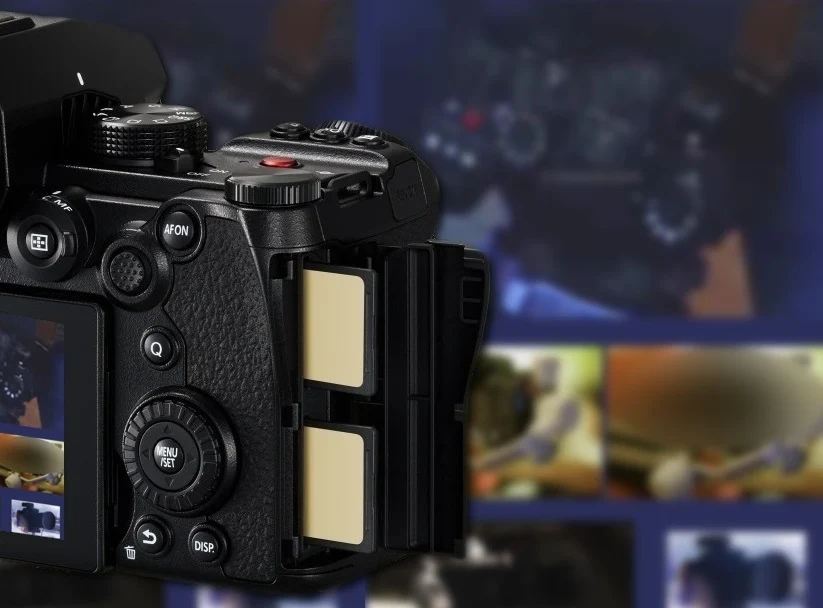
    Numerous images and spy shots of the Panasonic Lumix S1RII camera have emerged, including one from a special event where select guests were able to see the device. Some other photos were likely leaked accidentally during a YouTube review. The blurry image from the event, shared by L-rumors, has been confirmed to be authentic. An article that comes with this spy shot provides details about the Lumix S1RII, noting that its size and look are similar to the Lumix S5II (currently available on Amazon). The camera will feature a multi-angle display, and it also includes a red button located on the top right-hand side for quick access to video recording.

    Upcoming Specs

    Further specifications for the Panasonic Lumix S1RII have been revealed in a video by Andrea Pizzini, who mentioned that the announcement is scheduled for February 25. The video suggests that the new camera will feature a 44 MP sensor, which is thought to be the IMX366AJK CMOS image sensor from Sony. Additionally, this L-mount mirrorless camera will offer a 40 FPS electronic shutter, a 10 FPS mechanical shutter, 8 stops of image stabilization, open gate recording (utilizing the entire sensor area), and 1.5 seconds of pre-capture (in contrast to the one second pre-capture of the Sony Alpha 1 II). The expected price for the Panasonic Lumix S1RII is around $3,500, making it a strong contender in the market at that price point.

    New Photos Surfaced

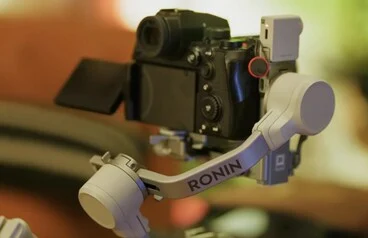
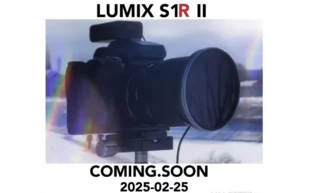
    Three additional photos claiming to be of the Lumix S1RII (S1R Mark 2) have also appeared. One image, shared by K&F Concept, shows the camera mostly covered and includes the release date, while two others were posted on Reddit by user u/One_Brain1244, sourced from a gimbal video review. These screenshots depict a camera that closely resembles the one in the previously leaked blurred photo of the Panasonic Lumix S1RII. Later, the channel uploaded a re-edited video which obscured the camera being used, further supporting the idea that it is indeed the upcoming Lumix S1RII. Given that the Sony Alpha 1 II is currently priced at $6,499 on its official website, it’s evident why photography enthusiasts are buzzing about the S1RII.

    Source:
    Link


  • Affordable DJI Drone Alternatives with 8K Camera and GPS

    Affordable DJI Drone Alternatives with 8K Camera and GPS

    Key Takeaways

    1. The Potensic Atom 2 drone weighs only 249 grams, making it compliant with legal weight limits in many countries, including Germany.
    2. It features a 48-megapixel camera and can record 4K HDR video at 30 frames per second, with capabilities for low-light conditions.
    3. The drone has a maximum flight speed of 16 meters per second and can ascend at 5 meters per second, with a flight time of up to 32 minutes.
    4. It includes GPS for automatic route-following and can autonomously track and capture images or videos.
    5. The Atom 2 is priced at $329, with availability on the manufacturer’s website and shipping expected in 30 days.


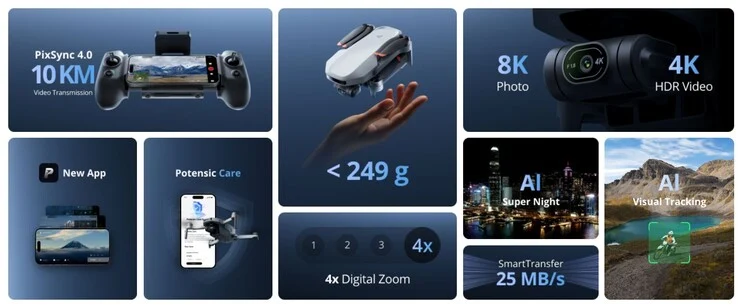
    Potensic has introduced a brand new drone model. The Atom 2 is designed to be small and very light, weighing only 249 grams (8.8 oz) when including the battery, propellers, and microSD card. This weight is significant in various countries, for instance, Germany, where the legal weight limit is 250g. It’s important to note that the Atom 2 should not be operated in restricted or no-fly zones, so potential buyers are encouraged to perform thorough research before flying their new device.

    Focus on the Camera

    The marketing highlights the impressive camera of the drone. It can capture images at a resolution of 48-megapixels (8K), and also record 4K HDR video at a speed of 30 frames per second. The f/1.8 lens is expected to work well in low-light conditions, with the CMOS sensor being supplied by Sony. Additionally, features like digital 4x zoom and a gimbal are included in the offering.

    Specifications and Performance

    This foldable drone measures 3.5 x 5.6 x 2.3 inches, and it can ascend at a rate of 5 meters per second. The maximum speed it can achieve is 16 meters per second. Compared to its DJI counterpart, which can reach heights of up to 120 meters, users should verify their local flying laws regarding altitude. Furthermore, the Potensic Atom 2 is capable of handling wind speeds of up to 38 kph.

    Potensic claims that the drone can fly for up to 32 minutes on a single charge, but this duration is only realistic under calm weather conditions. The Atom 2 also features automatic route-following thanks to GPS, meaning it doesn’t need constant manual control. It can autonomously track and follow users, capturing photos or videos along its path.

    Availability and Pricing

    Video transmission is done through PixSync 4.0, which boasts a range of up to 10 kilometers. The drone is currently available for purchase on the manufacturer’s website. The standard package is priced at $329, with shipping expected to begin in 30 days. Alternatively, there is a more affordable option, the Potensic Atom SE, which can also be found on Amazon.

    Source:
    Link


  • DJI Osmo Action 6 and 360 Cameras Leaked: What to Expect

    DJI Osmo Action 6 and 360 Cameras Leaked: What to Expect

    Key Takeaways

    1. DJI recently launched the RS 4 Mini, Osmo Mobile 7, and Osmo Mobile 7P within 48 hours.
    2. Upcoming cameras include the Osmo 360, competing with 360-degree cameras, and the Osmo Action 6, targeting traditional action camera markets.
    3. The Osmo Action 6 could make the Action 5 Pro feel outdated, but both models may be sold together for now.
    4. Release dates for the Osmo Action 6 and Osmo 360 are still uncertain, with testing images suggesting they are not ready for official launch.
    5. The Osmo Nano is also in development, but there is limited information available about it compared to the other upcoming models.


    DJI has had quite a hectic week by its own standards, revealing the RS 4 Mini, Osmo Mobile 7, and Osmo Mobile 7P (currently priced at $149 on Amazon) all within a span of 48 hours. Now, leaker Igor Bogdanov has shifted focus to a duo of action cameras that DJI is speculated to launch later this year.

    Upcoming Cameras

    The cameras in question are the Osmo 360 and Osmo Action 6, both of which have made appearances in recent leaks. For context, the Osmo 360 is anticipated to compete with other 360-degree action cameras, like the Insta360 X4 and the GoPro Max. Interestingly, GoPro updated the Max earlier this week as the Max (2025), featuring small hardware upgrades.

    Market Positioning

    On the other hand, the Osmo Action 6 aims to go head-to-head with typical action cameras, such as the Hero 13 Black. This new release could place the Action 5 Pro in a tricky situation. The Osmo Action 6 essentially makes the Action 5 Pro feel like a previous-generation product. However, there are no indications that DJI plans to discontinue the Osmo Action 5 Pro less than a year after its debut. It appears that both models will be available for sale together, at least for some time.

    Future Developments

    The release dates for the Osmo Action 6 and Osmo 360 are still uncertain at this moment. Newly leaked testing images suggest that DJI is not quite ready to officially unveil either of the action cameras just yet. The same uncertainty applies to the Osmo Nano, which has even less information available compared to the Action 6 or the 360.

    Source:
    Link

  • DJI Mavic 4 Pro Revealed with New Sensor Next to Mavic 3 Pro

    DJI Mavic 4 Pro Revealed with New Sensor Next to Mavic 3 Pro

    Key Takeaways

    1. DJI has not released new consumer drones recently, focusing instead on improving its gimbal lineup.
    2. There are ongoing leaks about the Mavic 4 Pro, but it currently has no confirmed release date.
    3. DJI may launch only the high-end Mavic 4 Pro instead of a budget-friendly Mavic 4 first.
    4. The Mavic 4 Pro is expected to feature a new sensor in its propeller arms for better obstacle avoidance.
    5. The new sensor area could potentially serve infrared (IR) or LiDAR functions, though specifics are not yet confirmed.


    DJI has not launched any new consumer drones in a while, after introducing several models late last year. The company’s recent efforts have been concentrated on enhancing its gimbal lineup, including the RS 4 Mini and the more affordable Osmo Mobile 7 and Osmo Mobile 7P (currently priced at $149 on Amazon). Meanwhile, leakers are still disclosing new information about the Mavic 4 Pro, which still lacks a confirmed release date.

    Potential Launch Strategy

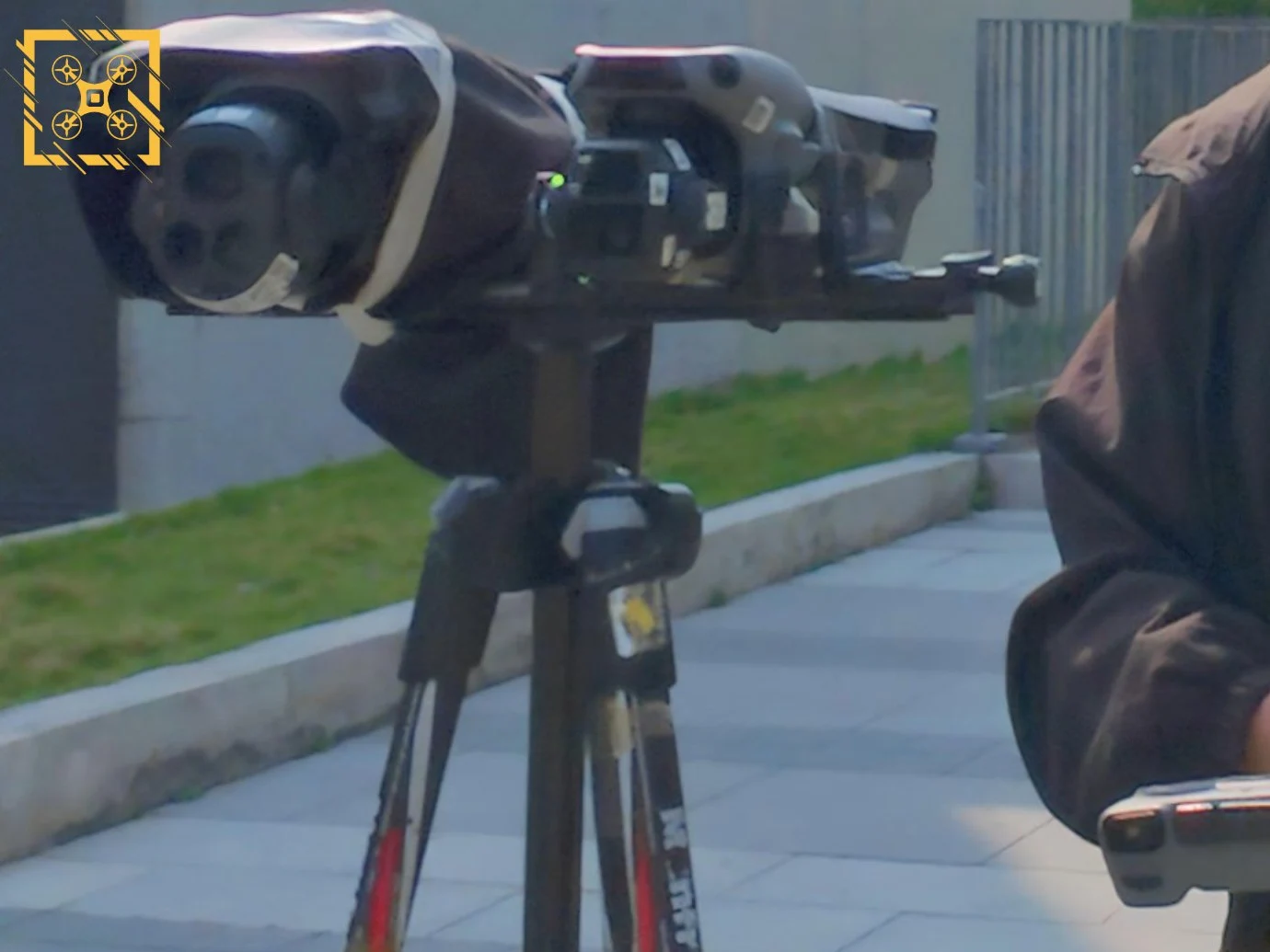
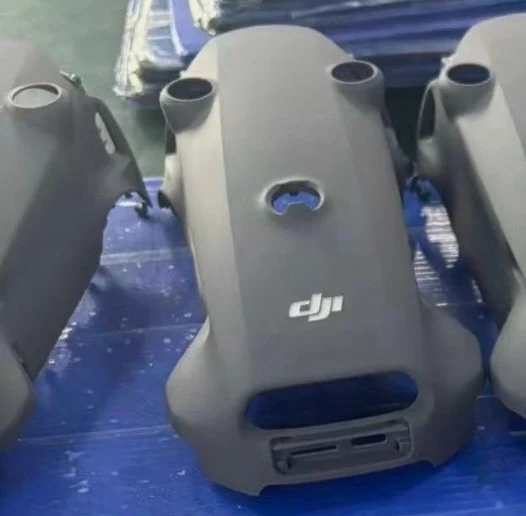
    At first glance, it seemed like DJI would start the Mavic 4 series with the more budget-friendly Mavic 4 before transitioning to the Mavic 4 Pro. However, the recent influx of leaks about the Mavic 4 Pro, along with the lack of Mavic 4 alternatives, suggests that DJI might only be getting ready to launch one high-end drone for now. For instance, images of Mavic 4 Pro casings have recently surfaced online. Additionally, various sources have shared a different image of the same drone undergoing pre-release tests next to a Mavic 3 Pro.

    New Sensor Features

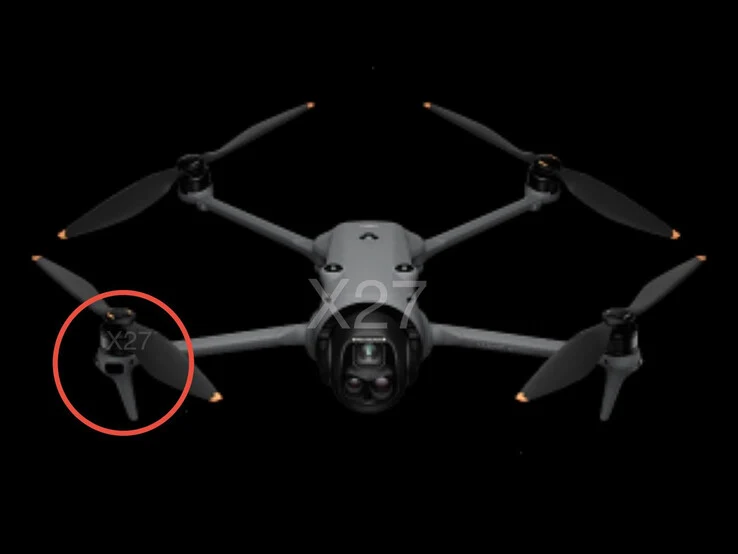
    Recently, Jasper Ellens has disclosed that DJI plans to highlight a new sensor integrated into at least one of the drone’s propeller arms with the Mavic 4 Pro. To give some background, Mavic 3 series drones utilize cameras placed in their propeller arms to enhance obstacle avoidance effectiveness.

    The Mavic 4 Pro seems to include these features as well, located at the tips of each propeller arm. Therefore, we believe that the large black section highlighted in the image below might pertain to something entirely different. Currently, Ellens theorizes that this area could serve for infrared (IR) or LiDAR functions, based on where it’s positioned. However, no additional details regarding its specific use are available at this moment.

    @Drones19170668, @Quadro_News & Jasper Ellens (1) (2)

    Source:
    Link


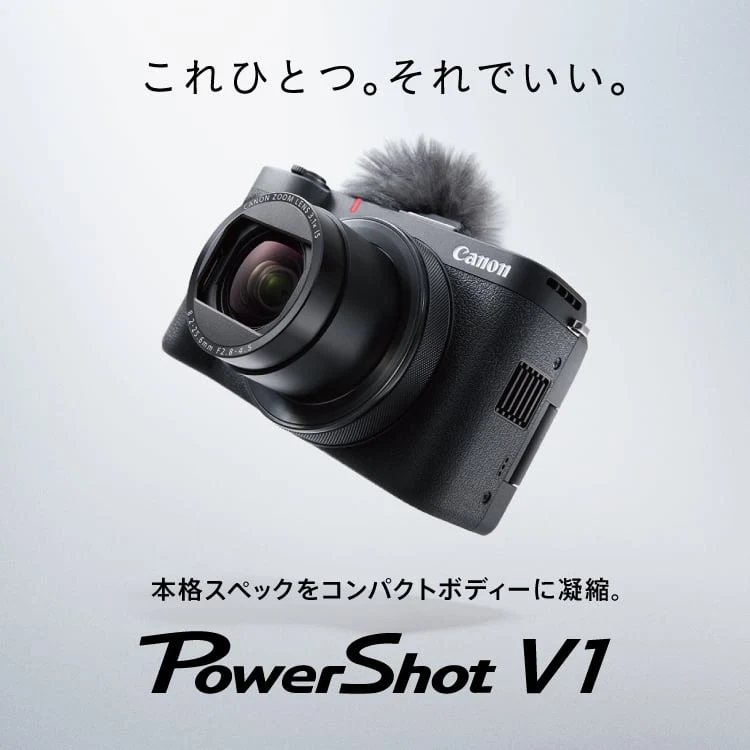
  • Canon PowerShot V1: A Strong Rival to Sony Vlogging Cameras

    Canon PowerShot V1: A Strong Rival to Sony Vlogging Cameras

    Key Takeaways

    1. Large CMOS Sensor: The Canon PowerShot V1 features a 1.4-inch CMOS sensor, the largest ever in a PowerShot, enhancing low light performance and image detail.

    2. Advanced Video Capabilities: It offers uncropped 5.7K oversampled 4K recording at 30fps and full 4K60 with a cooling system to prevent overheating during long shoots.

    3. Quick Autofocus and Stabilization: The camera includes Dual Pixel CMOS AF II for fast autofocus and subject-tracking image stabilization for smooth video.

    4. Versatile Connectivity: Equipped with USB-C, HDMI, Bluetooth, and Wi-Fi, it supports easy file transfers and direct webcam use without adapters.

    5. Pricing and Availability: The PowerShot V1 will launch in Japan in late April 2025, priced at 148,500 yen (approximately $992), with further market details pending.


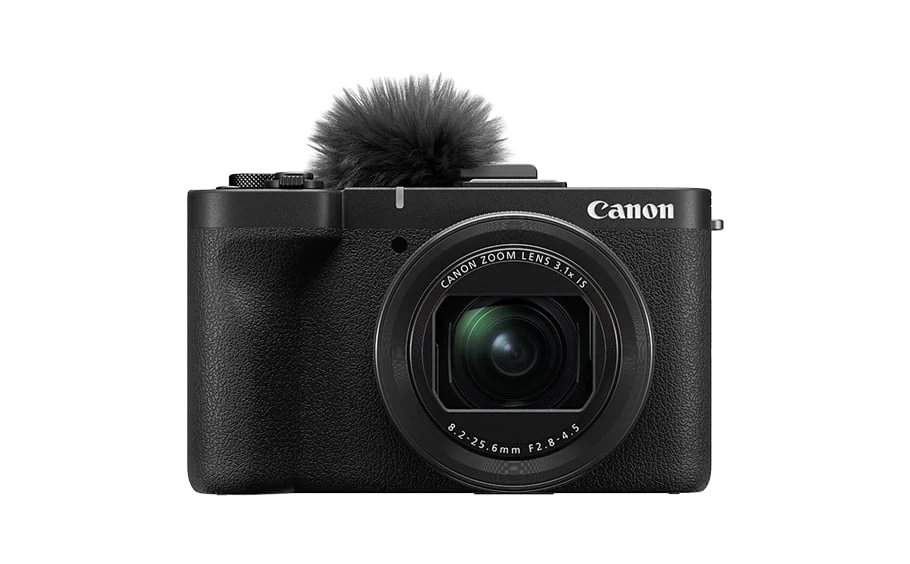
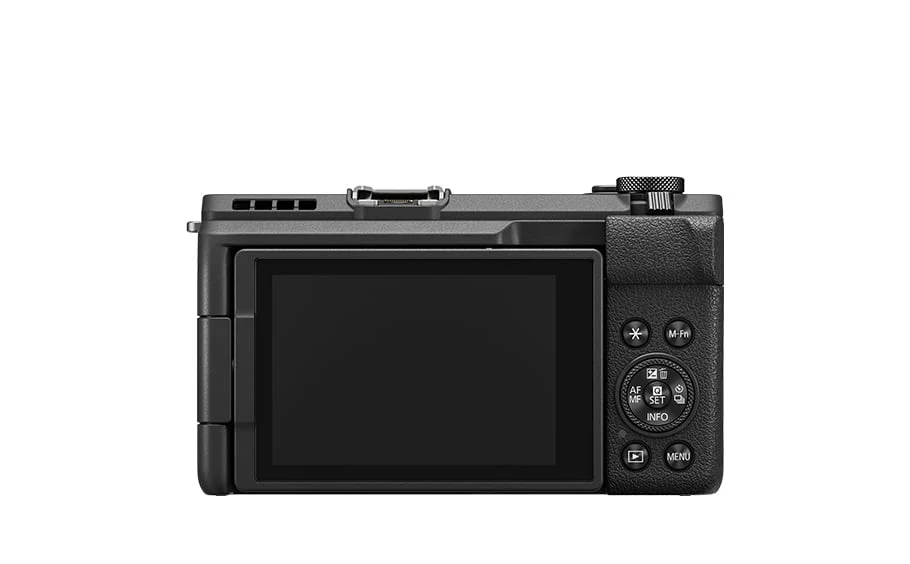
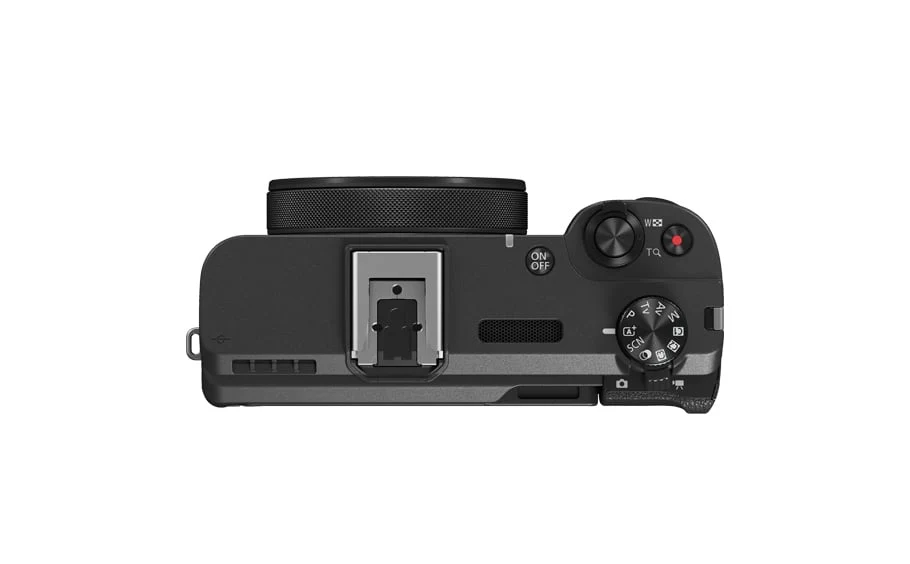
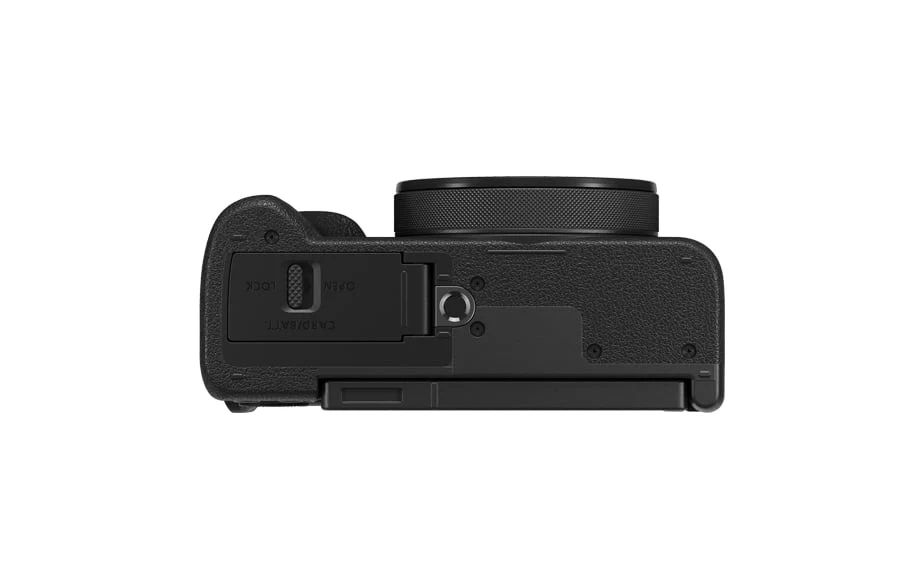
    Canon has introduced the PowerShot V1, a small camera aimed at video creators. This device boasts a large Type 1.4 CMOS sensor, a built-in cooling mechanism, and advanced video features, making it a formidable rival to Sony’s ZV-1 range.

    Key Features of the Canon PowerShot V1

    The highlight of this camera is the innovative 1.4-inch CMOS sensor, which is the biggest ever used in a PowerShot camera. It’s almost double the size of the typical 1.0-inch sensors found in compact cameras, resulting in deeper colors, better performance in low light, and clearer details.

    With the DIGIC X processor, the PowerShot V1 achieves a maximum resolution of 22.3 megapixels and offers an ISO range up to 32,000 for photos and 25,600 for videos. Its built-in 16-50mm f/2.8-4.5 zoom lens gives a broad view, making it ideal for handheld shooting and small indoor settings.

    Innovative Cooling System

    Recognizing that overheating can be a major issue for creators during lengthy recording sessions, the PowerShot V1 features an active cooling system—a rarity in this category. This allows it to capture uncropped 5.7K oversampled 4K at 30fps and full 4K60 (with a 1.4x crop) while keeping heat at bay. The addition of 10-bit Canon Log 3 provides enhanced dynamic range and more options for color grading in post-production.

    The camera uses Canon’s Dual Pixel CMOS AF II for quick and accurate autofocus, capable of detecting subjects like humans, pets, and moving objects. It also has subject-tracking image stabilization to smooth out handheld footage in real-time. For action-packed content, the PowerShot V1 can shoot at an impressive 30fps burst mode using an electronic shutter.

    Connectivity and Versatility

    When it comes to connectivity, the PowerShot V1 includes USB-C, HDMI, Bluetooth, and Wi-Fi, making file transfers easy and enabling direct webcam functionality without adapters. It also has a dedicated photo/video toggle switch, which maintains separate settings for each mode. To enhance its versatility, the camera comes with a multifunction hot shoe, a three-stop ND filter, and both microphone and headphone jacks for high-quality audio.

    Pricing and Launch Details

    Canon has announced that the PowerShot V1 will be available in Japan starting late April 2025, with a price tag of 148,500 yen (around $992). The company has not yet provided details about its release in other markets.

    Source:
    Link


  • BenQ Launches LK835ST Laser Projector with White Balance Tool

    BenQ Launches LK835ST Laser Projector with White Balance Tool

    Key Takeaways

    1. The BenQ LK835ST is a 4K short throw laser projector designed for business environments, capable of projecting on both flat and curved surfaces.

    2. It features a brightness of up to 4,000 lumens and a lifespan of up to 30,000 hours in Eco mode, with an IP5X sealed engine for enhanced dust resistance.

    3. The projector has a throw ratio of 0.69 to 0.83 and can project images up to 150 inches, covering 95% of the Rec.709 color gamut with multiple color modes.

    4. Connectivity options include two HDMI ports, USB-C, USB-A, and an optional Wi-Fi dongle for wireless connections, along with a built-in 10W speaker.

    5. The BenQ LK835ST will be released in March, priced at $1,899/€2,699 (approximately £2,540).


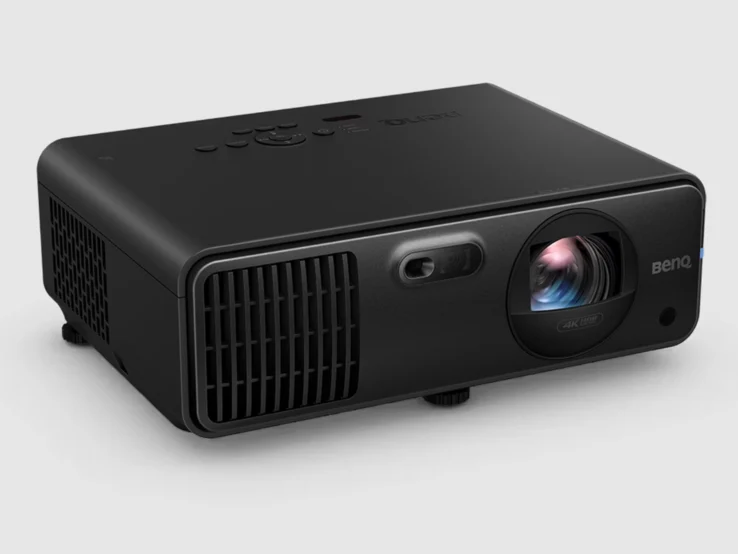
    BenQ has introduced the LK835ST, a new 4K short throw laser projector designed for business environments. This projector is promoted as capable of adapting to both flat and curved surfaces, making it suitable for creating engaging two or three-dimensional visuals.

    Projector Features and Specs

    The LK835ST is a DLP projector that utilizes a laser light source, boasting a brightness of up to 4,000 lumens. It can operate for as long as 30,000 hours in Eco mode. The projector’s IP5X sealed engine comes with an optional filter that improves dust resistance and extends its lifespan. With a throw ratio between 0.69 and 0.83, the maximum image size it can project is 150 inches. It reportedly covers 95% of the Rec.709 color gamut, and users have several color modes to choose from, including 3D, Game, Golf, and HDR10. To enhance image quality, it features a motorized 1.2x zoom, automatic 2D keystone correction, auto screen fit, and quick focus. Additionally, there’s a white balance adjustment tool available from BenQ that assists with blending edges when multiple projectors are in use.

    Connectivity Options

    For added convenience, customers can opt to include a BenQ Wi-Fi dongle, enabling wireless connection to mobile devices. The projector is equipped with two HDMI ports (2.0b/HDCP 2.2), USB-C, USB-A, and has a built-in 10W speaker. The BenQ LK835ST is set to be released in March, with a price tag of $1,899/€2,699 (approximately £2,540).

    Source:
    Link


  • Leica Launches 50mm f/1.4 Summilux Lens for Modern M Cameras

    Leica Launches 50mm f/1.4 Summilux Lens for Modern M Cameras

    Key Takeaways

    1. The Leica Summilux-M 1:1.4/50 is inspired by the original lens designs from 1959 and 1962, expanding the Classic series.
    2. The lens is constructed from brass, weighs 14.7 ounces, and features a manual lens hood attachment.
    3. It consists of seven elements in five groups, has twelve aperture blades, and can focus on subjects as close as 27.6 inches.
    4. While it offers sharp center images suitable for portraits, its optical performance in corners and edges is not as strong as modern lenses.
    5. Priced at $3,895, the Summilux-M 1:1.4/50 Classic is made in Germany and does not include autofocus capabilities.


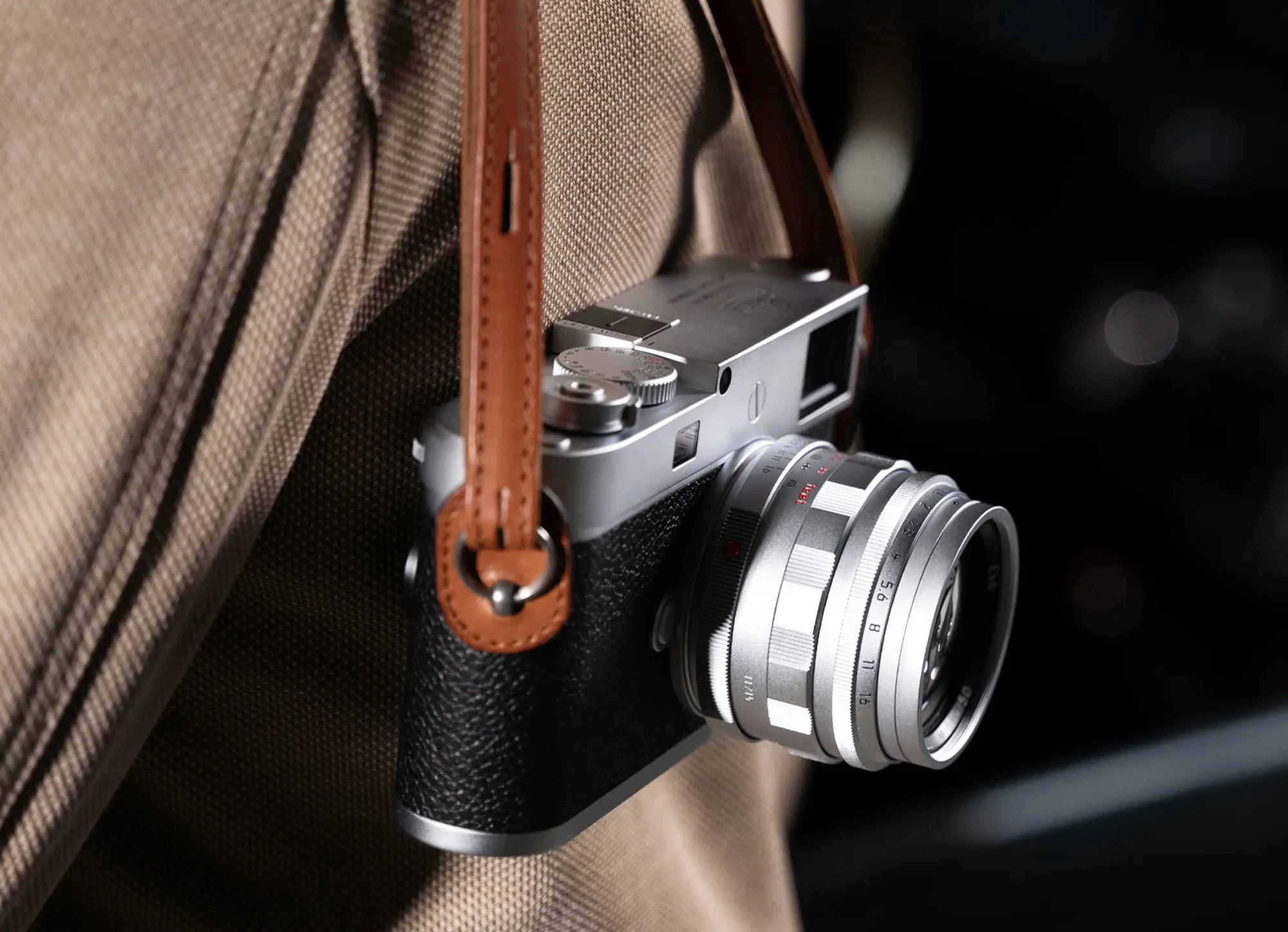
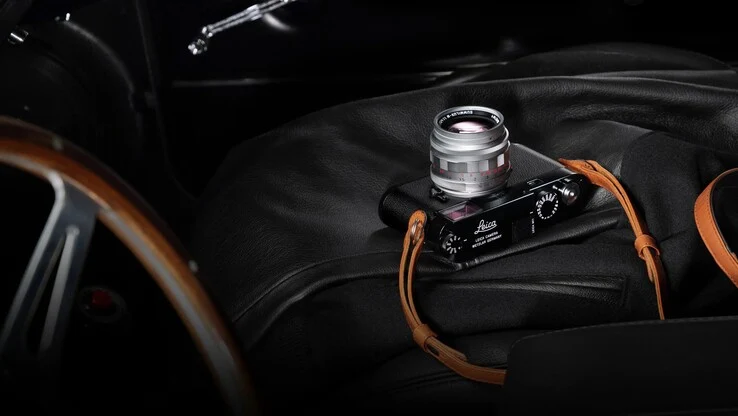
    Leica has broadened its Classic series with the introduction of the Summilux-M 1:1.4/50, which draws inspiration from the second iteration of this lens that debuted in 1962. The design of this new model pays homage to the original Summilux released in 1959. Lenses following this optical blueprint were available until 2004, when the Summilux-M 1.4/50 ASPH was launched.

    Build and Features

    Constructed from brass, the Leica M lens weighs in at 14.7 ounces, making it quite substantial. A lens hood comes with the purchase but needs to be attached manually, unlike Leica’s newer models where it is built into the design. The lens consists of seven elements arranged in five groups, features twelve aperture blades, and has a filter thread size of 46 millimeters. A notable update is its ability to focus on subjects as close as 27.6 inches.

    Optical Quality

    Examining the MTF curves reveals that the lens’s optical performance isn’t quite contemporary. Specifically, the image corners and edges lack the detail seen in more modern lenses. Nonetheless, it captures images with a relatively sharp center, making it ideal for portrait photography. Below, you can see sample images that showcase what customers might anticipate from the Summilux lens.

    Production and Availability

    Leica highlights that the lens is manufactured in Germany, comprising 105 distinct parts. As with all Leica M lenses, the new Summilux covers the full image circle of a full-frame sensor, but it does not offer autofocus capabilities.

    The Leica Summilux-M 1:1.4/50 Classic is now on the market, priced at an MSRP of $3,895 through B&H Photo Video. For comparison, the more current Summilux-M 1:1.4/50 ASPH is available for $4,695 on the official site of the German company.

    Source:
    Link


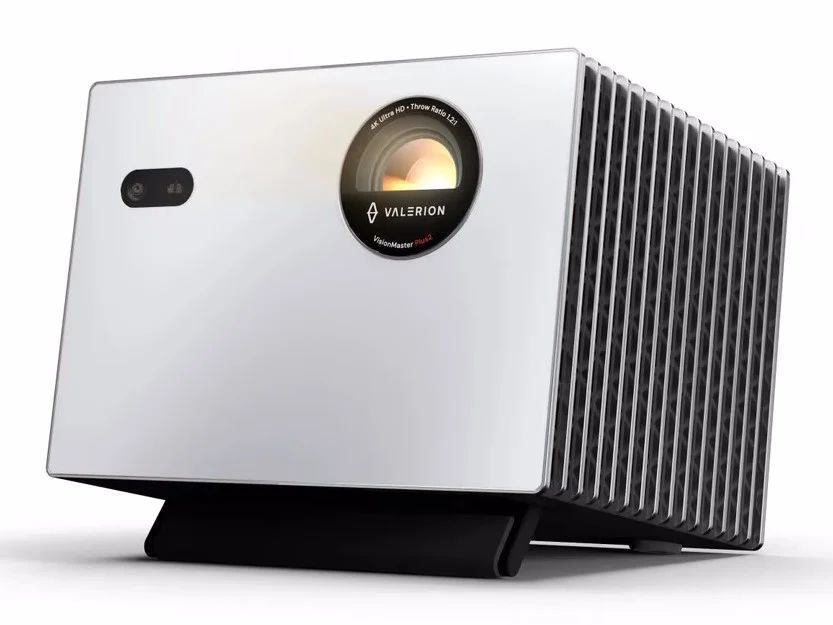
  • Valerion StreamMaster Plus 2: Gaming-Ready 4K Triple-Laser Projector

    Valerion StreamMaster Plus 2: Gaming-Ready 4K Triple-Laser Projector

    Key Takeaways

    1. The StreamMaster Plus 2 is a 4K projector using three lasers for enhanced color accuracy, achieving 110% of the Rec.2020 color space.
    2. It has a brightness of up to 2,000 ISO lumens and a contrast ratio of 10,000:1, but is not a true 4K projector due to pixel shifting technology.
    3. The projector is suitable for gaming with a low input lag of 4ms at Full HD and 240Hz, and 15ms at 4K60.
    4. It features automatic keystone correction, focus adjustment, and a minimum projection size of 40 inches, with a maximum of 300 inches.
    5. Priced at $1,999, it includes multiple HDMI ports, an Ethernet port, built-in WiFi, and operates on Google TV.


    Valerion has introduced a new addition to its line of projectors. The StreamMaster Plus 2 is a 4K projector that utilizes three separate lasers. While this technology isn’t entirely new, it is claimed to enhance color accuracy. Valerion states that the projector achieves 110% of the Rec.2020 color space and can reach a brightness of up to 2,000 lumens. These measurements are provided as ISO lumens, and there is no official ANSI lumens specification available. The contrasting brightness specifications are often a debated point among projector makers.

    Features and Performance

    This latest Valerion model boasts a contrast ratio of 10,000:1 and offers 4K resolution. However, it’s important to note that the StreamMaster Plus 2 is not a true 4K projector, relying instead on pixel shifting technology. The company claims that it is also suitable for gaming, with an input lag of 4ms at Full HD and 240Hz, while inputs at 4K60 show a lag of 15ms. It supports ALLM, and includes features typically seen in gaming monitors, like the ability to adjust brightness selectively for darker images.

    Design and Connectivity

    The projection ratio is set at 1.2:1, and the projector comes equipped with automatic keystone correction and focus adjustment. It can even detect obstructions like picture frames. The StreamMaster Plus 2 requires a minimum projection surface of 40 inches and can project an image with a diagonal size of up to 300 inches. In terms of connectivity, it features multiple HDMI ports, an optical audio input, and an Ethernet port. Additionally, it has built-in WiFi. The Valerion projector operates on Google TV, which allows access to a multitude of apps, potentially rendering an external media player unnecessary. The price for this laser projector is set at $1,999.

    Source:
    Link