Tag: gimbal

  • DJI RS 5 Gimbal: Key Upgrades Over RS 4 Pro Explained

    DJI RS 5 Gimbal: Key Upgrades Over RS 4 Pro Explained

    Key Takeaways

    1. The DJI RS 5 features a battery that is 60% larger than the RS 4, providing a 15% increase in battery life and enhanced charging capabilities, allowing it to fully charge in one hour.

    2. The RS 5 includes a Z-axis indicator for better balancing and maintains a load capacity of 3 kg.

    3. Upgrades to intelligent composition and tracking capabilities are expected, though specific details are not yet available.

    4. The RS 5 was spotted on the FCC nearly three months ago, indicating upcoming release plans.

    5. The anticipated launch date for the RS 5 is speculated to be between late February and early April 2026.


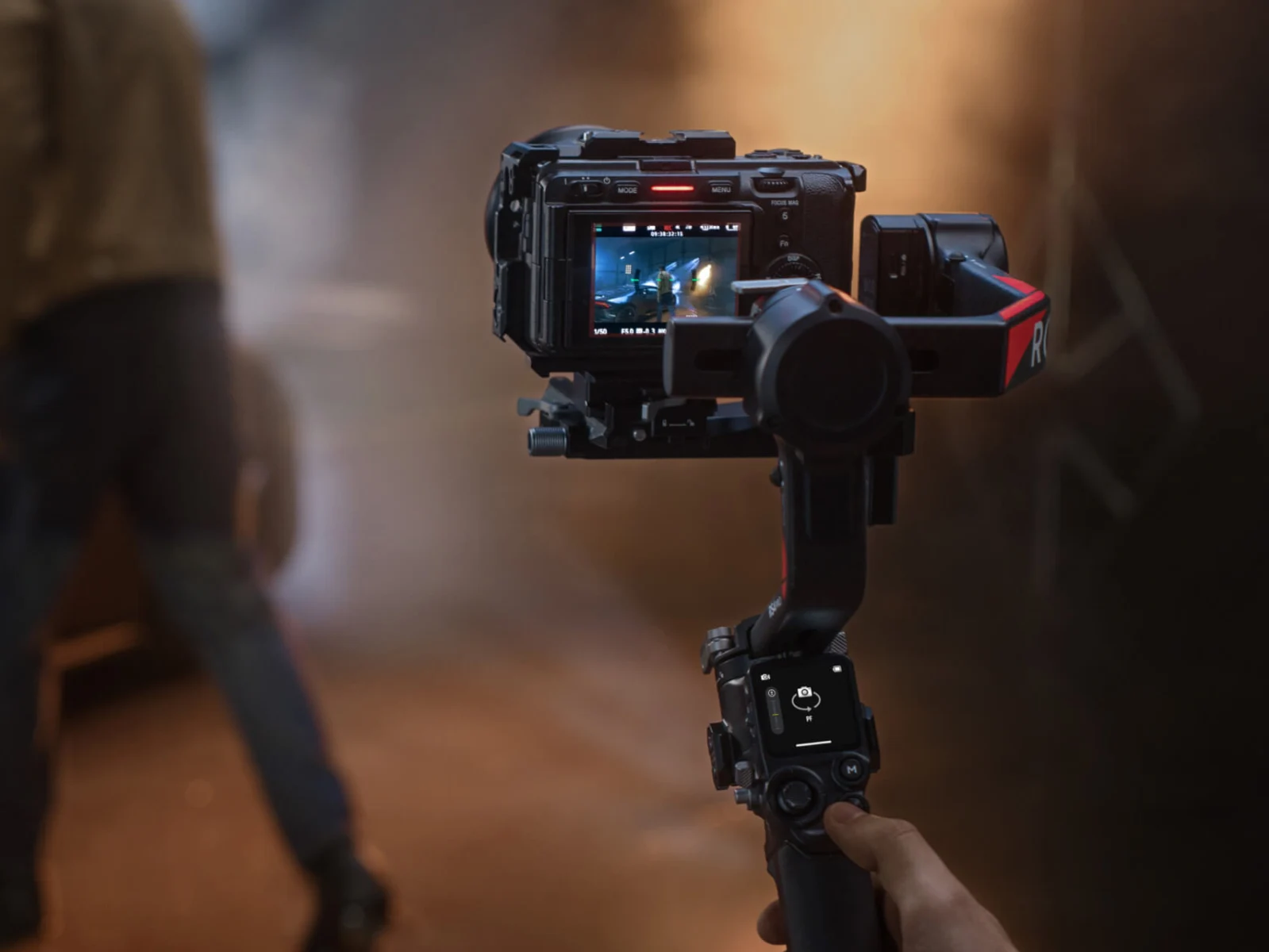
    Leaker Igor Bogdanov has shared new details regarding DJI’s upcoming professional camera gimbal. Just to refresh your memory, the Ronin 5 or RS 5 was spotted on the Federal Communications Commission (FCC) nearly three months ago in the United States. Since that time, DJI has introduced several products, with the Avata 360 and Osmo Pocket 4 still on the way.

    Battery Improvements

    The FCC previously mentioned that the RS 5 features a battery that is about 60% bigger than the RS 4, which is also over 10% better than the RS 4 Pro. Bogdanov claims that this larger battery brings a 15% increase in battery life. In addition, it’s said that DJI has enhanced the charging features, allowing the RS 5 to be fully charged in just one hour.

    Enhanced Features

    Furthermore, the RS 5 is expected to include a Z-axis indicator for better balancing, while still maintaining a load capacity of 3 kg. Reportedly, DJI has also upgraded its intelligent composition and tracking capabilities; however, Bogdanov has not provided further information on these enhancements yet.

    Launch Speculations

    Currently, there are no details regarding the launch date for the RS 5. The RS 4 Mini is approaching its one-year mark, priced at $355 on Amazon. Therefore, it wouldn’t be shocking if the RS 5 were to be released sometime between late February and early April 2026.

    Source:
    Link


  • Pre-Order GoPro Fluid AI Pro Gimbal for Smartphones and Action Cameras

    Pre-Order GoPro Fluid AI Pro Gimbal for Smartphones and Action Cameras

    Key Takeaways

    1. GoPro has launched the Fluid AI Pro gimbal, priced at $229, competing against other models like the Hohem iSteady V3 Ultra and DJI OSMO Mobile 7P.
    2. The Fluid AI Pro will be available in early November, with pre-orders now open on GoPro’s official website.
    3. It supports various devices, including most GoPro action cameras and flagship smartphones, with a maximum weight capacity of 400 grams.
    4. The gimbal features AI tracking, a built-in fill light, and a display for easy control, with a battery life claimed to last up to 18 hours.
    5. It is compatible with the GoPro Fluid app, providing creative tools for content creation, although specific dimensions and weight details have not been revealed.


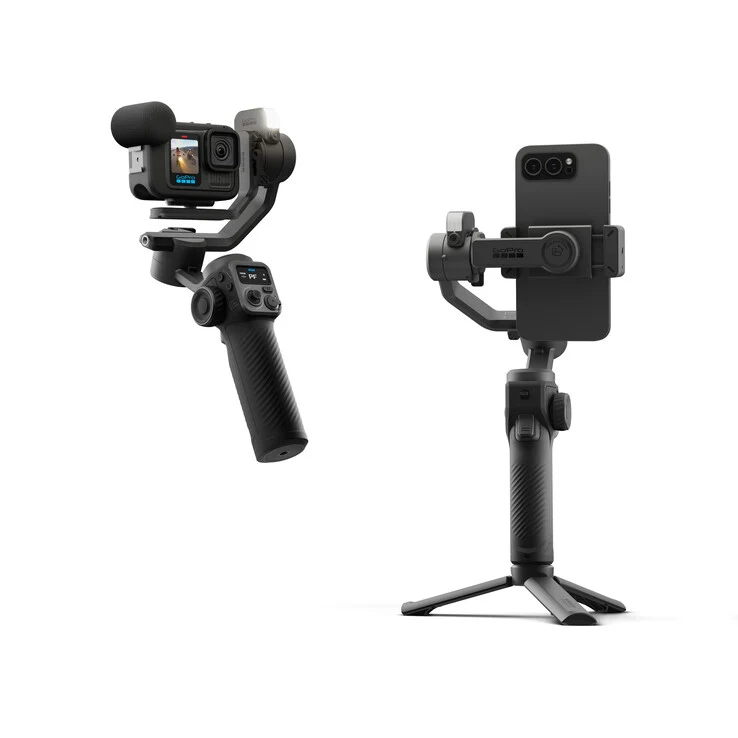
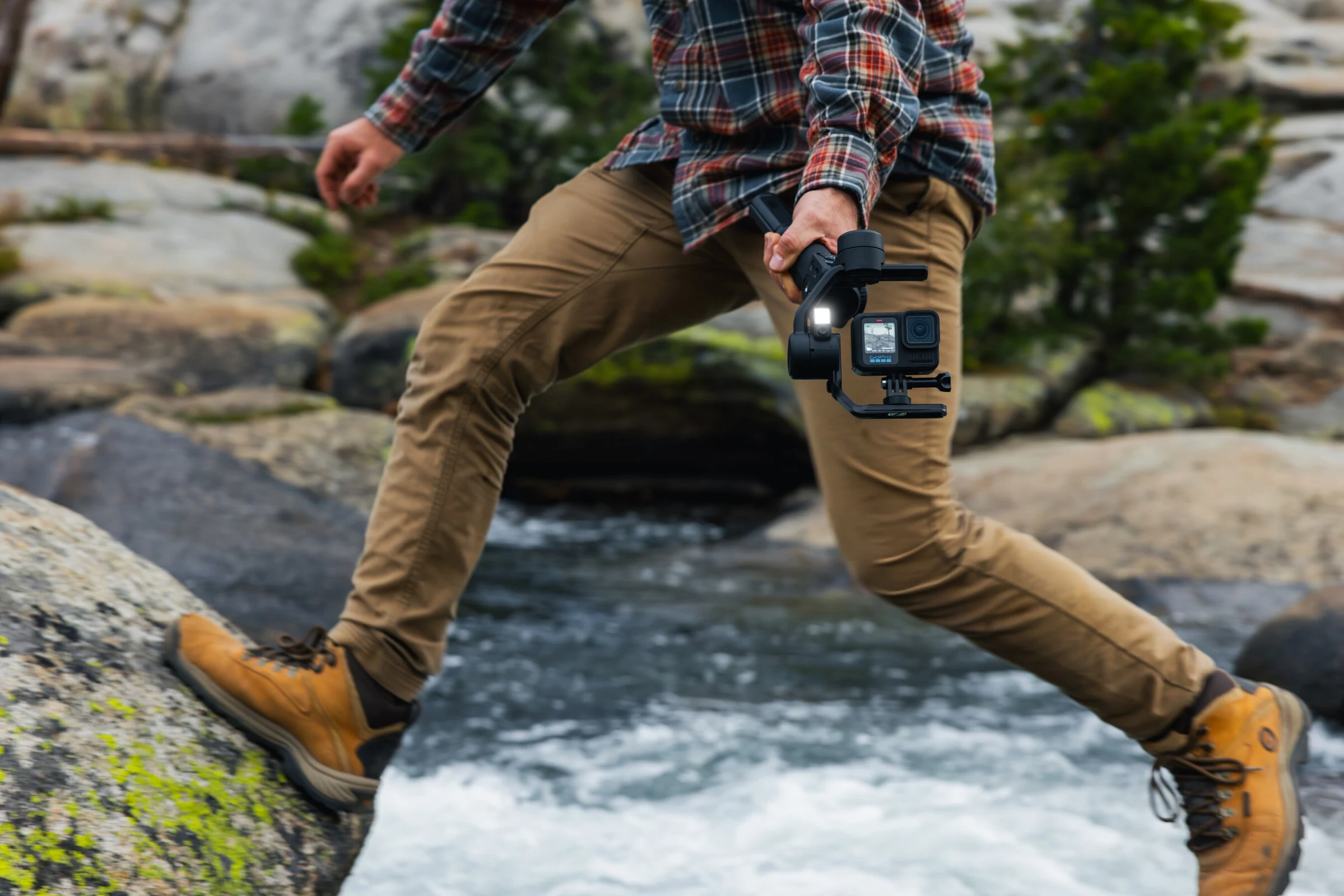
    Last month, GoPro, a famous maker of action cameras, introduced its new Fluid AI Pro gimbal. This new product is a direct competitor to the Hohem iSteady V3 Ultra, Insta360 Flow Pro, and DJI OSMO Mobile 7P. Pre-orders for the Fluid AI Pro gimbal are now being accepted on GoPro’s official website. The price for this smartphone gimbal is set at $229, and it is available in just one color—black.

    Availability Timeline

    Regarding when it will be available, GoPro plans to release the Fluid AI Pro gimbal in retail stores in early November, but they haven’t specified an exact launch date yet. When we look at the pricing compared to its competitors, the Fluid AI Pro is on the higher side compared to the Hohem iSteady V3 Ultra (currently priced at $169.99 on Amazon), the Insta360 Flow Pro (currently $129 on Amazon), and the DJI OSMO Mobile 7P (currently $149 on Amazon).

    Compatibility and Features

    The Fluid AI Pro offers more compatibility than the Karma Grip that came out nine years ago, as it works with most GoPro action cameras (Hero 13, 12, 11, and 10 Black), smartphones, and even some compact point-and-shoot cameras. This makes it a great choice for vloggers and content creators. The gimbal can hold a maximum weight of up to 400 grams (0.88 lbs), which means it can easily support many flagship smartphones, including the Vivo X200 Ultra (229 grams), Samsung Galaxy S25 Ultra (218 grams), and the new iPhone 17 Pro (233 grams).

    AI Tracking and Battery Life

    GoPro has integrated AI tracking into this gimbal, allowing for effective subject tracking. Similar to the Hohem iSteady V3 Ultra, it comes with a built-in fill light and a small display for easy camera control access. Although GoPro hasn’t disclosed the exact battery capacity of the Fluid AI Pro, they do claim it can achieve up to 18 hours of use on a single charge. It can also function as a power bank.

    Additionally, the gimbal supports the GoPro Fluid app, which offers various creative tools for capturing photos and videos. However, GoPro has yet to provide the specific dimensions and weight of the gimbal. For more details on the Fluid AI Pro, you can check out GoPro’s official website.

    Source:
    Link


  • Battery Moderation: Managing Our Growing Battery-Powered Devices

    Battery Moderation: Managing Our Growing Battery-Powered Devices

    Key Takeaways

    1. Many modern gadgets have non-removable batteries, leading to increased e-waste when devices fail due to battery issues.
    2. Batteries deteriorate when not used regularly, making it challenging to maintain devices that aren’t used daily.
    3. The culture of overconsumption contributes to the problem, with consumers frequently buying cheap gadgets that quickly become waste.
    4. The EU is working on regulations to address battery waste, but full implementation and effectiveness will take time and enforcement.
    5. Consumers can make informed choices by opting for devices with replaceable batteries and being mindful of their purchases to reduce e-waste.


    I recently rediscovered a smartphone gimbal that I hadn’t used for quite some time. I had a reason to take it out again, so I thought I’d just charge it up and use it. However, the battery was completely dead, which wasn’t a surprise. After charging it, the device turned on, but the battery was clearly in bad shape, likely due to being deeply discharged or just sitting around for too long. It struggled to hold its own weight, much less balance a phone. Since the battery can’t be replaced, the gimbal has basically become e-waste.

    Another Example of E-Waste

    A similar situation happened with a wireless lav mic I got as a present. I left it untouched for three months, and when I finally decided to try it out, it was totally dead – I never even got a chance to use it.

    Changing Times and Technologies

    Back in the early 2000s, this kind of problem was less common. Most gadgets had removable batteries. Phones and laptops allowed you to change the battery when it stopped working. Many devices simply used standard AA or AAA batteries. Fast forward to now, and even with the EU’s new Battery Regulation (2023/1542), most consumer electronics have sealed batteries—smartphones, laptops, and especially the myriad of gadgets we tend to collect.

    You can find non-removable batteries in many things like headphones, Bluetooth speakers, and party boxes, as well as VR headsets, controllers, electric shavers, clippers, gamepads, gimbals, microphones, power banks, power stations, screwdrivers, voice recorders, translation devices, lamps, e-readers, and so much more. Then there are items with removable batteries, such as drones, action cameras, and e-bikes, which still need regular charging and maintenance. If you look around your home with this in mind, you’ll probably find dozens of such devices. I lost count after 30.

    The Challenge of Battery Care

    Here’s the catch: batteries don’t like to sit idle. Like my gimbal, many of these gadgets deteriorate if they’re not charged and used often. But with so many devices, how can anyone keep track? I use my power station only for a few outdoor trips. I fly my drone maybe a couple of times a year. The same applies to my cordless screwdriver or remote-control car. These aren’t everyday items.

    A Larger Problem

    This issue goes beyond personal inconvenience. We live in a culture of overconsumption, constantly purchasing cheap, trendy gadgets that provide a few hours of fun before being forgotten in a drawer and eventually thrown away, batteries included. The environmental impact is significant and growing. It’s not surprising that the EU is attempting to counter this with regulations, although these won’t be fully implemented until 2027. Even then, the effectiveness depends on how strictly they are enforced, and there are already loopholes and exemptions.

    As consumers, we do have the power to make choices. We can opt for devices with replaceable batteries. We can be more conscious of our purchases and resist every enticing “deal” during events like Amazon Prime Day or Black Friday. Just because something is inexpensive and appealing doesn’t mean it won’t end up as waste within a year.

    The Temptation Remains

    Of course, this is easier said than done. Will I manage to resist the temptation next time? Honestly… I’m not so sure.


  • DJI Mavic 4 Pro Revealed with New Sensor Next to Mavic 3 Pro

    DJI Mavic 4 Pro Revealed with New Sensor Next to Mavic 3 Pro

    Key Takeaways

    1. DJI has not released new consumer drones recently, focusing instead on improving its gimbal lineup.
    2. There are ongoing leaks about the Mavic 4 Pro, but it currently has no confirmed release date.
    3. DJI may launch only the high-end Mavic 4 Pro instead of a budget-friendly Mavic 4 first.
    4. The Mavic 4 Pro is expected to feature a new sensor in its propeller arms for better obstacle avoidance.
    5. The new sensor area could potentially serve infrared (IR) or LiDAR functions, though specifics are not yet confirmed.


    DJI has not launched any new consumer drones in a while, after introducing several models late last year. The company’s recent efforts have been concentrated on enhancing its gimbal lineup, including the RS 4 Mini and the more affordable Osmo Mobile 7 and Osmo Mobile 7P (currently priced at $149 on Amazon). Meanwhile, leakers are still disclosing new information about the Mavic 4 Pro, which still lacks a confirmed release date.

    Potential Launch Strategy

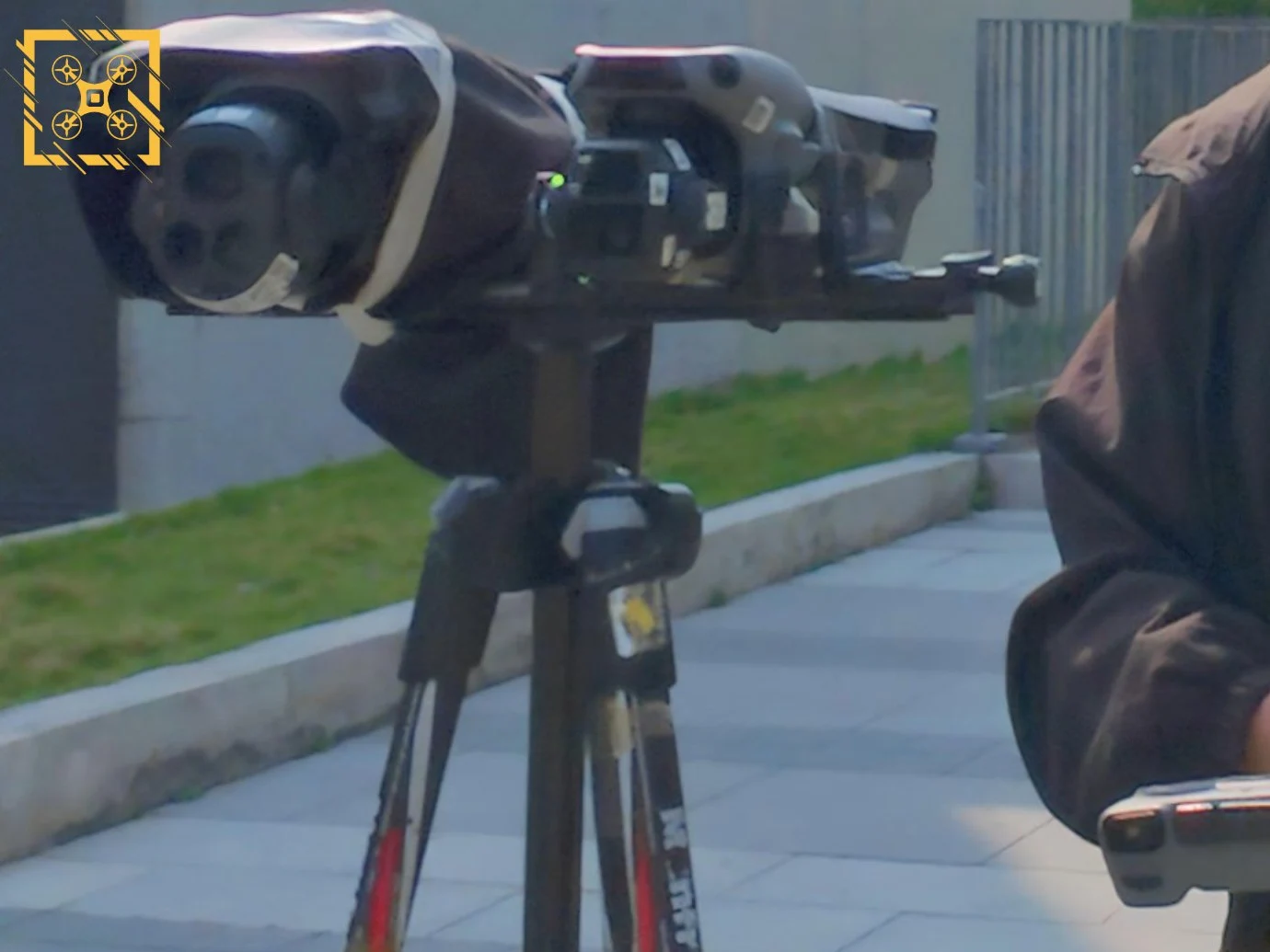
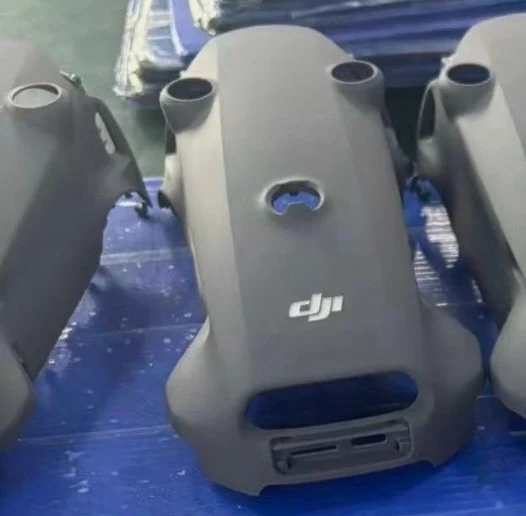
    At first glance, it seemed like DJI would start the Mavic 4 series with the more budget-friendly Mavic 4 before transitioning to the Mavic 4 Pro. However, the recent influx of leaks about the Mavic 4 Pro, along with the lack of Mavic 4 alternatives, suggests that DJI might only be getting ready to launch one high-end drone for now. For instance, images of Mavic 4 Pro casings have recently surfaced online. Additionally, various sources have shared a different image of the same drone undergoing pre-release tests next to a Mavic 3 Pro.

    New Sensor Features

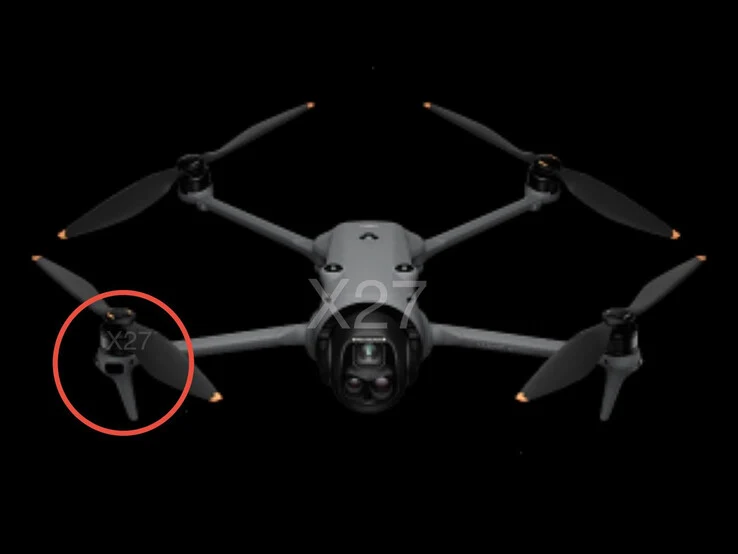
    Recently, Jasper Ellens has disclosed that DJI plans to highlight a new sensor integrated into at least one of the drone’s propeller arms with the Mavic 4 Pro. To give some background, Mavic 3 series drones utilize cameras placed in their propeller arms to enhance obstacle avoidance effectiveness.

    The Mavic 4 Pro seems to include these features as well, located at the tips of each propeller arm. Therefore, we believe that the large black section highlighted in the image below might pertain to something entirely different. Currently, Ellens theorizes that this area could serve for infrared (IR) or LiDAR functions, based on where it’s positioned. However, no additional details regarding its specific use are available at this moment.

    @Drones19170668, @Quadro_News & Jasper Ellens (1) (2)

    Source:
    Link