Category: TV / Monitor

  • Hisense 116U75QG & 100UX: New Mini LED TVs Launching Soon

    Hisense 116U75QG & 100UX: New Mini LED TVs Launching Soon

    Key Takeaways

    1. Hisense launched two large-screen TVs in the U.S.: the 116-inch U75QG and the 100-inch 100UX, both designed for a theater-like experience at home.
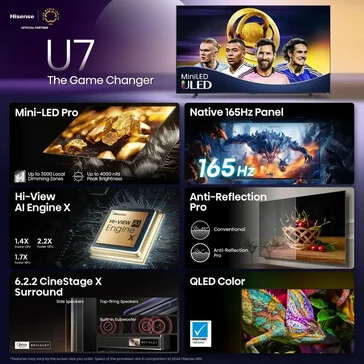
    2. The U75QG features Mini LED Pro backlighting, supports multiple HDR formats, and has a native refresh rate of 165Hz, priced at $14,999.
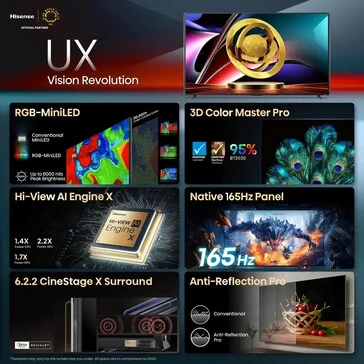
    3. The 100UX utilizes RGB-Mini LED technology, achieves brightness levels up to 8,000 nits, and supports the full range of HDR formats, priced at $11,999.
    4. Both models include advanced image processing powered by MediaTek Pentonic 800 SoC and run on Google TV.
    5. Although these large-screen TVs reflect Hisense’s ambition in the home-theater market, their high prices make them niche products, currently listed as “Unavailable” on Best Buy.


    Hisense has launched two impressive large-screen TVs in the United States: the 116-inch U75QG and the 100-inch 100UX. Both models come with Mini LED backlighting and cutting-edge image processing technology, catering to those who desire a theater-like experience at home.

    Specs of the U75QG

    The Hisense 116U75QG boasts a 116-inch VA display with Mini LED Pro backlighting, designed to cover 90% of the DCI-P3 color space while incorporating quantum dot technology. It supports various HDR formats, including HDR10+, Dolby Vision, Dolby Vision IQ, HLG, IMAX Enhanced, and Filmmaker Mode. The TV features a native refresh rate of 165Hz, with Game Mode Ultra and can achieve up to 288Hz VRR. It also has AMD FreeSync Premium Pro certification for a smooth gaming experience. The device operates on Google TV, powered by the Hi-View AI Engine Pro and MediaTek Pentonic 800 SoC. Connectivity options include several HDMI 2.1 ports, USB, LAN, headphone input, AV connections, Bluetooth 5.3, and Wi-Fi 6. The audio system is set up with a 2.1.2 channel arrangement. According to Best Buy’s US listing, the price is a steep $14,999.

    Features of the 100UX

    The Hisense 100UX utilizes RGB-Mini LED technology, enabling precise control over local dimming zones for enhanced color accuracy and higher peak brightness levels. It can reach brightness levels up to 8,000 nits while reproducing 100% of the BT.2020 color space. This panel also features a native refresh rate of 165Hz, low latency MEMC, and supports the full range of HDR formats, including Dolby Vision IQ, HDR10+, and Filmmaker Mode. The Hi-View AI Engine X, which is also based on the MediaTek Pentonic 800 SoC, manages both image and sound processing. The audio system here is a 4.1.2 channel configuration, and smart functionalities are integrated with Google TV. Its retail price is listed at $11,999.

    Market Implications

    As screen sizes over 100 inches become increasingly popular, these new models from Hisense demonstrate the company’s strong ambition in the home-theater market. However, their high price points mean they are still considered niche products. Both TVs have been officially listed on Best Buy, though the webpage currently shows them as “Unavailable.” Alternatively, the Hisense 100U75QG is available at a discounted price of $2,297 on Amazon.

    Source:
    Link


  • OLED TV Production Costs Drop, But Discounts Not Coming Soon

    OLED TV Production Costs Drop, But Discounts Not Coming Soon

    Key Takeaways

    1. Decreasing Production Costs: The cost of producing OLED panels is expected to drop significantly, from around $1,000 in 2020 for a 65-inch panel to potentially below $500 by 2026.

    2. Consumer Price Expectations: Despite lower production costs, consumers may not see immediate price drops in retail due to manufacturers needing to recover initial investment costs.

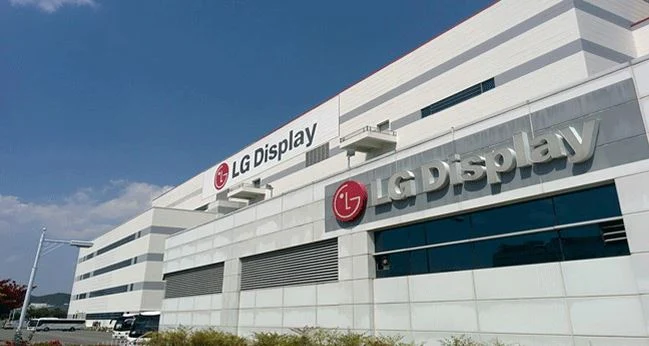
    3. LG Display’s Cost-Cutting Strategies: LG Display has achieved a 30% reduction in production expenses through expanded production lines and plans further efficiency improvements for future OLED production.

    4. Competitive Landscape: OLED technology faces competition from RGB LED displays, but their overall production costs are comparable, making OLED still a strong contender.

    5. Cautious Future Outlook: Consumers should temper their expectations for quick price reductions as manufacturers aim to maintain their premium pricing and profit margins even with decreasing costs.


    Over the past ten years, OLED TVs have gradually shifted from being luxury items to common features in home entertainment. Companies like LG Display have been fine-tuning their manufacturing methods, and new reports from the industry suggest that their hard work is starting to show results, at least out of sight.

    Production Costs Decrease

    A new report from FlatpanelsHD indicates that the expense involved in making OLED panels is continually decreasing. Back in 2020, the production cost for a 65-inch OLED panel from LG Display was around $1,000. By 2024, this number is expected to have fallen to about $600, with estimates hinting it might dip below $500 before 2026 arrives. Additionally, the production of larger panels, like the 77-inch and 83-inch models, is also getting cheaper thanks to improved efficiency and higher yield rates.

    Consumer Expectations

    While this news might be exciting for buyers looking for cheaper OLED TVs, experts in the industry warn that these cost reductions won’t immediately lead to significant price drops on store shelves. The report suggests that companies still need to recover their initial expenses related to factory upgrades, new production lines, and employee training. Because of these upfront costs, manufacturers are more inclined to absorb the extra margin rather than pass on the full savings to consumers.

    LG Display’s Strategies

    The Korean news source Biz Chosun provides more insights into LG Display’s ongoing efforts to cut costs. Their expansion of production lines and increases in yield reportedly resulted in a 30% drop in production expenses last year. For 2025, LG Display plans to further lower costs through innovative design changes in the display driver structure, which is anticipated to enhance the efficiency of OLED production.

    This improvement in cost efficiency not only benefits LG but also helps shield it from rising competition from RGB LED displays, which are often referred to as the “OLED killer.” These displays are seen as potential rivals due to their superior brightness and color accuracy. However, as noted by Biz Chosun, when you include the expenses for LED chips, backlight components, and driver systems, the production costs for RGB LEDs also fall within the $400–$600 range, indicating they might not be as financially advantageous as thought.

    Future Outlook

    Despite the promising outlook for OLED technology, consumers should keep their expectations in check regarding immediate price reductions. TV manufacturers usually prefer to maintain their pricing structures to uphold their premium market status and profit margins, even as their internal costs go down. This suggests that the OLED price revolution might take longer to arrive in homes.

    Currently, the decreasing production costs point to a bright future for display technology, even with RGB miniLED vying for the best price-to-performance ratio, where OLED still holds a strong position, remaining robust and gradually moving toward being more affordable for the mass market.

    Source:
    Link


  • Xiaomi 4K TV Stick 2nd Gen Beats Google TV Streamer in Benchmarks

    Xiaomi 4K TV Stick 2nd Gen Beats Google TV Streamer in Benchmarks

    Key Takeaways

    1. Xiaomi has launched the TV Stick 4K (2nd Gen) globally, offering strong performance in a compact design.
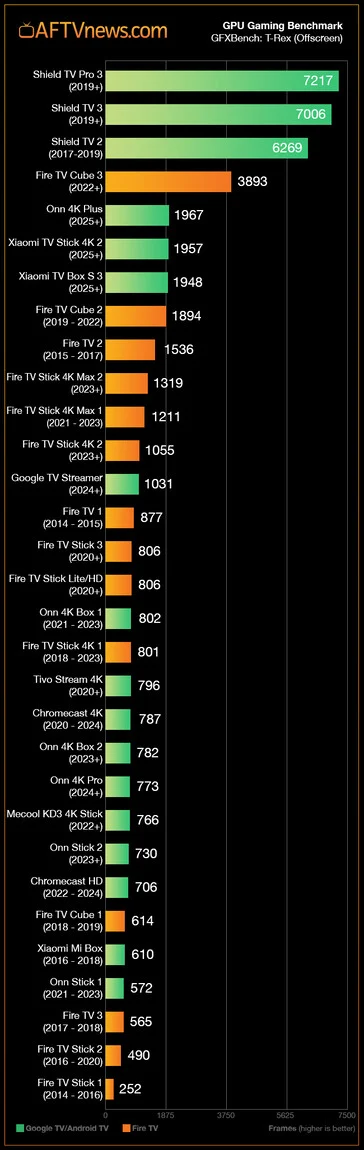
    2. The TV Stick 4K (2nd Gen) matches the performance of the Xiaomi Box S (3rd Gen) and Onn 4K Plus, using the Amlogic S905X5M chipset.
    3. In graphics tests, the TV Stick 4K (2nd Gen) outperforms the Google TV Streamer 4K, indicating better graphical capabilities.
    4. The device has 2 GB of RAM and 8 GB of storage, while the pricier Box S (3rd Gen) offers more storage at 32 GB.
    5. The TV Stick 4K (2nd Gen) is priced at approximately $45 in Europe, providing competitive performance compared to the $29 Onn 4K Plus available in the US.


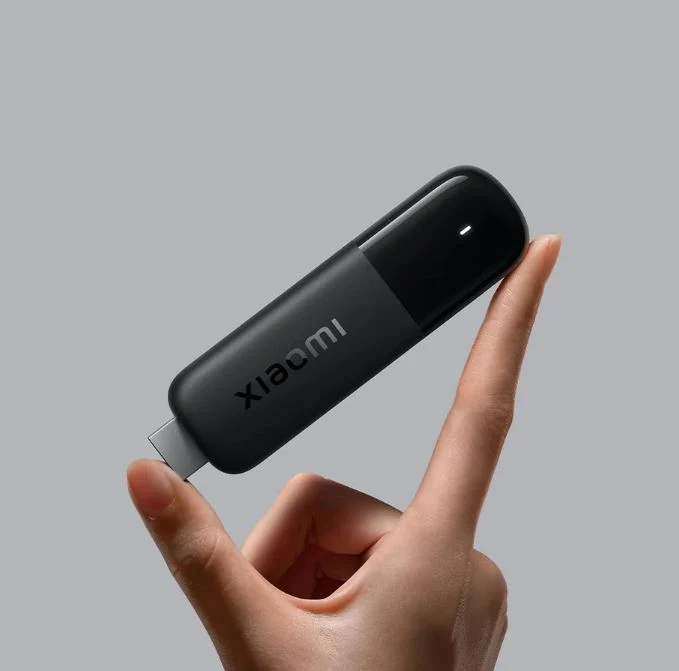
    Xiaomi has recently introduced its newest compact streaming device, the TV Stick 4K (2nd Gen), across multiple global markets. This streaming stick appears to be one of the most potent options available, even with its small size.

    Performance Benchmarks

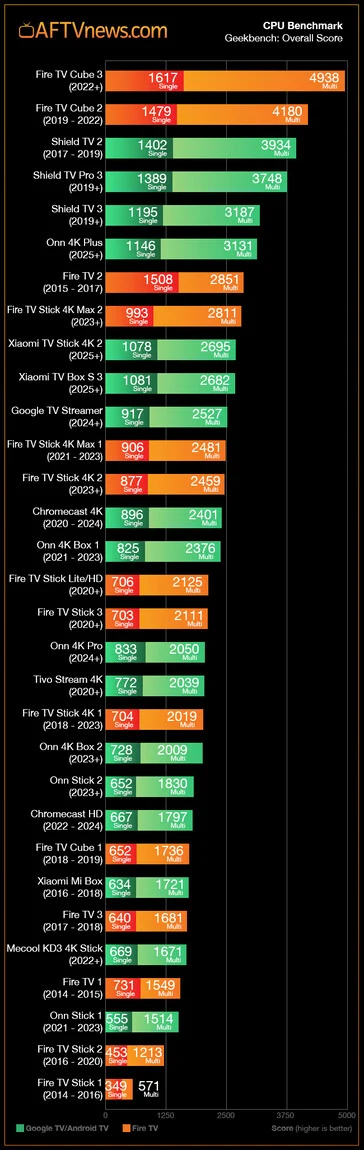
    According to tests conducted by AFTVNews, the Xiaomi TV Stick 4K (2nd Gen) achieved a single-core score of 1,078 and a multi-core score of 2,695 on Geekbench. These results are identical to those of its counterpart, the Xiaomi Box S (3rd Gen), and the Onn 4K Plus. This similarity is not surprising since all three devices utilize Amlogic’s S905X5M chipset. In comparison, the Google TV Streamer 4K received scores of 917 and 2,527 in the same benchmarks.

    Graphics Capabilities

    On the graphics side, the Xiaomi TV Stick 4K (2nd Gen) scored 1,957 on GFXBench’s T-Rex (Offscreen) test, which is consistent with the Onn 4K Plus and Box S (3rd Gen), but significantly outperforms the Google TV Streamer 4K’s score of 1,031.

    It’s clear that devices equipped with the S905X5M SoC deliver much better performance than the older models avaiable in the market. Walmart’s Onn 4K Plus, priced at $29, provides an excellent price-to-performance ratio but is currently limited to the US market. For consumers in Europe and elsewhere, Xiaomi’s TV Stick 4K (2nd Gen) retails for roughly $45 and offers the same level of performance. However, it’s important to point out that the Stick has only 2 GB of RAM and 8 GB of storage, while the pricier Box S (3rd Gen) offers 32 GB of storage.

    Source:
    Link


  • Fire TV Stick 4K Max vs 4K vs 4K Select: Comparison Guide

    Fire TV Stick 4K Max vs 4K vs 4K Select: Comparison Guide

    Key Takeaways

    1. Device Overview: Amazon introduced the Fire TV Stick 4K Select, expanding its lineup alongside the Fire TV Stick 4K (2nd Gen) and Fire TV Stick 4K Max (2nd Gen), all supporting 4K streaming.

    2. Performance Differences: The Fire TV Stick 4K Max has the best specs with a 2.0GHz CPU, 850MHz GPU, 2GB RAM, and 16GB storage. The Fire TV Stick 4K and Select have lower CPU speeds and storage, affecting performance.

    3. Audio and Connectivity: Only the Fire TV Stick 4K and Max support Dolby Atmos audio. The Max offers tri-band Wi-Fi 6E for better streaming, while the Select has dual-band Wi-Fi 5.

    4. Remote Features: The Fire TV Stick 4K Max includes an enhanced Alexa Voice Remote with more buttons and better functionality, while the other models come with a standard remote.

    5. Pricing: The Fire TV Stick 4K Select is available for pre-order at $39.99, the Fire TV Stick 4K is discounted to $24.99, and the Fire TV Stick 4K Max is priced at $59.99 but also on sale for $39.99.


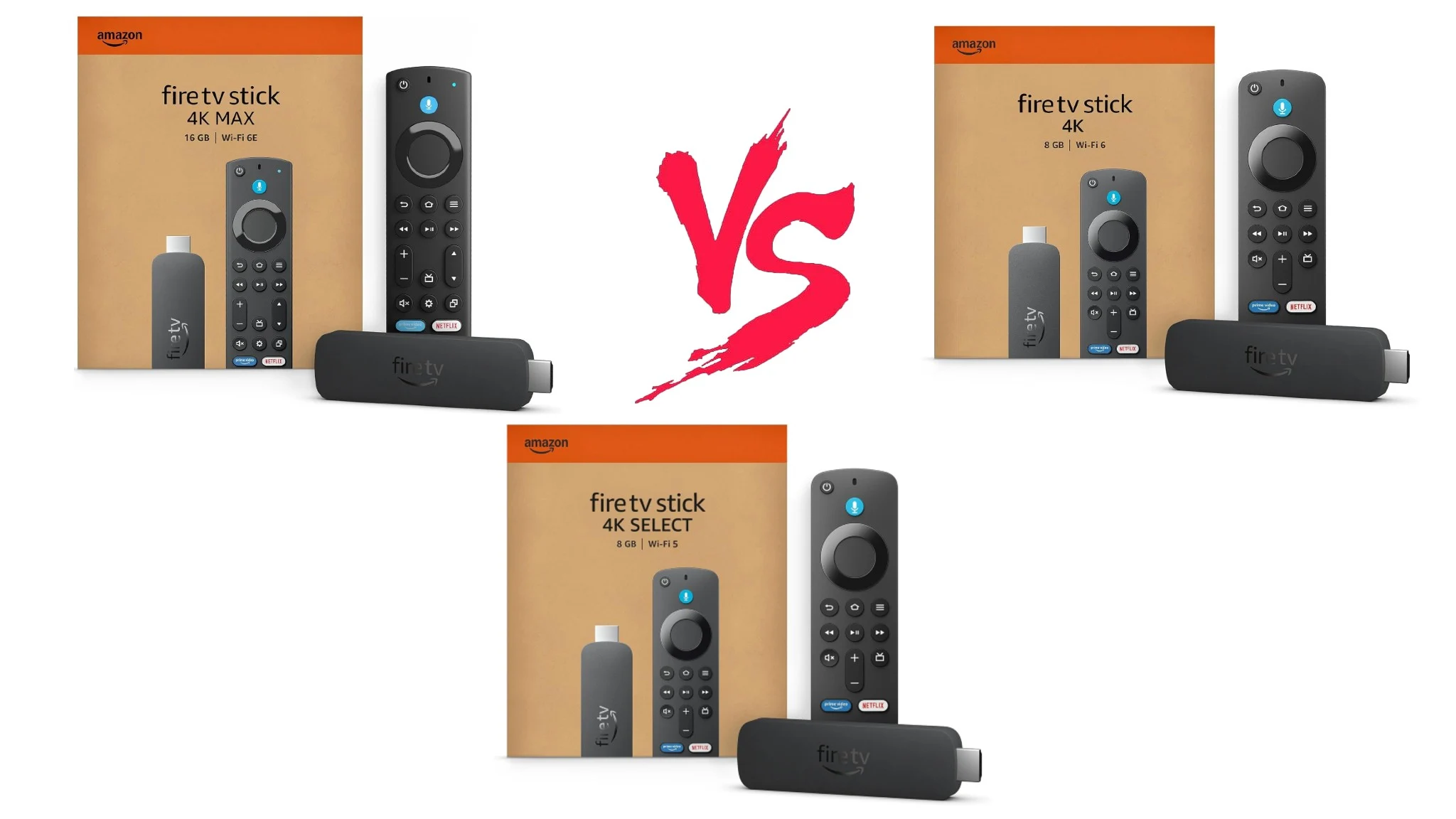
    Amazon recently revealed its latest TV streaming device, the Fire TV Stick 4K Select, during its fall event. This new stick joins the existing Fire TV Stick 4K (2nd Gen) and Fire TV Stick 4K Max (2nd Gen), all capable of streaming content in 4K.

    Key Differentiations

    While all three devices share similar features such as support for Alexa+, smart home management, and future Cloud Gaming on the Fire TV Stick 4K Select, there are important differences among them. Understanding these differences can assist you in choosing the best option for your needs.

    To begin with, the Fire TV Stick 4K Max stands out as the most robust option. It boasts a quad-core processor with a CPU speed of 2.0GHz, along with an 850MHz GPU. This model also includes 2GB of RAM and offers 16GB of storage, making it the most extensive storage option among the Fire TV Sticks.

    Performance Comparisons

    In contrast, the Fire TV Stick 4K also has a quad-core processor but with a lower clock speed of 1.7GHz and a 650MHz GPU. It has the same 2GB of RAM, but its storage is only half that of the Fire TV Stick 4K Max, resulting in reduced space for apps and games.

    The Fire TV Stick 4K Select features a quad-core processor running at 1.7GHz, but its GPU specs are not disclosed. It comes with 1GB of RAM and 8GB of storage. The lower RAM means it has less temporary memory for active data, leading to a generally slower performance compared to the other two models.

    Although all three devices support 4K streaming, the experience varies based on which one you pick and the type of content. All three support HDR10, HDR10+, and HLG, but only the Fire TV Stick 4K and Fire TV Stick 4K Max can handle Dolby Vision content.

    Audio and Connectivity

    The audio experience is notably enhanced when using either the Fire TV Stick 4K or Fire TV Stick 4K Max, especially with a Dolby Atmos-compatible TV or soundbar, as they both support Dolby Atmos audio. In contrast, the Fire TV Stick 4K Select only supports Dolby-encoded audio.

    For connectivity, the Fire TV Stick 4K Max offers the best options, featuring tri-band Wi-Fi, including support for Wi-Fi 6E. This enhancement promises smoother streaming, faster speeds, and lower latency when playing games.

    The Fire TV Stick 4K and Fire TV Stick 4K Select offer dual-band Wi-Fi. However, the Fire TV Stick 4K is slightly better with Wi-Fi 6, while the Fire TV Stick 4K Select uses Wi-Fi 5. Additionally, the Fire TV Stick 4K is equipped with Bluetooth 5.2, whereas the Fire TV Stick 4K Select has Bluetooth 5.0.

    Remote Features

    A significant difference among these Fire TV Sticks lies in the remote control. The Fire TV Stick 4K Max includes the Alexa Voice Remote Enhanced, which is longer and has more buttons than the standard Alexa Voice Remote that comes with the other two models. The enhanced remote offers special buttons for Live TV and recently used apps.

    Moreover, the Alexa Voice Remote Enhanced supports both Bluetooth and infrared, while the standard remote only supports Bluetooth. Both remotes operate on two AAA batteries, but neither features backlit buttons or a Remote Finder, unlike the Alexa Voice Remote Pro.

    It’s important to note that while the standard remote is compatible with all three Fire TV Sticks, the enhanced version is not compatible with the Fire TV Stick 4K and Fire TV Stick 4K Select.

    Pricing Insights

    Lastly, the Fire TV Stick 4K Select is not yet available for purchase but can be pre-ordered for $39.99 ahead of its October 15 release. The Fire TV Stick 4K (2nd Gen) is priced at $49.99, but currently has a 50% discount, bringing it down to $24.99.

    The Fire TV Stick 4K Max is the priciest at $59.99, though it is also on sale for $39.99, similar to the Fire TV Stick 4K.

    Considering their features, the Fire TV Stick 4K Max emerges as the top choice due to its larger storage, superior connectivity, and better remote. With its current discount, it makes sense to opt for it over the others. However, if your budget is under $30, the Fire TV Stick 4K at $24.99 is a fantastic deal, offering most features of the 4K Max, except for the expanded storage, Wi-Fi 6E, and enhanced remote.

    Source:
    Link


  • Marvel Honors My Hero Academia Season 8 with Bakugo Artwork

    Marvel Honors My Hero Academia Season 8 with Bakugo Artwork

    Key Takeaways

    1. My Hero Academia’s eighth and final season will debut on October 4, 2025, adapting the Final War arc from volumes 40 to 42 of the manga.
    2. A tribute artwork by Olivier Coipel reimagines Katsuki Bakugo as Spider-Man’s Miles Morales, merging anime and Western superhero styles, generating mixed reactions online.
    3. Season 8 will feature intense battles, emotional farewells, and new scenes added by creator Kōhei Horikoshi for manga readers.
    4. The series has been well-received, with Season 7 earning a 9.0/10 on IMDb and an 82% on Rotten Tomatoes’ Popcornmeter.
    5. My Hero Academia has sold over 100 million manga copies globally and will air new episodes weekly, following a global simulcast schedule.


    My Hero Academia has kicked off its eighth and final season, which is set to debut on October 4, 2025. Studio Bones is bringing to life the intense Final War arc from Kōhei Horikoshi’s manga, which spans volumes 40 to 42.

    Exciting Artwork Release

    Before the release of My Hero Academia’s concluding season, Marvel Comics shared a tribute piece by Olivier Coipel that reimagines Katsuki Bakugo as Spider-Man’s Miles Morales on X (previously known as Twitter). This artwork merges anime with Western superhero elements, drawing attention from various fandoms and showcasing the worldwide appeal of the series.

    Mixed Reactions Online

    The illustration has sparked diverse responses online, ranging from praise to discussions about the character selection. One fan expressed, “The art is amazing, but it would have been awesome to see a crossover story between Marvel and MHA.” Another user remarked, “You can’t deny this looks out of place on Bakugo; Izuku would’ve fit better with that face lol.” Meanwhile, others simply admired the artwork, saying, “The Bakugo drawing from Marvel is stunning; it’s fantastic.”

    What to Expect in Season 8

    The eighth season is expected to feature intense confrontations between heroes and villains, heartfelt farewells for key characters, and an epilogue that delves into how society recovers after prolonged conflict. Creator Kōhei Horikoshi is adding new scenes for manga readers, making sure there’s fresh content for longtime fans.

    The series has been positively received in past seasons, with Season 7 achieving a 9.0/10 rating on IMDb and an 82% score on Rotten Tomatoes’ Popcornmeter. One critic noted, “There’s nothing groundbreaking here, but the blend of classic battle manga with a more contemporary dreamlike style feels a tad different from typical superhero fare.”

    A Global Phenomenon

    In addition to its ratings, My Hero Academia has emerged as a global sensation in the superhero genre. As of April 2024, over 100 million manga copies have been sold globally, captivating fans in various regions.

    New episodes will air every Saturday, following a global simulcast schedule that releases each episode at 2:30 a.m. PT, 5:30 a.m. ET, and 10:30 a.m. BST. Fans around the world can catch the series on Crunchyroll, while in Japan, it will be broadcast on Yomiuri TV and Nippon TV at 5:30 p.m. JST, allowing both domestic and international viewers to enjoy the show simultaneously.

    Source:
    Link


  • HP Neo Mobile LED Monitor: High Color Fidelity & Slim Stand

    HP Neo Mobile LED Monitor: High Color Fidelity & Slim Stand

    Key Takeaways

    1. First Neo:LED Mobile Monitor: HP launches the Series 5 Pro (514pn), the world’s first mobile monitor with Neo:LED technology, combining an IPS black panel and unique LED backlighting.

    2. Exceptional Colour Accuracy: The monitor displays 100% of DCI-P3 and Adobe RGB, making it ideal for color-sensitive tasks, with a brightness of 400 nits.

    3. High Resolution and Refresh Rate: Features a 14.36-inch screen with a resolution of 2,560 x 1,600, 16:10 aspect ratio, and a refresh rate of 75 Hz.

    4. Sleek and Lightweight Design: Weighs 630 grams and is 8.8 millimeters thick, with a metal body and no integrated battery, utilizing USB-C for power.

    5. Adjustable Kickstand and Connectivity: Includes two USB-C ports for power and connectivity, with an adjustable fold-out kickstand for flexible display positioning.


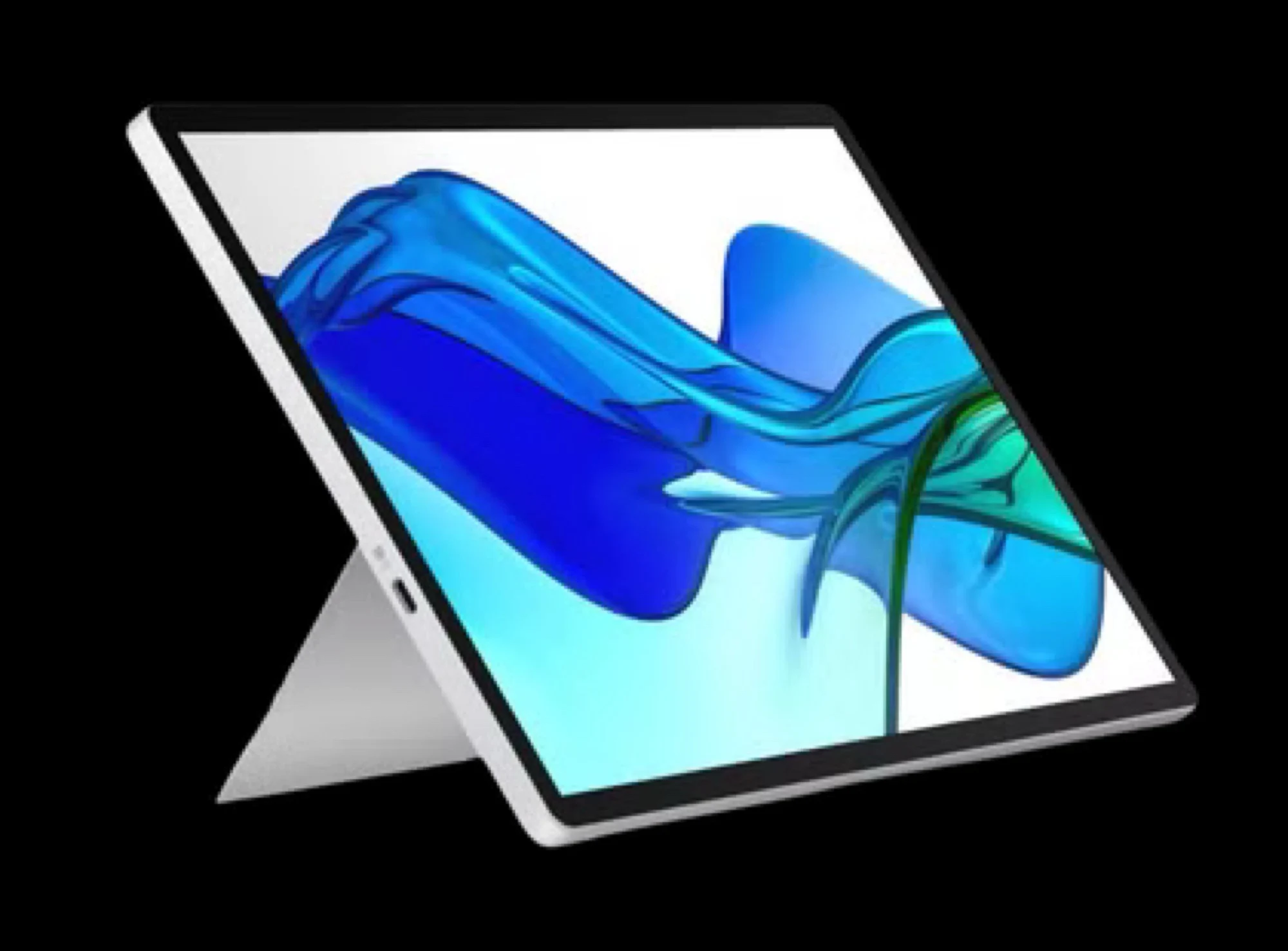
    With the Series 5 Pro (514pn), HP is launching what it says is the first mobile monitor in the world that uses a Neo:LED display. This innovative Neo:LED technology mixes an IPS black panel achieving a native contrast ratio of 2,000:1 with unique LED backlighting that enhances colour reproduction.

    Exceptional Colour Accuracy

    The monitor can display both DCI-P3 and Adobe RGB at 100%, making it ideal for tasks where colour accuracy is crucial. The brightness level of 400 nits is quite decent, especially when compared to other mobile monitors on the market. The 14.36-inch screen has a 16:10 aspect ratio and offers a resolution of 2,560 x 1,600, along with a refresh rate of 75 Hz. The display is finished with a matte surface.

    Sleek and Lightweight Design

    Weighing in at 630 grams and measuring just 8.8 millimeters thick, the metal body of the HP Series 5 Pro is impressively slim and light. This is partly due to HP not including an integrated battery, instead opting for USB-C for power. The monitor features two USB-C ports, which means it can be powered through a laptop or connected to a power supply while charging the laptop with a maximum of 65 watts. The adjustable fold-out kickstand allows for flexible positioning of the display.

    The HP Series 5 Pro (514pn) mobile monitor is slated for release soon, with a suggested retail price of $249.

    Source:
    Link


  • HP Launches 49-Inch Ultrawide Monitor with 165Hz and 5MP Webcam

    HP Launches 49-Inch Ultrawide Monitor with 165Hz and 5MP Webcam

    Key Takeaways

    1. The HP Series 5 Pro 49″ Conferencing Monitor features a 49-inch size with a 32:9 aspect ratio, resembling two 27-inch monitors side by side.
    2. It has a resolution of 5,120 x 1,440, a pixel density of 109 PPI, and a refresh rate of 165 Hz, but lacks information on color accuracy and brightness.
    3. Unique features include a retractable 5 MP webcam for privacy, a USB-C port that supports 140 watts for charging, and an integrated USB-A hub.
    4. The monitor includes Gigabit Ethernet and built-in speakers for enhanced functionality.
    5. Expected to launch in November 2025, the anticipated price is around $1,300, though official pricing has not yet been announced.


    The Series 5 Pro 49″ Conferencing Monitor is the largest display in HP’s lineup so far. With a diagonal measurement of 49 inches and a 32:9 aspect ratio, this monitor is nearly the same size as two 27-inch 16:9 monitors placed next to each other. Its gentle 1,800R curve is made to provide comfortable viewing experiences.

    Display and Performance

    This monitor boasts a resolution of 5,120 x 1,440 and features a pixel density of 109 PPI. HP has utilized a VA panel that offers a high contrast ratio and a refresh rate of 165 Hz, which should enhance the smoothness of animations. Nevertheless, HP hasn’t shared any details regarding color accuracy or brightness levels, so potential buyers might want to hold off for preliminary reviews, especially since there are significant competitors in its category, like the Evnia 49M2C8900AM, which comes with an OLED display.

    Unique Features

    HP seeks to differentiate itself from rivals with unique features like a 5 MP webcam, which can be easily retracted into the monitor’s housing when not in use, providing added privacy for users. Besides HDMI and DisplayPort options, HP has added a USB-C port that can deliver up to 140 watts to charge connected laptops. Additionally, the monitor includes an integrated USB-A hub, Gigabit Ethernet, and built-in speakers.

    The HP Series 5 Pro 49″ Conferencing Monitor is anticipated to launch in November 2025. Although the official retail price hasn’t been disclosed yet, HP has indicated to PC World that they are aiming for a price close to $1,300.

    Source:
    Link


  • Philips Ambilight TVs with Roku OS and Immersive Backlights

    Philips Ambilight TVs with Roku OS and Immersive Backlights

    Key Takeaways

    1. Philips offers Ambilight smart TVs with built-in LED strips, eliminating the need for separate LED strip installations.
    2. The Philips 7875 Series Ambilight TVs come in four sizes: 43”, 50”, 55”, and 65”, all featuring Roku OS.
    3. Ambilight technology enhances viewing experience and reduces eyestrain by balancing light contrast between bright and dark images.
    4. The TVs support various streaming services and will receive a future update in Q1 2026, adding new features like Ambilight audio mode.
    5. Pricing starts at $229 for the 43” model, with availability at Sam’s Club, which is owned by Walmart.


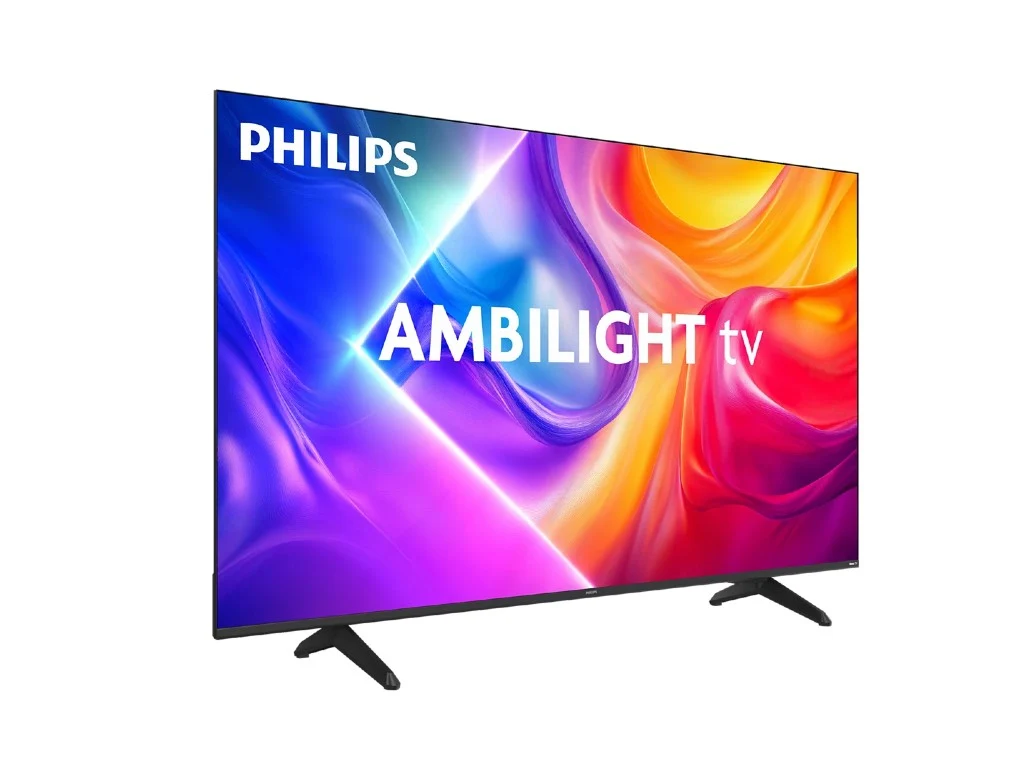
    Philips is well-known for its Hue smart lighting products, which also feature strip lights designed for TVs. But if you want to skip the trouble of connecting an LED strip to your television, Philips has a solution with its Ambilight smart TV series that come with built-in LED strips.

    Size Options Available

    The Philips 7875 Series Ambilight TV comes in sizes of 43”, 50”, 55”, and 65”. All models come equipped with Roku OS right out of the box. Philips claims that the dynamic LED lighting of Ambilight not only elevates your viewing experience but also minimizes eyestrain and fatigue. This is achieved by easing the contrast between brightly lit images and dark backgrounds.

    Compatibility and Future Updates

    Ambilight is compatible with various streaming services, live television channels, and gaming consoles. It also functions when showcasing artworks and photos through Roku Backdrops. Furthermore, Philips has announced an update set to release in Q1 2026 that will introduce Ambilight audio mode and standby mode.

    Technical Specifications

    In terms of specifications, all four TV models feature an LED panel with a 4K resolution, a 120 PMR (perfect motion rate), and a 178º viewing angle. They support HDR10 and HLG, except for the 43-inch version. Each TV is equipped with stereo speakers that include Dolby Atmos, four HDMI ports (with eARC/ARC), and a single USB 2.0 port. Additional ports include an Ethernet port, an optical audio port, an audio jack, and an aerial input.

    Pricing and Availability

    The pricing for the Philips 7875 Series Ambilight TV starts at $229 for the 43” model, $259 for the 50” model, $329 for the 55” model, and $389 for the 65” model. These TVs are available for purchase both online and in-store exclusively at Sam’s Club, which is owned by Walmart.

    Source:
    Link


  • Xiaomi Redmi TV X 2026: Mini LED, 288Hz Refresh Rate, 1200 Nits

    Xiaomi Redmi TV X 2026: Mini LED, 288Hz Refresh Rate, 1200 Nits

    Key Takeaways

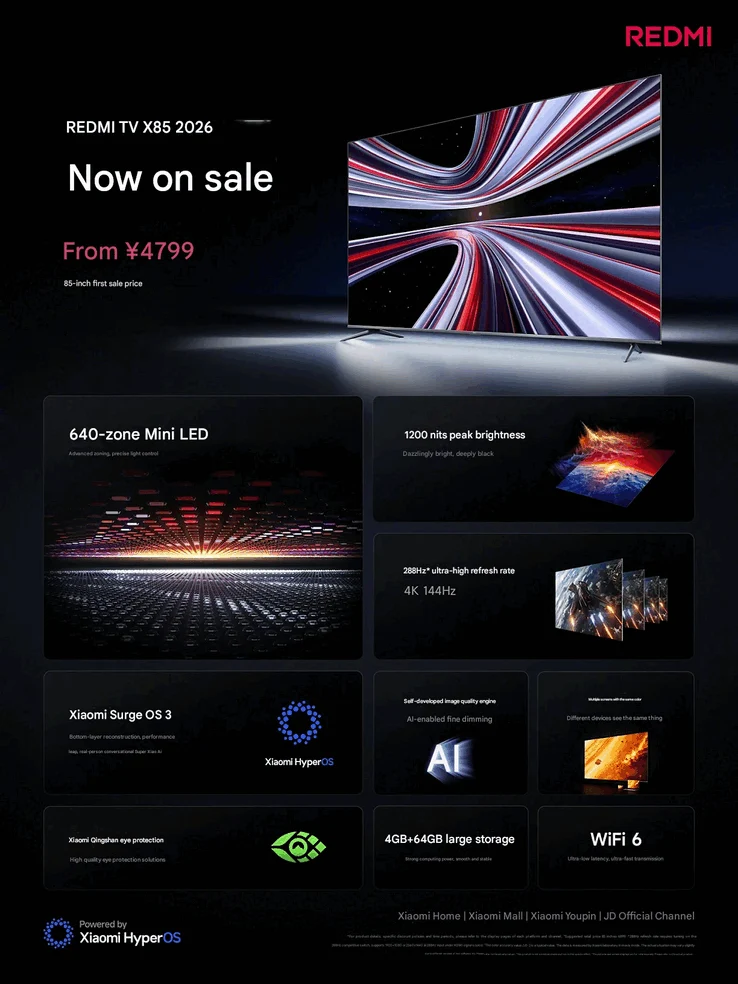
    1. Mini LED Display: The Redmi TV X 2026 features an 85-inch Mini LED display with 640 local dimming zones and a peak brightness of 1,200 nits, offering enhanced contrast and color quality.

    2. Filmmaker Mode: It includes a Filmmaker Mode that disables post-processing features for a more authentic viewing experience.

    3. Gaming Specs: The TV has a native refresh rate of 4K 144Hz, supports VRR, includes a Game Mode, and is certified for AMD FreeSync Premium, ensuring low latency for gamers.

    4. Consistent Processing Power: It uses the same MediaTek MT9655 quad-core processor as the previous model, with 4GB of RAM and 64GB of internal storage, running on Xiaomi’s new HyperOS 3 interface.

    5. Pricing and Availability: Currently available in China for 4,800 yuan (around $674), the TV is only offered in the 85-inch size, with no details on global release yet.


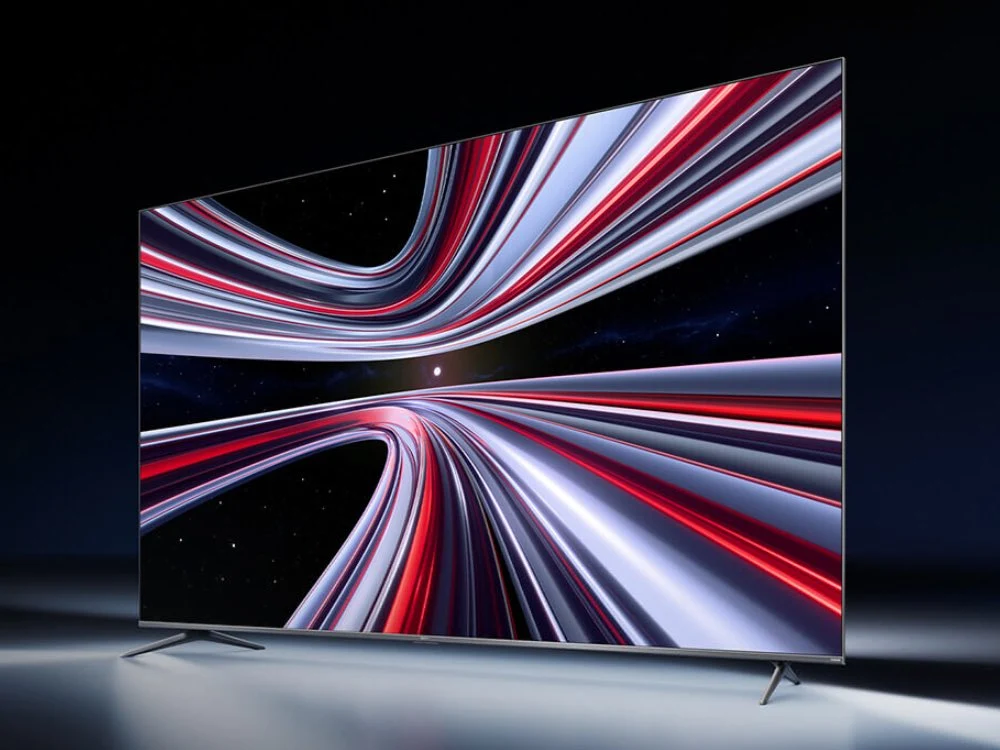
    The Redmi TV X 2026 is the latest addition to Xiaomi’s lineup of 4K TVs, designed to make Mini LED technology more accessible to everyone. It serves as the direct successor to the Redmi TV X 2025 from last year and comes packed with impressive features for its price point.

    Stunning Mini LED Display

    One of the standout features of the Redmi TV X 2026 is its Mini LED display, marking a first for the Redmi series. The 85-inch screen includes 640 local dimming zones and can reach a peak brightness of 1,200 nits, offering deep blacks and bright colors comparable to OLED. Additionally, the TV is equipped with a new light sensor that adjusts the brightness and color temperature based on the surrounding light. It also includes a Filmmaker Mode that aims to provide a more authentic viewing experience by disabling post-processing features like motion smoothing, AI upscaling, and noise reduction.

    Gamer-Friendly Specs

    For gaming enthusiasts, the Redmi TV X 2026 comes with impressive specifications. It features a native refresh rate of 4K 144Hz, which can be boosted to 288Hz in a special mode, although the resolution in this mode reaches 2560 x 1440. The TV supports VRR (variable refresh rate), includes a Game Mode with settings for various gaming styles, and holds AMD FreeSync Premium certification, ensuring ultra-low latency of just 4ms. Dolby Vision Gaming support is also part of the package.

    Similar Processing Power

    The processing setup in the Redmi TV X 2026 appears to remain consistent with last year’s version, still utilizing a MediaTek MT9655 quad-core processor that has four Arm Cortex-A73 cores along with a Mali-G52 MC1 GPU. It includes 4GB of RAM and 64GB of internal storage. Out of the box, the TV runs on Xiaomi’s new HyperOS 3 interface.

    The Redmi TV X 2026 is currently on sale in China for 4,800 yuan (approximately $674). It is only available in the 85-inch size, and there’s no information yet about its global release. Given that previous X series models found their way to international markets under different names, this model is likely to follow suit.

    Source:
    Link


  • Pre-Order 115-Inch Samsung Micro RGB TV in the US Now

    Pre-Order 115-Inch Samsung Micro RGB TV in the US Now

    Key Takeaways

    1. The Samsung MR95F is a 115-inch Micro RGB Smart TV now available for pre-order in the US at $29,999.
    2. It features 100% UHD color spectrum, 4K resolution, 120 Hz refresh rate, HDR10+, and Filmmaker Mode for enhanced viewing experience.
    3. The TV runs on One UI Tizen, supports streaming apps, and includes gaming features like AI Auto Game Mode and Motion Xcelerator.
    4. It has a built-in SmartThings Hub for Matter compatibility, along with Dolby Atmos audio and various control options, including gesture support with Galaxy Watch.
    5. Deliveries are expected to start in mid-December 2025, with European pre-orders available at €27,999 through Son-Video.


    The 115-inch Samsung Micro RGB Vision AI Smart TV, known by its model number MR95F, is now up for pre-order in the United States. This model was introduced in early 2025 and is the first from the brand to feature a micro-scale RGB LED backlight.

    Features and Specifications

    The MR95F Micro RGB TV claims to achieve 100% of the UHD color spectrum, providing excellent color accuracy and fine-tuned brightness. Thanks to Samsung’s Glare Free technology, it is easier to view the TV in bright environments. This television boasts a 4K resolution (3,840 x 2,160 pixels) and has a native refresh rate of 120 Hz, along with support for HDR10+ and Filmmaker Mode.

    The television runs on the One UI Tizen interface, allowing users to access numerous streaming apps and cast content via Apple AirPlay. For gaming enthusiasts, it offers features like AI Auto Game Mode, Game Bar, FreeSync Premium Pro, and Motion Xcelerator 144 Hz, accommodating VRR gaming up to 4K@144 Hz. Additionally, it includes a built-in SmartThings Hub, making it compatible with Matter, and has integrated 4.2.2 channel speakers that support Dolby Atmos and Q-Symphony for synchronized audio. Moreover, while the TV comes with a remote control, it also allows for universal gestures using a Galaxy Watch, or users can utilize the quick remote feature on a compatible smartphone.

    Pricing and Availability

    In the US, the 115-inch Samsung Micro RGB Vision AI Smart TV is available for pre-order at a price of $29,999. It’s important to note that the company is currently only taking orders from customers within a select range of zip codes, which you can verify on the product page. Deliveries are expected to begin around mid-December. Although this model has not yet been officially released in Europe, it can already be pre-ordered at the French retailer Son-Video for €27,999, though the timeline for those deliveries remains unclear.

    Source:
    Link