
Tag: Cost Reduction

  • Lenovo ThinkPad T14 Gen 7 Screen Downgrade: RAM Crisis Impact

    Key Takeaway

    – Tech sector prices rising due to datacenter boom and component shortages.
    – PC makers cut costs by using cheaper, lower-quality components.
    – Lenovo ThinkPad T14 Gen 7 base model costs €450 more than its predecessor.
    – Low-end screen covers only ~60% sRGB, offering poor color accuracy.
    – Best option for customers may be buying the older Gen 6 model while available.


    Rising Tech Prices Hit Laptops Hard

    Prices are climbing across the tech world, all thanks to the boom of datacenters and the chaos in supply chains for memory, SSDs, and processors. This price hike is a nightmare for PC builders. Who actually wants to fork out more cash for a laptop that cost way less just last year? It is a really though situation for everyone.

    How Manufacturers Soften the Blow

    One trick to ease the pain is for companies to cut corners on cheaper parts. They might stick in slower CPUs, smaller SSDs, or less RAM, while also fitting terrible screens. This is becoming a common theme, and its not a great look for consumers who expect quality.

    A perfect example of this is the Lenovo ThinkPad T14 Gen 7 we recently looked at. We tested the most basic version you can buy in Germany, and it starts at around €1,600. That is approximately €450 more expensive than the last generation base-model, the ThinkPad T14 Gen 6 Intel, which is a big jump for a new model.

    • Screen size: 14-inch
    • Resolution: WUXGA (1,920 x 1,200)
    • Brightness: 400 cd/m²
    • Color gamut: Only about 60% sRGB

    The Cheap Screen Problem

    What gives it away as a low-cost screen is the colour gamut. It covers a measly 60 percent of the sRGB range, so colours look washed out and inaccurate. For a laptop at this price, that is a major letdown, and it makes photo editing or watching videos less enjoyable.

    To be fair, Lenovo offered the exact same screen on the old model too. However, it was rarely used in consumer configurations. Nearly every T14 Gen 6 you could buy in Germany came with a better 500 cd/m² display that hit 100% sRGB, so most people got a decent panel.

    Current Configuration Situation

    Now, almost all configurations under €2,000 have this inferior screen as standard. This is a frustrating situation for customers. There is basically no perfect solution without compromises, except maybe grabbing an older Lenovo ThinkPad T14 Gen 6 while it is still available.

    Sources
    • OLED TV Production Costs Drop, But Discounts Not Coming Soon

      OLED TV Production Costs Drop, But Discounts Not Coming Soon

      Key Takeaways

      1. Decreasing Production Costs: The cost of producing OLED panels is expected to drop significantly, from around $1,000 in 2020 for a 65-inch panel to potentially below $500 by 2026.

      2. Consumer Price Expectations: Despite lower production costs, consumers may not see immediate price drops in retail due to manufacturers needing to recover initial investment costs.

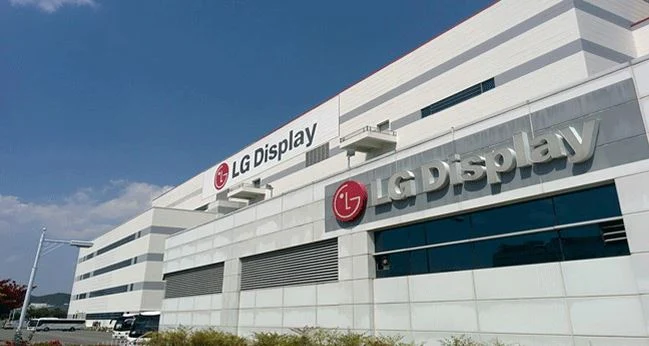
      3. LG Display’s Cost-Cutting Strategies: LG Display has achieved a 30% reduction in production expenses through expanded production lines and plans further efficiency improvements for future OLED production.

      4. Competitive Landscape: OLED technology faces competition from RGB LED displays, but their overall production costs are comparable, making OLED still a strong contender.

      5. Cautious Future Outlook: Consumers should temper their expectations for quick price reductions as manufacturers aim to maintain their premium pricing and profit margins even with decreasing costs.


      Over the past ten years, OLED TVs have gradually shifted from being luxury items to common features in home entertainment. Companies like LG Display have been fine-tuning their manufacturing methods, and new reports from the industry suggest that their hard work is starting to show results, at least out of sight.

      Production Costs Decrease

      A new report from FlatpanelsHD indicates that the expense involved in making OLED panels is continually decreasing. Back in 2020, the production cost for a 65-inch OLED panel from LG Display was around $1,000. By 2024, this number is expected to have fallen to about $600, with estimates hinting it might dip below $500 before 2026 arrives. Additionally, the production of larger panels, like the 77-inch and 83-inch models, is also getting cheaper thanks to improved efficiency and higher yield rates.

      Consumer Expectations

      While this news might be exciting for buyers looking for cheaper OLED TVs, experts in the industry warn that these cost reductions won’t immediately lead to significant price drops on store shelves. The report suggests that companies still need to recover their initial expenses related to factory upgrades, new production lines, and employee training. Because of these upfront costs, manufacturers are more inclined to absorb the extra margin rather than pass on the full savings to consumers.

      LG Display’s Strategies

      The Korean news source Biz Chosun provides more insights into LG Display’s ongoing efforts to cut costs. Their expansion of production lines and increases in yield reportedly resulted in a 30% drop in production expenses last year. For 2025, LG Display plans to further lower costs through innovative design changes in the display driver structure, which is anticipated to enhance the efficiency of OLED production.

      This improvement in cost efficiency not only benefits LG but also helps shield it from rising competition from RGB LED displays, which are often referred to as the “OLED killer.” These displays are seen as potential rivals due to their superior brightness and color accuracy. However, as noted by Biz Chosun, when you include the expenses for LED chips, backlight components, and driver systems, the production costs for RGB LEDs also fall within the $400–$600 range, indicating they might not be as financially advantageous as thought.

      Future Outlook

      Despite the promising outlook for OLED technology, consumers should keep their expectations in check regarding immediate price reductions. TV manufacturers usually prefer to maintain their pricing structures to uphold their premium market status and profit margins, even as their internal costs go down. This suggests that the OLED price revolution might take longer to arrive in homes.

      Currently, the decreasing production costs point to a bright future for display technology, even with RGB miniLED vying for the best price-to-performance ratio, where OLED still holds a strong position, remaining robust and gradually moving toward being more affordable for the mass market.

      Source:
      Link


    • Volkswagen Plans to Reduce Administrative Staff Costs by 20%

      Volkswagen Plans to Reduce Administrative Staff Costs by 20%

      Volkswagen Announces Strategy to Streamline Operations and Reduce Costs

      Volkswagen, the German automotive giant, has recently unveiled a bold new strategy aimed at streamlining its operations and cutting costs. The company has set a target of saving $10.8 billion as part of this comprehensive plan.

      Instead of resorting to layoffs, Volkswagen has taken a more compassionate approach. The company will primarily achieve its goal of reducing costs through partial and early retirements. By opting for this strategy, Volkswagen demonstrates its commitment to its workforce and its desire to minimize the impact on employees’ lives.

      A Focus on Efficiency and Financial Prudence

      At the core of Volkswagen’s strategy is a 20% reduction in administrative staff costs. This decision emphasizes the company’s dedication to efficiency and financial prudence. By streamlining its administrative functions, Volkswagen aims to create a leaner and more agile organization.

      Revamping Product Cycles for Market Competitiveness

      Volkswagen also plans to revamp its product cycles to stay competitive in a rapidly evolving market. The company intends to shorten its cycle from 50 months to just 36 months. This means that consumers can anticipate more frequent releases of new and facelifted models, keeping the brand fresh and appealing to customers.

      Shifting Priorities: Operational Efficiencies Over Capital Projects

      In a significant shift in priorities, Volkswagen has decided to cancel a planned $862 million research and development site in Wolfsburg, Germany. This move reflects the company’s focus on immediate operational efficiencies rather than long-term capital projects. By reallocating resources to areas that provide more immediate benefits, Volkswagen aims to optimize its operations and drive cost savings.

      Adapting to Changing Production Numbers

      Volkswagen’s decision to implement these changes comes at a time when its production numbers have declined noticeably. The company’s Wolfsburg plant, which used to produce an average of 780,000 cars annually, is now targeting 500,000 units this year. This shift in production volume highlights the need for Volkswagen to adapt to changing market demands and optimize its operations.

      Embracing a Leaner Future

      Volkswagen’s brand boss, Thomas Schaefer, summed up the company’s new direction succinctly: “We will need to operate with fewer people in many areas at Volkswagen in the future.” This statement encapsulates Volkswagen’s vision for a leaner and more efficient operation that is prepared to tackle the challenges of the modern automotive industry, particularly in the realm of electric vehicles.

      In conclusion, Volkswagen’s announcement of its new strategy marks a significant shift in its approach to operations and cost management. By prioritizing efficiency, adapting product cycles, and reallocating resources, the company aims to create a leaner and more competitive organization. With these changes, Volkswagen is positioning itself to thrive in the ever-changing landscape of the automotive industry.