Key Takeaways
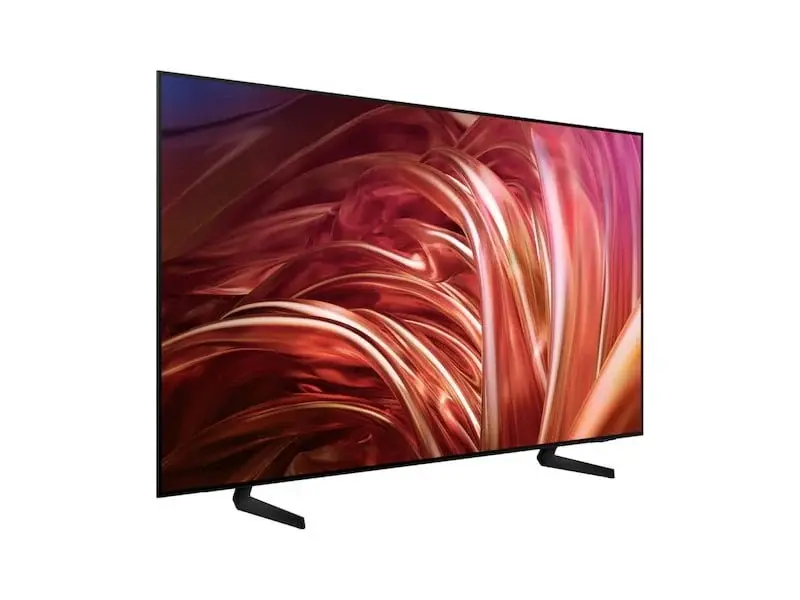
1. Decreasing Production Costs: The cost of producing OLED panels is expected to drop significantly, from around $1,000 in 2020 for a 65-inch panel to potentially below $500 by 2026.
2. Consumer Price Expectations: Despite lower production costs, consumers may not see immediate price drops in retail due to manufacturers needing to recover initial investment costs.
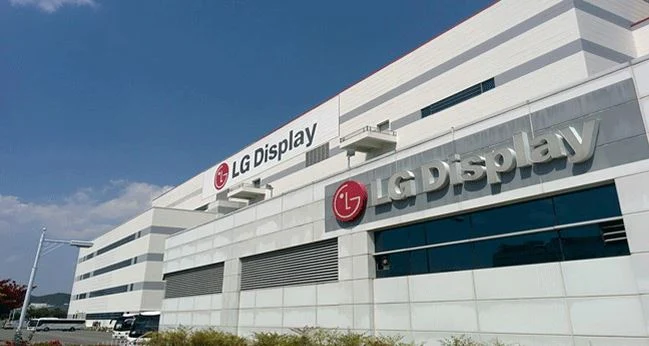
3. LG Display’s Cost-Cutting Strategies: LG Display has achieved a 30% reduction in production expenses through expanded production lines and plans further efficiency improvements for future OLED production.
4. Competitive Landscape: OLED technology faces competition from RGB LED displays, but their overall production costs are comparable, making OLED still a strong contender.
5. Cautious Future Outlook: Consumers should temper their expectations for quick price reductions as manufacturers aim to maintain their premium pricing and profit margins even with decreasing costs.
Over the past ten years, OLED TVs have gradually shifted from being luxury items to common features in home entertainment. Companies like LG Display have been fine-tuning their manufacturing methods, and new reports from the industry suggest that their hard work is starting to show results, at least out of sight.
Production Costs Decrease
A new report from FlatpanelsHD indicates that the expense involved in making OLED panels is continually decreasing. Back in 2020, the production cost for a 65-inch OLED panel from LG Display was around $1,000. By 2024, this number is expected to have fallen to about $600, with estimates hinting it might dip below $500 before 2026 arrives. Additionally, the production of larger panels, like the 77-inch and 83-inch models, is also getting cheaper thanks to improved efficiency and higher yield rates.
Consumer Expectations
While this news might be exciting for buyers looking for cheaper OLED TVs, experts in the industry warn that these cost reductions won’t immediately lead to significant price drops on store shelves. The report suggests that companies still need to recover their initial expenses related to factory upgrades, new production lines, and employee training. Because of these upfront costs, manufacturers are more inclined to absorb the extra margin rather than pass on the full savings to consumers.
LG Display’s Strategies
The Korean news source Biz Chosun provides more insights into LG Display’s ongoing efforts to cut costs. Their expansion of production lines and increases in yield reportedly resulted in a 30% drop in production expenses last year. For 2025, LG Display plans to further lower costs through innovative design changes in the display driver structure, which is anticipated to enhance the efficiency of OLED production.
This improvement in cost efficiency not only benefits LG but also helps shield it from rising competition from RGB LED displays, which are often referred to as the “OLED killer.” These displays are seen as potential rivals due to their superior brightness and color accuracy. However, as noted by Biz Chosun, when you include the expenses for LED chips, backlight components, and driver systems, the production costs for RGB LEDs also fall within the $400–$600 range, indicating they might not be as financially advantageous as thought.
Future Outlook
Despite the promising outlook for OLED technology, consumers should keep their expectations in check regarding immediate price reductions. TV manufacturers usually prefer to maintain their pricing structures to uphold their premium market status and profit margins, even as their internal costs go down. This suggests that the OLED price revolution might take longer to arrive in homes.
Currently, the decreasing production costs point to a bright future for display technology, even with RGB miniLED vying for the best price-to-performance ratio, where OLED still holds a strong position, remaining robust and gradually moving toward being more affordable for the mass market.
Source:
Link