Key Takeaways
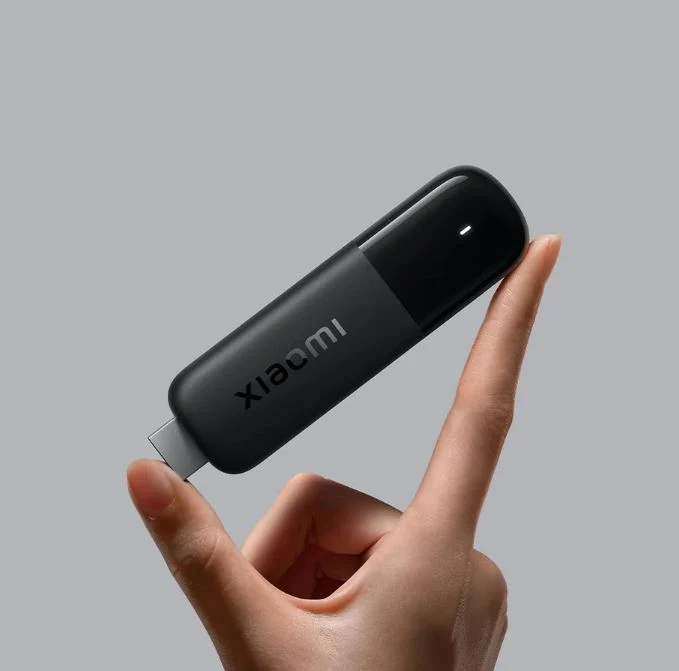
1. Xiaomi has launched the TV Stick 4K (2nd Gen) globally, offering strong performance in a compact design.
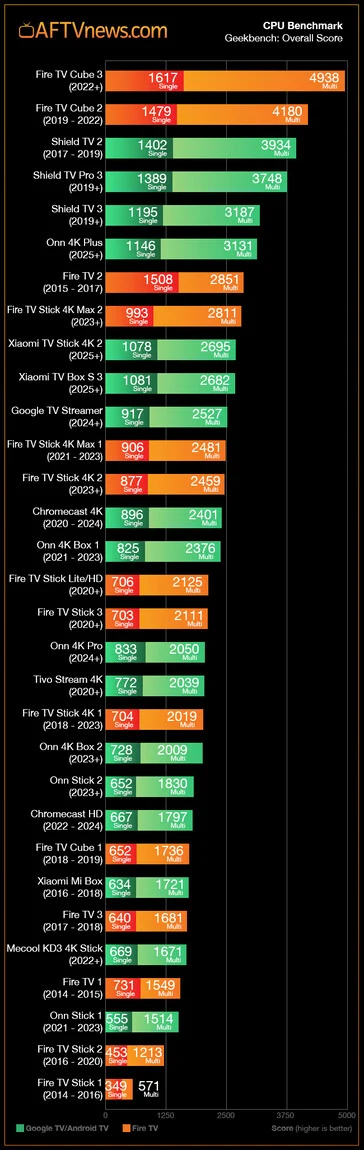
2. The TV Stick 4K (2nd Gen) matches the performance of the Xiaomi Box S (3rd Gen) and Onn 4K Plus, using the Amlogic S905X5M chipset.
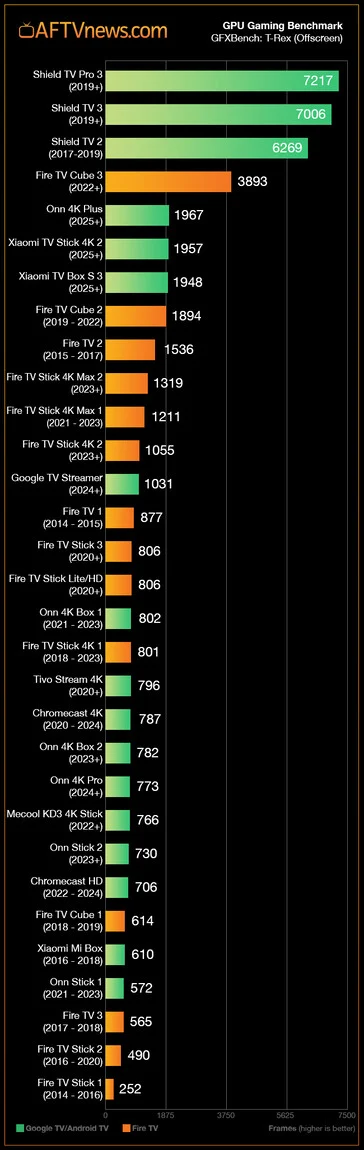
3. In graphics tests, the TV Stick 4K (2nd Gen) outperforms the Google TV Streamer 4K, indicating better graphical capabilities.
4. The device has 2 GB of RAM and 8 GB of storage, while the pricier Box S (3rd Gen) offers more storage at 32 GB.
5. The TV Stick 4K (2nd Gen) is priced at approximately $45 in Europe, providing competitive performance compared to the $29 Onn 4K Plus available in the US.
Xiaomi has recently introduced its newest compact streaming device, the TV Stick 4K (2nd Gen), across multiple global markets. This streaming stick appears to be one of the most potent options available, even with its small size.
Performance Benchmarks
According to tests conducted by AFTVNews, the Xiaomi TV Stick 4K (2nd Gen) achieved a single-core score of 1,078 and a multi-core score of 2,695 on Geekbench. These results are identical to those of its counterpart, the Xiaomi Box S (3rd Gen), and the Onn 4K Plus. This similarity is not surprising since all three devices utilize Amlogic’s S905X5M chipset. In comparison, the Google TV Streamer 4K received scores of 917 and 2,527 in the same benchmarks.
Graphics Capabilities
On the graphics side, the Xiaomi TV Stick 4K (2nd Gen) scored 1,957 on GFXBench’s T-Rex (Offscreen) test, which is consistent with the Onn 4K Plus and Box S (3rd Gen), but significantly outperforms the Google TV Streamer 4K’s score of 1,031.
It’s clear that devices equipped with the S905X5M SoC deliver much better performance than the older models avaiable in the market. Walmart’s Onn 4K Plus, priced at $29, provides an excellent price-to-performance ratio but is currently limited to the US market. For consumers in Europe and elsewhere, Xiaomi’s TV Stick 4K (2nd Gen) retails for roughly $45 and offers the same level of performance. However, it’s important to point out that the Stick has only 2 GB of RAM and 8 GB of storage, while the pricier Box S (3rd Gen) offers 32 GB of storage.
Source:
Link