Category: TV / Monitor

  • New Study Shows High Sensitivity to Pixel Density in 8K Monitors

    New Study Shows High Sensitivity to Pixel Density in 8K Monitors

    Key Takeaways

    1. Ultra-dense 8K monitors may not provide a noticeable improvement over 4K for smaller screens, as human perception limits the benefits of higher pixel densities.
    2. A study found that the human eye can perceive up to 89 pixels per degree, surpassing previous beliefs of 60 pixels per degree.
    3. At a viewing distance of 60 cm, a 32-inch 1080p screen has 28 pixels per degree, while a 4K display offers 57 pixels per degree, still below the perception threshold.
    4. Transitioning from 4K to 8K on smaller screens does enhance image quality, but significant benefits are only noticeable when viewed from very close distances.
    5. The research impacts both large TVs and virtual reality, suggesting 8K can be beneficial for large screens viewed up close, while there’s potential for 16K displays in VR to improve visual experience.


    A new study shows that ultra-dense 8K monitors may not simply be a matter of “more pixels is better,” especially when it comes to smaller screens.

    Research Insights

    Scientists from Cambridge (as reported by PCGamer) investigated how different pixel densities on monitors might be hard to tell apart by the human eye. They found that people could see up to 89 pixels per degree, which takes into account how close someone is to the display. This is a big increase from previous research that suggested 60 pixels per degree was the maximum humans could perceive.

    Display Comparisons

    The findings from the Cambridge study (noted by Tom’s Hardware) show that at a viewing distance of 60 centimeters, a 32-inch 1080p screen only offers 28 pixels per degree. If you upgrade to a 4K display at the same distance, that number jumps to 57 pixels per degree. However, this is still below the 89 pixels per degree that the researchers found to be the threshold. When it comes to 8K on a 32-inch monitor, the pixels per degree rise to 113, which is way past the point where most people can notice a difference.

    Buyer Implications

    So, what does this mean for those looking to buy new displays? There’s a clear upgrade in detail when moving from a 1080p or 1440p monitor to a 4K one. Still, even with smaller screens, users will likely see a boost in image quality when switching from 4K to 8K. However, anything beyond that probably won’t make much of a difference unless you’re sitting just inches from the screen.

    This research also has interesting consequences for televisions and virtual reality (VR), which are at opposite ends of the size spectrum. For large TVs, if you sit close enough, there can still be benefits to having an 8K TV.

    On the flip side, in the world of VR, there’s a strong argument for 16K displays that could erase the screen door effect entirely.

    Source:
    Link
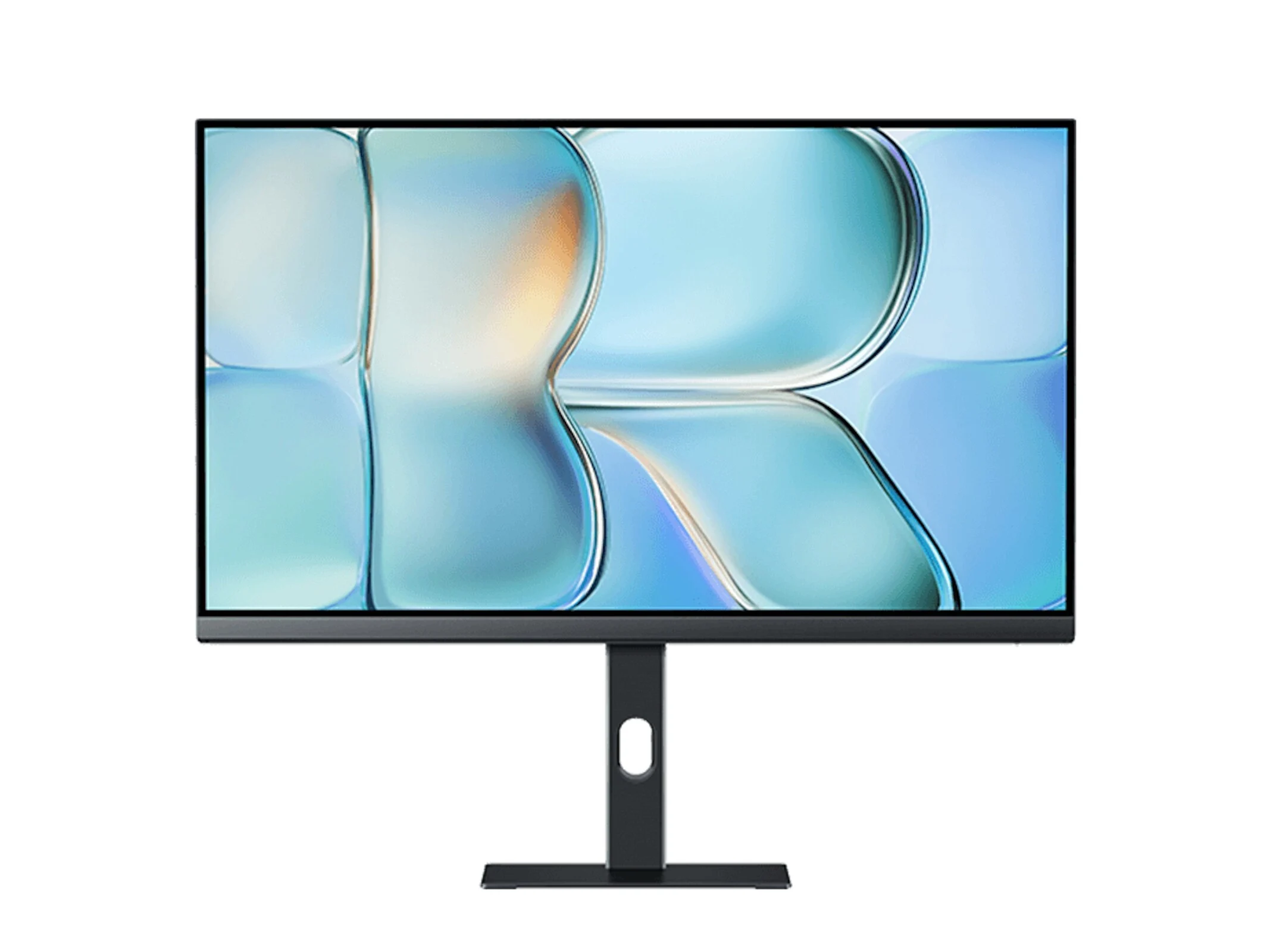


  • 2026 Xiaomi Redmi A24: Affordable 24″ Monitor with 144Hz Refresh Rate

    2026 Xiaomi Redmi A24: Affordable 24″ Monitor with 144Hz Refresh Rate

    Key Takeaways

    1. Xiaomi launched the budget-friendly Redmi A24 monitor in August with a new ergonomic model available only in China.
    2. The monitor features height and tilt adjustments for user comfort and is VESA compatible for mounting options.
    3. It has a 23.8-inch display with a resolution of 1920 x 1080 pixels and a refresh rate of 144Hz, considered low-resolution by today’s standards.
    4. The panel offers a native color depth of 6-bit, covers 99% of the sRGB color space, and has a color deviation of Delta E < 1 for accurate colors. 5. Connectivity options include HDMI 2.0 and DisplayPort 1.4, but it lacks USB Type-C and other high-end features.


    Xiaomi launched the budget-friendly Redmi A24 monitor in August this year. Now, they’ve added a new model with an ergonomic stand, but only in China for now. This monitor is priced at about $75, though it’s uncertain when it will be available internationally.

    Ergonomic Features

    The new stand offers height and tilt adjustments, making it more comfortable to use. The 24-inch display is also VESA compatible (75 x 75 mm), allowing users to mount it on a desk or wall for added versatility. Nevertheless, the Xiaomi Redmi A24 2026 is still considered low-resolution by today’s standards, featuring a 23.8-inch panel with 1920 x 1080 pixels and a 144Hz refresh rate.

    Color and Brightness

    This panel has a native color depth of 6-bit and uses FRC technology to show a wider range of colors. Xiaomi claims that it covers 99% of the sRGB color space. Additionally, the color deviation is noted to be Delta E < 1, indicating that the colors are quite accurate. Other specs include a typical brightness of 300 nits, which is standard for entry-level IPS panels. The affordable Xiaomi monitor also includes HDMI 2.0 and DisplayPort 1.4 for connectivity, but it lacks USB Type-C and other high-end features.

    Source:
    Link


  • Xiaomi Redmi A27Q 2026: USB-C Monitor with 120Hz & 90W Charging

    Xiaomi Redmi A27Q 2026: USB-C Monitor with 120Hz & 90W Charging

    Key Takeaways

    1. The new Redmi A27Q monitor features a USB-C port for image transfer and device charging, with a power output of 90 watts.
    2. The monitor has a 2,560 x 1,440 resolution and a refresh rate of 120 Hz, offering full sRGB and 95% DCI-P3 color coverage.
    3. Connectivity options include DisplayPort 1.4, HDMI 2.0, and the USB-C port also acts as a USB 3.0 hub with two additional ports.
    4. Users can adjust the monitor’s tilt, rotation, and height, and it supports VESA mounting for added flexibility.
    5. The Redmi A27Q 2026 is currently exclusive to China, priced at approximately $128, with no release details for other regions yet.


    Xiaomi offers a variety of monitors, and now they have introduced a new version of the Redmi A27Q, which features a USB-C port. This new model lets users transfer image content through USB-C, making it particularly useful for mini PCs or laptops. With this setup, not only can devices send image signals, but they can also be charged through the monitor itself. The Redmi A27Q provides a power output of 90 watts; however, it’s important that the connected mini PC, laptop, or gaming handheld supports charging via USB-C.

    Screen Features

    The Redmi A27Q utilizes an IPS panel that boasts a resolution of 2,560 x 1,440 and a refresh rate of 120 Hz, though it isn’t specifically marketed as a gaming monitor. It ensures full sRGB color coverage and 95% coverage of the DCI-P3 color space. Xiaomi claims that the monitor achieves a color deviation of Delta E below 1 upon delivery, but it’s not tailored for image editing in print production.

    Connectivity Options

    For connectivity, the monitor includes DisplayPort 1.4 and HDMI 2.0. The USB-C port serves multiple purposes: it can charge devices, output images, and function as a USB 3.0 hub with two additional ports. Users have the flexibility to adjust the tilt, rotation, and height of the monitor, and it supports VESA mounting for compatibility with other stands or mounts.

    Currently, the Redmi A27Q 2026 featuring the USB-C port is exclusive to China, where it is priced at approximately $128. Details regarding its release in other regions are yet to be announced.

    Source:
    Link


  • TCL Begins Construction of World’s First Large-Scale 8.6-Gen OLED Plant

    TCL Begins Construction of World’s First Large-Scale 8.6-Gen OLED Plant

    Key Takeaways

    1. TCL CSOT is investing $4.15 billion in a new T8 8.6G OLED manufacturing plant in Guangzhou, China, using innovative inkjet printing technology.

    2. The T8 plant aims to produce 22,500 large 8.6G substrates monthly, primarily for high-end laptops, tablets, and monitors, rather than televisions.

    3. The inkjet printing method is expected to reduce material waste and cut production costs by about 20% compared to traditional techniques.

    4. If successful, the T8 could increase the supply of mid-sized OLED panels, impacting competitors and potentially lowering prices in the premium OLED market.

    5. Technical challenges remain, particularly in scaling the new printing process for consistent high-yield production, as TCL competes with established players like LG and Samsung.


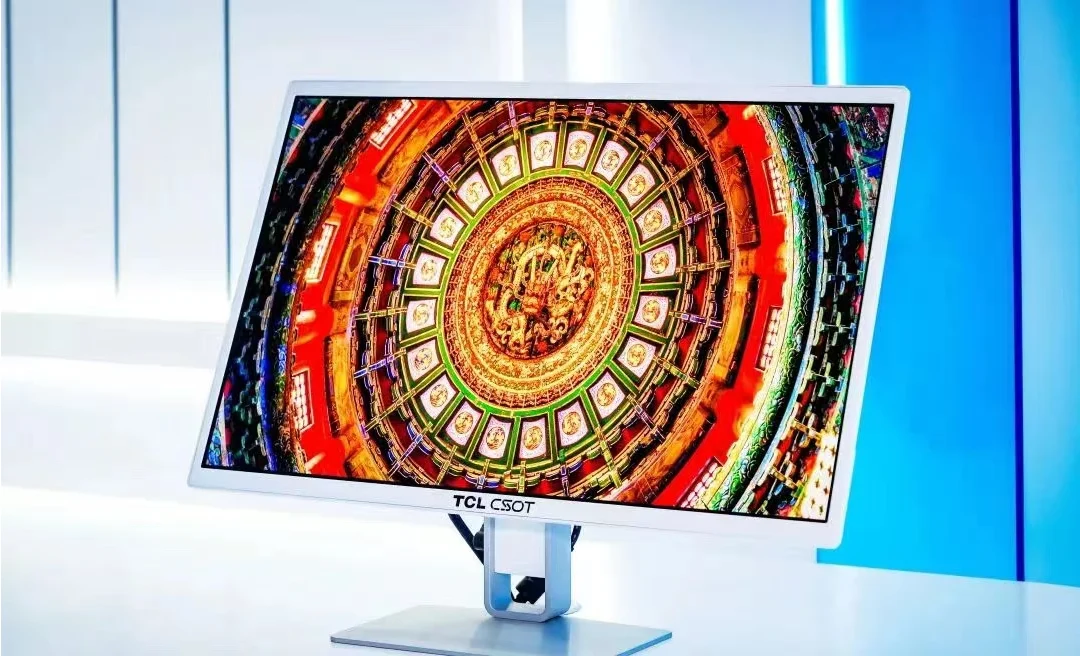
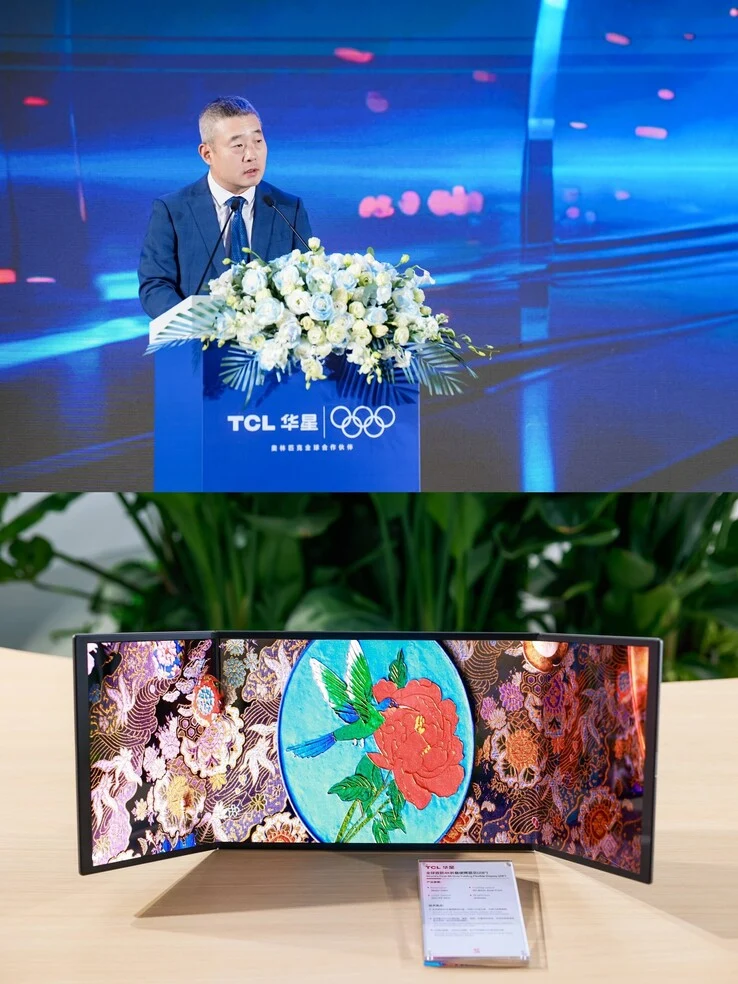
    TCL CSOT has started construction on its much-anticipated T8 8.6-generation OLED manufacturing plant located in Guangzhou, China. The firm has announced an investment of around $4.15 billion for this venture. This factory will utilize inkjet printing technology instead of the traditional vacuum deposition method to produce RGB OLED panels on a large scale. The facility is being hailed as the world’s first large-scale 8.6G inkjet-printed OLED production line. Installation of the necessary equipment is scheduled to take place until 2026, with plans for mass production to begin in 2027.

    Production Capacity

    The key aspect here is scale. TCL reports that the T8 will have the ability to manufacture 22,500 8.6G (2290 × 2620 mm) substrates every month. These large substrates can be divided into several panels aimed at high-end laptops, tablets, and monitors, which is the primary focus market for the facility. It’s worth mentioning that TCL isn’t immediately targeting the television market; instead, they seem to be focusing on IT panels where the benefits of OLED in terms of contrast and color are already valued, although high prices have limited their widespread use.

    Innovative Manufacturing Process

    A major difference in the technology is the manufacturing technique, particularly the inkjet printing method. Rather than using vacuum deposition (or a combination of white OLED and color filters), this new approach prints RGB OLED materials directly. TCL asserts that this method minimizes material waste and could cut production costs by about 20% when compared to traditional techniques. The leadership at TCL has positioned the T8 line as a way to integrate the entire OLED value chain, from raw materials to assembly, aiming to create a more competitive and cost-effective production environment.

    Potential Risks and Rewards

    Experts have highlighted both the potential and the challenges involved. If TCL meets its targets for cost and yield improvements, the T8 could significantly increase the supply of mid-sized OLED panels and help accelerate their adoption in laptops and monitors first. This additional capacity may also pressure competitors in panel technology, including RGB-LED backlighting and QD-OLED, to reevaluate their own value propositions and pricing.

    This development could serve as a vital counterbalance in an industry that typically doesn’t see affordable OLED TVs at the high-end market. For instance, LG’s flagship 97-inch model often falls behind in competition, particularly compared to its own 83-inch G5 TV version. Notably, the G5 97’ model lacks both MLA and LG’s Tandem technology, highlighting existing challenges in yield, especially for larger screens. Analysts like those at UBI Research anticipate that OLED shipments will increase in the coming years. The T8’s capacity would significantly contribute to this growth if its throughput remains strong.

    Challenges Ahead

    However, there are notable technical challenges. Scaling a new printing process for consistent, high-yield mass production at an 8.6G substrate size involves complications in material formulation, precision of nozzles, defect management, and ensuring the long-term reliability of the panels. LG Display and Samsung Display currently hold advantages due to their experience and maturity in large-format yield, so TCL must prove its ability to maintain longevity and color consistency to gain trust from OEMs.

    For consumers, the first noticeable effects are likely to be in high-end laptops and monitors rather than televisions. In the long run, a successful ramp-up of T8 could lead to increased supply, heightened competition, and gradual price reductions for premium OLED panels. The industry will closely monitor the installation of equipment until 2026 and the debut of the first mass-produced printed panels in 2027 to see if TCL’s $4.15 billion investment pays off.


  • 2026 Xiaomi TV S Pro: 98-Inch Mini-LED, 165Hz, 3,864 Dimming Zones

    2026 Xiaomi TV S Pro: 98-Inch Mini-LED, 165Hz, 3,864 Dimming Zones

    Key Takeaways

    1. Large Screen Size: The new Xiaomi TV features a massive 98-inch display, making it one of the largest TVs available for consumers.

    2. High Brightness and Contrast: It offers a peak brightness of up to 5,700 nits with adjustable backlighting in 3,864 zones for improved contrast.

    3. Resolution and Refresh Rate: The TV has a native resolution of 3840 x 2160 pixels and supports refresh rates up to 330Hz for lower resolutions and 165Hz for 4K content.

    4. Sound System: Equipped with seven built-in speakers, the TV provides a robust audio experience without the need for additional sound systems.

    5. Connectivity and Smart Features: The TV includes HDMI 2.1 ports, USB connections, Ethernet, built-in WiFi, and access to popular streaming applications, priced at approximately $2,250 in China.


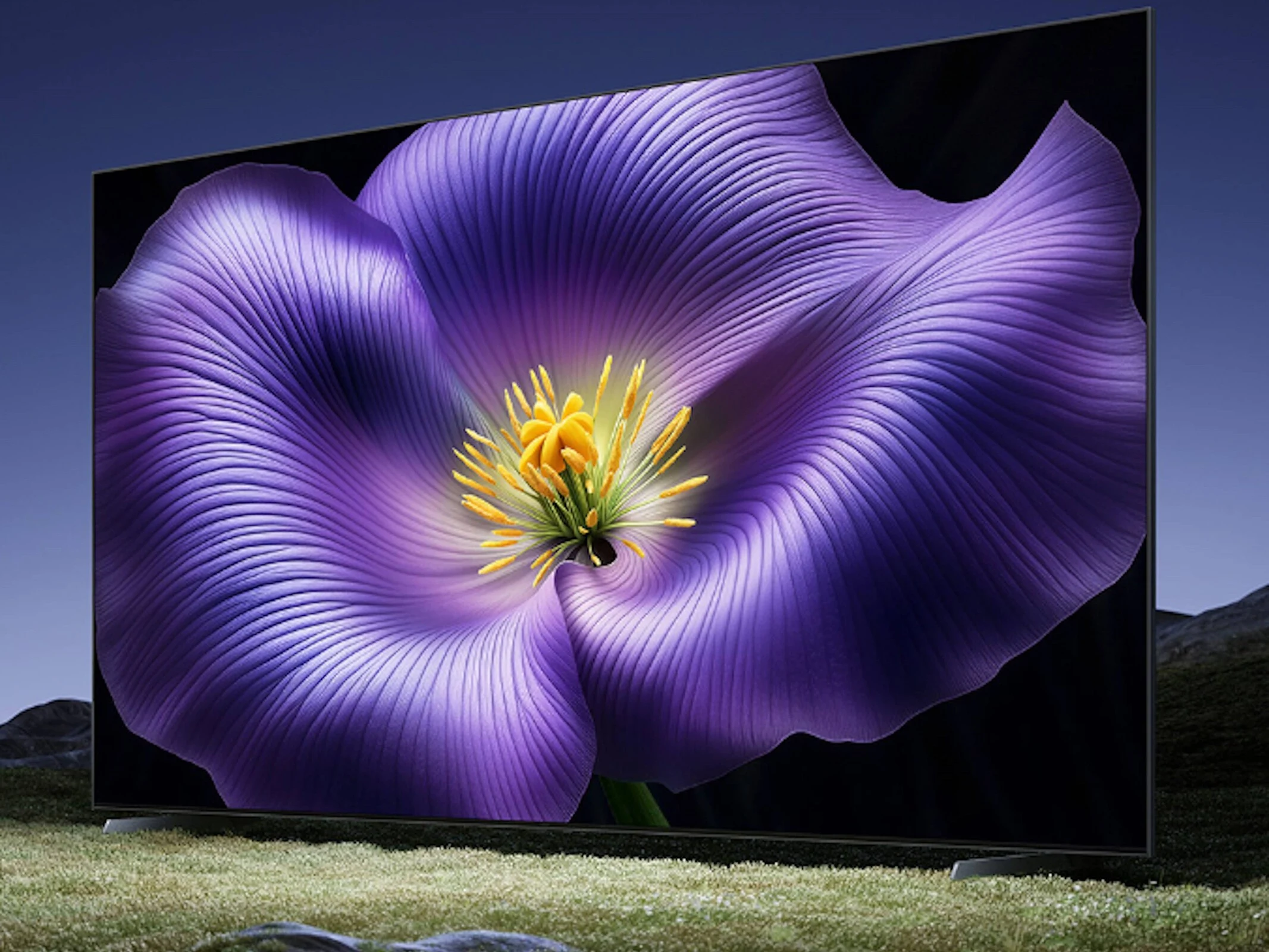
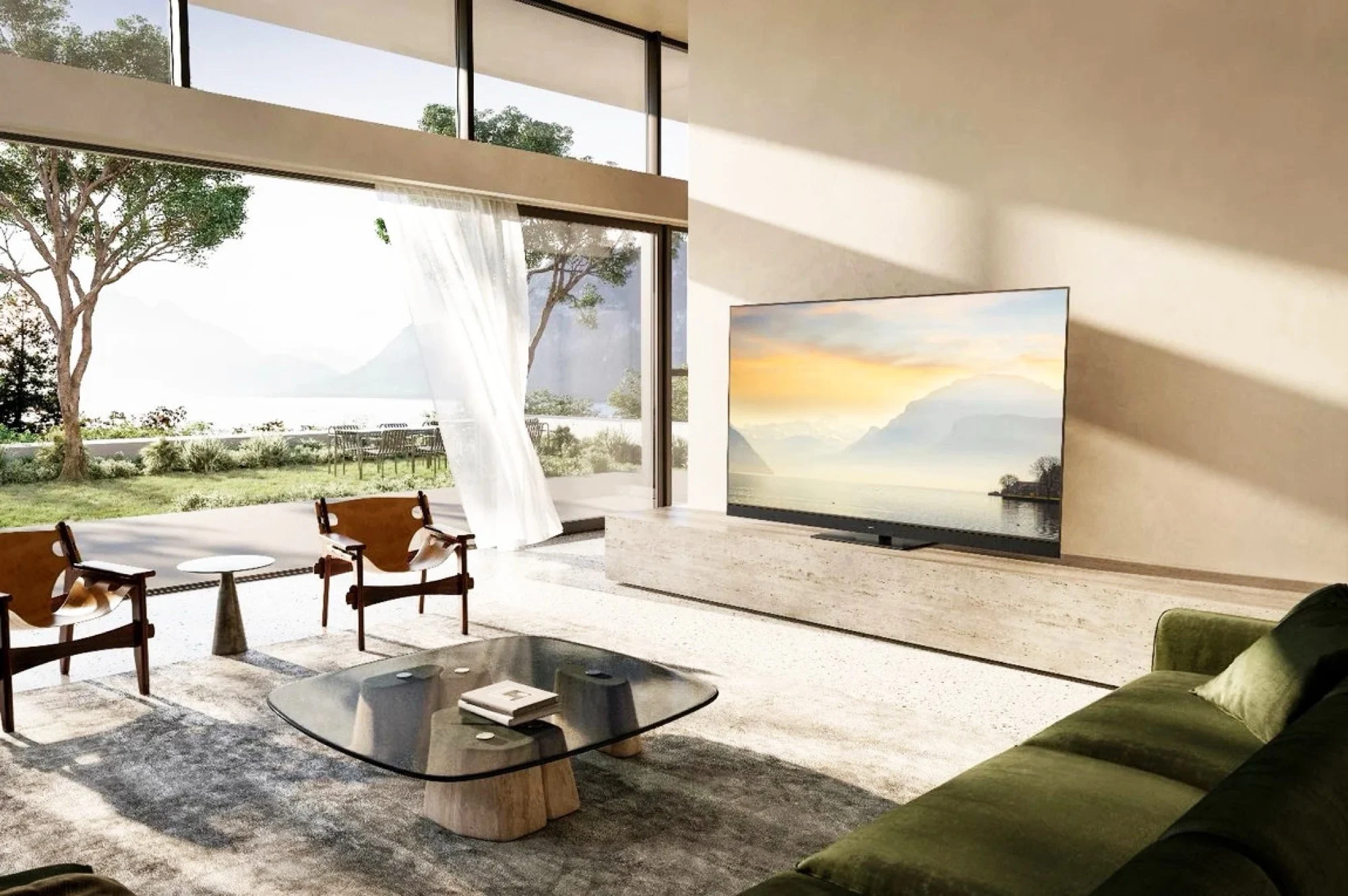
    Xiaomi has unveiled a new TV that belongs to the 2026 Xiaomi TV S Pro Mini LED line. This latest model showcases a giant 98-inch screen, making it one of the largest televisions available for regular consumers. For those who are really into home theaters and seek an even larger display, they might consider using a projector instead.

    Brightness and Contrast

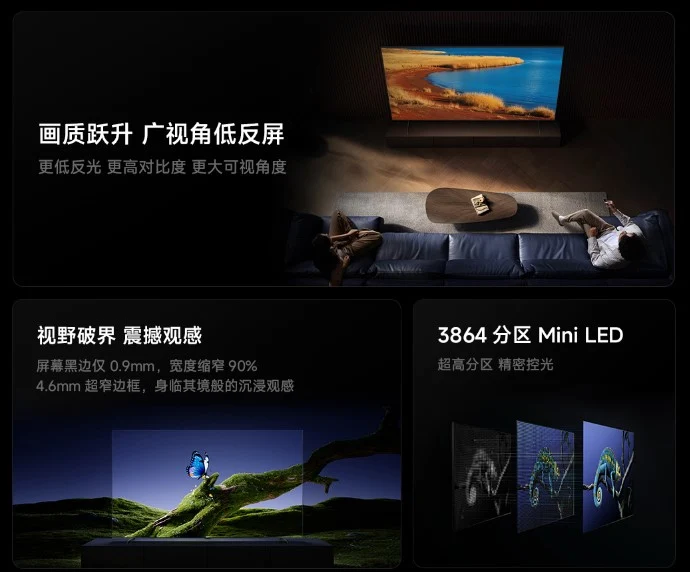
    The Xiaomi mini-LED television boasts an impressive peak brightness of up to 5,700 nits, though it’s important to note that this brightness level can’t be maintained across the whole screen all the time. The backlight is adjustable in 3,864 zones, which should provide a satisfactory contrast ratio for viewers.

    Resolution and Refresh Rate

    This TV has a native resolution of 3840 x 2160 pixels, and Xiaomi states that it supports a refresh rate of up to 330Hz when displaying lower resolutions. For 4K content, it can manage refresh rates of up to 165Hz. Of course, the source device must be capable of such high refresh rates at 4K, and even top-tier gaming PCs might struggle to run the latest games at these settings. Regardless, the TV covers a vast 95% of the DCI-P3 color gamut.

    Audio and Connectivity Options

    The 98-inch model is equipped with a sound system featuring seven speakers, which means that users might not need an additional soundbar or separate speakers that connect through an optical audio output. On the connectivity side, the 2026 Xiaomi TV S Pro Mini LED includes the standard HDMI 2.1 ports (one with eARC), USB connections, and Ethernet options. It also has built-in WiFi and a smart operating system that allows access to popular streaming applications. This new mini-LED television is currently available in China for about $2,250.


  • Panasonic Z8BA: Affordable 77-Inch OLED TV with 144Hz and HDR

    Panasonic Z8BA: Affordable 77-Inch OLED TV with 144Hz and HDR

    Key Takeaways

    1. The Panasonic Z8BA OLED TV sits between the Z80B and Z95B models, priced at $2,198 on Amazon.
    2. It features a 4K resolution, 144Hz refresh rate, and supports Dolby Vision HDR content at 144 fps, making it ideal for gamers.
    3. The TV includes HDMI 2.1, VRR, and AMD FreeSync Premium, along with a True Game Mode for enhanced color accuracy.
    4. Users can customize HDR output and access streaming services via an Amazon Fire TV interface, with smart home control through Alexa.
    5. The 77-inch model is priced at $2,499, significantly lower than the Z95B’s $4,699 retail price, with no international launch details yet.


    The Panasonic Z8BA is positioned between the Z80B and Z95B (priced at $2,198 on Amazon) in the company’s current OLED series, but it apparently does not skimp on specifications. One of the most notable distinctions from the top-tier model is likely the brightness, although Panasonic has not shared a specific measurement nor indicated which panel is utilized in this model.

    Impressive Display Features

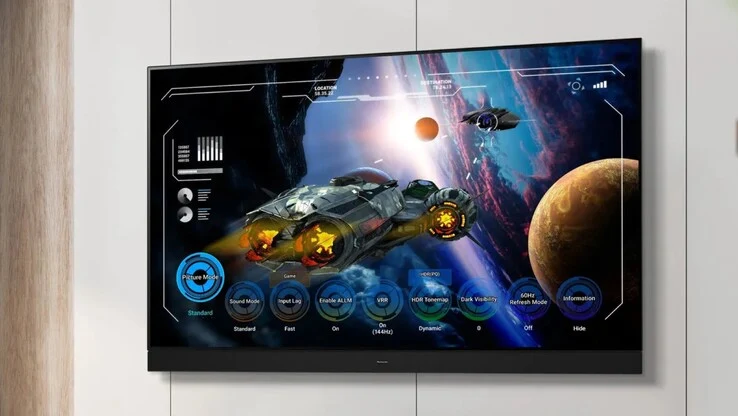
    Regardless, this OLED display offers a 4K resolution with a refresh rate of 144Hz and is capable of showcasing Dolby Vision HDR content at 144 fps. With features like HDMI 2.1, VRR, and AMD FreeSync Premium, this television appears to cater perfectly to gaming fans. Panasonic states that the True Game Mode enhances color accuracy in games, and unique audio settings amplify sounds critical to RPGs and shooters, like dialogues and gunfire.

    Customization and Smart Features

    Panasonic mentions that users have the option to turn off tone mapping, allowing the source device to manage it. This is particularly crucial for achieving the best HDR output on the Nintendo Switch 2. Moreover, the set includes the company’s specialized HCX Pro AI Processor MK II. An Amazon Fire TV interface facilitates access to all significant streaming platforms, and users can manage smart home gadgets seamlessly through Alexa voice commands. The speaker system has been fine-tuned by audio specialists at Technics.

    Pricing and Availability

    The Panasonic Z8BA OLED TV is set to debut in the U.S., with the large 77-inch variant retailing for $2,499. In comparison, the 77-inch Z95B has a suggested retail price of $4,699. Panasonic has yet to release information about a possible international launch.


  • ASUS Launches 8K ProArt Display with Motorized Calibration

    ASUS Launches 8K ProArt Display with Motorized Calibration

    Key Takeaways

    1. 8K UHD Resolution: The ProArt Display 8K PA32KCX features an 8K resolution with 4,032 local dimming zones for enhanced contrast and brightness.

    2. Color Accuracy: It offers 100% sRGB, 99% Adobe RGB, and 97% DCI-P3 color coverage, with a 10-bit depth and a calibration target of ΔE < 1.

    3. Integrated Calibration: The monitor includes a motorized colorimeter for self and auto-calibration, compatible with Calman and Light Illusion ColourSpace software.

    4. Advanced Connectivity: Equipped with dual Thunderbolt 4 ports, HDMI 2.1, DisplayPort 2.1, and an Auto KVM function for seamless workstation switching.

    5. Sustainability Focus: The monitor features recyclable packaging, energy-efficient components, and adjustable stand for ergonomic use.


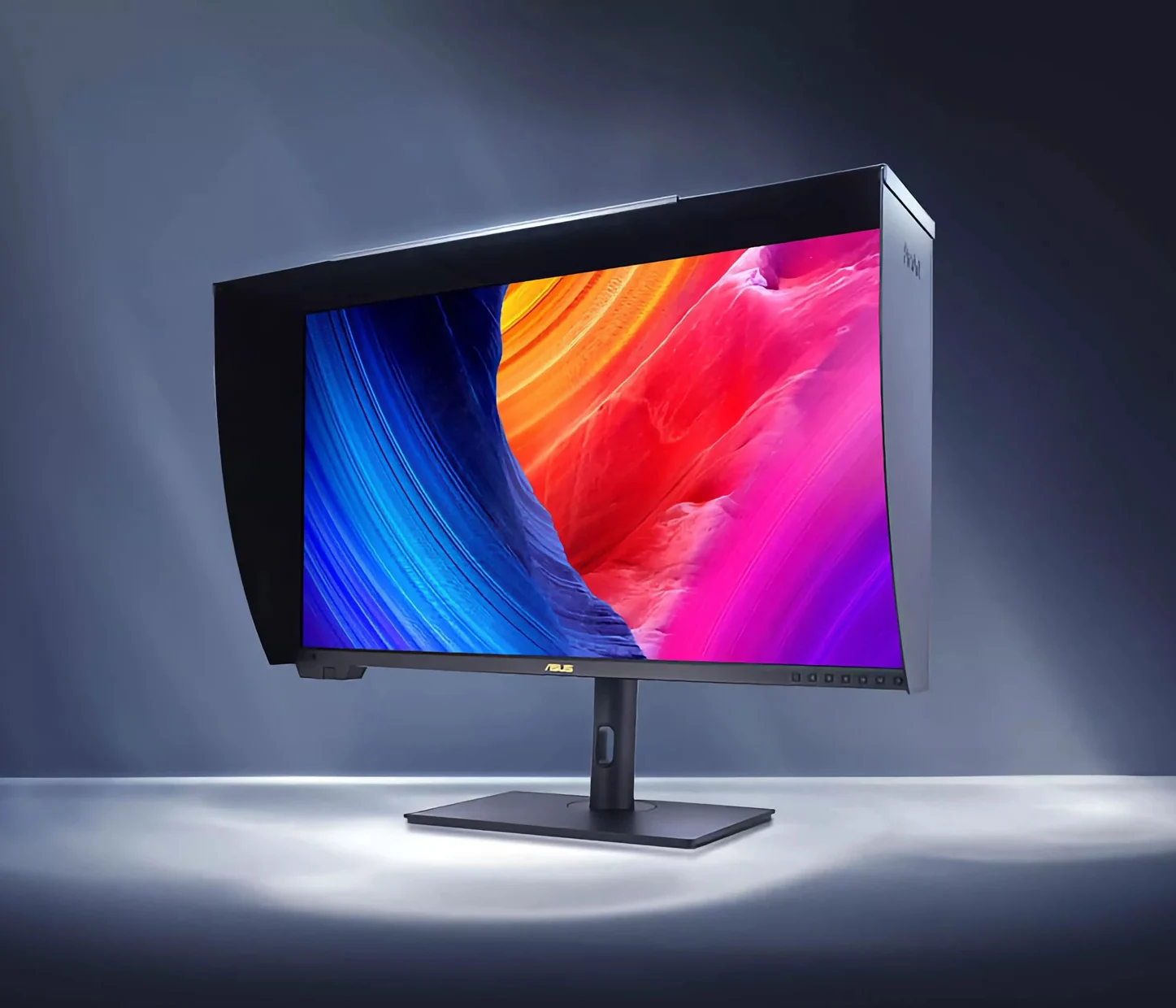
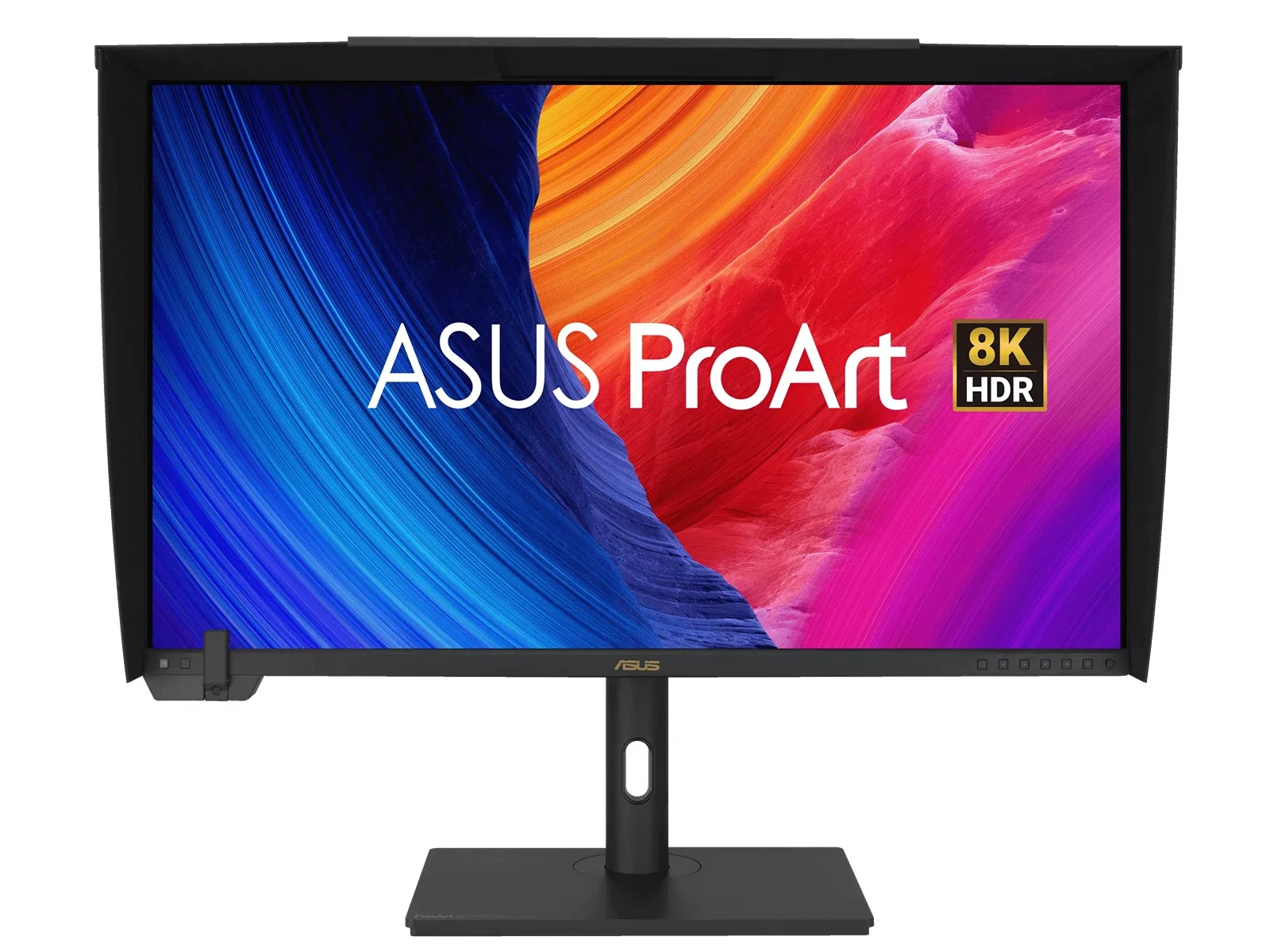
    ASUS has launched its very first 8K HDR monitor, the ProArt Display 8K PA32KCX. This product is tailored for creators who require precise color accuracy, even in the tiniest details. The 32-inch Mini LED screen is perfect for various tasks, including post-production, visual effects, and color grading.

    Advanced Display Features

    The monitor features an 8K UHD resolution and boasts 4,032 local dimming zones, which enhance both contrast and brightness control. The technology firm claims that the screen achieves a peak brightness of 1,200 nits and a sustained brightness of 1,000 nits. This capability is supported by the integration of HDR10 and HLG formats within the monitor.

    Future-Ready Capabilities

    According to the company’s website, Dolby Vision will be available through a firmware update anticipated in Q3 2025. It provides a color coverage of 100% sRGB, 99% Adobe RGB, and 97% DCI-P3, featuring a 10-bit depth and a ΔE < 1 calibration target.

    Enhanced Usability

    An integrated motorized colorimeter takes care of both self and auto-calibration, allowing for more efficient work processes. The monitor is compatible with Calman and Light Illusion ColourSpace software to ensure uniformity across various editing projects. ASUS has also included a Light Sync system that adjusts the panel’s output based on the surrounding lighting, utilizing both front and rear sensors.

    Connectivity and Functionality

    In terms of connectivity, it has dual Thunderbolt 4 ports that offer 96 W of power delivery, along with HDMI 2.1, DisplayPort 2.1, and a USB hub. There’s an Auto KVM function that lets two connected systems share a single keyboard and mouse, which is especially useful for editors who frequently switch between workstations.

    Commitment to Sustainability

    The ProArt Display PA32KCX also emphasizes sustainability. ASUS claims it features recyclable packaging and energy-efficient components. The stand allows for full tilt, swivel, pivot, and height adjustments. Although 8K workflows are still not widely adopted, monitors like this one indicate how high-resolution production tools are slowly integrating into everyday studio environments.

    Source:
    Link


  • AOC Agon Pro AG327UXM: New Mini LED Gaming Monitor Launch

    AOC Agon Pro AG327UXM: New Mini LED Gaming Monitor Launch

    Key Takeaways

    1. The AOC Agon Pro AG327UXM features a 32-inch IPS panel with 4K resolution and a refresh rate of 160 Hz, which can be boosted to 320 Hz at 1080p.
    2. It offers 1 ms GtG response times and 97% coverage of the DCI-P3 color gamut.
    3. The monitor includes 2,304 Mini LED backlight zones, achieving peak brightness of 600 nits in SDR and 1,650 nits in HDR, earning VESA DisplayHDR 1400 certification.
    4. Connectivity options consist of three display inputs and a USB hub, along with an adjustable stand for user convenience.
    5. Pricing and availability are not yet disclosed, but a global release is expected soon based on previous trends.


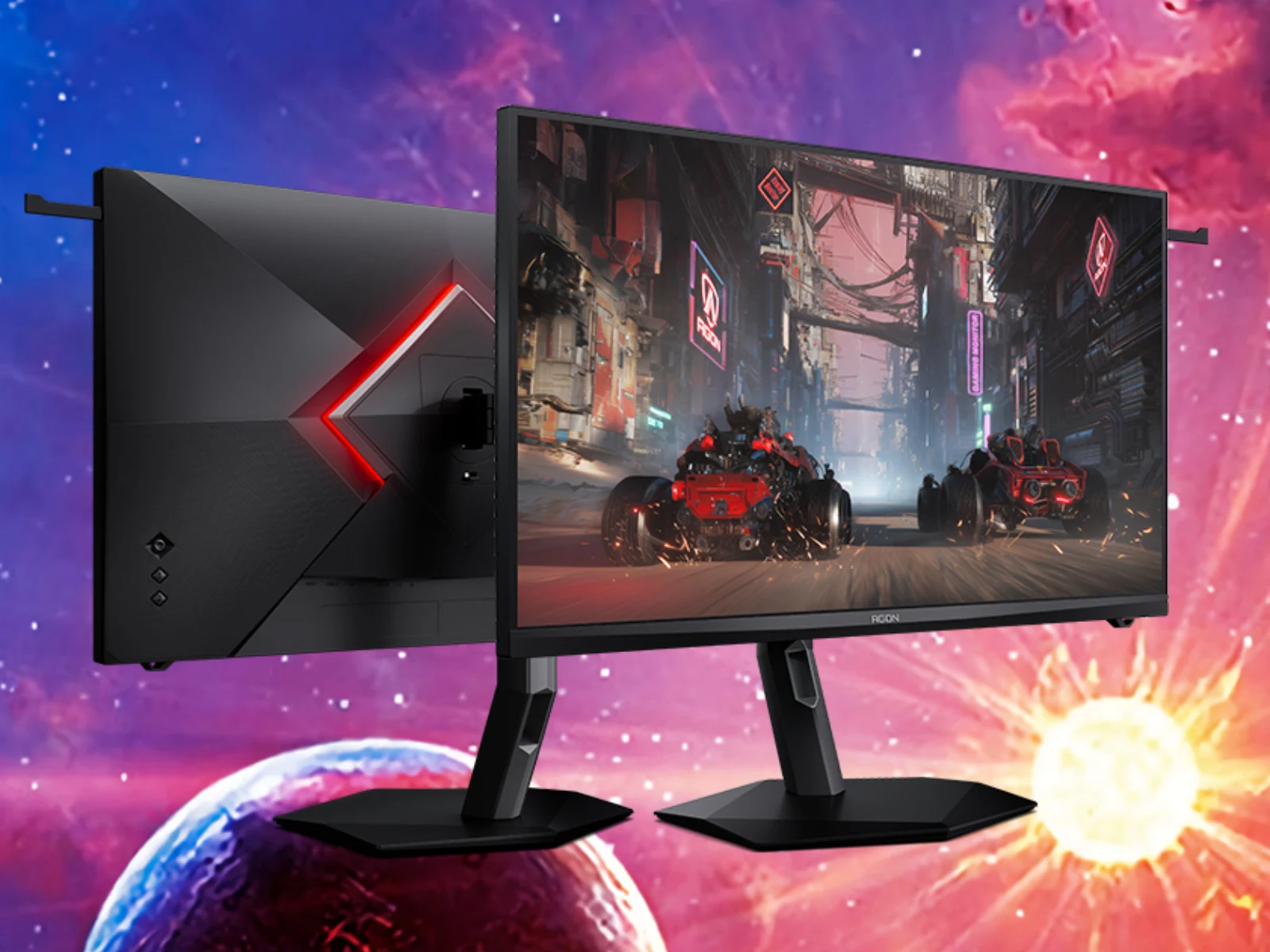
    AOC has refreshed its Agon Pro series with a new monitor that features Mini LED backlighting. To provide some background, the company launched the Agon 6 Pro AG326UZD worldwide in September, following its initial reveal in China the previous month. Notably, the Agon 6 Pro AG326UZD uses the same 4K and 240 Hz QD-OLED panel found in models like the Samsung Odyssey G81SF (currently priced at $879 on Amazon).

    New Features of Agon Pro AG327UXM

    In contrast, the newly introduced Agon Pro AG327UXM employs a 32-inch IPS panel made by LG Display, boasting a 4K resolution and a refresh rate of 160 Hz. Alternatively, users can boost the refresh rate to 320 Hz by switching to a 1080p resolution. Whether at 4K or 1080p, the Agon Pro AG327UXM offers 1 ms GtG response times along with 97% coverage of the DCI-P3 color gamut.

    Brightness and Connectivity

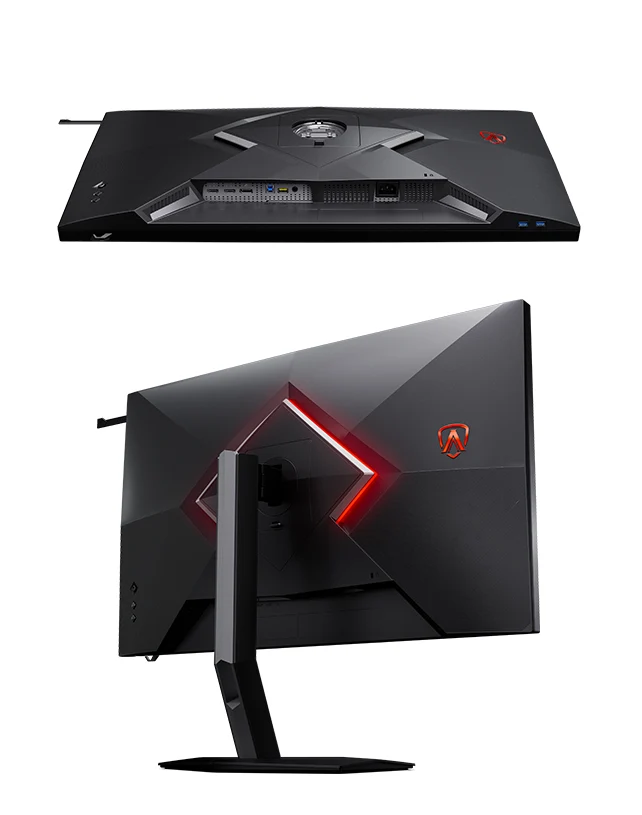
    Moreover, this monitor features 2,304 Mini LED backlight zones, achieving 600 nits peak brightness in SDR mode and 1,650 nits in small areas under HDR mode, which has earned it VESA DisplayHDR 1400 certification. Additionally, the Agon Pro AG327UXM includes three display inputs, a USB hub, and an adjustable stand for added convenience. The pricing and availability are still not disclosed, but based on previous trends, it is likely that the Agon Pro AG327UXM will be released globally soon.

    Source:
    Link


  • AOC AG277UX: 320Hz 4K Gaming Monitor for Fast Gameplay

    AOC AG277UX: 320Hz 4K Gaming Monitor for Fast Gameplay

    Key Takeaways

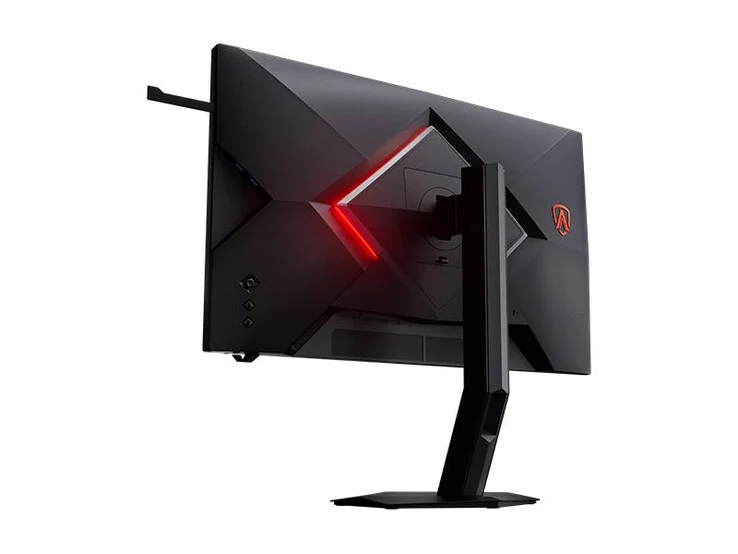
    1. The AG277UX monitor features two operation modes: 3,840 x 2,160 resolution at 160 Hz or Full HD at 320 Hz, catering to gamers’ needs for fast image rendering.
    2. It uses a Fast IPS panel with a peak brightness of 600 cd/m² for HDR and a one-millisecond gray-to-gray response time, enhanced by the MPRT feature for doubled response speed.
    3. The monitor covers the sRGB color space with a color deviation (Delta E) of less than 2, although it’s not designed for tasks needing precise color accuracy.
    4. Connectivity options include HDMI 2.1, DisplayPort 2.1, and a USB 3.0 hub for peripherals, with a foldable hook for headset storage.
    5. The monitor supports multi-source display, allowing two images to be shown simultaneously and can shrink the display area to 24.5 inches.


    The AG277UX is a 27-inch monitor that offers two main modes of operation. Users can choose a resolution of 3,840 x 2,160 with a quick refresh rate of 160 Hz or opt for a 320 Hz refresh rate at Full HD resolution. This feature is particularly useful for gamers who prioritize fast image rendering. It comes equipped with a Fast IPS panel, which is said to reach a peak brightness of 600 cd/m² when displaying HDR content, along with a one-millisecond gray-to-gray response time. The MPRT feature enhances this by providing double the response speed.

    Color Accuracy and Features

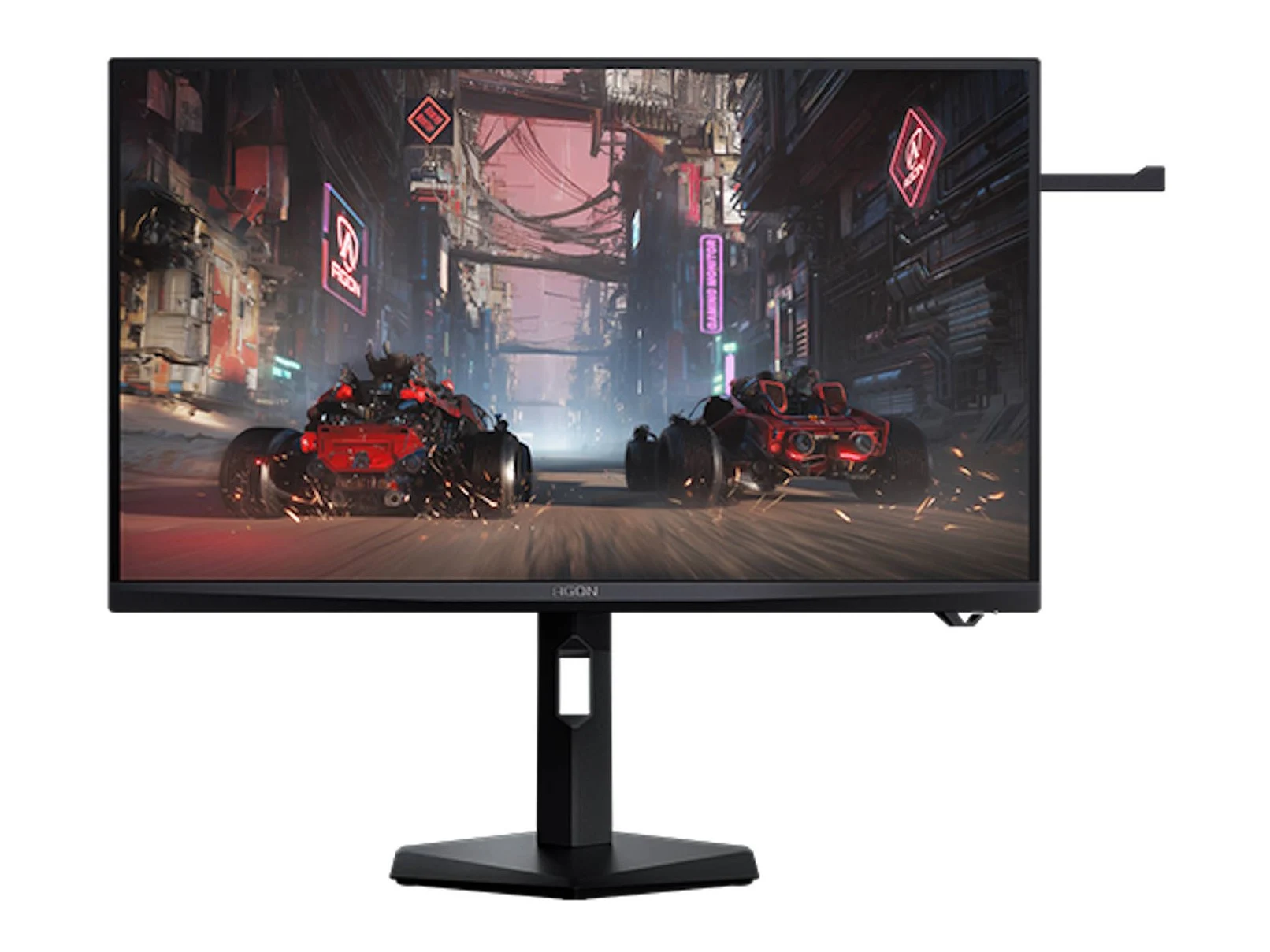
    AOC claims that the panel fully covers the sRGB color space, with a color deviation (Delta E) of less than 2. However, this accuracy is only valid for the monitor’s out-of-the-box settings, and the AG277UX isn’t specifically meant for tasks requiring precise color reproduction. The monitor is packed with features, including HDMI 2.1 and DisplayPort 2.1 for video output, plus a USB 3.0 hub for connecting peripherals like keyboards, mice, or headsets. Users can even attach their headsets on a foldable hook directly mounted on the monitor.

    Multi-Source Display and Size Adjustment

    The AG277UX allows for two image sources to be shown at once, and users can effectively reduce the screen size, making the diagonal display area shrink to 24.5 inches. Details about the pricing and when it will be available are still unknown.

    Source:
    Link


  • Samsung QH115FX: 115-Inch Mini-LED Display for Commercial Use

    Samsung QH115FX: 115-Inch Mini-LED Display for Commercial Use

    Key Takeaways

    1. The Samsung QH115FX is a 115-inch display designed for digital signage and conference rooms, suitable for continuous operation 24/7.
    2. It features a 3,840 x 2,160 resolution VA panel with a brightness rating of 1,000 cd/m², ideal for bright environments.
    3. The display has a response time of 6.5 milliseconds, which is less important for advertising but ensures clear visuals.
    4. Connectivity options include two HDMI ports, one DisplayPort, RS232, RJ45, WiFi, and two USB-A ports, running on Tizen OS.
    5. The built-in audio system is a 4.2.2 setup with 60 watts of output, and the price is $21,900.


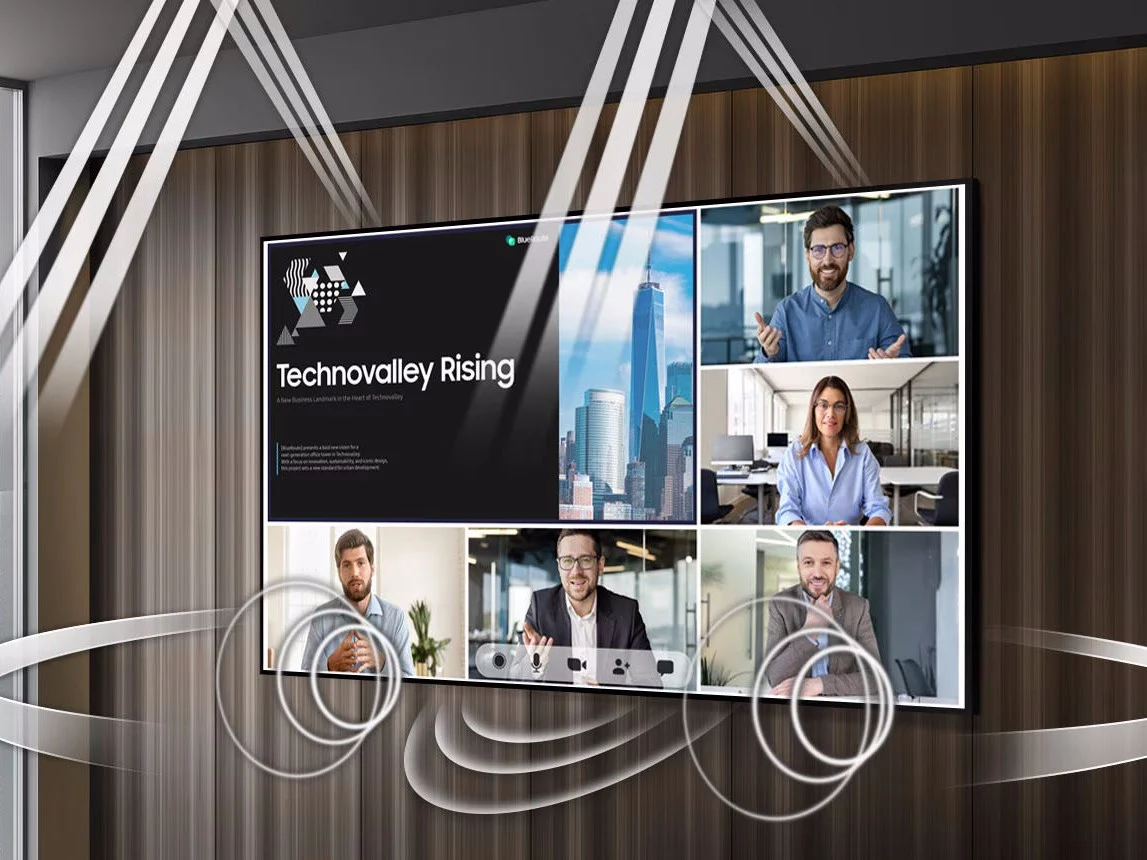
    Samsung doesn’t just provide gaming monitors and televisions for individual consumers; they also have products aimed at businesses and professional settings. The QH115FX is a new, massive display specifically crafted for digital signage or conference room use. In a retail environment, for instance, it could showcase current promotions or the latest collection. Samsung asserts that this model can operate continuously, 24/7, making it ideal for applications like airports or public advertisements. It boasts anti-glare features, which should help maintain visibility even in bright light conditions.

    Screen Specifications

    This large display measures 115 inches diagonally and is built with a VA panel boasting a resolution of 3,840 x 2,160. Such a large size would typically cause noticeable pixelation if the resolution were any lower. It has a brightness rating of 1,000 cd/m², which is particularly important for use in well-lit areas. The response time is rated at 6.5 milliseconds, although this metric is less crucial for advertising purposes.

    Connectivity and Audio

    Weighing in at 184.5 lbs, the display comes equipped with two HDMI ports and a single DisplayPort. It supports RS232 for both input and output, alongside RJ45 and WiFi for network connections. Additionally, there are two USB-A ports included. It operates on Tizen OS. For sound, a 4.2.2 audio system providing 60 watts of output is integrated. The price tag for this impressive display is a steep $21,900.

    Source:
    Link