Category: TV / Monitor

  • True Borderless Displays Coming Soon with Deep-UV Lasers

    True Borderless Displays Coming Soon with Deep-UV Lasers

    Key Takeaways

    1. Coherent is improving display cutting techniques using laser technology to aim for bezel-less displays.
    2. The company focuses on annealing and creating tools for cutting displays post-manufacturing.
    3. Deep-UV lasers with a wavelength of 266 nm can achieve precise cuts with minimal damage, allowing for borderless designs.
    4. Current challenges include the need for higher power lasers (20W) to enable mass production effectively.
    5. Coherent has not provided a timeline for when these advancements will be implemented in manufacturing.


    Coherent, the organizer of the Mid-Europe Chapter Conference of the Society of Information Display (SID-MEC Conference) in Germany, has shared insights about its plans to enhance display cutting techniques. As a company specializing in laser technology, the firm based in Göttingen not only focuses on annealing as a preliminary step in display manufacturing but also creates tools for the cutting of displays afterward.

    Innovations in Display Cutting

    Coherent is leveraging laser technology to improve the cutting process, aiming to produce displays without bezels in the future. Over recent years, the borders of these displays have become slimmer, as some manufacturers have folded the edges to create an illusion of a bezel-less design. Nevertheless, the material tends to fracture at the edges, which are then concealed by a bezel. This also serves to protect the display since these edges are vulnerable points where layers may begin to separate.

    Laser Technology Advances

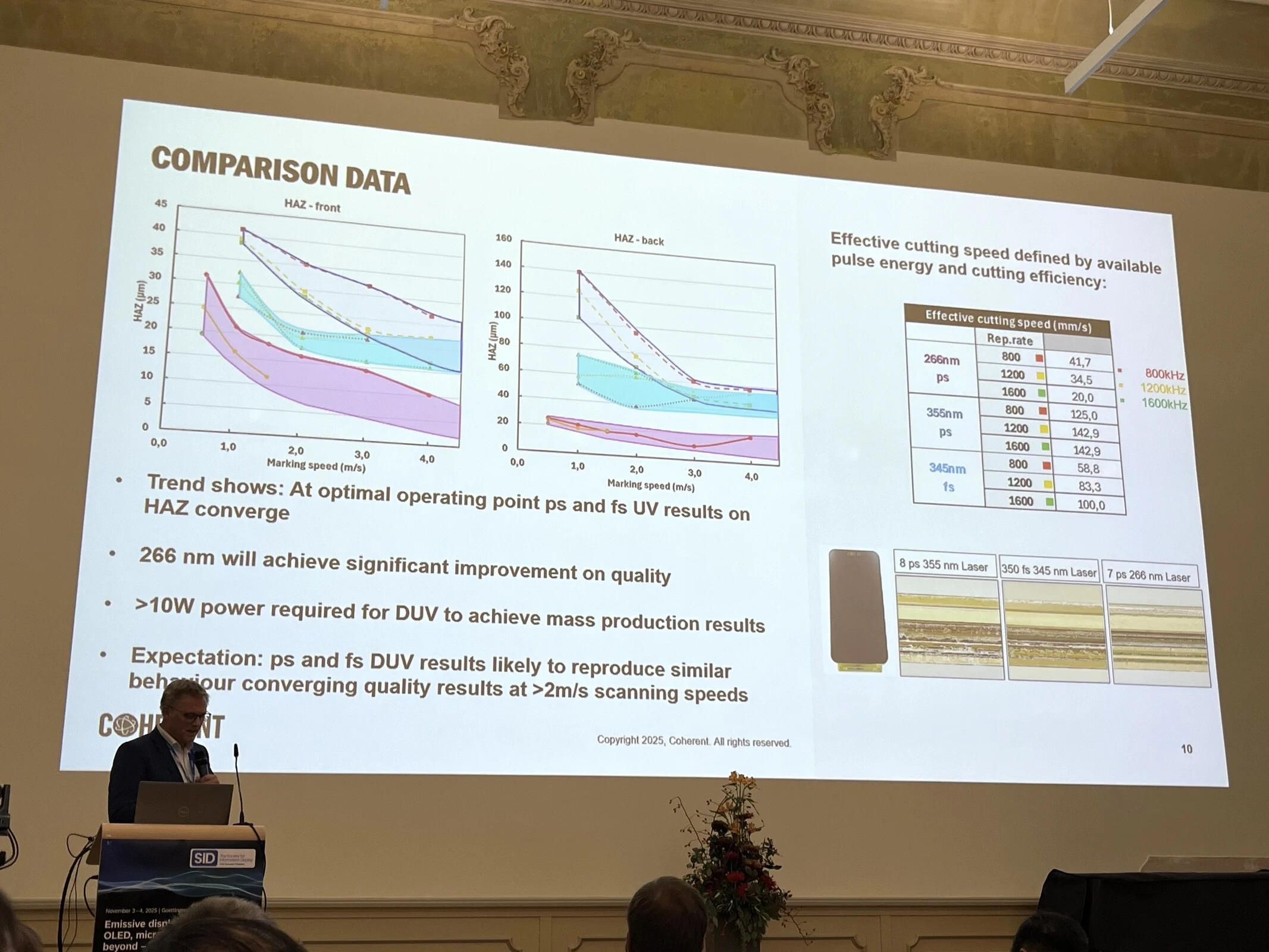
    An image provided illustrates the glass cut from a side angle. Using a UV laser with a wavelength of 355 nm results in a visibly uneven finish. The separation edge shows that the display layers are not neatly cut, necessitating a frame around the display. A slight improvement is seen with 345 nm, but it still does not meet the standards for a truly bezel-free display.

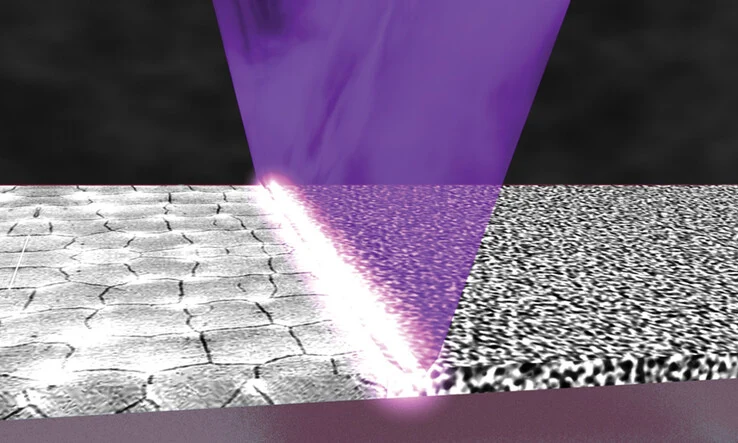
    Achieving a perfect cut can be done with deep-UV lasers, as depicted in a third image. A wavelength of 266 nm allows for such precision that the edges experience minimal damage, resulting in a borderless display. The anticipated material loss at the edge is expected to be less than one pixel. Coherent claims there is already a gap of 50 to 60 micrometers between pixels where the cut can occur. Nonetheless, the cut edge will still require some form of protection.

    Challenges Ahead

    Despite the advantages of using deep UV lasers in display production, there are challenges to overcome. The technology is not yet suitable for mass production. The existing 10W lasers are not capable of fast display cutting, making it economically unfeasible. Coherent is looking for lasers with 20W output, which should facilitate mass production.

    As for timelines, Coherent has not disclosed when this advancement will take place. The equipment will need to be transported from Göttingen to the manufacturers and integrated into their existing production systems.
     

  • Apple Teases Big Announcement on November 12: AirTag 2, HomePod Mini, Apple TV 4K Updates

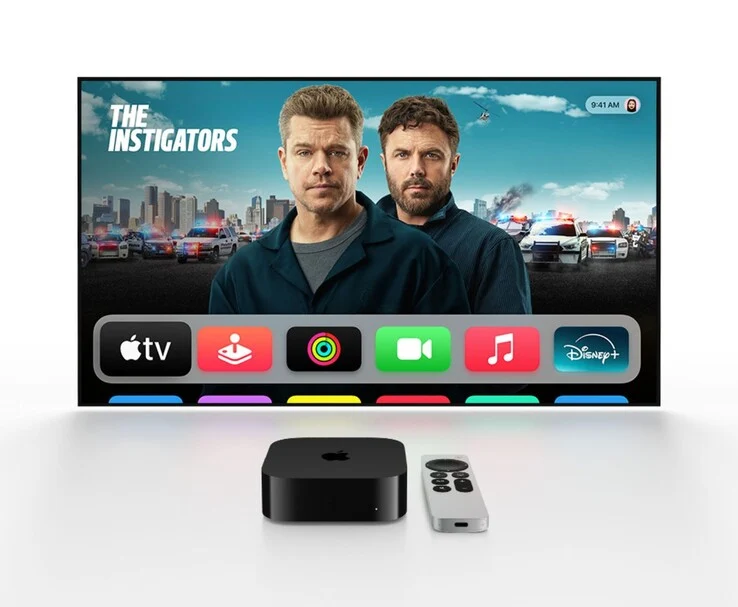
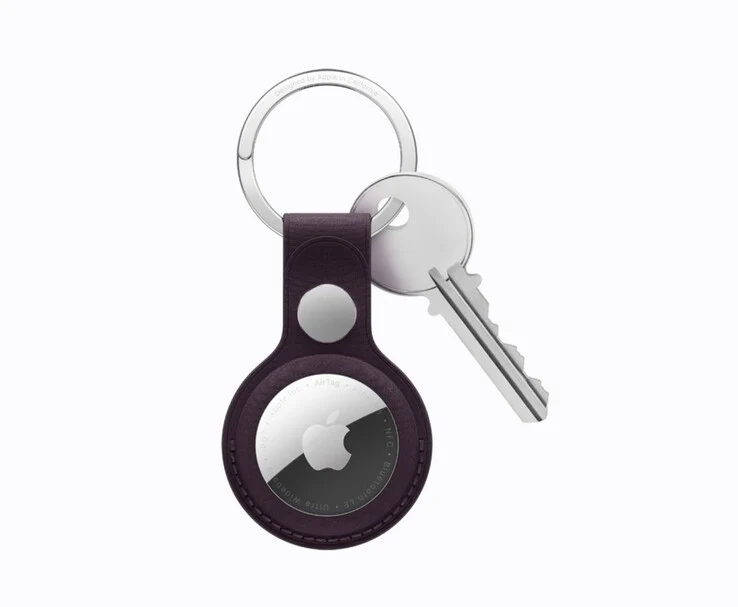
    Apple Teases Big Announcement on November 12: AirTag 2, HomePod Mini, Apple TV 4K Updates

    Key Takeaways

    1. Apple may launch new products, including a next-gen AirTag, before the end of the year.
    2. The anticipated launch date for these products is around November 12.
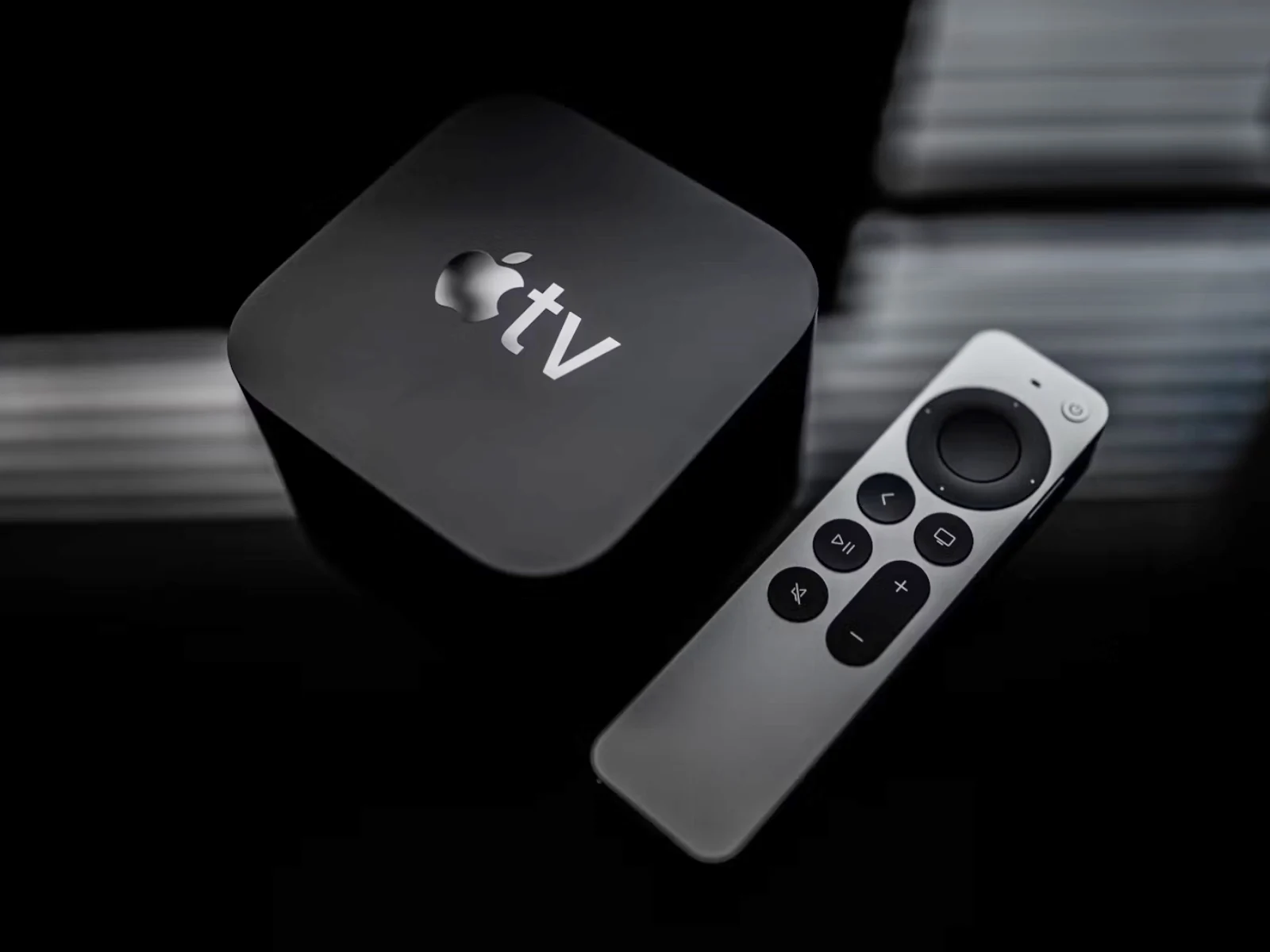
    3. Apple is not restocking the Apple TV 4K and HomePod mini, hinting at upcoming updates.
    4. Recent leaks suggest the new Apple TV 4K will feature the A17 Pro chipset and Wi-Fi 7 support.
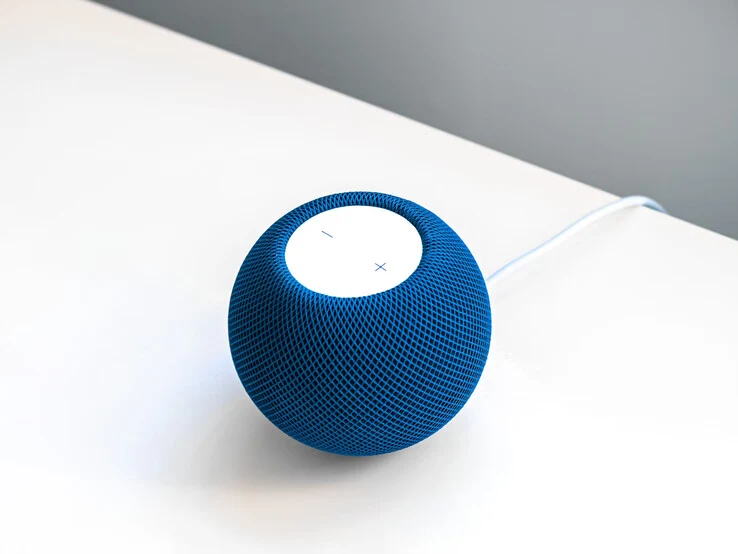
    5. The HomePod mini is also expected to receive Wi-Fi 7 capability, though details on other enhancements are limited.


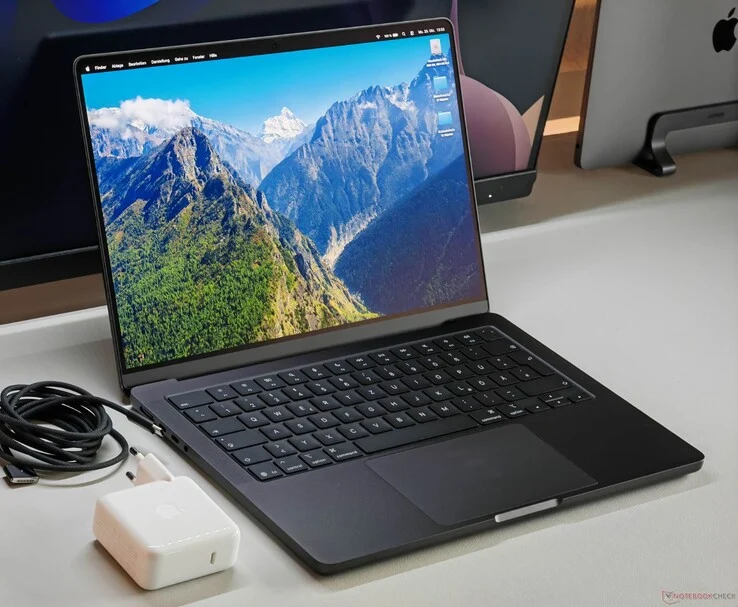
    Hardly any time has gone since Apple unveiled its revamped iPad Pro tablets, a fresh Vision Pro headset, and a 14-inch MacBook Pro powered by the M5 chip (curr. $1,549 on Amazon). Yet, new reports suggest that Apple is gearing up to launch at least three additional products before the year wraps up, including a next-gen AirTag.

    Anticipated Launch Date

    Echoing earlier speculations, Gurman claims that Apple might be set to showcase a new range of devices as soon as November 12. Currently, the analyst is drawing this conclusion from two main points. Firstly, Apple is not restocking the Apple TV 4K and HomePod mini in markets like the US. Secondly, Gurman notes that Apple has informed retail staff about a possible after-hours update when stores close on November 11.

    Patterns of Store Updates

    Usually, Apple refreshes its store offerings when they are about to announce new gadgets or ahead of the festive season. Since the holidays are still some time away, Gurman leans towards the idea that the update might involve the Apple TV 4K and HomePod mini, but he expresses some uncertainty. According to recent leaks, the upcoming Apple TV 4K is expected to feature the A17 Pro chipset and Wi-Fi 7 support through its N1 modem. The HomePod mini is also rumored to receive Wi-Fi 7 capability; however, not much is known yet regarding other potential enhancements.


    Source:
    Link


  • Innovative E-Paper Achieves Human-Eye Resolution Without Backlight

    Innovative E-Paper Achieves Human-Eye Resolution Without Backlight

    Key Takeaways

    1. Innovative Display Technology: Retina E-Paper uses reflective nanostructures and does not require a backlight, enhancing image sharpness and energy efficiency.

    2. Unique Mechanism: Instead of generating light like OLED and micro-LED displays, Retina E-Paper utilizes surrounding light, employing electrochromic nanopixels to control color.

    3. High Pixel Density: Each pixel measures only 560 nanometers, resulting in a pixel density of over 25,000 PPI, exceeding the visual sharpness of the human eye.

    4. Efficient Color Management: The display utilizes Mie scattering and grid modes for color mixing, achieving a contrast ratio of about 50% and reflecting up to 80% of ambient light.

    5. Low Power Consumption: The Retina E-Paper operates at only 1.7 mW/cm² for video playback and 0.5 mW/cm² for still images, with a switching speed of 40 milliseconds for video at over 25 frames per second.


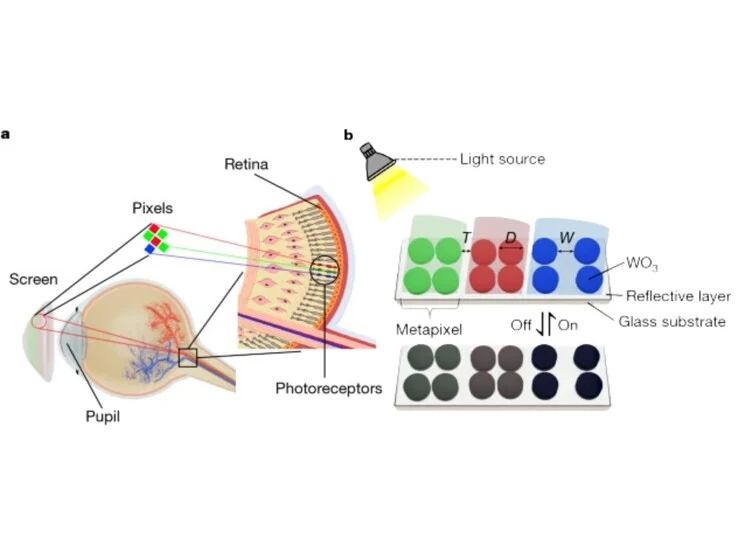
    A research group from Chalmers University of Technology and Uppsala University in Sweden has created a revolutionary display that meets the visual limits of human eyesight – all without using a backlight. This innovation, known as Retina E-Paper, is detailed in the journal Nature. It employs reflective nanostructures to bypass the limitations of traditional displays, providing outstanding image sharpness and energy efficiency.

    Unique Approach

    Unlike OLED and micro-LED displays that encounter physical challenges when miniaturizing too much – such as diminished brightness, unstable colors, and increased power use – Retina E-Paper opts for a different method. Rather than generating light, it makes use of surrounding light. Its electrochromic nanopixels, composed of tungsten trioxide (WO₃) layered on a platinum-aluminum base, effectively reflect incoming light. By carefully inserting ions, the material alternates between insulating and metallic states, allowing for precise electrical control of color.

    Incredible Pixel Density

    Each pixel in the Retina E-Paper is only 560 nanometers in size – smaller than many viruses – which results in an astonishing pixel density of over 25,000 PPI. This surpasses the visual sharpness of the human eye, making images appear as detailed as they can be. For reference, typical OLED monitors like the ASUS ROG Strix OLED XG27AQDMG, which is priced around $690 on Amazon, have a pixel density of just 110 PPI at a resolution of 2560 × 1440 on a 27-inch display.

    Efficient Color Mixing

    Color management in the Retina E-Paper is accomplished through Mie scattering and grid modes, allowing for both additive (RGB) and subtractive (CMY) color blending. The display maintains a contrast ratio of about 50% and can reflect as much as 80% of ambient light. During tests, it achieved a switching speed of 40 milliseconds, enabling video playback at over 25 frames per second. Its power usage is remarkably low – roughly 1.7 mW/cm² while playing videos and just 0.5 mW/cm² for still images.

    Currently, images of a demonstration unit or a working prototype with the Retina E-Paper as a full display have not been shared. The visuals published in Nature until now are limited to microscopic images of the nanopixel setup and sample images from lab testing environments.


    Source:
    Link


  • Uperfect UColor A17: Affordable 15-Inch 4K Portable Monitor

    Uperfect UColor A17: Affordable 15-Inch 4K Portable Monitor

    Key Takeaways

    1. The Uperfect UColor A17 is priced around €265 and ships from an EU warehouse, avoiding import fees for local buyers.
    2. It features a 15-inch display with a 3840 x 2160 pixel resolution and a 60Hz refresh rate.
    3. The monitor has an IPS panel with a 1000:1 contrast ratio, 300 nits brightness, and covers the full sRGB color space.
    4. It connects via USB Type-C with a single cable, but requires additional power for Mini DisplayPort or HDMI connections.
    5. Weighing about 1.4 lbs (640 grams), it includes two built-in speakers but lacks an internal battery, drawing power from the connected laptop.


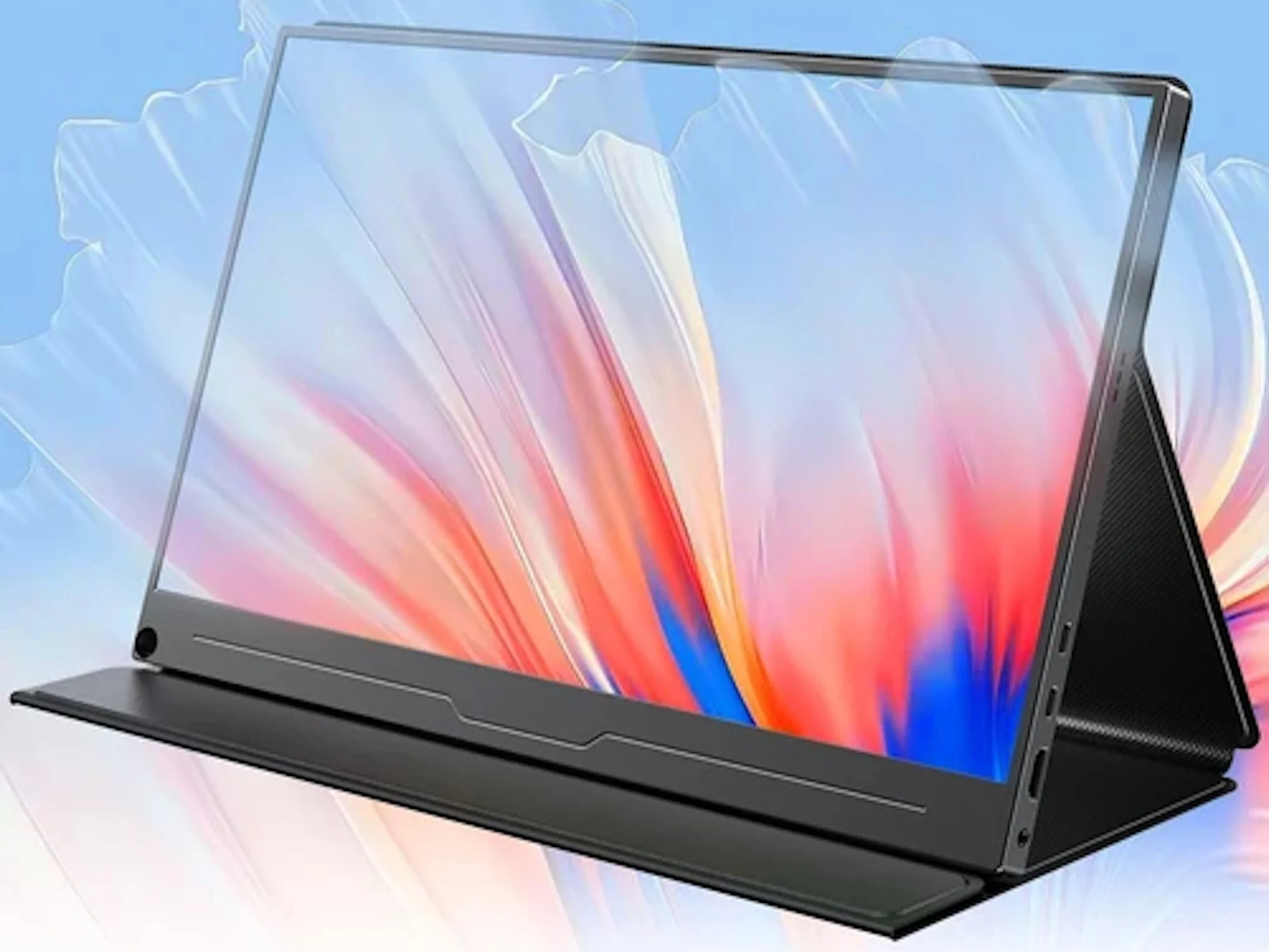
    The Uperfect UColor A17 has been on the market for a while now, and you can find it at Geekbuying for approximately €265. It ships from an EU warehouse, so buyers based in that region shouldn’t have to worry about import fees. However, it’s important to note that making warranty claims might be challenging, as it relies on the goodwill of the seller.

    Monitor Features

    Moving on, this portable 15-inch display has a resolution of 3840 x 2160 pixels, which should provide a very clear image. The UColor A17 can act as an additional screen for a laptop during business trips, helping to enhance productivity. The monitor features a refresh rate of 60Hz, which is the norm for many devices today. Nevertheless, some portable monitors come with quicker refresh rates.

    Specifications Overview

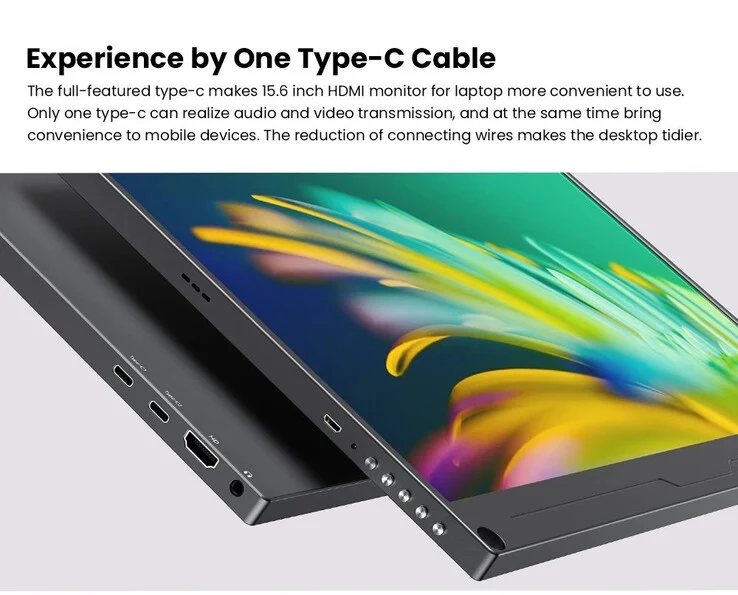
    This monitor utilizes an IPS panel and has a contrast ratio of 1000:1, a brightness level of 300 nits, and covers the full sRGB color space. It includes two built-in speakers but doesn’t have an internal battery, which means the UColor A17 will use up to 12 watts from the laptop’s battery. On the bright side, it can connect via USB Type-C using just one cable, though if you opt for Mini DisplayPort or HDMI, you will need a separate USB cable for power. There’s also a USB Type-A port available for connecting a keyboard or other peripherals. Finally, this 4K monitor weighs about 1.4 lbs or 640 grams.

    Source:
    Link


  • Apple 2025-26 Launch Timeline: New Apple TV, HomePod, AirTag, MacBook Pro

    Apple 2025-26 Launch Timeline: New Apple TV, HomePod, AirTag, MacBook Pro

    Key Takeaways

    1. Upcoming refresh of Apple TV 4K featuring A17 Pro chip, Wi-Fi 7 support, and potential built-in camera for FaceTime calls, at a price of $99.
    2. HomePod mini 2 expected with N1 chip for Wi-Fi 7, enhanced sound quality, and new color options, indicating a replacement for the current model.
    3. AirTag 2 set to include U2 ultra-wideband chip for improved precision-finding and battery life notifications, with a design similar to the current version.
    4. Studio Display 2 anticipated to launch in late 2025 or early 2026, featuring mini-LED backlighting for better brightness and contrast.
    5. Higher-end M5 Pro and M5 Max MacBook Pro models still to be revealed, with rumors of 5G support and a potential delay in launch until early 2026.


    Even after the recent launch of the M5 iPad Pro and the basic M5 MacBook Pro last month, it seems that Apple still has more devices ready to roll out. Various leaks and low stock levels indicate that there might be an event at the end of November, accompanied by staggered press releases and some product launches stretching into early 2026. Here’s what we might see next.

    Upcoming Apple TV 4K Refresh

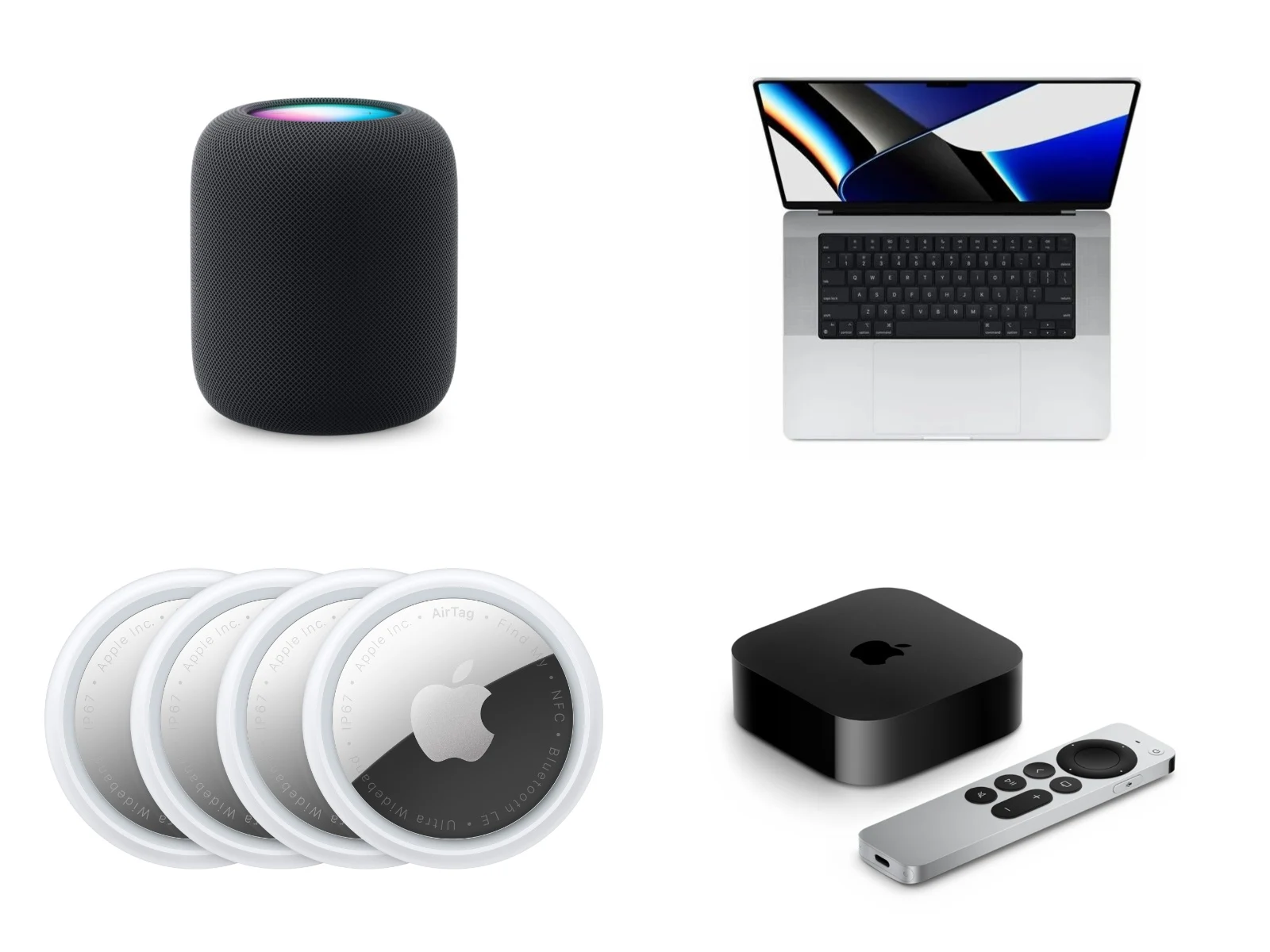
    Multiple supply-chain reports shows that the current Apple TV 4K stock has been quietly reduced in several areas, hinting at an upcoming refresh. The new model is said to feature Apple’s A17 Pro chip, the same silicon used in the iPhone 15 Pro, which would bring a significant boost in CPU and GPU performance, including hardware-based ray tracing for gaming that feels more console-like.

    The device is expected to come with an N1 wireless chip enabling support for Wi-Fi 7 and Thread, aimed at enhancing smart-home connectivity in line with Apple’s Matter ecosystem. Siri will also likely receive upgrades through tvOS 26, making its search and recommendation features better.

    Features and Pricing

    There are also rumors about a built-in camera, likely for FaceTime calls. The most surprising news is about a $99 price, which would make this the cheapest 4K Apple TV ever.

    The HomePod mini has also seen inventory shortages, suggesting a replacement is on the way. The HomePod mini 2 is predicted to include the same N1 chip from the new Apple TV, providing Wi-Fi 7 and Thread support. It will likely feature enhanced speaker drivers for improved sound quality and better far-field microphones for more accurate Siri responses.

    Apple might also introduce the U2 ultra-wideband chip for smoother handoff between iPhones and HomePods, along with new color options, including a possible red variant, as reported by Bloomberg’s Mark Gurman.

    AirTag 2 and Other Products

    The new AirTag 2 will look like the current version but will come with a next-gen ultra-wideband U2 chip, boasting up to three times the precision-finding range. Apple’s AirTag 2 has been ready for a while, as hinted at in internal iOS 26 references.

    Long-awaited battery life notifications are also expected, which will give users alerts before a tag’s battery runs out.

    A few major Apple products may not make it for the November launch and could instead arrive in early 2026. For example, the Apple Studio Display 2 and the M5 Pro and M5 Max MacBook Pro models are likely to be released next year.

    Studio Display 2 Launch

    The much-anticipated Studio Display 2 is expected to debut in late 2025 or early 2026. According to industry analyst Ross Young, this new 27-inch monitor will switch from an IPS panel to mini-LED backlighting, providing 1,600 nits of peak brightness, local dimming, and much better contrast.

    This upcoming display is reportedly known by the codename J427, with references found in Apple’s internal software. Another display, codenamed J527, was also noted in the same code. Bloomberg’s Mark Gurman has previously mentioned that Apple is working on two versions of the Studio Display to decide which one to release.

    Apple hasn’t launched a new external display since the original 27-inch Studio Display in 2022.

    Future MacBook Pros

    While the base M5 MacBook Pro is already out, Apple still needs to reveal its higher-end M5 Pro and M5 Max versions. Earlier reports suggested that both chips use TSMC’s SoIC-MH packaging, allowing Apple to separate CPU and GPU clusters for the first time.

    It’s believed that the delay is linked to the new chip architecture. The launch timing is still uncertain, with recent rumors indicating that Apple might not be releasing any new MacBooks for the rest of 2025.

    Another significant addition could be 5G support via Apple’s internal C1X modem, mentioned in recent code strings. If this is true, these would be the first cellular-enabled MacBook Pros. The external design, ports, and screens are expected to remain the same.

    With five products yet to be released and increasing supply chain activity, a November 2025 Apple event or a multi-day press cycle appears likely. If the leaks are accurate, the event and the months to follow will completely reveal the M5 generation.

    Source:
    Link


  • Dreame V3000 Aura Mini LED TV Launches with 300Hz Refresh Rate

    Dreame V3000 Aura Mini LED TV Launches with 300Hz Refresh Rate

    Key Takeaways

    1. The Dreame V3000 Aura Mini LED 4K TV is launched in China, marking the brand’s entry into the TV market.
    2. Available in five sizes (55″, 65″, 75″, 85″, and 100″), the TV features up to 2,800 nits brightness and covers 98% of the DCI-P3 color spectrum.
    3. It runs on Atlas OS and functions as a smart home hub, with a 300Hz refresh rate and low latency of 5.3 ms for gamers.
    4. Connectivity options include four HDMI ports, USB-A, RJ45, Wi-Fi 6, and Bluetooth 5.4, plus a built-in sound system.
    5. Pricing starts at CNY 3,999 (around $562) for the 55″ model, with no current plans for release outside China.


    The Dreame V3000 Aura Mini LED 4K TV has been recently launched in China. This marks one of the initial TV offerings from the smart home brand, which is widely recognized for its robot vacuums. The company has also introduced two new soundbars, the Pano S1 and Pano S2, in the same market.

    Specs and Features

    The V3000 Aura is a 4K television that comes in five different sizes: 55 inch, 65 inch, 75 inch, 85 inch, and 100 inch. As stated in the product specifications, the largest model boasts up to 2,800 nits of brightness, while the smaller sizes max out at 2,200 nits. This TV blends Mini LED and QLED technologies, achieving coverage of 98% of the DCI-P3 color spectrum. Additionally, it features a native contrast ratio of 7,000:1 and is compatible with IMAX Enhanced content.

    Smart Hub and Connectivity

    Running on Atlas OS, the V3000 Aura serves as a smart home hub. For gamers, it can increase its refresh rate to 300Hz, and it includes four HDMI ports with a latency of 5.3 ms. Other connectivity options are USB-A 3.0, USB-A 2.0, and RJ45. It also offers support for Wi-Fi 6 and Bluetooth 5.4, along with a built-in 2.1.2 channel sound system.

    Pricing and Availability

    In China, the starting price for the Dreame V3000 Aura Mini LED 4K TV is CNY 3,999 (around $562) for the 55 inch model, while the 100 inch variant is priced at CNY 14,499 (approximately $2,039). The company has not yet disclosed any plans to launch its TV in other regions like the US, where it markets smart home devices such as the L40 Ultra Robot Vacuum (currently priced at $599.99 on Amazon).

    Source:
    Link


  • New Hisense Mini-LED RGB TV Launches with 170Hz Refresh Rate

    New Hisense Mini-LED RGB TV Launches with 170Hz Refresh Rate

    Key Takeaways

    1. The Hisense E8S Pro RGB-MiniLED TV is available in three sizes: 75-inch, 85-inch, and 100-inch, designed for movies and gaming.
    2. It features a 4K resolution with a native refresh rate of 170Hz, which can be increased to 330Hz, and offers up to 9,360 local dimming zones for enhanced brightness and contrast.
    3. The TV supports advanced color technologies, covering the entire BT.2020 color gamut and including Dolby Vision, HDR10+, IMAX Enhanced, and Filmmaker Mode.
    4. For gamers, it includes features such as VRR, ALLM, and AMD FreeSync Premium Pro, along with high-quality audio from 4.2.2 channel speakers tuned by Devialet.
    5. Pricing in China is CNY 16,599 for the 75-inch model, CNY 20,999 for the 85-inch model, and CNY 27,999 for the 100-inch variant, with no confirmed release date for other markets like the US.


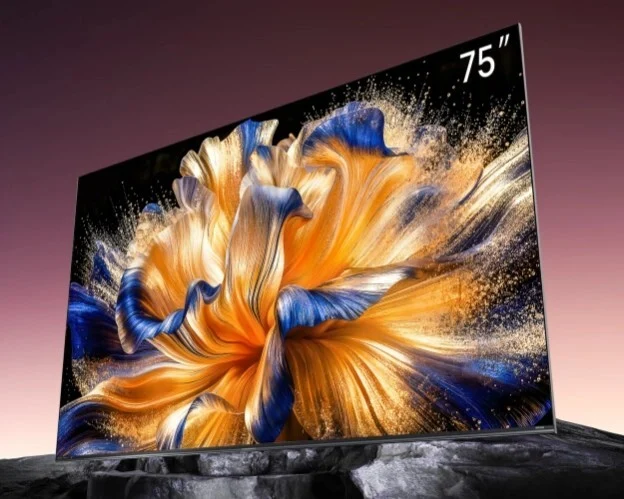
    Hisense has introduced the E8S Pro RGB-MiniLED TV in China, which comes in three sizes: 75-inch, 85-inch, and 100-inch. This model is perfect for both movie watching and gaming.

    Specifications and Features

    The Hisense E8S Pro is a 4K television that boasts a native refresh rate of 170Hz, with the possibility to increase it to 330Hz. The RGB-Mini LED backlight features 4,200 local dimming zones in the 75-inch version, 7,020 zones in the 85-inch, and 9,360 zones in the 100-inch model. Hisense claims that this allows for a peak brightness of 6,200 nits. The Obsidian Ultra screen has a low reflectivity rate of 1.28% and offers a wide viewing angle of 178°. Additionally, this TV covers the entire BT.2020 color gamut and supports technologies like Dolby Vision, HDR10+, as well as IMAX Enhanced and Filmmaker Mode.

    Gaming and Audio Experience

    For gaming enthusiasts, the E8S Pro includes features such as VRR, ALLM, and AMD FreeSync Premium Pro. It also has 4.2.2 channel speakers, offering a surround sound experience, which are tuned by Devialet, and are compatible with Dolby Atmos and DTS:X. The TV is equipped with multiple ports including four HDMI, USB 3.0, and USB 2.0. It has a sleek design, with a thickness of 44 mm (about 1.7 inches).

    In China, the pricing for the Hisense E8S Pro RGB-MiniLED TV is set at CNY 16,599 (around $2,334) for the 75-inch version, CNY 20,999 (approximately $2,953) for the 85-inch model, and CNY 27,999 (about $3,938) for the 100-inch variant, available through retailers like JD.com. It is still uncertain if or when this model will be launched in other markets, such as the US; however, the company already offers RGB-MiniLED TVs in that region, like the 116UX, which currently retails for $24,999.99 on Amazon Marketplace US.

    Source:
    Link


  • TCL 25G64: Affordable 25-Inch Mini-LED Monitor with 300Hz Refresh

    TCL 25G64: Affordable 25-Inch Mini-LED Monitor with 300Hz Refresh

    Key Takeaways

    1. The TCL 25G64 is priced around €210 and available in Europe, but not in the US.
    2. It features a mini-LED backlight with 180 dimming zones, impacting contrast performance.
    3. The monitor has a 24.5-inch screen with a resolution of 1920 x 1080 and a native refresh rate of 300Hz.
    4. It supports AMD FreeSync Premium and Nvidia G-Sync, with a 1ms response time and 99% sRGB coverage.
    5. Limited connectivity options include HDMI 2.1 and DisplayPort 1.4, with no KVM switch or USB ports.


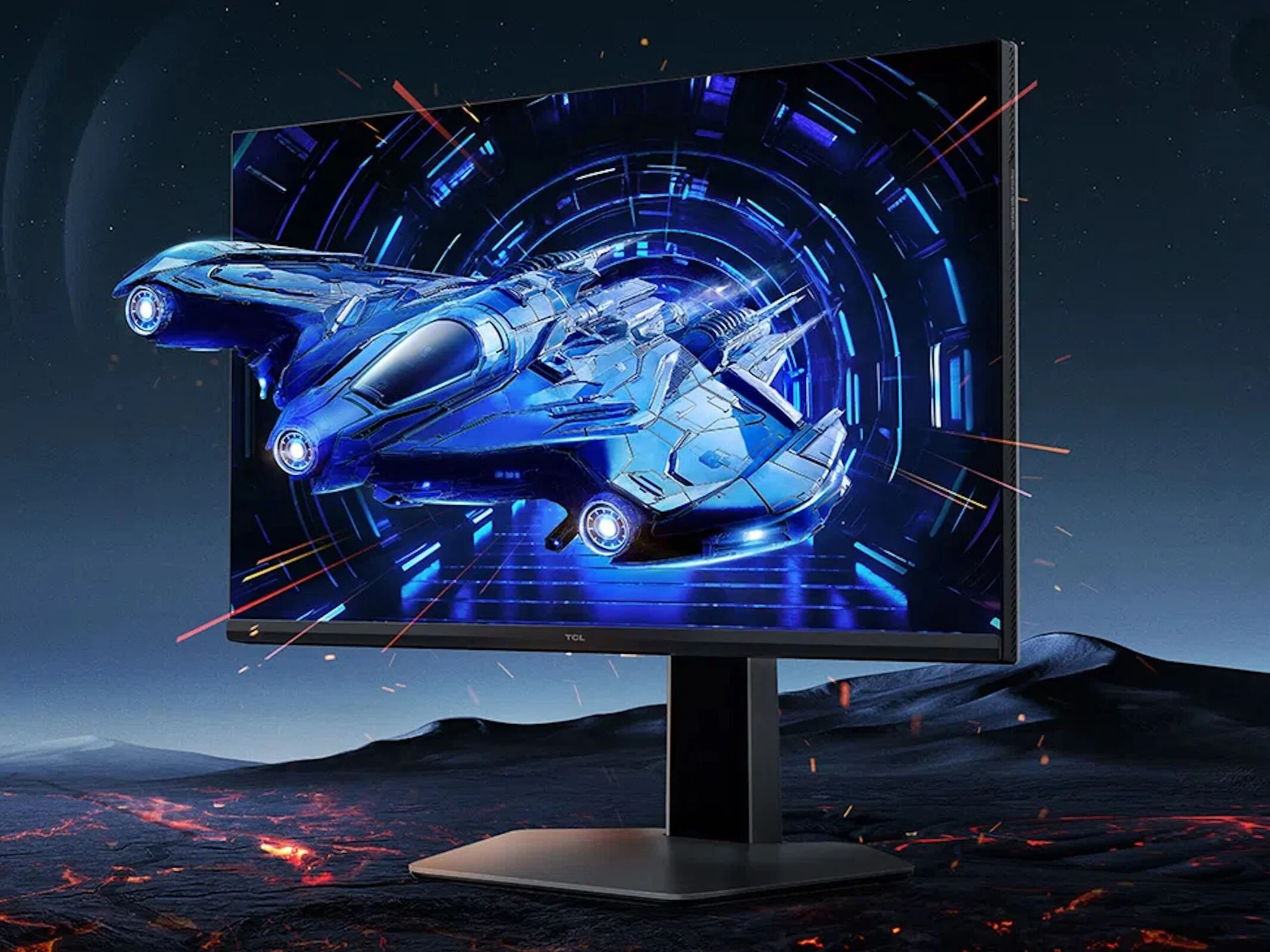
    The TCL 25G64 has just hit the market for around €210 in Europe, and you can place your order on Amazon Germany or various other online retailers. Currently, it isn’t available through US stores. Even though this price is quite reasonable, the 25G64 features a mini-LED backlight, which is a step up from the common edge-lit designs.

    Dimming Zones Matter

    Nevertheless, having a mini-LED backlight doesn’t automatically mean a great contrast ratio. The effectiveness also depends on the number of dimming zones. With only 180 zones, this monitor doesn’t offer the same level of control as pricier models. Still, TCL claims a typical contrast ratio of 1000:1 and a peak brightness of 600 nits, plus it holds the DisplayHDR 600 certification.

    Display and Performance

    Equipped with a 24.5-inch screen, the monitor does make some trade-offs. Its resolution is limited to 1920 x 1080 pixels, which helps achieve higher refresh rates. Specifically, the TCL 25G64 operates at a native refresh rate of 300Hz and is compatible with AMD FreeSync Premium and Nvidia G-Sync technologies.

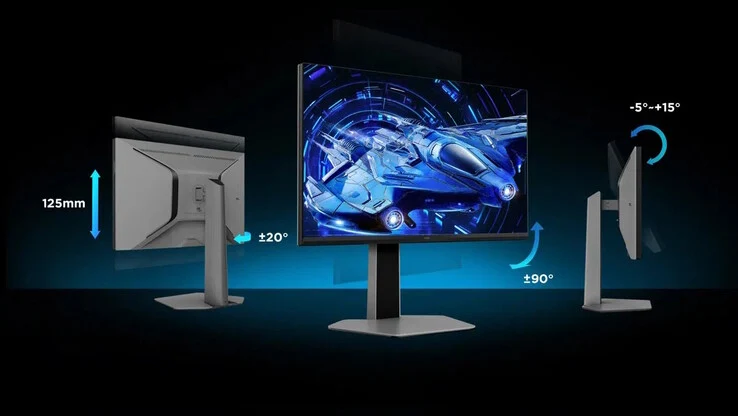
    The monitor has a grey-to-grey response time of just 1ms, covers 99% of the sRGB color spectrum, and boasts a color accuracy rating of DeltaE < 2 when using factory settings. However, potential buyers should note the absence of a KVM switch or USB ports. The connectivity options are restricted to HDMI 2.1 and DisplayPort 1.4. Lastly, the stand provided can be adjusted in height and can pivot.

    Availability and Final Thoughts

    Amazon, TCL’s online store, and various other retailers currently carry this model. If you’re looking for a budget-friendly monitor that offers impressive specs, the 25G64 could be a solid choice. Just be aware of its limitations in connectivity and dimming zones before making a purchase decision.

    Source:
    Link


  • Legend Exits The Simpsons After 25 Years – What’s Next?

    Legend Exits The Simpsons After 25 Years – What’s Next?

    Key Takeaways

    1. Al Jean, a key figure in The Simpsons since season 13, is stepping back from the series after over 25 years.
    2. His latest episode, Bad Boys… For Life?, marks his continued influence on the show.
    3. It is uncertain if Jean’s departure is permanent or if he will remain involved in a different capacity.
    4. Co-showrunner Matt Selman is a potential successor to Jean’s role.
    5. The Simpsons has been renewed through season 40, aiming to modernize while keeping its unique humor.


    After more than 25 years, a significant era in Springfield is reaching its end. Al Jean, who has been a showrunner and producer for The Simpsons since season 13, is taking a step back from the series – at least for now. On October 27, he shared a post on X stating:

    Recent Contributions

    Jean’s latest episode, titled Bad Boys… For Life? (season 37, episode 5), was crafted by him. He has been involved with The Simpsons as a writer and producer since the 1990s, taking on the role of showrunner in 2001 and remaining a crucial part of the show ever since. It’s not yet clear if his exit is permanent or if he will remain tied to the series in a different way. Fans are already guessing that he may now focus on the forthcoming second Simpsons movie, which is set to release in 2027.

    Future Leadership

    An official successor has not been announced, but many think that co-showrunner Matt Selman could take over the creative reins. Meanwhile, The Simpsons keeps breaking new records for longevity. FOX has already renewed this legendary series through season 40, with a clear aim: to continue modernizing the show while maintaining its distinct Springfield humor.

    Source:
    Link


  • Netflix 2.0: Exciting Update Focuses on Interactive Features

    Netflix 2.0: Exciting Update Focuses on Interactive Features

    Key Takeaways

    1. Netflix is evolving from a traditional streaming model to an interactive entertainment model, dubbed “Netflix 2.0.”
    2. The platform plans to introduce live content, including sports and performances, to promote real-time audience engagement.
    3. Interactive viewing experiences will be enhanced, starting with live voting in the talent competition Star Search in 2026.
    4. Netflix is updating its user interface with new animated themes and experimenting with vertical video feeds for mobile users.
    5. A new “Moments” feature will allow users to easily share specific scenes from shows or movies with others.


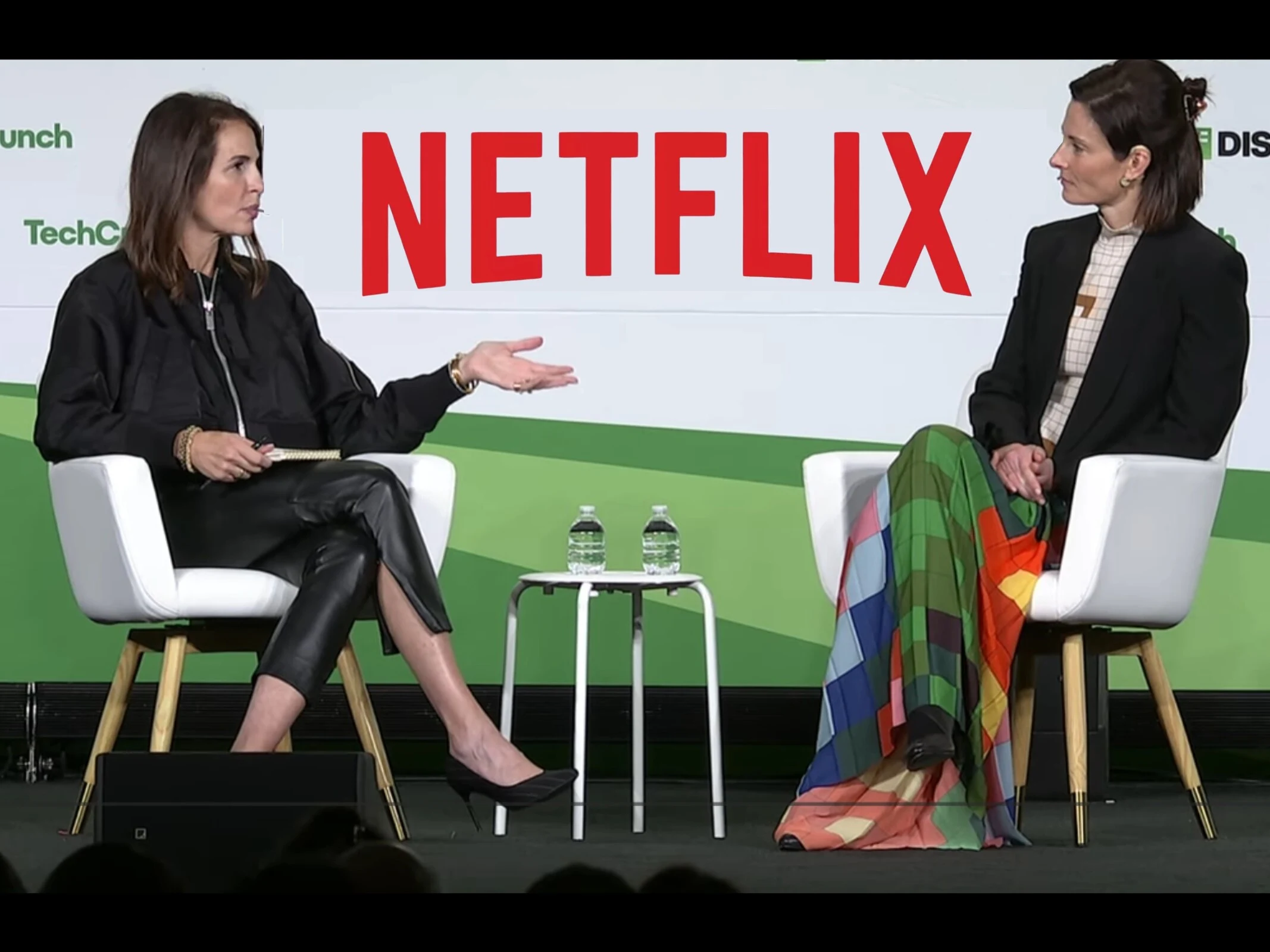
    Disney+, Amazon Prime Video, Apple TV+, and more – once, Netflix was the only player in the subscription streaming arena, but now it faces a growing number of rivals. However, Netflix is not just counting on its unique original shows to maintain its lead. At TechCrunch Disrupt 2025 in San Francisco, CTO Elizabeth Stone shared that the company is working on significant innovations aimed at transforming “passive viewers into active participants.” This indicates that Netflix is shifting towards a more interactive entertainment model – think of it as Netflix 2.0.

    Live Content and Audience Engagement

    The focus now is on introducing live content that encourages real-time interaction. Netflix’s future plans involve moving beyond just films and series to incorporate live performances, sports events, and comedy specials, allowing viewers to engage actively in these experiences. The recent boxing match between Paul and Tyson showcased Netflix’s ability to manage high demand, successfully accommodating 65 million simultaneous streams without any problems.

    Interactive Viewing Experiences

    In the past, Netflix has trialed audience involvement during the live cooking show Dinner Time with David Chang, where users could vote via their smartphones on which dishes the host should prepare next. Starting in 2026, the revamped talent competition Star Search will be the first to enable live voting from the audience – either through smartphones or remote controls – but only during the live broadcast.

    User Interface Enhancements

    Meanwhile, Netflix is revamping its user interface. New animated start pages are being rolled out to enhance the immersive experience, with the first themes showcasing a Halloween world and a Bridgerton-inspired world. On mobile devices, Netflix is also experimenting with vertical video feeds that feature short, snackable clips for quick consumption. Additionally, a new “Moments” feature will allow users to share specific scenes from shows or movies easily with others.

    Source:
    Link