
Key Takeaways
1. Ultra-dense 8K monitors may not provide a noticeable improvement over 4K for smaller screens, as human perception limits the benefits of higher pixel densities.
2. A study found that the human eye can perceive up to 89 pixels per degree, surpassing previous beliefs of 60 pixels per degree.
3. At a viewing distance of 60 cm, a 32-inch 1080p screen has 28 pixels per degree, while a 4K display offers 57 pixels per degree, still below the perception threshold.
4. Transitioning from 4K to 8K on smaller screens does enhance image quality, but significant benefits are only noticeable when viewed from very close distances.
5. The research impacts both large TVs and virtual reality, suggesting 8K can be beneficial for large screens viewed up close, while there’s potential for 16K displays in VR to improve visual experience.
A new study shows that ultra-dense 8K monitors may not simply be a matter of “more pixels is better,” especially when it comes to smaller screens.
Research Insights
Scientists from Cambridge (as reported by PCGamer) investigated how different pixel densities on monitors might be hard to tell apart by the human eye. They found that people could see up to 89 pixels per degree, which takes into account how close someone is to the display. This is a big increase from previous research that suggested 60 pixels per degree was the maximum humans could perceive.
Display Comparisons
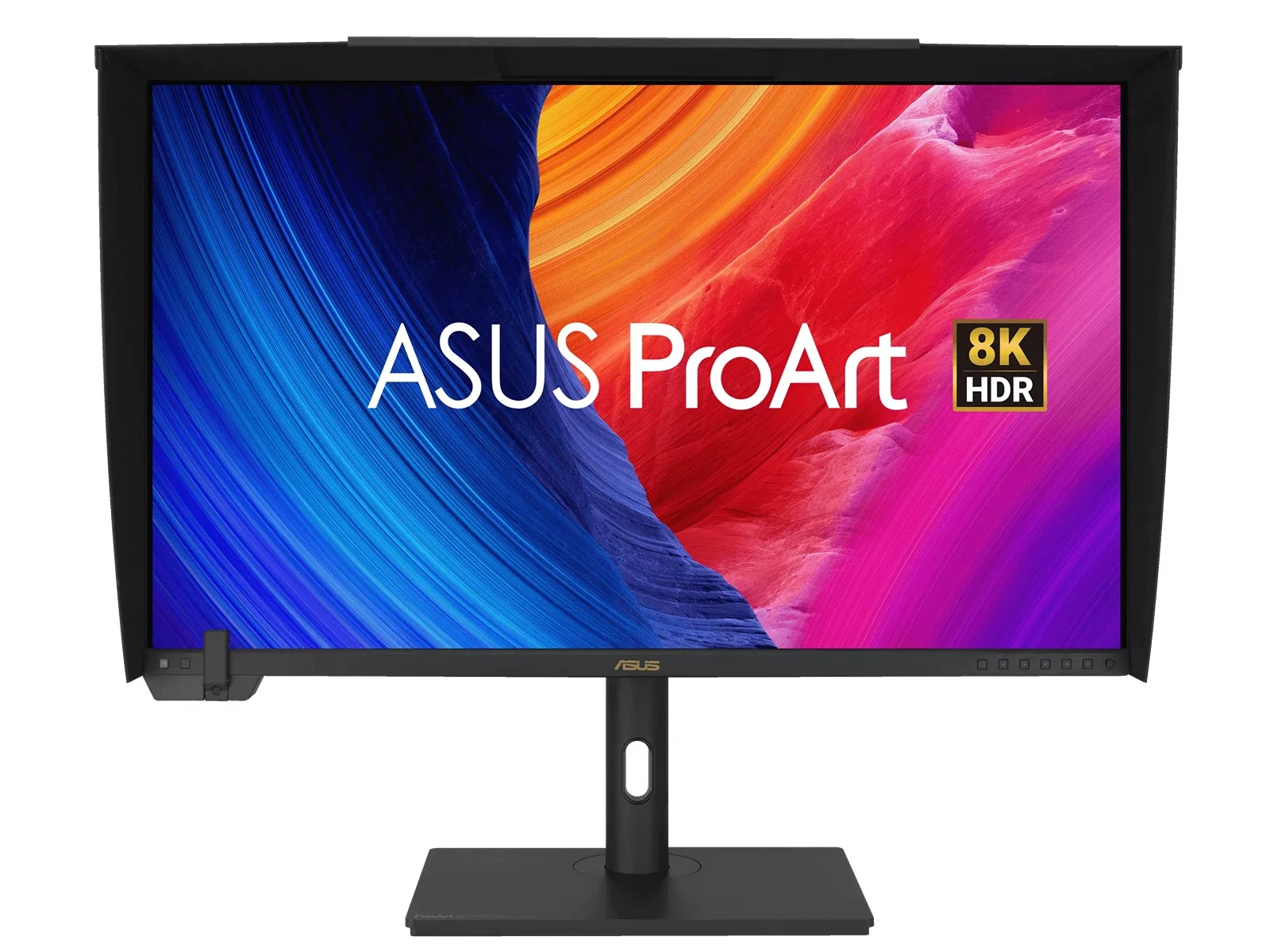
The findings from the Cambridge study (noted by Tom’s Hardware) show that at a viewing distance of 60 centimeters, a 32-inch 1080p screen only offers 28 pixels per degree. If you upgrade to a 4K display at the same distance, that number jumps to 57 pixels per degree. However, this is still below the 89 pixels per degree that the researchers found to be the threshold. When it comes to 8K on a 32-inch monitor, the pixels per degree rise to 113, which is way past the point where most people can notice a difference.
Buyer Implications
So, what does this mean for those looking to buy new displays? There’s a clear upgrade in detail when moving from a 1080p or 1440p monitor to a 4K one. Still, even with smaller screens, users will likely see a boost in image quality when switching from 4K to 8K. However, anything beyond that probably won’t make much of a difference unless you’re sitting just inches from the screen.
This research also has interesting consequences for televisions and virtual reality (VR), which are at opposite ends of the size spectrum. For large TVs, if you sit close enough, there can still be benefits to having an 8K TV.
On the flip side, in the world of VR, there’s a strong argument for 16K displays that could erase the screen door effect entirely.
Source:
Link