Category: Tablets

  • Oppo Announces 8.8-inch Ultra-Thin OLED Tablet with Powerful SoC and 144Hz Display

    Oppo Announces 8.8-inch Ultra-Thin OLED Tablet with Powerful SoC and 144Hz Display

    Key Takeaway

    1. The Oppo Pad Mini features an 8.8-inch 2.5K OLED display with a 144 Hz refresh rate and is powered by the Snapdragon 8 Gen 5 SoC.
    2. It is notably slim at 5.39 mm thickness, with thin bezels measuring just 2.99 mm around the display.
    3. The tablet includes an 8,000-mAh battery and will be available in three colors: Lavender, Green, and Slate.

    Upcoming Oppo Pad Mini Launch

    The Oppo Pad Mini, a small and portable tablet, is scheduled to be officially announced quite soon, specifically on April 21st. Based on various leaks and rumors, we already have a lot of information about this device, which has generated quite a bit of excitement among tech enthusiasts.

    Confirmed Key Specs

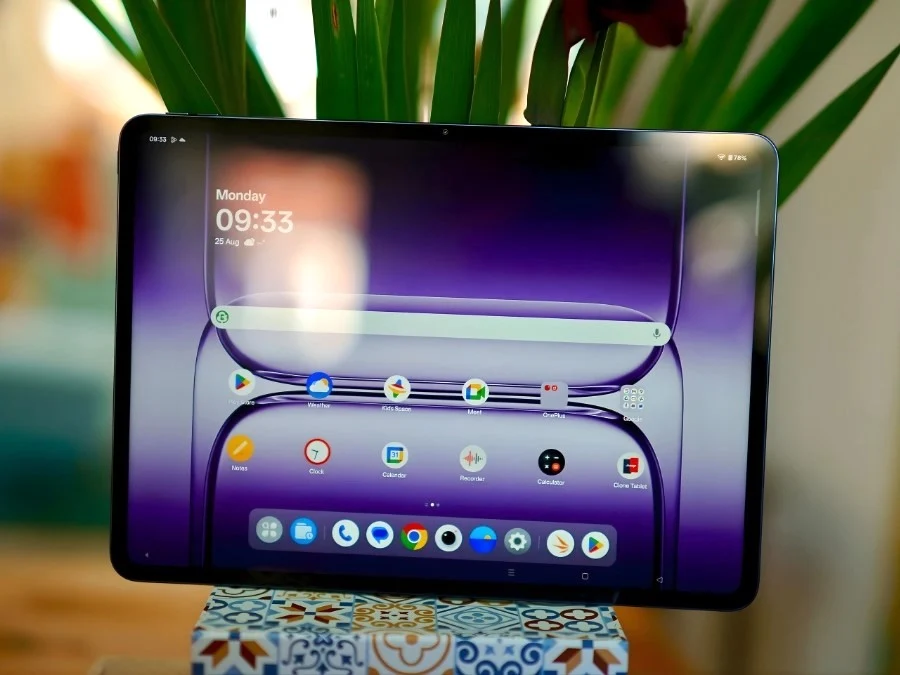
    The brand has now officially shared some critical details confirming that yes, the Oppo Pad Mini will feature an 8.8-inch 2.5K OLED display with a fancy 144 Hz refresh rate. This is pretty much what was expected from rumors circulating about the device’s display quality and size.

    The tablet will run on the Snapdragon 8 Gen 5 SoC, the same chip found in powerful devices. For comparison, the Snapdragon 8 Elite Gen 5 in other tablets like the Lenovo Legion Tab Gen 5 is faster in both CPU and GPU tests, but the Oppo Pad Mini’s processor remains very capable of handling most demanding tasks without issue. It packs an 8,000-mAh battery that promises sufficient power for daily use.

    Design and Appearance

    This tablet is particularly slim, being only about 5.39 mm thick. That makes it very sleek when held, especially when compared to heavier tablets. Oppo claims the bezels surrounding the screen are super thin, just about 2.99 mm, providing a nearly edge-to-edge display that looks modern and minimalistic.

    In terms of looks, the Oppo Pad Mini will come in three charming colors: Lavender, Green, and Slate, giving consumers a variety of stylish options to choose from. Its lightweight form factor and eye-catching hues make it an attractive device for those wanting style and portability.

    Pricing and Availability

    Details about the final pricing of the Oppo Pad Mini are still kept under wraps. Similarly, the wider global release information isn’t confirmed yet, though Oppo has a history of launching its products outside China, so international markets might see the device soon.

    With the launch event just around the corner, interested buyers need to wait only a few more days to find out all the specifics, including any surprises that Oppo might reveal. As of now, the excitement builds with only a week left until the official unveil of this exciting compact tablet.


    Sources

  • Samsung unveils Galaxy Z TriFold Wide patent in response to foldable iPhone Ultra

    Samsung unveils Galaxy Z TriFold Wide patent in response to foldable iPhone Ultra

    Key Takeaway

    1. Samsung is developing a wider, more media-oriented foldable called the Galaxy Z TriFold Wide, aiming to transform from a wide smartphone to a tablet.
    2. Despite high prices and manufacturing costs, the original TriFold was highly sought after, indicating a market for premium foldable devices.
    3. Samsung’s focus on wider screens positions it ahead of competitors like Huawei and upcoming entrants like Apple in the foldable market.

    Samsung’s Discontinued Galaxy Z TriFold Makes a Comeback

    Back in early 2026, Samsung released his very innovative Galaxy Z TriFold which costs a hefty $2,899. Surprisingly, the device got discontinued in March, but demand was so high that it resold for over $5,000 on the black markets. Due to this incredible popularity, Samsung decided to restock it for limited times, even after discontinuing it officially. Its rarity and high-seas demand proved that Ultra-premium foldables still have a place in the market.

    New Patent Reveals the Galaxy Z TriFold Wide

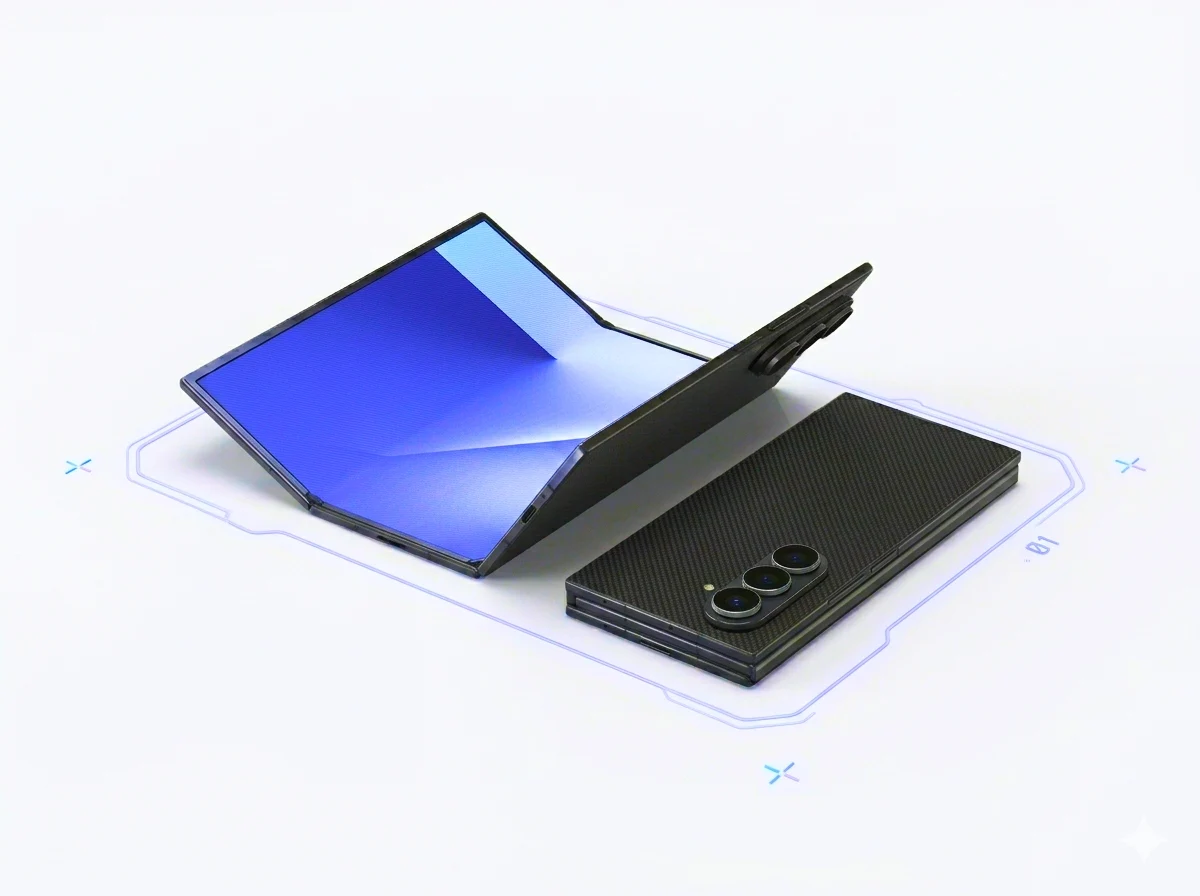
    Recently, a new patent surfaced showing that Samsung is working on a successor, called the Galaxy Z TriFold Wide. This upcoming foldable is designed to be shorter and wider, which means when it’s closed, it feels like a broad smartphone; but when opened fully, it transforms into a tablet fit for media. The idea behind this ‘wide’ approach seem to be targeting a different experience, aligning with rumors of a Galaxy Z Fold 8 Wide, indicating Samsung’s plan to diversify their foldable lineup with unique form factors.

    Market Impact & Competitive Landscape

    Despite costing $2,899, the original TriFold always sold out quickly. Although Samsung reportedly lost money on each piece because of complex manufacturing, the enthusiasm from wealthy tech lovers confirmed that there is a niche eager for high-end multi-fold phones. If the Z Fold 8 Wide becomes a hit, then the TriFold Wide could potentially go into wider production, proving there’s a demand for premium foldables. Given the market’s interest, Samsung might be planning to cater to those who want the cutting-edge foldable experience without compromise.

    Other Players in the Foldable Race

    Samsung isn’t the only company betting on wider screen foldables. Huawei earlier launched the Pura X Max, a wide-form foldable device that sidestepped the traditional tall, narrow design to appeal to those seeking a broad display on their foldable. Meanwhile, Apple is reportedly preparing to join this foldable revolution by 2026, planning to release an iPhone Fold or Ultra. Rumored features include an ultra-light titanium frame and a display designed to be crease-free, emphasizing a seamless experience. As competition heats up, Samsung’s patents and designs suggest that they’re not ready to give up their lead in the foldable smartphone market yet.


    Sources

  • OnePlus Pad 3 Pro: Flagship Performance and 12GB RAM

    OnePlus Pad 3 Pro: Flagship Performance and 12GB RAM

    Key Takeaway

    1. The upcoming OnePlus Pad 3 Pro has been spotted on Geekbench, revealing key specifications.
    2. It features a Snapdragon 8 Elite Gen 5 chipset with up to 12 GB of RAM, running Android 16.
    3. Performance scores suggest the device may be positioned as a mid-range tablet, trailing smaller flagship models.

    Upcoming OnePlus Tablet Leaked on Geekbench

    So, there’s been a sneaky little tease from OnePlus about their upcoming tablet. The company dropped a quick post on their Indian X account, but didn’t spill all the beans. They didn’t tell us what it´s called, when it’s gonna be out, or anything about the specs, really. All they said was that something with “exceptional power” was heading our way soon. Guess they want to keep us guessing for now.

    Performance Insights and Benchmarks

    Now, the tablet that got spotted on Geekbench looks like a real early prototype. Its single-core score is about 3,467, which isn’t the greatest – it’s on the lower side for a device thought to have the Snapdragon 8 Elite Gen 5 chipset. Interestingly, this score suggests it might not be as strong as the smaller OnePlus 15. The multi-core score clocks in at 10,395, which places it near the bottom of the Geekbench 6 multi-core list. This might mean it’s still a work in progress or maybe optimized differently.

    Expected Specs and Variants

    • It will launch with 12 GB of RAM, powered by Android 16.
    • If the previous models like the OnePlus Pad 3 are anything to judge by (which costs around $697), the newer Pad 3 Pro might come with up to 16 GB of RAM.
    • The device might be just a rebranded version of the Oppo Pad 5 Pro, mainly for the Indian market.

    As of now, no official word from OnePlus about international release plans for the Pad 3 Pro. So, fans outside India will have to wait a little longer to see what’s in store for them.

    Source and Final Thoughts

    Details are all coming from Geekbench, with some insights from Abhishek Yadav. We’ll just have to wait and see what all the rumors turn out to be true when OnePlus makes a formal announcement, but it’s definitely an interesting device in the pipeline.


    Sources

  • Oppo Announces Global Price for New High-End Tablet with 144Hz Screen

    Oppo Announces Global Price for New High-End Tablet with 144Hz Screen

    Key Takeaway

    1. Oppo’s next global launch event is scheduled for April 21, but the company has revealed details about upcoming devices, including the Find X9 Ultra and Pad 5 tablet.
    2. The Oppo Pad 5 is confirmed for release in the Eurozone with configurations ranging from €325 to €447, featuring the Dimensity 9400 Plus chipset, a 12.1-inch IPS display, and a 10,050 mAh battery.
    3. The tablet will be available exclusively in Starlight Black and offers various RAM and storage options, with a slightly smaller battery compared to the Chinese version.

    Upcoming Oppo Launch Events and Initial Announcements

    Oppo is planning its big global launch event, but it’s not happening till April 21. Even tho that date is still a bit away, the company has been giving out some sneak peeks about its upcoming gadgets. For example, they are already taking reservations for the Find X9 Ultra in many parts of Europe, which means people can start reserving theirs before the official release.

    Early Disclosure of Devices and Pre-Orders

    Even tho the official launch is still upcoming, Oppo’s disclosure about its products is already creating buzz. It’s like they are ‘teasing’ the market with what’s to come, especially in Europe where they’ve opened up preorder options for some high-end models. This strategy helps generate excitement and allows customers to secure their devices early.

    European Pricing and Tablet Details Confirmed

    Meanwhile, Oppo seem to have officially confirmed the prices for its Pad 5 tablet in the Eurozone. This tablet was announced in China nearly six months ago, and it has some very similar features to Samsung’s Galaxy Tab S11 and S11 Ultra models, which are currently priced around $829 if you buy refurbished.

    Specifications and Pricing in Different Countries

    • Display: 12.1-inch IPS, 144 Hz refresh rate
    • Starting Price: CNY 2,599 (~€325 / $381) for the basic 8 GB + 128 GB version
    • Top Configuration: Up to 16 GB RAM and 512 GB storage for CNY 3,599 (~€447 / $525)
    CountryConfigurations & Pricing
    Oppo GermanyStarlight Black only, Price details to be announced
    Oppo SpainSame as Germany, colour limited, prices pending

    Design and Battery Specifications

    The Pad 5 will come only in a sleek Starlight Black finish across all regions, giving it a uniform look globally. The impressive 10,050 mAh battery provides plenty of power, although it’s slightly less than the 10,420 mAh battery available in the Chinese version, which could affect battery life slightly. For more insights about the launch and specifications, it’s best to look up Oppo’s official information sheets.


    Sources

  • Budget OLED iPad Air Launches at $599 with Single-Stack Panel

    Budget OLED iPad Air Launches at $599 with Single-Stack Panel

    Key Takeaway

    1. Apple plans to introduce an OLED display to the iPad Air, starting mass production with Samsung by the end of 2023.
    2. The OLED iPad Air will feature cost-saving specifications, including a single-stack emissive layer and hybrid substrate, to maintain an affordable price.
    3. The transition to OLED aims to expand the iPad market, with demand projected to grow significantly, especially for the iPad Air, benefiting suppliers like Samsung and LG.
    4. The iPad Air’s OLED upgrade is part of a broader shift from LCD to OLED across multiple Apple products, with the iPad Mini and iPad Pro also expected to adopt OLED technology.

    Apple moving to OLED tech in next iPad Air

    Based on recent reports, apple seems to be moving forward with its plan to upgrade its iPad Air with OLED screens, carrying out their display roadmap. Samsung, the display giant, is said to be preparing for mass production of these OLED panels sometime later this year, possibly setting the stage for an early next year release of the new iPad Air 2027 edition. According to source from south Korea, this transition marks a significant step for apple’s portfolio.

    Expected Specifications and Pricing

    The move to OLED isn’t just about the technology but also about keeping cost under control. The new iPad Air will reportedly feature a single-stack emissive layer, an LTPS TFT backplane, along with a hybrid substrate. These simplifications are meant to minimize manufacturing expenses, making it more affordable than the iPad Pro, which has seen mixed market reactions. Currently, the price for the current iPad Air starts at around $599 in stores and discounts are sometimes available through online retailers. The switch to OLED is expected to encourage more sales because the price point should remain friendly to consumers.

    Market Impact and Future Outlook

    The introduction of OLED technology into the iPad Air aims to boost its competitiveness, especially since more premium models like the iPad Pro have prices that could deter some buyers. Demand for the OLED iPad Pro has already faced some challenges, which is why Apple likely prefers to allocate OLED displays first to the more popular Air series. Apple’s dominant share is projected to increase in the OLED tablet market, which analysts predict could hit 13 million units sold in 2026; with the new OLED iPad Air entering the mix, that number could climb to 21 million units. Both LG and Samsung are currently sharing the OLED supply, and this expansion will benefit both display makers as Apple’s minimal specs for the Air allow for a more streamlined supply chain and lower costs overall.

    Sources
  • Oppo Pad 5 Pro Review: High-End Tablet Outperforms Galaxy Tab S11 Ultra

    Oppo Pad 5 Pro Review: High-End Tablet Outperforms Galaxy Tab S11 Ultra

    Key Takeaway

    1. Oppo will release the Pad 5 Pro in China on April 21, alongside the Pad Mini and new flagship smartphones.
    2. The Pad 5 Pro is powered by the Snapdragon 8 Elite Gen 5 chipset, outperforming similar devices in multi-core performance.
    3. It features up to 16 GB RAM, 512 GB storage, a 13.2-inch IPS display, a 13,380 mAh battery, and weighs less than 675 g.
    4. International availability has not been announced yet.

    Oppo is set to launch the Pad 5 Pro soon in China, with the release scheduled for April 21. Alongside this new tablet, Oppo will also introduce the smaller Pad Mini and several new flagship smartphones, making it a notable launch event.

    Details About the Pad 5 Pro

    While Oppo has shared some information about the Pad 5 Pro, they keeping certain specs under wraps for now. The company lists options with up to 16 GB of RAM and 512 GB of storage on their official website, yet they haven’t confirmed other hardware details until recently. A recent appearance on Geekbench shed more light on the device, revealing some critical specifications.

    The tablet is expected to feature the Snapdragon 8 Elite Gen 5 chipset, which is a step above the Snapdragon 7-core variant present in the Find N6. This choice results in the Pad 5 Pro outperforming its foldable sibling in multi-core processing tests, while maintaining parity in single-core performance, showcasing its power efficiency and capability.

    Performance and Build

    In benchmarks, the Pad 5 Pro beats other recent flagship Android tablets like the RedMagic Astra and even the Samsung Galaxy Tab S11 Ultra, which currently retails for around $919 for refurbished units. The device packs a significant punch with the Snapdragon 8 Elite Gen 5 combined with a large 13,380 mAh battery, promising impressive endurance.

    The tablet boasts a 13.2-inch IPS display housed inside a slim 5.94 mm thick body that weighs under 675 grams, making it both lightweight and portable. However, details such as its international release, pricing, and availability have yet to be announced by Oppo officially.

    Summary of Specs & Expectations

    • Expected Launch Date: April 21 in China
    • Processor: Snapdragon 8 Elite Gen 5
    • Memory Options: Up to 16 GB RAM, 512 GB Storage
    • Display: 13.2-inch IPS LCD
    • Battery: 13,380 mAh
    • Weight: Less than 675 grams
    • Dimensions: 5.94 mm thick
  • Xiaomi Unveils New Performance-Focused Specs for iPad Mini Rival

    Xiaomi Unveils New Performance-Focused Specs for iPad Mini Rival

    Key Takeaway

    1. The Redmi K Pad 2 features dual USB-C ports for easier wired accessory and charging connections, optimized for gaming.
    2. It is designed with gaming performance in mind, supporting 165FPS in FPS games, a 165Hz display, and a 400Hz gyroscope for precise control.
    3. The device has an advanced cooling system with a large VC setup to ensure stable performance during prolonged gaming sessions.
    4. It boasts sound tuned by Bose with full-range drivers for high-quality audio.
    5. The tablet is expected to launch around $440 in China on April 21, 2026, targeting the gaming tablet market.

    Upcoming Xiaomi Tablet with Dual USB-C Ports

    Xiaomi has announced more details about its new tablet that aims to rival the iPad mini. One of the key features revealed is the presence of two USB-C ports, which is a feature that many gaming tablets by Lenovo Legion already offers. This dual-port system makes connecting wired accessories or charging cables much more simple, enhancing the overall usability for gamers and everyday users alike.

    Gaming Focus and Display Specifications

    The tablet, known as the Redmi K Pad 2, is specially optimized for gaming enthusiasts. It supports native FPS shooting games, with improvements allowing it to reach 165 frames per second (FPS). Its 8.8-inch LCD screen comes with a 540Hz multi-touch response, promising very responsive gameplay. The inclusion of a 400Hz gyroscope sampling rate aims to improve recoil control and accuracy during intense gaming moments, making it an attractive device for serious gamers.

    Cooling System and Audio Enhancement

    One notable aspect teased is the cooling system. The Redmi K Pad 2 features a large vapor chamber (VC) cooling setup with a “centrally located” heat dissipation architecture, which is expected to ensure the device remains stable even after long gaming sessions. Additionally, Xiaomi has partnered with Bose to deliver high-quality sound, with full-range drivers that are designed to provide clear treble, deep bass, and rich audio details.

    Pricing and Launch Details

    While the exact price isn’t officially released, a reliable source from Weibo suggests that the tablet will cost more than CNY 3,000, approximately $440. This positions the K Pad 2 as a strong competitor against other gaming tablets like the Legion Tab Gen 5, powered by Snapdragon 8 Elite Gen 5. The device is expected to be officially launched on April 21, 2026, in China, and will likely be available globally under the name Xiaomi Pad Mini 2.

  • Xiaomi’s New iPad Mini Rival with 165Hz Display Launches Soon

    Xiaomi’s New iPad Mini Rival with 165Hz Display Launches Soon

    Key Takeaway

    1. The Redmi K Pad 2 is set to launch in China on April 21, 2026, alongside other Xiaomi devices.
    2. It will feature a Dimensity 9500 chipset and a large 9,100mAh battery.
    3. The tablet will have an 8.8-inch LCD display with a 165Hz refresh rate, maintaining similar specifications to its predecessor.
    4. The design has been updated to a minimalistic look, similar to the latest iPad mini.

    Upcoming Xiaomi Device

    Xiaomi is ready to introduce a new device that is gonna shake things up in the tablet market in China soon. The Redmi K Pad 2, which is a successor to the previous compact model, is packing some flagship features but keeps the small, handy size. Recently, the company showed off its design, and now, we got word on the official launch date.

    Launch Details

    According to the latest update, Xiaomi will release its new gadget in China on April 21, 2026. This launch will happen along side the debut of the K90 Max and the Redmi Book Pro 2026 series that are powered by Intel Panther Lake chips. No other info has been shared yet, only the date is confirmed for now.

    Specifications and Rumors

    If you missed previous rumors, the Redmi K Pad 2 is said to have a Dimensity 9500 processor—MediaTek’s latest flagship chip. It will also pack a sizeable 9,100mAh battery, making it quite the powerhouse for a compact tablet. As for the display, Xiaomi announced an 8.8-inch screen but didn’t specify whether it will be LCD or AMOLED. The Digital Chat Station report indicates LCD, so don’t expect a radical upgrade here. Also, the refresh rate will stay at 165Hz, matching the last model’s performance.

    Design & Expectation

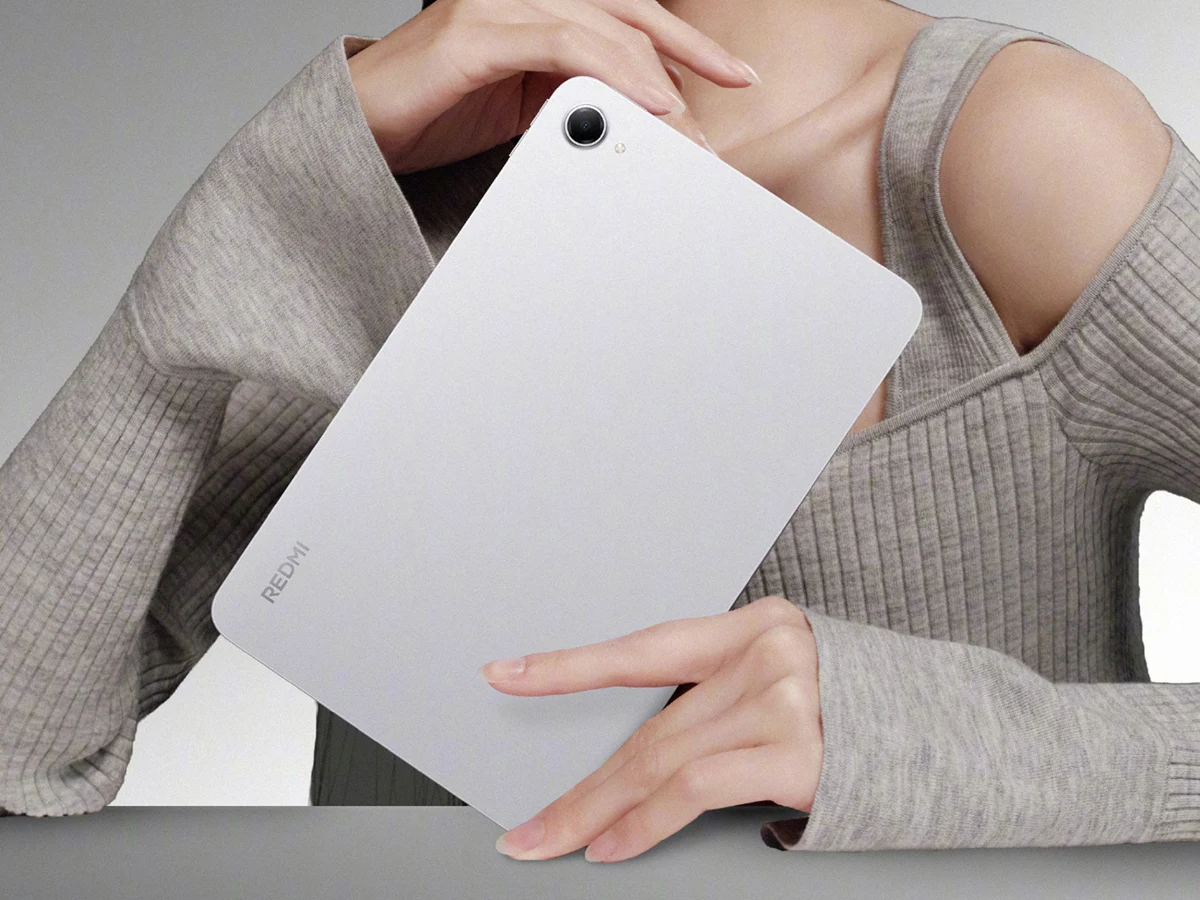
    The design of the K Pad 2 has received a fresh look with a more minimalistic rear, resembling the style of the 2024 iPad mini 128GB Wi-Fi model, which costs around $474 currently. Xiaomi’s upcoming teasers might reveal more details about this flagship tablet’s specs before the scheduled launch, so stay tuned for more updates soon.


    Sources

  • OnePlus Teases New Tablet Featuring Exceptional Power

    OnePlus Teases New Tablet Featuring Exceptional Power

    Key Takeaway

    1. OnePlus is teasing a new high-performance tablet, likely the Pad 3 Pro, with the tagline “Exceptional Power, Coming Soon.”
    2. The device is expected to feature a 13.2-inch display, Snapdragon 8 Elite Gen 5 chipset, 16GB RAM, and 512GB storage.
    3. The teaser hints at a powerful battery, although specific battery details are not yet confirmed.
    4. Official specs and launch date have not been announced, but more details are anticipated soon.

    New Tablet Teasing by OnePlus

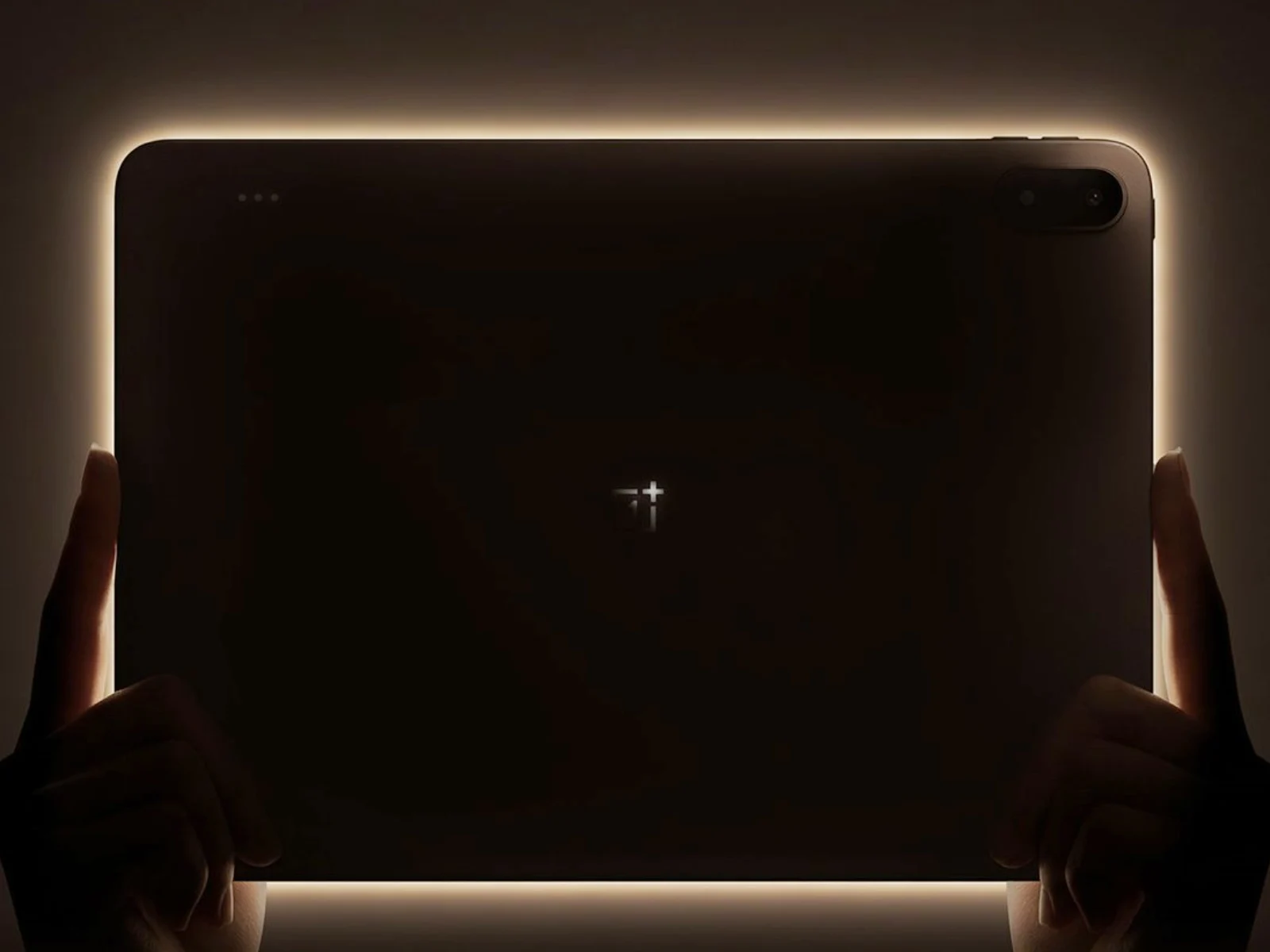
    Recently, OnePlus has been teasing some kinda new tablet, giving fans a glimpse of what’s coming in their future. The teaser was posted on the official OnePlus India account on X, showing the back side of a unknown device. Although they haven’t confirmed the name yet, many are thinking its probably the highly anticipated Pad 3 Pro, an upgrade over the previous model.

    Design & Visual Clues

    The teaser features a tagline “Exceptional Power, Coming Soon,” which kinda suggests that this ain’t no basic tablet, but something with high-end performance. In the image, you can see a solitary rear camera along with an LED flash, nestled in a tiny module. The central placement of the OnePlus logo stands out, but honestly, there isn’t many other design details visible on the device.

    Rumors and Expected Specs

    Some leaks from last month claim that OnePlus is working on two new Android tablets, with one being the Pad 3 Pro. According to these rumors, it could sport a 13.2-inch display, matching the size of the regular Pad 3, which would make it a large, versatile screen for media and multitasking.

    Performance & Hardware Expectations

    The tablet might be powered by a Snapdragon 8 Elite Gen 5 chipset, coupled with 16GB of LPDDR5X RAM and 512GB of storage. About the battery, although all details aren’t cleared, leaks talk about a “massive battery,” suggesting good battery life and long usage. So far, OnePlus didn’t reveal any exact specs or official launch date, but seeing the teaser out there means we probably won’t have to wait long for more info.

    Future Updates

    As the teaser already hints at something exceptional coming soon, fans should keep an eye out for official announcements from OnePlus in the near future. Expect more concrete details, including release date, full specifications, and pricing, to be shared pretty soon as the marketing builds up. Overall, the anticipation for this powerful new tablet is definitely rising among tech enthusiasts and loyal fans alike.

    Sources
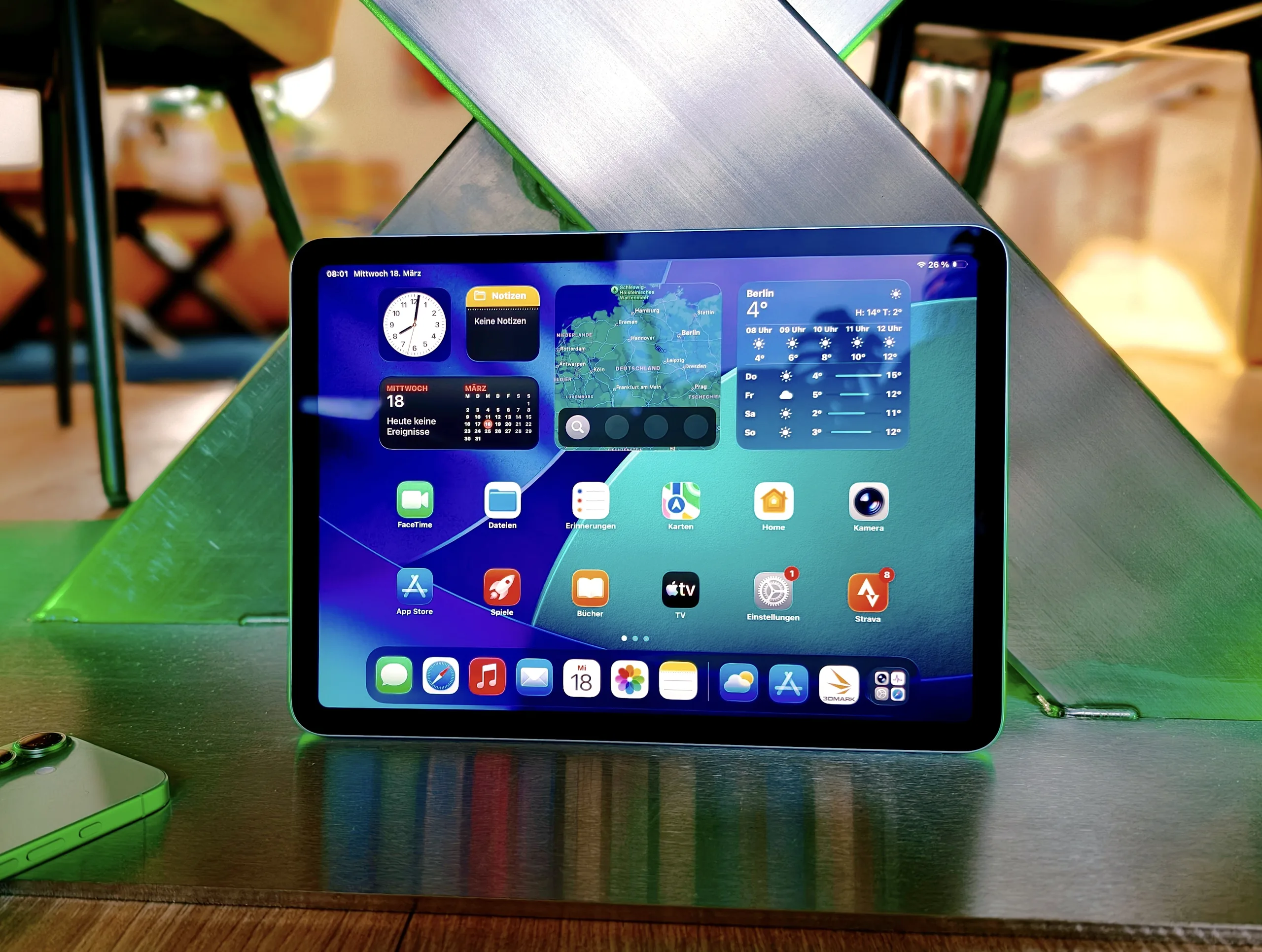
  • Unmatched Power in a Tablet: Outperforms Many Laptops

    Unmatched Power in a Tablet: Outperforms Many Laptops

    Key Takeaway

    1. The iPad Air 11 (2026) with the M4 chip offers significantly improved performance, matching or surpassing some laptops in benchmarks.
    2. Despite hardware power, iPadOS’s limitations restrict the iPad’s ability to fully replace a MacBook, especially for professional workflows requiring window management and complex file systems.
    3. The display is high-quality for indoor use but lacks outdoor visibility, high refresh rate, and OLED features.
    4. Battery life supports a full workday, but camera capabilities are modest, and accessory use sometimes results in compromises compared to macOS.
    5. The device is ideal for mobile creatives and casual users, offering strong value, but may not satisfy professionals needing desktop-like functionality.

    Performance and Power of the iPad Air 11 (2026)

    The new iPad Air 11 (2026) depends mostly on its raw power driven by the Apple M4 chip. This chip features an 8-core setup with 4 cores optimized for performance and 4 for efficiency, along with a 9-core GPU to boost graphics. It offers about 15-20% more speed than the previous model, making it stand out in benchmarks.

    Benchmark Scores and Usage

    In tests like Geekbench 6.6, the tablet scores a single-core of 3,735 and a multi-core result of 13,494. Its AI benchmarks also showcase up to 54,488 points. The device handles activities like 4K video editing, 3D rendering, and multitasking with ease. Only when pushed to the extreme for long durations does it start to slow down slightly, proving it’s quite capable under normal conditions.

    Limitations of iPadOS and Practical Implications

    But here’s the catch, the IpadOS, despite updates, can’t match macOS’s flexibility, especially for advanced workflows. Creative professionals or programmers often find its window management, file handling, and desktop-like app availability lacking. Even with improvements in background tasks and multitasking in the latest iPadOS 26, it still feels some what limited. The big question many ask: can this device truly replace a MacBook? Well, it highly depends on the specific applications and tasks in mind.

    Display, Connectivity, and Build Quality

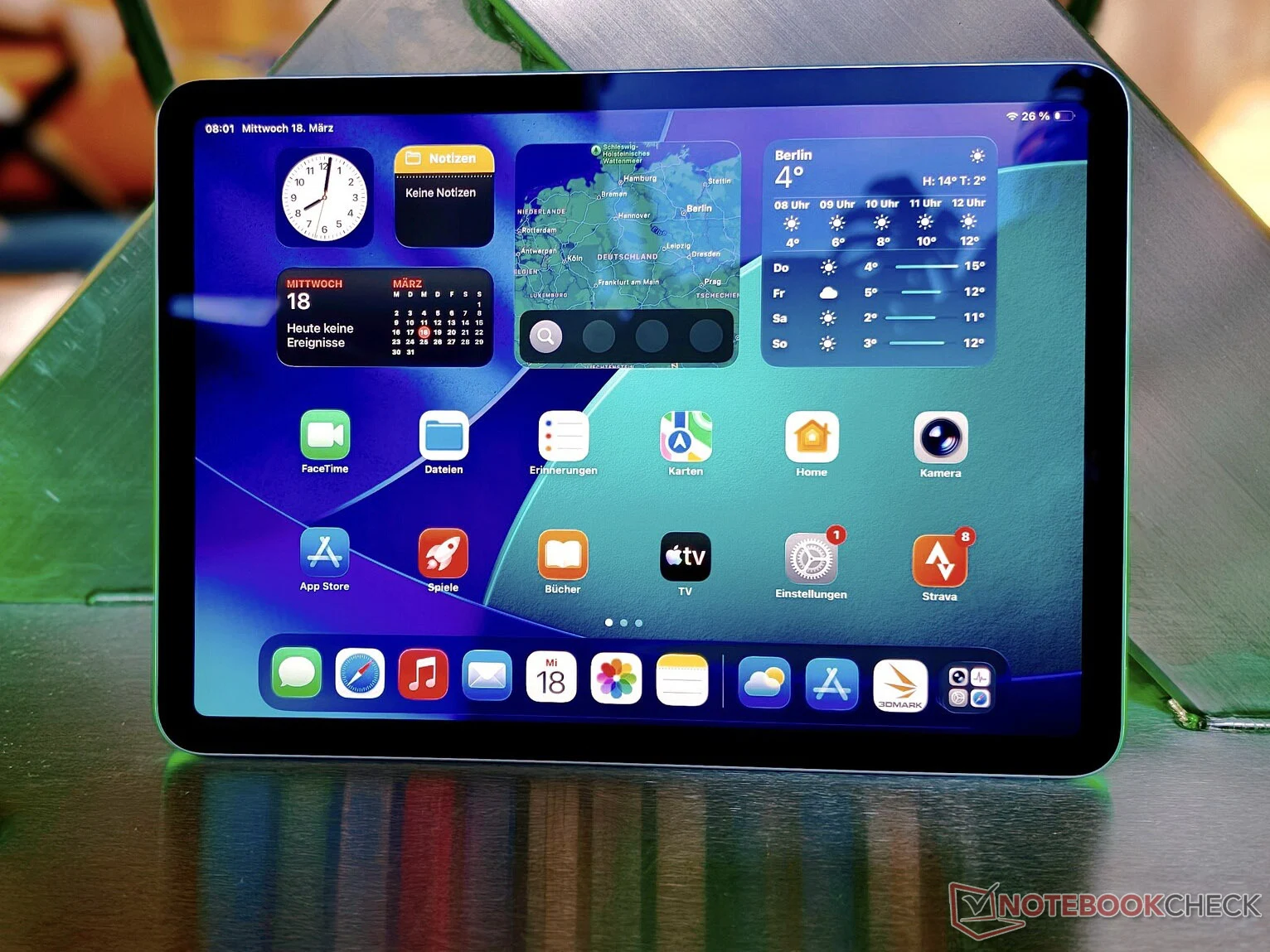
    The device sports a 10.86-inch IPS display with a resolution of 2360 × 1640 pixels, running at 60Hz. Colors are accurate enough for indoor use, but in bright sunlight, the screen can look washed out. OLED enthusiasts or those wanting high refresh rates like 120Hz might be disappointed. The iPad Air offers modern connectivity options such as WiFi 7, which can reach speeds up to 1,700 MBit/s, optional 5G, a fast USB-C port, and tactile touchscreen.

    Built with a sleek aluminum shell, it looks premium as always. However, the wide bezels seem somewhat old-fashioned against the futuristic backdrop of 2026. Noticeably missing are water or dust protections, so casual rain can be risky to the device.

    Battery Life and Camera Capabilities

    Battery life is sufficient for a full working day, but don’t expect it to last much longer under heavy use. The 12 MP cameras deliver decent photos, but nothing extraordinary. Their 4K video recordings are fine, but smartphone cameras still outperform them in image quality and detail.

    Accessories and Usability

    Pairing the iPad Air with accessories like the Magic Keyboard or Apple Pencil transforms it into a more productive tool. However, once again, the limitations of iPadOS become apparent. Working professionally might still feel like a compromise, especially when coming from a traditional desktop OS like macOS. The experience is adequate for casual use, media, and note-taking, but not quite a replacement for a laptop.

    Final Thoughts: Is It a Good Choice?

    The iPad Air 11 (2026) stands out with high performance thanks to the M4 chip, suitable for creative tasks, media consumption, and portable work. Its solid hardware and connectivity options make it a compelling device at a fair starting price of around $643. Nevertheless, its software limitations with iPadOS mean it might not satisfy power users or professionals who need more advanced desktop functionalities.

    If you’re a casual user or a dedicated Apple fan, it is a highly recommended buy. But if you’re after an authentic laptop-like experience, it should perhaps only be seen as an addition rather than a replacement. For more insights, our detailed test report dives deeper into what the iPad Air 2026 can actually do.

    Sources