Category: Tablets

  • Lenovo Gaming Tablet Tops AnTuTu Flagship Performance Rankings

    Lenovo Gaming Tablet Tops AnTuTu Flagship Performance Rankings

    Key Takeaway

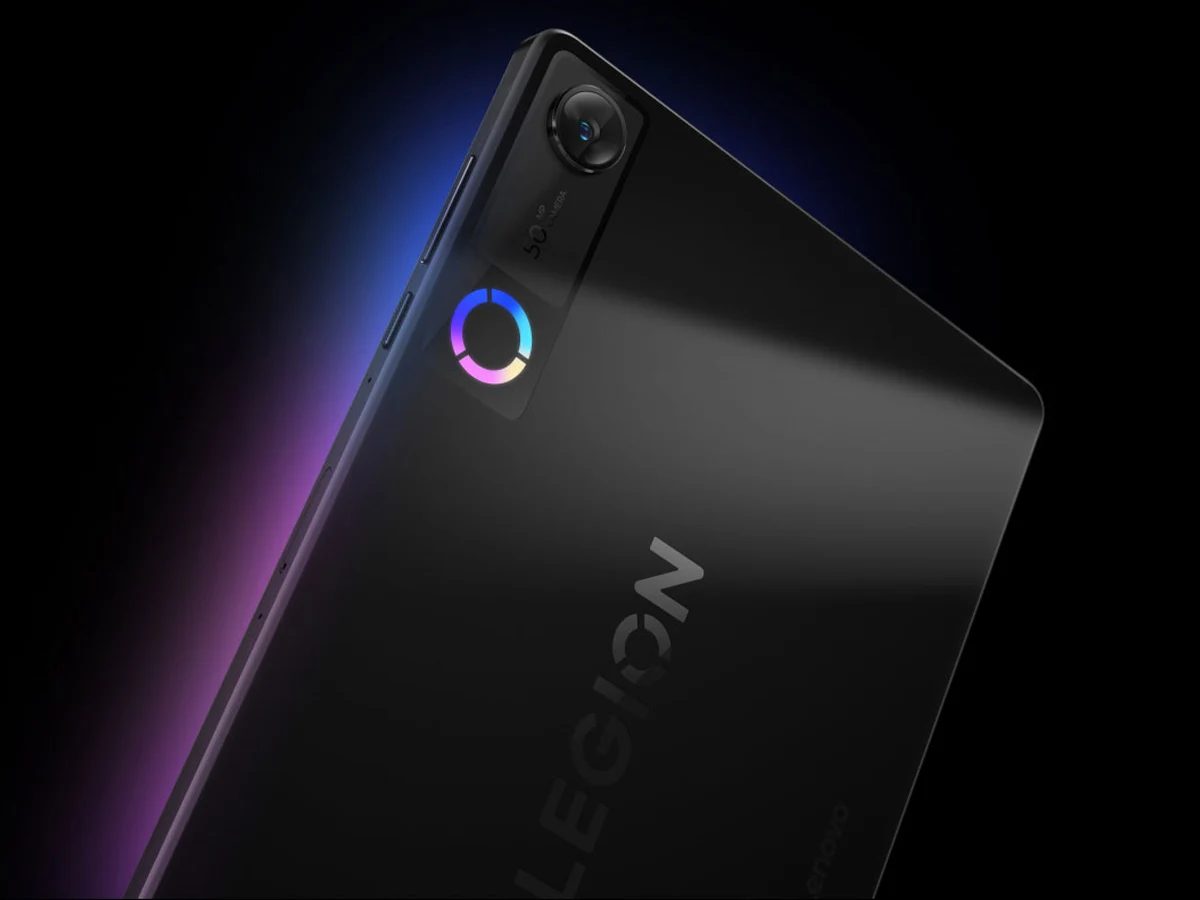
    1. The Lenovo Y700 Gen 5 (Tab Gen 5) ranks second in the April 2026 AnTuTu tablet performance rankings.
    2. Devices must pass at least 1,000 valid benchmark runs to qualify for the rankings.
    3. The top-ranking tablets, including the Lenovo model, show minimal score differences, indicating competitive performance levels.

    Latest AnTuTu Rankings for April 2026

    The new AnTuTu performance lists for April 2026 have been revealed, and in the tablet segment, the Lenovo Y700 Gen 5, also called Tab Gen 5 globally, stepped up with an impressive rank. The tablet has snagged the second spot, and the score difference with the leading device isn’t huge, indicating close competition.

    Top 10 Tablets in April 2026

    Here’s a quick summary of the best performing tablets based on the average benchmark scores from this month:

    • Top position held high with a very close score gap
    • Lenovo Y700 Gen 5 secures second place
    • Scores are normally very tight among the top devices

    How Are These Rankings Determined?

    Before these rankings are curated, AnTuTu makes sure that the devices go through a series of checks. One important requirement is that the device must pass at least 1,000 valid benchmark tests. This is a key reason why some devices don’t appear on the list every month, as they may not meet the strict testing standards or are not tested enough times.

    Understanding the Benchmark Criteria

    They’re not just picking devices randomly, it’s about consistent performance. The attached chart below shows the tablets that lead in April 2026, based on these thorough tests and strict scoring procedures. The competition remains stiff with slight variations in the scores, but the rankings reflect true performance capabilities.

    Summary

    In conclusion, the tablet landscape this month shows Lenovo’s Y700 Gen 5 fighting among the top contenders. With its high scores, it’s clear that this device is a strong choice for those demanding top-tier performance from their tablets in 2026.

    Sources
  • Lenovo Yoga Tab Plus Tablet Deal – Save $265 with 256GB & 144Hz Display

    Lenovo Yoga Tab Plus Tablet Deal – Save $265 with 256GB & 144Hz Display

    Key Takeaway

    1. The Lenovo Yoga Tab Plus is available at a significant discount of $265, bringing its price to $534.99 when using the coupon “BUYMORELENOVO.”
    2. It features a 12.7-inch OLED display with a 144Hz refresh rate, 2944×1840 resolution, and up to 905 nits brightness for HDR content.
    3. Equipped with a Snapdragon 8 Gen 3 processor, 16 GB of LPDDR5X RAM, and 256 GB UFS 4.0 storage, it handles everyday tasks efficiently despite not matching flagship speeds.
    4. The tablet includes productivity accessories like a stylus with 4,096 pressure levels and tilt support, as well as a keyboard with multi-touch gesture support.

    Unfortunate Trends in DRAM and Storage Costs

    Right now, the market for DRAM and storage is crazy expensive, making it hard for those thrifty shoppers who really on finding a good deal. Even tho sellers try, most of the best cheap deals are just a pipe dream. Still, if someone takes their time they might find some offers that helps them save some good bucks.

    Lenovo Yoga Tab Plus – A Pretty Good Deal

    For example, the Lenovo Yoga Tab Plus is now on sale, saving buyers a full $265. That brings the price down to a low $534.99 on Lenovo’s US online store. To score this deal, you need to use a special code: “BUYMORELENOVO”.

    This model features 16 GB of LPDDR5X RAM and 256 GB of UFS 4.0 storage, making it quite a capable tablet. Aside from that, it offers some nifty accessories, like a stylus with a whopping 4,096 pressure levels and tilt support, plus a keyboard with a multi-touch trackpad built-in.

    Performance and Display Features

    The tablet is powered by a Snapdragon 8 Gen 3 chip, which is strong, but not as fast as the latest flagship devices. For instance, the M4-powered Apple iPad Air is over twice as speedy. Nonetheless, it should be good enough for most everyday tasks and some heavier work, without too much trouble.

    The display, on the other hand, is pretty sizable at 12.7 inches, with a 144Hz refresh rate and a high resolution of 2944×1840 pixels. This results in a pixel density of 273 PPI, which produces sharp images. While OLED screens are generally better with deep blacks and quick response times, this LCD performs well enough. Our tests show it hits about 726 nits of brightness, and even peaked over 905 nits in small areas, making HDR content look good.

    Color Gamut and Final Thoughts

    The panel covers an impressive 98.5% of the sRGB color space, though the accuracy needs some improvement. At this budget-friendly price point, the Lenovo Yoga Tab Plus offers a solid value, especially considering the high prices of memory and storage lately. Prospective buyers should definitely read more detailed reviews before making a purchase decision.

    Please note that prices and availability are subject to change, and this special offer was valid at the time of writing. Deals may be limited by time or stock.


    Sources

    • Apple’s $3,900 20-inch Foldable iPad-MacBook Hybrid on Hold Due to Weight

      Apple’s $3,900 20-inch Foldable iPad-MacBook Hybrid on Hold Due to Weight

      Key Takeaway

      1. Apple has discontinued its “iPad Ultra” foldable project due to engineering challenges and weight concerns.
      2. The high-end foldable iPad prototype was reportedly heavy (around 3.5 pounds) and expensive (at least $3,900).
      3. The underwhelming performance of the current iPad Pro line, coupled with declining demand, influenced the pivot away from a premium hybrid device.
      4. Apple’s upcoming “Ultra” branding will focus on a foldable iPhone Ultra and a touchscreen OLED MacBook Pro, not the iPad.

      Apple’s Project iPad Ultra Dead in the Water

      According to reports, apple have now decided to trash the so called “iPad Ultra” project. This was really a bold idea, a hybrid device that could fold, kinda like a tablet but more like a mini laptop. The main goal was to shake up the tablet market, but it looks like the project won’t be going any further anymore.

      disappointing sales

      The source, a pretty credible leaker named Instant Digital, says that Apple’s design team, led by John Ternus and others, are changing gears. Instead of sticking with the high-end folding tablet idea, they are now focusing on other projects, mainly because the current premium iPad models like the iPad Pro just aren’t performing well enough. Despite being powerful with the latest M4 chip and sporting a fancy OLED display, these high-end iPads can’t seem to catch the buyers’ interest like they used to. Launching a foldable device that is so heavy and expensive just wasn’t the answer.

      engineering hurdles and costs

      The prototype of the foldable iPad, reportedly around 20 inches, was said to weigh about 3.5 pounds (which is nearly 1.6kg). This makes it heavier than some of Apple’s own MacBooks like the 14-inch MacBook Pro or the 15-inch MacBook Air. The supposed price was also sky-high at around $3,900. It’s quite a lot even for a premium device! The internal reports painted a picture of a device that could be difficult to use, balancing power, weight, and price. The engineering challenges seemed just too tough to overcome in time and budget.

      comparing to Huawei and future plans

      If the foldable iPad sounds familiar, it’s probably because it looks a lot like Huawei’s MateBook Fold, which features an 18-inch foldable screen that costs around $3,400. Huawei’s device has been out, and Apple’s team might have been trying to catch up or emulate some of that success. The truth is, Apple is working on other ultra-tier products too, like the foldable iPhone Ultra and a OLED touchscreen MacBook Pro, which is expected a few years from now. But the ambitious Ultra iPad, with its hefty price and complex design, seems to be off the table for now. Looks like Apple’s “Ultra” branding for tablets might have to wait a little longer.


      Sources

    • iQoo Flagship Tablet with 4K Display and iQoo 15T Leak

      iQoo Flagship Tablet with 4K Display and iQoo 15T Leak

      Key Takeaway

      1. The iQoo Pad 6 Pro is expected to feature a 13.2-inch 4K LCD display, Snapdragon 8 Elite Gen 5 chipset, up to 16GB RAM, and a 13,000mAh battery with 90W fast charging.
      2. The upcoming iQoo 15T may have a 6.82-inch 2K display, MediaTek Dimensity 9500 chipset, and a 200MP main camera, with an 8,000mAh battery.
      3. Both devices are anticipated to launch in May in China.

      Upcoming iQoo Devices Revealed by Reputable Leakster

      Trusted tipster Digital Chat Station recently shared some promising information about two upcoming gadgets from iQoo. The company appears to be developing a high-end Android tablet, dubbed the iQoo Pad 6 Pro, along with a premium smartphone, likely the iQoo 15T. These devices are expected to hit the market sometime soon, with launch rumors pointing to May in China.

      Details about the iQoo Pad 6 Pro

      The successor to the Pad 5 Pro, which was launched back in May 2025 at a starting price around CNY 3199 (~$467), is rumoured to come packed with impressive specs. The new tablet might sport a large 13.2-inch LCD display with a stunning 4K resolution, promising crisp visuals for users. Powering this device could be the flagship Snapdragon 8 Elite Gen 5 chipset, combined with up to 16GB RAM and 512GB internal storage. Battery-wise, expect a sizable 13,000mAh cell with fast charging at 90W. Adding to its multimedia appeal, it may also feature an eight-speaker sound system. The device could arrive in three classy colour options which includes “Isle of Man,” “Grey Crystal,” and “Silver Wing,” for a variety of style preferences.

      Specs and Features of the iQoo 15T

      Switching gears to smartphones, the iQoo 15T is believed to come with a 6.82-inch flat-screen display, offering a 2K resolution for immersive viewing. While the usual iQoo 15 model uses the Snapdragon 8 Elite Gen 5 chipset, the 15T might instead feature MediaTek’s Dimensity 9500 – a promising upgrade. Notably, it could include a powerful 200MP main rear camera, a significant bump from the 50MP sensors on previous models. Under the hood, an 8,000mAh battery is expected, promising long-lasting power. This combination of high-end hardware and large battery capacity indicates that the iQoo 15T aims to be a flagship contender in the market.

      Possible Launch Timeline and Additional Rumors

      Both the iQoo Pad 6 Pro and iQoo 15T are anticipated to be launched in China around the month of May. Besides these, other leaked information hints at an upcoming Vivo X500 series, which might be the next-generation lineup of Vivo’s popular series. Although these details are still unconfirmed officially, the leaks from Digital Chat Station suggest that these exciting gadgets are on their way soon, and tech enthusiasts should stay tuned for more updates.


      Sources

    • Honor unveils new 165Hz OLED tablet with flagship specs and large battery

      Honor unveils new 165Hz OLED tablet with flagship specs and large battery

      Key Takeaway

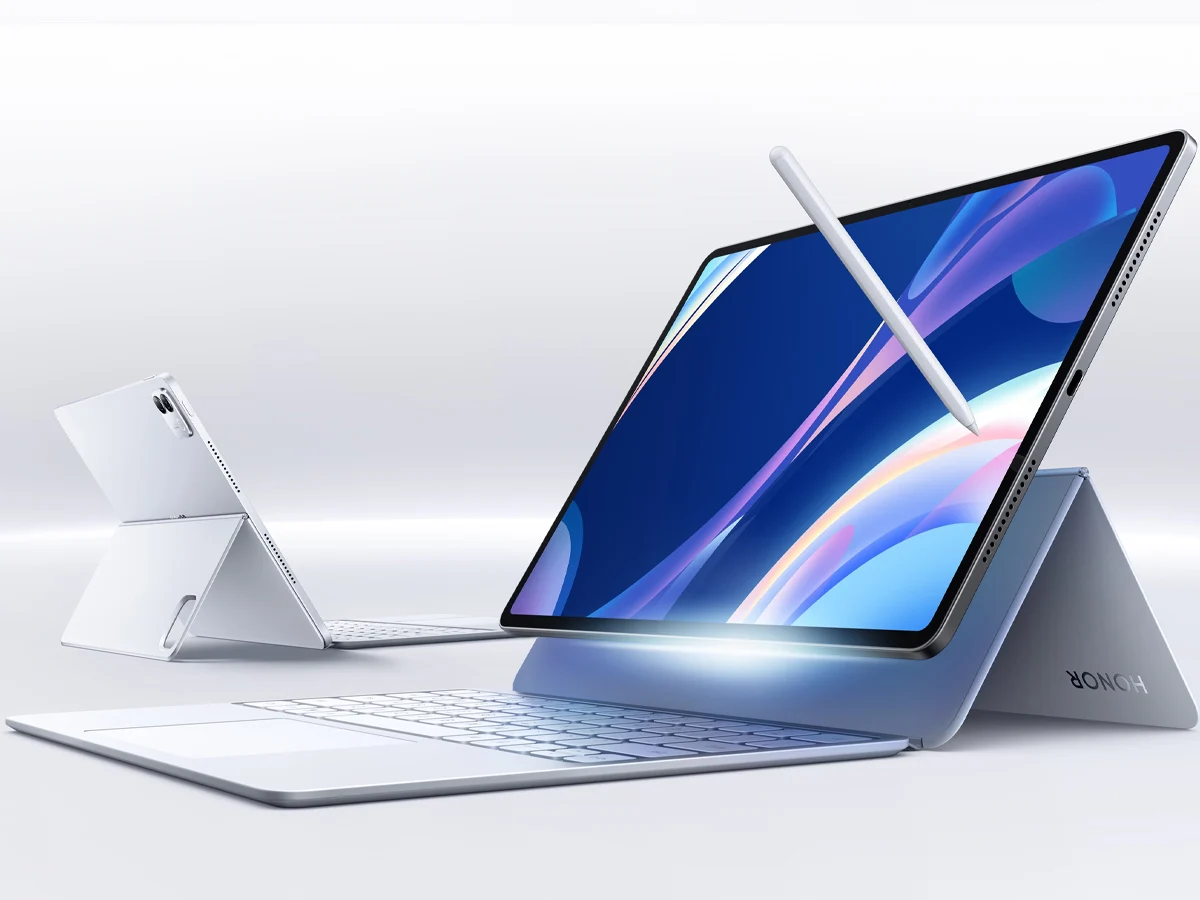
      1. The MagicPad 3 Pro 12.3 features a smaller 12.3-inch OLED display with a high 165Hz refresh rate, peak brightness of 3,000 nits, and advanced viewing technologies, offering improved display quality over the previous 13.3-inch model.
      2. It is powered by the Snapdragon 8 Gen 5 SoC, slightly lower than the Elite version, and has a reduced battery capacity of 10,100 mAh for a thinner, lighter design (450 grams, 4.8mm thick).
      3. The tablet supports PC-like productivity with dedicated PC mode, external display output, and a keyboard folio accessory, targeting both gaming and productivity users.
      4. Prices in China start at CNY 3,999 ($586) for the entry model, with higher configurations costing up to CNY 5,699 ($835); globally, an almost identical MagicPad 4 is available with slightly lower peak brightness.

      New Honor MagicPad 3 Pro: Compact Yet Powerful

      Honor is back with a fresh version of their MagicPad 3 Pro, now smaller and possibly more portable. The upgraded model now sports a 12.3-inch screen, a switch from the previous 13.3-inch display. But it’s not just about size, there’s a lot more to this new tablet. The specs vary across the board making it an interesting choice for users who likes a sleek design but also want good features.

      Performance and Battery Life

      The MagicPad 3 Pro 12.3 is equipped with the Snapdragon 8 Gen 5 chipset, a powerful flagship processor. Yet, it’s a step down from the Elite Gen 5 chipset found in the larger 13.3-inch version. The smaller size makes it lighter and easier to carry, but this comes with a trade-off, particularly with battery size. The smaller tablet features a 10,100 mAh battery, in comparison to the 12,450 mAh in the larger model. However, the design improvements include a thinner body at just 4.8mm and less weight — only 450 grams—making it quite portable overall.

      Display Technology and Gaming Features

      The main highlight remains the display upgrade. The MagicPad 3 Pro 12.3 has a vibrant 165Hz OLED panel, offering peak brightness up to 3,000 nits, making it quite bright especially outdoors. The bezels are kept minimal at 3.9mm for an immersive experience. The display incorporates cutting-edge technologies like 5,280Hz PWM dimming to reduce flickering, enhancing viewing comfort. Additionally, gaming features like super-resolution are integrated, which can help boost gaming visuals on the OLED screen, catering to gamers who demands sharp graphics.

      Multitasking and Global Launch

      For productivity lovers, the MagicPad 3 Pro 12.3 supports a dedicated PC mode, including external display output and a keyboard folio. This transforms the tablet into a lean, mean work machine, bridging the gap between tablet and laptop. In China, the starting price is set at CNY 3,999 (~$586) for the 8GB RAM and 256GB storage version. The top-tier configuration with 16GB RAM and 512GB storage costs CNY 5,699 (~$835). In the international market, the MagicPad 4 with similar specs is already available, although it bumps the peak brightness rating to 2,400 nits compared to this model’s 3,000 nits.


      Sources

    • Xiaomi Launches Compact Tablet with Cellular Connectivity Globally

      Xiaomi Launches Compact Tablet with Cellular Connectivity Globally

      Key Takeaway

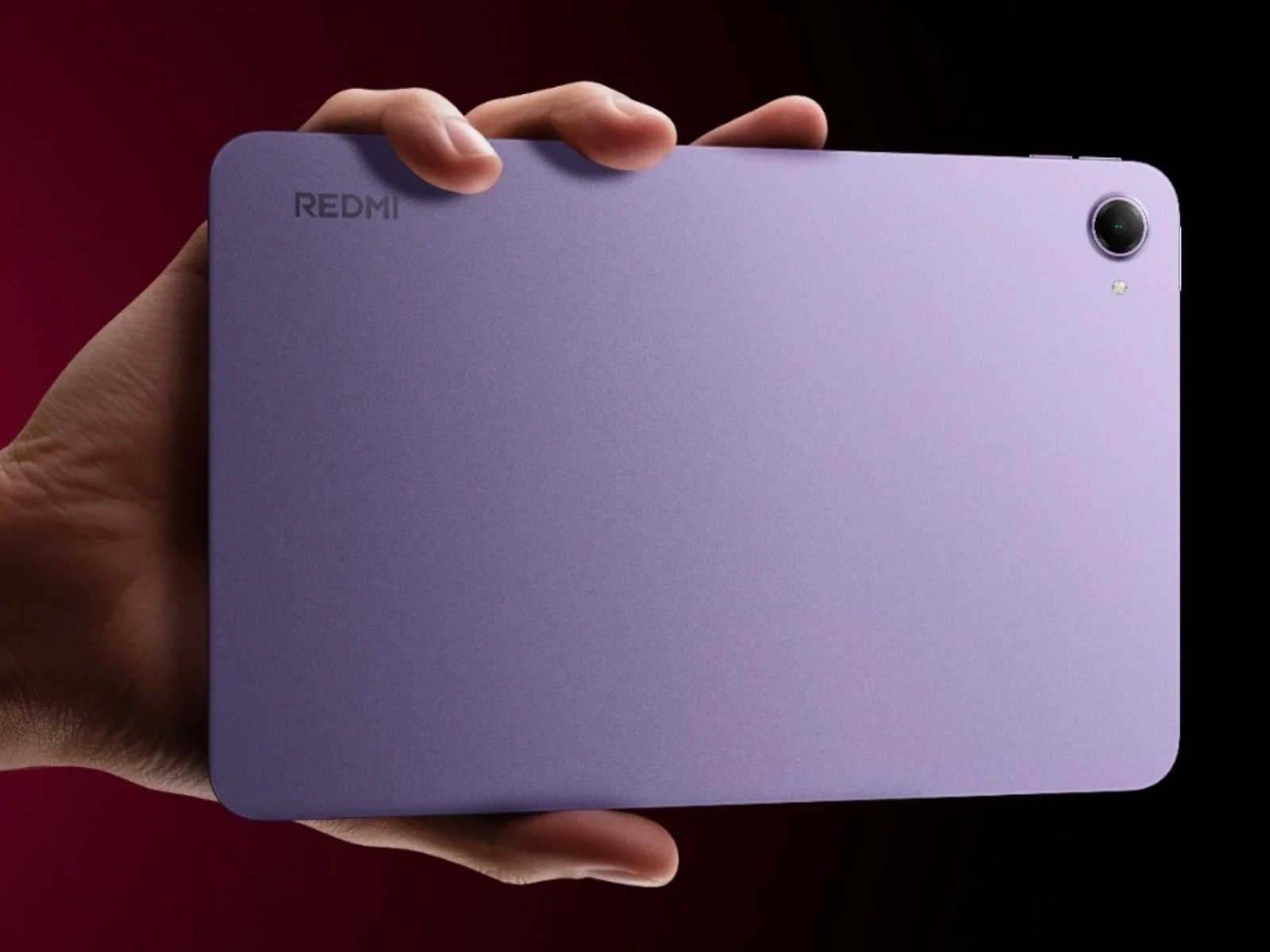
      1. Xiaomi launched the Redmi Pad 2 SE and Redmi K Pad in China, with both expected to have global releases later in the year.
      2. The Redmi Pad 2 SE will likely replace the Redmi Pad SE 8.7 globally and may be released around July or August.
      3. Different international model names include Poco C Pad, Redmi Pad 2 9.7, and Redmi Pad 9.7 4G, with specific release dates still unannounced.
      4. The cellular version of the Redmi Pad 2 SE has not yet been launched in China, despite being listed on the website.

      New Xiaomi Tablet Launches in China

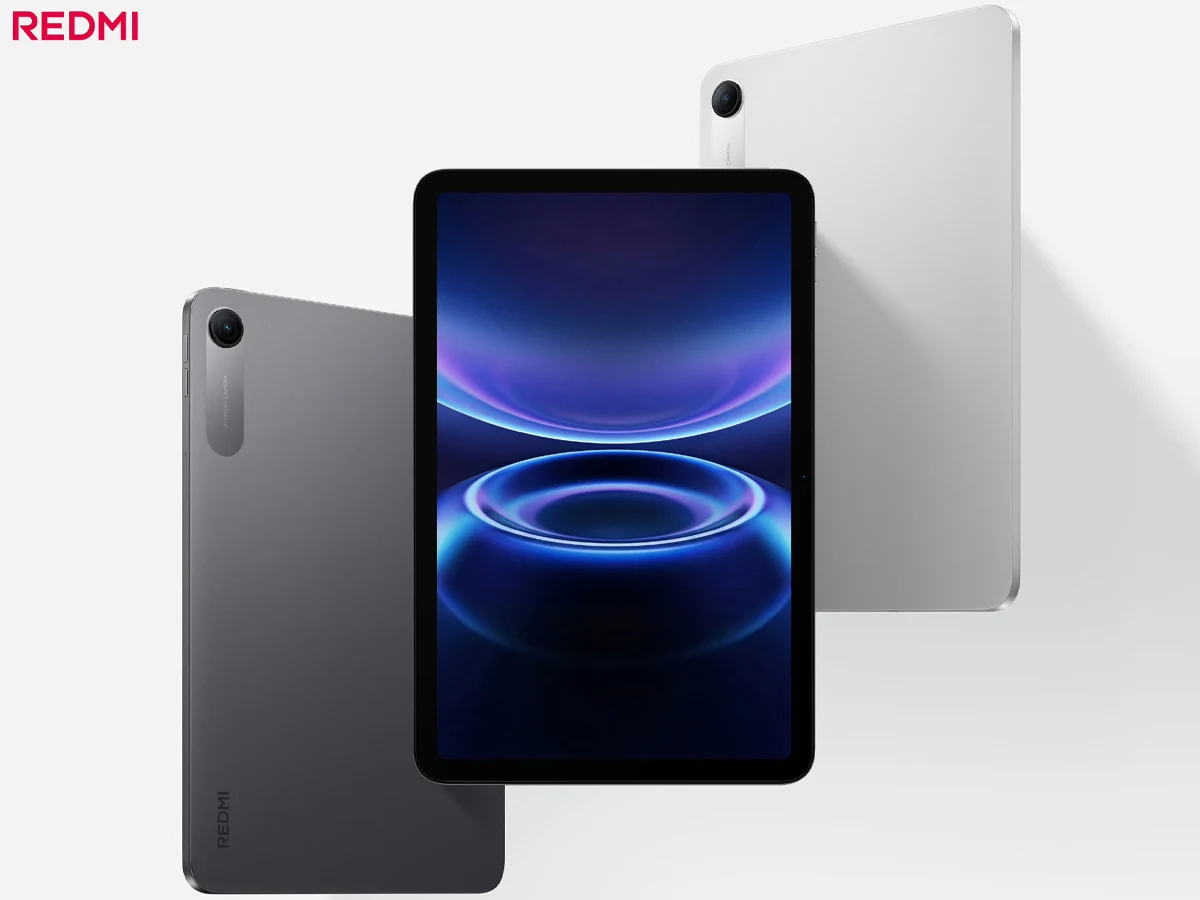
      Yesterday, Xiaomi introduced the Redmi Pad 2 SE alongside the more feature-packed Redmi K Pad 2. Both of these models, at this stage, are only available in China. Yet, based on previous trends, they are likely to have global releases later this year. The company often rebrands its products when they come to international markets, as seen with previous models like the Redmi K Pad being changed into the Pad Mini for other regions.

      Insights from Software Code

      Recent changes in HyperOS’s software code have brought some clues about Xiaomi’s plans to release these tablets globally. It’s been noted that the Wi-Fi version launched yesterday in China might be marketed elsewhere as the Poco C Pad and Redmi Pad 2 9.7. The model numbers linked to these devices are 2603APC14G and 2603ARP14G. Additionally, Xiaomi appears to be working on a cellular version, named the Redmi Pad 9.7 4G.

      Global Market Expectations

      The Redmi Pad 2 SE is expected to succeed the Redmi Pad SE 8.7, which is sold internationally in Wi-Fi and 4G models (currently priced around $189.99). Unfortunately, the specific model numbers do not give clear indications on when Xiaomi will roll out the Poco C Pad, Redmi Pad 2 9.7, or the Redmi Pad 9.7 4G globally. It’s likely they could arrive in the late summer, probably by July or August, similar to the unveiling schedule of past models like the Redmi Pad SE 8.7, which took some time before being introduced worldwide.

      Current Status and Future Release

      Despite the Chinese website listing the cellular version of the Redmi Pad 2 SE, Xiaomi has yet to put it up for sale in China. This hints that the company might be planning to release it later, possibly alongside or after the tablet’s global rollout. As for now, we keep an eye on official announcements and software signals for more updates on release dates and pricing.


    • Redmi Pad 2 Pro Learning Edition with AI Teacher and Homework Grader

      Redmi Pad 2 Pro Learning Edition with AI Teacher and Homework Grader

      Key Takeaway

      1. The Redmi Pad 2 Pro Learning Edition features a 12.1-inch 120Hz 2.5K display, powered by Snapdragon 7s Gen 4, with 8GB RAM and 128GB storage.
      2. It includes a rugged case, stylus, AI teacher, AI homework grading, and access to Xiaomi Education Center resources.
      3. The device is priced at approximately $396/€337, with no confirmed global release yet.

      Introduction of the Redmi Pad 2 Pro Learning Edition

      Released in early September 2025, the Redmi Pad 2 Pro has been bringing some notable improvements from the previous models. And then in January 2026, they announced a special Harry Potter Edition which is only sold in China. Reuters reports that just shortly after, Xiaomi unveiled another version of this tablet, targeted mainly for kids and also exclusively available in China.

      Technical Specs and Key Features

      Deep dive into the specs shows that the new Learning Edition maintains the core features of the normal version, which can be found on Amazon.de for €214.99. The device sports a large 12.1-inch display with a 120Hz refresh rate and a 2.5K resolution, offering an visual experience that’s clear and smooth. A matte glass layer is added over the screen which cuts down reflections and helps to lessen the eye strain during long usage.

      Design and Accessories

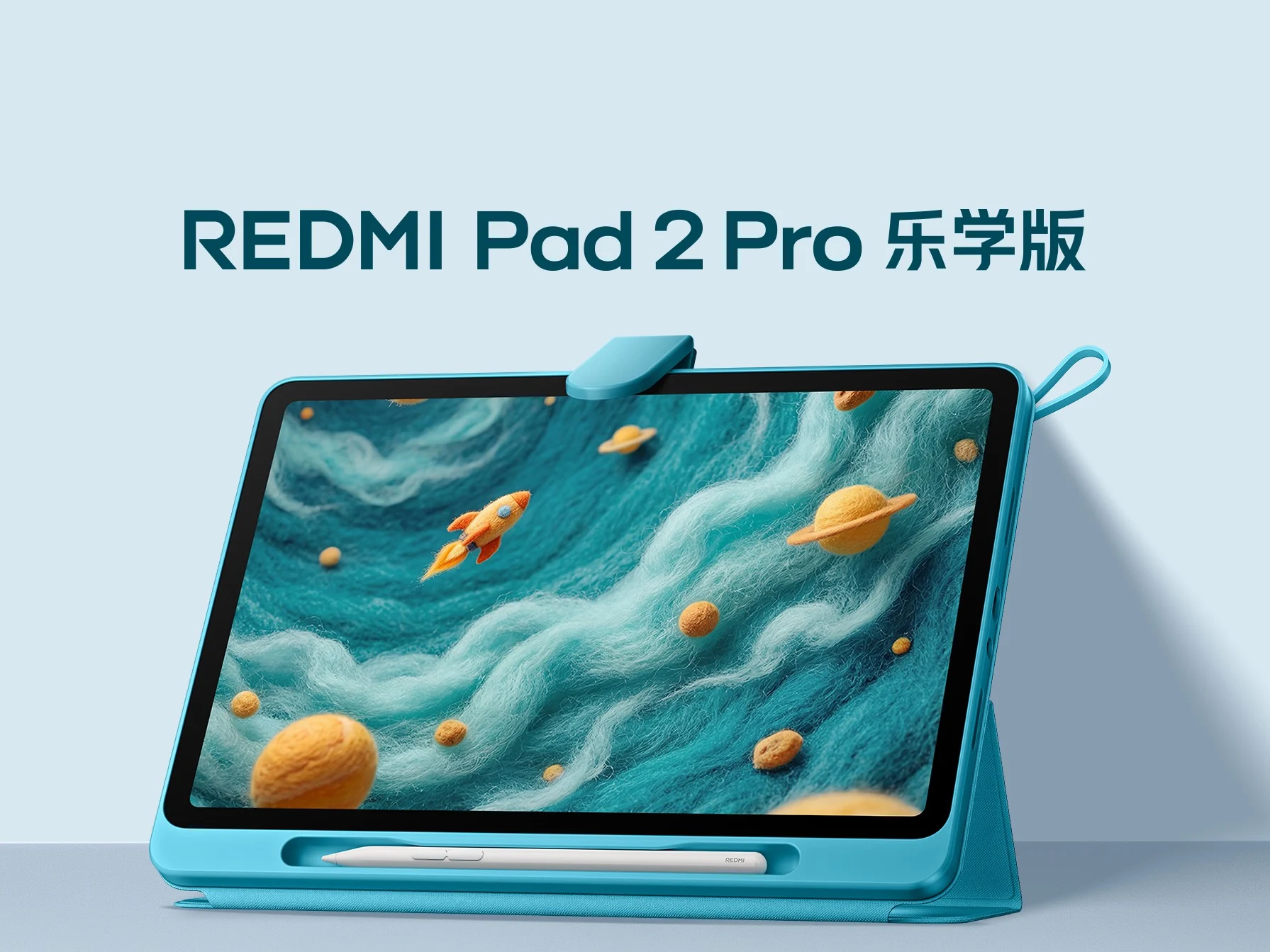
      This version comes with a rugged, colorful case designed for durability and fun, perfect for young users. This protective case includes a latch, a dedicated slot for the stylus, and its cover can fold into a kickstand, making kids’ usage easier and more versatile. Xiaomi adds more value with a smart stylus that works seamlessly with the device, especially suitable for educational activities.

      Performance and Battery Life

      The powerhouse under the hood is a Snapdragon 7s Gen 4 processor, paired with 8GB RAM and 128GB of storage inside. Powering all these features is a sizable 12,000mAh battery that supports 33W fast wired charging and 27W reverse charging—meaning the tablet can charge other gadgets too, quite handy for busy kids.

      Educational AI Features and Subscription

      One of the most interesting parts is the integrated AI education tools. The tablet includes an AI teacher module that mimics the interactive experience of classroom teaching, with real-time Q&A sessions. It also has an AI-powered homework grading feature, which can evaluate assignments instantly and give detailed feedback. Besides these, Xiaomi provides a three-year subscription to its dedicated Xiaomi Education Center, loaded with textbooks, lessons, and study plans to aid kids in learning effectively.

      Pricing and Market Availability

      The price of this kids-focused tablet is set at CNY 2699 (~$396/€337), which is notably more expensive compared to the basic version that costs about CNY 1799 (~$264/€225). As of now, there has been no statement from Xiaomi regarding its release outside China, but given the previous success of a similar kids version in Europe, it might not be long before we see this model available globally.

      Sources
    • Xiaomi Launches Affordable Compact Tablet with Large Battery

      Xiaomi Launches Affordable Compact Tablet with Large Battery

      Key Takeaway

      1. The Redmi Pad SE 2 features a 9.7-inch display with a 120Hz refresh rate, a peak brightness of 600 nits, and a resolution of 2048×1280 pixels.
      2. It is powered by the Snapdragon 6s Gen 2 4G SoC, paired with 6GB RAM and 128GB storage, with expandable storage up to 2TB via microSD.
      3. The tablet sports an all-metal design, a large 7,600mAh battery for up to 15 hours of video playback, and a dual speaker setup.
      4. Launch price is CNY 1,099 (~$161), with a potential global release expected.

      Introduction to Redmi Pad SE 2

      Recently Xiaomi announced their new budget friendly tablet which is called Redmi Pad SE 2 in China. It is a newer, more compact version of the first-gen model that was launched in 2023. The older one featured a bigger 11-inch screen, but now with the new model, things got smaller for better portability. The Redmi Pad SE 2 sports a 9.7-inch display, and although it has a smaller size, Xiaomi made sure it still looks impressive with a 120Hz refresh rate for smooth scrolling and gaming experiences.

      Display and Performance

      This display utilizes a panel that can reach up to 600 nits brightness, giving users a bright, clear viewing experience. The resolution is 2048×1280 pixels, coupled with an aspect ratio of 16:10 that’s ideal for watching videos and browsing lights. Under its sleek body, the tablet is powered by a Snapdragon 6s Gen 2 4G chip, which is a 6nm process that was launched around late 2025, marking a significant upgrade over the previous processor. The combination makes it perfect for everyday multitasking without worrying about lag.

      Storage, RAM, and Build Quality

      The Redmi Pad SE 2 comes with 6GB of LPDDR4X RAM and 128GB of UFS 2.2 storage options. There is also a dedicated slot for a microSD card, capable of supporting up to a 2TB card, so you can add extra space if needed. The device’s exterior is built with an all-metal unibody, giving it a stylish and premium feel that’s often reserved for high-end flagships. Xiaomi emphasizes its seamless design style, which makes it enjoyable to hold and looks elegant too.

      Battery Life and Additional Features

      Don’t let its small stature fool you as the device is packed with a big 7,600mAh battery. This large battery is supposed to last up to 15 hours of video playback on a single charge, making it ideal for long trips or binge-watching marathons. The tablet also includes a dual speaker setup for stereo sound, multiple eye protection features to reduce strain during long hours of use, and a solitary rear camera for basic photography needs. The Redmi Pad SE 2 has been priced at CNY 1,099, which equals about $161, though the brand has not confirmed its rollout outside China yet.


      Sources

    • Upcoming Xiaomi Premium Tablet Leak Reveals Features Before Launch

      Upcoming Xiaomi Premium Tablet Leak Reveals Features Before Launch

      Key Takeaway

      1. Redmi K Pad 2 features an 8.8-inch 3K LCD display with a 165Hz refresh rate and a 16:10 aspect ratio.
      2. Powered by MediaTek Dimensity 9500 chipset with a 9,100mAh battery and 67W fast charging.
      3. Equipped with advanced cooling, dual X-axis haptic motors, Bose-tuned dual speakers, and a side-mounted fingerprint scanner.

      Upcoming Xiaomi Redmi K Pad 2 Launch

      The Redmi K Pad 2 is about to hit the market on April 21 in China, bringing a elegant mix of performance and style in a compact device. The company has already thrown out some sneak peeks about this high-end tablet, and a well-known tipster has dropped even more details. It looks like this device is set to attract fans who are looking for a sleek design with powerful specs. The anticipation for its launch is definitely heating up among tech lovers, eager to see what Xiaomi will provide in this release.

      Design and Display Details

      The leak on Weibo, from a trusted source known as Digital Chat Station, reveals that the Redmi K Pad 2 has a solid 8.8-inch LCD screen. The display is set to boast an impressive 3K resolution with a 165Hz refresh rate, ensuring smooth visuals whether gaming or watching movies. Its aspect ratio of 16:10 makes it perfect for multimedia. Comparing that to the Oppo Pad Mini, which also sports an 8.8-inch screen but with a 3:2 ratio, shows Xiaomi’s focus on a balanced viewing experience.

      Performance and Additional Features

      This tablet packs a punch with a MediaTek Dimensity 9500 chipset, promising powerful processing power. Battery life is expected to be substantial with a 9,100mAh capacity, suitable for long daily use. It will support 67W fast charging, so topping it up will be quick and easy. Cooling, a crucial factor for sustained performance, is managed by an advanced vapor chamber system measuring 15,300mm². For an added immersive experience, the device will include dual X-axis haptic motors and a Bose-tuned dual speaker setup, which should deliver clear, rich sound.

      Design Options and Launch Details

      The Redmi K Pad 2 will come in three eye-catching colors: Electric Purple, Space Silver, and Deep Black. This variety gives users the option to choose a look that fits their personality. Alongside this, Xiaomi is also launching the Redmi Pad 2 SE, a more budget-friendly alternative for those who want the brand’s quality without the higher price tag. The device is set to debut soon, creating quite a buzz among enthusiasts eager to get their hands on this sleek new gadget.


      Sources

    • 4K Screen Laptop with Keyboard for Windows and iOS – Discount Launch

      4K Screen Laptop with Keyboard for Windows and iOS – Discount Launch

      Key Takeaway

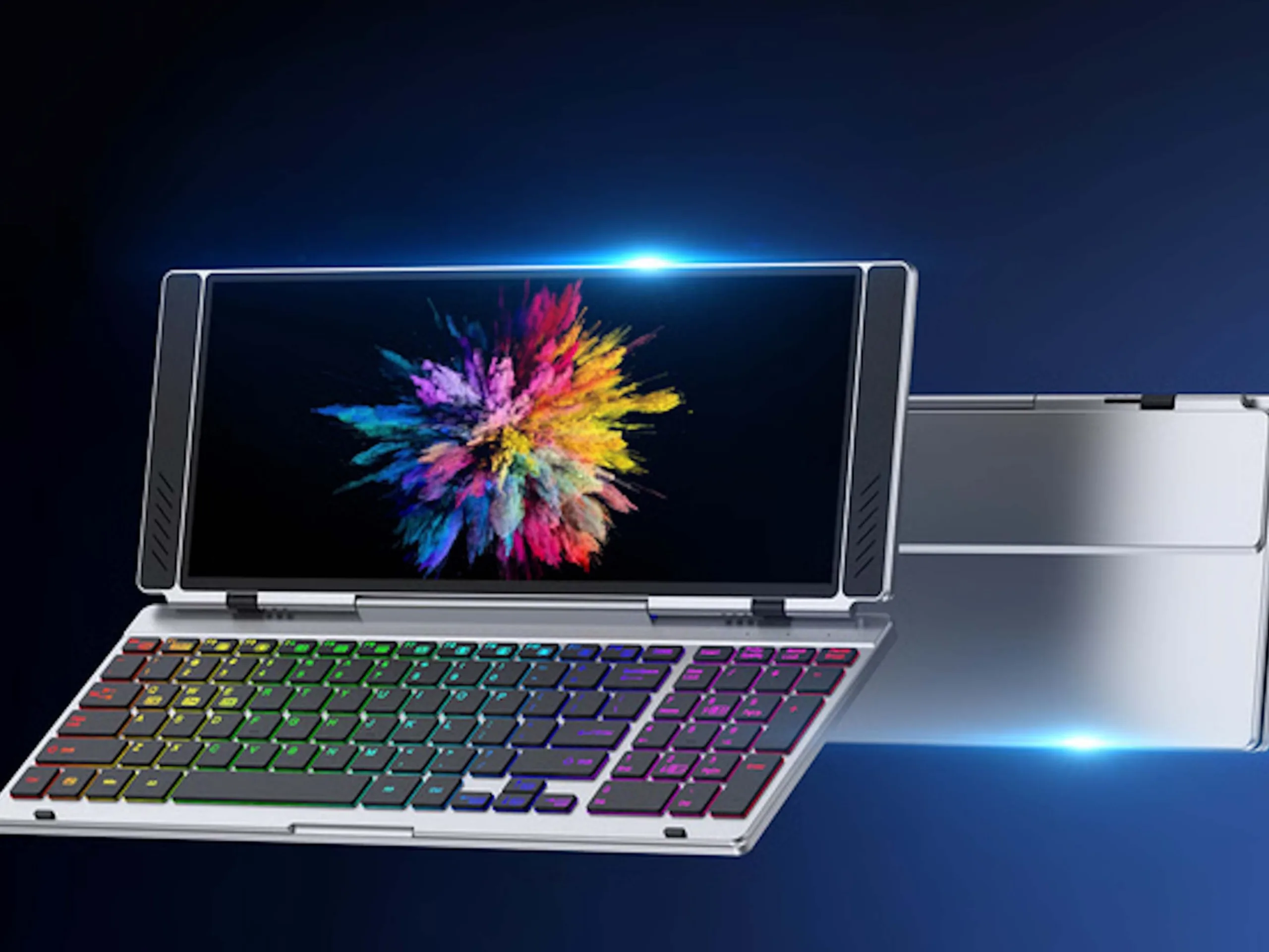
      1. The device is a compact, display+keyboard system relying on external sources via USB-C, compatible with various devices including Windows, smartphones, and iOS.
      2. It features a 13-inch, high-resolution (3840×1600) touchscreen with a 2.4:1 aspect ratio and full sRGB color coverage.
      3. The system weighs 2.6 lbs, includes speakers, and offers a customizable keyboard layout for an additional cost.
      4. The crowdfunding campaign involves a financial risk, with units priced around $280 and an estimated delivery in September 2026.

      Innovative Collab Between Displays and Keyboards

      VitaLink, a now decently known developer, is running a crowdfunding campaign to support a kinda unique setup that combines a display and keyboard. Looks like a tiny laptop, but its main thing is to be a portable screen with a keyboard attached. The device is designed to be very compact, perfect for folks who need mobility and simplicity in their tech gear.

      Design and Compatibility Details

      This gadget doesn’t have its own processor, so it needs to be connected to something else to work. It works with many kind of devices, such as Windows PCs, smartphones, and iOS gadgets. Connection is through a USB Type-C port, but the device you are connecting to must have video output options supported. For mobile phones, this might be a problem sometimes, because not all phones support video output via USB-C.

      Display Characteristics

      • Screen size: 13 inches diagonally
      • Resolution: 3840 x 1600 pixels
      • Aspect Ratio: Unusual 2.4:1
      • Refresh Rate: 60Hz
      • Color Coverage: Full sRGB

      Additional Features

      The screen is touchscreen and can recognize up to 10 touches at a time, so gesture controls could be used. Its keyboard uses scissor switches for a comfortable typing feel. If you willing to pay an extra $20, you can choose a different keyboard layout. Without paying more, you will get the usual QWERTY US setup. Weighing just 2.6 pounds, it comes with built-in speakers, making it pretty portable and handy for on-the-go use.

      Funding and Delivery Info

      The project is on Kickstarter, but its kinda risky since it’s a crowdfunding effort. One unit costs around $280, which is a reasonable price for the novelty. If everything goes according to plan, the device might ship by September 2026. Shipping fees may add to the cost, but for folks in Europe, regular import duties probably aren’t a concern.

      Sources