Category: Software

  • Galaxy S25 Series: Noise Removal & Voice Enhancement in Videos

    Galaxy S25 Series: Noise Removal & Voice Enhancement in Videos

    Samsung has revealed the One UI 7 Beta on December 5, initially rolling out to Galaxy S24 series devices in countries like Germany, India, South Korea, Poland, the United Kingdom, and the United States. The stable version, based on Android 15, is expected to launch with the Galaxy S25 series in January 2025.

    New Features on the Horizon

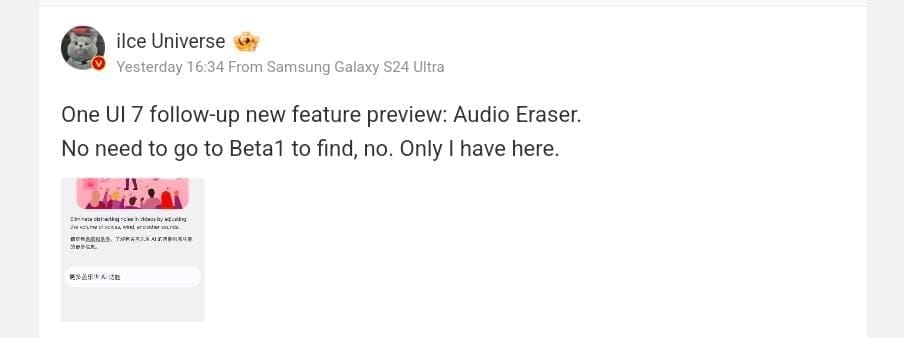
    According to tipster ICE Universe, the next iteration of One UI 7 will introduce a feature called “audio eraser,” which is absent in the current Beta 1 version. This audio eraser will allow users to fine-tune the volume of particular sounds in videos, enabling them to diminish or eliminate background noises such as wind, traffic, and other distractions while keeping voices crystal clear. This enhancement aims to enrich the user experience without requiring any third-party tools.

    Exciting Updates in One UI 7 Beta

    The One UI 7 Beta brings forth numerous thrilling improvements, especially emphasizing AI features to boost productivity and device performance.

    Notable Features and Enhancements

    Advanced Writing Assistance: One UI 7 incorporates sophisticated writing aids within its AI functionalities. These tools assist users in summarizing texts, verifying spelling and grammar, and automatically transforming notes into bullet points. This integration facilitates smooth multitasking, allowing users to highlight text without the hassle of switching apps.

    Automatic Call Transcription: A significant improvement in One UI 7’s calling functionality is the automatic transcription of call recordings once enabled. This innovation eliminates the requirement for manual note-taking during conversations, making it perfect for individuals who must document essential information while on the move.

    NowBar: The newly redesigned notification feature, known as Now Bar, streamlines communication and eases access to vital notifications from the lock screen. This development minimizes the need to unlock the device frequently, allowing users to manage crucial information more effectively. The Now Bar is set to be supported on upcoming Galaxy S series devices and will continue to evolve for a smarter experience in future updates.

    Revamped Camera Experience: One UI 7 also revamps the camera interface, providing users with more intuitive access to advanced settings. The redesigned camera buttons, modes, and controls ensure smoother navigation and a clearer view of photos and videos prior to capturing them.

    Source: Link


    Image 1
  • Xiaomi Plans to Bring HyperOS to Apple Devices

    Xiaomi Plans to Bring HyperOS to Apple Devices

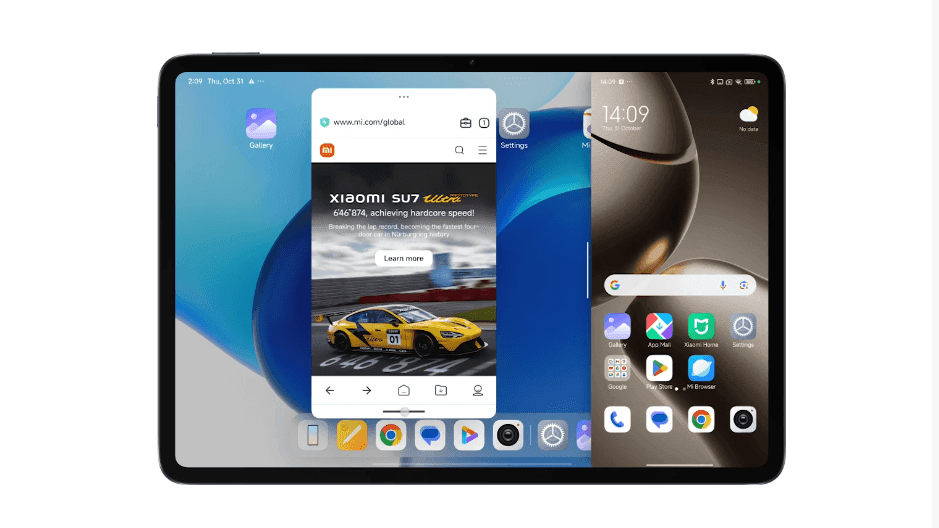
    The current update to HyperOS is being promoted as a superior method for Xiaomi smartphones to sync and share files with their own tablets, speakers, and various smart devices. Recently, the company is said to be exploring ways to integrate Apple products into this ecosystem as well.

    Potential Changes Ahead

    A recent leak from the well-known source Digital Chat Station might have seemed unlikely just a while ago. However, with Apple facing increasing pressure from global regulators to reduce its restrictive ecosystem, Xiaomi’s plans may actually gain some relevance as we near the end of 2024.

    New Software Developments

    In addition, Xiaomi has introduced its new open-source Vela software suite, which aims to enhance compatibility across IoT devices. This could potentially allow devices like the Apple Watch, AirPods, and HomePods to function similarly to Xiaomi’s own wearables, Buds, and Sound Pro speakers.

    The latest HyperOS update is also compatible with Link to Windows, enabling Xiaomi smartphone users to make calls, search through files on their devices, and even display their screen content on their PC monitors.

    Product Availability

    The Redmi Buds 6 Active are now available for purchase on Amazon, offering users a new audio experience.

  • Linux 6.12 Officially Named as New LTS Kernel Release

    Linux 6.12 Officially Named as New LTS Kernel Release

    Linux kernel version 6.12, which was launched in November 2024, has been designated as the upcoming long-term support (LTS) kernel. This implies that it will benefit from a minimum of two years’ worth of maintenance updates, security corrections, and overall improvements. The core Linux kernel maintenance team will carry out this work, which means that it won’t rely on the specific distribution that users have on their systems. This also suggests a high likelihood that 6.12 will be the final kernel release for 2024, following previous trends.

    Exciting New Features

    The cutting-edge kernel brings a multitude of new functionalities, alongside the latest security patches and stability enhancements. One of the most significant additions is the real-time execution feature, which has been in development for around two decades. This feature aims to greatly enhance real-time operations in fields like industrial applications by prioritizing certain tasks to occur within a specific timeframe, typically just a few milliseconds. While regular users might notice only a slight increase in speed, the main advantage of this update is its reliability. Real-time execution allows for nearly instant error reporting and quick execution of prerequisite tasks and processes. In essence, it enforces a strict timetable and resource allocation for each command, leading to greater reliability and often quicker operations.

    More Improvements Ahead

    This kernel version also incorporates substantial enhancements to file systems and extends support to a broader range of hardware than ever before. Additionally, it introduces error screens that feature QR codes, which can assist users and support personnel in simplifying the troubleshooting process, provided they have a smartphone at the time of the error. With all these new features, fixes, compatibility updates, and security patches on the way, Linux users should feel confident about upgrading to 6.12. The update process varies depending on the distribution, but it’s generally manageable using the command line and the preferred package manager. For instance, Ubuntu users might execute "sudo apt update" to refresh the databases, followed by "sudo apt upgrade" to upgrade all available packages, including the kernel.

  • US TikTok Ban Appeal Denied: What It Means for Users

    US TikTok Ban Appeal Denied: What It Means for Users

    TikTok’s parent firm ByteDance has faced a setback in its latest legal battle in US courts concerning a possible ban on the app. A federal appeals court has declined to intervene in a bill that could put ByteDance in a difficult situation; if the law proceeds as intended, the company will be forced to either divest TikTok or see the app banned in the US. ByteDance still has the chance to escalate the matter to the US Supreme Court with another appeal.

    Background of the Legislation

    The legislation was initiated in April 2024 when President Joe Biden approved the Protecting Americans from Foreign Adversary Controlled Applications Act. This law has named the People’s Republic of China as one of America’s “foreign adversaries” and prohibits the use of applications operated by the country within the US. The law is set to take effect on January 19, 2025, which gives ByteDance and any other impacted companies until that date to ensure their apps comply, or risk facing a ban. Compliance would require selling the apps to firms based outside of China.

    Legal Arguments and Court Decisions

    The appeal was filed on the basis of alleged violations of the United States Constitution, particularly under the First Amendment regarding free speech. TikTok is operated by ByteDance through a series of fully owned subsidiaries based in California. The argument hinges on the idea that since the business operates in the US, it should enjoy Constitutional protections, which would extend to the TikTok platform. However, the court argues that TikTok has strong connections to China via ByteDance and that if the People’s Republic of China issued orders, TikTok could easily alter its services in the US for purposes like propaganda or censorship. Interestingly, President-Elect Donald Trump has publicly opposed the ban, and he might try to reverse it once he assumes office.

  • California Requires Fingerprint ID for Uber Drivers Picking Up Teens

    California Requires Fingerprint ID for Uber Drivers Picking Up Teens

    Techcrunch has informed us that the California Public Utilities Commission (CPUC) has set a deadline of 30 days for Uber to follow a new law. This law requires the company to obtain fingerprint identification from drivers if it wants to keep offering rides to unaccompanied teenagers.

    Cost Implications for Uber

    Uber will have to take on the expenses related to this new requirement. Recently, the company introduced a service named Uber for Teens, which allows children aged 13 to 17 to book rides through their parents’ accounts. In the past, both Uber and Lyft successfully prevented a law that would have made it necessary for drivers to submit their fingerprints for identification in California.

    Uber’s Stance on Fingerprint Checks

    Uber has previously stated that requiring fingerprint checks might discourage potential drivers from joining the platform, arguing that its own background checks are sufficient. The company also claims that if it has to cover the costs for these fingerprint checks, it could lead to higher fares for passengers.

    Safety Measures for Transportation of Minors

    Moreover, the CPUC requires any service that transports minors to provide information on how they will ensure safety features are implemented. For its background screening, Uber relies on a third-party service called Checkr, which specializes in background checks.

  • Alpine Linux 3.21.0 Adds LoongArch64 Support and Package Updates

    Alpine Linux 3.21.0 Adds LoongArch64 Support and Package Updates

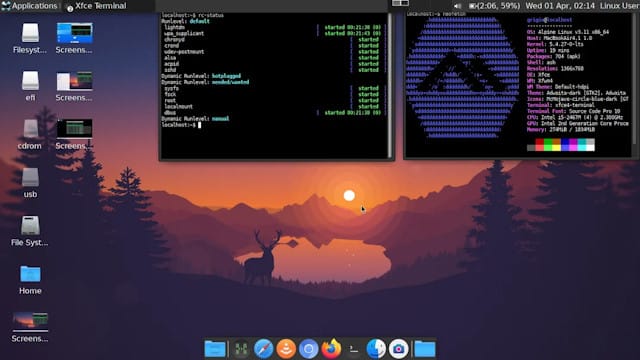
    One of the rare Linux distributions that doesn’t utilize the GNU Core Utilities, Alpine Linux has been in existence for nearly twenty years. This lightweight distribution is primarily designed for Docker containers, but it can also be adjusted for use on desktops. With a minimal disk footprint of less than 150 MB, and just 8 MB needed for a container, it’s a perfect pick for routers, firewalls, servers, VPNs, and similar applications. After almost two decades, Alpine Linux is now adding support for the LoongArch64 architecture with the initial release in the 3.21 stable series, identified as version 3.21.0.

    New Features

    Along with its support for the newly mentioned hardware architecture, Alpine Linux 3.21.0 brings several key highlights.

    For a complete list of changes, users can visit the Alpine Linux wiki. Those who prefer a more technical dive can also look at the git log and the bug tracker. The downloads section provides an extensive array of options, including builds like Standard, Extended, Netboot, Raspberry Pi, Generic ARM, and more.

  • Google December Feature Drop for Pixel 9 Pro and More

    Google December Feature Drop for Pixel 9 Pro and More

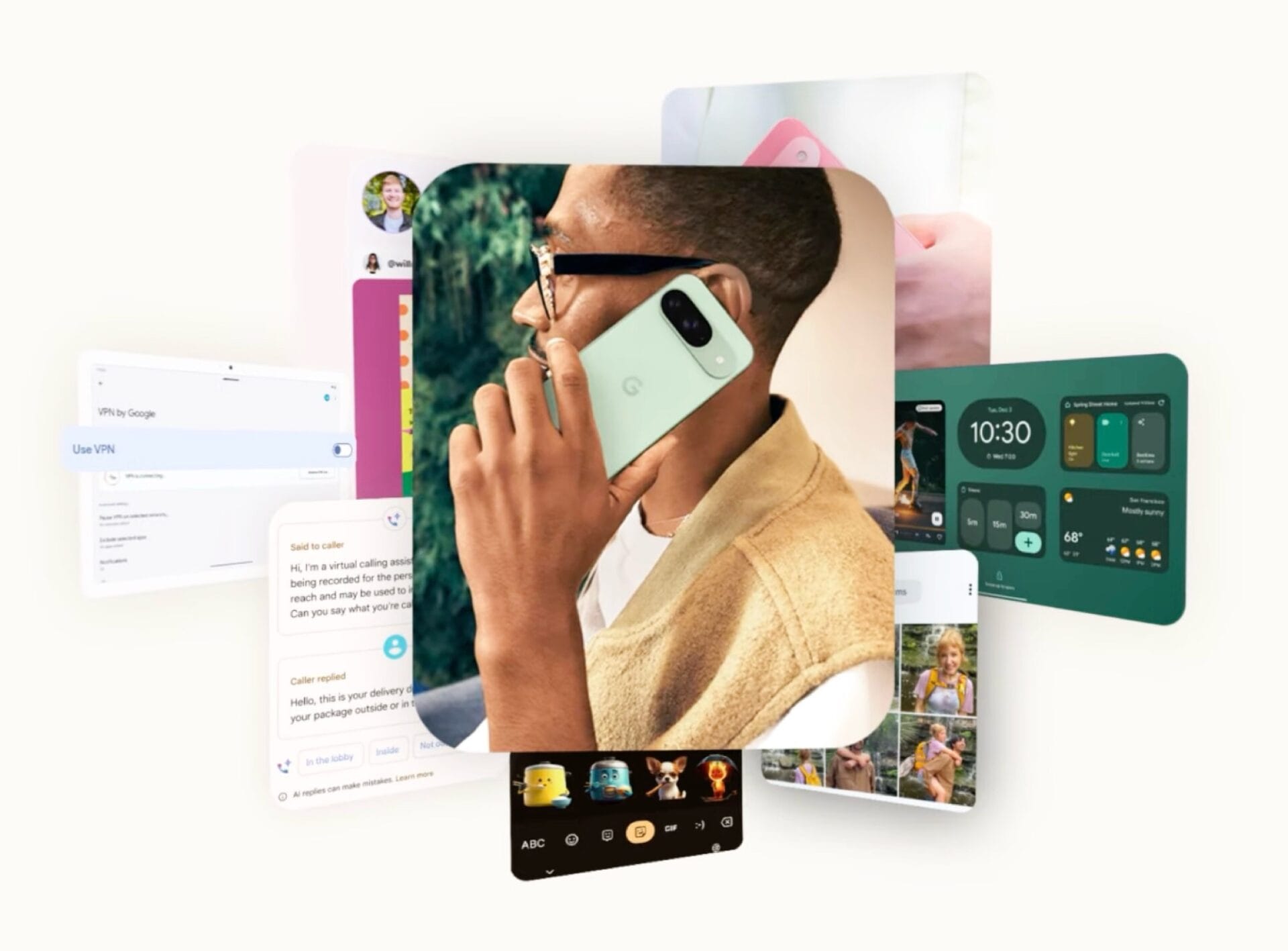
    Google is rolling out a life-saving feature called Loss of Pulse Detection for the Pixel Watch 3 as part of its December 2024 feature drop, and there are also new functions for Pixel smartphones. One of the standout updates is the ability to share Ultra HDR photos directly on Instagram.

    Enhanced Functionality in Apps

    In addition, Google has made image selection easier in Snapchat, which now lets users access albums, folders, and favorite images. The new dual mode on the Pixel Fold and Pixel 9 Pro Fold displays the camera preview on both screens, making it simpler to take selfies using the main camera.

    Exciting Updates for Pixel Fold Users

    The first-generation Pixel Fold will receive the "Made You Look" feature with this update. This function shows animations on the secondary display, encouraging children to look towards the camera. Furthermore, Google has revamped the Emoji Kitchen in Gboard, enabling users to combine two emojis into a new one more easily.

    Improvements in Audio and User Experience

    The recorder app has been enhanced to block out background noise more effectively when the "Clear voice" option is turned on. Also, the home screen now features a "Simple View," which provides a larger font and better touchscreen sensitivity for an easier user experience.

    After the update, Pixel tablet owners can swipe right on the lock screen to bring up a widget view, allowing control of smart home devices without needing to unlock the tablet. Lastly, the update introduces a beta feature named "Identity Check." If activated, this feature requires fingerprint or facial recognition to change sensitive settings, making it harder for thieves to disable features like "Find My Device," among others.


    Image 1
    Image 1
    Image 1
    Image 1
    Image 1
  • Google Pixel 6, 7, and Fold to Receive 5 Major Android Updates

    Google Pixel 6, 7, and Fold to Receive 5 Major Android Updates

    The Google Pixel 8, Pixel 9, and all their variants will come with Android and security updates for a duration of seven years. In contrast, the Pixel 6 and Pixel 7 series, along with the first-generation Pixel Fold, were initially planned to receive just three Android updates and five years of security patches. This means that the Pixel 6 and Pixel 6 Pro would stop getting feature updates when Android 16 launches next summer.

    Update Support Changes

    Recently, Google has revised its support page concerning update plans for Pixel devices. It now indicates that the previously mentioned Pixel smartphones will actually receive five operating system updates. This means the Pixel 6, Pixel 6 Pro, and Pixel 6a will keep getting updates through Android 17, while the Pixel 7, Pixel 7 Pro, Pixel 7a, and Pixel Fold will be updated until Android 18 in 2027. However, the Google Pixel Tablet is not included in this update change, so it will only get updates until Android 16 as was initially scheduled.

    Benefits for Users

    With this new update policy, Google is providing users of older Pixel models more time to transition to a newer device without losing out on new Android features. It was already hinted that support would be prolonged when Google launched the beta version of Android 16 for the Pixel 6 and Pixel 6 Pro, even though these two models weren’t expected to receive the final OS version. Even though Android 16 is still six months away from its official release, Pixel users can look forward to fresh features thanks to the upcoming December Feature Drop.


    Image 1
  • Discover Banan-OS: New C++ Operating System from Scratch

    Discover Banan-OS: New C++ Operating System from Scratch

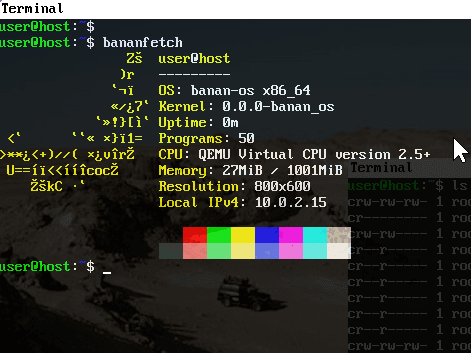
    Developer Banaymous has launched a new operating system, built entirely from the ground up, that comes with a number of features typical of today’s operating systems. Known as Banan-OS, this project represents two years of hard work from the developer. The OS is primarily coded in C++, with some use of 16-bit real mode assembly for the BIOS bootloader. Notably, it also employs Banaymous’s own custom C++ library. At the moment, the OS is compatible with x86_64 and i686 architectures. Users don’t need to install it on their machines, as the developer has made a live version available for anyone to try out and explore its capabilities.

    Features and Design

    While still developing, Banon-OS comes with a variety of basic functionalities that highlight its progress as a fully operational system. One of the standout elements is its graphical user interface (GUI), which includes a terminal and a simple status bar. Although it currently lacks applications and a program launcher, these are slated to be added in the near future.

    Supported Technologies

    Banon-OS offers support for a diverse range of drivers, networking capabilities, filesystems, and bootloaders, which may inspire collaboration among developers. Here are some key points from each of these categories that make the OS appealing:

    If you’re eager to dive deeper into the code structure of Banan-OS or wish to contribute, you can visit the project’s GitHub page. Banaymous provides comprehensive information about the project there, along with clear guidelines on how to get involved.

  • KV4P HT Ham Radio App Adds Exciting New Features for Android

    KV4P HT Ham Radio App Adds Exciting New Features for Android

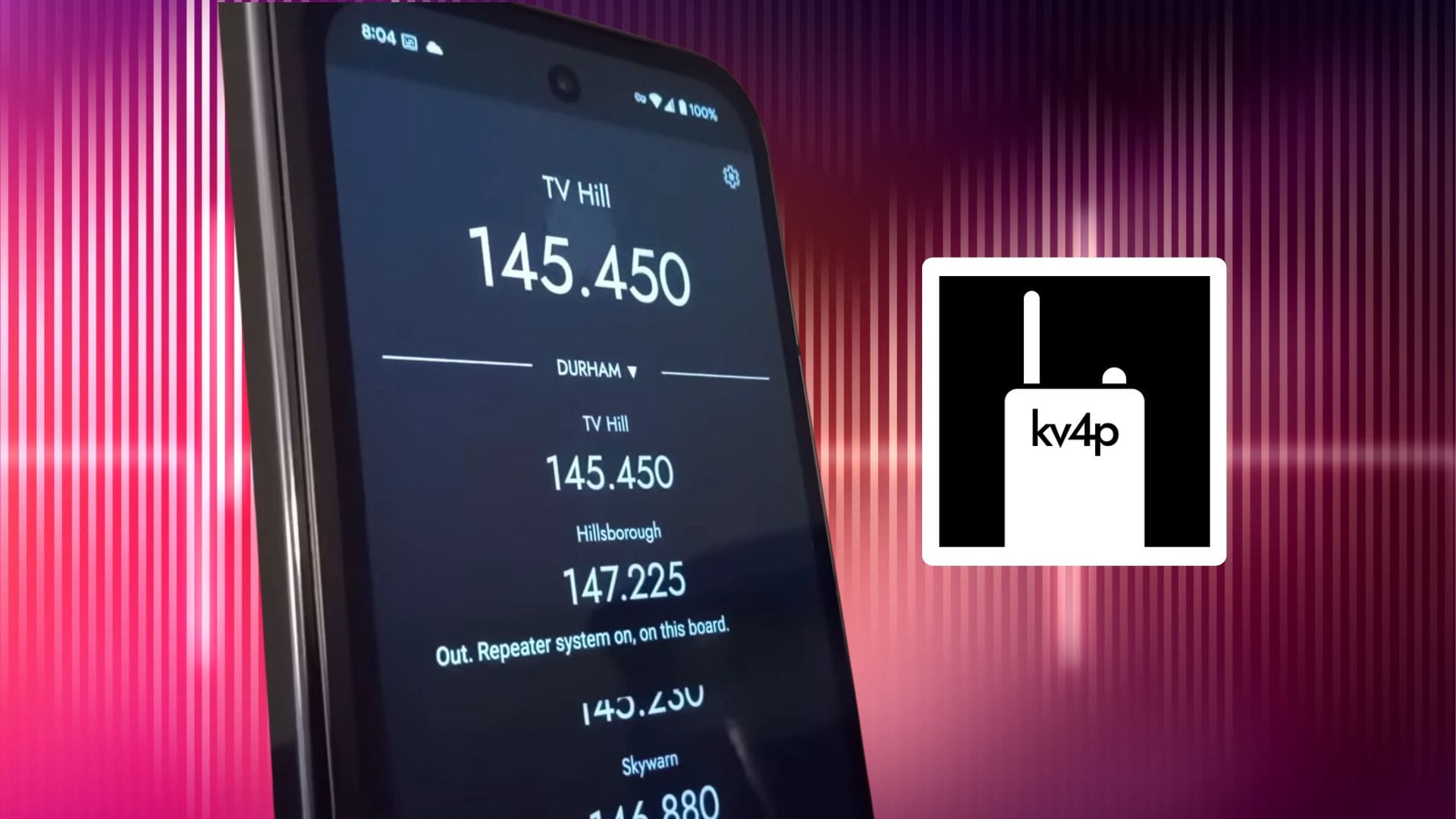
    For those unfamiliar with the kv4p HT project, this open-source initiative offers a clear and straightforward set of guidelines that allows you to turn $35 worth of parts into a fully functional Android-based ham radio transceiver. This plug-and-play radio also comes with a supportive Android application that lets you access essential features of the project, like:

    New Features in the kv4p HT App

    Now upgraded to version 1.2.3, the kv4p HT app has introduced several enhancements for user convenience. Along with various bug fixes, users can now utilize the Android application to flash or update the firmware on their kv4p HT setup, eliminating the need for a computer. Furthermore, the app allows for adjustments to tuning and frequencies, including:

    Updates to the Quickstart Guide

    The quickstart guide on the kv4p HT website has been refreshed for those embarking on their first radio-building experience. There’s a revised list of hardware options along with a new 3D printable case that accommodates a newer connector type required for the ESP32, which serves as the core of the build. Moreover, as the project expands, it seems that some build components are running low on stock, so users should frequently check the site for updates regarding any changes to the building process or to provide any feedback they wish to share with the developer. For more information, please visit the resources provided below.

    kv4p.com