Category: Software

  • Samsung Ends DeX App Support for Windows in One UI 7

    Samsung Ends DeX App Support for Windows in One UI 7

    Samsung is keeping a tight lid on One UI 7, its upcoming Android-based interface. Although there are some leaks suggesting new icons and interface changes, an update from Samsung’s UK website has revealed a bigger alteration: the discontinuation of the DeX app for Windows.

    What is DeX?

    For those who might not know, DeX lets Galaxy phone users display their device’s screen on a PC. This feature, called “Desktop eXperience,” enables easy file transfers between the devices. It’s a useful tool for anyone seeking a more desktop-like feel from their mobile phone.

    Future of DeX

    Nevertheless, a note on Samsung’s DeX page hints at what lies ahead for this feature:
    “The DeX for PC on Windows OS will end support from the One UI 7 version. We encourage customers to connect mobile phones and PC through the Link to Windows feature.”

    This news isn’t entirely unexpected, but it marks a notable change for Windows users of DeX. Samsung promotes transitioning to the built-in “Link to Windows” feature, which provides similar functions. This makes sense, especially since Link to Windows is integrated into the Windows environment and works with more than Samsung devices.

    Changes Ahead

    It’s essential to mention that only the Windows app is going away. Users can still use DeX to connect directly to a monitor, keyboard, and mouse, allowing them to have a desktop experience. However, for those who were used to the Windows app, this update might disrupt their routine.

    The discontinuation of the DeX Windows app isn’t the sole change coming with One UI 7. Samsung also plans to eliminate support for downloading third-party edge panels, simplifying the user interface even further. While many details about One UI 7 are still under wraps, leaks suggest significant design and feature updates.

    Whether the new features of One UI 7 will compensate for the removal of tools like the DeX Windows app and third-party edge panels is yet to be determined. Nevertheless, Galaxy users should brace themselves for these upcoming changes as the update draws near.


  • Meta to Face Spanish Media Trial Scheduled for October 2025

    Meta to Face Spanish Media Trial Scheduled for October 2025

    Spain’s Asociación de Medios de Información (AMI), or the Association of Media Outlets, filed a lawsuit against Meta in December 2023, claiming the company violated EU data protection laws. AMI is taking this legal action on behalf of more than 80 media organizations from Spain.

    Allegations Against Meta

    The media companies argue that Meta holds an unfair edge in the advertising market because it can access user data from platforms like Facebook, Instagram, and WhatsApp to deliver tailored advertisements. According to a report by Fortune, AMI claims that Meta has “systematically” broken the law from May 2018 to July 2023, running personalized ads with “an illegitimately obtained competitive advantage.” EU regulations state that firms must obtain user consent before utilizing their data for advertising purposes.

    Court Dates Set

    A court in Madrid has confirmed the trial dates for October 2025. AMI aims to recover €550 million ($581 million or £456 million) as part of the lawsuit. The trial is scheduled for October 1 and 2, 2025.

    Meta’s Defense

    Meta’s legal team contends that the company has not violated any EU regulations. They assert that Meta does not utilize personal data for its targeted advertising, and therefore, it does not receive any competitive advantage.

    In addition, Spanish radio and television networks have initiated their own lawsuit against Meta on similar claims. They are pursuing €160 million ($169 million or £132 million) in damages.

  • Revolut to Launch ATMs with Facial Recognition and Card Issuance

    Revolut to Launch ATMs with Facial Recognition and Card Issuance

    As Revolut moves toward its 2025 objectives, the neobank has revealed plans to set up its own ATMs, beginning in Spain. These machines will not only dispense cash but will also serve as systems for issuing payment cards. This means that individuals without a card can obtain one right from the ATM, although the specifics of how this will operate are still under wraps. Revolut aims to enhance security by incorporating facial recognition technology and identity checks to confirm the identity of users interacting with the ATMs.

    Future Cash Deposits

    Looking ahead, Revolut has intentions to enable cash deposits at these ATMs. Currently, the process is a bit challenging since the bank mainly depends on digital transactions to fund Revolut accounts or methods like Apple Pay for cash collection. This new feature could simplify cash handling for customers.

    Focusing on Merchants

    Revolut is also set to innovate in merchant services, introducing options like "pay later" credit features and something called "Revolut Kiosk." Additionally, the bank plans to roll out real estate loans, starting with Lithuania, then expanding to Ireland and France.

    Dynamic Currency Conversion Issues

    Frequent travelers may have noticed that many card readers, even outside the eurozone, allow payments in euros. While this may seem convenient, it can lead to hefty fees for customers. Revolut is addressing this issue, as highlighted by Marc-Oliver Schaake from nocash.blog.

    Schaake points out that this practice, known as dynamic currency conversion (DCC), can add surcharges as high as 8%. This is not favored by card-issuing entities, nor by the companies managing the card networks. Notably, Mastercard has even prohibited DCC below the NoCVM threshold, which is the limit for contactless transactions that don’t require a PIN.

    According to Schaake, Revolut has eliminated DCC, making their cards particularly beneficial for use in foreign currencies from Monday to Friday, which helps users avoid extra expenses while traveling. While there are fees on weekends, they are significantly lower than DCC rates.

    Additional Costs at ATMs

    It’s important to note that DCC regulations do not apply at ATMs, as Schaake further elaborates. Choosing DCC at these machines can lead to additional charges of up to 11% just to see the euro amount directly on the card statement. Such scenarios are rarely beneficial for users.

  • Samsung Spain Unveils One UI 7 Features Early

    Samsung Spain Unveils One UI 7 Features Early

    It appears that Samsung is really close to officially revealing the leaks about its upcoming Android skin. To summarize, Samsung talked about One UI 7 during SDC24 last month. However, they didn’t show the visual updates that are planned for this major upgrade.

    Screenshots and Early Details

    Nevertheless, images of One UI 7 have been circulating for several months in different forms. Recently, Samsung Spain was found sharing information about One UI 7. It’s worth mentioning that the subsidiary has now changed the link to its One UI page, leading it back to the homepage. This suggests that they may have jumped the gun in showcasing promotional content for One UI 7.

    Features and Changes

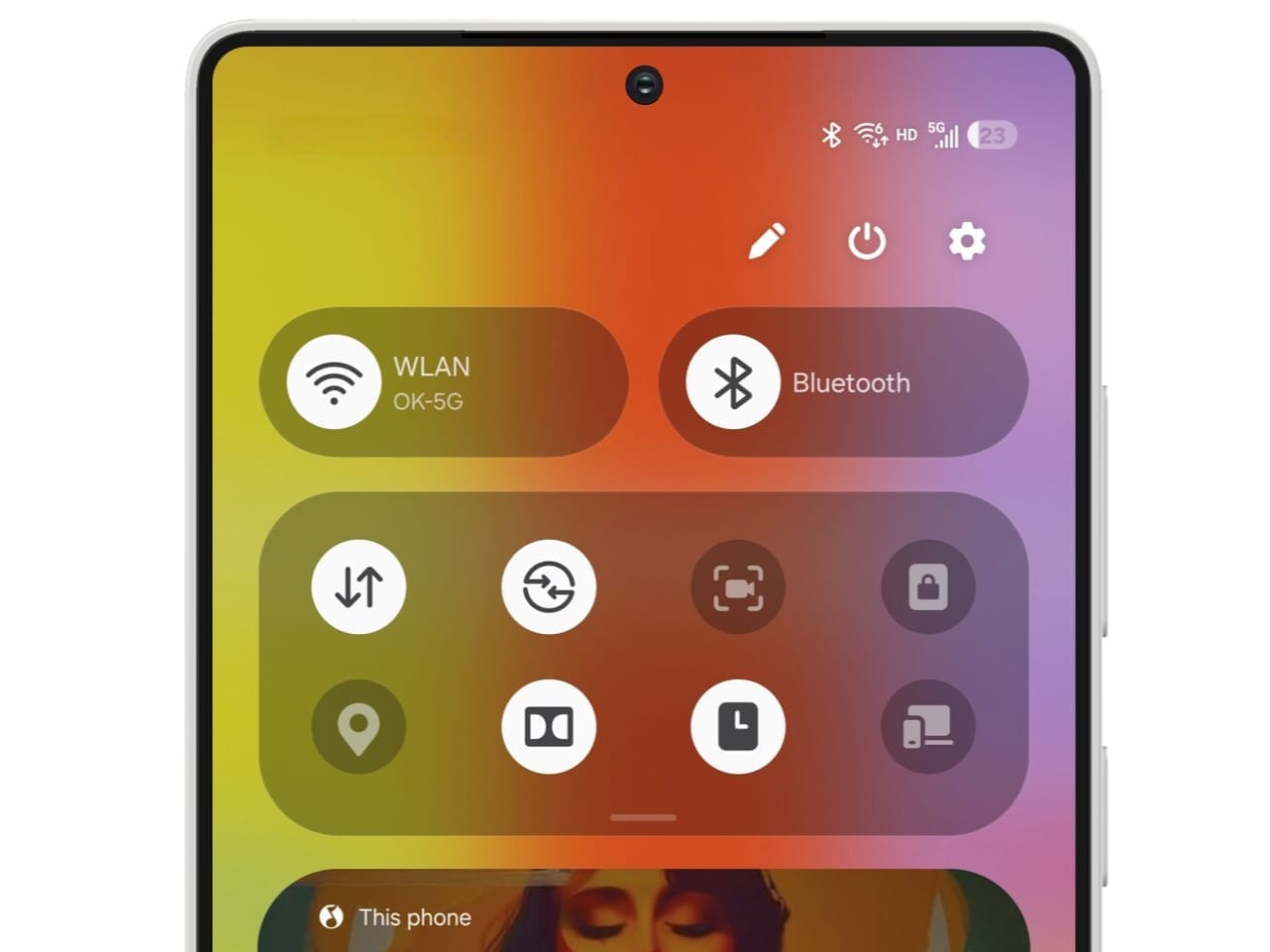
    In any case, Samsung Spain described One UI 7 as having features like “more advanced and user-friendly icons,” a redesigned lock screen, and an updated notification control center. Additionally, Samsung plans to continue relying on its Galaxy AI software, which includes tools like Zoom AI for photography and Live Translate during phone calls.

    Energy Score and Future Plans

    Moreover, Samsung intends to bring the Energy Score feature from One UI 6 Watch, which was launched earlier this year on the Galaxy Watch7 and Galaxy Watch Ultra (currently priced at $461 on Amazon). Unfortunately, Samsung will also be removing some features, including Dex for PC. Instead, they will encourage users to utilize Link to Windows as a replacement. As of now, Samsung is likely to launch One UI 7 beta versions next month, with stable versions expected to arrive in early 2025.

  • Canada Takes Legal Action Against Google for Online Ad Practices

    The Competition Bureau of Canada has started legal proceedings against Google, alleging that the tech giant has been engaging in anti-competitive practices within the online advertising technology market. This action follows an investigation that began in 2016. In an official announcement, the Bureau revealed that it has submitted an application to the Competition Tribunal to tackle what it calls Google’s misuse of its significant power in the digital advertising sector.

    Focus of the Investigation

    The inquiry centers on Google’s actions in the advertising technology domain, where it stands as the leading provider of services that help facilitate the buying and selling of online advertisements. The Bureau claims that Google’s behavior negatively impacts competition by forcing publishers, advertisers, and others in the market to rely exclusively on its own advertising technology suite.

    Concerns Over Ad Tech Stack

    This advertising technology suite, referred to as the ad tech stack, comprises tools designed for the automated transactions of online ads. The Bureau asserts that Google’s approach has effectively obstructed other competitors from entering the market or competing fairly, which distorts the competitive landscape and leads to higher costs, reduced options, and less innovation in online advertising.

    The agency has accused the American firm of employing numerous anti-competitive strategies, such as unlawfully bundling its ad tech products to strengthen its market power. This includes providing preferential access to ad space via its own tools, underpricing competitors through negative margins, and enforcing restrictive conditions that limit publishers’ ability to utilize rival ad technology effectively.

    Seeking Remedies for Competition

    To tackle these issues, the Bureau is requesting multiple remedies in its application to the Competition Tribunal. Among its requests, the Bureau is urging Google to divest two of its vital ad tech products to revive competition in the sector. Additionally, the Bureau is pursuing financial penalties to promote adherence to Canada’s competition laws and a court ruling to stop Google from continuing its alleged anti-competitive behaviors. The Competition Tribunal will ultimately decide on these requests and evaluate the application in time.

    The Bureau has been examining Google’s actions since at least 2016, when it first expressed concerns regarding anti-competitive practices associated with online search and advertising. This scrutiny is occurring amid heightened global attention on Big Tech firms, as regulators in various countries investigate whether dominant companies like Google, Facebook, and Amazon are engaging in actions that hurt consumers and inhibit competition.

    Source: Link

  • Australia to Ban Social Media for Under-16s Starting Late 2025

    Australia to Ban Social Media for Under-16s Starting Late 2025

    Although social media platforms can serve educational purposes, the unfortunate reality is that many teenagers spend excessive amounts of time glued to their screens, using apps like TikTok or Instagram without gaining any meaningful advantages for their lives. While parents in other countries might view this ban as excessive, Australia has determined that teenagers under 16 should not have access to social media. It will be interesting to see how the ban will be enforced when it takes effect at the end of next year. The next phase will begin in January 2025, when testing for enforcement methods will commence.

    Implementation Challenges

    “Even though there are lots of questions about how this law will actually work, we will collaborate closely with the Government and the eSafety Commissioner throughout the year-long implementation to find a way that respects privacy, safety, and practicality,” stated a representative from Snap, the parent company of Snapchat. Other services impacted by this new rule include Instagram, Threads, Facebook, TikTok, X, among others.

    Public Support for the Bill

    The newly passed Online Safety Amendment (Social Media Minimum Age) Bill 2024 has gained surprising popularity among Australians. Recent polls show that a remarkable 77% of the public supports it. In contrast, the ban on under-14s in Florida is currently facing legal challenges, as critics argue it infringes on free speech. This law has been in effect since late March and also applies to teens aged 14 to 15, who must obtain parental permission to create a social media account.

    Source: Link

  • One UI 7 Beta Release Timeline: Longer Wait Times Expected

    One UI 7 Beta Release Timeline: Longer Wait Times Expected

    November has seen a lot of buzz about Samsung possibly launching its One UI 7 Beta for newer flagship and mid-range models. To summarize, multiple sources have shown that Samsung uploaded One UI 7 beta versions to its testing servers for the Galaxy S23 and Galaxy S24 series, including the Galaxy S24 Ultra (currently priced at $949.99 on Amazon).

    No Public Release Yet

    However, no beta versions have been released to the public to date, at least not that anyone is aware of. With November nearly over, it appears less and less likely that anyone outside of Samsung will be able to test One UI 7 Beta before the month concludes.

    Future Timeline for Beta Program

    A new rumor suggests that Samsung might take longer than expected to provide the first public preview of its update based on Android 15. Allegedly, the company plans to start its One UI 7 Beta program ‘by mid-December’, which could mean anytime from the second to the third week of next month.

    Limited Availability for Beta

    Sadly, this schedule only applies to Samsung’s ‘Phase 1’ countries. As noted by GSMArena, this list includes just Germany, South Korea, and the US. Therefore, Samsung enthusiasts in other regions such as China, India, and the UK might have to wait even longer. Reports indicate that stable One UI 7 versions won’t begin to roll out until February 2025, which is just a few months before Google is set to launch Android 16.

    @tarunvats33 via GSMArena

    Source: Link,Link

  • Garmin Fenix 8 Update: CIQ App Enhancements and Bug Fixes

    Garmin Fenix 8 Update: CIQ App Enhancements and Bug Fixes

    Garmin is moving quickly to deliver new bug fixes for its latest smartwatches. Earlier this week, the company began to release System Software 12.22 for the Enduro 3, Fenix E, and Fenix 8 (currently priced at $1,099.99 on Amazon). This significant update included a total of 130 changes, with 79 being fixes for various bugs.

    New Software Cycle Begins

    Now, Garmin has kicked off its next round of software development with Beta Version 12.31. In this update, the company has once again turned off the Dive and electrocardiogram (ECG) features, which will be restored in a later stable release. Meanwhile, Beta Version 12.31 introduces an additional seven bug fixes.

    Specific Fixes Included

    For instance, Garmin has reportedly fixed problems that stopped phone call alert sounds from working. In addition, alarms should now work correctly when users switch from a Fenix 7 to an Enduro 3, Fenix E, or Fenix 8. Furthermore, Beta Version 12.31 includes two bug fixes focused on CIQ, which are as follows:

    Source: Link

  • Garmin Launches Long-Awaited Update for Older Descent Models

    Garmin Launches Long-Awaited Update for Older Descent Models

    Garmin has a large selection of smartwatches, and one notable model is the Descent Mk2i. This watch is specifically designed for diving fans. While it functions like a regular smartwatch, it also boasts a strong resistance to water pressure, making it suitable for underwater use. Its more advanced version, the Mk3i, is already on the market.

    New Software Features

    The recently released software version 26.30 brings exciting and much-anticipated features to the Mk2i. Unlike the Mk2, the Descent Mk2i now supports wireless communication while diving. Achieving this connectivity is challenging because water significantly weakens WiFi or Bluetooth signals. With the latest software update, users can receive SubWave messages when used with the Descent T2.

    Messaging Capabilities

    The Mk2i also allows divers to send messages to other divers, whether to a group or directly to individuals. Alongside these features, several improvements have been introduced. Both the Mk2i and Mk2 now show heart rate data recorded during dives after they are completed.

    Compatibility and Monitoring

    As usual, the Garmin Descent Mk2i can connect to compatible devices that help monitor the filling level and remaining oxygen in tanks. This includes tracking not only the diver’s own air supply but also that of their buddies underwater.

    Source: Link

  • Simufilam Alzheimer’s Drug Trial Fails, Cassava Sciences Stock Drops

    Simufilam Alzheimer’s Drug Trial Fails, Cassava Sciences Stock Drops

    Back in December 2021, after conducting several years of research and initial testing, Cassava Sciences revealed the first phase III trial for their experimental drug, Simufilam, aimed at treating Alzheimer’s disease. By August 2022, more than 400 patients were eagerly waiting to participate. However, just yesterday, after a 52-week clinical trial that included 804 participants, the company announced that the test was unsuccessful, leading them to halt the drug’s development, for now.

    Disappointment for Patients and Families

    "The outcomes are disheartening for those battling this illness and their loved ones, as well as the doctors seeking new therapies. We took careful steps to include patients with mild-to-moderate Alzheimer’s disease. Still, the cognitive decline in the group receiving the placebo was not as severe as what we’ve seen in earlier placebo-controlled trials for Alzheimer’s. We’re working on understanding this more thoroughly," stated Rick Barry, the President and CEO of Cassava Sciences. He also mentioned that the upcoming testing phase, which was previously scheduled, has been canceled.

    Looking to the Future

    More information on the data from this unsuccessful trial can be found in the press release linked below. Now, Cassava Sciences may need to pivot and focus on making SavaDx a marketable product quickly to have a good chance of survival. SavaDx is currently described as "an early-stage product candidate" that aims "to detect Alzheimer’s disease through a simple blood test," leveraging the scientific work from the Simufilam initiative. However, due to the recent failure, SavaDx might also face discontinuation.

    Stock Market Reaction

    After reaching a peak of $34 earlier this week, SAVA shares are now hovering around $4, showing no signs of bouncing back from yesterday’s decline, which brought the stock slightly below the $4 mark. For those wanting to learn more about Alzheimer’s, a condition that impacts over 5 million individuals in the United States, consider checking out "Alzheimer’s Through the Stages: A Caregiver’s Guide," available on Amazon starting at $7.99 in Kindle format.

    Source: Link,Link