Category: Software

  • Xiaomi HyperOS 3 Beta Program Launching August 2025

    Xiaomi HyperOS 3 Beta Program Launching August 2025

    Key Takeaways

    1. Xiaomi has stopped work on HyperOS 2 and is focusing on the next version, HyperOS 3.
    2. There won’t be significant updates for eligible devices based on Android 15; Android 16 beta testing is expected to start in August 2025.
    3. HyperOS 3 is expected to have a more user-friendly interface and improved system responsiveness.
    4. The update will likely include enhanced resource management for quicker performance and improved system stability.
    5. No official list of devices supporting HyperOS 3 has been announced, but most recent smartphones are expected to receive the Android 16 update.


    A recent report indicated that Xiaomi has halted its work on HyperOS 2. Instead, the company seems to be concentrating on the next version, implying that there won’t be any significant updates based on Android 15 for eligible devices. The anticipated major Android 16 update is expected to begin beta testing in August 2025.

    Beta Testing Insights

    This information comes from Digital Chat Station, a trusted tipster on Weibo. The source also suggests that Xiaomi might not be alone in this beta testing venture; it appears that “various companies” will initiate their Android 16 beta programs during the same period.

    HyperOS 3 Expectations

    Though Xiaomi has not officially disclosed anything regarding HyperOS 3, recent reports indicate it will feature a more user-friendly interface, with noticeable changes to the UI design. The Android 16 update for Xiaomi devices is also expected to enhance system responsiveness and allow for smoother transitions between apps.

    Performance Improvements

    Similar to other major updates, the Xiaomi HyperOS 3 rollout is anticipated to include “enhanced” resource management, which should lead to quicker system performance overall. Improvements in system stability are also likely to be part of this update.

    As for which devices will support Xiaomi HyperOS 3, there hasn’t been any official announcement yet. However, most of the recent smartphones are likely to receive the Android 16 update (12/256 GB Xiaomi 15 currently priced at $622.33 on TradingShenzhen). Details about which models will gain early access to the beta program remain unclear, but if it is set to start this month, the company will probably unveil the official list shortly.

    Source:
    Link


  • Japan Orders Apple to Lift iOS Browser Restrictions by 2025

    Japan Orders Apple to Lift iOS Browser Restrictions by 2025

    Key Takeaways

    1. Japan’s digital market competition body has mandated Apple and Google to create an open ecosystem under the Smartphone Act.
    2. Apple must remove restrictions on browser engines for iOS by December 2025, allowing browsers like Firefox and Chrome to use their own engines.
    3. Apple’s current policy requires the use of its WebKit engine for iOS, which it defends by citing security and performance concerns.
    4. New regulations prohibit unreasonable technical barriers and financial burdens on alternative browser engines and require the removal of outright bans.
    5. The Mobile Software Competition Act (MSCA) will require Apple to provide choice screens for browsers post-activation, starting in December 2025.


    Japan’s digital market competition body has released its final findings on the assessment of browsers and web applications. The broad legislation under the country’s Smartphone Act compels companies like Apple and Google to create an open ecosystem. This could spell trouble for Apple’s longstanding limitations regarding browser engines on iOS.

    Deadline for Apple

    As noted by Open Web Advocacy, a nonprofit group that provided input on the report, Apple has until December 2025 to lift all restrictions on browser engines for iOS. This change would allow browsers such as Firefox, Chrome, and Opera to operate using their own engines.

    Apple’s Policy on Browser Engines

    Currently, Apple’s browser engine policy requires the use of its own WebKit engine for iOS, which powers Safari. Apple has historically justified this restriction with claims about security and privacy concerns. They argue that WebKit is specifically optimized for iOS, offering a secure user experience, while alternative engines could lead to fragmentation and a poorer performance.

    Interestingly, the lack of browser competition on iOS means that Safari, Apple’s own browser, brings in considerable revenue for the company. Advocates for an open web have criticized Apple’s de facto ban, stating that these policies limit user choices and stifle the growth of secure alternatives. The European Union’s Digital Markets Act (DMA) forced Apple to lift some of these restrictions.

    Japan’s Smartphone Act Regulations

    The new rules clarify that vendors cannot create unreasonable technical barriers for alternative browser engines while allowing them to adopt these engines. Additionally, it prohibits placing financial burdens on app providers. Vendors are also required to remove any outright bans that could restrict competition within their platforms.

    The Mobile Software Competition Act (MSCA) obligates vendors to provide choice screens for browsers and other software. Apple will need to show these screens “promptly after first activation.” Set to take effect in December 2025, the MSCA will press Apple to open its ecosystem to third-party browser engines.

    Source:
    Link


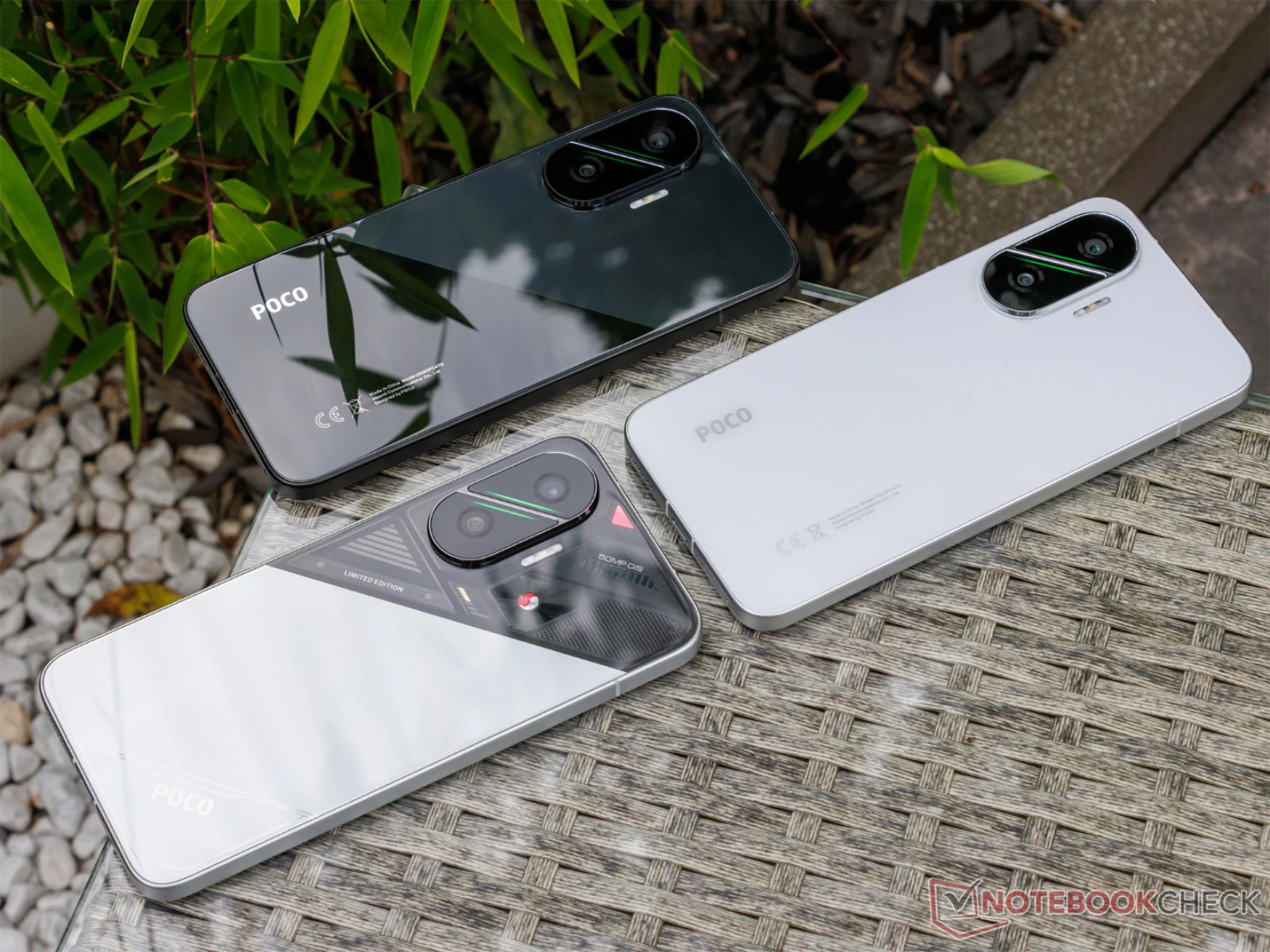
  • Xiaomi Poco F7 Update: Exciting Camera Improvements Released

    Xiaomi Poco F7 Update: Exciting Camera Improvements Released

    Key Takeaways

    1. Xiaomi has launched a new software update, HyperOS 2.0.102.0, for the budget-friendly Poco F7.
    2. The update includes camera enhancements based on user feedback, improving HDR controls and minimizing overexposure.
    3. Users can expect more realistic landscape photographs and better color accuracy, especially in green tones.
    4. Portrait images will feature more natural skin tones and overall improved image quality.
    5. The update also optimizes thermal management to prevent overheating during heavy usage.


    Xiaomi has begun to roll out a fresh software update for the most affordable option in the Poco F7 lineup. Launched at the end of June as a budget-friendly choice compared to the Poco F7 Pro and Poco F7 Ultra (current price: $795 on Amazon), the Poco F7 features a Qualcomm Snapdragon 8s Gen 4 processor along with Sony’s IMX882 sensor, which serves as its 50 MP main camera.

    Camera Enhancements

    Now, Xiaomi is introducing HyperOS 2.0.102.0 in various regions, promising numerous camera enhancements based on user feedback. The company asserts that it has fine-tuned HDR controls to minimize overexposure and better depict brighter parts of an image. Additionally, this update is reported to have improved the accuracy of color reproduction and detail retention across different lighting situations.

    Improved Image Quality

    Poco F7 users are expected to see more realistic landscape photographs and images with green tones after downloading HyperOS 2.0.102.0. Furthermore, the update is designed to enhance portrait images by incorporating more natural skin tones, along with other minor improvements. It is said that HyperOS 2.0.102.0 also optimizes thermal management, which may help in avoiding thermal throttling when the device is under heavy usage.

    Source:
    Link


  • Cadence Export Violations Impact Intel CEO Lip-Bu Tan’s Tenure

    Cadence Export Violations Impact Intel CEO Lip-Bu Tan’s Tenure

    Key Takeaways

    1. Cadence Design Systems admitted guilt to conspiracy for illegal export control violations related to chip design software sold to Chinese front companies.
    2. The company agreed to pay a $140 million fine and will be on probation for three years.
    3. Lip-Bu Tan served as CEO during the violations, raising concerns about executive accountability, although he faced no direct legal action.
    4. The case highlights a trend where corporate leaders avoid personal responsibility for misconduct, with penalties primarily targeting the companies instead.
    5. The situation emphasizes a significant gap in accountability within corporate structures, suggesting a need for stronger regulatory actions.


    During Lip-Bu Tan’s time in charge, Cadence Design Systems admitted guilt to “conspiracy to commit export control violations,” as reported by the U.S. Department of Justice. These violations were related to the illegal sale of chip design software and hardware to Chinese front companies linked to the National University of Defense Technology—an entity that U.S. officials say supports nuclear explosion simulations. Cadence has agreed to pay a fine of 140 million dollars and will be on probation for a period of three years.

    Leadership and Accountability

    Tan was the CEO of Cadence from 2009 until December 2021 and continued to serve as executive chairman until May 2023. The illegal exports took place between 2015 and 2021. Although no legal actions have been brought against Tan directly, the occurrence of these violations during his leadership has raised questions regarding executive oversight. Furthermore, Tan’s current role as CEO of Intel places him at the forefront of U.S. initiatives to regain control over semiconductor production and technology exports.

    Corporate Culture and Consequences

    This case reflects a larger trend where top corporate figures avoid personal responsibility, even in situations of serious misconduct. For instance, Elon Musk has not faced any legal repercussions for the multiple deaths related to Tesla’s Autopilot system, despite aggressive promotion and ongoing safety issues. Similar to Cadence, the penalties have mainly focused on the company itself rather than the individuals who were steering the company during these troubling times.

    The settlement involving Cadence underscores the reality that enforcement of export controls and safety regulations often fails to reach the highest levels of management. With leaders like Lip-Bu Tan and Elon Musk remaining protected despite the severe consequences under their guidance, the sector continues to function under a system where the costs of wrongdoing are merely factored into the financial plans.

    Conclusion

    The issues raised by this case indicate a significant gap in accountability within corporate structures. The Cadence situation, alongside examples like Tesla, suggests that without strong regulatory action, business leaders may feel free to act without fear of personal repercussions.

    Source:
    Link


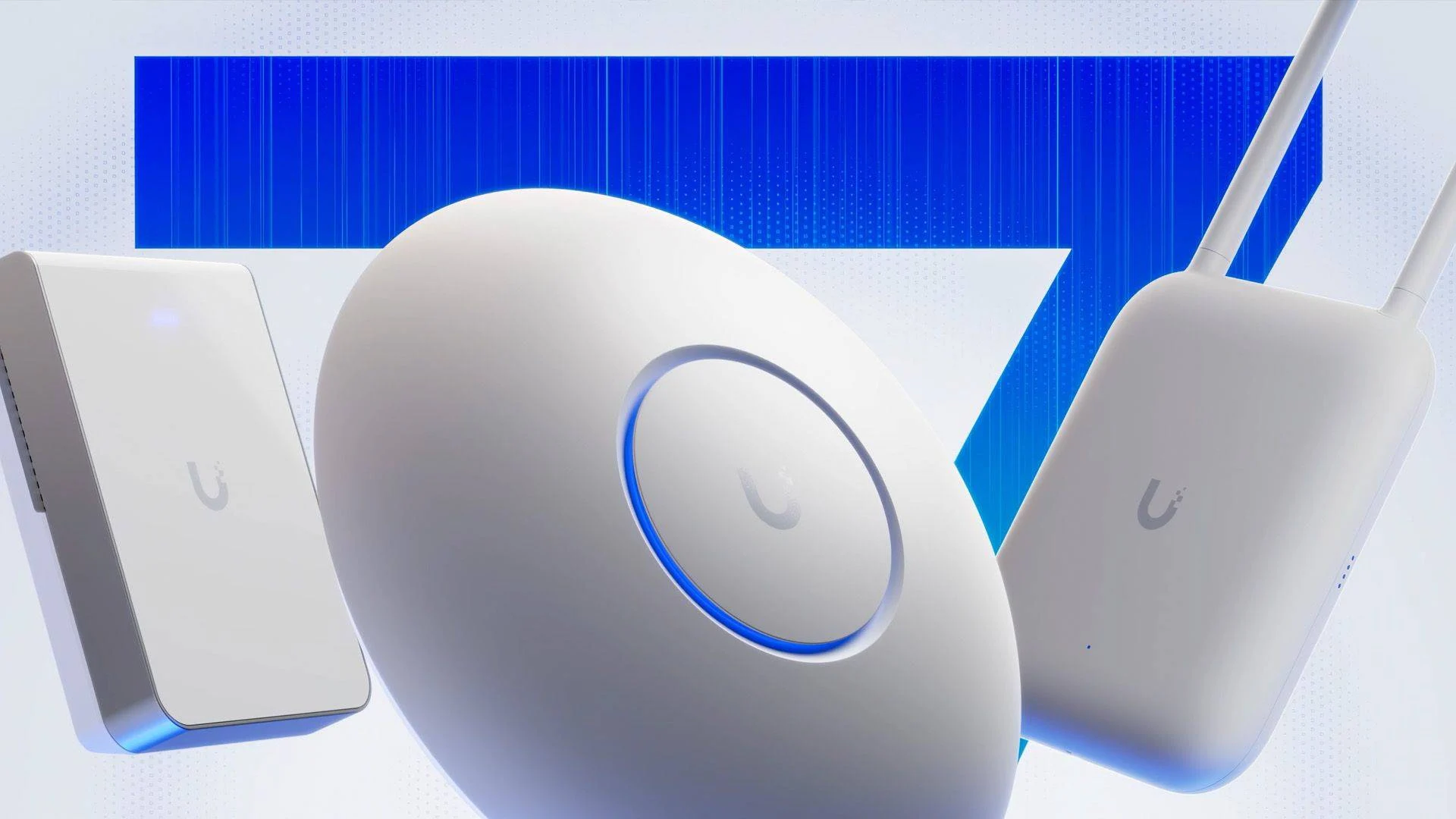
  • Run UniFi OS on Windows, macOS, or Linux with Ubiquiti’s Server

    Run UniFi OS on Windows, macOS, or Linux with Ubiquiti’s Server

    Key Takeaways

    1. Ubiquiti introduced the Unifi OS Server, allowing managed service providers to host the UniFi Network stack on their own hardware.
    2. Users can customize their server setups to meet specific needs, supporting various architectures (X86, X64, ARM64).
    3. The software operates without requiring an internet connection and avoids license management.
    4. Ubiquiti aims to reach new customer segments while maintaining revenue through linked hardware instead of a licensing model.
    5. The Unifi OS Server builds on previous capabilities, allowing users to install WLAN controllers on their own hardware for cost savings.


    Ubiquiti has recently revealed the Unifi OS Server, a software solution that can be run on your own hardware. This product is mainly designed for managed service providers who wish to host the complete UniFi Network stack on their own servers while still having the advantage of UniFi’s cloud features.

    Custom Configuration Options

    With this new server, users can tailor their server setup to fit their specific requirements instead of depending solely on Ubiquiti’s hardware. The Unifi OS Server can be deployed on virtual machines and also on systems that utilize X86, X64, or ARM64 architectures.

    No Internet Required

    Importantly, Ubiquiti emphasizes that an internet connection isn’t necessary for the software’s operation. Additionally, there will be no need for license management, which aligns with the company’s original philosophy. While a licensing model could have been an option, Ubiquiti prefers to sustain its revenue through the hardware linked to the Unifi OS server.

    Targeting New Markets

    This innovative strategy is aimed at reaching new customer segments. Nonetheless, it’s worth noting that this isn’t a completely new concept. In the past, users were already able to install the WLAN controller on their own hardware for WLAN setups, which allowed them to save a significant amount of money by opting for more affordable hardware solutions.

    Source:
    Link

  • US Senator: UK’s Investigatory Powers Act Threatens Encryption

    US Senator: UK’s Investigatory Powers Act Threatens Encryption

    Key Takeaways

    1. Senator Ron Wyden is concerned about the UK’s Investigatory Powers Act (IPA) and its threats to American privacy and security.
    2. The IPA’s gag rules hinder transparency, preventing companies from acknowledging technical capability notices related to surveillance.
    3. Corporate responses to the IPA vary, with Apple limiting Advanced Data Protection in the UK, while Google and Meta maintain different stances on encryption.
    4. The IPA could lead to U.S. user data being stored in the UK and allow for spyware installation, creating vulnerabilities for U.S. citizens.
    5. U.S. officials are investigating whether the UK’s actions against Apple violate the CLOUD Act, with increasing political pressure to address encryption policy conflicts.


    A recent inquiry by Senator Ron Wyden shows growing concern in Washington about the surveillance laws in the United Kingdom. In a letter directed to Director of National Intelligence Tulsi Gabbard, Wyden requested a public evaluation of the national-security threats posed by Britain’s Investigatory Powers Act (IPA) and its confidential “technical capability” orders aimed at American tech companies. He cautioned that any foreign request for an encryption back-door could jeopardize American privacy and create more routes for hostile cyber entities.

    Oversight Complications

    The IPA’s gag rules make it hard to monitor. Those who receive a technical-capability notice might not even be able to acknowledge its existence, leaving both Congress and the public in the dark about which companies are involved and how they are responding. Apple informed Wyden’s team that it would be unable to confirm or deny such a notice, while Google gave a similar answer when asked for more information.

    Different Corporate Responses

    Responses from companies vary widely. Apple’s Advanced Data Protection (ADP) is still opt-in globally, but since it is turned off by default, only a small number of users are taking advantage of fully encrypted iCloud backups. After a UK request earlier this year, Apple took down ADP for new customers in Britain and required existing users to turn off the feature during a brief grace period. On the other hand, Google offers encrypted Android backups by default but chose not to disclose whether it had been approached by London, later emphasizing that no back-door is present in its products. Meta firmly denied any request to compromise the encryption of WhatsApp or Messenger.

    Broader Implications of the IPA

    Wyden’s letter asserts that the IPA’s influence goes beyond just decryption. The law could potentially force businesses to covertly keep new U.S. user data on British territory and allow for “equipment interference” actions that would install spyware on devices—actions that would put both U.S. officials and citizens at risk of foreign surveillance. The senator argues that these scenarios create fundamental vulnerabilities instead of just random privacy issues.

    U.S. officials are looking into whether the UK order against Apple breaches the CLOUD Act, which prohibits British investigators from demanding data from Americans or individuals in the United States. Political pressures are also increasing: Vice President J.D. Vance and other legislators have urged London to withdraw its demands amid worries of a larger conflict over encryption policies.

    Source:
    Link

  • MBox D9: Versatile Secondary Display with Multiple Configurations

    MBox D9: Versatile Secondary Display with Multiple Configurations

    Key Takeaways

    1. MBox is seeking crowdfunding for its new secondary display, the D9, priced at $79 (originally $129), with shipping expected in November 2025.
    2. The D9 features a 9.2-inch ultrawide display with a resolution of 1,920 x 464 pixels and connects via USB-C, not HDMI.
    3. Users can customize the D9’s content through software, enabling various setups like widgets, photos, and animations without coding skills.
    4. Additional uses for the D9 include displaying system metrics, stock updates, and song lyrics, with support for both portrait and landscape modes.
    5. The D9 is compatible with an open-source development environment, allowing for further customization and easier switching between views.


    Following the debut of the DS5, MBox is now looking for financial backing for its newest secondary display via crowdfunding. The recently introduced MBox D9 is priced at $79 (not including shipping), reduced from its original price of $129, and is anticipated to begin shipping in November 2025. However, interested supporters should be cautious of the typical financial risks that come with crowdfunding projects before they decide to buy.

    Features of the D9

    The D9 boasts a 9.2-inch ultrawide display with a resolution of 1,920 x 464 pixels. Instead of using HDMI, it connects to other devices through USB-C, which means it isn’t meant to act as a standard external monitor. The content shown on the D9 is regulated through software. This application provides a variety of setup options and a graphical interface, allowing users to adjust their secondary display without needing any coding skills. For example, the screen can be set up to display various widgets or content like photos and animations.

    Additional Uses

    There are also other potential uses, such as showcasing different system metrics (like CPU usage and temperature), stock market updates, or even song lyrics. The MBox D9 can be used in both portrait and landscape modes and is compatible with an open-source development environment, creating even more chances for customization. There are shortcuts to make switching between different views easier.

    Source:
    Link


    MBox D9: Versatile Secondary Display with Multiple Configurations

    MBox D9: Versatile Secondary Display with Multiple Configurations


  • Anker App Update Introduces New Features for Solix Users

    Key Takeaways

    1. Anker app version 3.10.0 is now available for iOS, marking its second release in July 2025.
    2. New features include disaster event checking for Solix home backup users and multi-device login capability.
    3. The app now supports the newly launched Anker Solix P1 Meter.
    4. The Anker Solix Solarbank 3 Pro received an update introducing a new wake-up feature for charging.
    5. The release date for version 3.10.0 on Android is still unknown, with the last update being version 3.9.1.


    Anker has unveiled a new update for its iOS application. The latest version, 3.10.0, marks the second release in July 2025 for customers using the brand’s devices. The previous significant update took place at the end of June, which introduced compatibility with the new Solix F3000 portable power station and provided in-app access to the Anker Solix store.

    Features for Users

    The Anker app version 3.10.0 includes two notable enhancements. The first improvement is for those using Solix home backup solutions. Users can now check various disaster types and events within the app, likely tied to the current weather monitoring tools. The second addition is the capability for single-account multi-device login. In the past, if users tried to log into the app on a second device, they would be logged out from the first one. Now, individuals can stay logged in on multiple devices, which could be helpful for those who share their accounts with friends or family.

    Optimization and New Devices

    The release notes conclude by mentioning that several unspecified functions have been improved. Additionally, it has been noted that the newly launched Anker Solix P1 Meter is now available in the app. Moreover, the Anker Solix Solarbank 3 Pro is receiving its software update version 1.0.0.24. This update introduces a new wake-up feature for sleep mode, allowing the battery to charge when it senses photovoltaic energy being sent to the grid. Users can install this Solarbank 3 Pro update through the Anker app.

    Availability

    You can now get the Anker app version 3.10.0 for iOS on the Apple App Store. It’s unclear when the version 3.10.0 will be released for Android users; the last update for Android, version 3.9.1, was made available on July 28th. That update only indicated that there were “Function Optimized.”

    Source:
    Link


  • Microsoft Teams Introduces Immersive VR Events with Avatars

    Microsoft Teams Introduces Immersive VR Events with Avatars

    Key Takeaways

    1. Microsoft has introduced Immersive Events in Teams, allowing virtual reality meetings with 3D avatars and environments.
    2. Teams functions similarly to Zoom and has replaced Skype as a meeting platform.
    3. Event planners can use no-code tools to easily customize virtual settings with 3D objects and streamline participant seating.
    4. The 3D interaction enhances the connection and shared experiences among participants.
    5. Future updates will enable users to experience Immersive Events in 3D with Meta Quest headsets.


    Microsoft has rolled out Immersive Events to Teams in a public preview, allowing users to have virtual reality meetings featuring 3D avatars and environments reminiscent of Second Life, although the avatars lack lower bodies. This immersive feature can be accessed on both PCs and Macs.

    Similar to Zoom

    Teams operates like Zoom, providing a platform for professionals and students across the globe to arrange meetings and connect online. Additionally, it has taken the place of Skype, which is no longer in use.

    No-Code Tools for Customization

    Event planners can utilize no-code tools to incorporate 3D objects into their virtual settings, including chairs, starting viewpoints, text, media, and social ice-breakers. With just one click, all participants can be moved to their designated seats, thus saving time when beginning meetings or classes.

    Enhanced Connections in 3D

    The interaction among avatars in a 3D space through Immersive Events enhances the feeling of connection and shared experiences for participants, as stated by Microsoft. In the future, users will also be able to experience Immersive Events in 3D using Meta Quest headsets.

    For those puzzled by Microsoft’s decision to exclude legs from the 3D avatars, they can still find them in Second Life. You can learn more about Second Life by checking out this book on Amazon, along with another book detailing the history of online metaverses available there.

    Source:
    Link

  • Starlink Download Speeds Surge After Recent Satellite Network Glitch

    Starlink Download Speeds Surge After Recent Satellite Network Glitch

    Key Takeaways

    1. The longest Starlink outage occurred on July 25, affecting many users for at least 2.5 hours.
    2. The outage was caused by issues with key internal software services that manage the core network.
    3. Starlink operates over 100 gateways in the U.S. to enhance Internet service in remote areas.
    4. SpaceX is upgrading ground stations for upcoming V3 satellites, which will significantly increase data capacity.
    5. Despite the outage, some users experienced improved download speeds afterward, suggesting a positive network enhancement.


    Starlink Internet interruptions are quite rare, as the network has mostly remained stable since SpaceX began launching its initial Starlink satellites into orbit.

    A Surprising Outage

    Therefore, the longest Starlink outage since its launch took many by surprise on Friday, July 25. Many of its six million users across the US and worldwide experienced a lack of satellite Internet for at least 2.5 hours, with some being affected for even longer.

    For the first time, Starlink issued a global outage alert on its website and managed to fix the problem relatively quickly for most users on the same day. SpaceX expressed its regret and explained that the issue was due to “key internal software services that operate the core network,” possibly pointing to the largest ground network supporting a satellite constellation ever created.

    Technical Infrastructure

    In the United States, Starlink runs over 100 gateways, each equipped with 150 antennas, to help eliminate dead zones and enhance ping for users in remote areas and rural settings. These antennas are produced in Redmond, WA, and are designed to channel the satellite Internet signal through the country’s extensive fiber optic infrastructure, thus enhancing coverage, reducing latency, and stabilizing connections.

    SpaceX is currently upgrading its ground stations in anticipation of launching its V3 satellites, which promise to deliver 10 times the data throughput of the current models, reaching up to 1 Tbps. For context, the Starlink Mini dish has a maximum speed of 100 Mbps, while only the Performance dish can utilize gigabit speeds. With each launch of V3 satellites in 2026, SpaceX plans to add 60 Tbps of network capacity, necessitating a new generation of terrestrial gateways to support this growth.

    Stability Concerns

    Regrettably, the ground-based network of Starlink can sometimes create instability, as was evident during the recent lengthy outage. A memo from SpaceX shared with suppliers revealed that a software update sent to the Starlink gateways overloaded their hardware, causing the network to stop processing data packets while the core update was being implemented.

    Although SpaceX provided the usual explanations and reassurances that they had learned from this incident, users of Starlink began to observe a surprisingly positive change over the weekend. After the outage, some users reported that their download speeds increased by three times or more, suggesting that the unfortunate update to the gateways was not merely a bug fix, but rather a significant network enhancement.

    Source:
    Link